Hubbard Glacier Alaska
786
Cruises availables
At departure or passage at this port
Azamara Club Cruises (15 Cruises)
Azamara Pursuit
15 Cruises
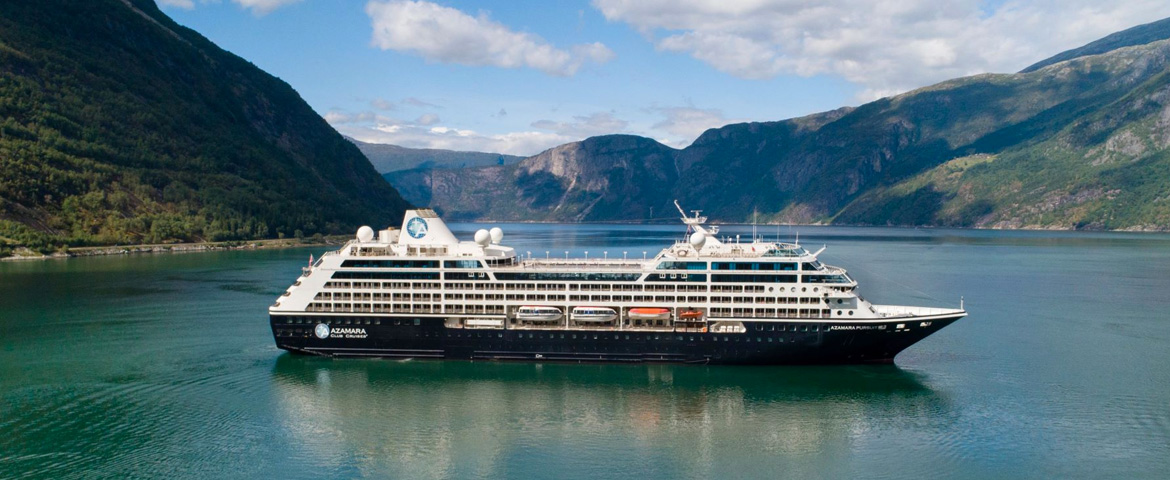

| 3 June | 12 days | One-way from Whittier to Vancouver |
450-628-6241
Call us
|
| 3 June | 11 days | One-way from Whittier Anchorage, AK to Vancouver |
450-628-6241
Call us
|
Celebrity Cruises (54 Cruises)
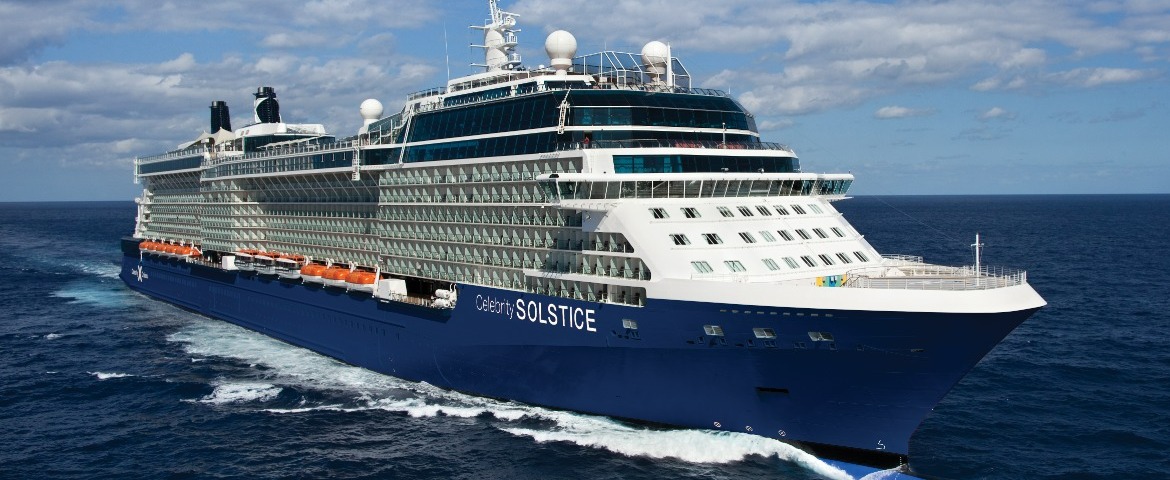
Celebrity Solstice
36 Cruises

Celebrity Summit
18 Cruises

Crystal Cruises (22 Cruises)
Crystal Serenity
10 Cruises


Crystal Symphony
12 Cruises
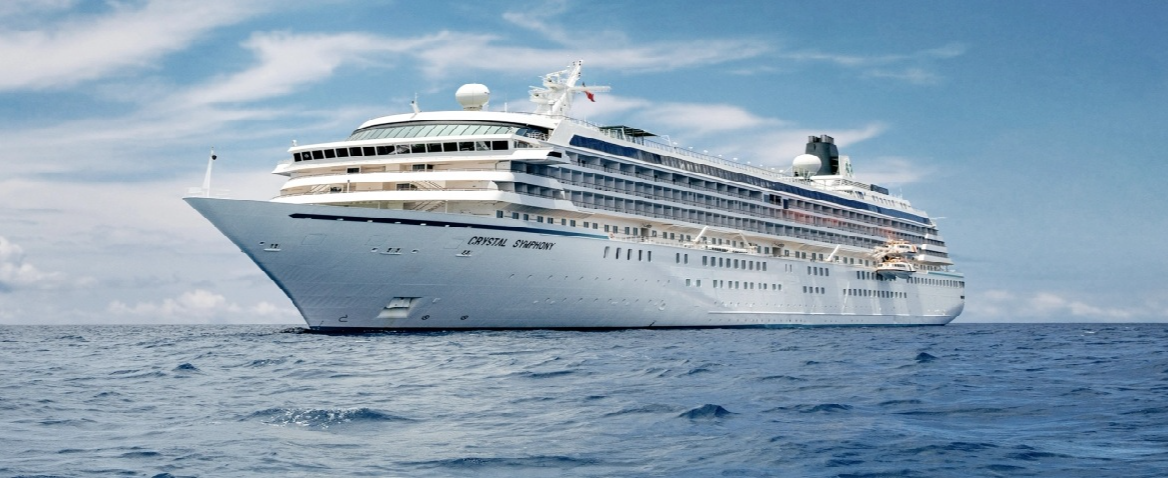
| 10 June | 34 days | One-way from Fort Lauderdale to Vancouver |
450-628-6241
Call us
|
| 25 June | 19 days | One-way from San Diego to Vancouver |
450-628-6241
Call us
|
Explora Journeys (17 Cruises)
Explora III
17 Cruises
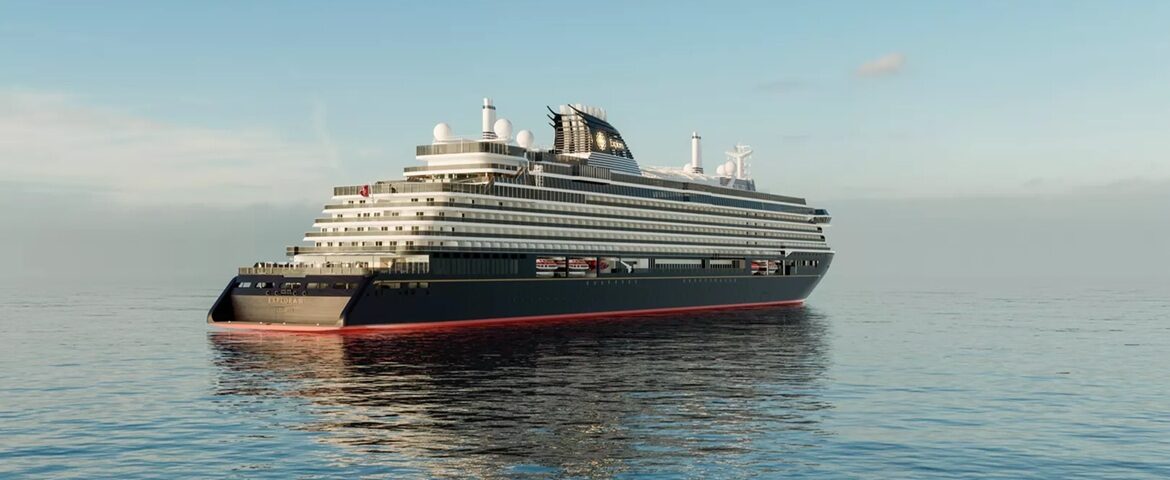

| 21 May | 11 days | Round-trip Alaska Explora Iii Vancouver |
450-628-6241
Call us
|
| 21 May | 12 days | Round-trip from Vancouver, Canada |
450-628-6241
Call us
|
Holland America Line (122 Cruises)
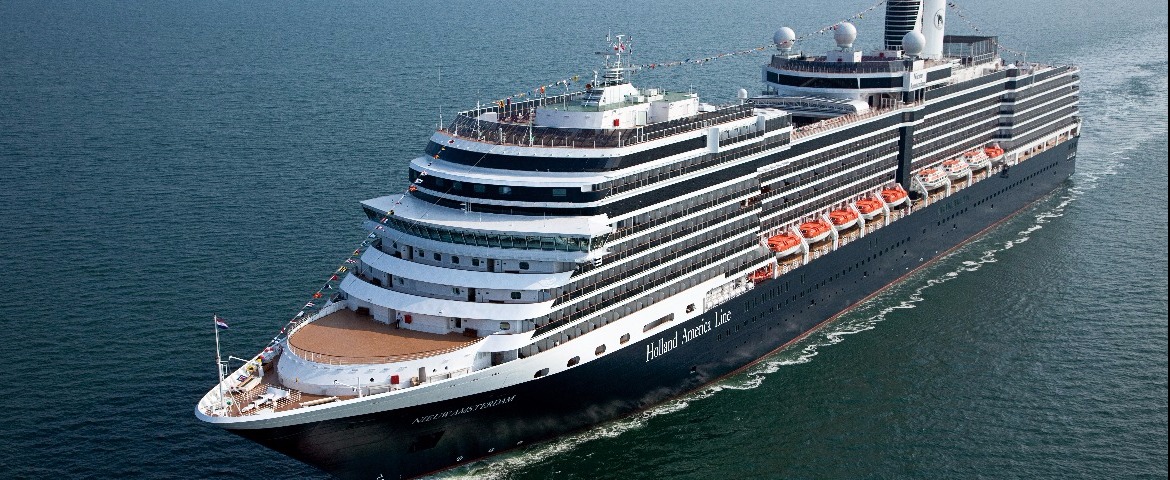
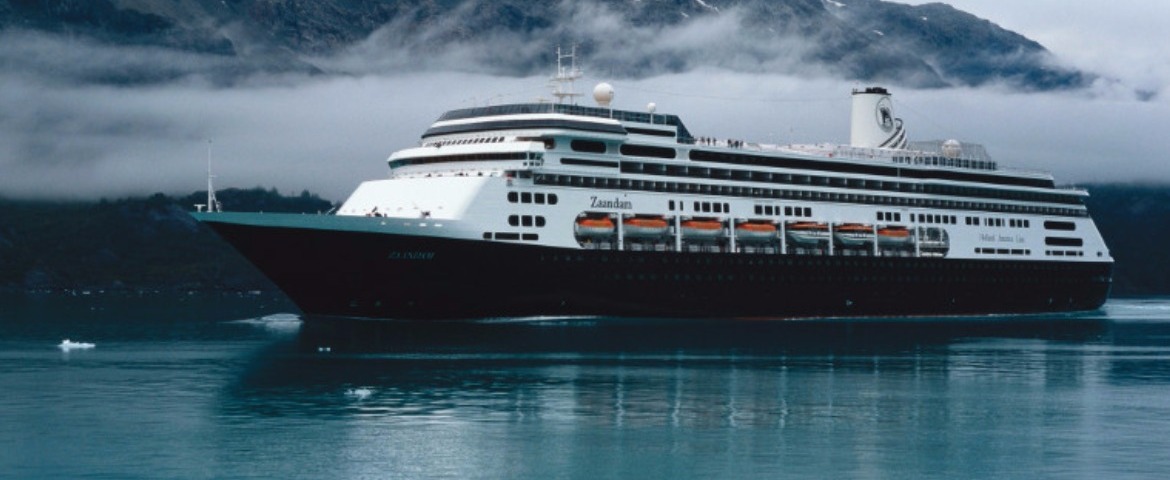
ms Nieuw Amsterdam
38 Cruises

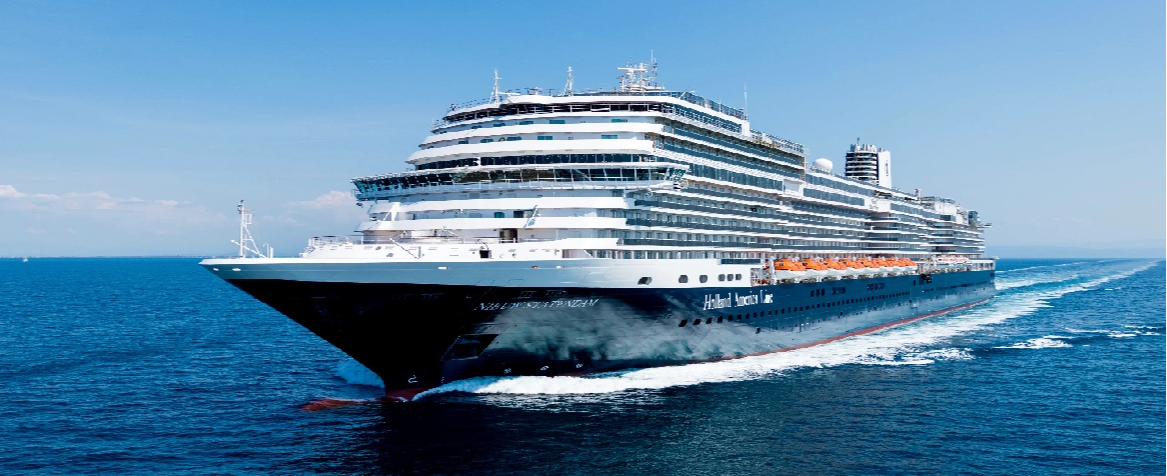
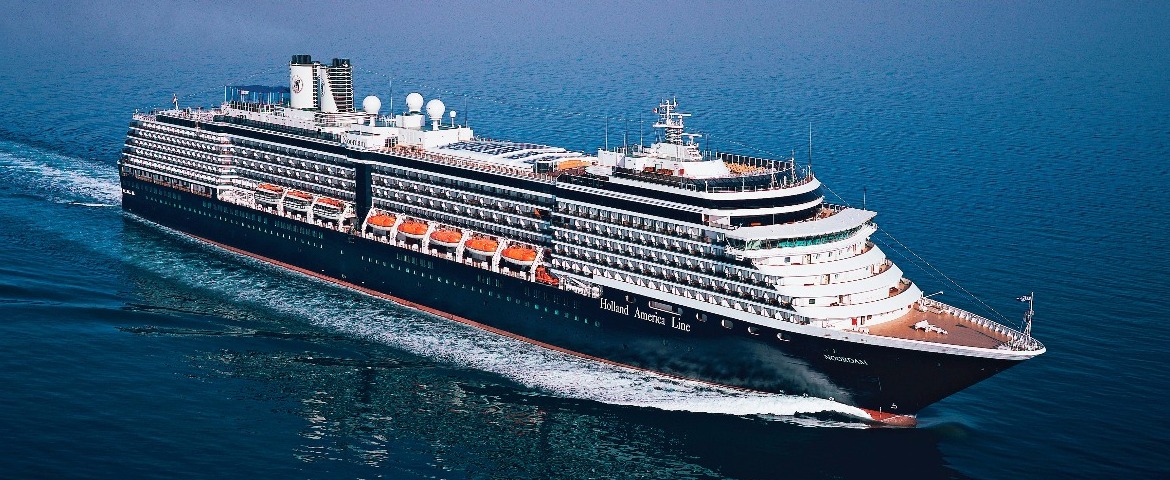
ms Nieuw Statendam
38 Cruises
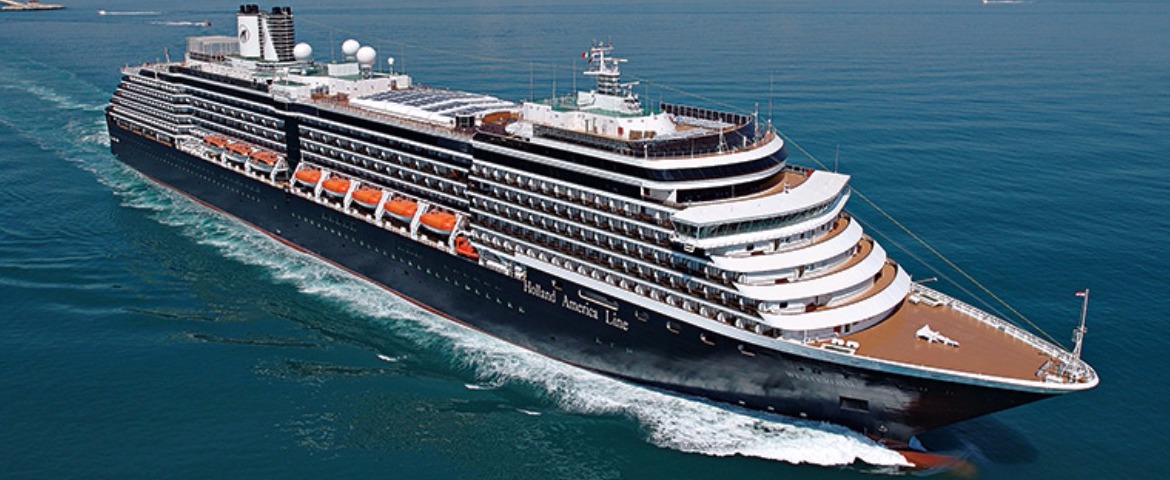
ms Westerdam
39 Cruises
Norwegian Cruise Line (35 Cruises)
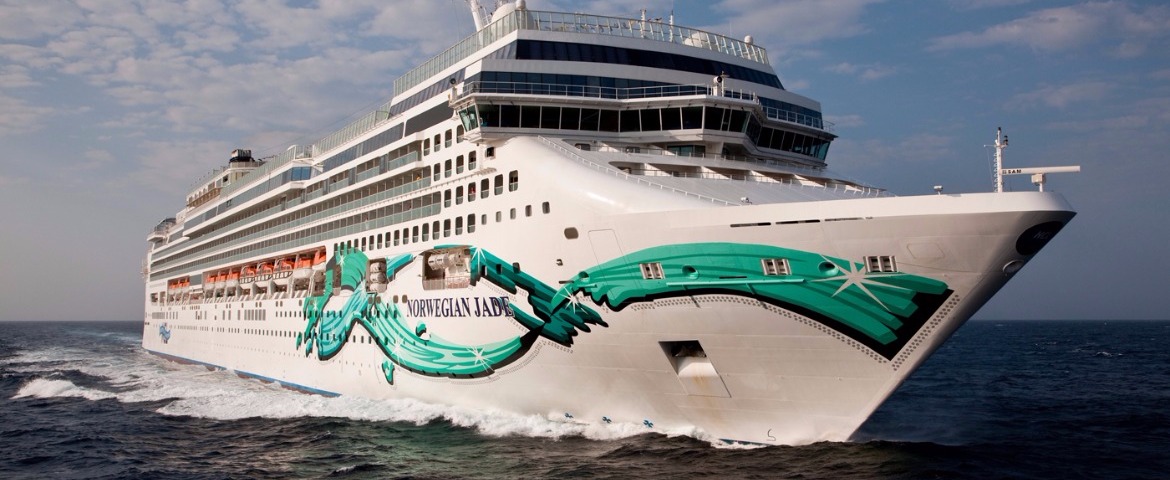
Norwegian Jade
33 Cruises

| 24 April | 17 days | One-way from Yokohama to Vancouver |
450-628-6241
Call us
|
| 24 April | 16 days | One-way from Yokohama to Vancouver |
From
1088$
|

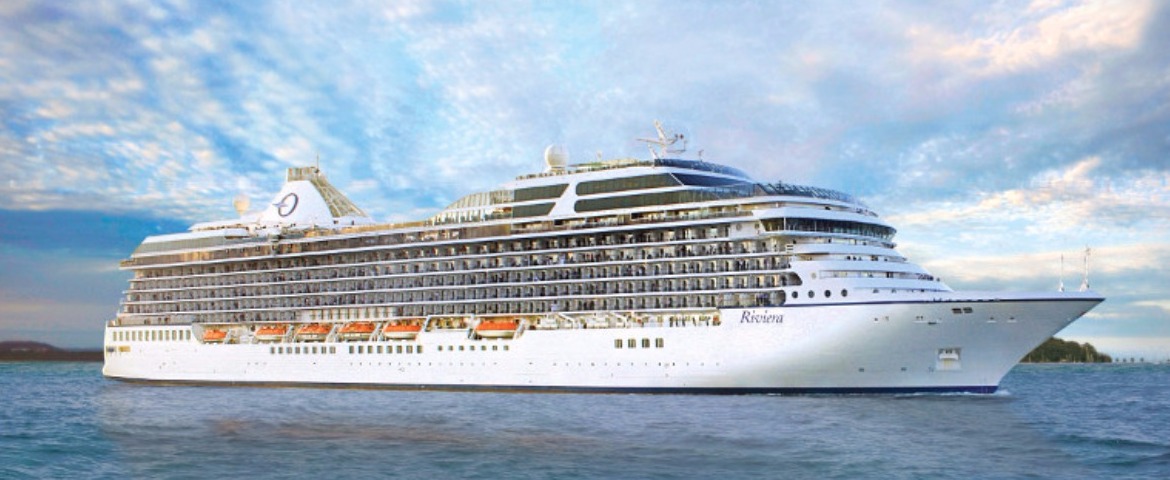
Oceania Cruises (2 Cruises)

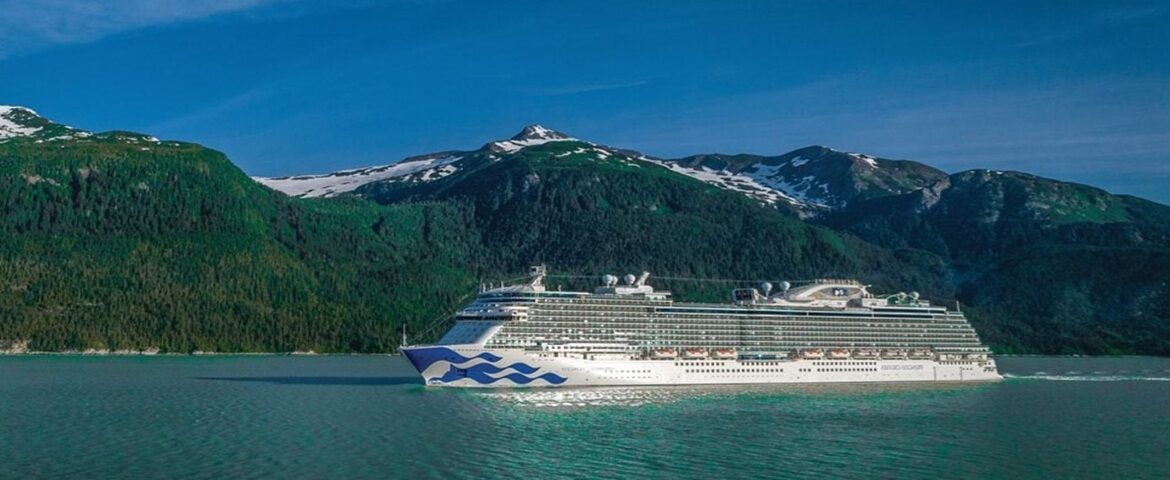
Princess Cruises (142 Cruises)
Coral Princess
49 Cruises


| 31 March | 46 days | One-way from Singapore to Los Angeles |
450-628-6241
Call us
|
| 31 March | 45 days | One-way from Singapore to Los Angeles |
450-628-6241
Call us
|
Crown Princess
27 Cruises

Discovery Princess
20 Cruises
Grand Princess
16 Cruises

Island Princess
29 Cruises


Regent Seven Seas Cruises (82 Cruises)
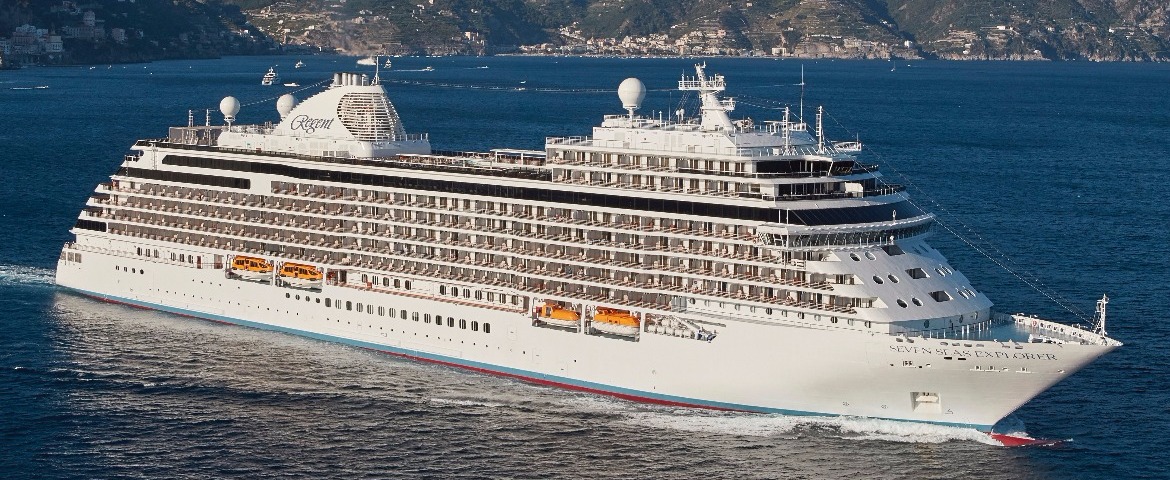
Seven Seas Explorer
37 Cruises

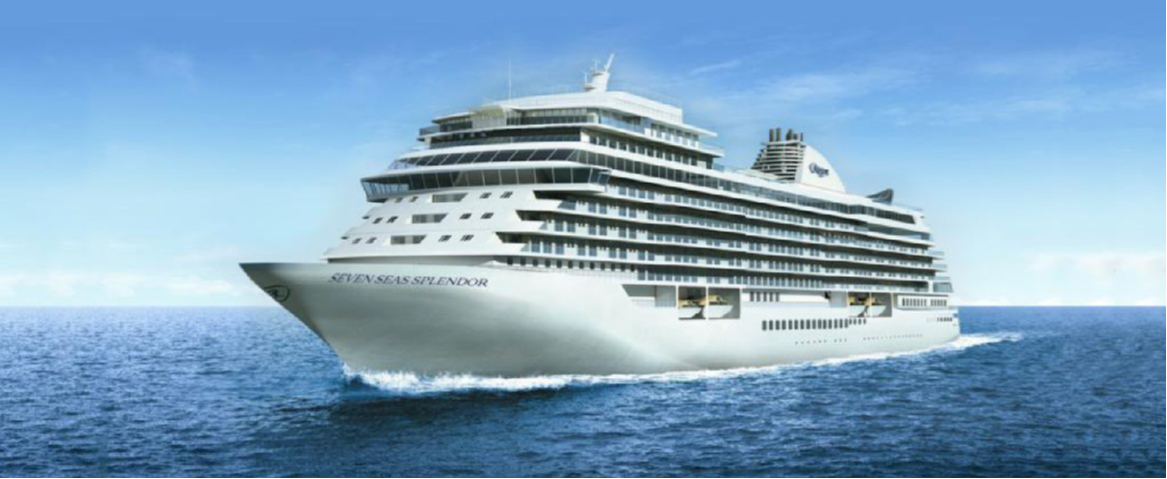
Seven Seas Splendor
45 Cruises
| 6 January | 133 days | Round-trip from San Francisco, USA |
450-628-6241
Call us
|
| 6 January | 140 days | One-way from San Francisco to Vancouver |
450-628-6241
Call us
|
Royal Caribbean Cruises (21 Cruises)
Anthem of the Seas
21 Cruises


Seabourn Cruise Line (56 Cruises)
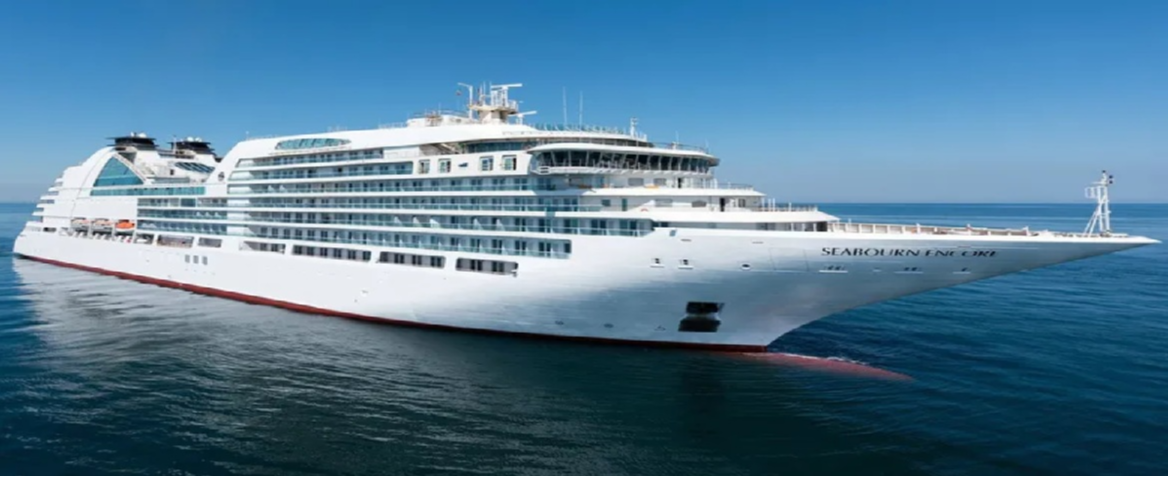
Seabourn Encore
56 Cruises

Silversea Cruises (77 Cruises)
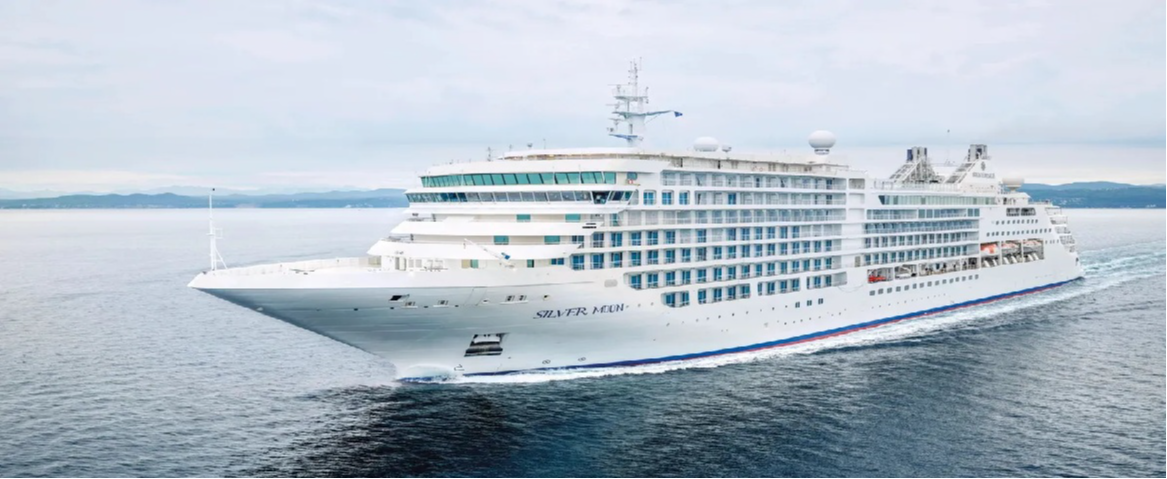
Silver Moon
42 Cruises

| 27 May | 7 days | One-way from Vancouver to Seward |
450-628-6241
Call us
|
| 27 May | 8 days | One-way from Vancouver to Seward |
450-628-6241
Call us
|
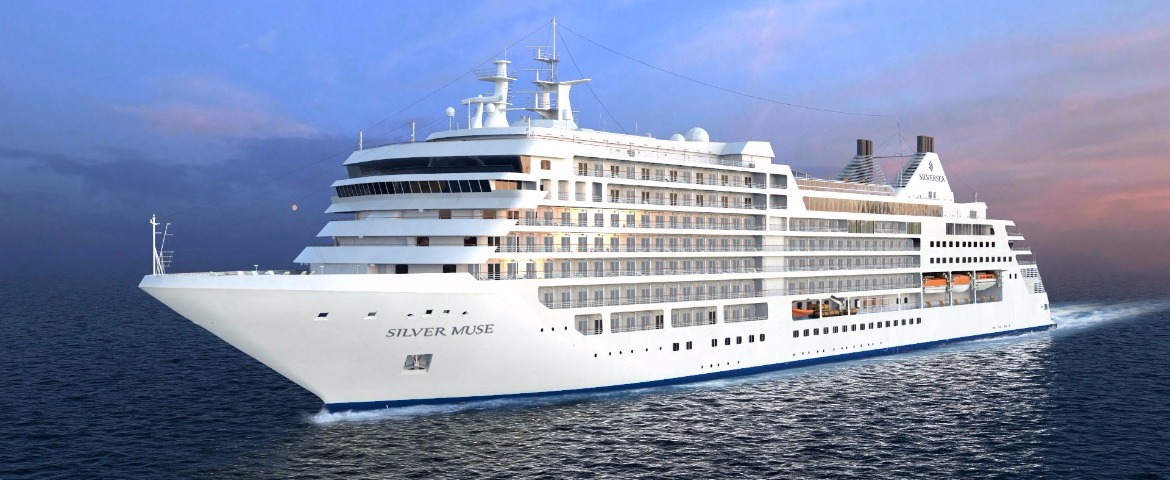
Silver Muse
15 Cruises
| 30 May | 17 days | Round-trip from Vancouver, Canada |
450-628-6241
Call us
|
| 30 May | 10 days | One-way from Vancouver to Seward |
450-628-6241
Call us
|
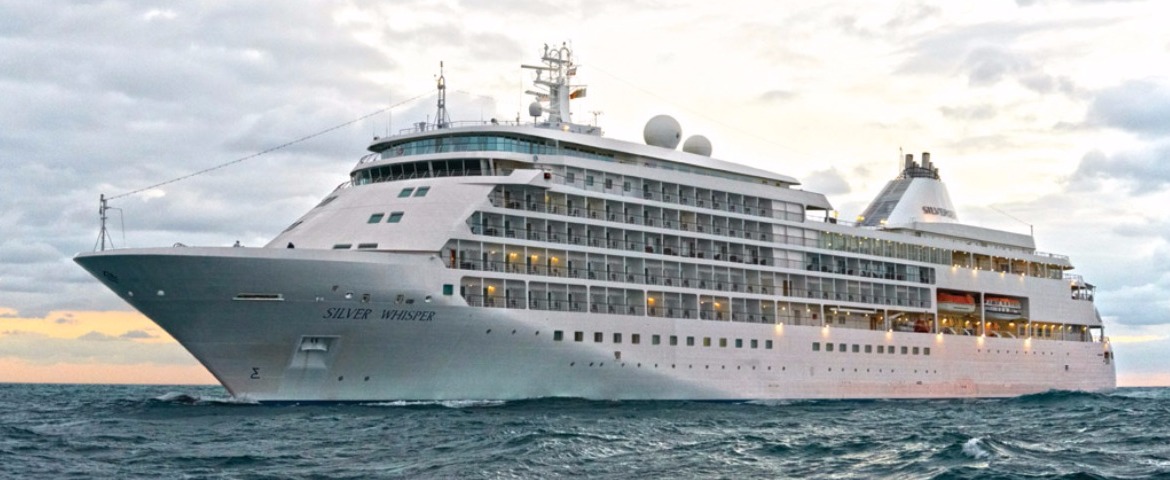
Silver Whisper
20 Cruises
Viking Ocean Cruises (138 Cruises)
Viking Orion
66 Cruises


| 23 February | 90 days | One-way from Auckland to Vancouver |
450-628-6241
Call us
|
| 23 February | 91 days | One-way from Auckland to Vancouver |
450-628-6241
Call us
|
| 8 March | 77 days | One-way from Sydney to Vancouver |
450-628-6241
Call us
|
| 8 March | 78 days | One-way from Sydney to Vancouver |
450-628-6241
Call us
|
| 20 April | 34 days | One-way from Hong Kong to Vancouver |
450-628-6241
Call us
|
| 20 April | 35 days | One-way from Hong Kong to Vancouver |
450-628-6241
Call us
|
Viking Venus
72 Cruises

| 26 April | 34 days | One-way from Hong Kong to Vancouver |
450-628-6241
Call us
|
| 26 April | 35 days | One-way from Hong Kong to Vancouver |
450-628-6241
Call us
|
| 31 March | 34 days | One-way from Hong Kong to Vancouver |
450-628-6241
Call us
|
| 31 March | 35 days | One-way from Hong Kong to Vancouver |
450-628-6241
Call us
|
| 14 April | 20 days | One-way from Tokyo to Vancouver |
450-628-6241
Call us
|
| 14 April | 21 days | One-way from Tokyo to Vancouver |
450-628-6241
Call us
|
Virgin Voyages (3 Cruises)


Hubbard Glacier, Alaska | Cruise Port Guide
Frequently Asked Questions
No. Hubbard is a scenic cruising call: the ship sails up Disenchantment Bay, holds position before the ice face, then turns back. There is no pier and no shore excursion.
The longest tidewater glacier in North America. It begins more than 120 km away on the slopes of the St. Elias Mountains in Canada and ends in the sea as an ice face tens of metres high.
Generally one to two hours facing the ice, after a gradual approach up the bay. The ship rotates slowly so that every side gets the view from the decks.
Often, yes. Calving produces a deep rumble, like thunder from a blue sky, before the block collapses. It is unpredictable: it takes patience and an eye on the ice face.
Not always. On some days floes and icebergs keep the ship back and the captain declines to approach. That is the rule here: Hubbard sets the pace, and no cruise line can guarantee it.
Harbour seals, which haul out on ice floes to pup, along with gulls, puffins and sometimes whales in the bay. Binoculars make a real difference.
Warmly and in layers, with a windbreaker. Air pouring off the glacier chills the decks even in midsummer: you spend several hours standing, often in the wind.
Because ice compressed by centuries of accumulation has expelled its air bubbles: it absorbs the other wavelengths and returns only blue. The older and denser the ice, the deeper the colour.
May to September, the Alaska cruise season. June and July give the longest days and generally clearer water with less floating ice.
Yes, provided everyone accepts several hours on deck. The rumble of calving stays with children, but bring warm clothing and plan indoor breaks.


