Holyhead Anglesey Island Wales
United Kingdom
92
Cruises availables
At departure or passage at this port
Aurora Expeditions (1 Cruises)

Carnival Cruise Line (4 Cruises)


Crystal Cruises (4 Cruises)

Cunard (2 Cruises)

Oceania Cruises (6 Cruises)

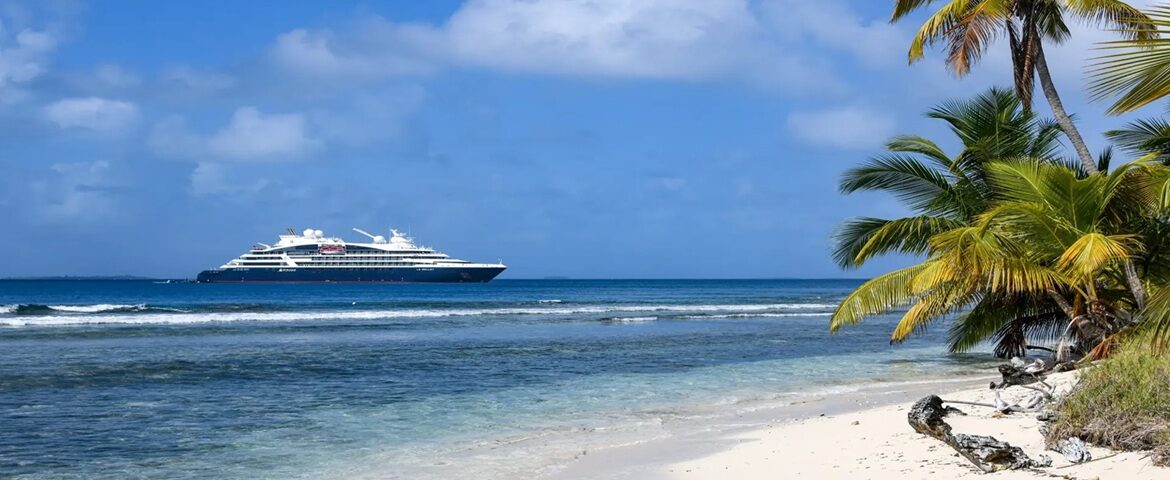
Ponant (2 Cruises)



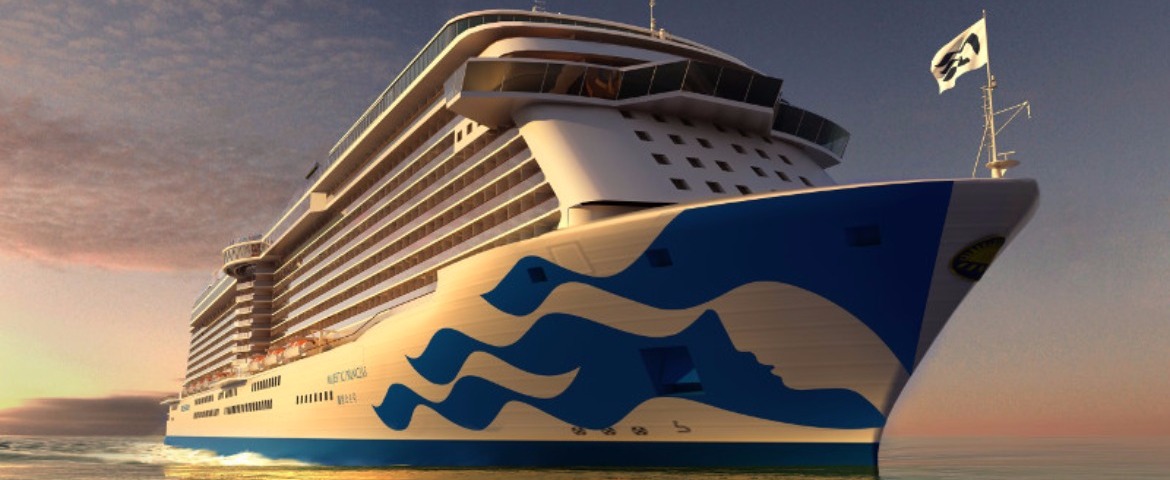
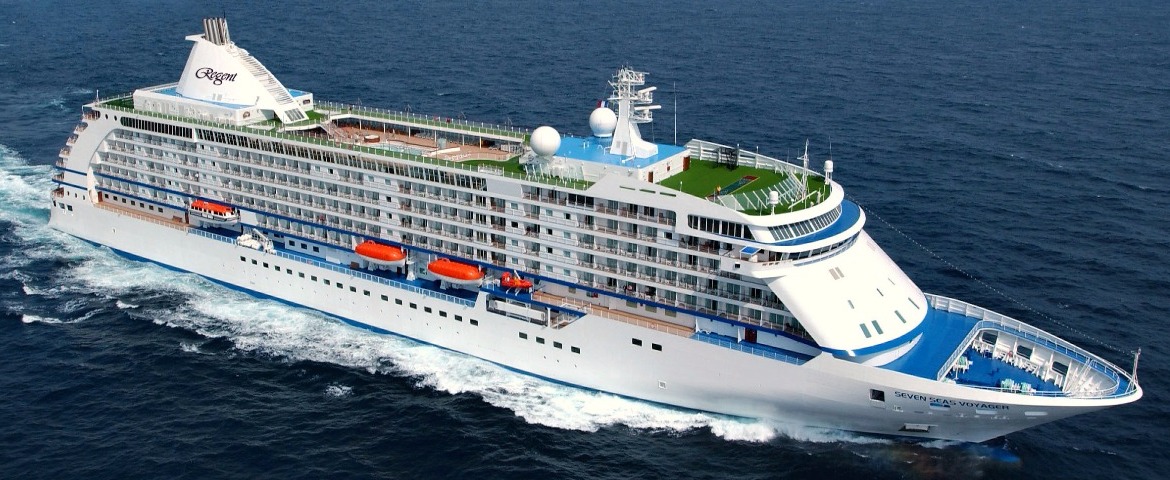
Regent Seven Seas Cruises (9 Cruises)
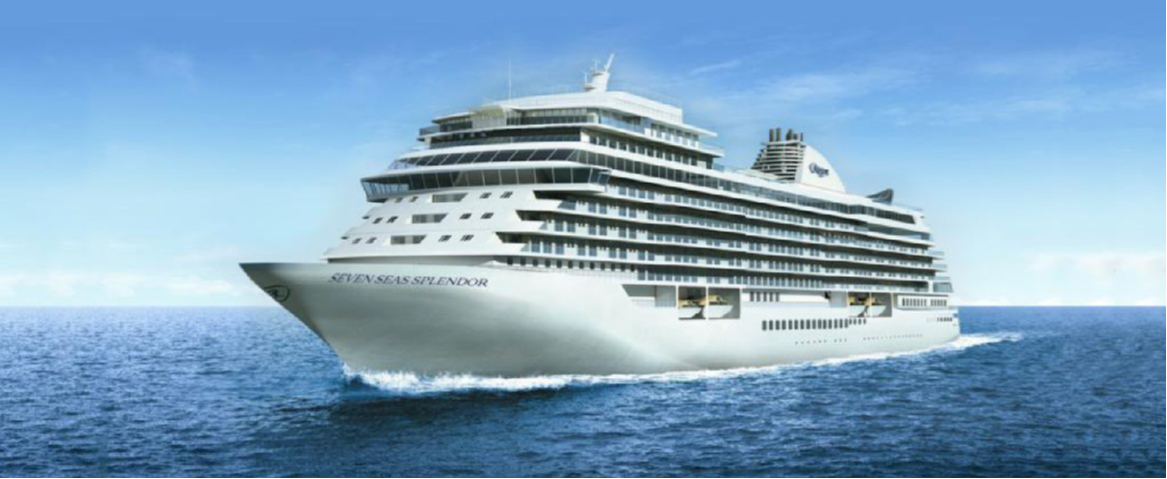

Seabourn Cruise Line (10 Cruises)
Seabourn Quest
6 Cruises
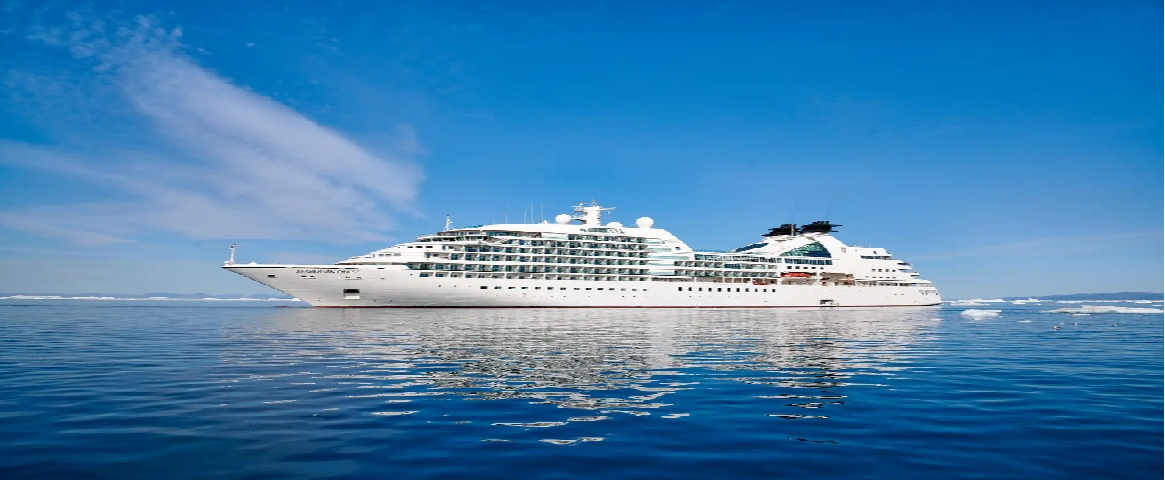

| 19 June | 28 days | Round-trip British Isles Seabourn Quest Dover |
450-628-6241
Call us
|
| 19 June | 29 days | Round-trip from Dover, United Kingdom |
450-628-6241
Call us
|

Viking Ocean Cruises (46 Cruises)
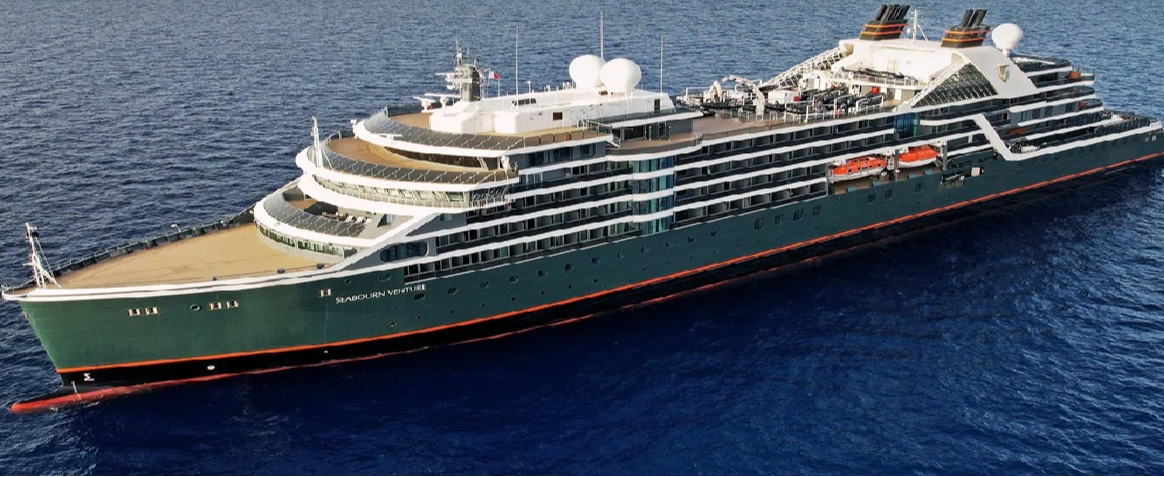
Viking Mars
4 Cruises
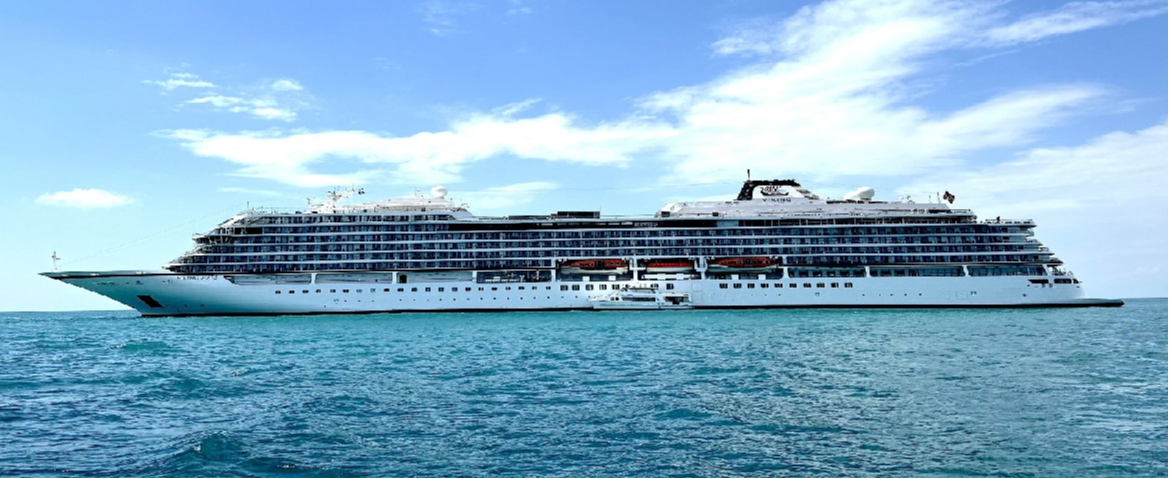

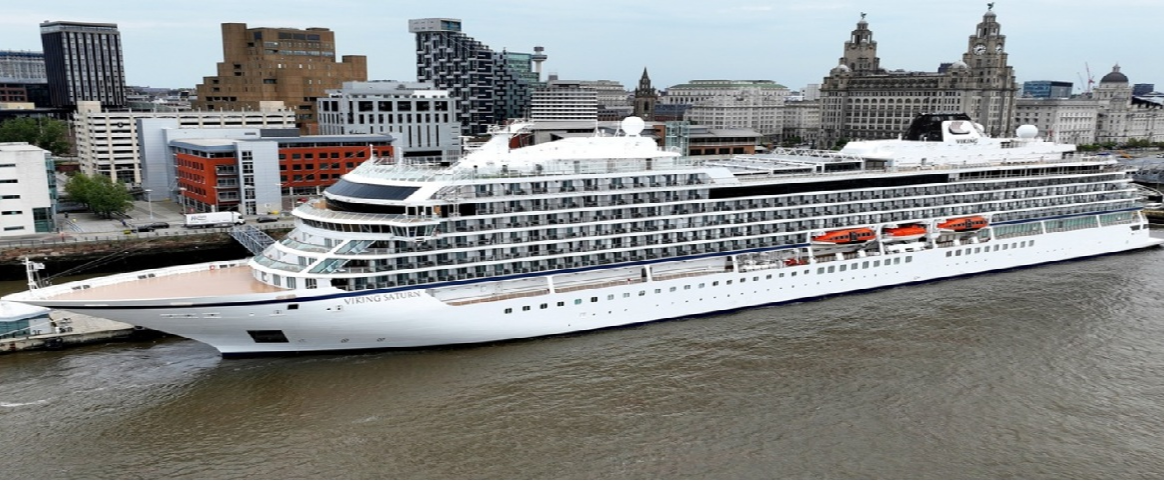
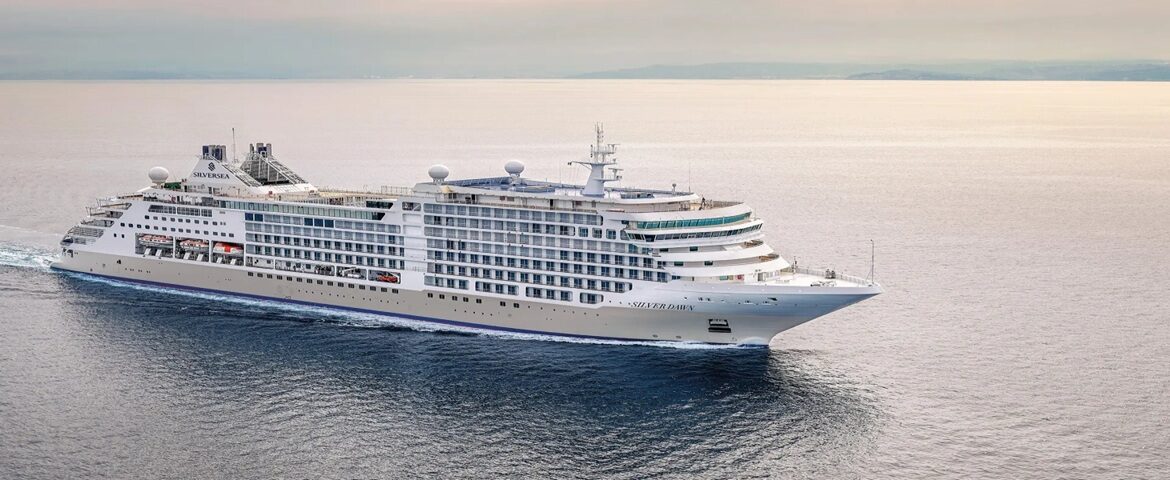
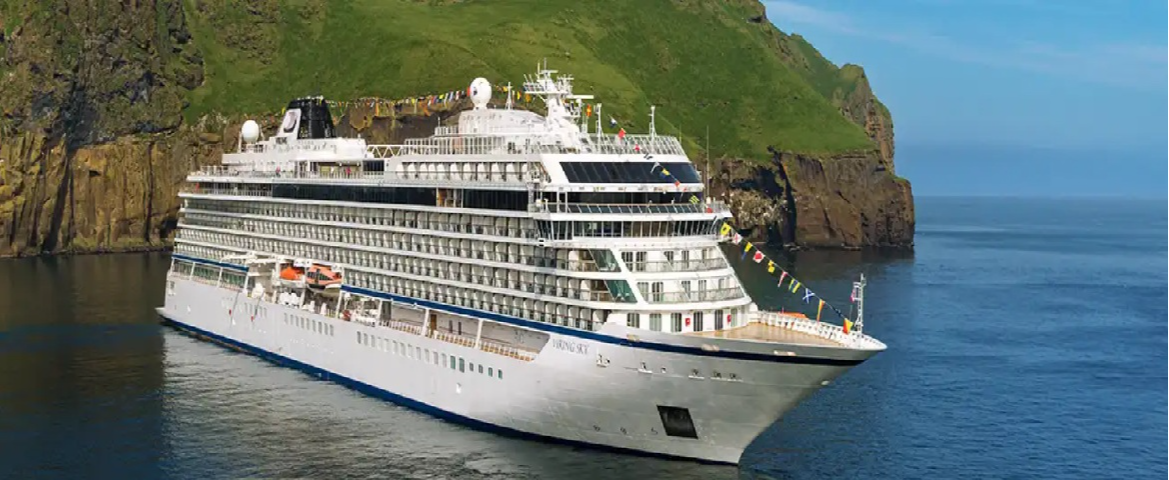
Viking Sky
22 Cruises
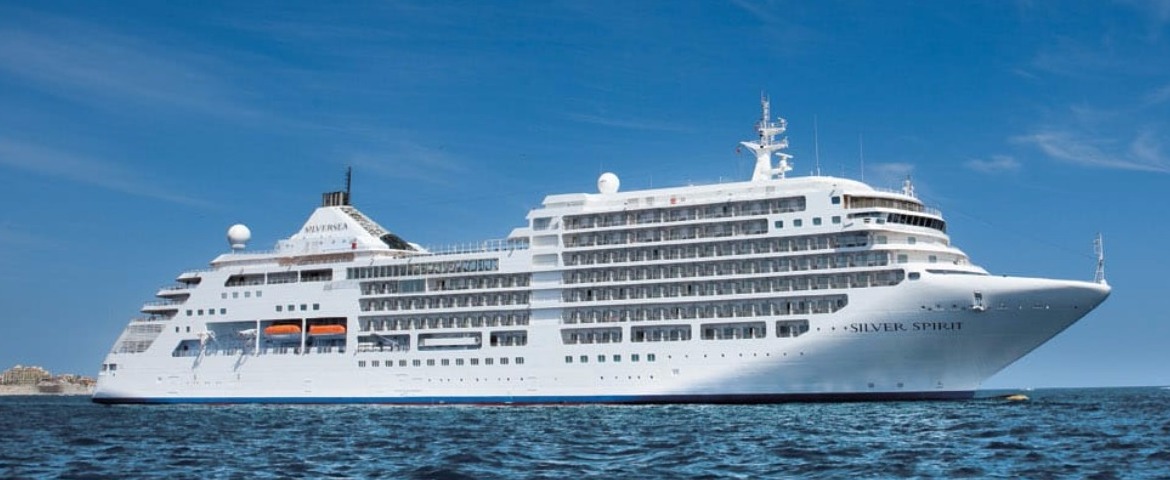
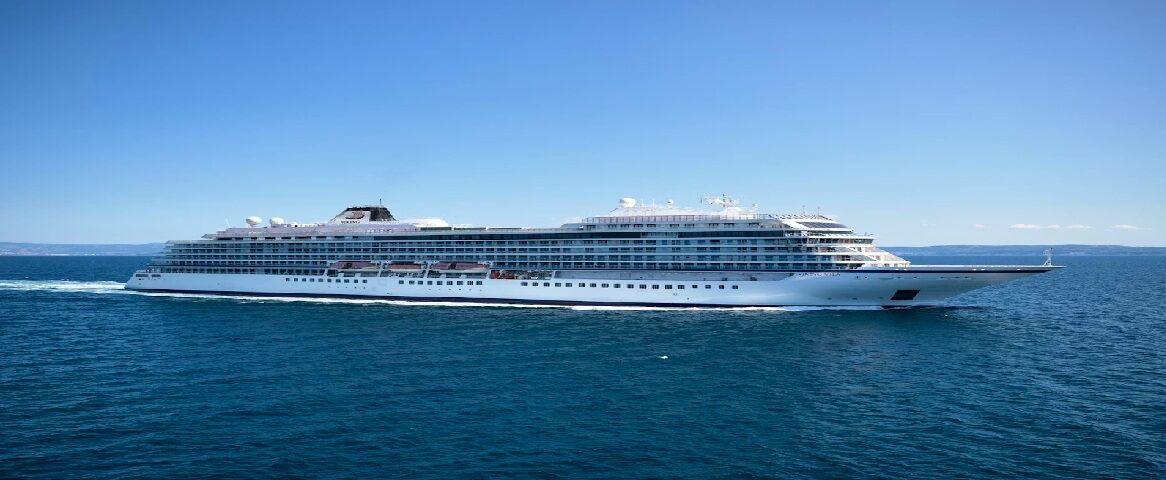
Viking Vela
16 Cruises

Port of Holyhead, Wales | Cruise Port Guide
Frequently Asked Questions
At the port's deep-water berth, in the Irish ferry area, about 2.5 kilometres from the centre. Shuttles usually link the ship to the town centre in a few minutes. Once dropped off, everything is walkable.
You can, but the port area is no pleasure to cross and the 2.5 kilometres run between ferry installations. The shuttle is a much better bet. In town, the main street, the pubs and the church are gathered within a few hundred metres.
Two distinct itineraries. In town: St Cybi's church inside its Roman fort, the maritime museum and a walk along the Victorian breakwater. Out of town: South Stack, about ten kilometres away, for the cliffs and the puffins. Doing both in one call needs a well-organised six hours.
A church built inside the walls of a third-century Roman fort, one of the few in Europe still standing on three sides. The Welsh saint Cybi founded a monastery here in the sixth century and the town grew around the enclosure. You can walk round it in a few minutes, right in the centre.
It is the longest in Britain, at 2.7 kilometres. Built in the mid-nineteenth century by thousands of workers using stone from the mountain next door, it lets you walk far out to sea dry-shod, ferries on one side and the cliffs of Holyhead Mountain on the other.
By organised excursion or taxi, about ten kilometres from the centre. The lighthouse stands on an islet linked to the cliff by a bridge and a flight of some 400 steps. Even without going all the way down, the clifftop path already gives most of the view.
Yes, in spring and early summer, along with guillemots and razorbills, in the RSPB reserve. Ellin's Tower observation point lends telescopes during that window. Later in the season the colonies empty and the birdwatching interest drops sharply.
Yes, with one caveat: the 400 steps at South Stack are steep and exposed, and the return is all uphill. The breakwater, flat and spectacular, suits younger children better, as does the small maritime museum housed in the oldest lifeboat station in Wales.
Pounds sterling. Welsh is an official language and widely spoken on Anglesey, but everyone speaks English. Cards work everywhere, including for taxis.
April to July, if the South Stack birds matter to you. The rest of the summer works for the cliffs and the breakwater. The tip of Anglesey is very exposed: the wind blows in every season and the clifftop path turns slippery after rain.


