Horta Faial Island Azores Portugal

46 Cruises availables At departure or passage at this port
Crystal Cruises (15 Cruises)
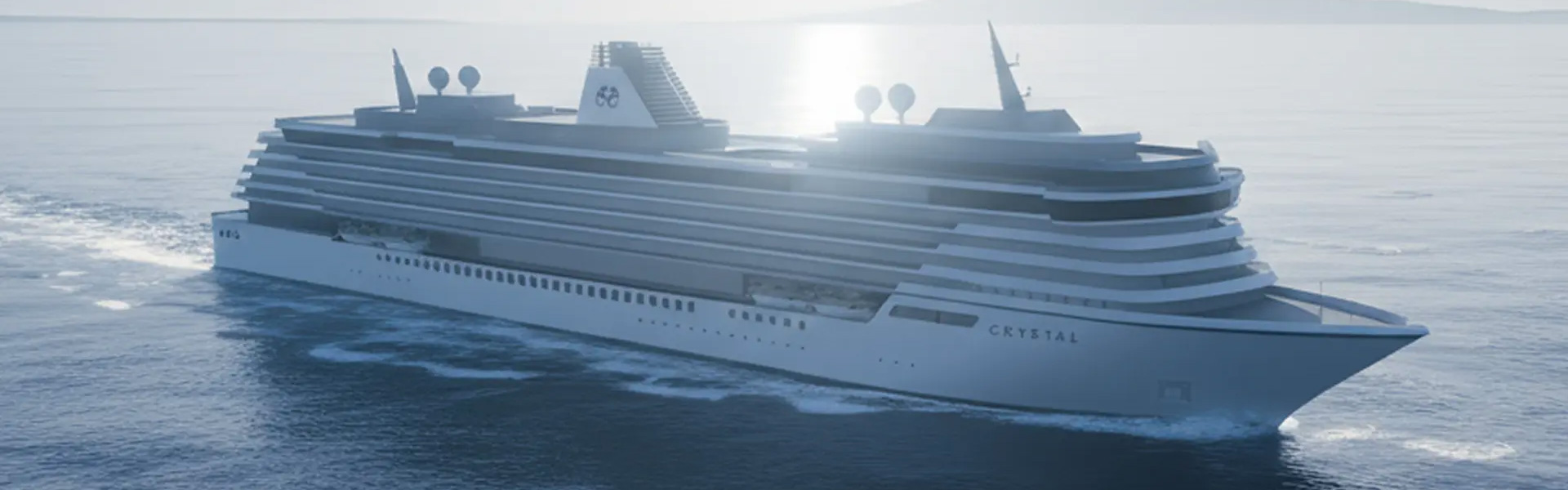
Horta Azores Portugal | Faial Island Cruise Destination Guide

Thousands of colourful paintings cover the quays, the low walls, and the marina's breakwaters: sailboat names, flags, crossing dates. Horta, on the island of Faial in the Azores, keeps the Atlantic's most original guestbook. For decades, crews crossing the ocean have left a mural here as a memento of their passage, and tradition holds that skipping it brings bad luck. The cruise terminal opens directly onto this open-air museum, right in the heart of town.

The Sailors' Capital

Horta has always lived facing the sea. A whaling port in the 19th century, then a relay point for transatlantic telegraph cables and later seaplanes, the town remains today one of the great gathering points for offshore sailing. Its marina ranks among the busiest in the Atlantic. The waterfront can be covered on foot in just a few minutes: dazzling white churches, low houses framed in basalt, ship-supply shops, and cafés where every accent in the world can be heard.

Peter Café Sport, the Institution

Facing the marina, a blue façade houses the most famous café in the North Atlantic. Peter Café Sport has welcomed sailors for over 80 years: crew mail, the ritual gin and tonic, pennants and souvenirs piled from floor to ceiling. Upstairs, its scrimshaw museum displays a remarkable collection of sperm whale teeth and jawbones engraved by whalers, an art born of long hours of waiting at sea. It's here that you truly grasp the Azores' whaling past, now reinvented as whale watching.

Capelinhos, the Volcano That Grew the Island

At the western tip of Faial, the Capelinhos volcano tells a recent and striking story. Between 1957 and 1958, an underwater eruption raised a landscape of ash out of the ocean, adding new land to the island, burying hamlets, and pushing thousands of residents to emigrate, many to North America. The lighthouse, half-buried in ash, still stands amid this grey-and-ochre, almost lunar landscape. The underground interpretation centre tells the story of the eruption and the geological birth of the Azores. The excursion from the port is easily done in half a day.

The Caldera and the View Toward Pico

At the centre of the island, Faial's caldera opens a crater nearly two kilometres across, carpeted in greenery and often capped with clinging clouds. A roadside viewpoint lets you take in its full scale. Heading back down toward the coast, the hydrangea hedges lining the roads explain why Faial earns the nickname "blue island" come summer. Closer to town, Monte da Guia, a protected landscape, can be climbed on foot from Porto Pim beach: the reward is twofold, with the bay below and, across the channel, the cone of Pico volcano, Portugal's highest point, emerging from the clouds barely eight kilometres away.

Island Flavours

Before heading back aboard, Horta's restaurants serve fresh tuna, cracas (local barnacles), island cheeses, and volcanic wines from Pico, just across the way. A pastry and a strong coffee round off the stop, Portuguese style.

On departure, from the deck, passengers scan the marina's murals for their own ship's mark, then look up toward Pico floating above the horizon. Horta belongs to that rare family of ports of call that sailors speak of with real affection. Travellers leaving it understand why: you don't pass through here by chance, you come back out of loyalty.

Frequently Asked Questions

At the cruise terminal, which opens straight onto the marina in the heart of town. You step ashore and the open-air museum of sailors' murals begins a few paces away.
Because crews crossing the Atlantic leave a mural to mark their passage: boat names, flags, crossing dates. Tradition says skipping it brings bad luck. Thousands of paintings now cover the quays, walls and breakwaters.
Yes, easily. The waterfront takes only minutes to walk: brilliant white churches, low houses framed in basalt, chandlers and cafés. Only the Capelinhos volcano and the caldera require a vehicle.
The most famous café in the North Atlantic, behind a blue facade facing the marina. It has welcomed sailors for more than 80 years: crew mail, the ritual gin and tonic, burgees stacked from floor to ceiling. Upstairs, its scrimshaw museum displays sperm whale teeth and jaws engraved by whalers.
Yes, the excursion fits comfortably into half a day. At the western tip of Faial, the 1957-1958 undersea eruption raised a landscape of ash from the ocean that enlarged the island, buried hamlets and drove thousands of residents to emigrate, many of them to North America.
Pick one direction. Either the town and marina on foot, with Peter Café Sport and a climb up Monte da Guia; or an excursion to Capelinhos and the caldera. Trying to string it all together in one call gives you a day of driving rather than a day on the island.
Yes, in clear weather. Across the channel, barely eight kilometres away, the cone of Pico, the highest point in Portugal, often rises above the clouds. The Monte da Guia viewpoint, reached on foot from Porto Pim beach, offers the finest view of it.
The euro. Cards work in restaurants, cafés and shops downtown. A little cash stays useful for small purchases and independent guides.
Portuguese, but Horta is a crossroads of ocean sailing: English is spoken fluently along the waterfront, and you'll hear accents from everywhere. French turns up occasionally.
May through September. The hydrangeas lining the roads earn Faial its nickname of the blue island at the height of summer, and the sea is at its kindest. The caldera stays capped with cloud in most seasons.