Narvik Norway
Norway

88 Cruises availables At departure or passage at this port

Hurtigruten (46 Cruises)

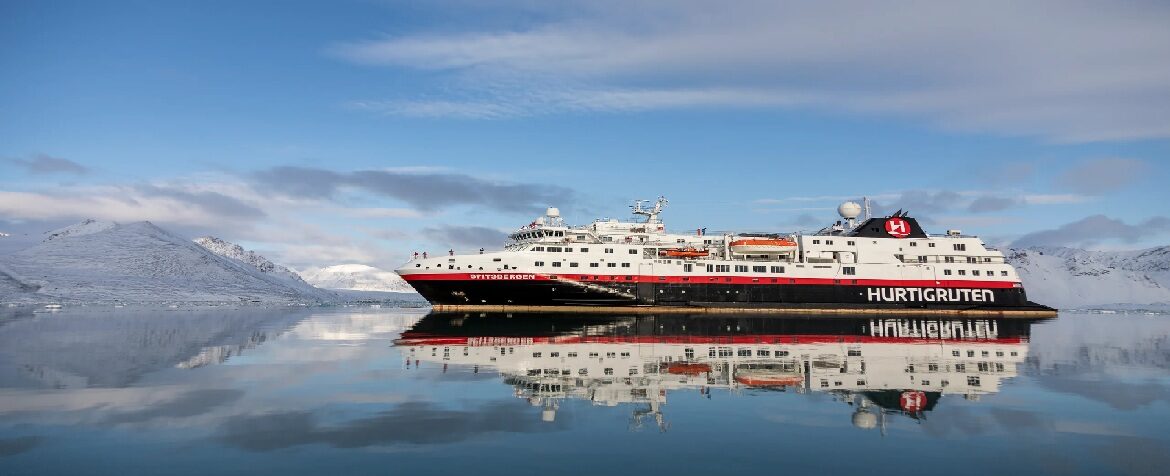
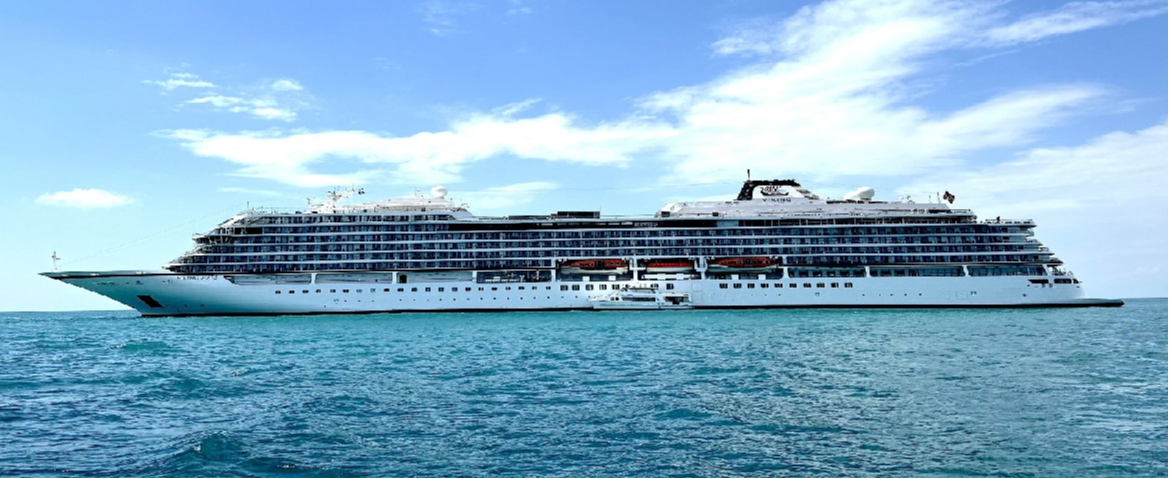
MS Trollfjord.

MS Trollfjord

16140 tons
Visit the ship's page

Narvik, Norway | Cruise Port Guide

A railway explains everything here. Completed in 1902 to carry Swedish iron ore to an ice-free port, the Ofoten Line gave birth to Narvik on the shores of its fjord, far north of the Arctic Circle, where the midnight sun reigns in summer and the polar night settles in during winter. Wagons loaded with ore still roll down from the mountains to the quays, and this industrial vocation gives the town a direct, unvarnished character, softened by a backdrop of peaks plunging into the Ofotfjord. The port facilities are spread over three sectors, including the ore terminal and the Fagernes deep-water quay; cruise ships generally use the central sector, from which the main attractions can be reached on foot.

1940, the year the world was watching this corner of Norway

Iron also brought the town its darkest hours. In the spring of 1940, the Battles of Narvik pitted Allied and German forces against each other for control of the strategic port, on land as well as on the waters of the fjord. The War Museum, in the town centre, traces these battles with modern, understated exhibits that give voice to soldiers and civilians alike. The visit is the natural anchor of the port call: you come away seeing the surrounding mountains, the scene of these battles in the snow, in a new light.

The Narvikfjellet cable car

From the lower station, within walking distance of the town's lower streets, the cable car hoists its cabins up to 656 metres on the slopes of Narvikfjellet. Up top, the panorama spreads out the town, the arms of the fjord and ridges as far as the eye can see; a restaurant lets you extend the break facing the landscape. In summer, hiking trails criss-cross the mountain under the almost continuous light of the midnight sun; in winter, skiers and northern lights chasers take over, the polar night offering one of the most active skies in the country here. On a clear day, this is where the town reveals its finest view.

The Arctic train to the Swedish border

Rail enthusiasts can board the tourist train that climbs the Ofoten Line toward the Swedish border. The train rises above the fjord through a succession of tunnels and bridges, skirting high-mountain landscapes inaccessible by road. It is the same route travelled by the ore trains and the daily train to Stockholm: a showcase of early-20th-century railway engineering, still in service more than a century after its construction. Shore excursions frequently include this round trip. In summer, the old navvies' road, the Rallarveien, runs alongside the track and is perfect for walking for the more active.

Planning your hours ashore

ActivityLocationApproximate duration
War MuseumTown centre, on foot1 h 30 to 2 h
Narvikfjellet cable carStation near the centre1 h 30 to 2 h
Arctic trainCentral stationHalf a day
Shopping streets and waterfrontAround the quays1 h

Mountains, iron and memory

Few Nordic ports bring together industrial history, military memory and high mountains in such a small space. Narvik is no fishing village in its Sunday best, but it has something rarer: an identity forged by work and hardship, legible in every quay and every passing wagon. The ship sails off along the Ofotfjord while the cable car cabins keep up their back-and-forth on the slope. You take away from this iron town a rich memory, much like the true North itself.

Frequently Asked Questions

The port facilities are spread across three sectors, including the ore terminal and the deep-water quay at Fagernes. Cruise ships generally use the central sector, from which the main attractions are walkable.
Because of a railway. The Ofoten Line, completed in 1902 to carry Swedish iron ore to an ice-free port, created the town on its fjord. Ore wagons still come down from the mountains to the quays.
The battles of Narvik in spring 1940, when Allied and German forces fought for control of the strategic port, on land and on the waters of the fjord. The display is modern and restrained, giving voice to soldiers and civilians alike. Allow an hour and a half to two hours.
By cable car, with a base station reachable on foot from the lower streets of town. The cabins rise to 656 metres, where the panorama unfolds the town, the arms of the fjord and ridges to the horizon. A restaurant lets you linger over the view.
The War Museum and the cable car, both walkable from the quays, with an hour for the shopping streets and the waterfront. The Arctic train to the Swedish border takes the whole day.
The tourist train that climbs the Ofoten Line toward the Swedish border, rising above the fjord through a run of tunnels and bridges. It follows the same track as the ore trains and the daily service to Stockholm, still in use more than a century after it was built.
The old navvies' path, running alongside the Ofoten line and walkable in summer. It is the choice for active passengers who would rather use their legs than a train seat.
In winter, yes: the polar night here gives one of the most active skies in the country, and the top of the cable car is the best vantage point in clear weather. In summer the midnight sun rules and there is nothing to see on that front.
It is nothing like a fishing village in its Sunday best. Its industrial calling gives it a direct, unvarnished character, softened by a backdrop of peaks falling into the Ofotfjord. What it has is rarer: an identity forged by work and hardship.
The Norwegian krone (NOK), cards everywhere, and Norwegian as the official language. Sweden's proximity shows in the rail traffic but not in everyday speech. English is spoken fluently.