Kanazawa Japan Ishikawa
162
Cruises availables
At departure or passage at this port
Azamara Club Cruises (27 Cruises)
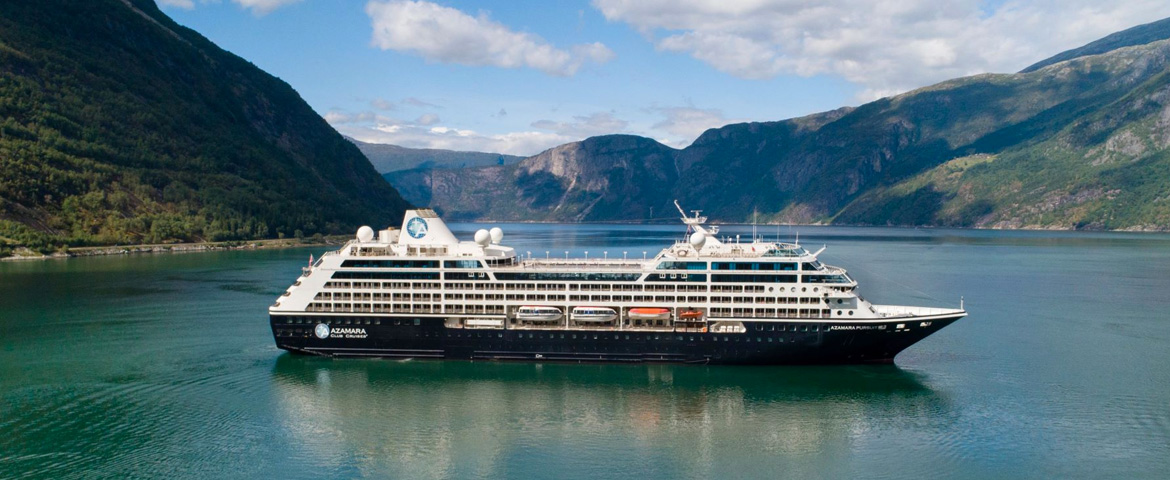
Azamara Pursuit
27 Cruises

| 5 February | 48 days | One-way from Sydney to Tokyo |
450-628-6241
Call us
|
| 5 February | 48 days | One-way from Sydney to Tokyo |
450-628-6241
Call us
|
| 11 March | 13 days | One-way from Kobe-Osaka to Tokyo |
450-628-6241
Call us
|
| 12 March | 13 days | One-way from Kobe-Osaka to Tokyo |
450-628-6241
Call us
|
| 14 April | 13 days | One-way from Kobe-Osaka to Tokyo |
450-628-6241
Call us
|
| 15 April | 13 days | One-way from Kobe-Osaka to Tokyo |
450-628-6241
Call us
|
Explora Journeys (2 Cruises)

Holland America Line (11 Cruises)

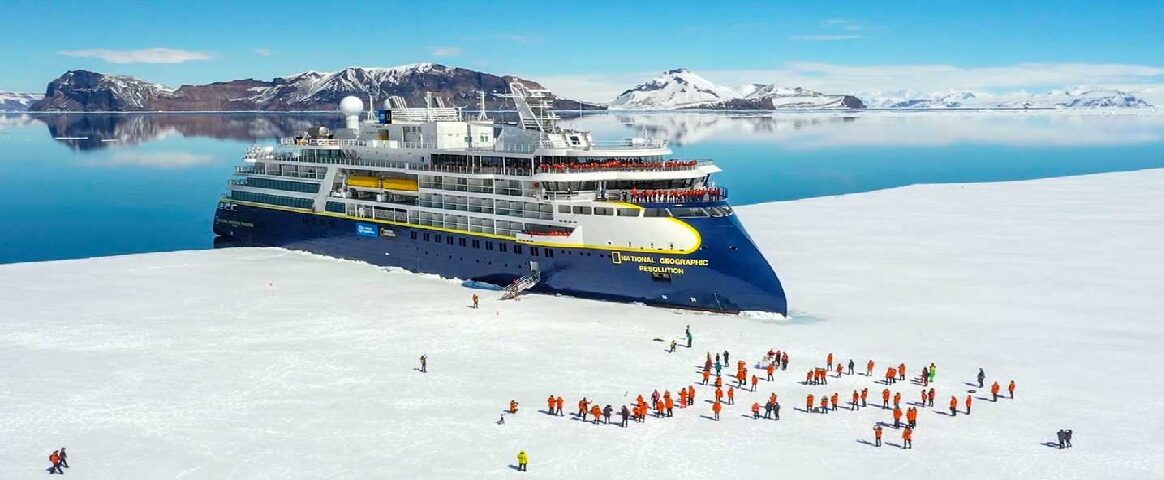

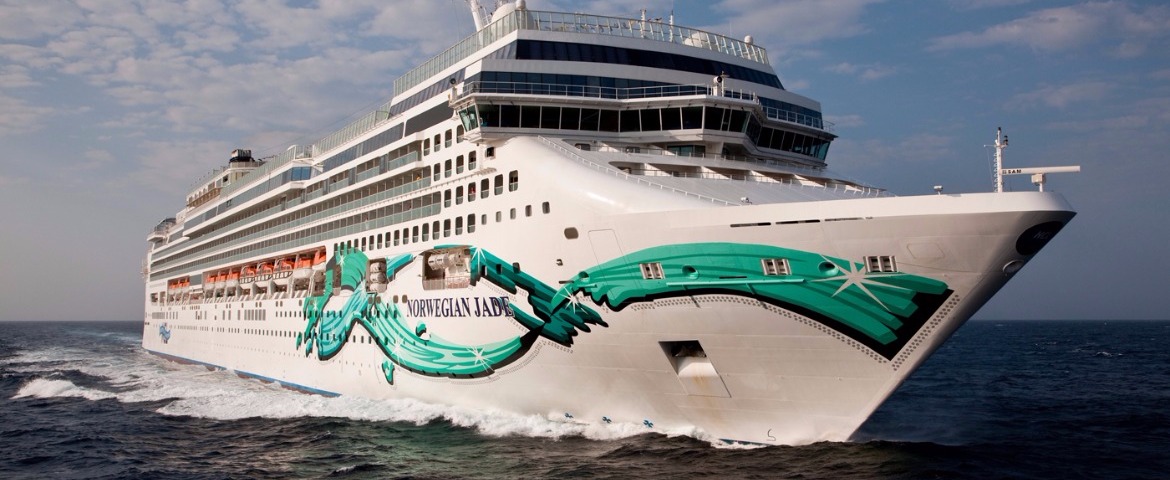
Norwegian Cruise Line (7 Cruises)

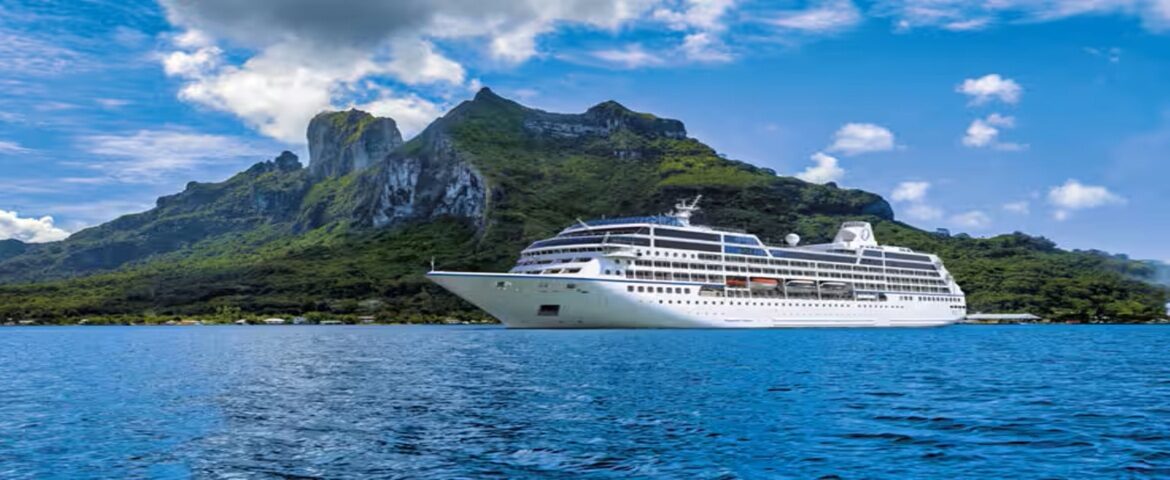
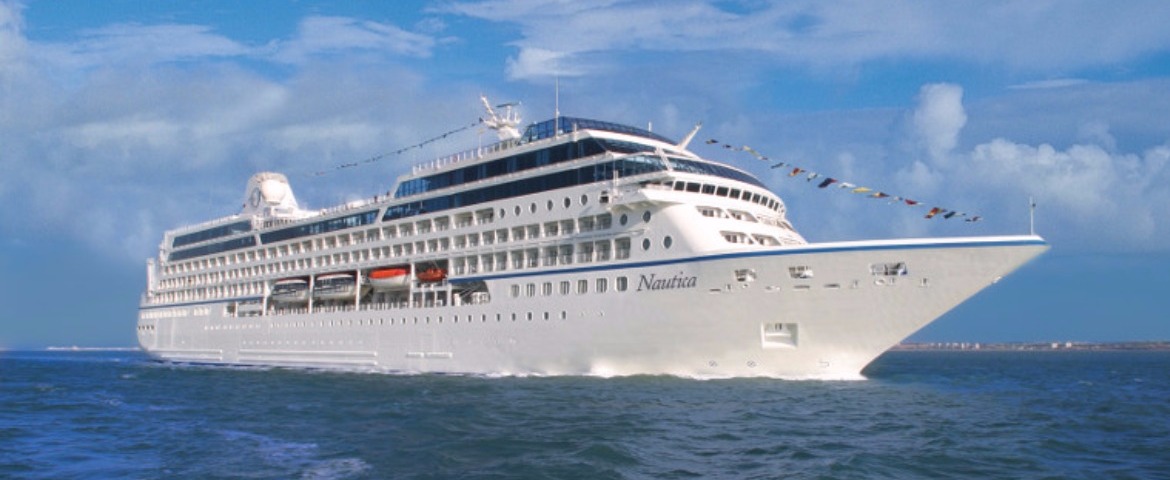
Oceania Cruises (7 Cruises)

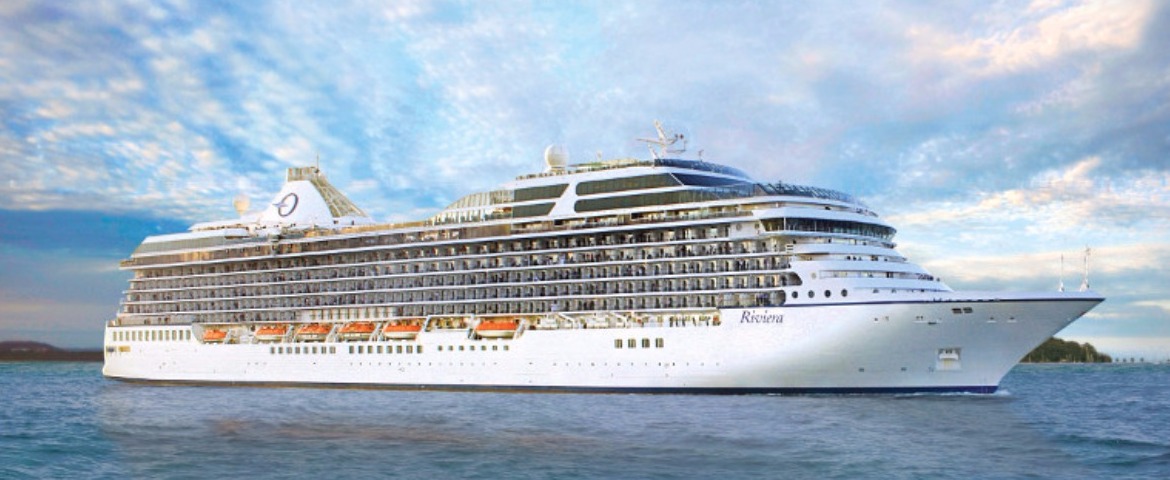
Princess Cruises (28 Cruises)
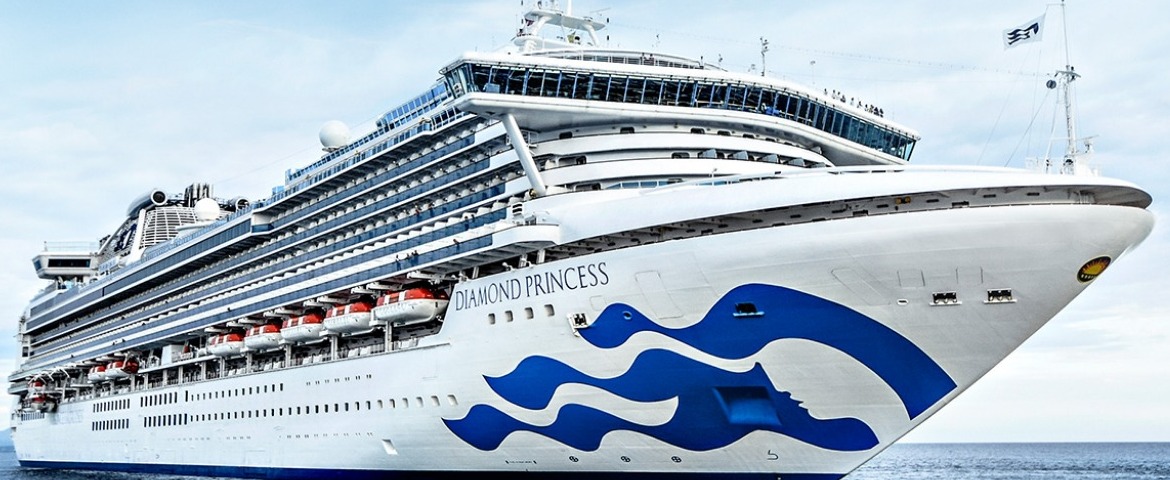

Sapphire Princess
18 Cruises
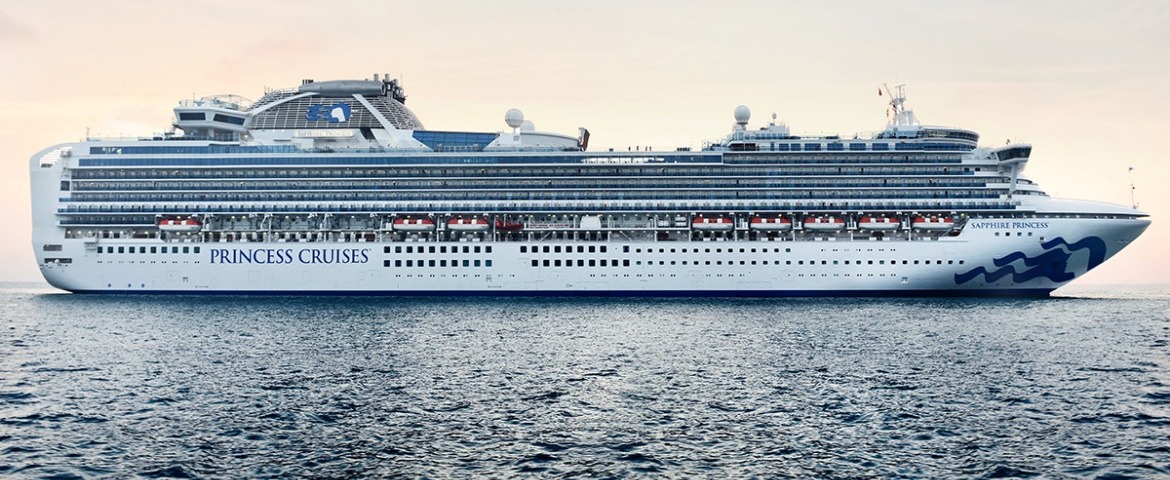
| 8 April | 14 days | Round-trip from Tokyo, Japan |
450-628-6241
Call us
|
| 8 April | 25 days | Round-trip from Tokyo, Japan |
450-628-6241
Call us
|
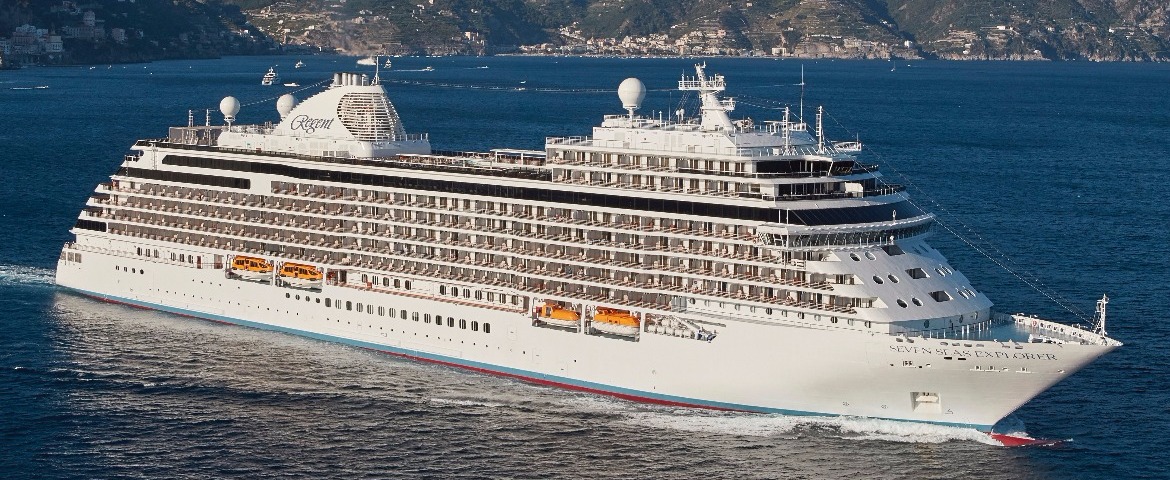

Seabourn Cruise Line (41 Cruises)
Seabourn Encore
41 Cruises
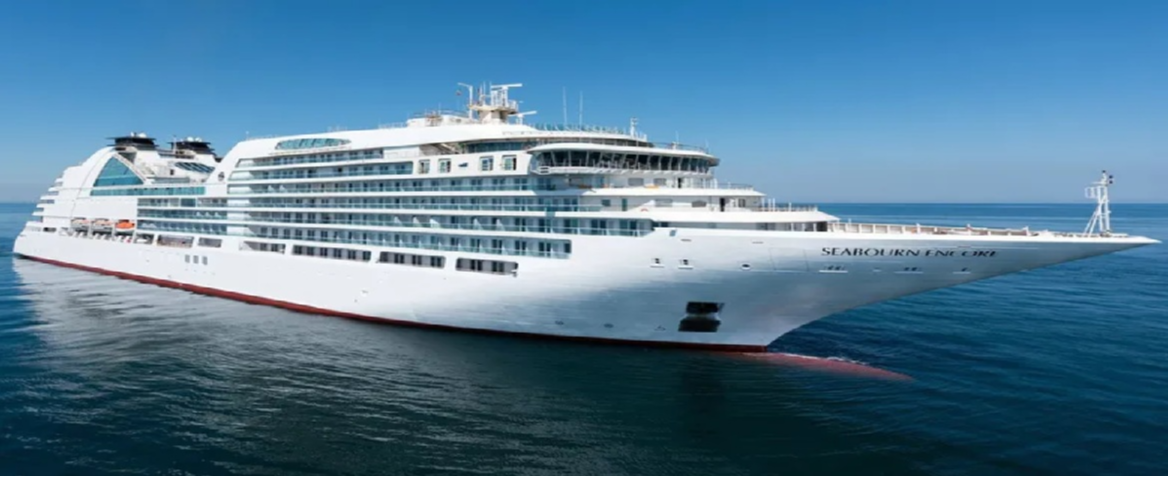

| 25 March | 28 days | Round-trip Japan South Korea Seabourn Encore Tokyo |
450-628-6241
Call us
|
| 25 March | 29 days | Round-trip from Tokyo, Japan |
450-628-6241
Call us
|
Silversea Cruises (27 Cruises)

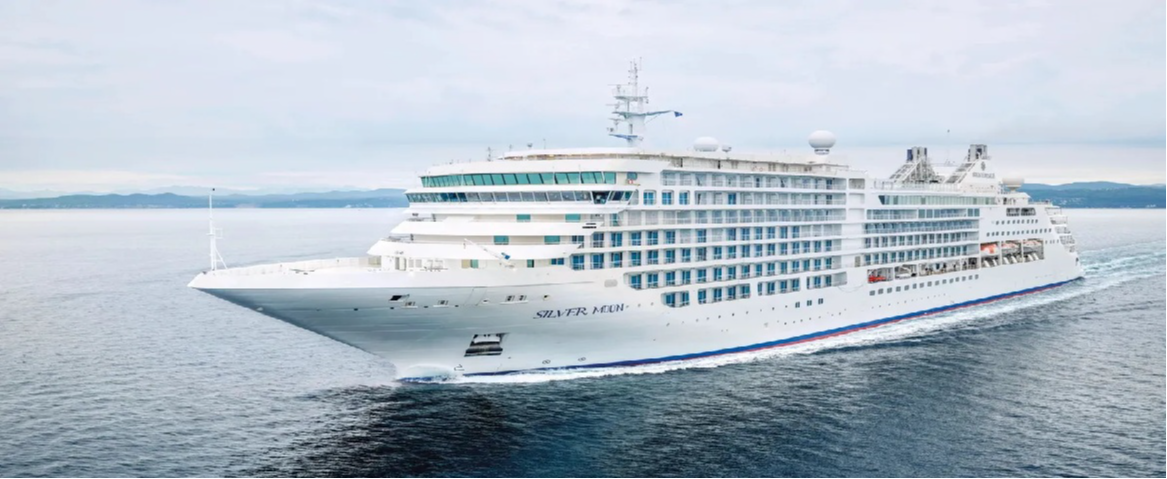
Silver Moon
7 Cruises
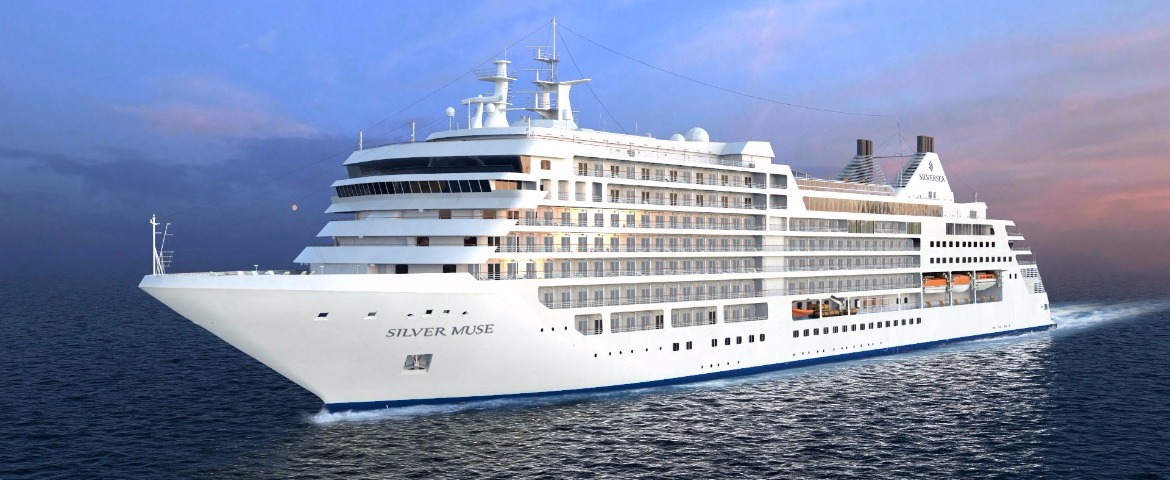
Silver Muse
9 Cruises

Kanazawa, Japan | Cruise Port Guide
Frequently Asked Questions
At the maritime terminal, half an hour by bus from the centre or about fifteen minutes by taxi. The quay itself offers nothing: the day begins once you reach the historic core.
On foot or with the tourist loop bus, which serves the main sites for 200 yen a ride, with bilingual announcements and frequent departures. The historic core fits within two kilometres of the castle park.
Because it was spared the bombing of the Second World War. Its geisha and samurai quarters are original rather than rebuilt, making it one of the most refined urban ensembles in the archipelago, shaped by four centuries of Maeda patronage.
One of the three most admired gardens in Japan, developed by the Maeda over several generations. Ponds, miniature hills, tea houses and century-old pines braced with wooden supports follow one another, and the two-legged stone lantern at the water's edge has become the city's symbol.
Wooden tea houses with fine lattice screens, where on some evenings the shamisen and the soft steps of geisha can still be heard. Several old houses can be visited, with reception rooms and period instruments. The district is about ten minutes by bus from the centre.
Because the city produces almost all of Japan's gold leaf. It is applied to lacquerware, folding screens, shrines and even ice cream cones. Its thickness, a ten-thousandth of a millimetre, explains why it is laid on with a breath.
The quarter of the domain's samurai residences, behind ochre earthen walls lined by fast-running canals. It is fifteen minutes on foot from the castle park and forms the exact counterpoint to the tea houses of Higashi Chaya.
A covered market that has fed Kanazawa for nearly three centuries: snow crab stacked in pyramids, sweet shrimp, sea urchin and vegetables from the nearby peninsula. Counters serve rice bowls topped with raw fish from early morning. It is walkable from the castle.
The contemporary art museum next to the park, whose trompe-l'oeil swimming pool amuses children and parents alike. Omicho market and Kenroku-en garden, both flat and easy to walk, round out the day.
Each one recomposes the picture at Kenroku-en: cherry blossom in spring, irises in summer, blazing maples in autumn, and in winter the snow ropes strung in cones above the branches. The Sea of Japan cruise season runs May to October.


