Lembar Lombok Indonesia
204
Cruises availables
At departure or passage at this port
Carnival Cruise Line (3 Cruises)




Celebrity Cruises (10 Cruises)
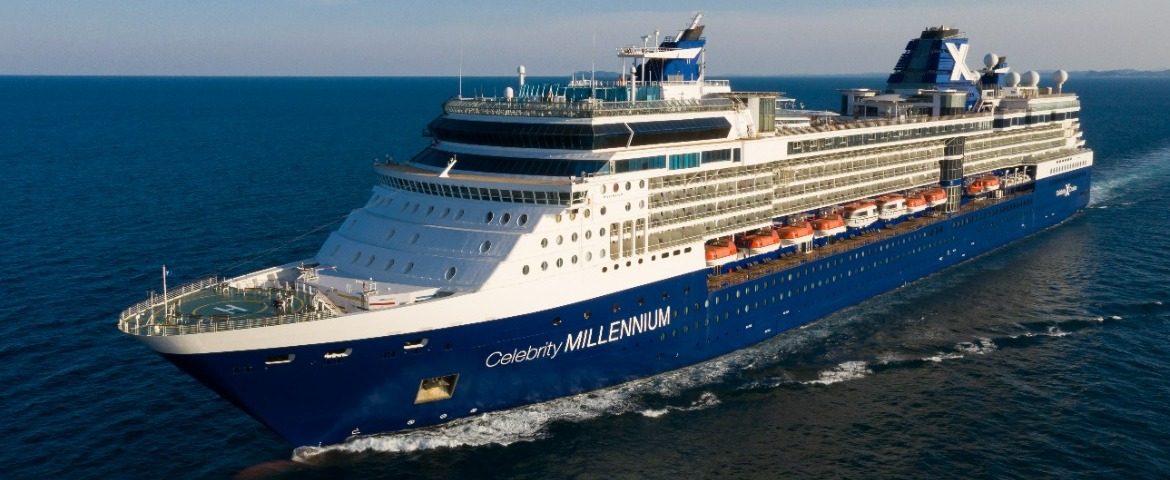
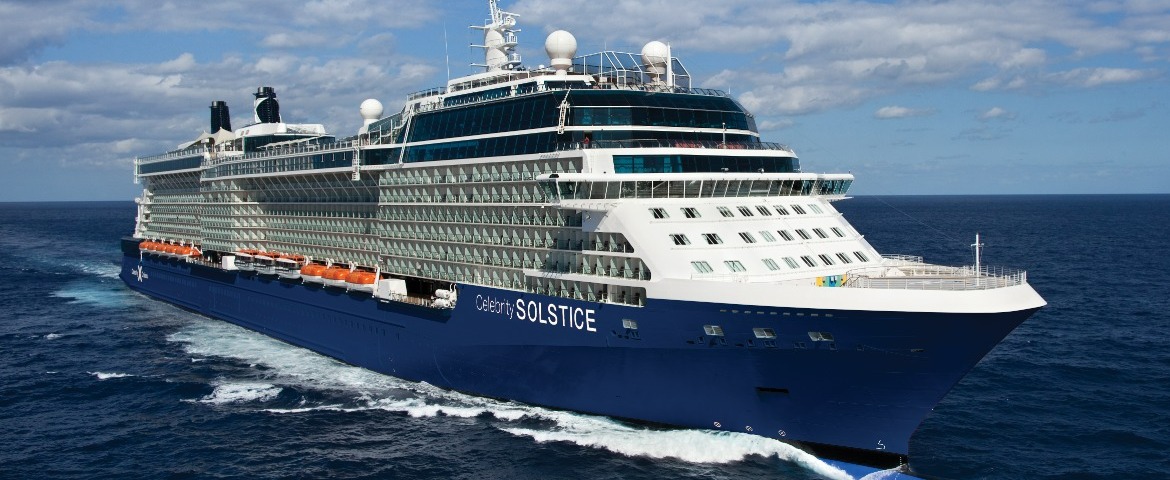
Celebrity Millennium
8 Cruises

Emerald Waterways (11 Cruises)
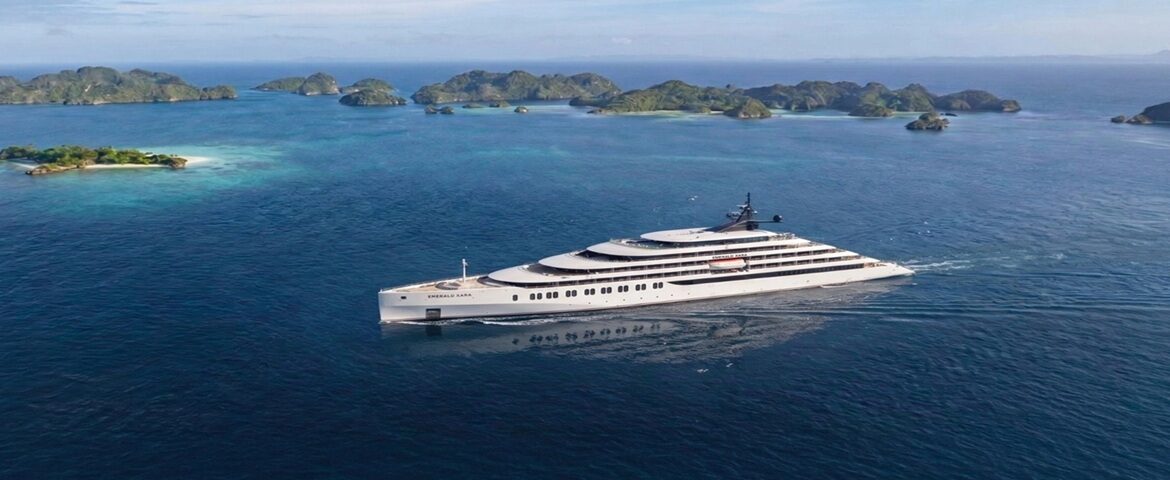
Emerald Xara
11 Cruises

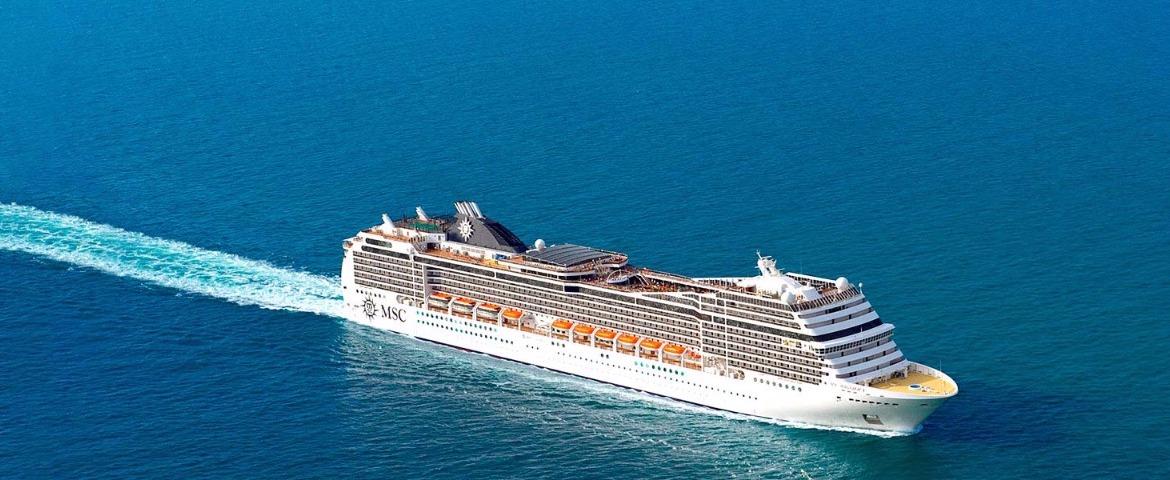
MSC Cruises (4 Cruises)

Norwegian Cruise Line (2 Cruises)

Oceania Cruises (36 Cruises)

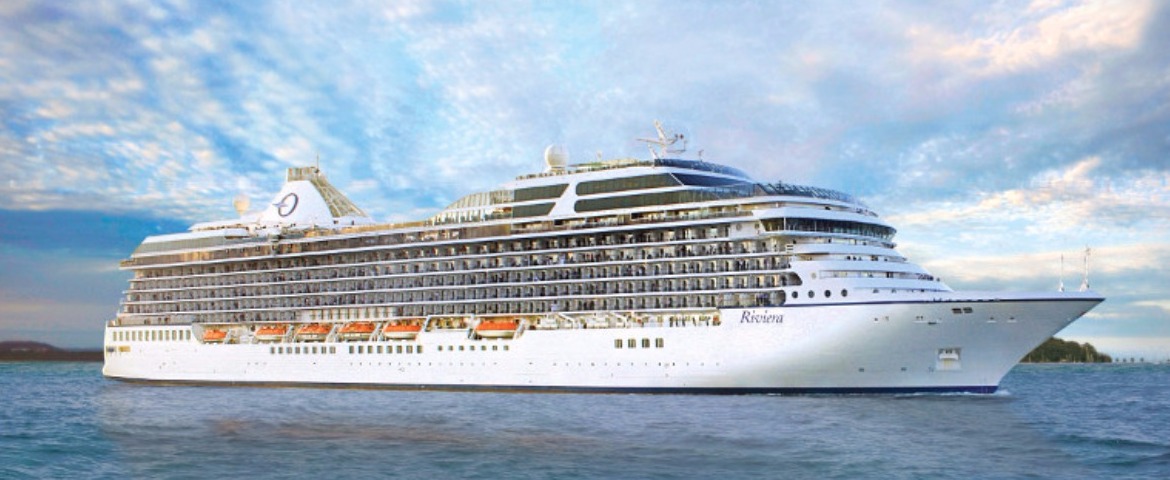
Oceania Riviera
8 Cruises
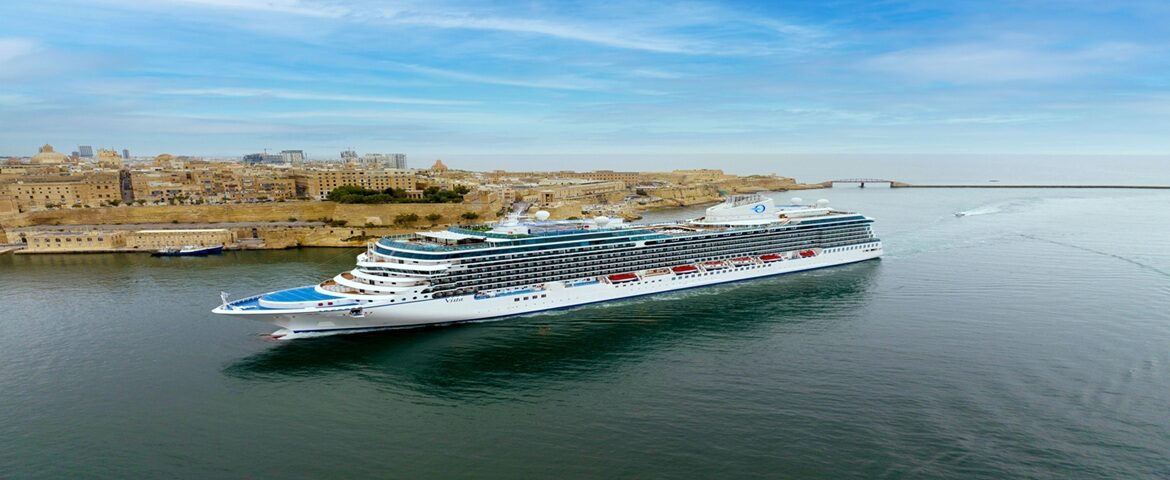
Oceania Vista
13 Cruises
| 6 January | 180 days | One-way from Miami to Southampton |
450-628-6241
Call us
|
| 6 January | 244 days | One-way from Miami to New York |
450-628-6241
Call us
|
Princess Cruises (22 Cruises)
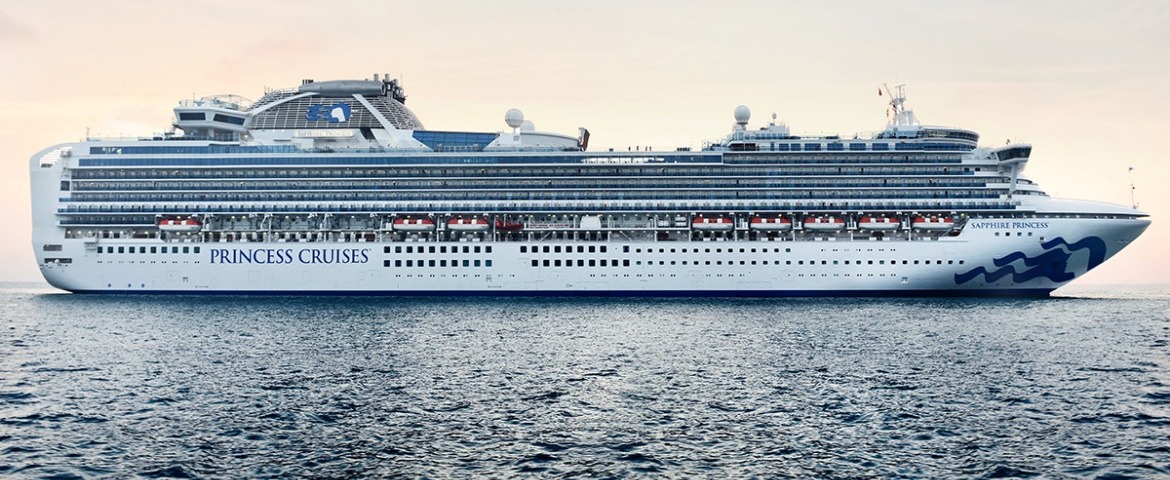
Coral Princess
11 Cruises


Grand Princess
7 Cruises

Regent Seven Seas Cruises (47 Cruises)
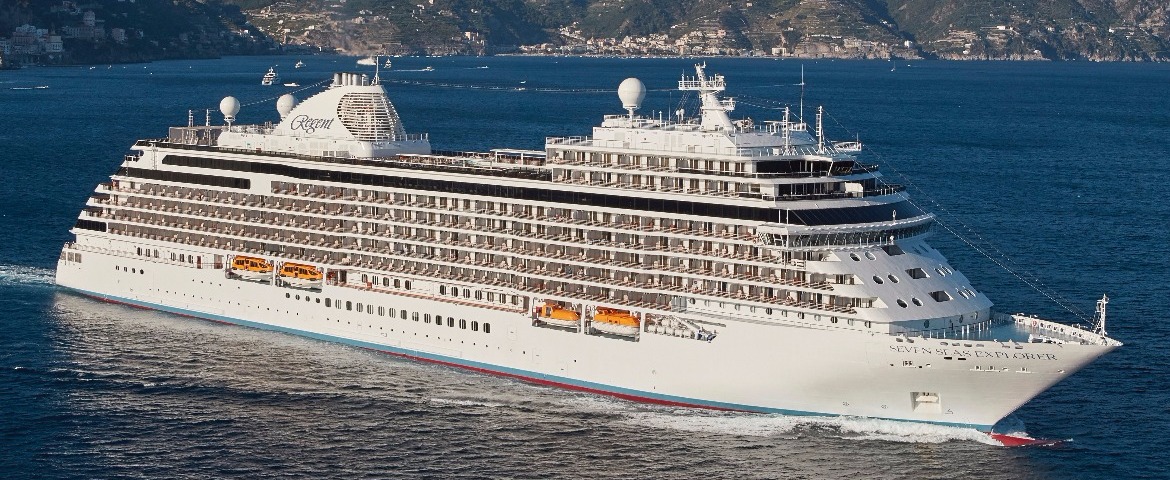
Seven Seas Explorer
23 Cruises

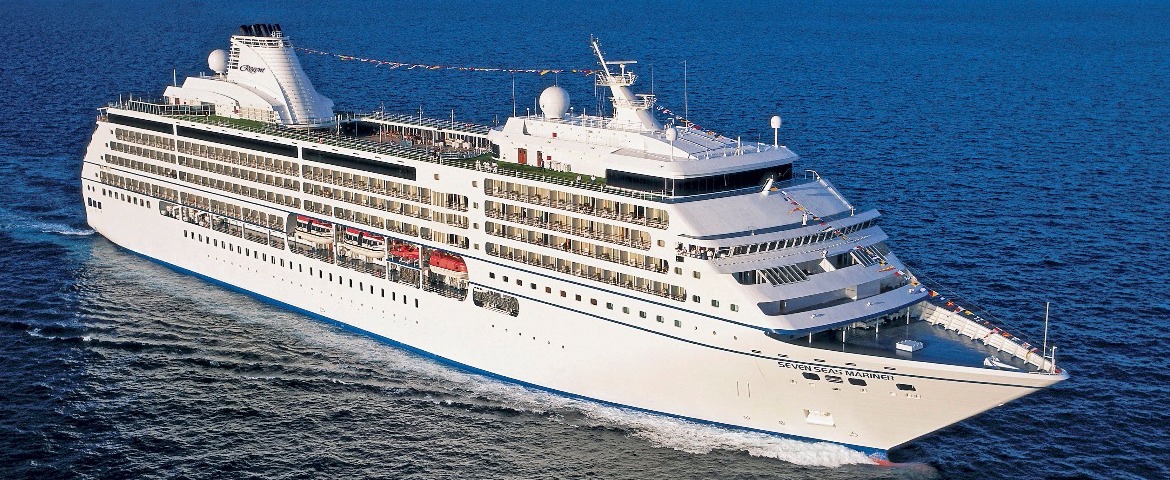
Seven Seas Mariner
12 Cruises
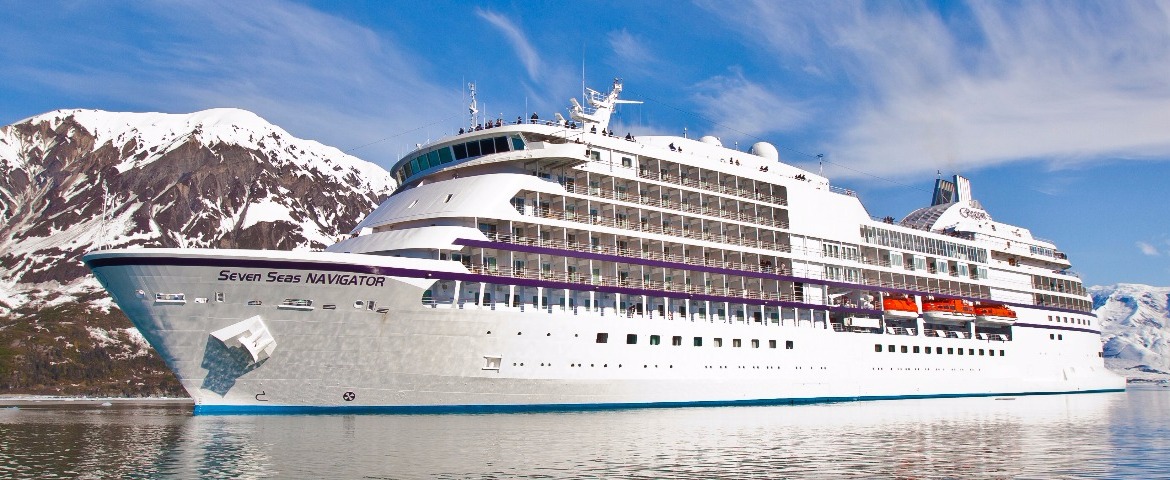
Seven Seas Navigator
6 Cruises
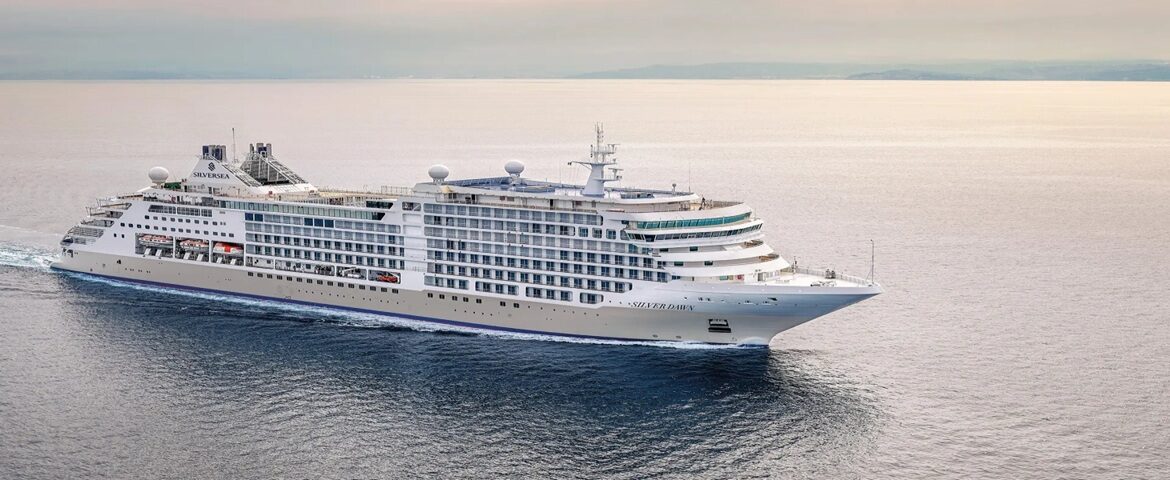
Silversea Cruises (3 Cruises)

Viking Ocean Cruises (66 Cruises)
Viking Orion
30 Cruises


Viking Venus
36 Cruises


Port of Lembar, Lombok | Cruise Port Guide
Frequently Asked Questions
At the Gili Mas terminal, next to the old port of Lembar: a 440-metre pier of new concrete where the largest ships now come alongside without tendering. Some smaller vessels still use the older Lembar landing.
No. The terminal offers the essentials, souvenir shops and currency exchange, but nothing nearby can be explored on foot. The day begins on the road, and you need an excursion or a car with driver.
About 22 km and roughly thirty minutes, sometimes forty-five depending on traffic. The southern beaches around Kuta take longer. Indonesian traffic sets its own clock: agree the route and the return time before setting off.
The crafts of the west — Banyumulek and the Sasak villages — fit comfortably into half a day. Kuta and the southern beaches eat far more road time. Choose one or the other, not both.
A pottery village a few kilometres from the terminal, where women shape jars and dishes by hand using gestures passed from mother to daughter. You can follow the whole process, from the ball of clay to the stone polishing. It is the shortest outing and one of the most rewarding.
Traditional villages in southern Lombok, with steep thatched roofs and rice granaries on stilts. The women weave geometric-patterned cloth on wooden looms. Buying on site ensures the value goes straight to the weavers.
A string of bays with clear water, framed by grassy headlands where buffalo graze. In places the sand has a startling texture of small round grains like white peppercorns. Far quieter than Bali's resorts, though hotels appear year after year. Not to be confused with Bali's Kuta.
In clear weather, yes: the bulk of the great volcano that dominates Lombok rises above the northern hills. Climbing it belongs to trekkers and has nothing to do with a port call, but its outline stays with you all day.
The Indonesian rupiah, in small notes for crafts and tips. Currency exchange is available at the terminal. Haggling is normal, with a smile: it is a custom, not a confrontation.
The population is mainly Muslim, unlike Bali. Covered shoulders are appreciated in villages and essential in places of worship. Nothing restrictive on the southern beaches, but modesty is well received everywhere else.


