Monemvasia Greece
186
Cruises availables
At departure or passage at this port
Azamara Club Cruises (32 Cruises)
Azamara Journey
11 Cruises
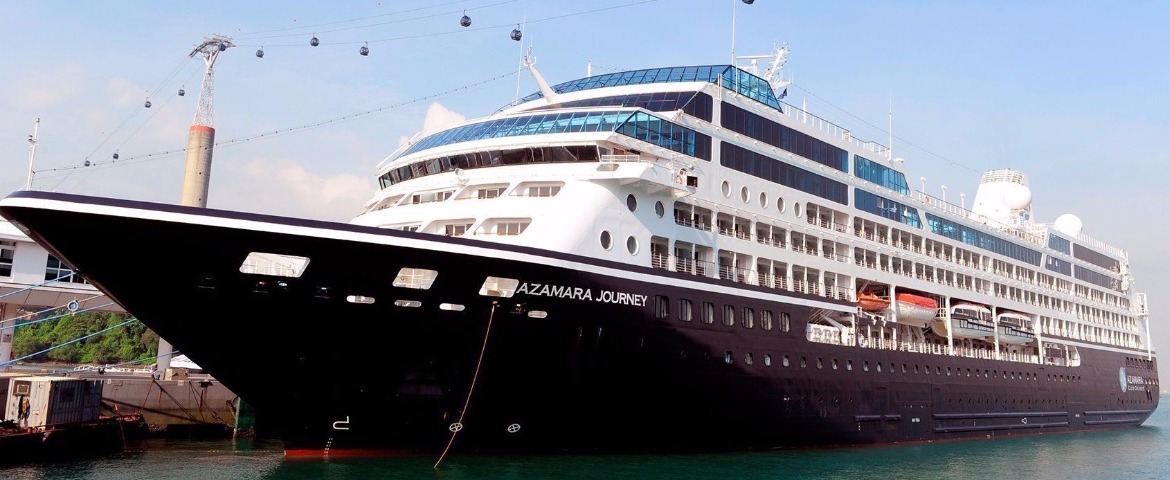

| 25 March | 42 days | One-way from Lisbon to Piraeus-Athens |
450-628-6241
Call us
|
| 25 March | 43 days | One-way from Lisbon to Piraeus-Athens |
450-628-6241
Call us
|
| 15 April | 22 days | One-way from Civitavecchia-Rome to Piraeus-Athens |
450-628-6241
Call us
|
| 25 April | 12 days | One-way from Venice to Piraeus-Athens |
450-628-6241
Call us
|
| 26 August | 71 days | One-way from Portsmouth UK to Piraeus-Athens |
450-628-6241
Call us
|
| 26 August | 70 days | One-way from Portsmouth UK to Piraeus-Athens |
450-628-6241
Call us
|
Azamara Onward
21 Cruises
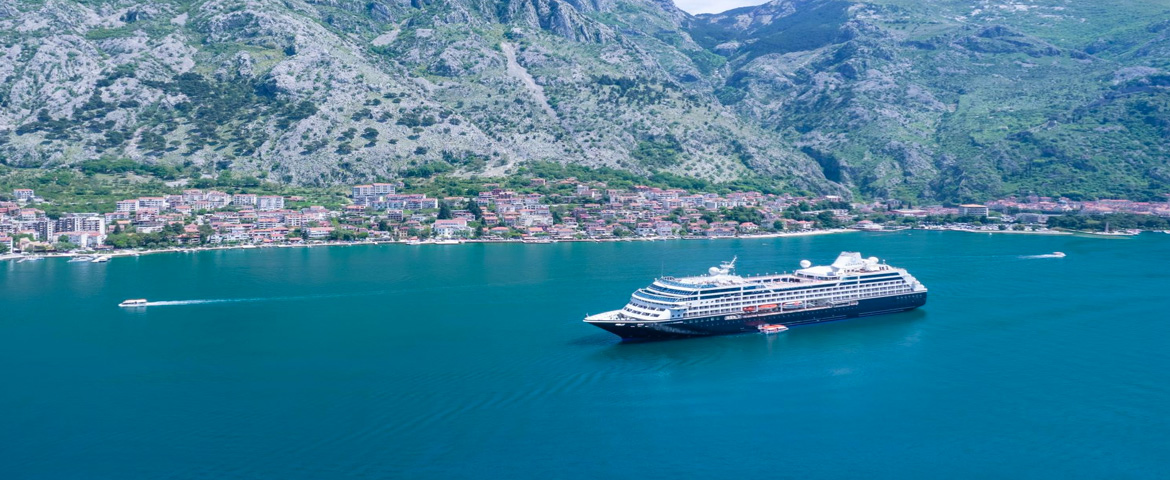
| 9 May | 52 days | One-way from Cape Town to Piraeus-Athens |
450-628-6241
Call us
|
| 9 May | 51 days | One-way from Cape Town to Piraeus-Athens |
450-628-6241
Call us
|
Crystal Cruises (2 Cruises)


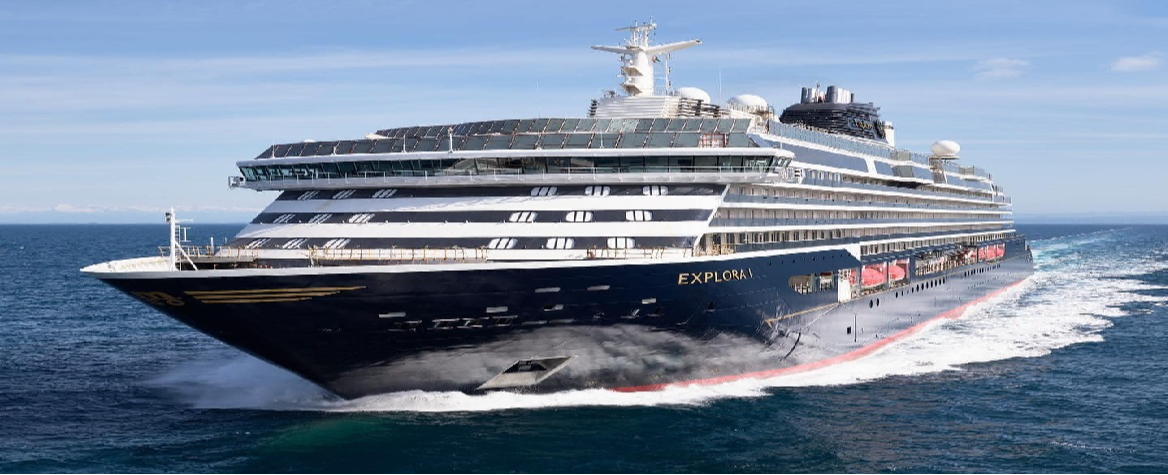
Explora Journeys (4 Cruises)

Lindblad Expeditions (2 Cruises)



Regent Seven Seas Cruises (16 Cruises)
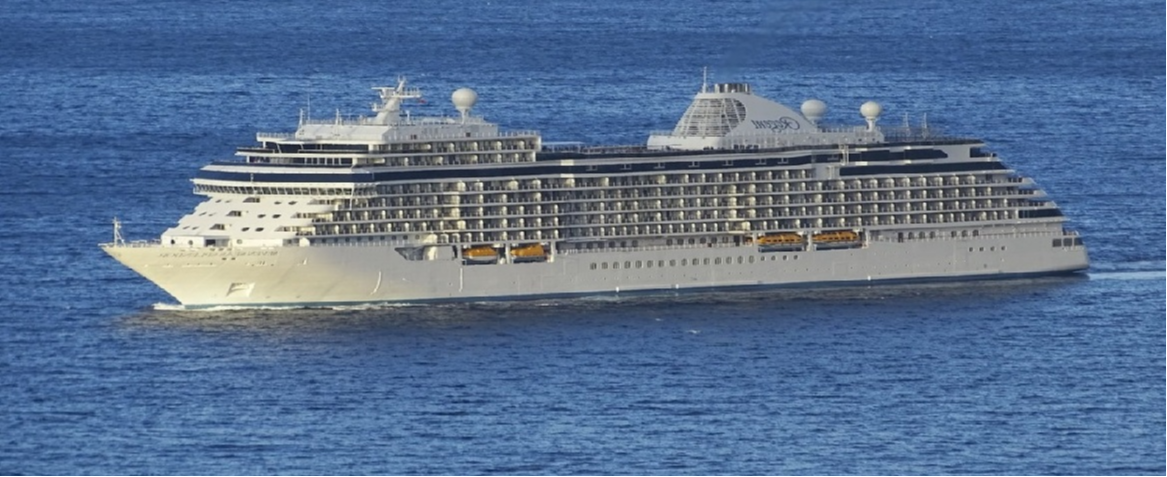

Seven Seas Mariner
7 Cruises

| 29 April | 175 days | One-way from New York to Piraeus-Athens |
450-628-6241
Call us
|
| 29 April | 174 days | One-way from New York to Piraeus-Athens |
450-628-6241
Call us
|
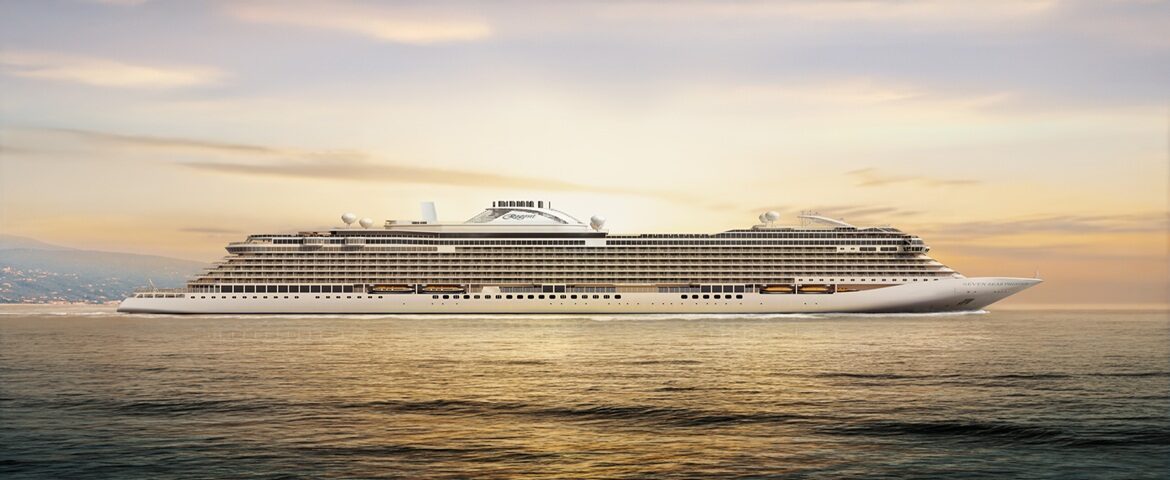
Seven Seas Prestige
5 Cruises
Seabourn Cruise Line (75 Cruises)
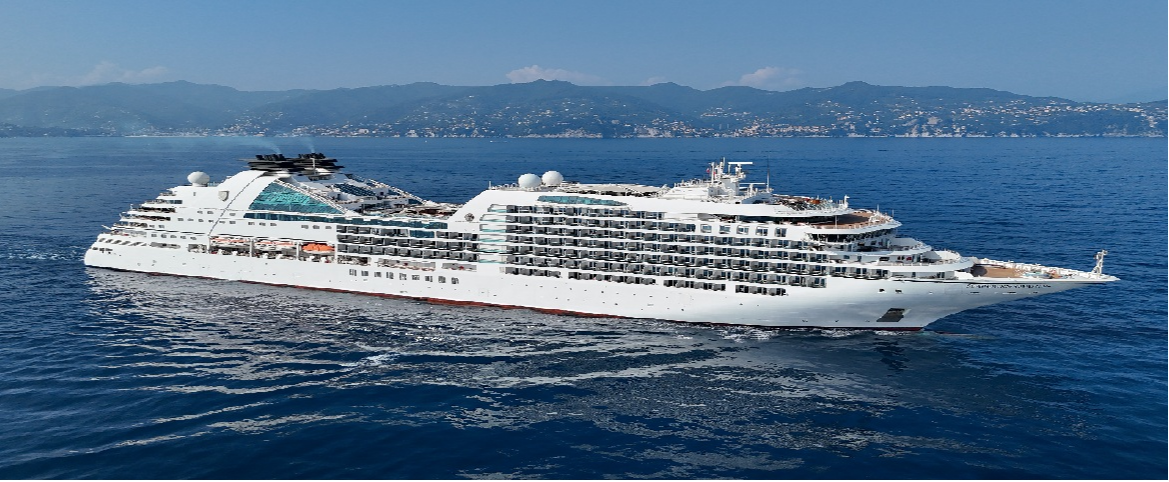
Seabourn Ovation
75 Cruises

| 30 April | 30 days | One-way from Genoa to Istanbul |
450-628-6241
Call us
|
| 30 April | 29 days | One-way from Genoa to Istanbul |
450-628-6241
Call us
|
SeaDream Yacht Club (2 Cruises)

Star Clippers (13 Cruises)
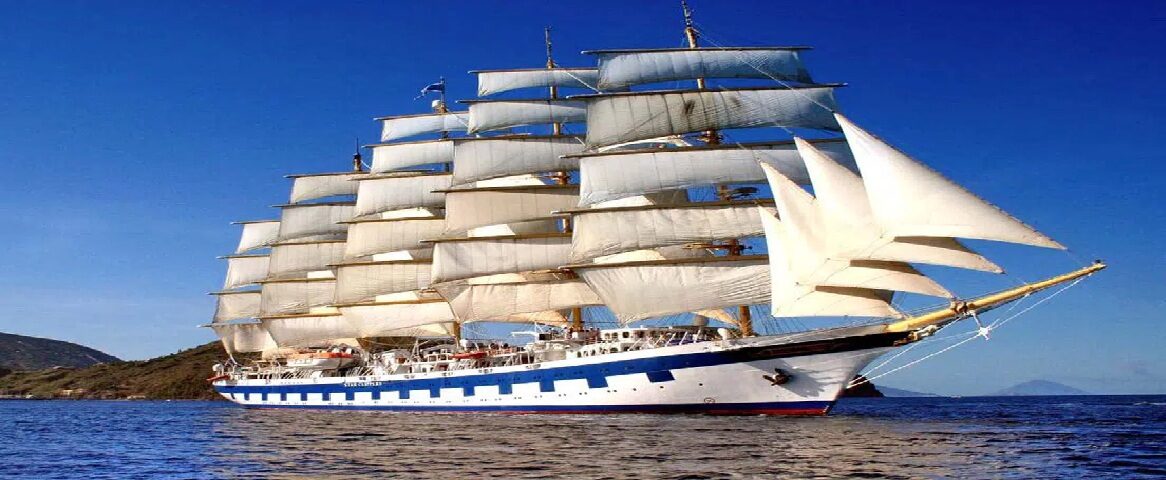

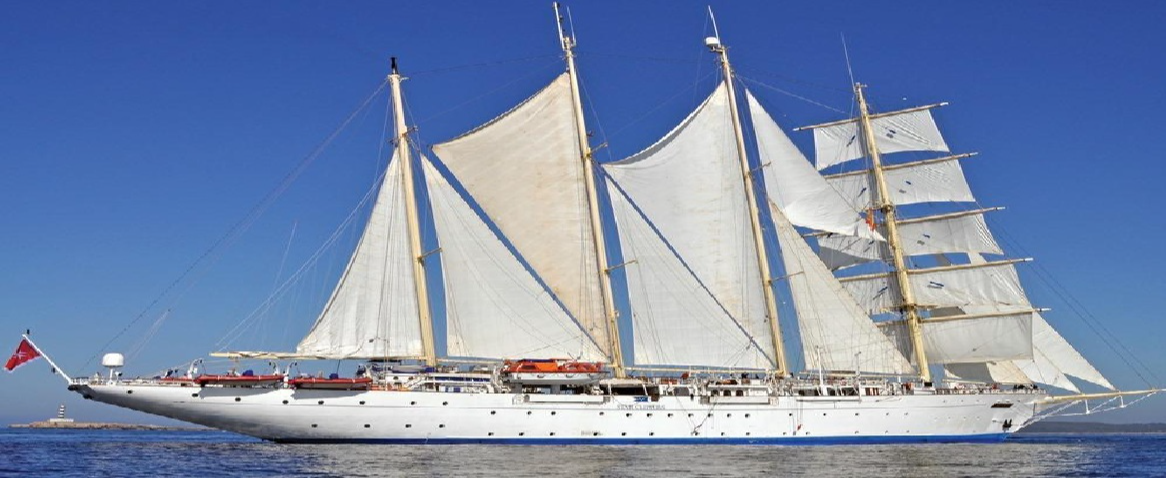
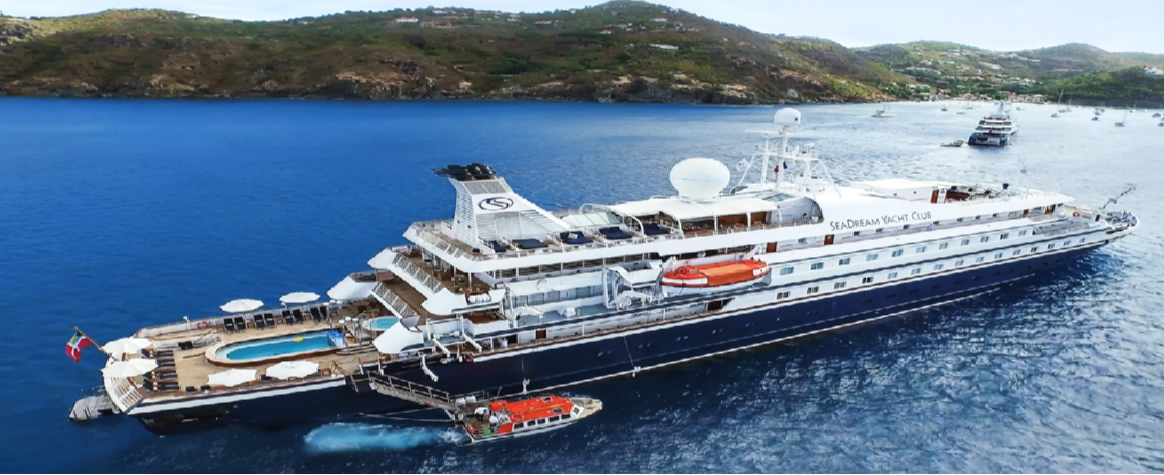
Star Flyer
8 Cruises
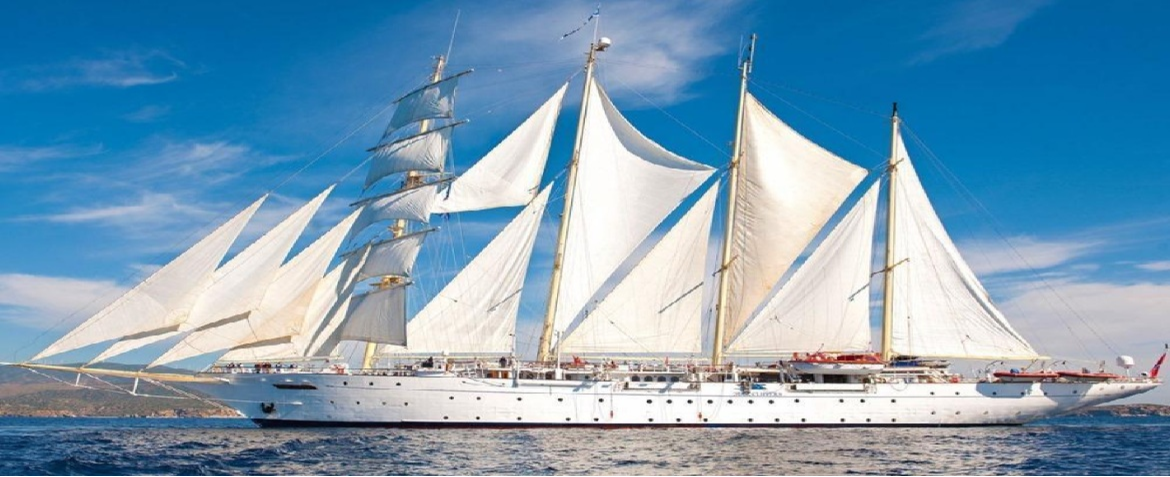
| 16 April | 16 days | One-way from Malaga to Piraeus-Athens |
450-628-6241
Call us
|
| 25 April | 7 days | One-way from Valletta to Piraeus-Athens |
450-628-6241
Call us
|
| 3 July | 8 days | Round-trip from Piraeus-Athens, Greece |
450-628-6241
Call us
|
| 3 July | 15 days | Round-trip from Piraeus-Athens, Greece |
450-628-6241
Call us
|
Windstar Cruises (29 Cruises)
Wind Surf
29 Cruises
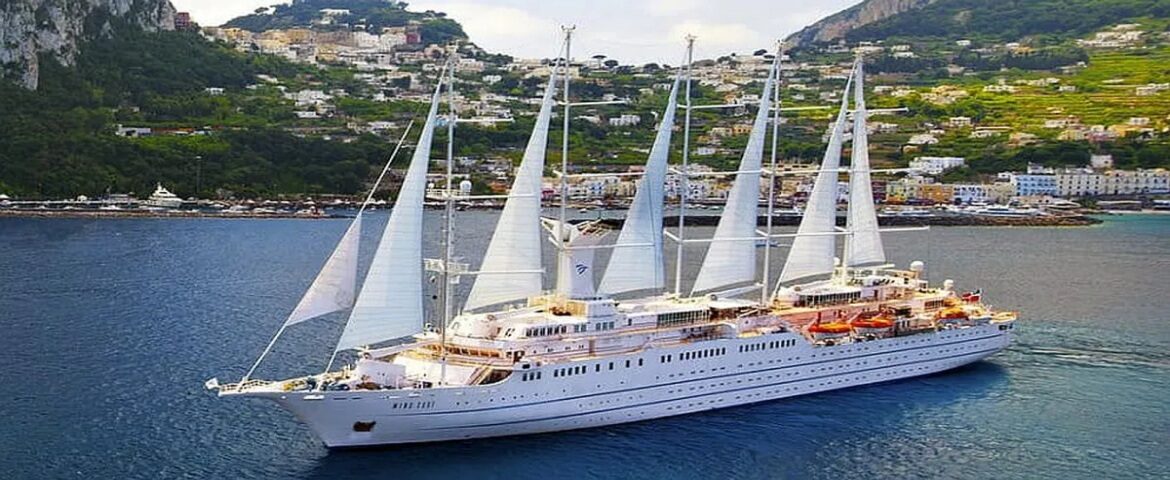

| 19 April | 16 days | One-way from Tarragona to Piraeus-Athens |
450-628-6241
Call us
|
| 27 April | 8 days | One-way from Civitavecchia-Rome to Piraeus-Athens |
450-628-6241
Call us
|

Monemvasia Greece | Medieval Fortress Town Travel Guide
Frequently Asked Questions
In the bay, with tenders landing near the causeway that links the rock to the mainland. From the landing, two hundred metres of causeway lead to the main gate of the walled town.
No, and that is the surprise. The town turns its back on the open sea: it is built on the southern flank of its rock, invisible until you pass through the gate. From the ship you see only a bare cliff.
No, no vehicles circulate inside. You walk through an angled tunnel cut into the ramparts, as everyone has since Byzantine times. It is one of the most striking moments a Greek port call can offer.
One to two hours for the lower town, plus about an hour and a half for the round trip to the upper town. The main street, its vaulted passages, the church of Christ Elkomenos and the former Ottoman mosque now a museum already fill a morning.
It is a real effort: about thirty minutes of paved switchbacks in full sun for nearly two hundred metres of ascent. At the top, the Byzantine church of Agia Sofia stands at the edge of the void and the reward justifies the climb, but start early on hot days.
Good shoes, without question. Polished cobbles, stairs and slopes make up the entire route, lower town and upper. Bring water too: there is no shade up high.
Yes, the sea walls offer an easier walk than the upper town, with access to a rocky swimming platform below. It is not a sandy beach, but the water is clear.
A sweet white wine exported across medieval Europe from these very quays, and which took its name from the town. Replanted vines in the region produce it again, and a few shops on the main street offer tastings.
Not really. The town is magnificent, but everything is done on foot over uneven, sloping cobbles. Visitors with limited mobility will find the lower town difficult and the upper town out of reach.
The euro and Greek, with English understood in the shops along the main street. Cards work in most places; a little cash is still handy for small stalls.


