Fakarava Atoll Tuamotus French Polynesia
French Polynesia
266
Cruises availables
At departure or passage at this port
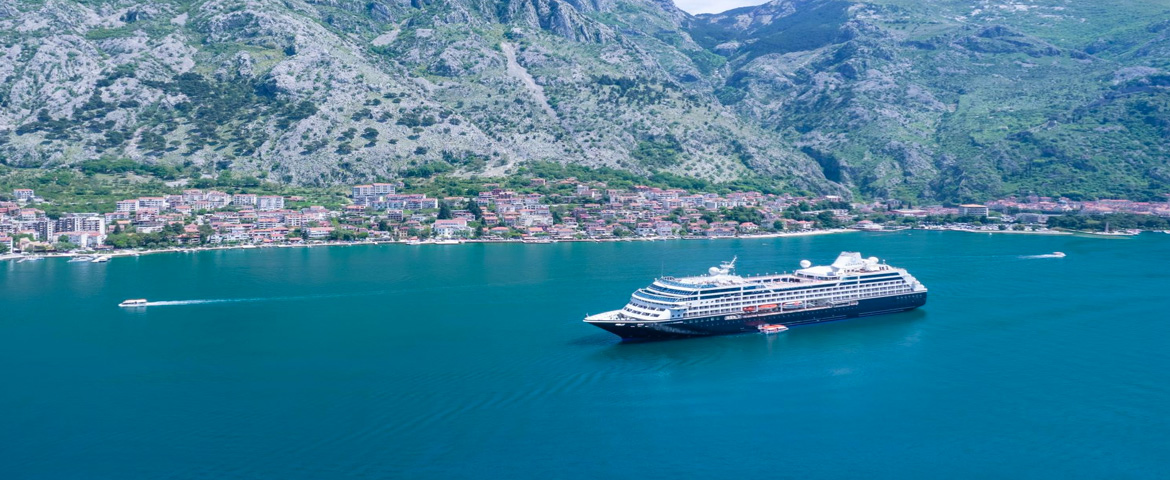
Azamara Club Cruises (11 Cruises)
Azamara Onward
11 Cruises

Crystal Cruises (14 Cruises)
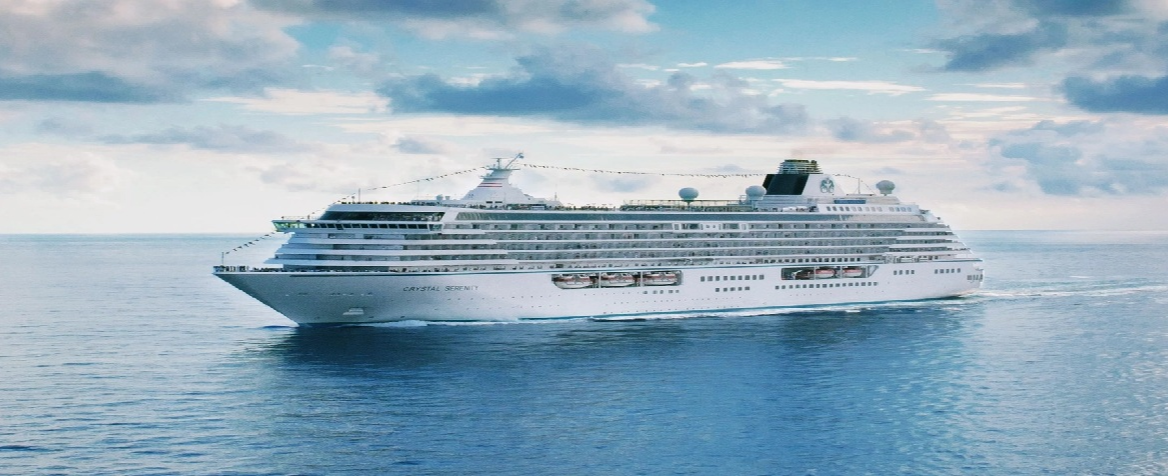
Crystal Serenity
5 Cruises

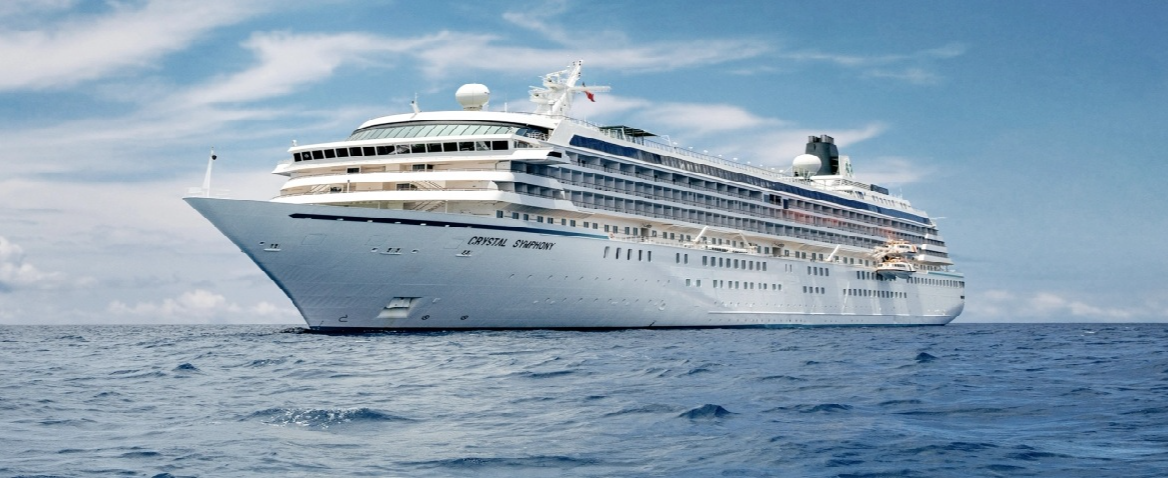
Crystal Symphony
9 Cruises
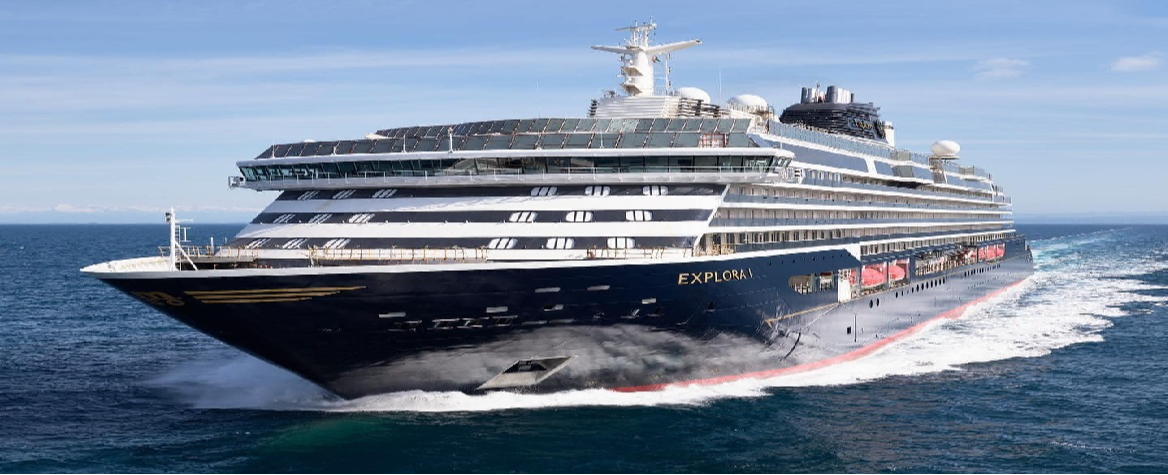
Explora Journeys (3 Cruises)

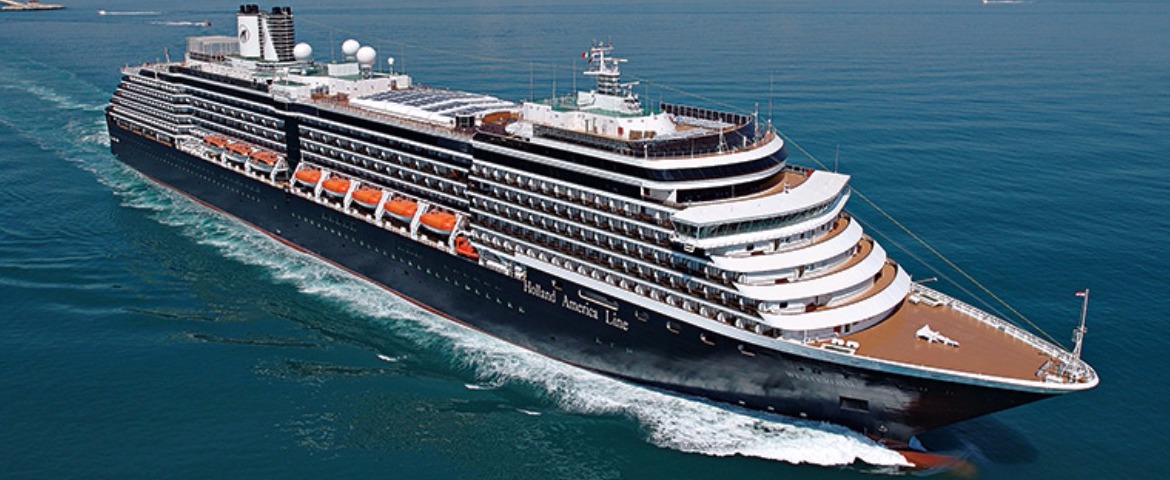
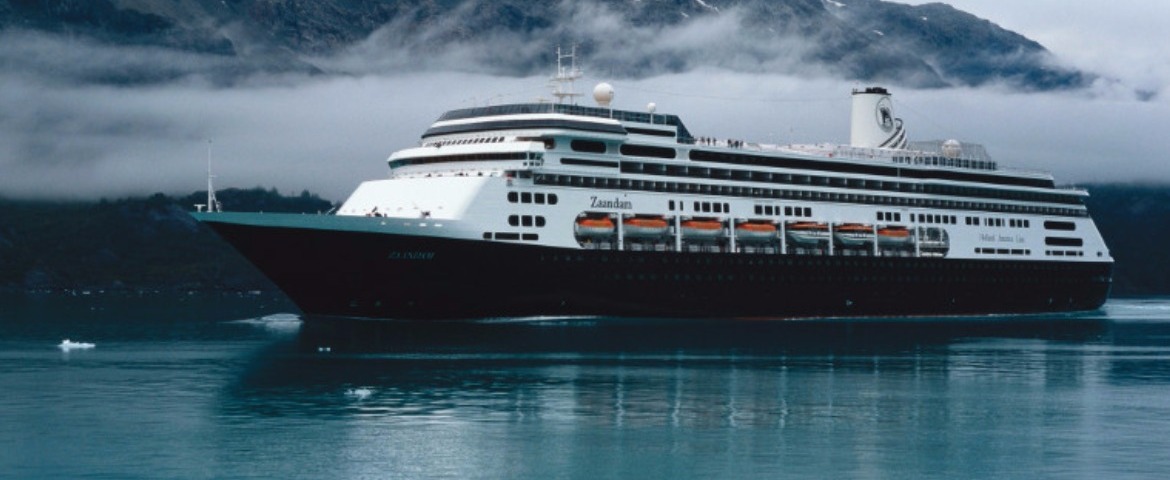
Holland America Line (5 Cruises)


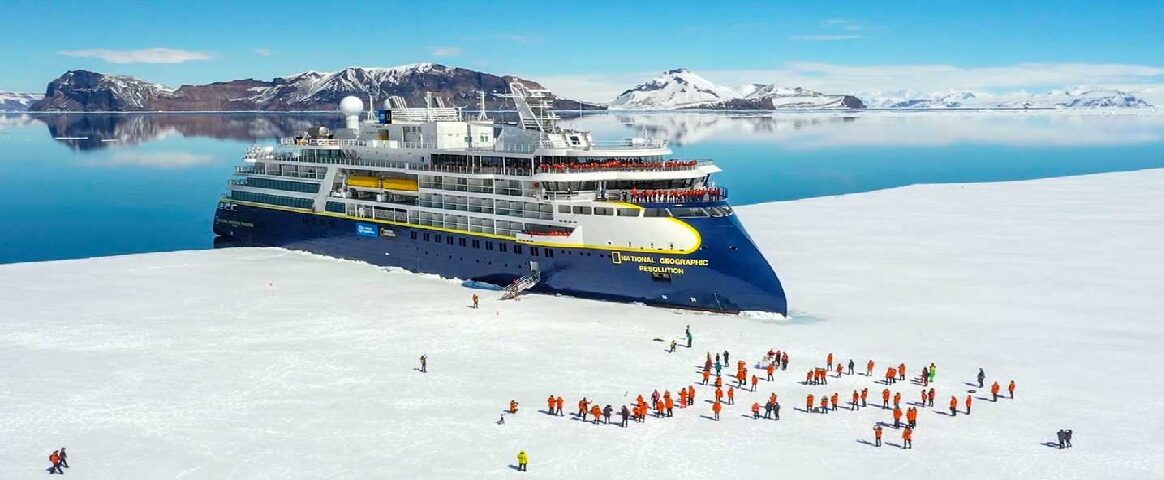

Paul Gauguin Cruises (66 Cruises)
M/S Paul Gauguin
66 Cruises


| 24 October | 13 days | Round-trip 14 Night Marquesas Tuamotus and Society Islands Cruise |
450-628-6241
Call us
|
| 24 October | 14 days | Round-trip from Papeete, Tahiti, French Polynesia |
450-628-6241
Call us
|
| 28 April | 10 days | Round-trip from Papeete, Tahiti, French Polynesia |
450-628-6241
Call us
|
| 28 April | 9 days | Round-trip 10 Night More Tuamotus and Society Islands Cruise |
450-628-6241
Call us
|
| 9 June | 10 days | Round-trip from Papeete, Tahiti, French Polynesia |
450-628-6241
Call us
|
| 9 June | 9 days | Round-trip 10 Night More Tuamotus and Society Islands Cruise |
450-628-6241
Call us
|
| 25 September | 11 days | Round-trip from Papeete, Tahiti, French Polynesia |
450-628-6241
Call us
|
| 25 September | 10 days | Round-trip 11 Night Society Islands and Tuamotus Cruise |
450-628-6241
Call us
|
| 6 October | 10 days | Round-trip from Papeete, Tahiti, French Polynesia |
450-628-6241
Call us
|
| 6 October | 9 days | Round-trip 10 Night More Tuamotus and Society Islands Cruise |
450-628-6241
Call us
|
| 19 January | 9 days | Round-trip 10 Night Society Islands and the Tuamotus Cruise |
450-628-6241
Call us
|
| 19 January | 10 days | Round-trip from Papeete, Tahiti, French Polynesia |
450-628-6241
Call us
|
| 13 May | 15 days | Round-trip from Papeete, Tahiti, French Polynesia |
450-628-6241
Call us
|
| 13 May | 14 days | Round-trip 14 Night Marquesas the Tuamotus and Society Islands Cruise |
450-628-6241
Call us
|
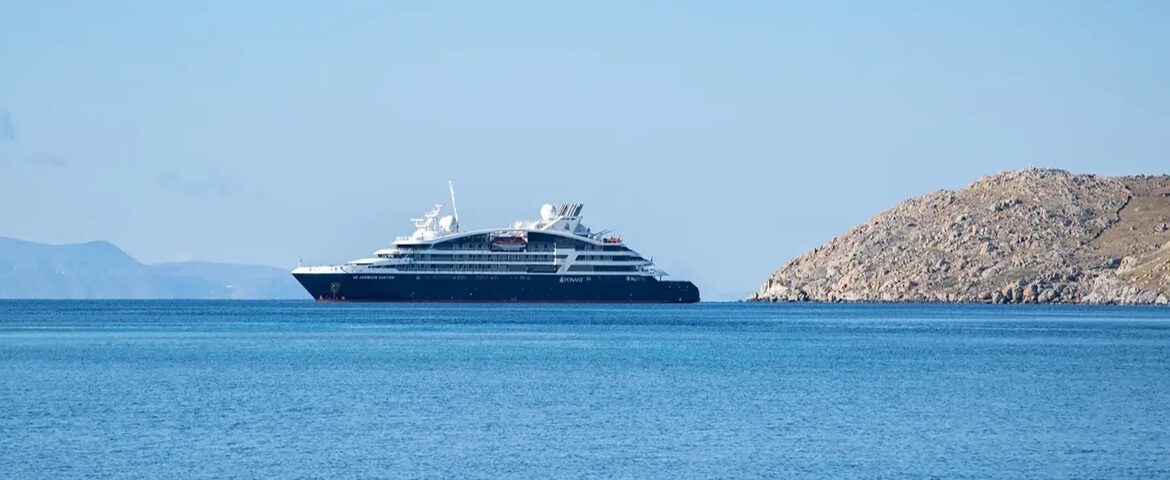
Ponant (12 Cruises)
Le Jacques Cartier
12 Cruises

| 10 January | 15 days | Round-trip from Papeete, French Polynesia |
450-628-6241
Call us
|
| 24 January | 15 days | Round-trip from Papeete, French Polynesia |
450-628-6241
Call us
|
| 17 October | 15 days | Round-trip from Papeete, French Polynesia |
450-628-6241
Call us
|
| 31 October | 15 days | Round-trip from Papeete, French Polynesia |
450-628-6241
Call us
|
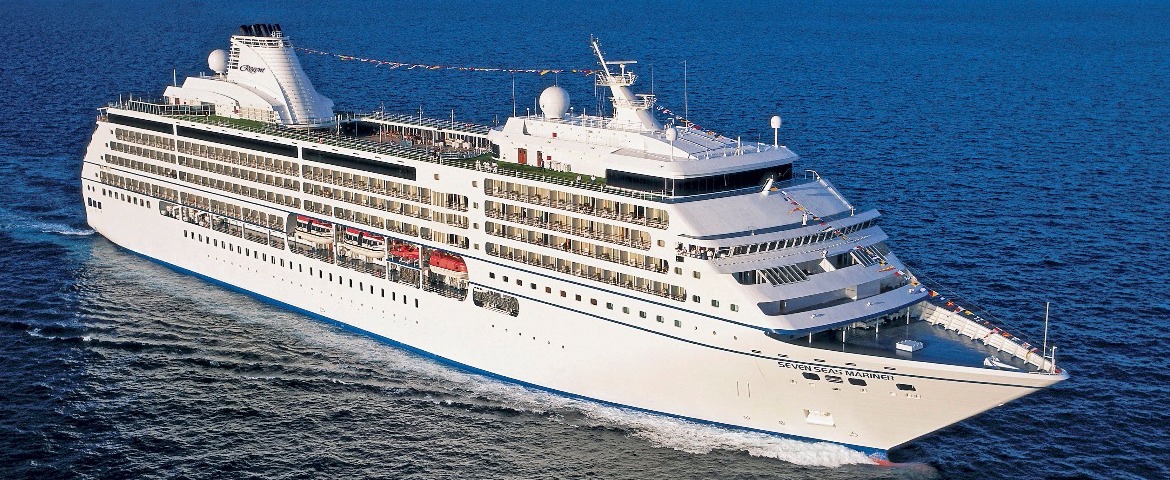

Seabourn Cruise Line (19 Cruises)
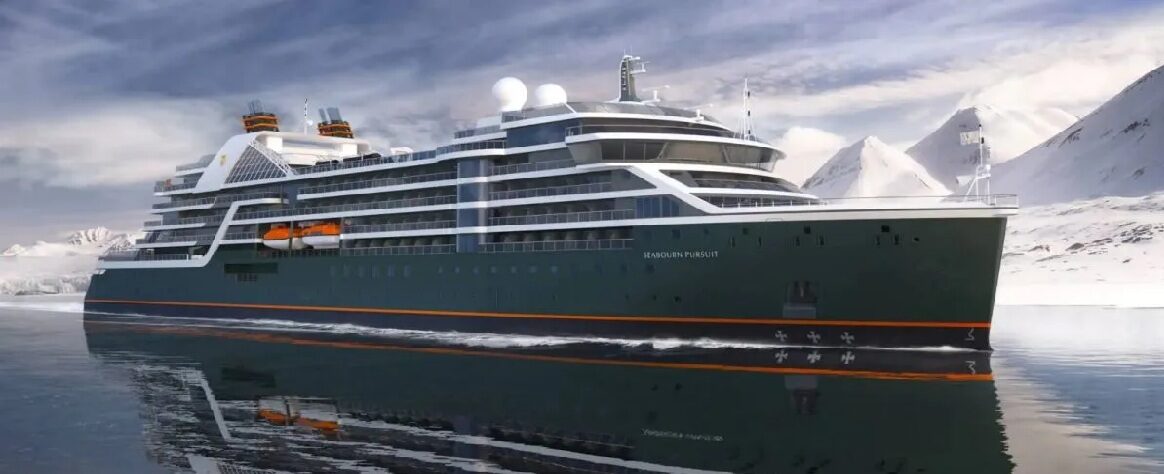
Seabourn Pursuit
10 Cruises

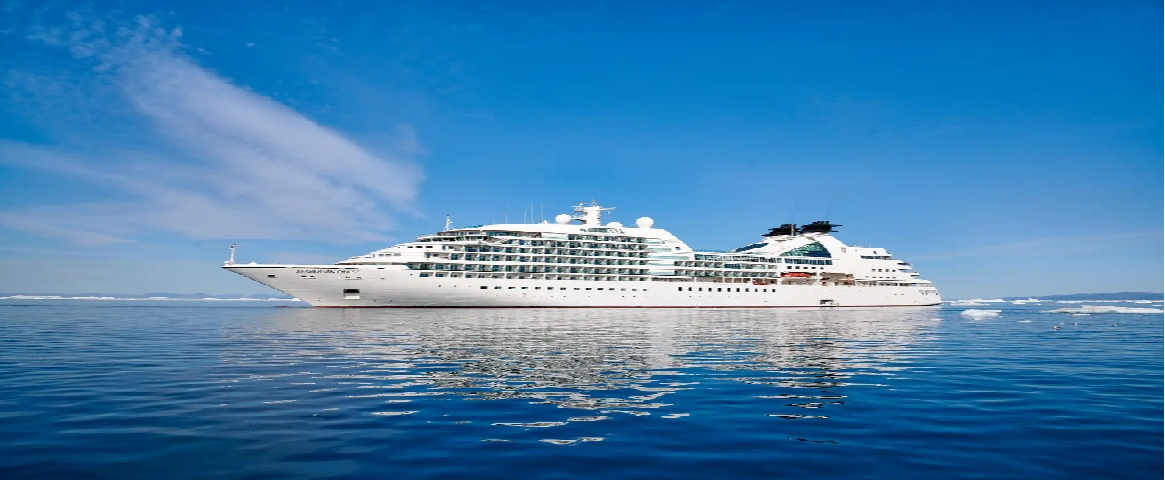
Seabourn Quest
9 Cruises
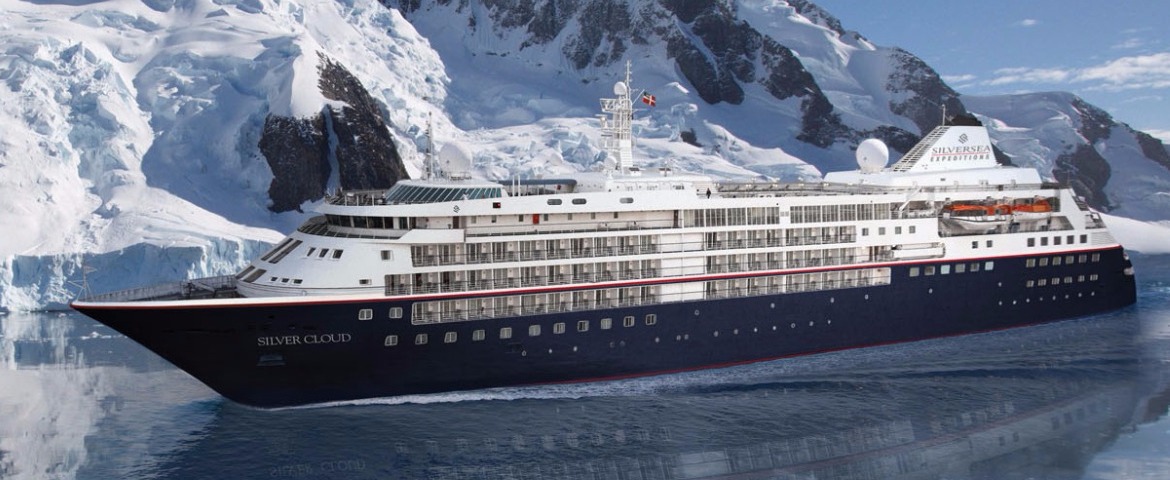
Silversea Cruises (40 Cruises)
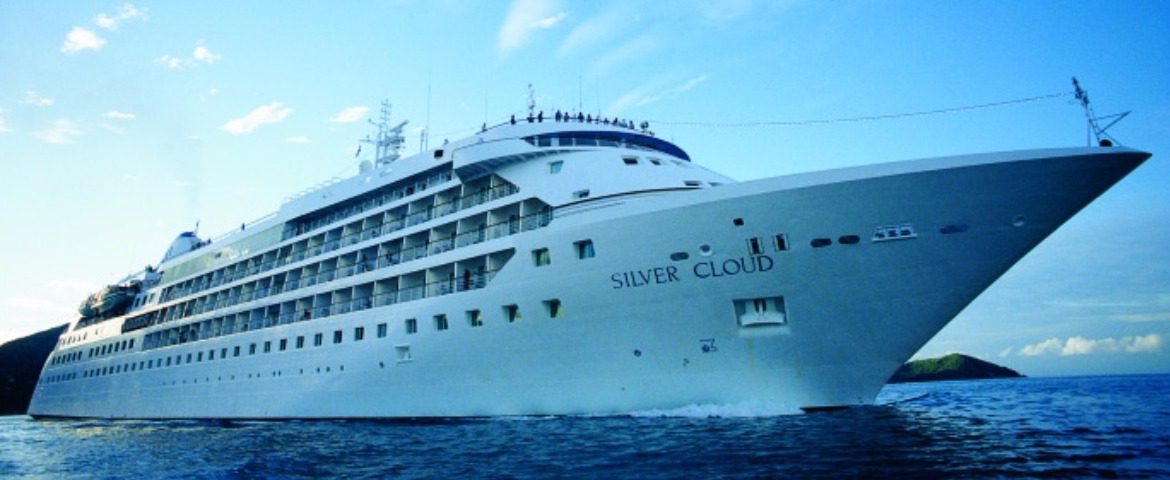

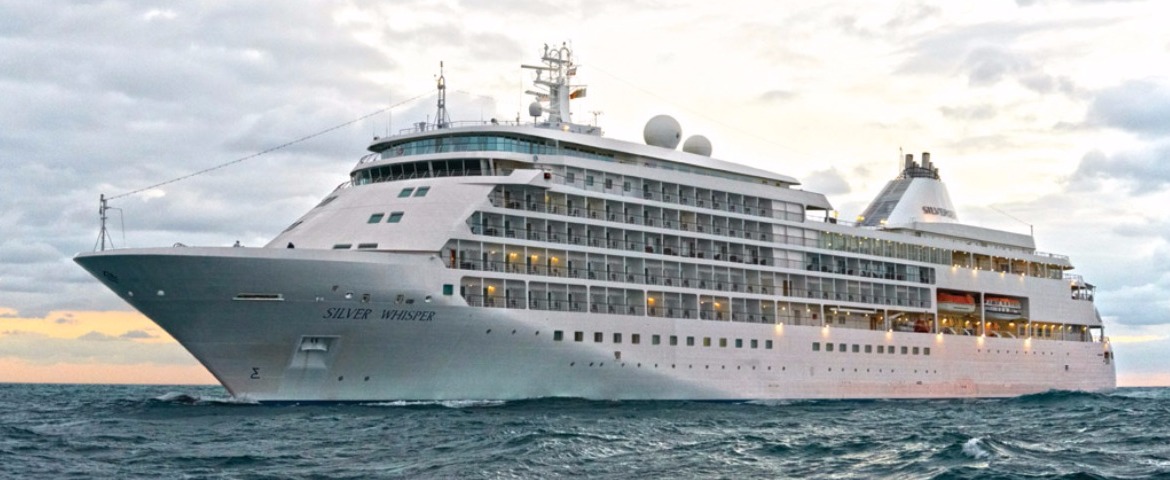
Silver Whisper
34 Cruises
| 7 March | 15 days | Round-trip from Papeete, Tahiti, French Polynesia |
450-628-6241
Call us
|
| 21 March | 15 days | Round-trip from Papeete, Tahiti, French Polynesia |
450-628-6241
Call us
|
| 20 February | 14 days | Round-trip from Papeete, Tahiti, French Polynesia |
450-628-6241
Call us
|
| 20 February | 14 days | Round-trip South Sea Silver Whisper Papeete Tahiti |
450-628-6241
Call us
|
| 19 March | 11 days | Round-trip from Papeete, Tahiti, French Polynesia |
450-628-6241
Call us
|
| 29 March | 11 days | Round-trip South Sea Silver Whisper Papeete Tahiti |
450-628-6241
Call us
|
Windstar Cruises (91 Cruises)
Star Breeze
88 Cruises


| 11 February | 18 days | Round-trip from Papeete, Tahiti, French Polynesia |
450-628-6241
Call us
|
| 18 February | 11 days | Round-trip from Papeete, Tahiti, French Polynesia |
450-628-6241
Call us
|
| 13 May | 17 days | Round-trip from Papeete, Tahiti, French Polynesia |
450-628-6241
Call us
|
| 20 May | 10 days | Round-trip from Papeete, Tahiti, French Polynesia |
450-628-6241
Call us
|
| 16 September | 17 days | Round-trip from Papeete, Tahiti, French Polynesia |
450-628-6241
Call us
|
| 23 September | 10 days | Round-trip from Papeete, Tahiti, French Polynesia |
450-628-6241
Call us
|
| 24 January | 52 days | One-way from Singapore to Papeete |
450-628-6241
Call us
|
| 28 January | 48 days | One-way from Benoa to Papeete |
450-628-6241
Call us
|
| 9 July | 18 days | Round-trip from Papeete, Tahiti, French Polynesia |
450-628-6241
Call us
|
| 9 July | 11 days | Round-trip from Papeete, Tahiti, French Polynesia |
450-628-6241
Call us
|

Fakarava | Cruise Port Guide
Frequently Asked Questions
Ships anchor inside the coral ring and tenders land passengers at the small quay of Rotoava, the main village. From there everything is done on foot or by bicycle: rentals wait a few steps from the landing.
The second-largest atoll in French Polynesia, a coral ring enclosing a lagoon roughly 60 kilometres long, listed as a UNESCO biosphere reserve along with neighbouring atolls. There are no peaks and no valleys: everything happens between sky, coral and water.
Rent a bicycle at Rotoava, follow the crushed-coral road up to the Topaka lighthouse, then put on a mask and snorkel in the shallow lagoon. A pearl farm visit rounds out the day nicely. This is a call where you should resist overloading the programme.
A stone tower shaped like a stepped pyramid, north of Rotoava, among the tallest structures in the Tuamotus. Its squat form is unique in Polynesia. The bike ride from the quay is easy and reveals a wilder, surf-beaten coast on the ocean side.
Not necessarily. The atoll owes its world reputation to its two passes, Garuae in the north, the widest in French Polynesia, and Tumakohua in the south, known for its gatherings of grey reef sharks. But a snorkel is enough to see butterflyfish, giant clams and harmless blacktip reef sharks in the shallows.
Yes, the dive centres in Rotoava run outings timed to ship schedules. Book early: places are limited and a port call leaves no room to catch up.
Yes, several open to visitors. You follow the grafting of the oysters, the growing on submerged lines and the sorting of black pearls with green or aubergine tones. The jewellery sold comes straight from the water you can see behind the counter.
It is possible but not guaranteed. The pink-tinged sandbanks lie at the southern end of the lagoon and the distance requires an organised boat excursion. Ask as soon as you arrive, because places go fast. Those who stay near Rotoava lose little: the northern beaches have the same translucent water plus the shade of the palms.
About 800 people live on this thin ring in the middle of the Pacific, to the rhythm of the tides and the supply schooner that serves the Tuamotus. Residents wave at passing cyclists and children dive off the quay after school. It is not a set built for visitors, it is the real life of an isolated community.
The CFP franc, and bring cash: banking services on the atoll are very limited. There are a few snack places serving raw fish in coconut milk, but no substantial tourist infrastructure. Bring water, sunscreen and a hat from the ship.


