Cherbourg France

127 Cruises availables At departure or passage at this port

Cunard (19 Cruises)

MSC Cruises (50 Cruises)

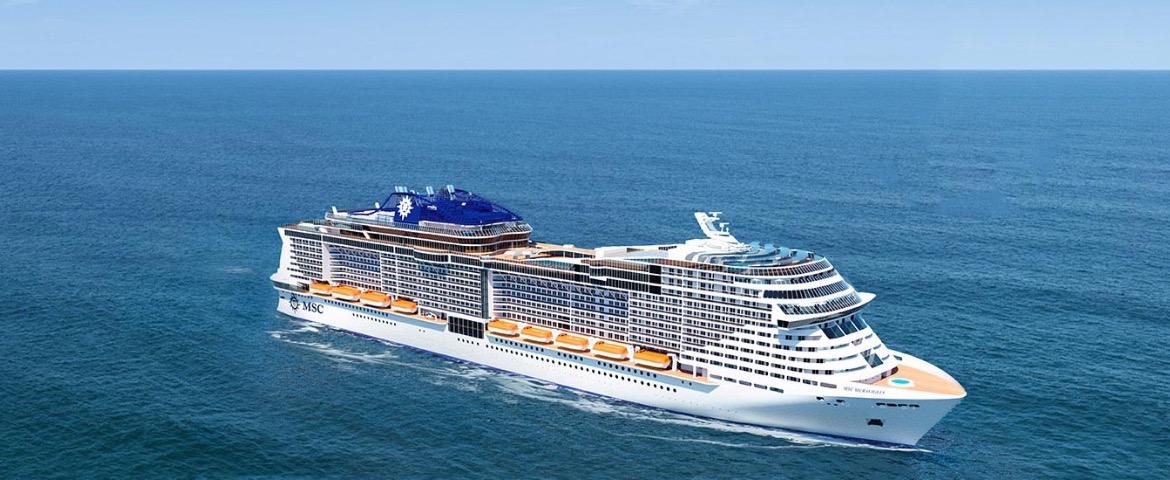
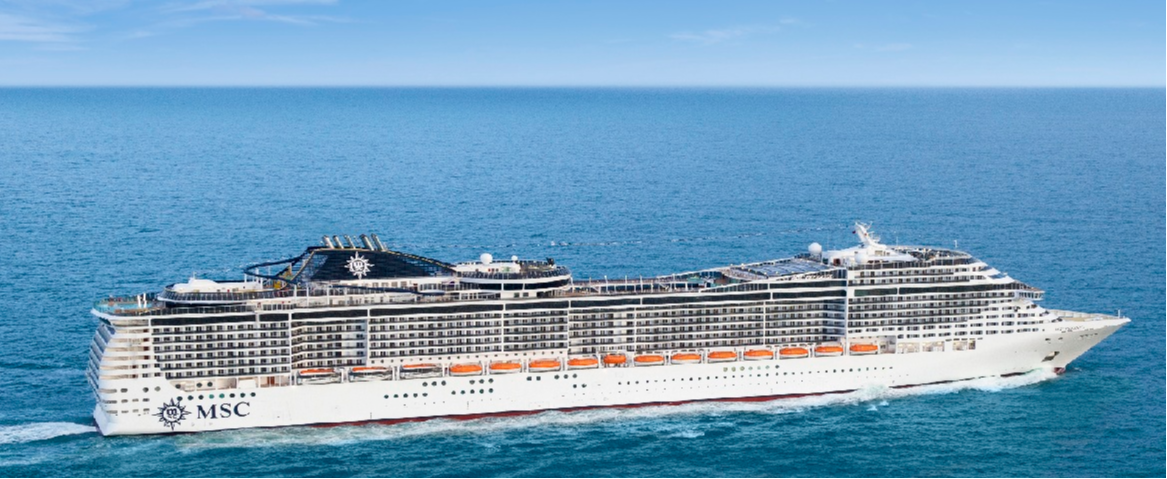
MSC Preziosa.

MSC Preziosa

4345 Passengers
139072 tons
Visit the ship's page

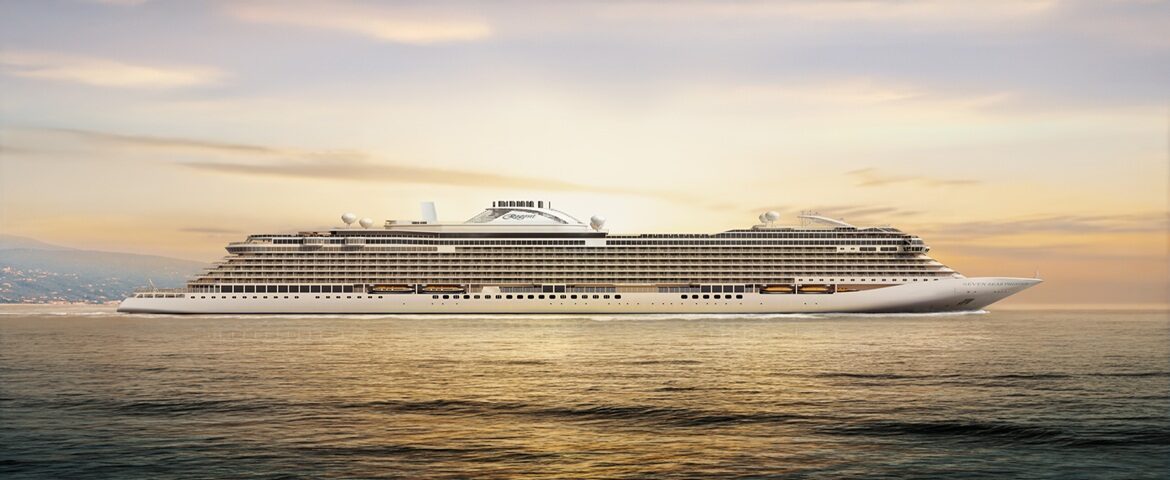
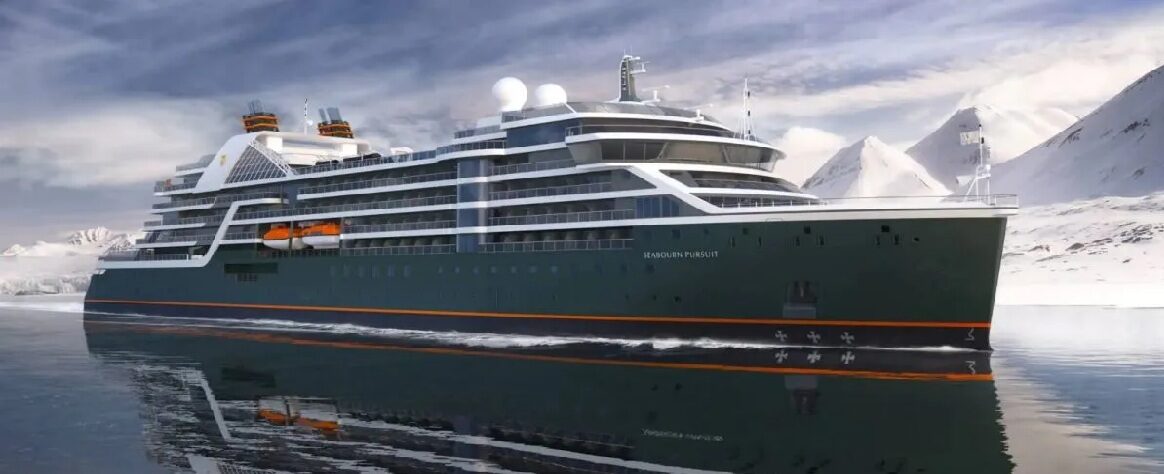
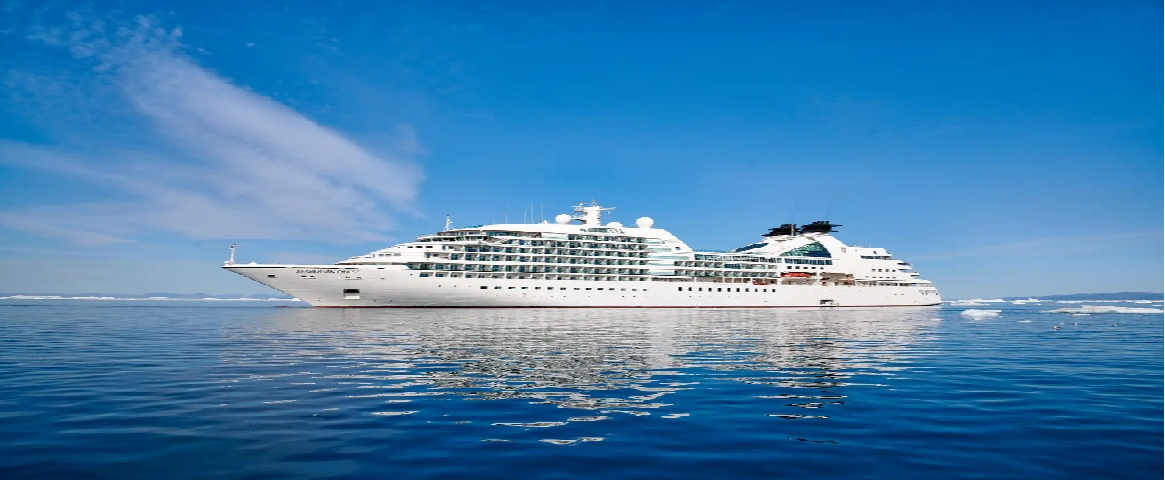
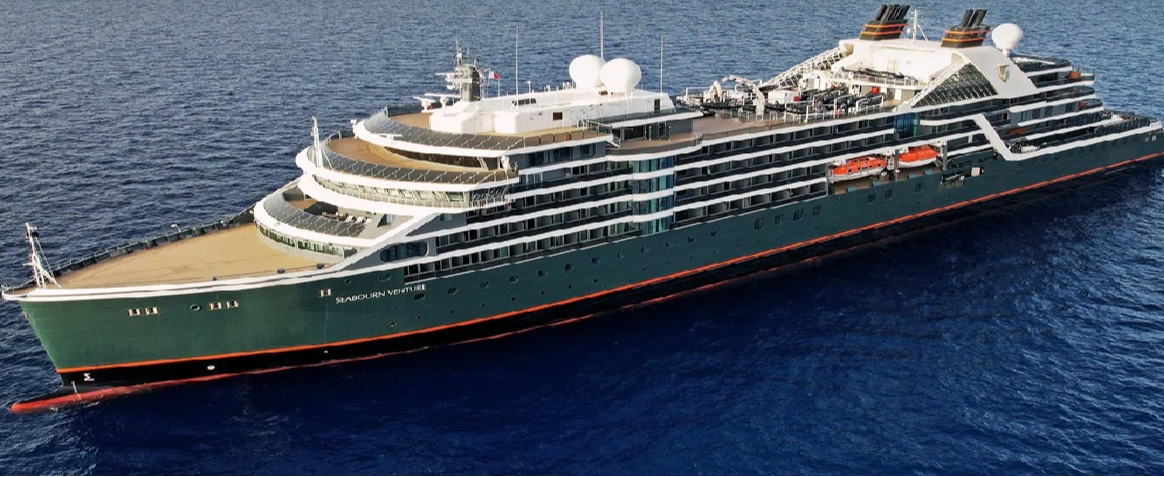
Seabourn Cruise Line (34 Cruises)

Port of Cherbourg, France | Cruise Port Guide

It takes nearly an hour for ships to cross Cherbourg's roadstead, Europe's largest artificial harbour, protected by breakwaters begun under Louis XVI and completed a century later. This single figure sets the tone: here, everything has been conceived on a grand scale. A major call for transatlantic liners, a great military port, and a great chapter of history too, since it was from this quay that the Titanic received its last continental passengers, on 10 April 1912.

A Disembarkation Into History

Ships dock at the France Quay or the Normandy Quay, in the heart of the old transatlantic terminal building. This Art Deco structure from the 1930s, with its cathedral-like railway volumes, once welcomed boat-trains from Paris; it houses today La Cité de la Mer, immediately next to the terminal. The town centre is reached on foot in about fifteen minutes by a flat route, and a free shuttle runs during port-calls.

The Sea City: A Dive Without Getting Wet

Hard to find a better-placed attraction: it begins where the gangway ends. You descend into Le Redoutable, France's first nuclear ballistic missile submarine and the world's largest submersible open to visitors; the audio-guided tour crosses the control room, the bunks and the engine room. The abyssal aquarium, more than ten metres deep, presents the fauna of the great depths, while the Titanic space retraces the liner's Cherbourg call and the fate of its emigrants. Budget two to three hours for the whole.

Downtown: Between Umbrellas and Market Halls

Past the swing bridge, the shopping streets converge on Place du Général-de-Gaulle and its Italianate theatre. On market days, Tuesday, Thursday and Saturday, the stalls overflow with Norman products: raw-milk cheeses, cider, caramels, fish from the night catch. The Basilica of the Holy Trinity, reworked from the fifteenth century, watches over this to-and-fro for six hundred years. Film buffs will push open the door of the umbrella factory, made famous by Jacques Demy's film with Catherine Deneuve; you can still have handmade there the true umbrella of Cherbourg, guaranteed against the gusts of Cotentin.

Mount Roule and the Memory of 1944

Above the roofs, the Fort du Roule caps a promontory 117 metres high. The Museum of the Liberation recounts the port's decisive role in 1944: taken by the Americans three weeks after D-Day, Cherbourg became the logistical backbone of the Battle of Normandy. The climb, by bus or on foot for the stout-hearted, is justified as much for the collections as for the view: the entire roadstead spreads below, with its forts set on the water like chess pieces.

Ideas for a Full Day

ExcursionApproximate DistanceMain Interest
Cape de la Hague30 kmCliffs, heaths and villages at the world's edge
Barfleur and Saint-Vaast-la-Hougue30 kmMaritime villages, oysters and Vauban towers
D-Day Beaches (Utah Beach)50 kmMemory of 6 June 1944
Bayeux and Its Tapestry95 kmThousand-year-old embroidery and cathedral

Organised excursions by the companies remain the surest way to cover these distances in the allotted time; independent travellers will favour the town and the Sea City.

Evening, When the Breakwaters Fade

On departure, the ship skirts the forts of the roadstead for long minutes before regaining the swell of the Channel. Passengers who remained on deck then understand what makes Cherbourg singular: a modest-seeming city, backed by an outsized maritime edifice, which has seen pass the ships of legend, the submarines and History itself with its great axe. Few port-calls offer such a distillation of the twentieth century in a single day.

Frequently Asked Questions

At the Quai de France or the Quai de Normandie, in the heart of the old transatlantic maritime station. Allow nearly an hour of sailing to cross the roadstead — the largest artificial harbour in Europe — before docking.
Yes. About fifteen minutes on flat ground separate the terminal from the centre, and a free shuttle runs on call days. It is one of the easiest French calls to do without a booked excursion.
Two options that barely combine. Either La Cité de la Mer, which begins where the gangway ends and needs two to three hours, or the town centre plus Fort du Roule. Trying to do both spoils both.
This is where the Titanic took on her last continental passengers, on 10 April 1912. The Titanic gallery at La Cité de la Mer retraces that Cherbourg call and the fate of the emigrants who boarded here.
You go down inside Le Redoutable, France's first nuclear ballistic missile submarine and the largest submersible in the world open to visitors: control room, bunks, engine room. Add an abyssal aquarium more than ten metres deep and the Titanic gallery. Two to three hours for the whole thing.
Yes, the workshop still assembles by hand the umbrella made famous by Jacques Demy's film with Catherine Deneuve, guaranteed against Cotentin gusts. It is the most characteristic souvenir of the call.
Tuesdays, Thursdays and Saturdays, around the place du Général-de-Gaulle. Stalls overflow with Norman produce: raw-milk cheeses, cider, caramels and fish landed overnight.
The Liberation Museum, on a 117-metre promontory. It tells how the port, taken by the Americans three weeks after D-Day, became the logistical lung of the Battle of Normandy. You reach it by bus or on foot if you are game; the whole roadstead spreads out below.
Very much so. The submarine, the deep-sea aquarium and the market hold children's attention easily. The route between terminal and centre is flat, which simplifies the day with young ones or strollers.
The euro, cards accepted everywhere including La Cité de la Mer and town-centre shops. French is spoken; the visitor sites offer audio guides and printed material in English.