Adelaide South Australia
Australia

127 Cruises availables At departure or passage at this port

Princess Cruises (50 Cruises)

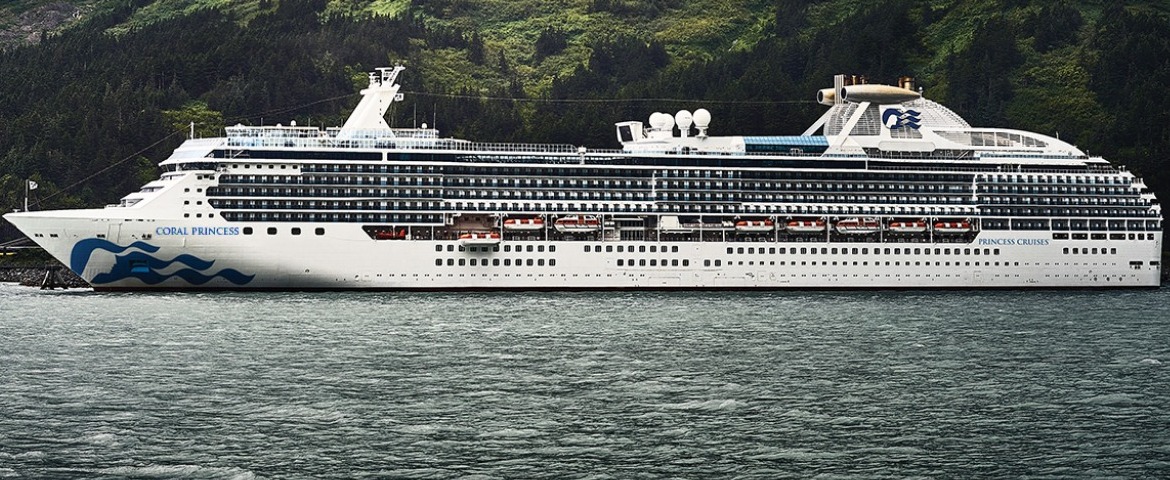
Cruise PCL Princess Coral ship

Coral Princess

2000 Passengers
91627 tons
Visit the ship's page
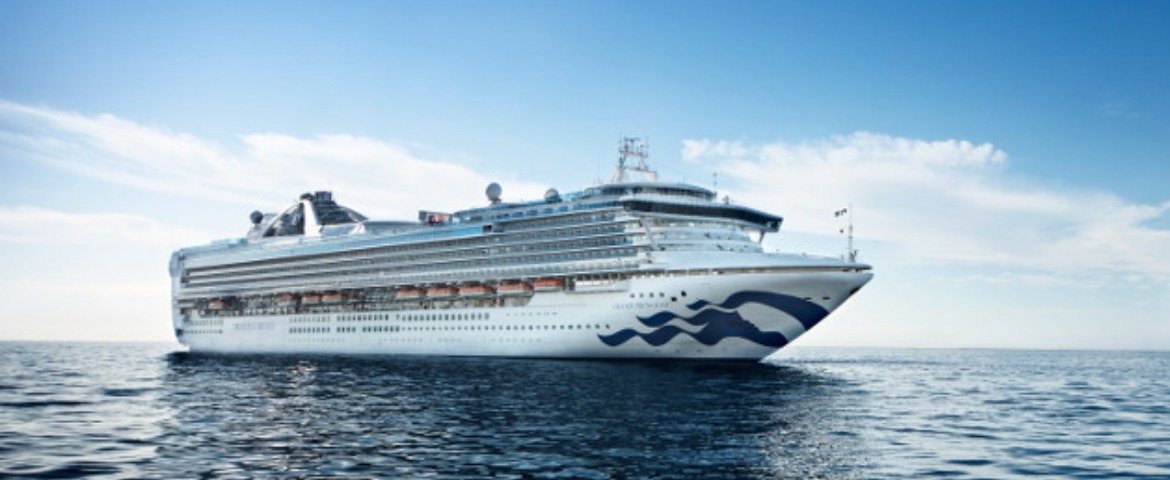
Cruise PCL Princess Grand Ship

Grand Princess

2600 Passengers
107751 tons
Visit the ship's page

Port of Adelaide, Australia | Cruise Port Guide

South Australia cultivates a way of life that its capital sums up beautifully: an elegant grid of streets enclosed in a continuous ring of parks, free cultural institutions lined along a single avenue, sandy beaches 20 minutes from the centre and, all around, some of the southern hemisphere's finest vineyards. Adelaide requires some effort, however: the ship docks at Outer Harbor, 22 kilometres northwest of the city centre, and the day must be planned accordingly.

From Outer Harbor to the City: The Train as Ally

Good news for independent travellers: Outer Harbor station is barely 150 metres from the cruise terminal. Suburban trains reach Adelaide's Central Station in about 45 minutes, with a practical stop at Port Adelaide after about 20 minutes. Taxis and company shuttles supplement the options for those preferring the road. On busy days, allow some margin for your return: afternoon trains fill quickly with passengers laden with bottles and souvenirs.

Port Adelaide: The Maritime Stop

Halfway to the centre, the old merchant port deserves an hour or two of your time. Its stone and brick warehouses now house the South Australian Maritime Museum, a red and white lighthouse you can climb for the view, along with markets and retro-spirited cafés. In the waters of Port River, a resident population of large dolphins moves within an urban sanctuary—keep watch from the wharves.

North Terrace: The Great Cultural Avenue

In the city, everything begins on North Terrace. This tree-lined avenue hosts the South Australian Art Gallery and its Australian and European collections, the South Australian Museum, renowned for its halls dedicated to Aboriginal cultures, the state library and the university. A few steps further, the Botanical Garden unfolds Victorian greenhouses and avenues of giant fig trees—the perfect spot for a shaded rest. On the other side of the Torrens River, Adelaide Oval, temple of cricket and Australian rules football, can be visited and even scaled by the roof for the more daring.

Central Market and South Australian Tables

An institution since 1869, Central Market gathers cheesemakers, butchers, fishmongers and roasters from across the state under a single roof. It is the best place to grasp Adelaide's gastronomic reputation: you compose a dinner from regional produce—cheeses, fruits, cured meats, pastries—before tasting it in the aisles or neighbouring parks. The adjoining Chinatown quarter adds its restaurants and bustle, and Rundle Mall, the pedestrian street a few blocks away, lines shops, Victorian arcades and sculptures that children adore.

Further Afield: Glenelg, Hahndorf and the Barossa

Depending on time available, three classics are open to excursionists. The tram runs from the city to the seaside town of Glenelg and its long sandy beach. In the hills, the village of Hahndorf, founded by German settlers, lines half-timbered pubs and artisan galleries. Finally, the wine regions—Barossa to the north, McLaren Vale to the south—are discovered on a full-day excursion with tastings at producers' cellars—the most popular option from the terminal, to be booked if the port time permits.

On the return, the train runs once more past the salt marshes and mangroves of Gulf Saint Vincent, and you measure the contrast of a day spent among dolphins, Aboriginal masterpieces and indulgent market stalls. Adelaide never seeks to dazzle; it convinces, quietly, and it is often Adelaide that passengers cite at the end of a cruise as among their favourite Australian surprises.

Frequently Asked Questions

At Outer Harbor, 22 kilometres northwest of the city centre. Plan the day accordingly : the city is not within walking distance.
By suburban train : Outer Harbor station is barely 150 metres from the cruise terminal and reaches Adelaide's central station in about 45 minutes, with a handy stop at Port Adelaide after roughly twenty minutes. Taxis and ship shuttles are the alternative.
The old merchant port deserves an hour or two : stone and brick warehouses, the South Australian Maritime Museum, a red and white lighthouse you can climb for the view, markets and retro cafes. A resident population of bottlenose dolphins lives in the Port River.
The city's great cultural avenue. It lines up the Art Gallery of South Australia, the South Australian Museum with its noted Aboriginal culture galleries, the State Library and the university. The Botanic Garden is a few steps away.
An institution since 1869, gathering cheesemongers, butchers, fishmongers and coffee roasters from across the state under one roof. It is the best place to assemble a lunch of regional produce and eat it in the nearby parks.
Yes. This temple of cricket and footy, across the Torrens River, offers tours and even a roof climb for the bold.
Yes. The tram runs from the city to the seaside suburb of Glenelg and its long sandy beach, about twenty minutes from the centre.
Yes, and it is the most popular excursion. The Barossa to the north and McLaren Vale to the south are covered on full day trips with tastings at the producers. Book ahead if the call is long enough.
A village in the hills founded by German settlers, with half timbered pubs and artisan galleries. It is the half day alternative to the wine valleys.
A tight return. On busy days the afternoon trains fill quickly with passengers carrying bottles and souvenirs : leave a comfortable margin before the all aboard time.