Oban UK Scotland
United Kingdom
48
Cruises availables
At departure or passage at this port
Azamara Club Cruises (6 Cruises)
Azamara Journey
6 Cruises
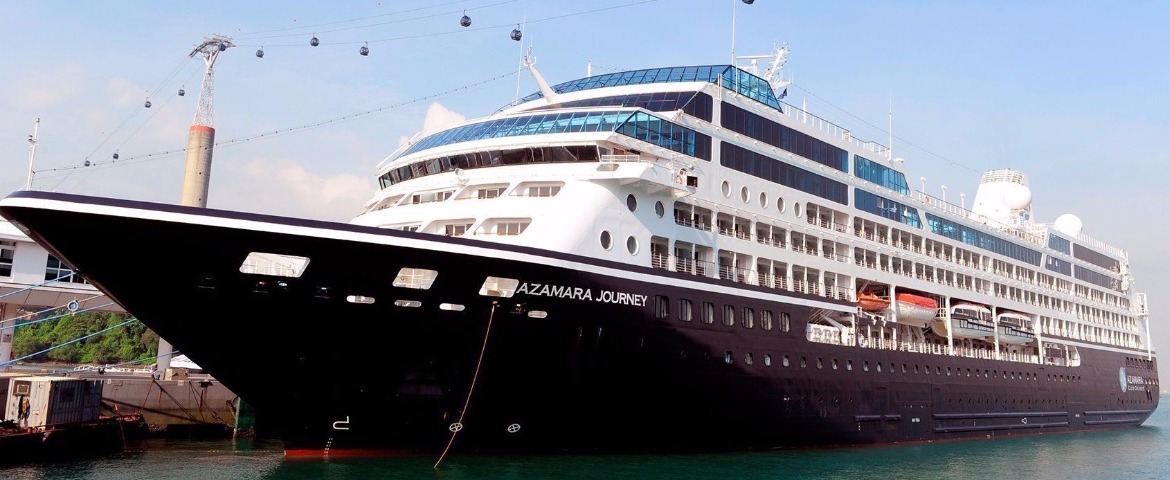

| 7 July | 65 days | Round-trip from Portsmouth UK, United Kingdom |
450-628-6241
Call us
|
| 7 July | 64 days | Round-trip British Isles Norway And Baltic Sea Azamara Journey Portsmouth |
450-628-6241
Call us
|
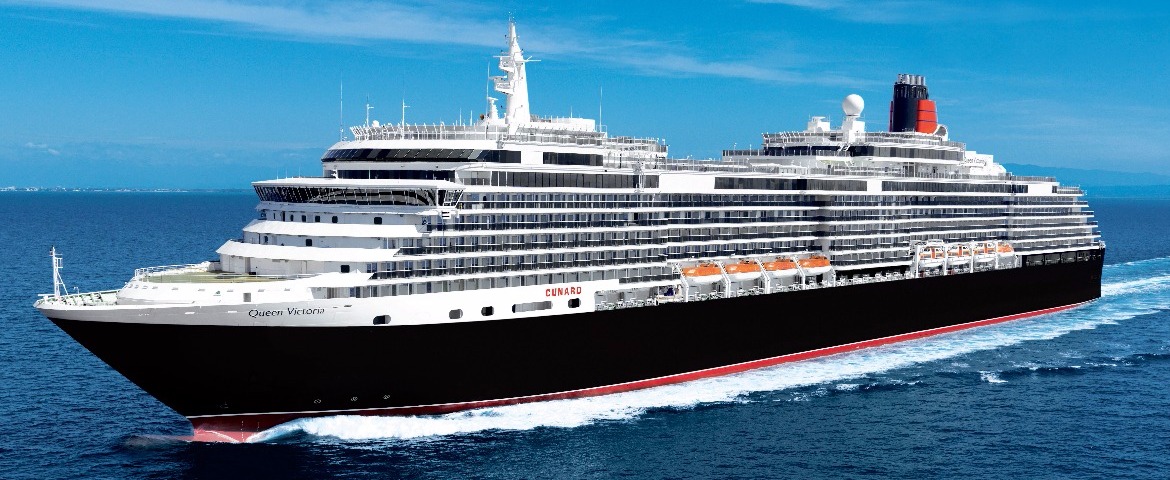
Cunard (1 Cruises)

Lindblad Expeditions (10 Cruises)
Lord of the Glens
10 Cruises
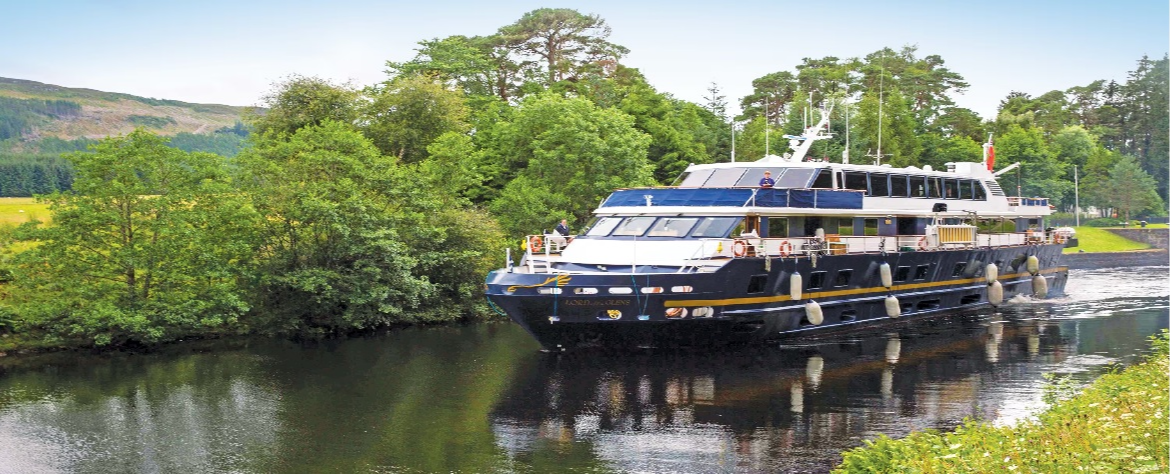

| 7 June | 8 days | One-way from Inverness to Kyle of Lochalsh |
450-628-6241
Call us
|
| 8 June | 5 days | One-way from Inverness to Kyle of Lochalsh |
450-628-6241
Call us
|
Ponant (9 Cruises)
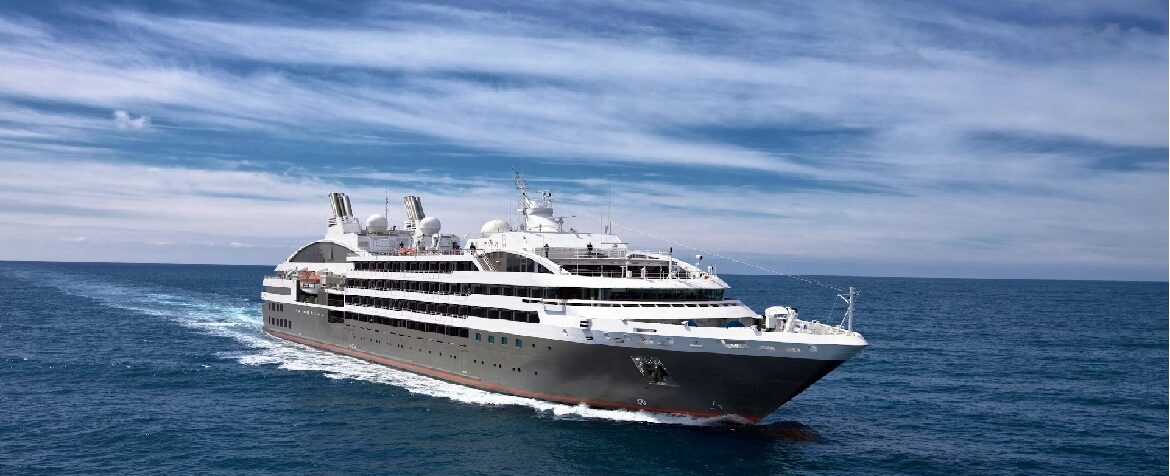

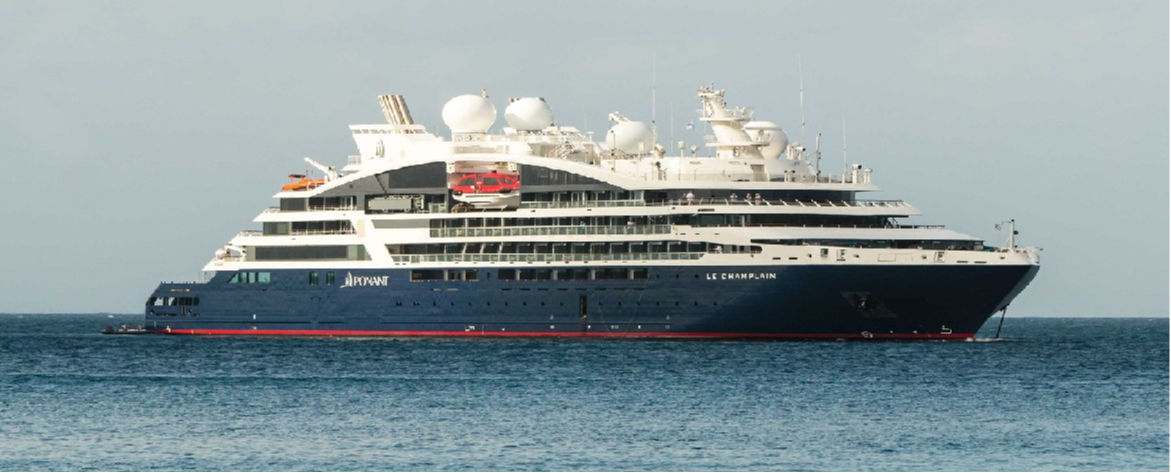
Le Laperouse
5 Cruises

Seabourn Cruise Line (18 Cruises)
Seabourn Quest
18 Cruises
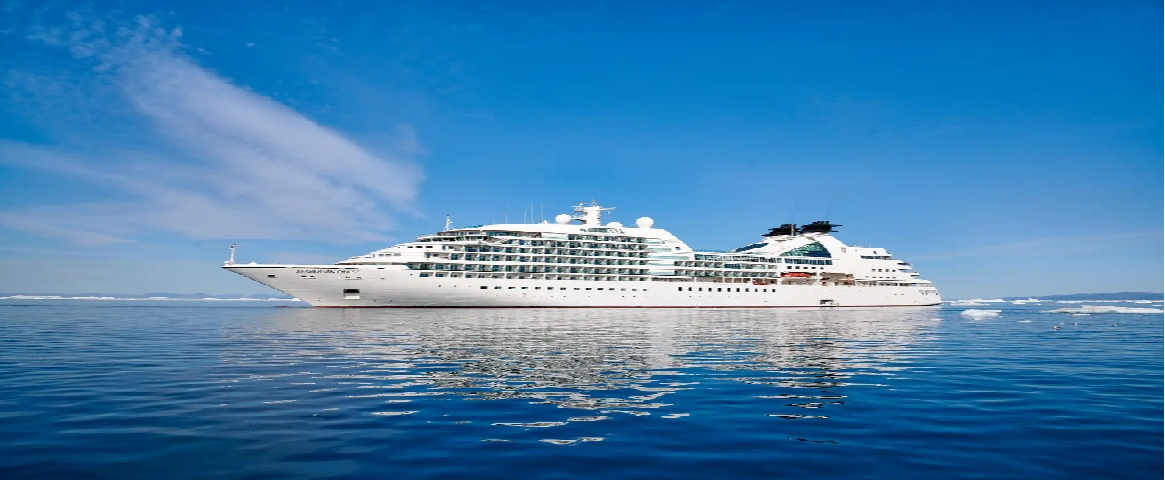

| 19 June | 29 days | Round-trip from Dover, United Kingdom |
450-628-6241
Call us
|
| 19 June | 28 days | Round-trip British Isles Seabourn Quest Dover |
450-628-6241
Call us
|
| 29 June | 40 days | One-way from Copenhagen to Dover |
450-628-6241
Call us
|
| 29 June | 41 days | One-way from Copenhagen to Dover |
450-628-6241
Call us
|
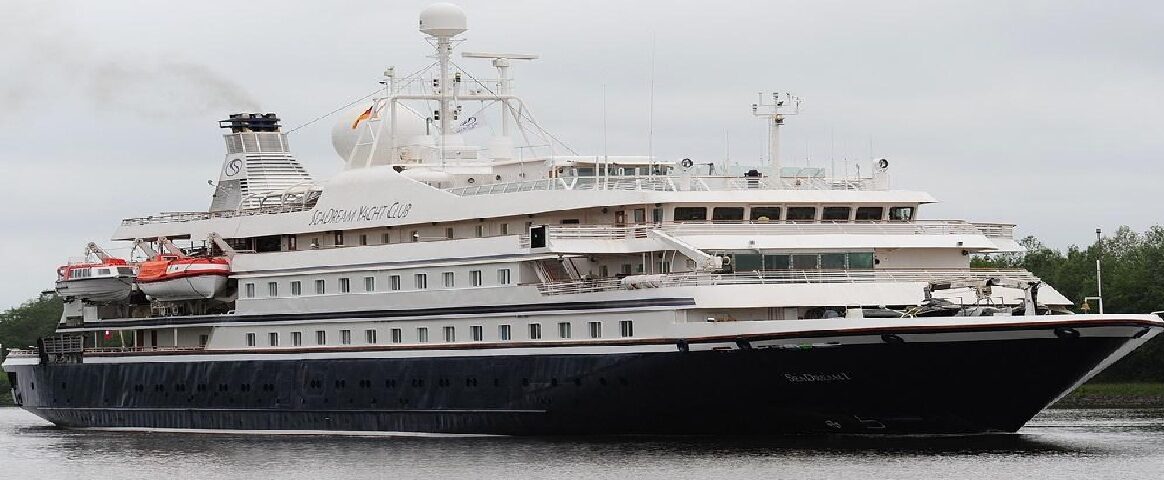
SeaDream Yacht Club (2 Cruises)


Port of Oban, Scotland | Cruise Port Guide
Frequently Asked Questions
At anchor. The bay, sheltered by the island of Kerrera, holds ships at anchor and tenders land passengers a few minutes from the centre. Seen from the sea, the bay forms an almost perfect amphitheatre of Victorian frontages and green hills.
Yes, entirely. The waterfront, the distillery and McCaig's Tower are all within walking distance of the landing. It is one of the easiest Scottish calls to improvise without an organised excursion.
The waterfront and its seafood stalls, the distillery in the middle of town, then the climb to McCaig's Tower for the view. It is a complete programme that needs no transport and still leaves time to sit down.
The morning's seafood, standing on the quay. Stalls there serve oysters, crab sandwiches and langoustines facing the islands, and for many visitors that improvised meal is the highlight of the call. The waterfront restaurants offer the same landings for anyone who prefers a table.
The granite crown you see from the sea: a circular monument inspired by Roman amphitheatres, commissioned in 1897 by a local banker, John Stuart McCaig, who wanted to give work to the region's stonemasons. The climb from the centre takes about fifteen minutes by stairs.
Yes, a few steps from the harbour. Founded in 1794, it predates the town itself, which grew up around its warehouses. Tour places go quickly on cruise days, so booking is wise. Even without a tour, the shop and the smell of malt in the street are part of the experience.
Because Caledonian MacBrayne ferries load cars and passengers here for Mull, Iona, Barra and Tiree. That activity gives the waterfront an energy you will not find in a seaside resort: Oban remains first and foremost a working port.
Yes. Fishing boats land langoustines, crabs and scallops here, and the activity is visible and audible from the quay. It also explains the quality and freshness of the seafood served along the waterfront.
Very much so. The waterfront is flat and lively, the manoeuvring ferries hold attention, and the climb to McCaig's Tower is manageable with school-age children. Bring a waterproof: the weather changes quickly on the west coast.
Pound sterling and English. Scottish Gaelic appears on the bilingual signage of the West Highlands. Cards are accepted everywhere, including at the seafood stalls on the quay.


