Montserrat Island UK Little Bay
United Kingdom
167
Cruises availables
At departure or passage at this port
Emerald Waterways (29 Cruises)
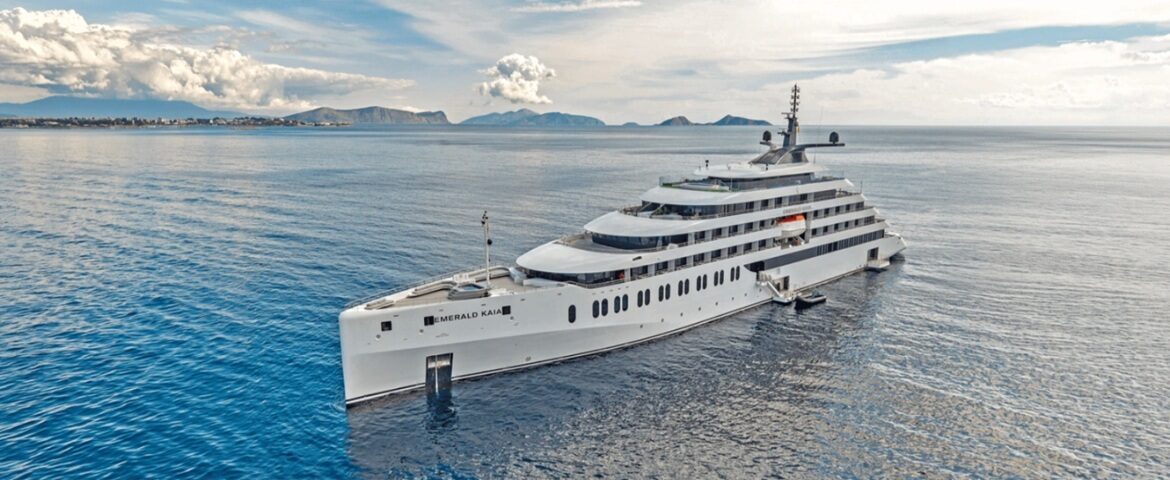
Emerald Kaia
25 Cruises

| 18 March | 8 days | One-way from San Juan to St Johns Antigua |
450-628-6241
Call us
|
| 25 March | 15 days | Round-trip from St Johns Antigua, Antigua & Barbuda |
450-628-6241
Call us
|
| 24 November | 8 days | One-way from San Juan to St Johns Antigua |
450-628-6241
Call us
|
| 24 November | 15 days | Round-trip from San Juan, Puerto Rico |
450-628-6241
Call us
|
| 5 January | 15 days | Round-trip from San Juan, Puerto Rico |
450-628-6241
Call us
|
| 5 January | 8 days | One-way from San Juan to St Johns Antigua |
450-628-6241
Call us
|
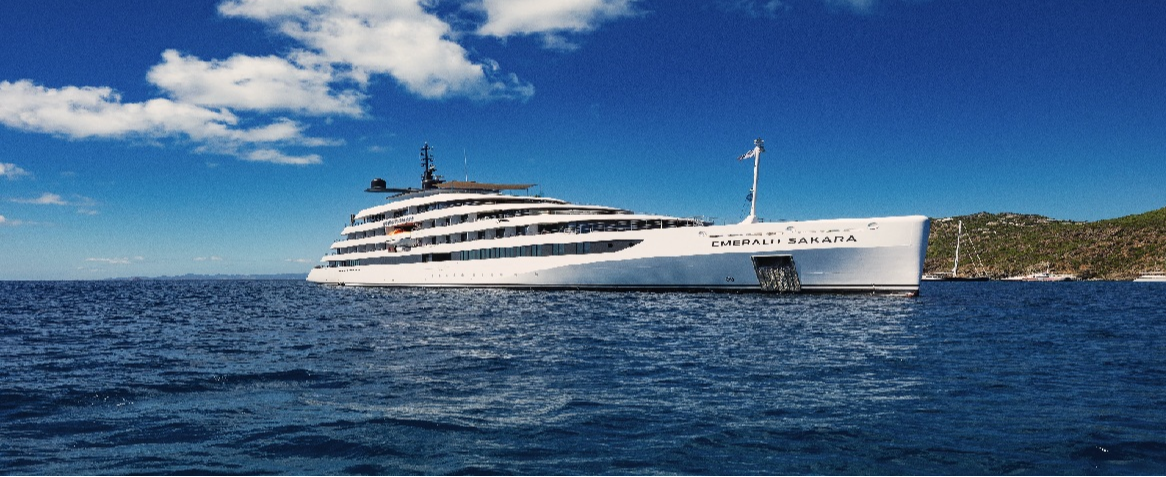
Emerald Sakara
4 Cruises
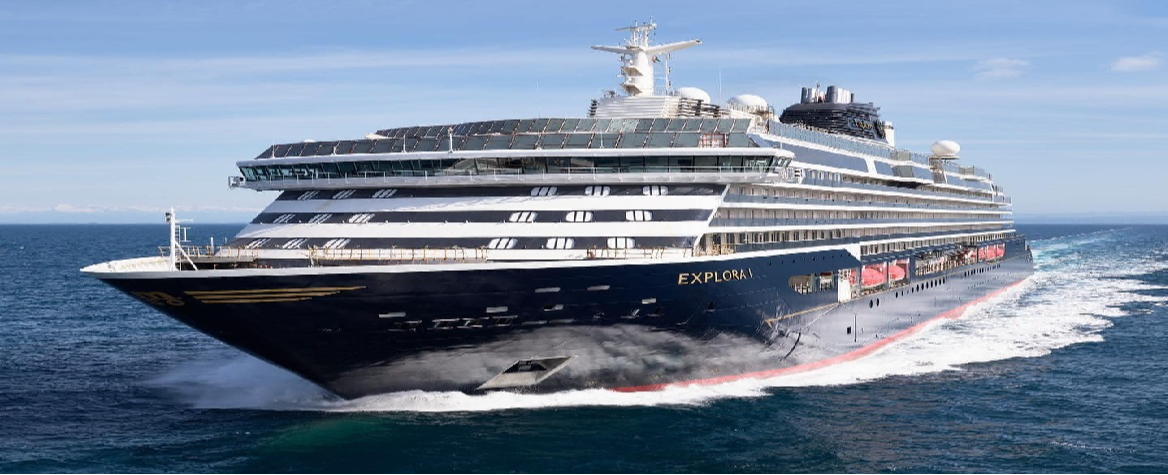
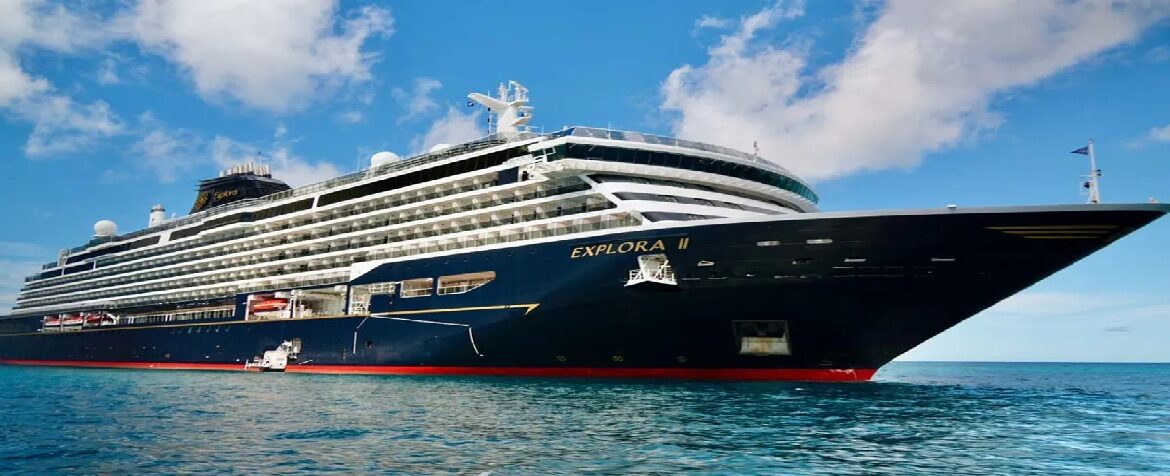
Explora Journeys (10 Cruises)

Ponant (2 Cruises)

Seabourn Cruise Line (111 Cruises)
Seabourn Ovation
68 Cruises

Seabourn Quest
16 Cruises
| 22 November | 15 days | Round-trip from Miami, USA |
450-628-6241
Call us
|
| 22 November | 14 days | Round-trip Eastern Caribbean Seabourn Quest Miami Fl |
450-628-6241
Call us
|
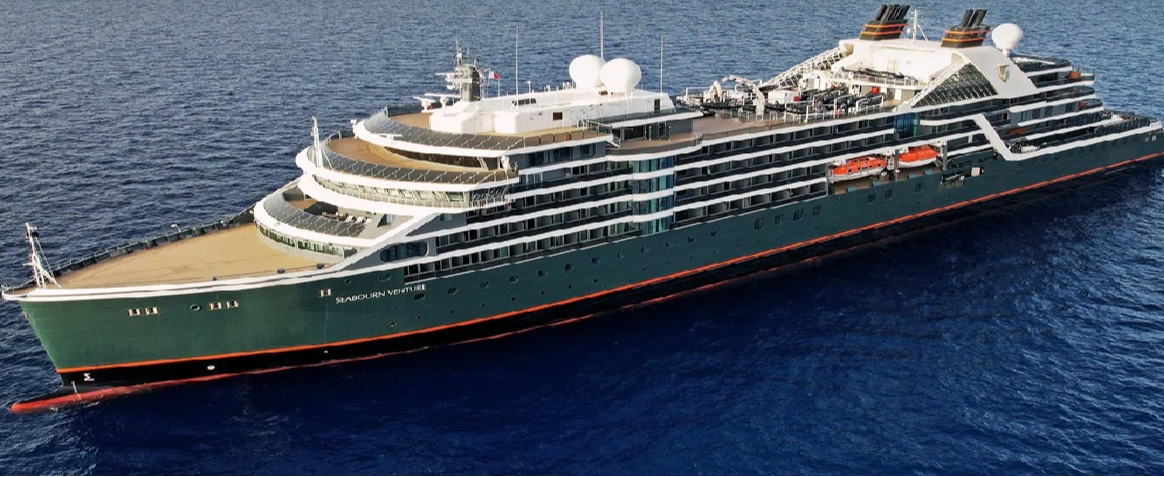
Seabourn Venture
27 Cruises
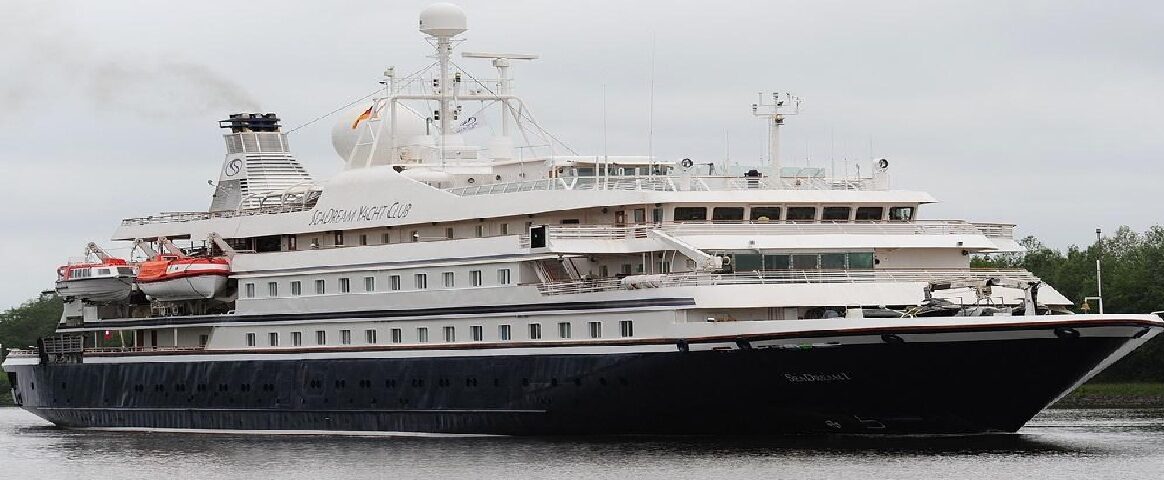
SeaDream Yacht Club (1 Cruises)

Silversea Cruises (14 Cruises)
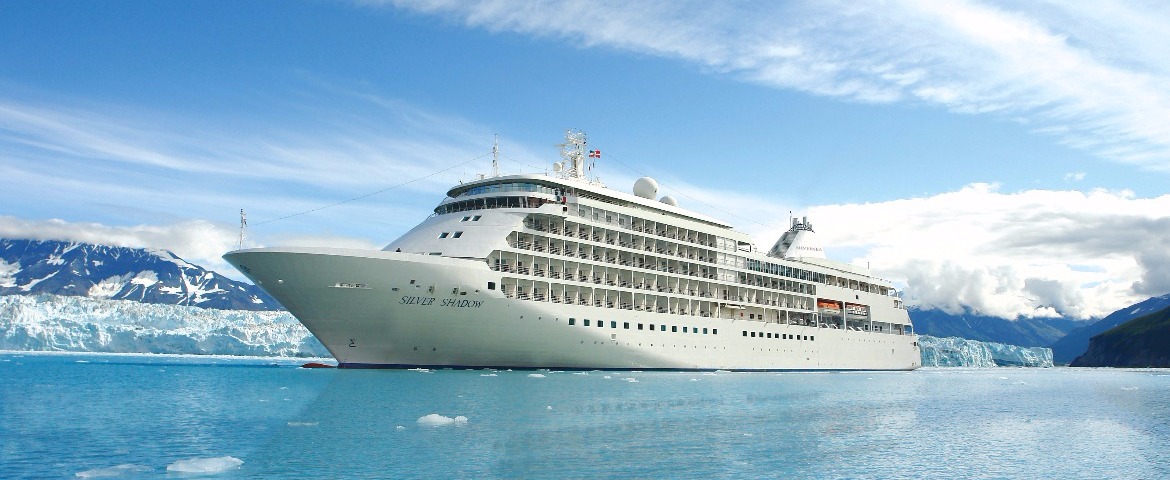
Silver Shadow
14 Cruises


Montserrat Little Bay | Caribbean Volcanic Island Cruise Guide
Frequently Asked Questions
At the Little Bay pier on the northwest coast, or at anchor in the bay depending on the ship's size. Vessels calling here are generally small. From the gangway the contrast is immediate: forested hills and a sea edged with volcanic sand.
Understand the volcano first. The volcano observatory, set on a ridge facing the slopes, welcomes visitors with exhibitions and footage of the eruptions. Local guides then run circuits to the permitted viewpoints, including Garibaldi Hill, from which Plymouth is visible.
In 1995, after four centuries of dormancy, the Soufrière Hills volcano woke up. The eruptions that followed, including June 1997, buried the capital under ash and mudflows and forced the evacuation of two-thirds of the island. Plymouth remains frozen under its grey shell.
No. The south of the island is an exclusion zone and access to the various viewpoints varies with the alert level set by scientists. Your excursion will be adjusted accordingly, and you have to accept that the programme may change on the day.
No, and it would be unfair to think so. The north was spared and is covered in dense vegetation that earned it the nickname Emerald Isle. Hiking trails cross the hills, including the Oriole Walkway that climbs through the rainforest.
Because a large share of the first European settlers came from Ireland. The island remains the only territory in the world, apart from the Republic of Ireland, to make St Patrick's Day a national public holiday. The Emerald Isle nickname owes as much to that heritage as to the greenery.
Sixteen kilometres long. It is a British island in the Lesser Antilles, literally cut in two: the volcano and the exclusion zone to the south, green hills where life has resumed to the north.
With some judgement. The northern trails and the volcanic sand beaches work well. The viewpoints over the buried capital, however, make a strong impression on young children, and the sight of Plymouth under ash is not a small thing.
The East Caribbean dollar, and English. Montserrat is a British Overseas Territory. US dollars are often accepted, but change will come back in East Caribbean dollars, so keep only a little.
December to April, the dry season in the Lesser Antilles. Hurricane season runs June to November, peaking August to October. Volcanic activity, however, follows no calendar: the observatory makes that call.


