London-Tilbury England
United Kingdom
77
Cruises availables
At departure or passage at this port
Atlas Ocean Voyages (2 Cruises)


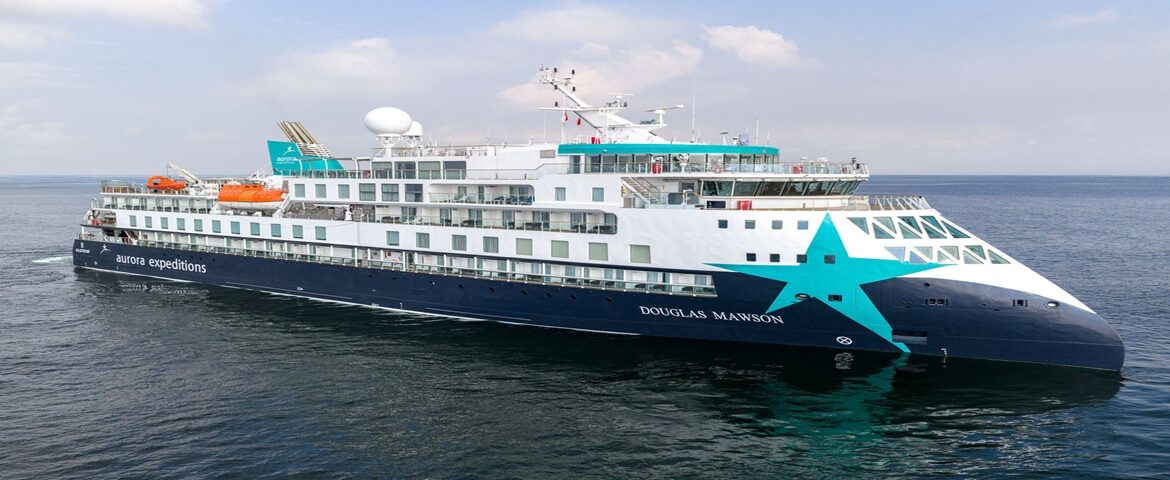
Aurora Expeditions (1 Cruises)

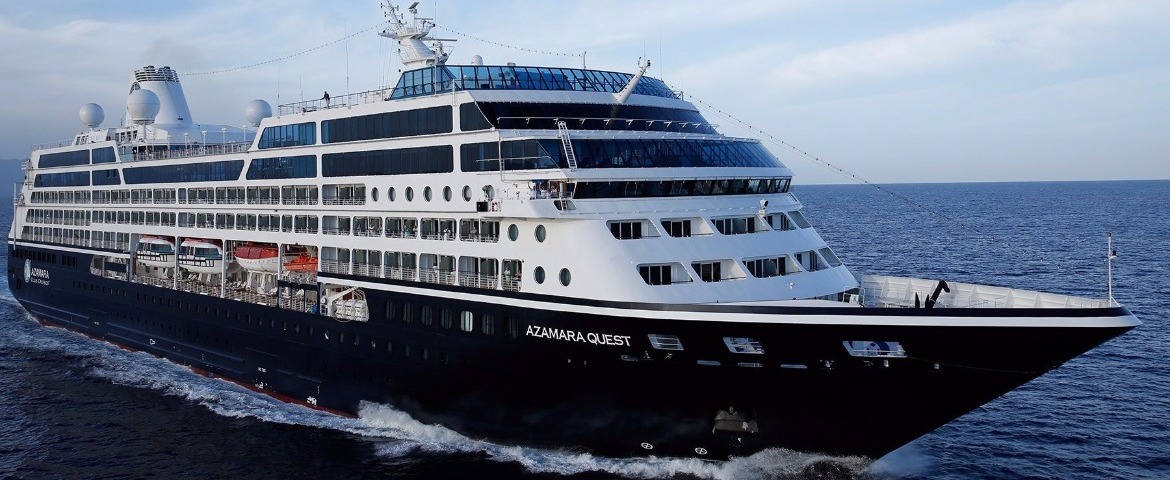
Azamara Club Cruises (5 Cruises)

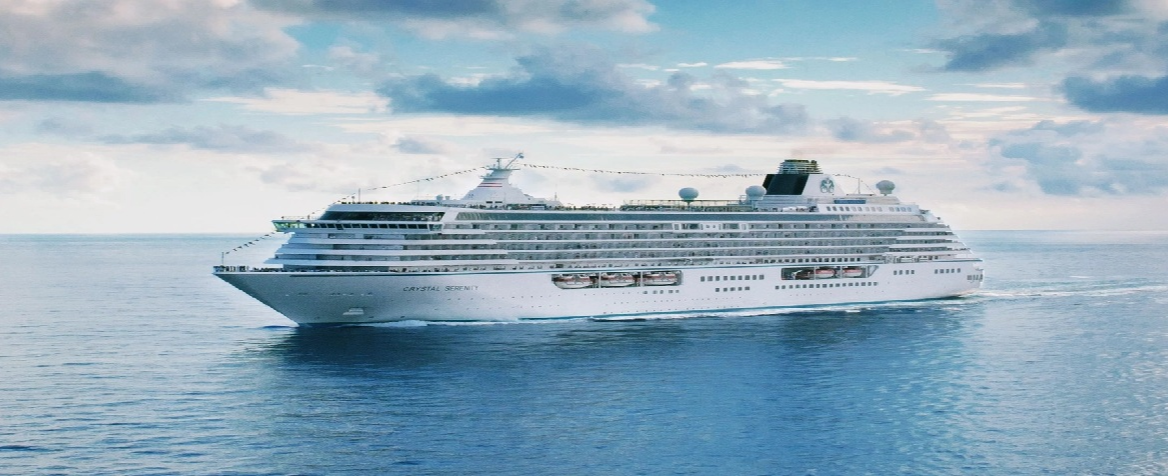
Crystal Cruises (1 Cruises)

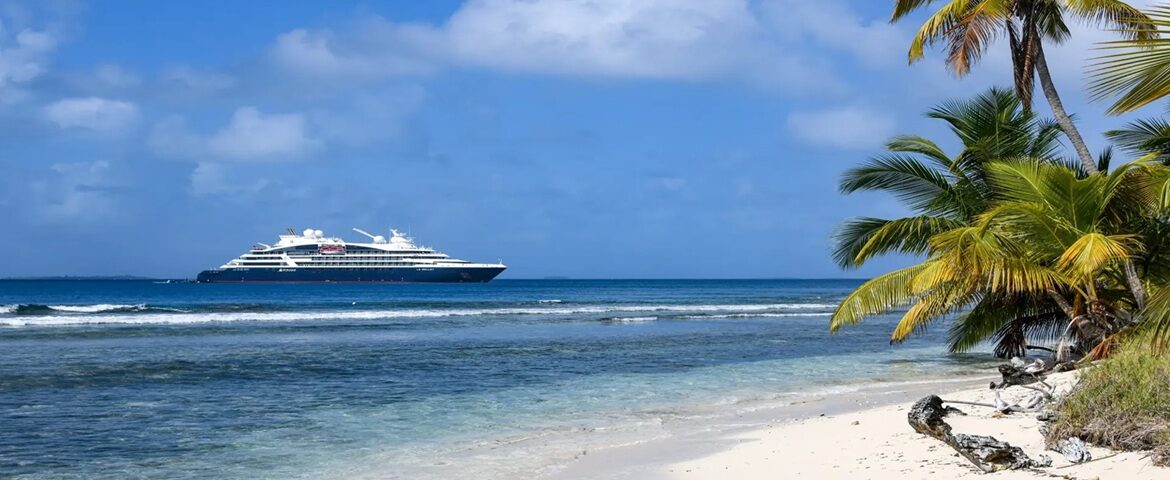
Ponant (4 Cruises)

Princess Cruises (2 Cruises)


Regent Seven Seas Cruises (5 Cruises)
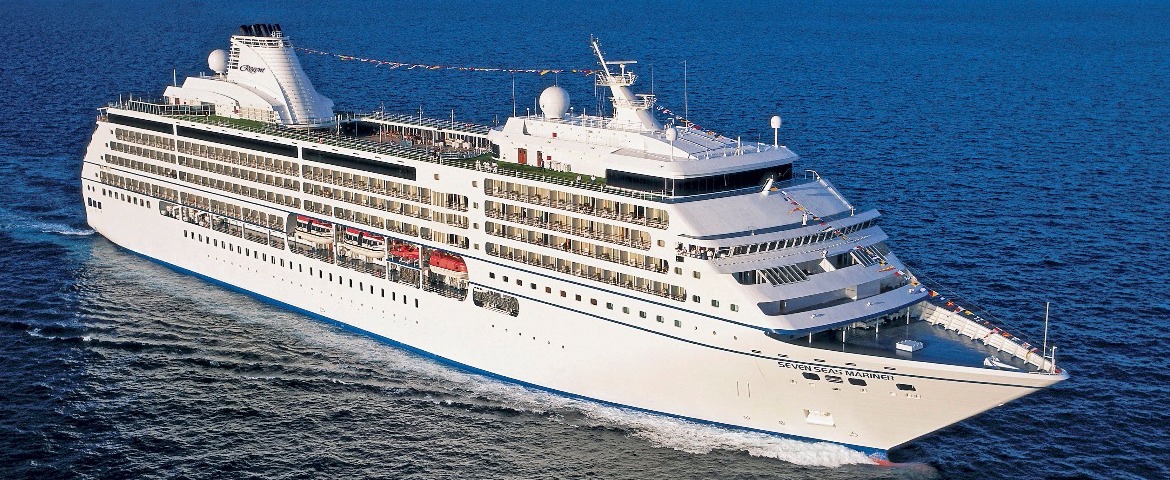
Seven Seas Mariner
5 Cruises

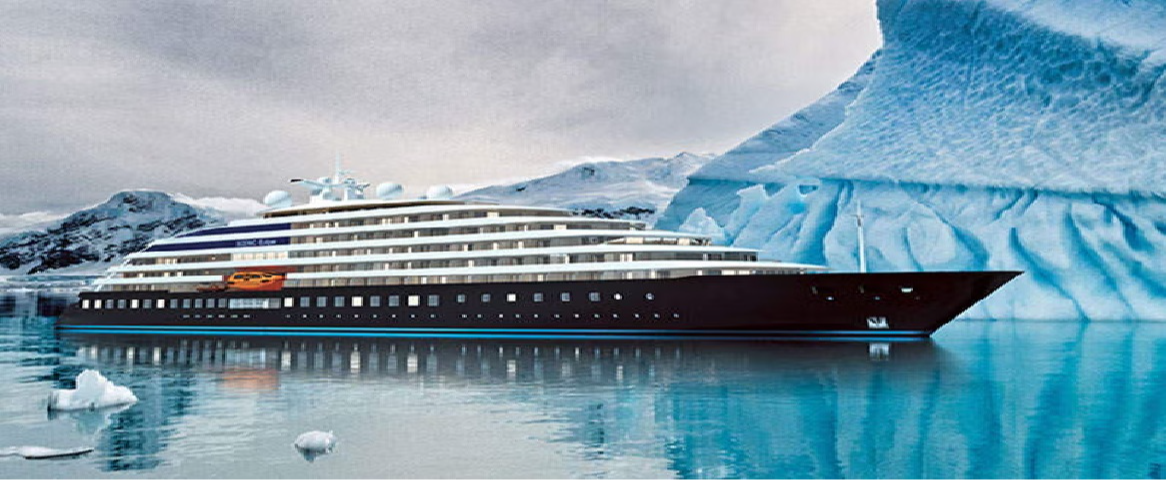

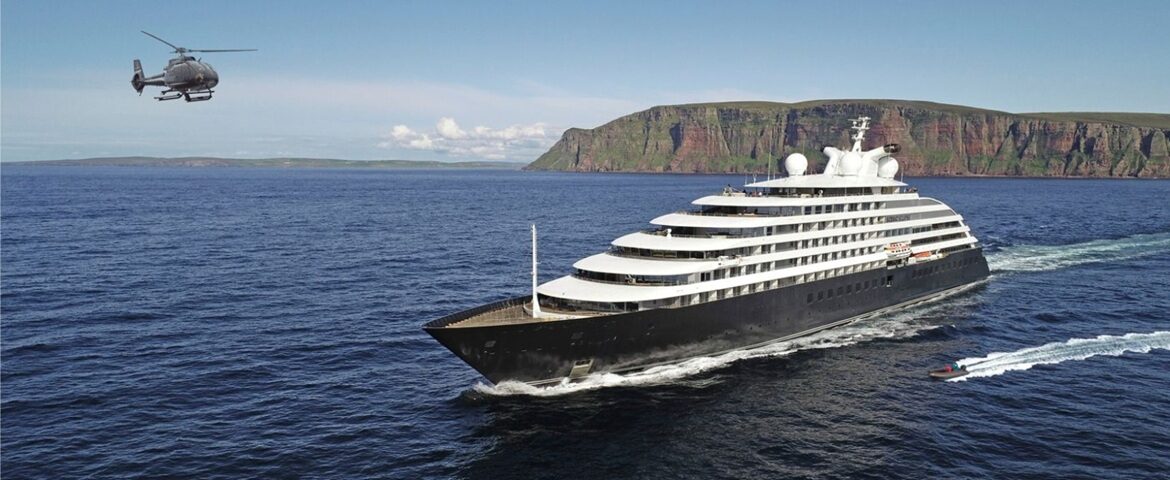
Viking Ocean Cruises (43 Cruises)
Viking Mars
5 Cruises
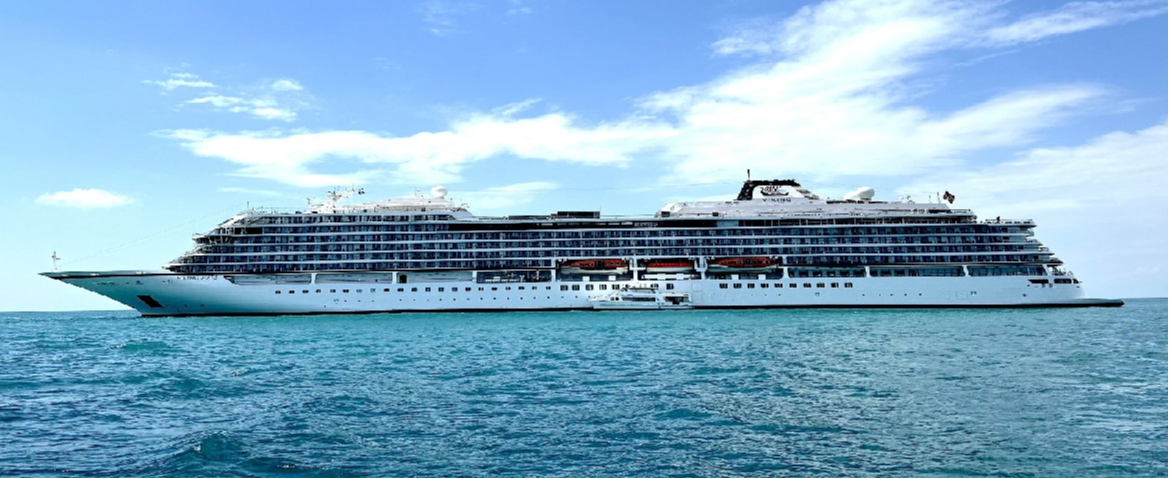

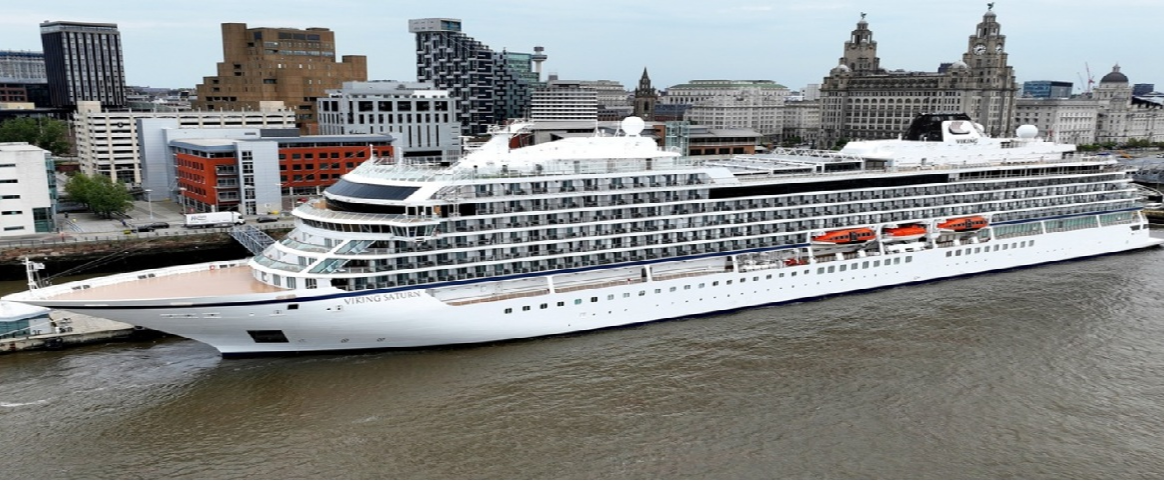
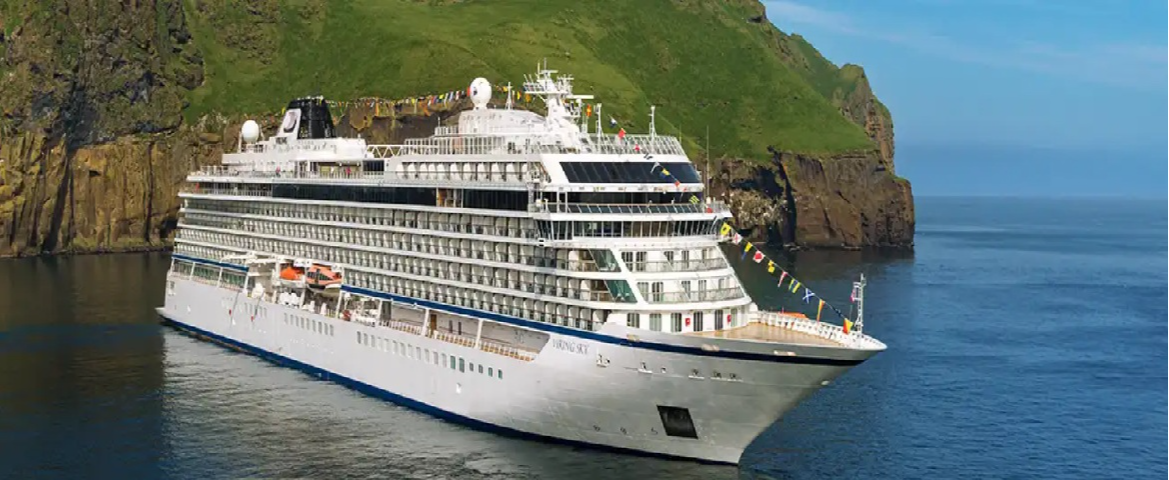
Viking Sky
17 Cruises
| 14 May | 27 days | One-way from London-Tilbury to Stockholm |
450-628-6241
Call us
|
| 14 May | 13 days | One-way from London-Tilbury to Bergen |
450-628-6241
Call us
|
| 6 August | 27 days | One-way from Stockholm to London-Tilbury |
450-628-6241
Call us
|
| 20 August | 13 days | One-way from Bergen to London-Tilbury |
450-628-6241
Call us
|
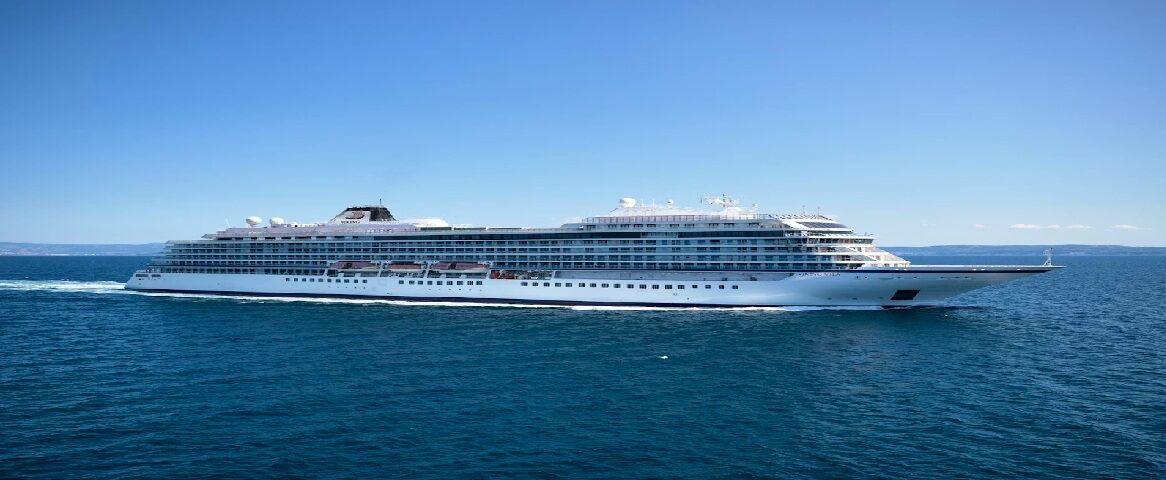
Viking Vela
15 Cruises
Windstar Cruises (12 Cruises)
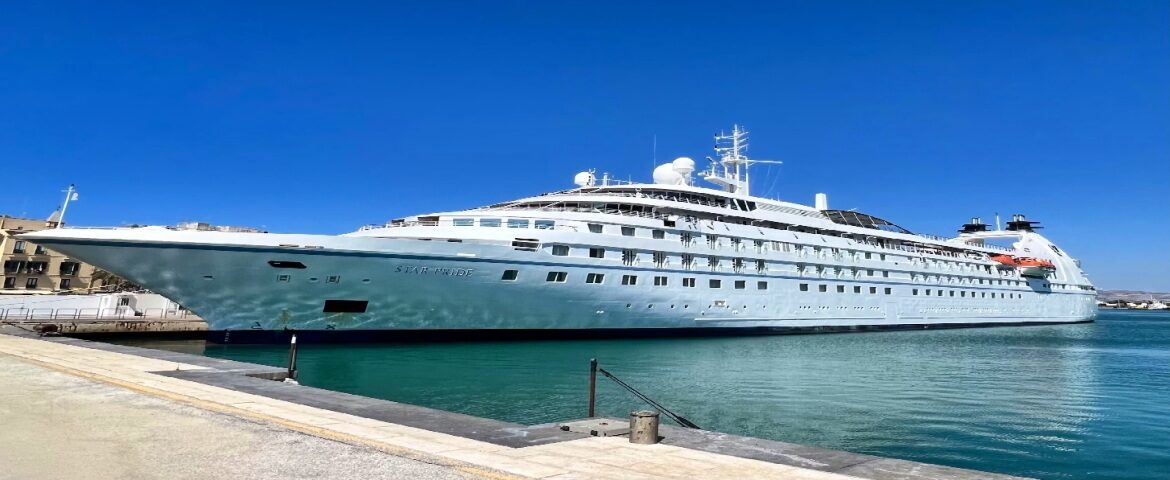
Star Pride
12 Cruises

| 15 April | 7 days | One-way from London-Tilbury to Amsterdam |
450-628-6241
Call us
|
| 30 April | 7 days | One-way from Amsterdam to London-Tilbury |
450-628-6241
Call us
|

Port of Tilbury, England | Cruise Port Guide
Frequently Asked Questions
At the London International Cruise Terminal, a brick building opened in 1930 that saw the great transatlantic liners come and go. It lies about thirty kilometres downstream from central London, in a working estuary busy with container ships.
By train, and it is straightforward. Tilbury Town station is a fifteen-minute walk from the passenger building, and c2c line trains run to Fenchurch Street in the heart of the City in 40 to 45 minutes, roughly every half hour.
A good hour door to door: fifteen minutes' walk to the station, then 40 to 45 minutes by train. Leave a comfortable margin for the return: better to aim for an earlier train than to chase the last one.
At Fenchurch Street, which has one valuable advantage: it comes out a few steps from Tower Hill. Leaving the train, a short walk puts you in front of the walls of the Tower of London, with Tower Bridge behind. Underground connections start from the same spot.
Be realistic: the journey eats two hours return. From the Tower of London you can walk the Thames to St Paul's Cathedral and cross the Millennium Bridge to Tate Modern and the Globe Theatre. That is already a fine programme.
Very little, and it is better to say so plainly. Tilbury is not the destination, it is the gateway. The estuary setting surprises at first — wide, grey, busy with tugs — and then you understand that the whole point of the call lies upriver, in London.
The British Museum, among others, as with most of Britain's national museums. That is a real advantage when time is short: you go in, see what you came for, and leave without having paid for an admission you could not use fully.
Do not try to do everything. London is best taken one district at a time, and between monuments, walking remains the best way to feel the pulse of the streets. Wear comfortable shoes and pick an area rather than a checklist.
With reservations. The train journey is easy, but two hours of travel there and back weighs heavily with young children. If you go, aim for the Tower of London right outside the station and let the rest go.
Pound sterling and English. Cards work everywhere, including on London trains and the Underground, where contactless payment serves as your ticket. There is no need to buy travel passes in advance.


