London-Greenwich England
United Kingdom
192
Cruises availables
At departure or passage at this port
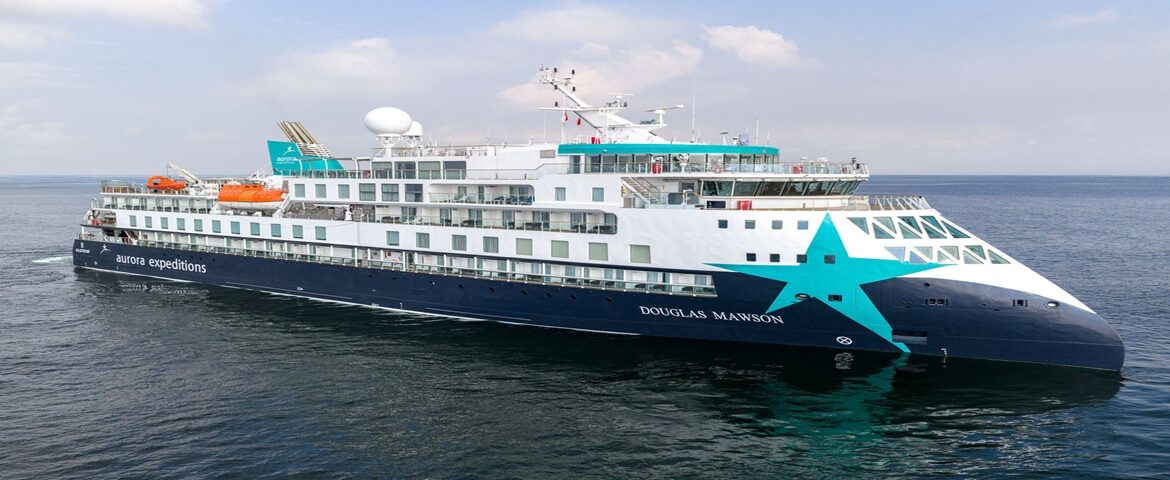
Aurora Expeditions (1 Cruises)

Emerald Waterways (25 Cruises)
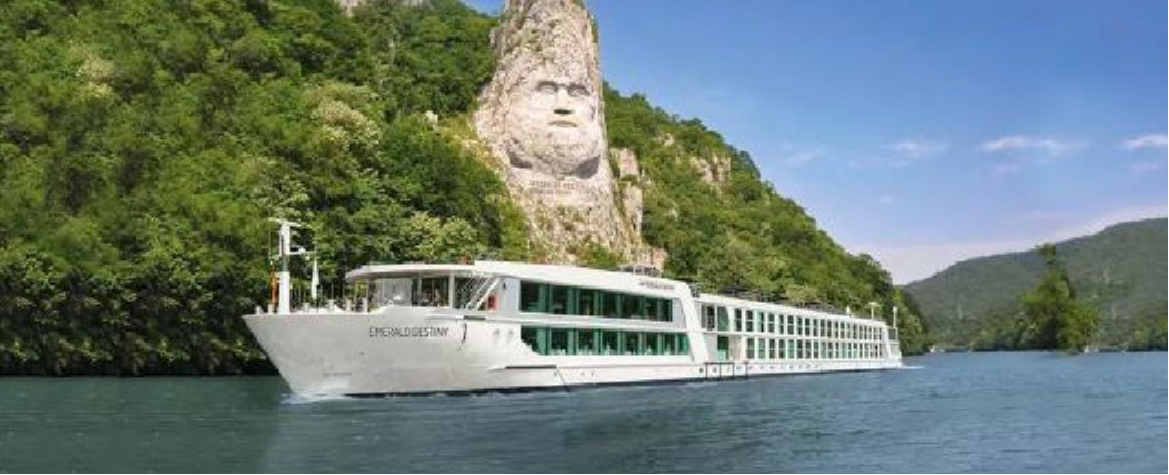
Emerald Destiny
7 Cruises

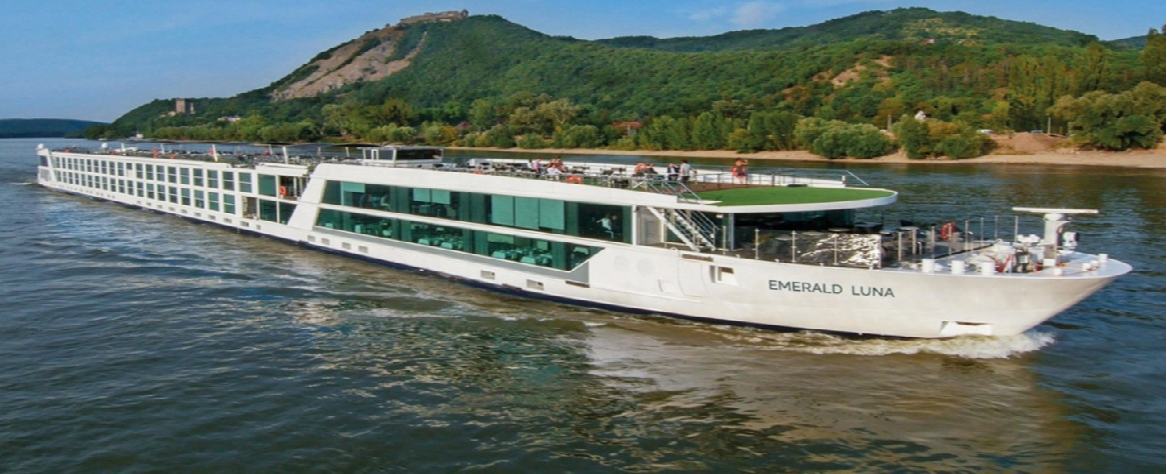
Emerald Luna
12 Cruises
| 10 April | 10 days | One-way from Basel to London-Greenwich |
450-628-6241
Call us
|
| 10 April | 11 days | One-way from Basel to London-Greenwich |
450-628-6241
Call us
|
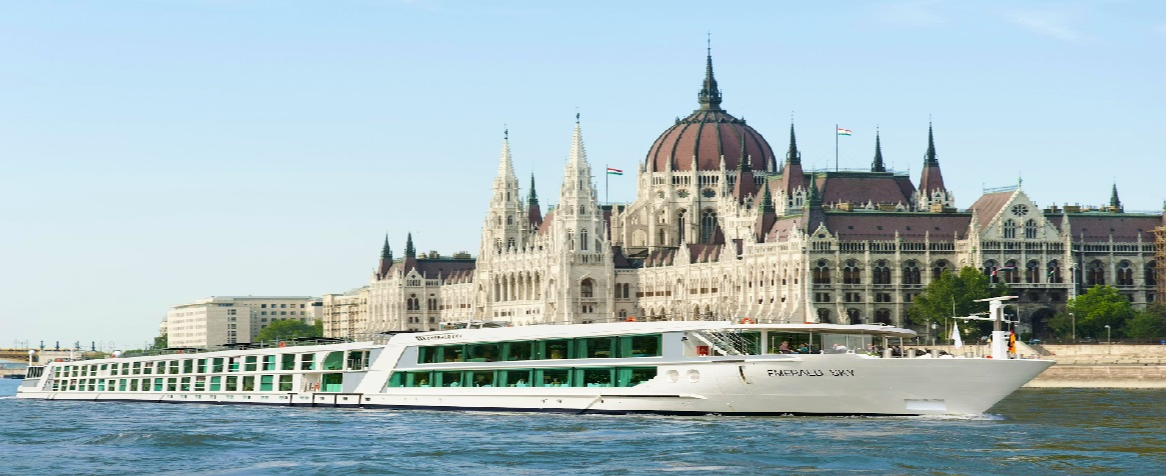
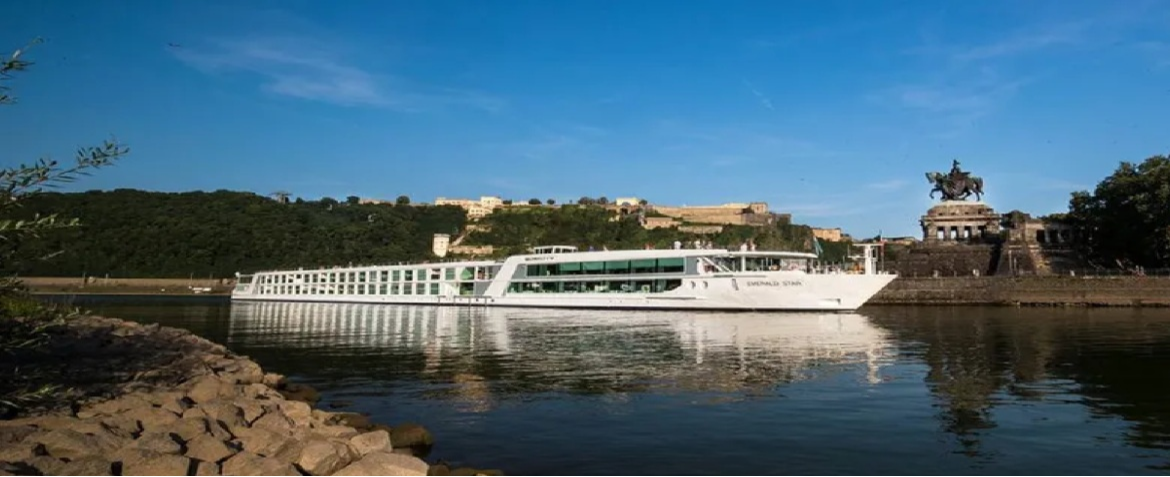
Emerald Star
4 Cruises
Scenic Cruises (74 Cruises)
Scenic Diamond
14 Cruises


Scenic Gem
18 Cruises

| 27 June | 29 days | One-way from Dublin to Paris City |
450-628-6241
Call us
|
| 27 June | 30 days | One-way from Dublin to Paris City |
450-628-6241
Call us
|
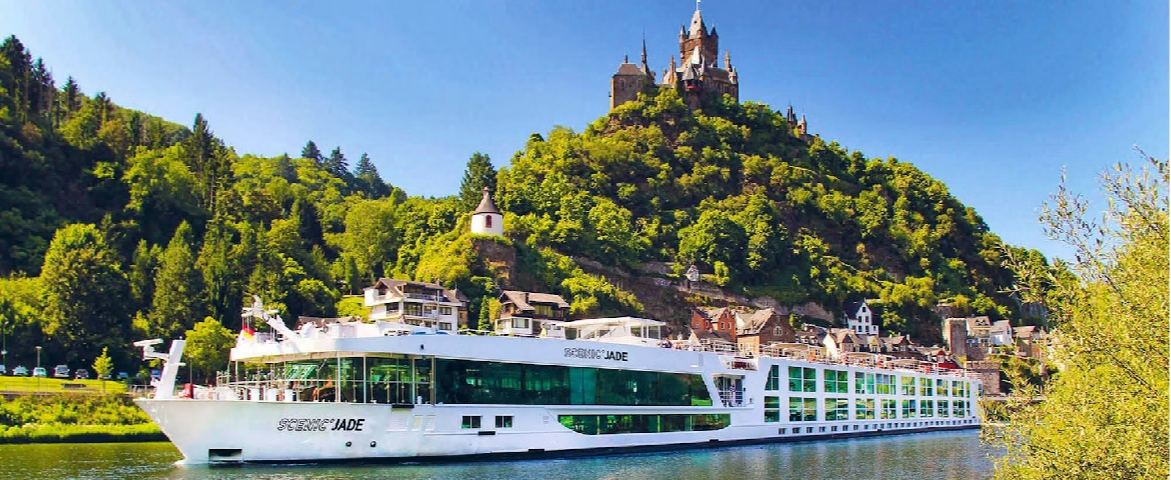
Scenic Jade
10 Cruises
| 16 May | 33 days | One-way from Dublin to Budapest |
450-628-6241
Call us
|
| 16 May | 34 days | One-way from Dublin to Budapest |
450-628-6241
Call us
|
| 13 June | 34 days | One-way from Dublin to Budapest |
450-628-6241
Call us
|
| 13 June | 33 days | One-way from Dublin to Budapest |
450-628-6241
Call us
|
| 8 August | 33 days | One-way from Dublin to Budapest |
450-628-6241
Call us
|
| 8 August | 34 days | One-way from Dublin to Budapest |
450-628-6241
Call us
|
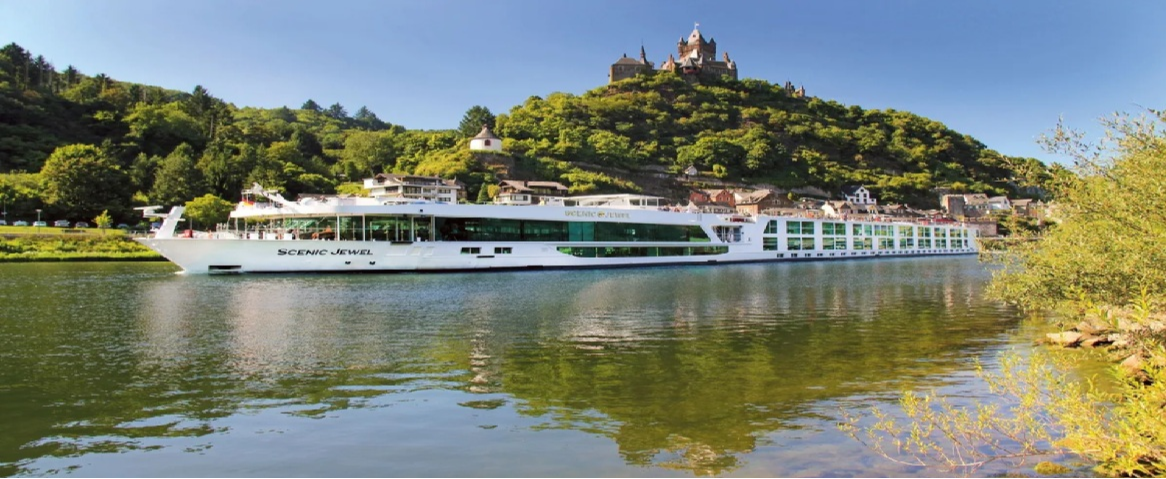
Scenic Jewel
12 Cruises
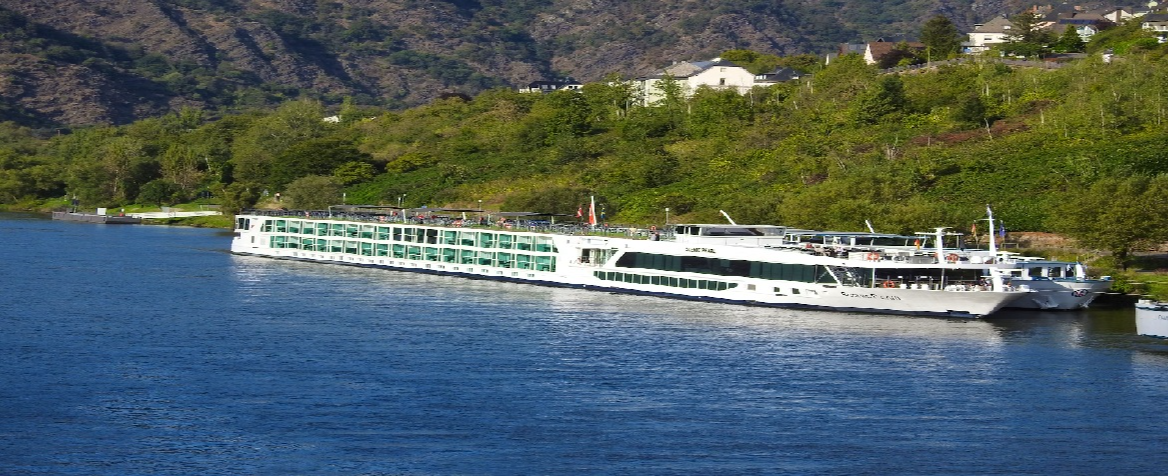
Scenic Pearl
4 Cruises
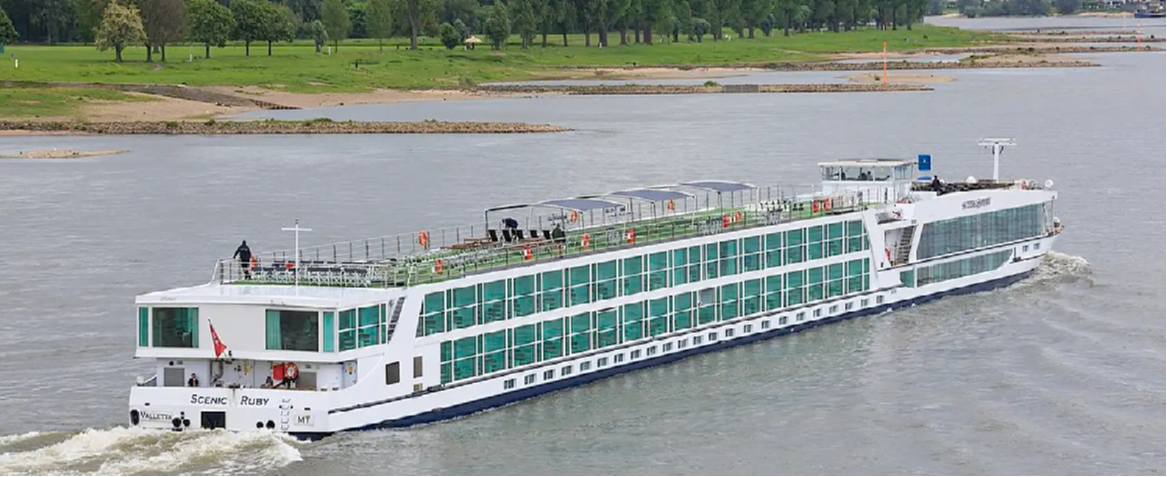
Scenic Ruby
4 Cruises
Scenic Sapphire
8 Cruises

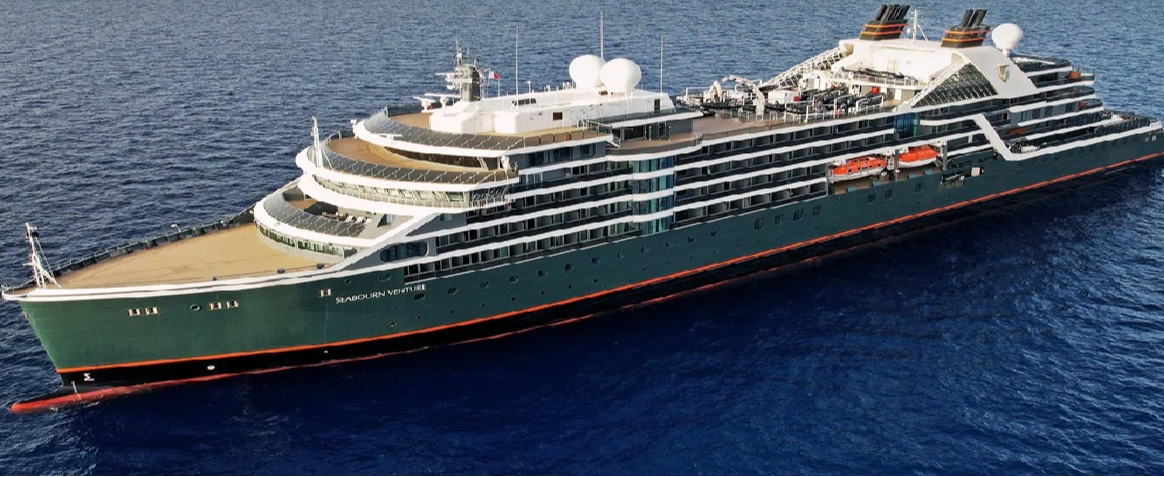
Seabourn Cruise Line (5 Cruises)

Tauck Cruises (31 Cruises)
MS Reverie
20 Cruises


| 8 May | 12 days | One-way from London-Greenwich to Paris City |
450-628-6241
Call us
|
| 8 May | 11 days | One-way from London-Greenwich to Paris City |
450-628-6241
Call us
|
| 14 August | 12 days | One-way from London-Greenwich to Paris City |
450-628-6241
Call us
|
| 14 August | 11 days | One-way from London-Greenwich to Paris City |
450-628-6241
Call us
|
MS Serene
11 Cruises

| 27 May | 11 days | One-way from London-Greenwich to Paris City |
450-628-6241
Call us
|
| 27 May | 12 days | One-way from London-Greenwich to Paris City |
450-628-6241
Call us
|
Uniworld Boutique River Cruise (23 Cruises)
S.S. Joie de Vivre
23 Cruises


| 16 April | 16 days | One-way from Leith-Edinburgh to Paris City |
450-628-6241
Call us
|
| 16 April | 17 days | One-way from Leith-Edinburgh to Paris City |
450-628-6241
Call us
|
| 14 May | 17 days | One-way from Leith-Edinburgh to Paris City |
450-628-6241
Call us
|
| 14 May | 16 days | One-way from Leith-Edinburgh to Paris City |
450-628-6241
Call us
|
Viking Ocean Cruises (33 Cruises)
Viking Mars
5 Cruises

Viking Sky
15 Cruises
| 8 January | 124 days | One-way from Los Angeles to London-Greenwich |
450-628-6241
Call us
|
| 8 January | 152 days | One-way from Los Angeles to Stockholm |
450-628-6241
Call us
|
| 14 May | 12 days | One-way from London-Greenwich to Bergen |
450-628-6241
Call us
|
| 14 May | 26 days | One-way from London-Greenwich to Stockholm |
450-628-6241
Call us
|

London–Greenwich | Cruise Port Guide
Frequently Asked Questions
The ship works its way up the Thames estuary, passes the glass towers of Canary Wharf, then comes to rest mid-river opposite the twin domes of the Old Royal Naval College. Tenders land passengers on a floating pontoon, metres from the monuments.
Yes, and it is rare: few calls begin in the middle of a capital city. Greenwich is a London borough, but it keeps its own rhythm, that of a sailors' town turned keeper of the world's time. Central London is then easily reached by river bus or light rail.
Everything is walkable from the landing. The Cutty Sark is right there, the Painted Hall of the Old Royal Naval College just behind, then the National Maritime Museum and the climb through Greenwich Park to the Royal Observatory. A full half-day, with no transport needed.
A merchant sailing ship launched in 1869, one of the fastest of her era, which brought tea from China and later wool from Australia. Restored after the 2007 fire, she now sits in a glass cradle: you can walk beneath her brass-sheathed keel, which is a striking experience.
A ceremonial hall in the Old Royal Naval College, designed by Christopher Wren, whose painted ceiling took James Thornhill nineteen years. Admiral Nelson lay in state here after Trafalgar. You go in lowering your voice; you come out with a sore neck.
Yes, in the courtyard of the Royal Observatory at the top of Greenwich Park. A brass line set into the ground separates the eastern and western hemispheres, and everyone enjoys standing with a foot on each side. The climb is gentle but real: wear decent shoes.
The National Maritime Museum is free, like most major British museums, and covers several centuries of naval history. The Cutty Sark, the Painted Hall and the Royal Observatory charge admission. The Queen's House, with its famous Tulip Stairs, can also be visited.
It is possible, but think it through. A 4 to 6 hour call is entirely absorbed by Greenwich, which has plenty to fill the day. Heading for Westminster or the British Museum means rushing and leaving a serious margin for the return.
Very much so. Walking under the Cutty Sark's keel impresses children, the park gives them space to run, and the meridian invites the obligatory photo with a foot in each hemisphere. The maritime museum is free, so you can come and go without calculating.
Pound sterling and English. Cards work absolutely everywhere, including on London transport, where contactless payment serves as your ticket. Cash has become almost unnecessary.


