Aberdeen Scotland
United Kingdom
144
Cruises availables
At departure or passage at this port
Atlas Ocean Voyages (1 Cruises)

Aurora Expeditions (3 Cruises)

Azamara Club Cruises (23 Cruises)
Azamara Journey
13 Cruises

Azamara Quest
10 Cruises
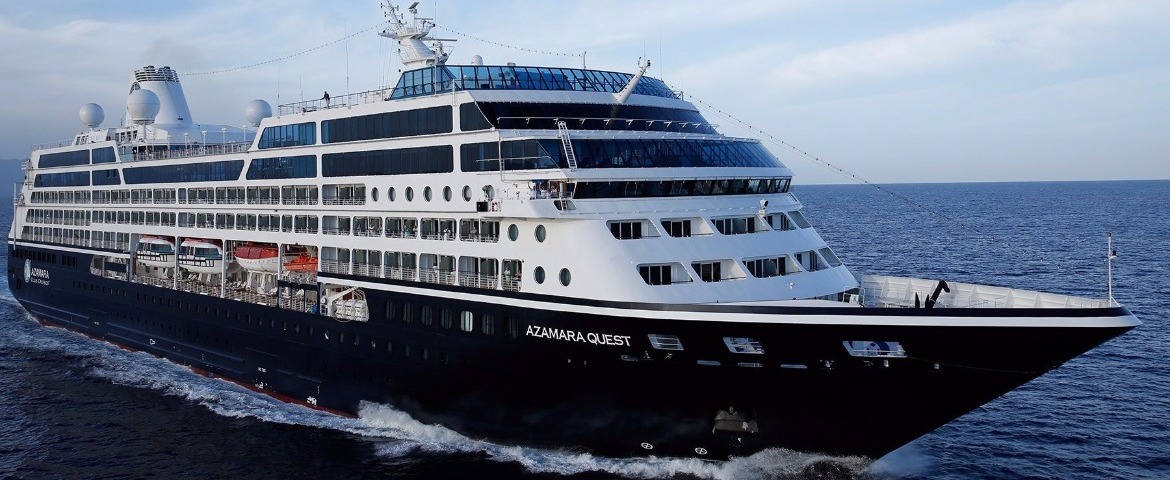
| 20 May | 24 days | One-way from Portsmouth UK to Leith-Edinburgh |
450-628-6241
Call us
|
| 20 May | 24 days | One-way from Portsmouth UK to Leith-Edinburgh |
450-628-6241
Call us
|
| 1 June | 12 days | One-way from Portsmouth UK to Leith-Edinburgh |
450-628-6241
Call us
|
| 1 June | 12 days | One-way from Portsmouth UK to Leith-Edinburgh |
450-628-6241
Call us
|
Crystal Cruises (6 Cruises)
Crystal Serenity
6 Cruises


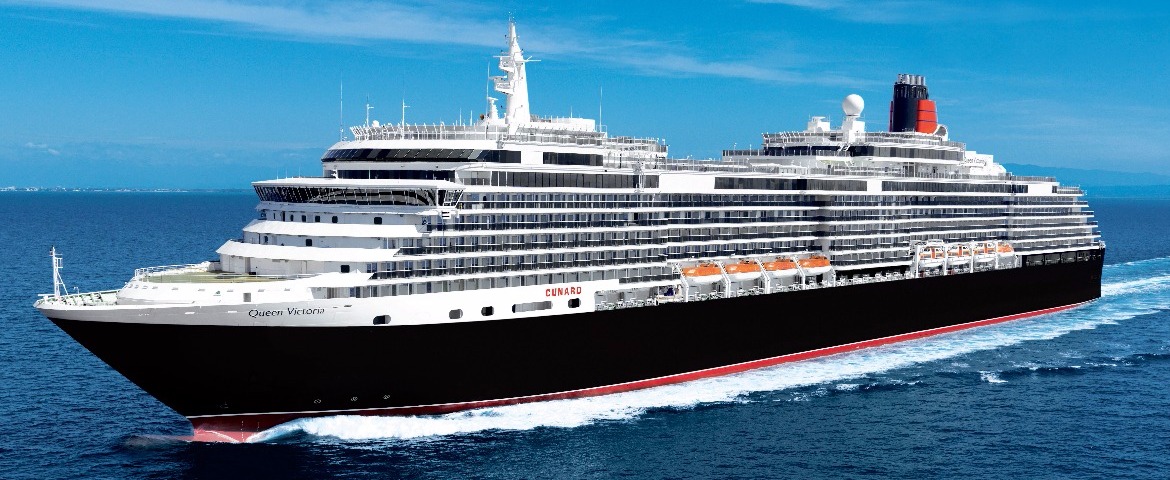
Cunard (1 Cruises)

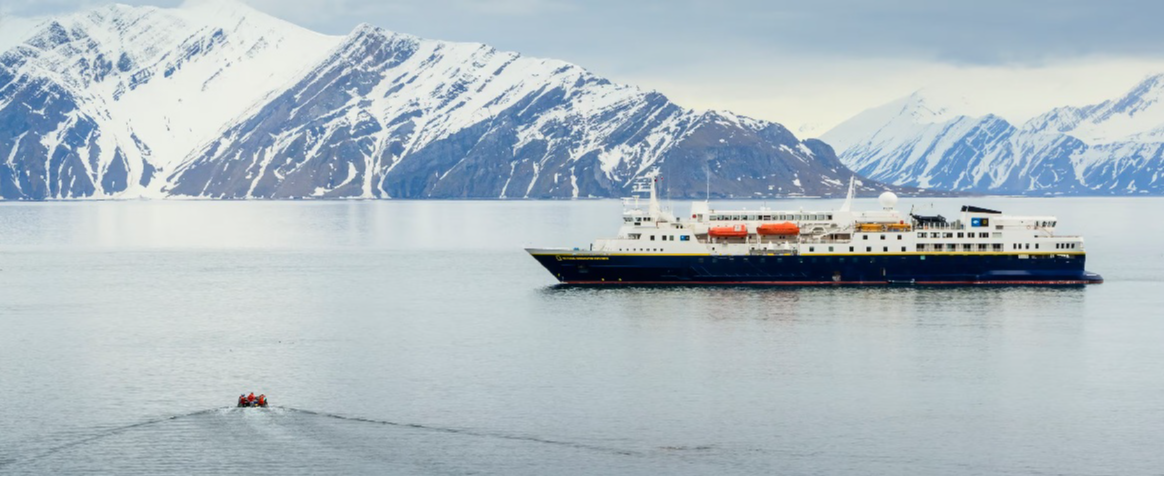
Lindblad Expeditions (2 Cruises)

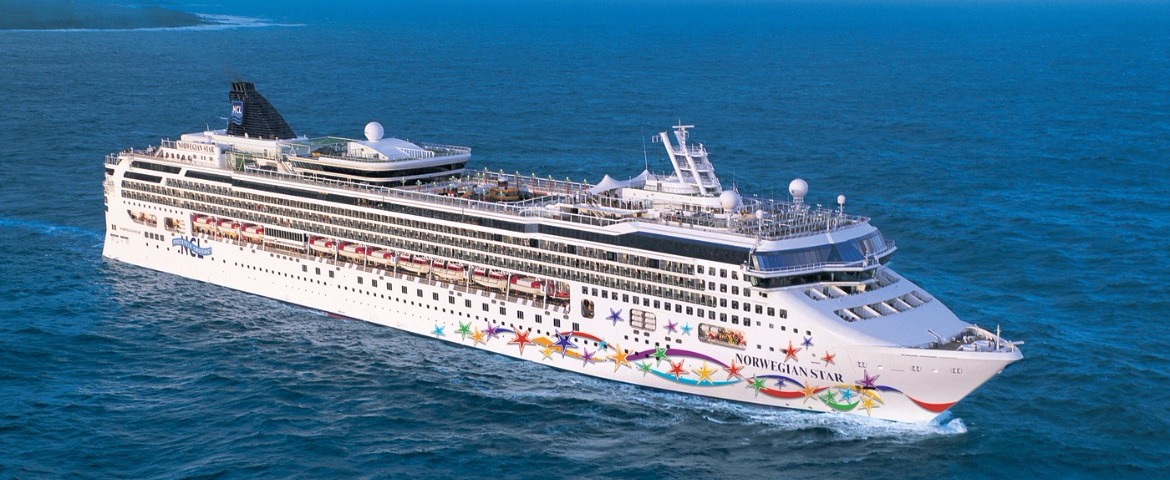
Norwegian Cruise Line (4 Cruises)

Oceania Cruises (24 Cruises)
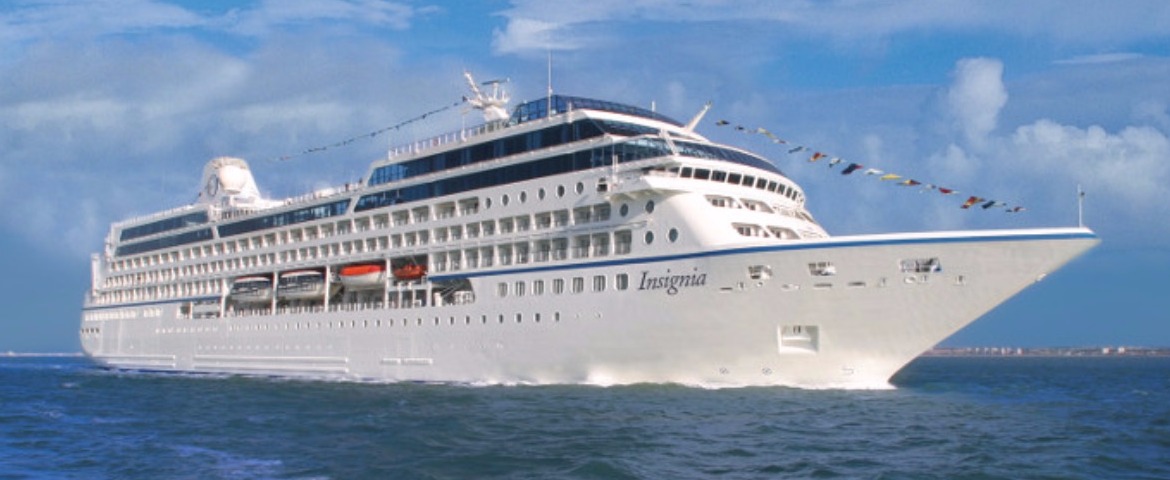
Oceania Insignia
4 Cruises

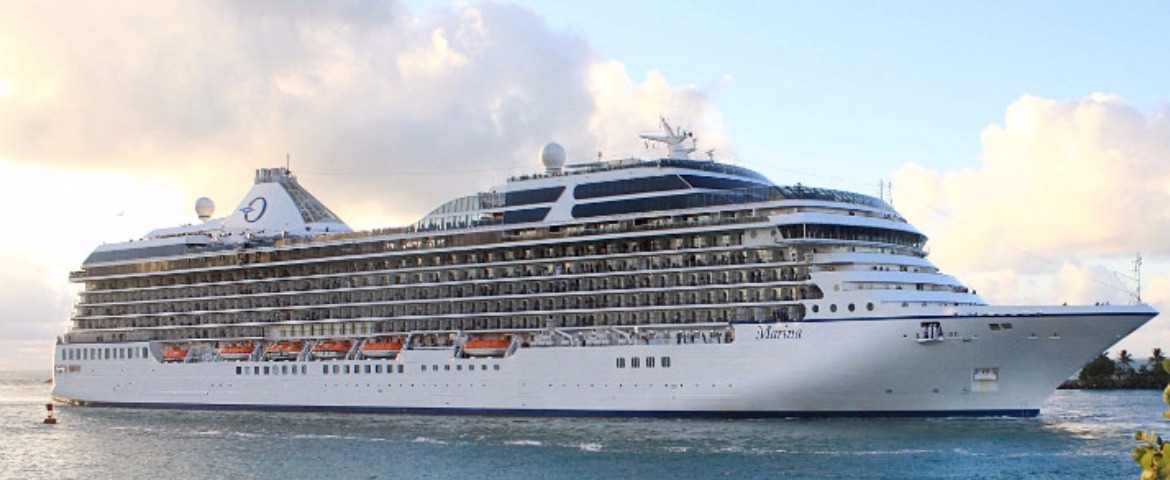
Oceania Marina
10 Cruises
| 17 April | 66 days | One-way from Trieste to Southampton |
450-628-6241
Call us
|
| 17 April | 67 days | One-way from Trieste to Southampton |
450-628-6241
Call us
|
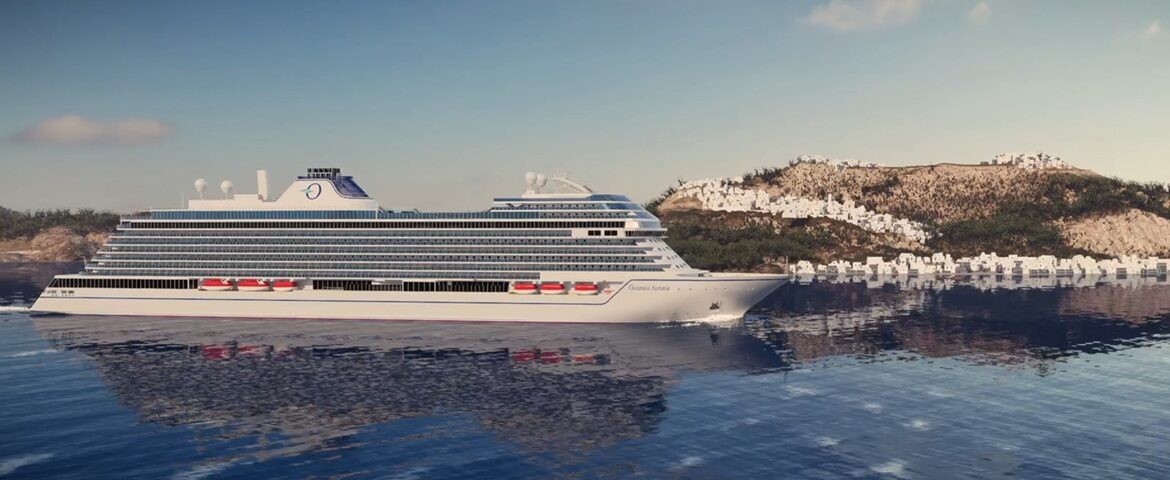
Oceania Sonata
6 Cruises
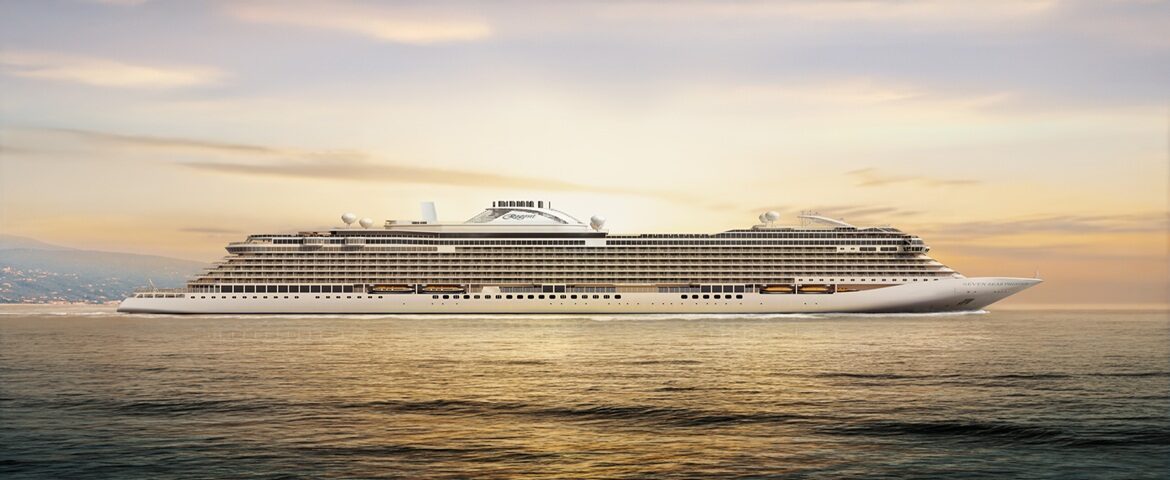
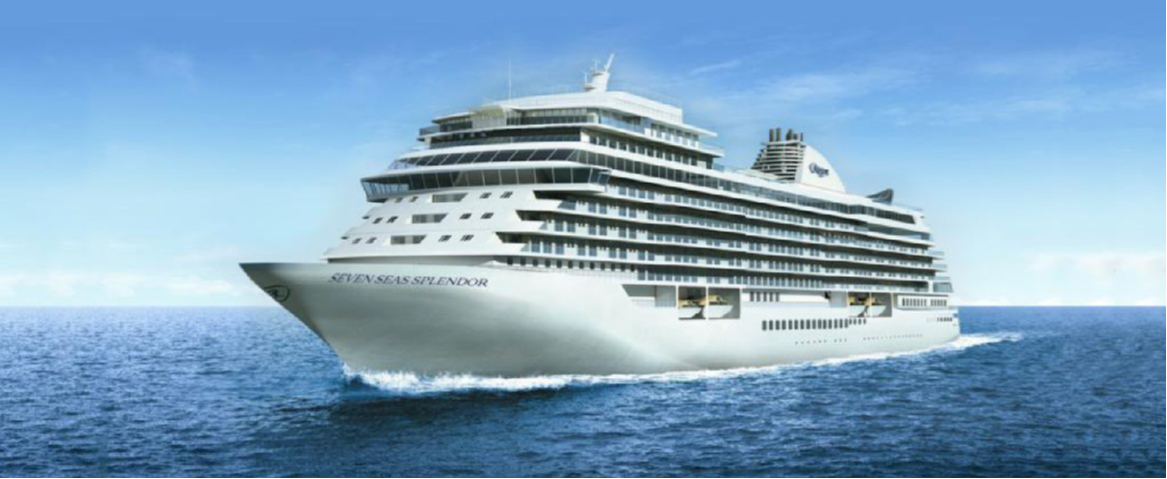
Regent Seven Seas Cruises (22 Cruises)
Seven Seas Mariner
9 Cruises


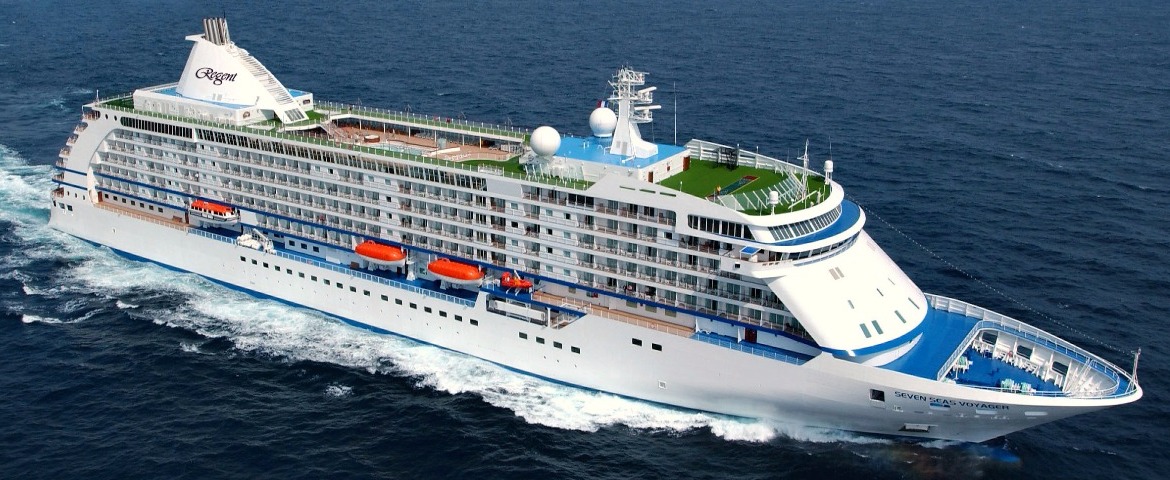
Seven Seas Voyager
9 Cruises
| 24 May | 13 days | One-way from Southampton to Leith-Edinburgh |
450-628-6241
Call us
|
| 24 May | 12 days | One-way from Southampton to Leith-Edinburgh |
450-628-6241
Call us
|

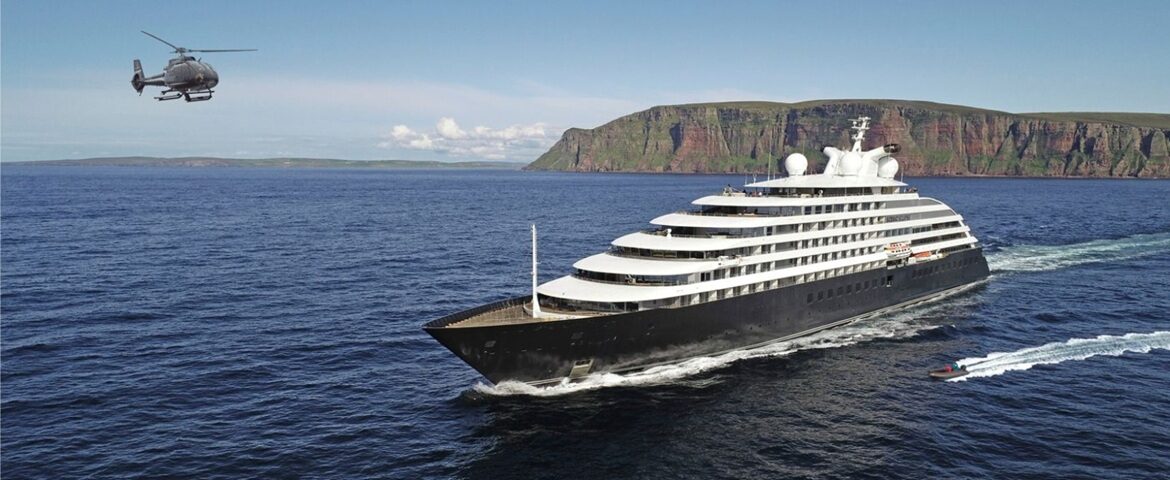
Silversea Cruises (10 Cruises)
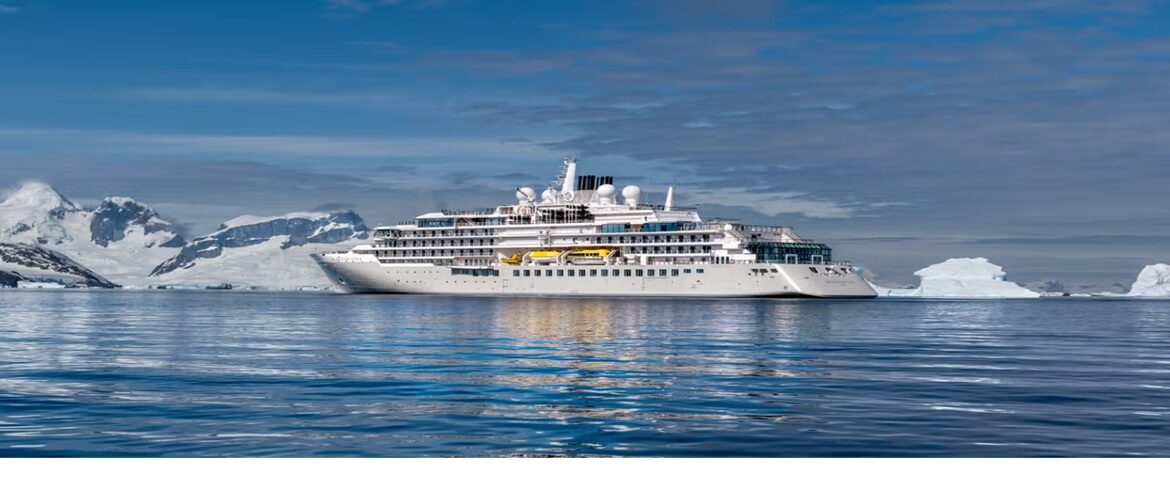

Silver Spirit
9 Cruises
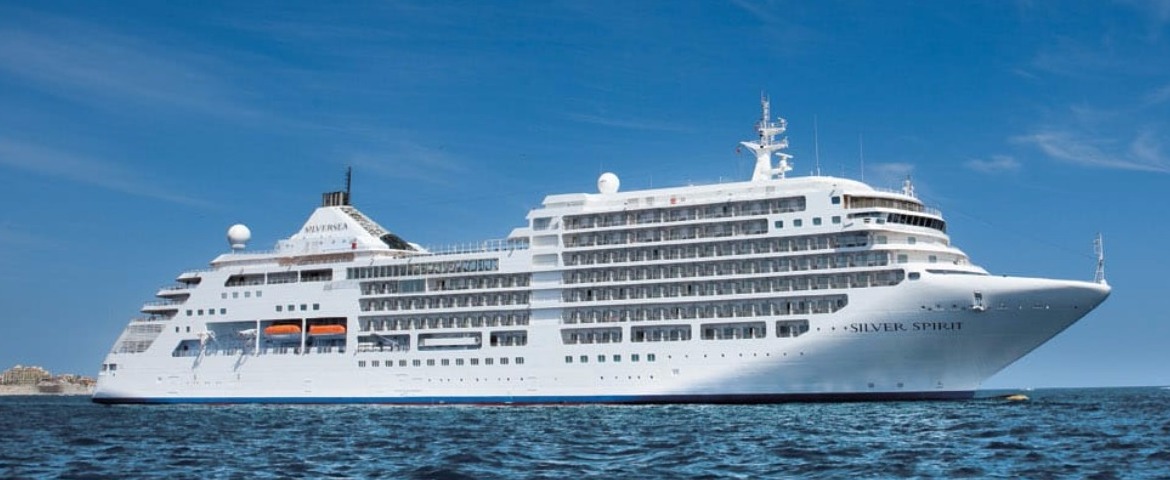
Viking Ocean Cruises (46 Cruises)
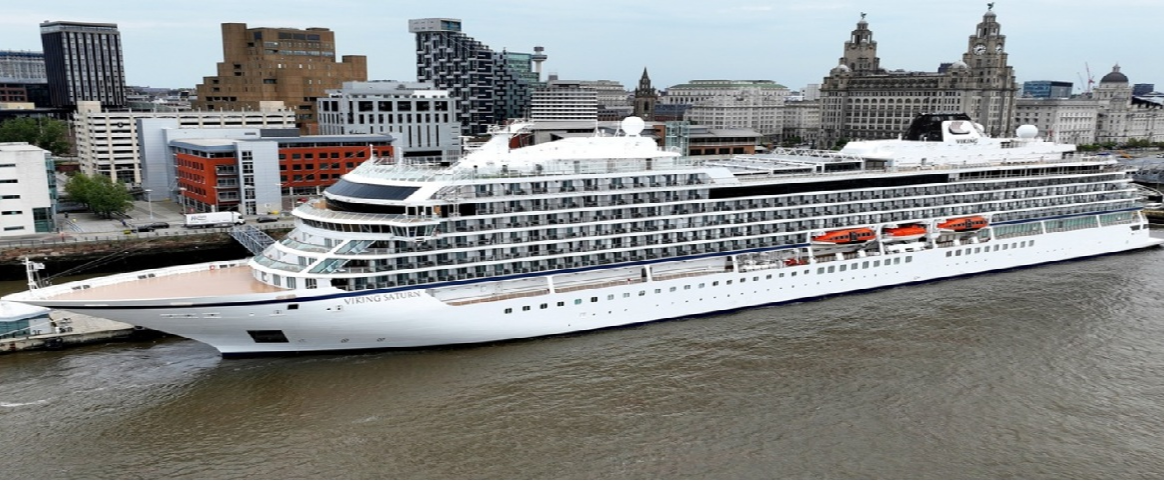
Viking Mars
4 Cruises
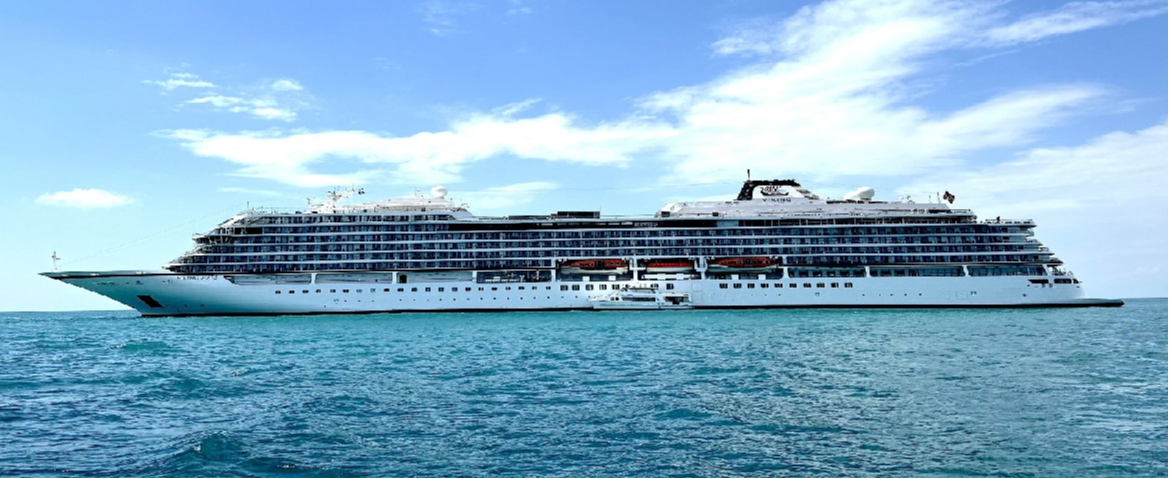

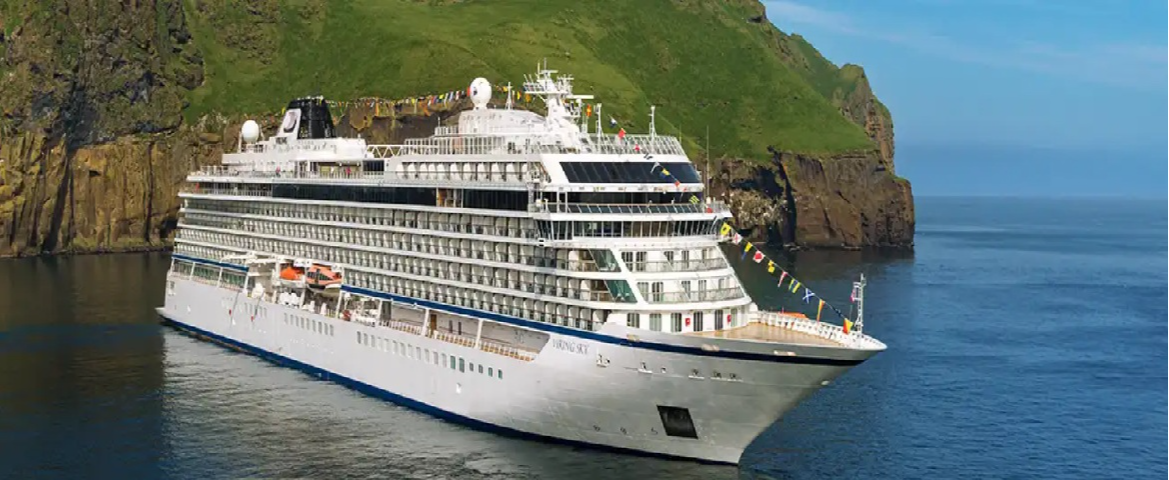
Viking Sky
22 Cruises
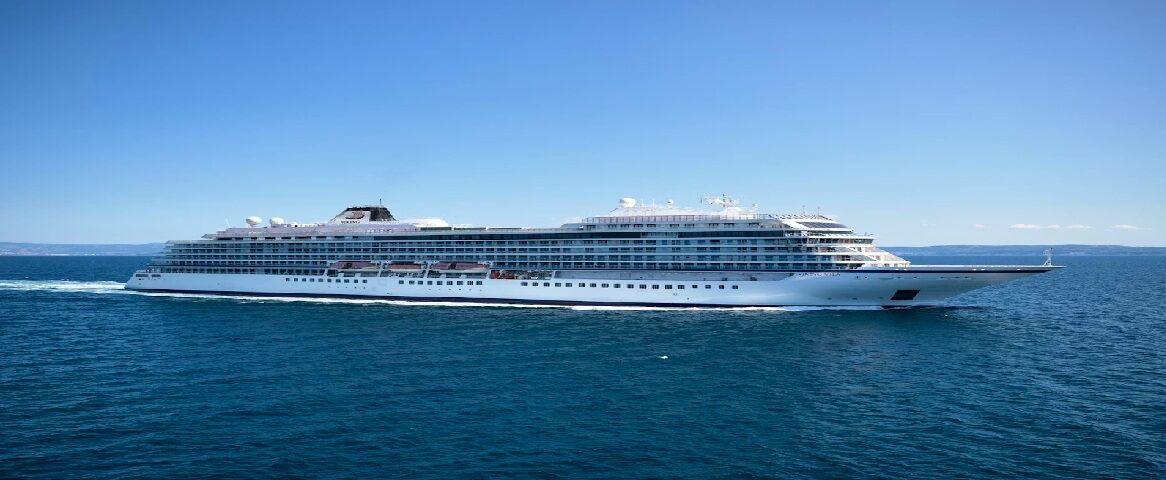
Viking Vela
16 Cruises

Port of Aberdeen, Scotland | Cruise Port Guide
Frequently Asked Questions
It depends on the berth. From the traditional basins of the historic harbour, Union Street and its surroundings are a fifteen-minute walk. From the new south harbour terminal, built for large ships, expect about 3 km and a short taxi ride.
Once downtown, yes: the Maritime Museum, the art gallery, the main shopping streets and the Victorian squares are all easily walkable. It is the access from the pier that varies with the berth — check before going ashore.
Because it is built almost entirely of grey granite. That granite contains mica: when the sun breaks through the North Sea cloud, millions of tiny flecks light up across the facades. It is not a figure of speech but something you can watch happen.
The Maritime Museum, an hour facing the harbour, then Union Street and Marischal College, and finally the old fishing village of Footdee a short walk from the quays. Old Aberdeen and Dunnottar require additional travel.
One of the largest granite buildings in the world, its pinnacled neo-Gothic facade completed in the early 20th century and looking as though carved from a cliff. It now houses the city administration, but it is from the outside that it impresses.
A former fishing village at the harbour mouth, pronounced Fittie by locals, where low cottages line up around enclosed courtyards. Each little garden competes with objects salvaged from the sea: buoys, figureheads, painted sheds. The walk from the quays is short and the detour rewarding.
A medieval university burgh 3 km north of Union Street, with cobbled streets, old lamp posts and stone colleges. King's College chapel with its crown steeple, founded in 1495, and St Machar's Cathedral with its heraldic oak ceiling frame a peaceful walk. A taxi or city bus gets you there in a few minutes.
Yes, if the call allows. The ruins of Dunnottar Castle, set on a headland ringed by the sea to the south, offer one of Scotland's most striking landscapes. Allow half a day for the round trip. The Aberdeenshire hinterland holds more than 260 castles and numerous distilleries.
The pound sterling and English, with the lilting North East accent that pleasantly surprises visitors. Payment cards are accepted everywhere.
Yes. The Maritime Museum, with its rig models and its upper-floor views over the basins, goes over very well with children, as do the colourful sheds of Footdee and the long curve of sand along the beach esplanade, which surprises visitors by how far it feels from the port's industrial image.


