Colombo Sri Lanka
Sri Lanka
113
Cruises availables
At departure or passage at this port
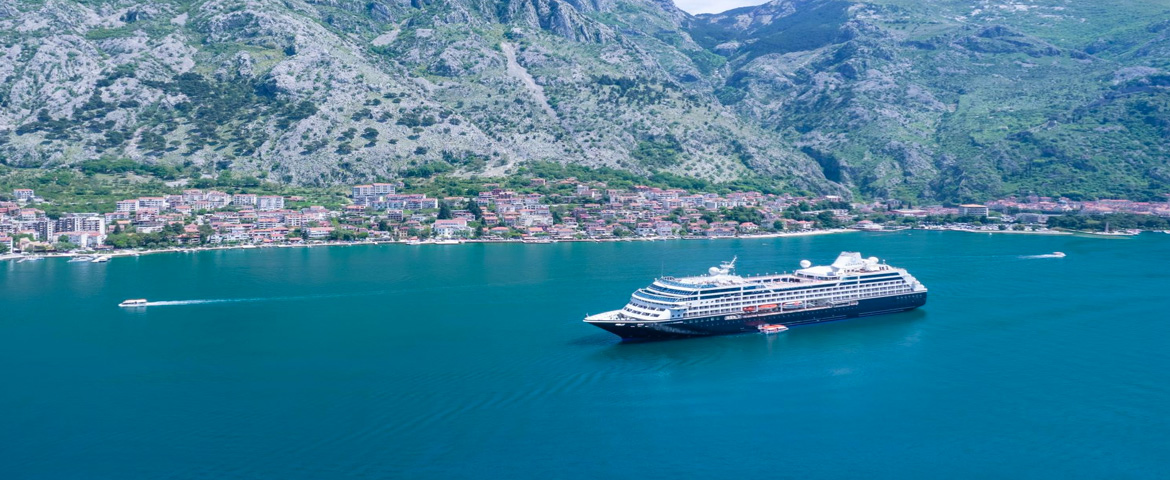
Azamara Club Cruises (13 Cruises)
Azamara Onward
13 Cruises

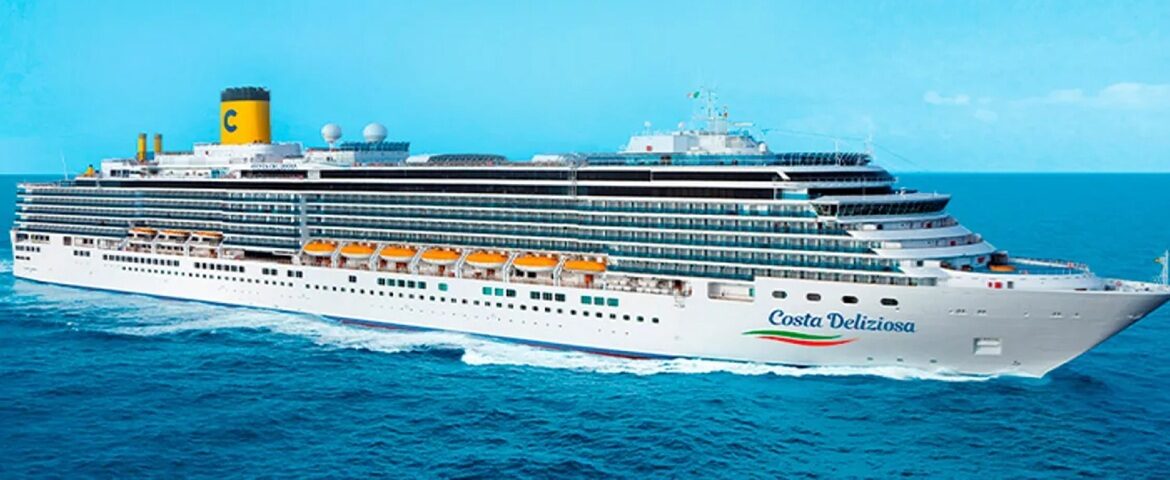
Costa Cruises (34 Cruises)
Costa Deliziosa
34 Cruises

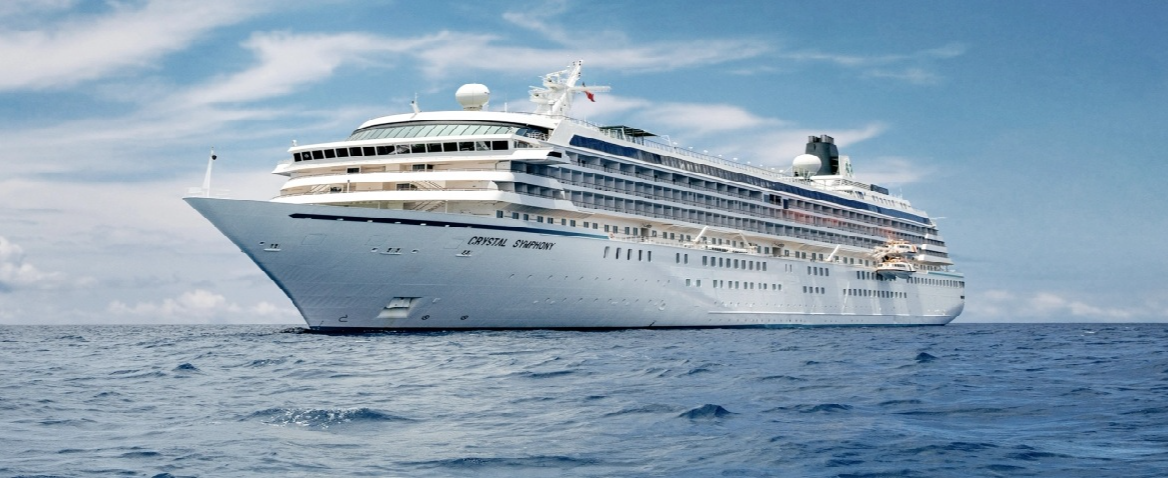
Crystal Cruises (6 Cruises)
Crystal Symphony
6 Cruises

| 11 January | 151 days | Round-trip 150 Night Roundtrip Fort Lauderdale Cruise |
450-628-6241
Call us
|
| 11 January | 137 days | One-way from Fort Lauderdale to Barcelona |
450-628-6241
Call us
|
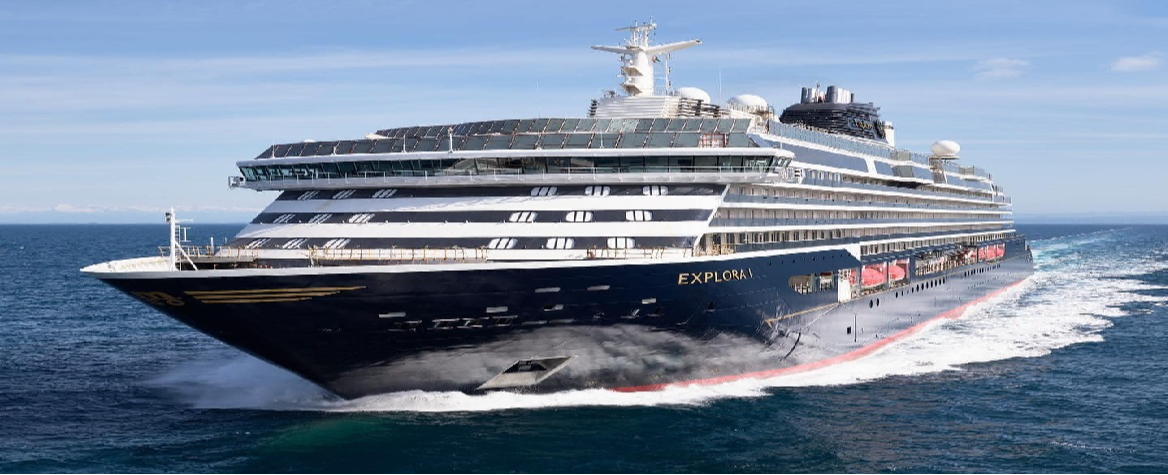
Explora Journeys (3 Cruises)

Holland America Line (2 Cruises)
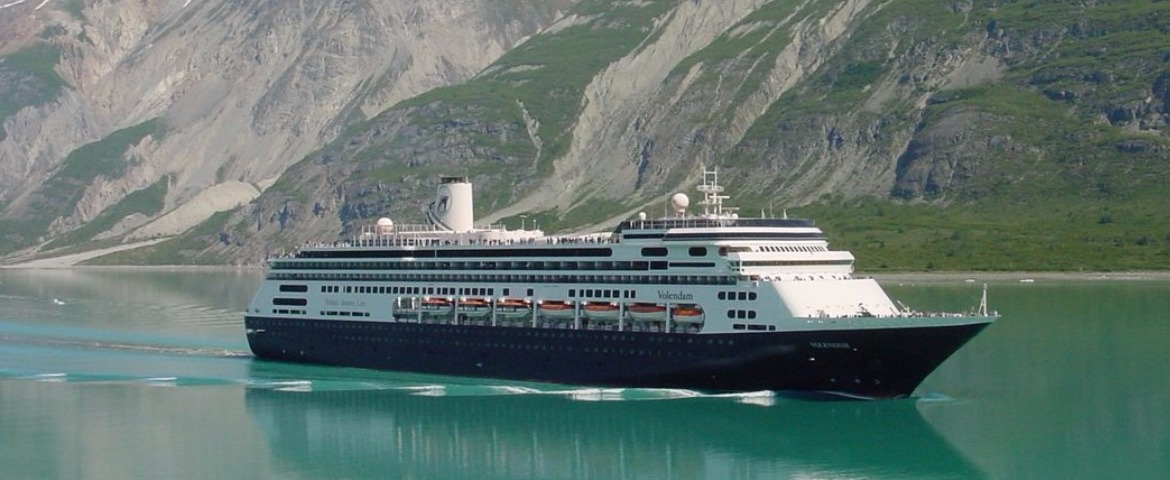

MSC Cruises (4 Cruises)
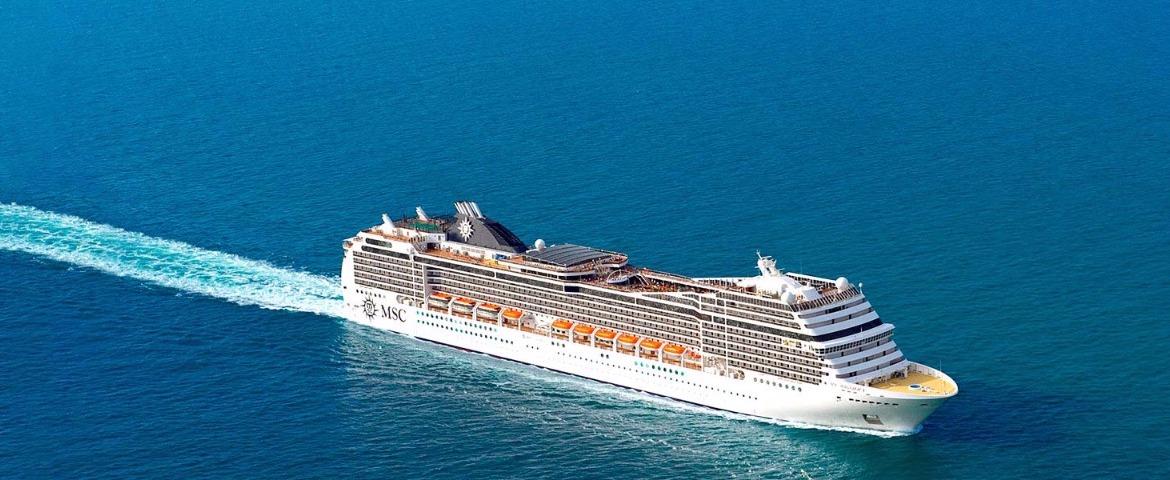

Oceania Cruises (19 Cruises)
Oceania Aurelia
5 Cruises
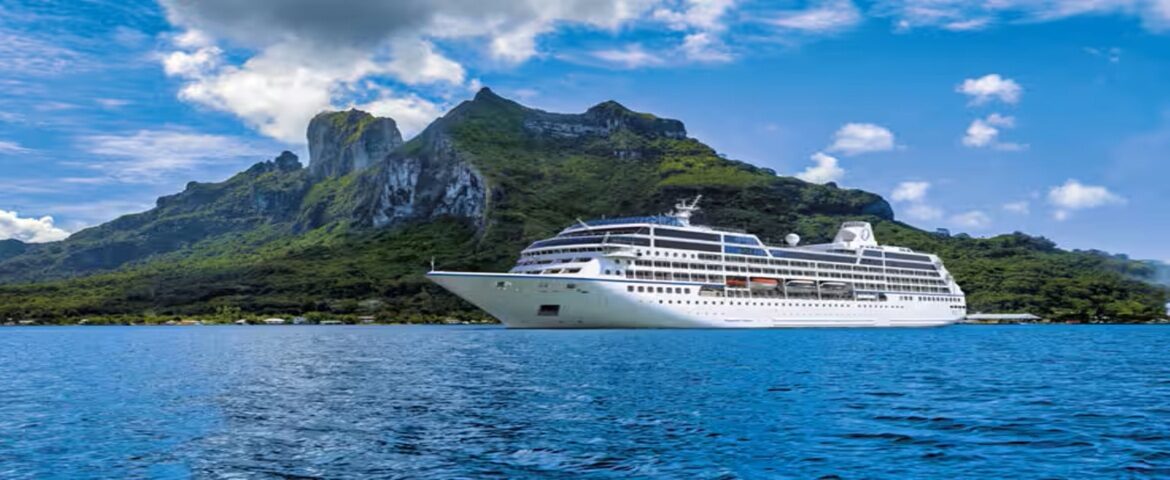

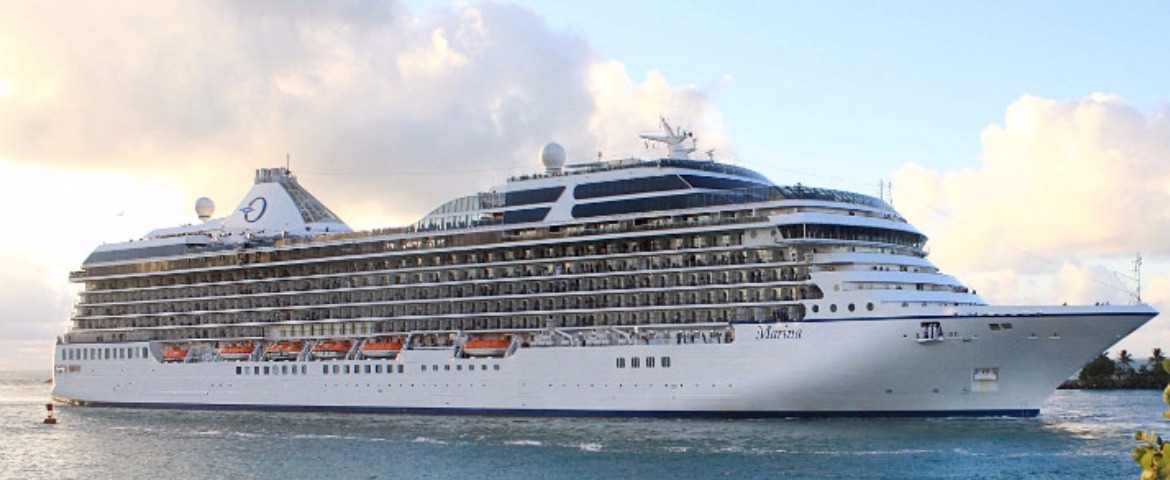
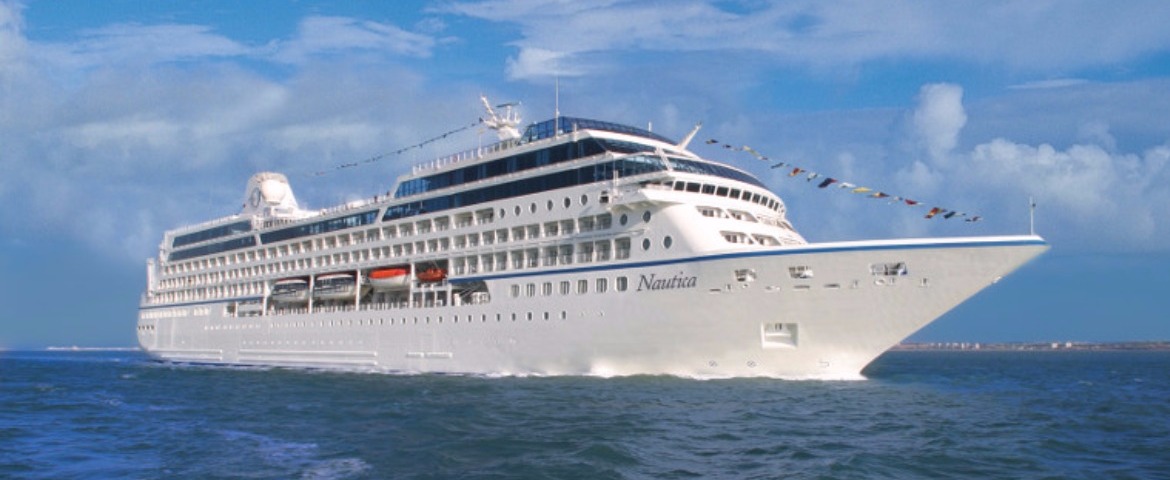
Oceania Nautica
5 Cruises
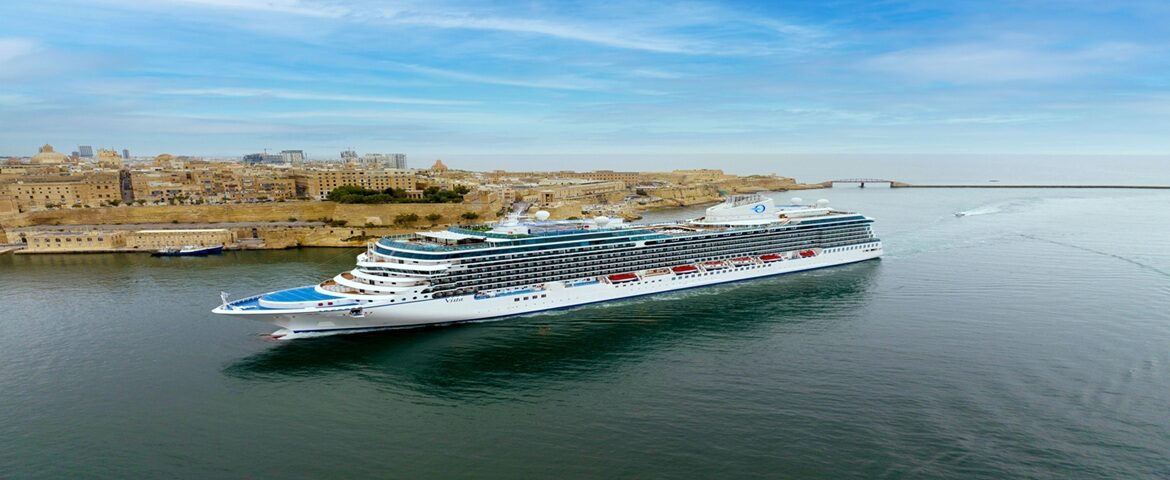
Oceania Vista
8 Cruises
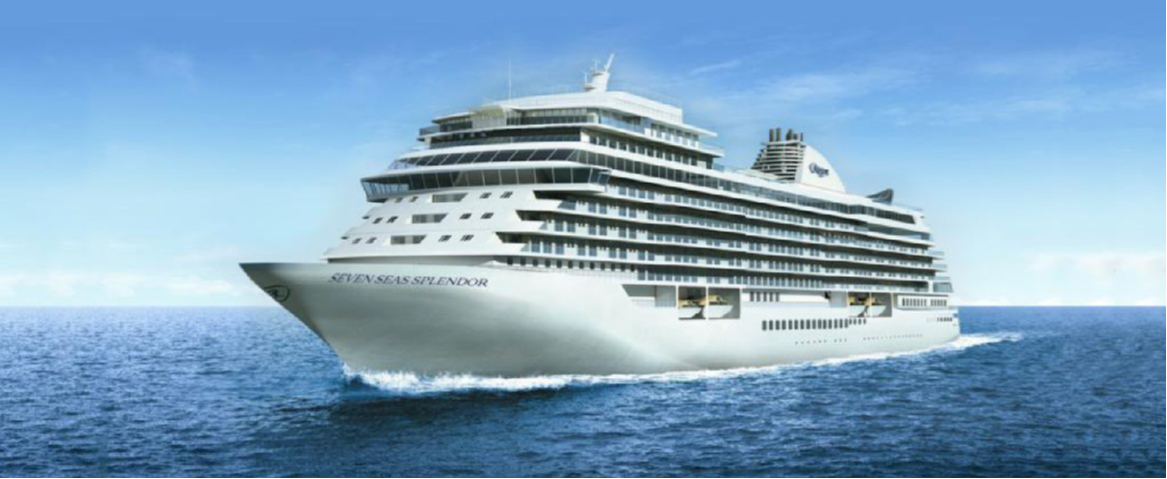
Regent Seven Seas Cruises (13 Cruises)

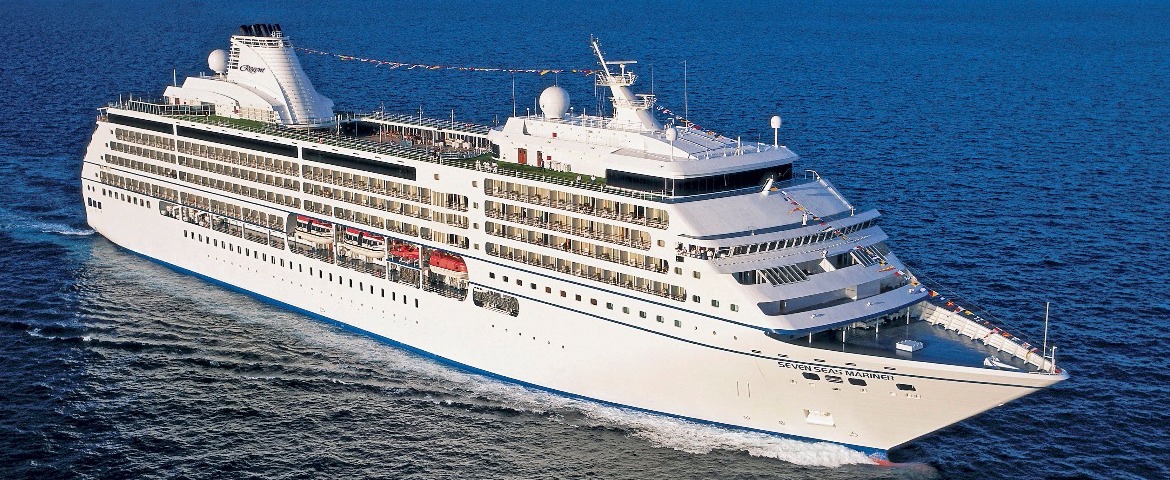
Seven Seas Mariner
8 Cruises
| 19 February | 69 days | One-way from Sydney to Cape Town |
450-628-6241
Call us
|
| 19 February | 69 days | One-way from Sydney to Cape Town |
450-628-6241
Call us
|
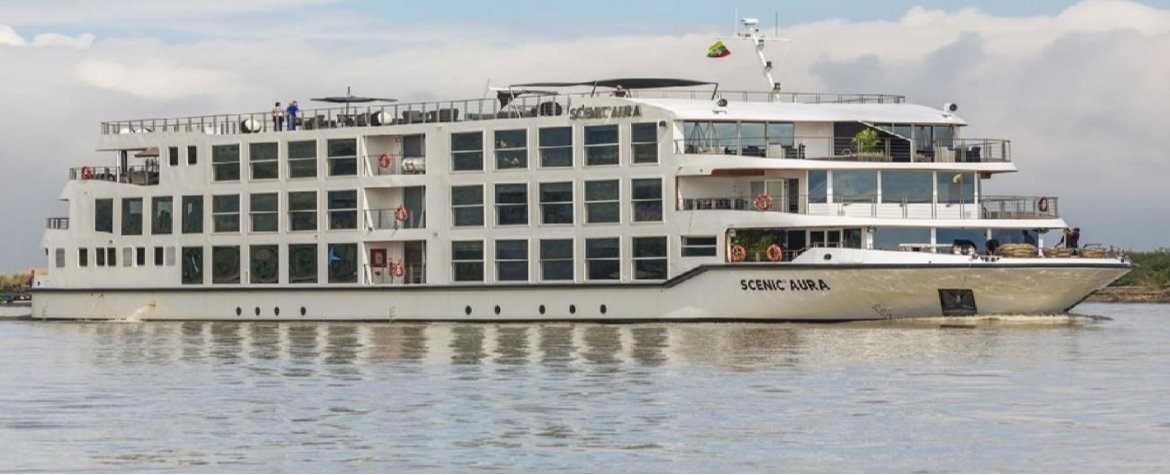
Scenic Cruises (10 Cruises)
Scenic Aura
10 Cruises




Port of Colombo, Sri Lanka | Cruise Port Guide
Frequently Asked Questions
In the main harbour basin at the historic Queen Elizabeth quay, about a kilometre from the Fort district. Depending on the day's instructions, a shuttle crosses the port area; from there the pavements lead into the colonial heart in about fifteen minutes.
Yes, and it is a rare advantage in South Asia: nearly everything essential is within walking distance. Fort, Pettah and Galle Face Green follow one another with no transport, provided you accept the humid heat.
Drivers offer their services the moment you leave the port, with an insistent smile that is part of the local scenery. The golden rule: agree the fare before you get in. That settles any argument at the other end.
Three empires stacked on one another — Portuguese, Dutch, British. Wide avenues, colonnaded banks, a clock tower that also served as a lighthouse, and administrative buildings of weary elegance. The old Dutch Hospital, one of the oldest structures here, has become a courtyard of cafés and shops, a welcome stop as the humidity climbs.
The great bazaar, a few streets from Fort: an open-air market where each street has its speciality — spices, fabrics, hardware, gold, electronics. Cinnamon and dried fish fight for the air, and the Jami Ul-Alfar mosque raises its red and white striped storeys in the middle of it, one of the most photographed buildings in the country.
The city's esplanade, half a kilometre of lawn between the coastal avenue and the ocean. Families fly kites, hawkers grill prawns and sell isso vadai, lentil cakes with prawns. Facing it, the Galle Face Hotel, open since the nineteenth century, serves late-afternoon tea under the fans of its veranda.
The Gangaramaya Buddhist temple near Beira Lake, which mixes a living shrine with a jumble of accumulated donations: statues, antique clocks, even motor cars. Those after quiet will prefer Viharamahadevi park and its century-old rain trees.
Fort, then Pettah, then Galle Face Green to finish. It is a logical sequence and walkable. Do not count on reaching the tea hills: they take several hours of road each way.
The Sri Lankan rupee. Sinhala and Tamil are spoken, and English is widely understood in the centre and in shops. Carry cash: cards work in hotels and larger stores, far less so in the bazaars.
Light and covering at once. The heat is humid, but temples require shoulders and knees covered, and you remove your shoes. A scarf in the bag and easy shoes solve it.


