Palamos Spain Costa Brava
210
Cruises availables
At departure or passage at this port
Azamara Club Cruises (27 Cruises)
Azamara Journey
15 Cruises
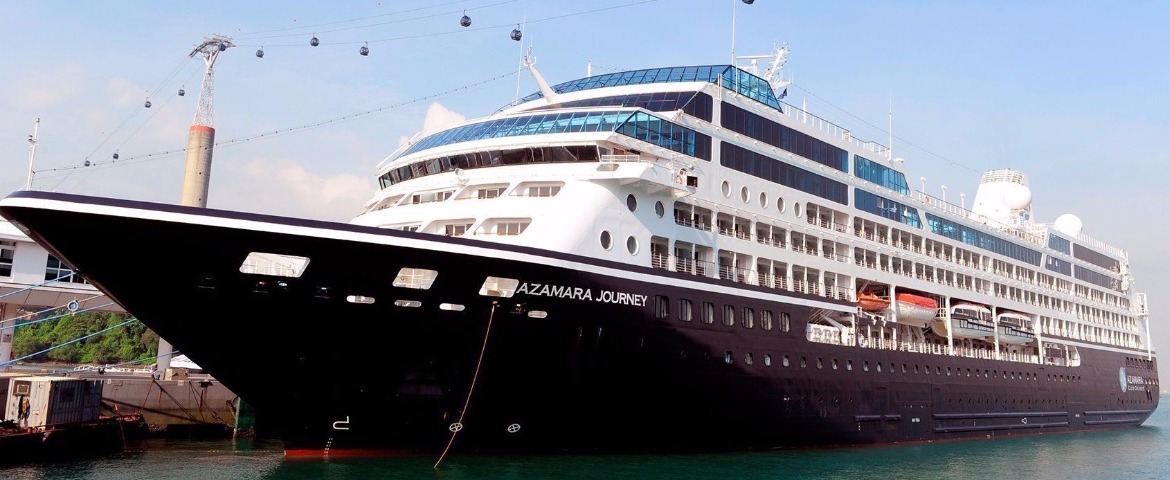

| 22 January | 50 days | One-way from Lisbon to Barcelona |
450-628-6241
Call us
|
| 22 January | 49 days | One-way from Lisbon to Barcelona |
450-628-6241
Call us
|
Azamara Onward
6 Cruises
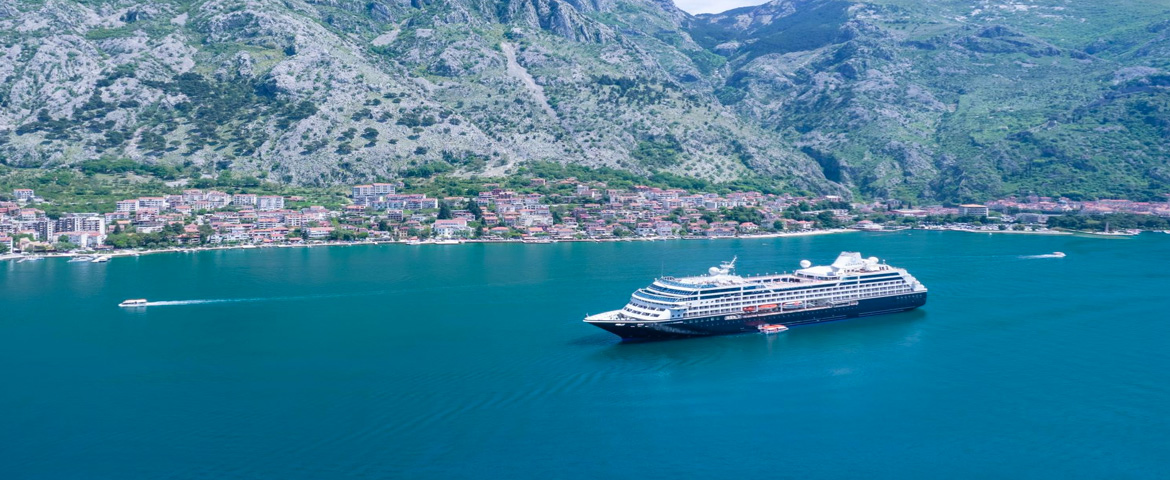
| 3 June | 5 days | Round-trip from Barcelona, Spain |
450-628-6241
Call us
|
| 3 June | 5 days | Round-trip Western Mediterranean Azamara Onward Barcelona |
450-628-6241
Call us
|
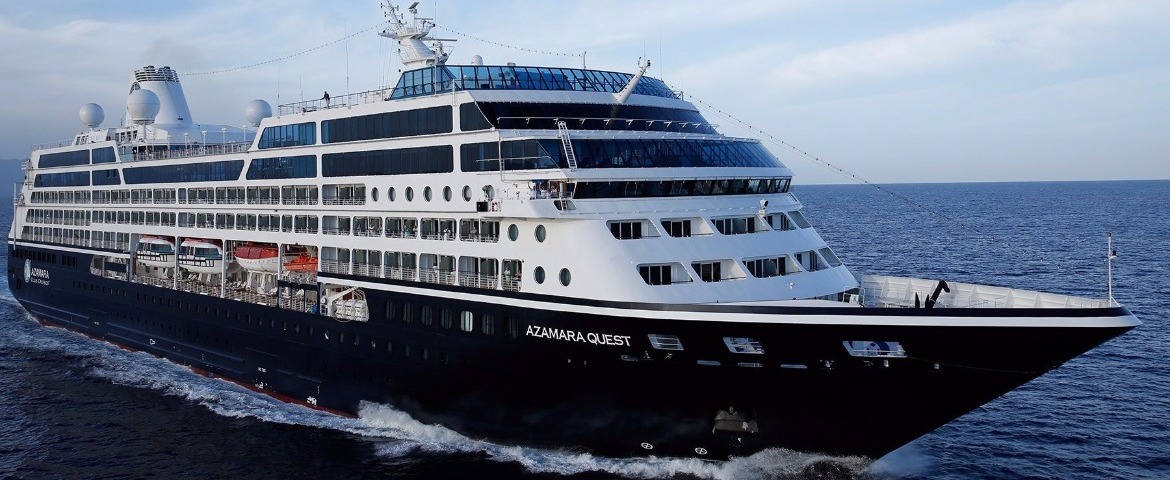
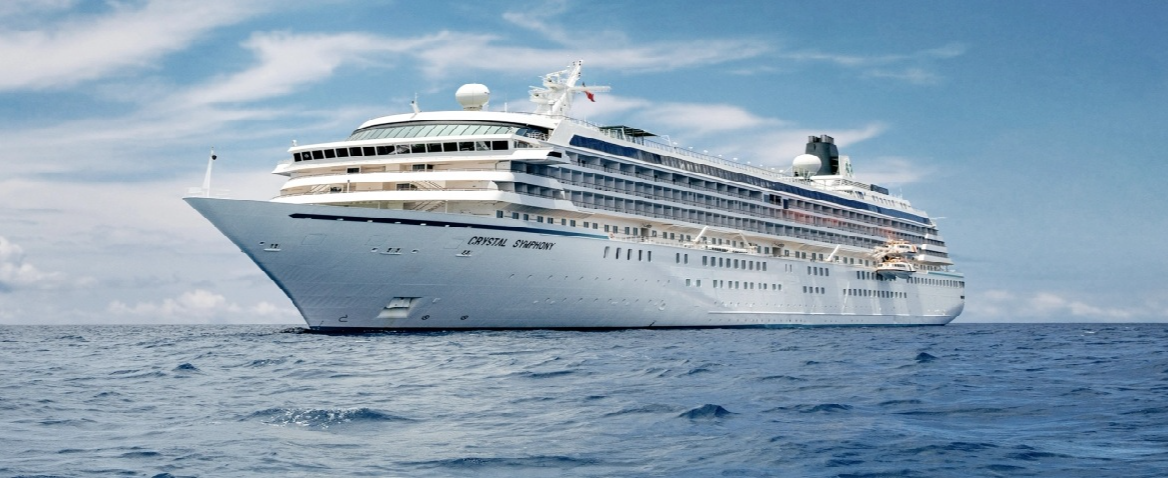
Crystal Cruises (4 Cruises)
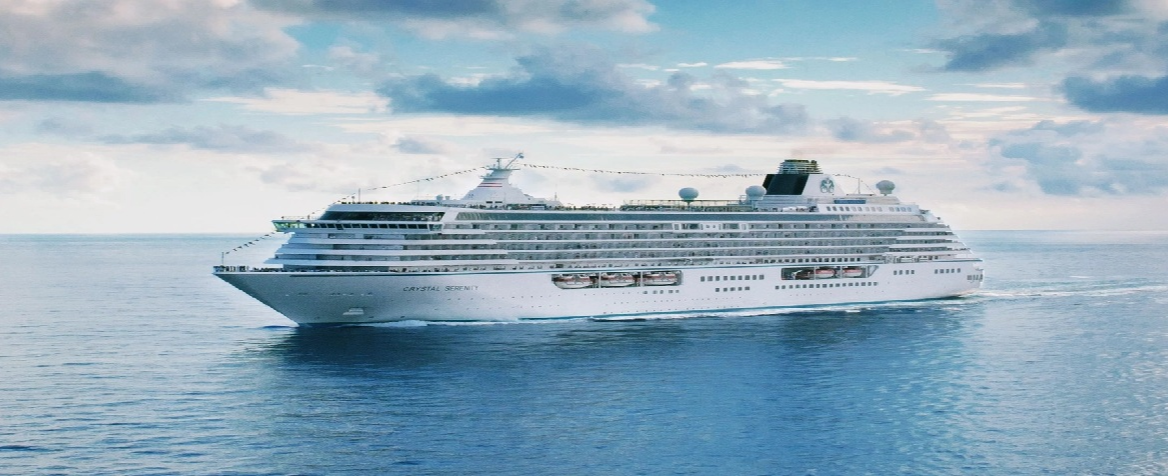

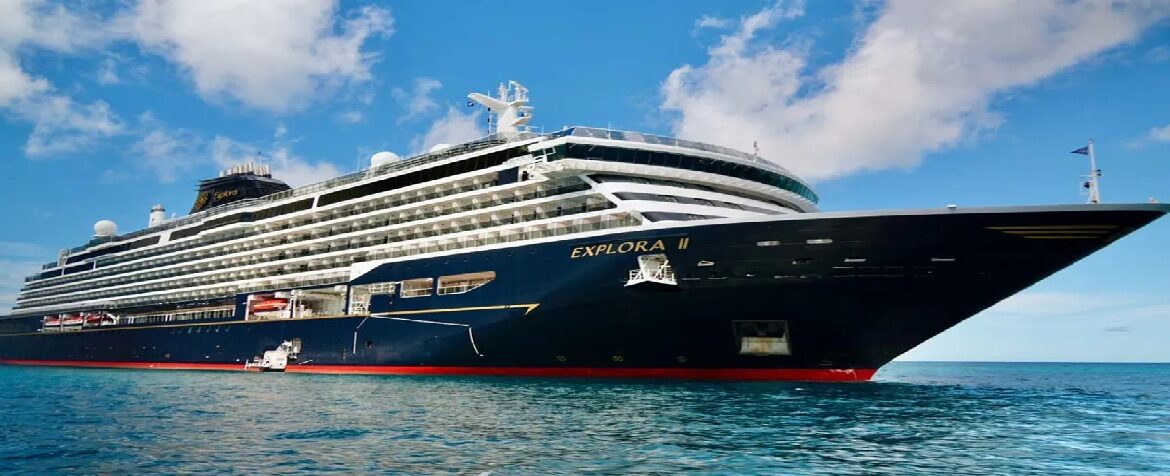
Explora Journeys (9 Cruises)
Explora II
9 Cruises

Oceania Cruises (51 Cruises)
Oceania Allura
25 Cruises

| 31 March | 23 days | One-way from Miami to Civitavecchia-Rome |
450-628-6241
Call us
|
| 31 March | 24 days | One-way from Miami to Civitavecchia-Rome |
450-628-6241
Call us
|
| 16 April | 7 days | One-way from Barcelona to Civitavecchia-Rome |
450-628-6241
Call us
|
| 16 April | 8 days | One-way from Barcelona to Civitavecchia-Rome |
450-628-6241
Call us
|
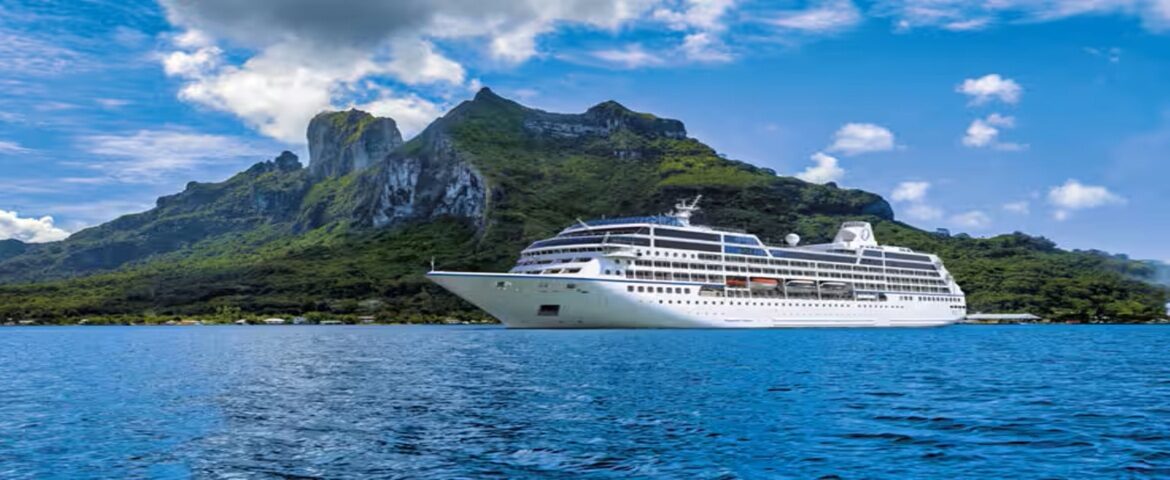
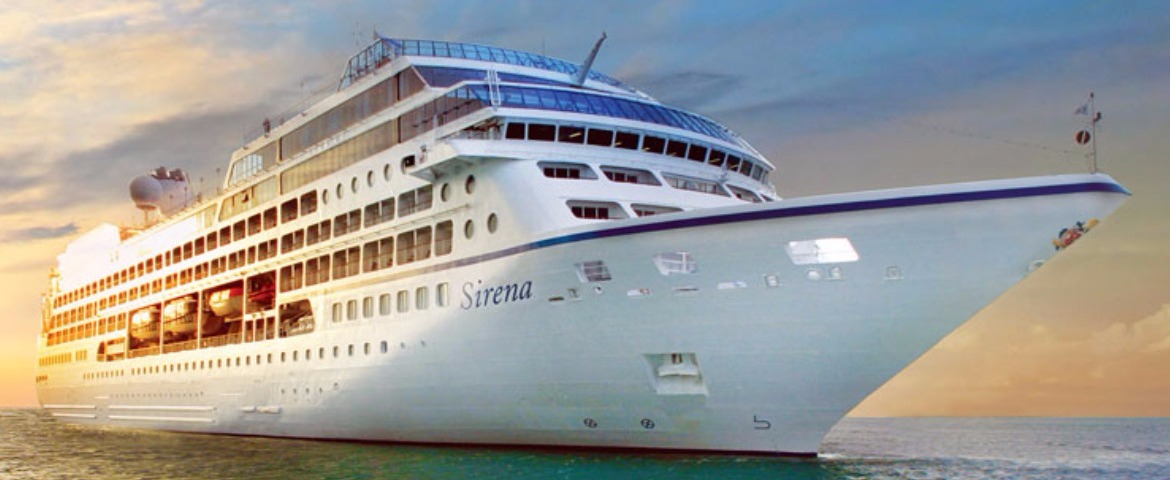
Oceania Sirena
12 Cruises
| 29 October | 8 days | One-way from Tarragona to Civitavecchia-Rome |
450-628-6241
Call us
|
| 29 October | 7 days | One-way from Tarragona to Civitavecchia-Rome |
450-628-6241
Call us
|
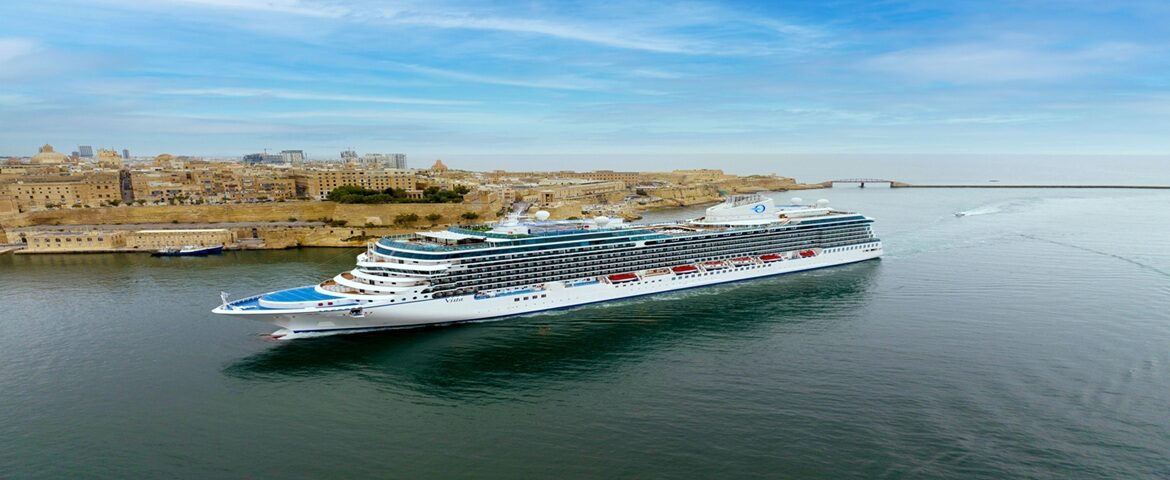
Regent Seven Seas Cruises (53 Cruises)
Seven Seas Explorer
10 Cruises
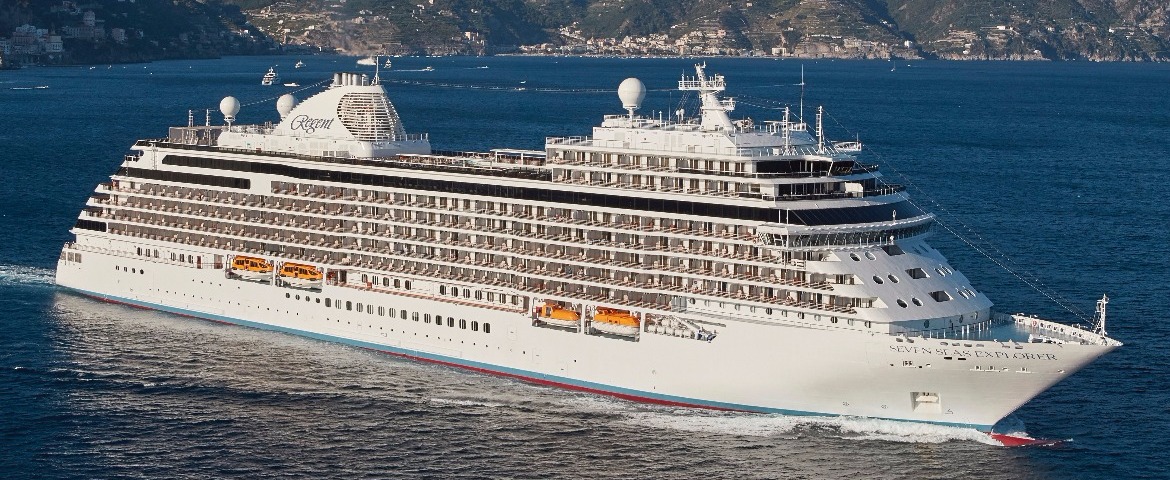

| 30 June | 22 days | One-way from Venice to Barcelona |
450-628-6241
Call us
|
| 30 June | 21 days | One-way from Fusina Venice to Barcelona |
450-628-6241
Call us
|
Seven Seas Grandeur
20 Cruises
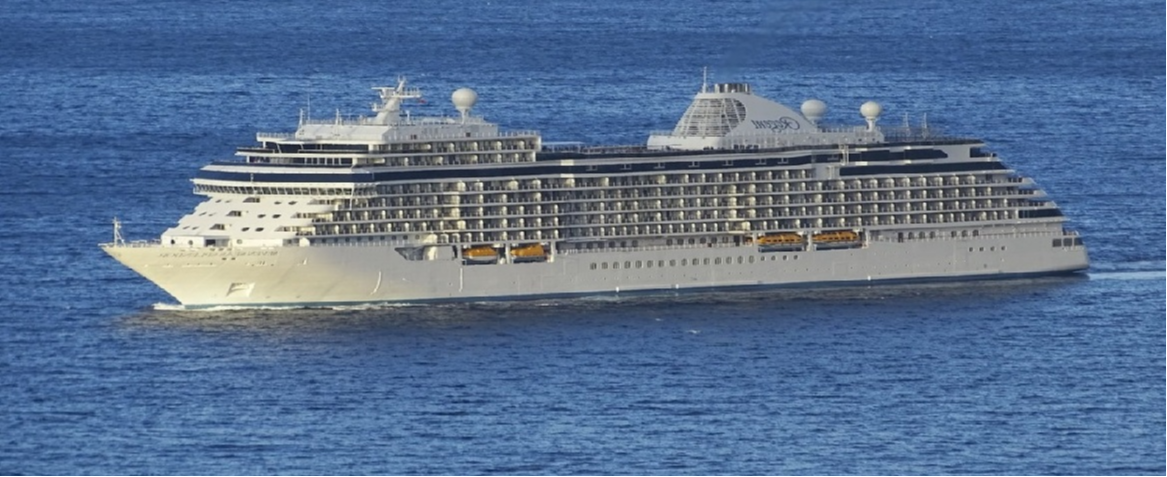
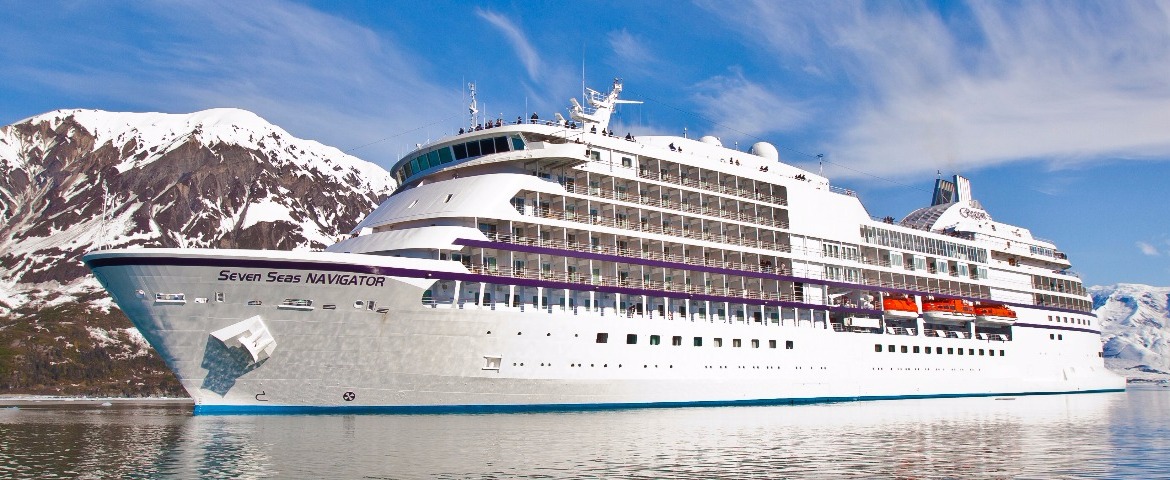
Seven Seas Mariner
9 Cruises
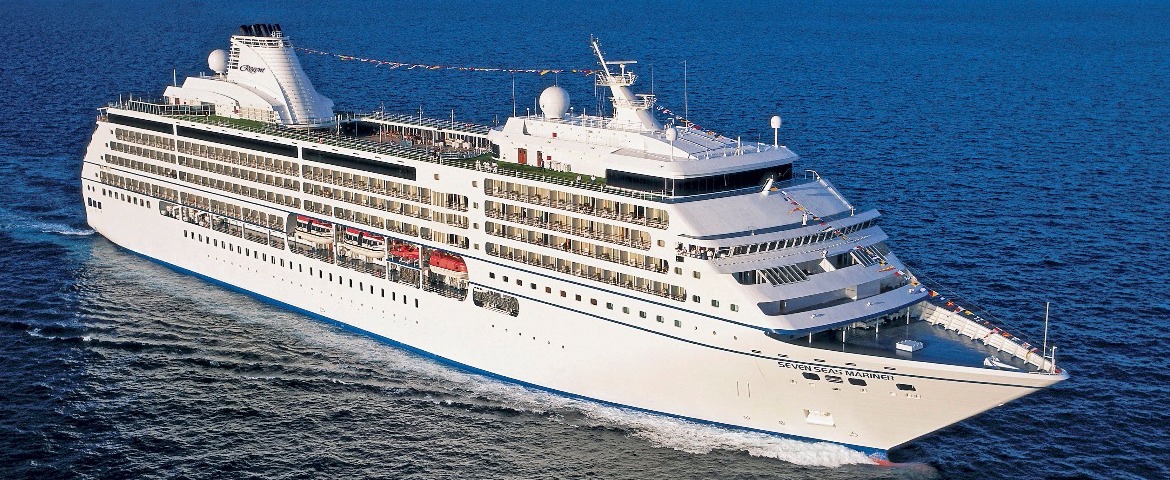
| 29 April | 175 days | One-way from New York to Piraeus-Athens |
450-628-6241
Call us
|
| 29 April | 174 days | One-way from New York to Piraeus-Athens |
450-628-6241
Call us
|
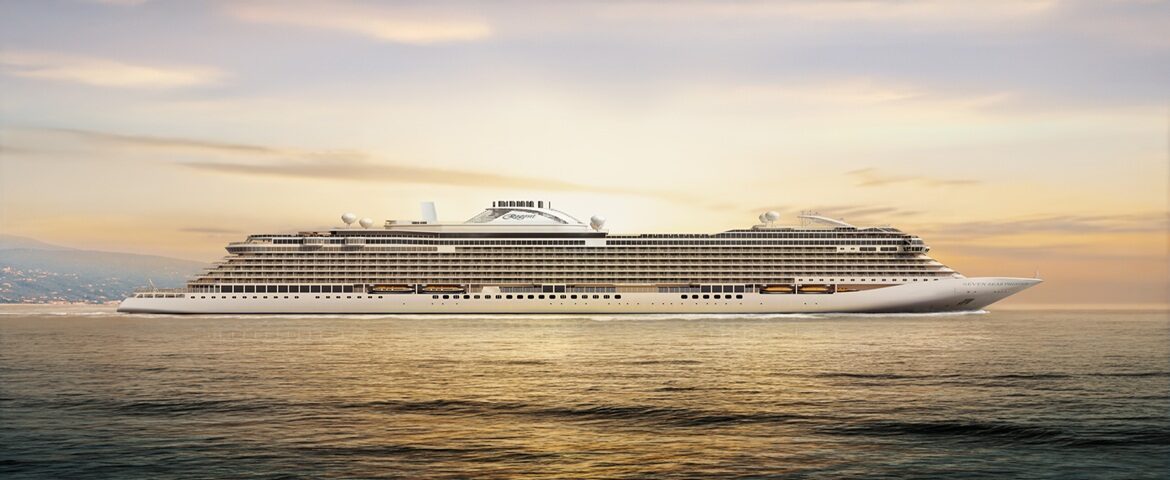
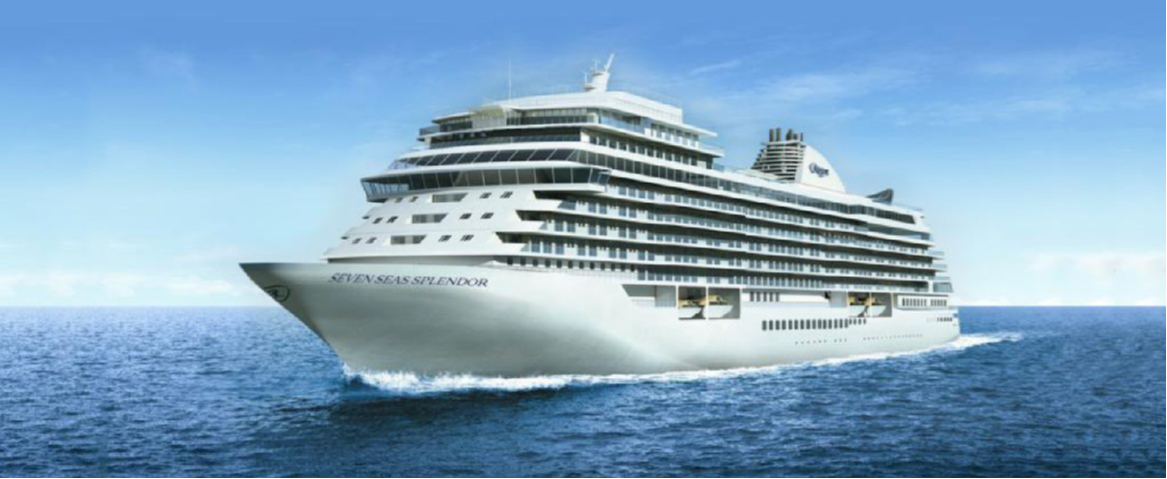
Seven Seas Splendor
4 Cruises
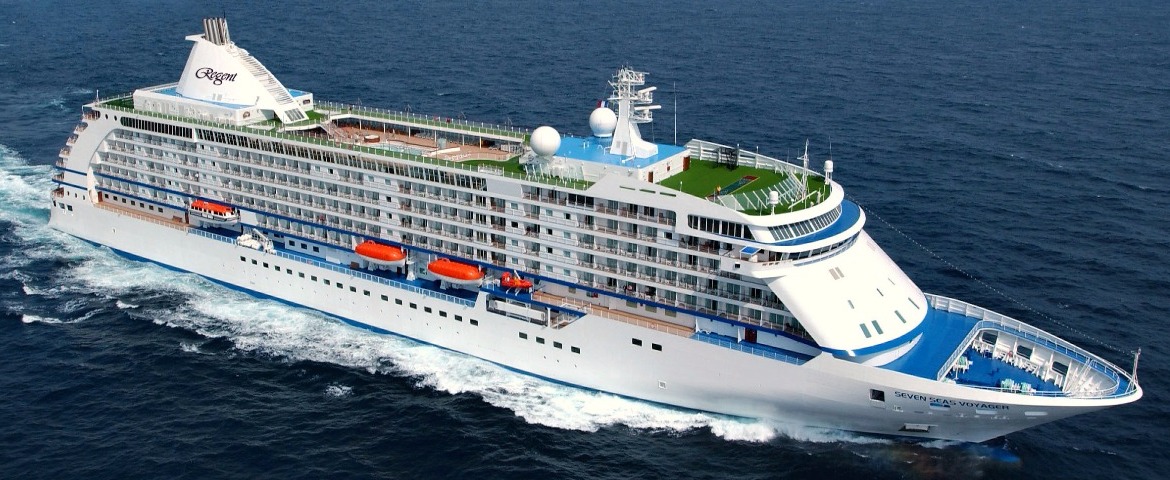
Seven Seas Voyager
8 Cruises
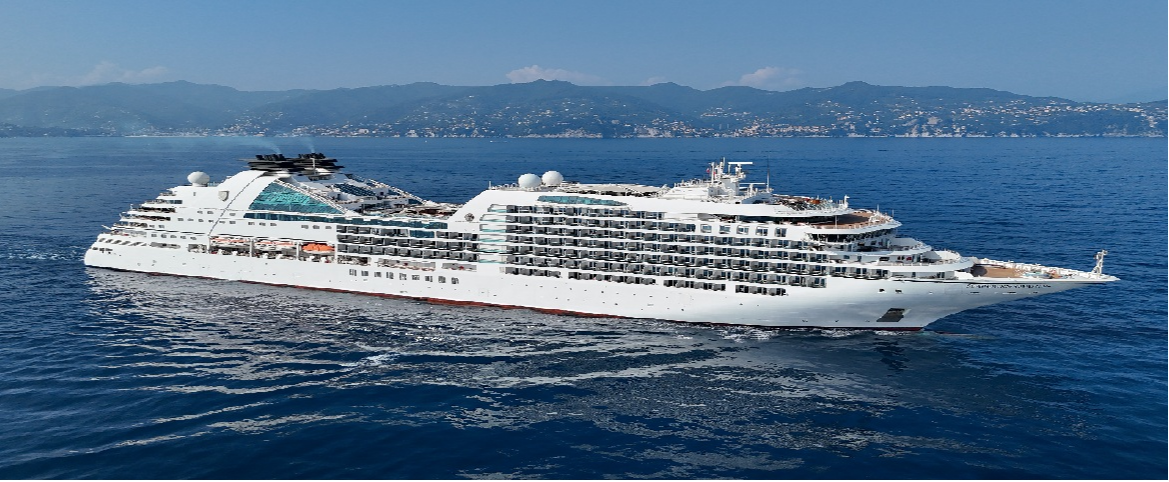
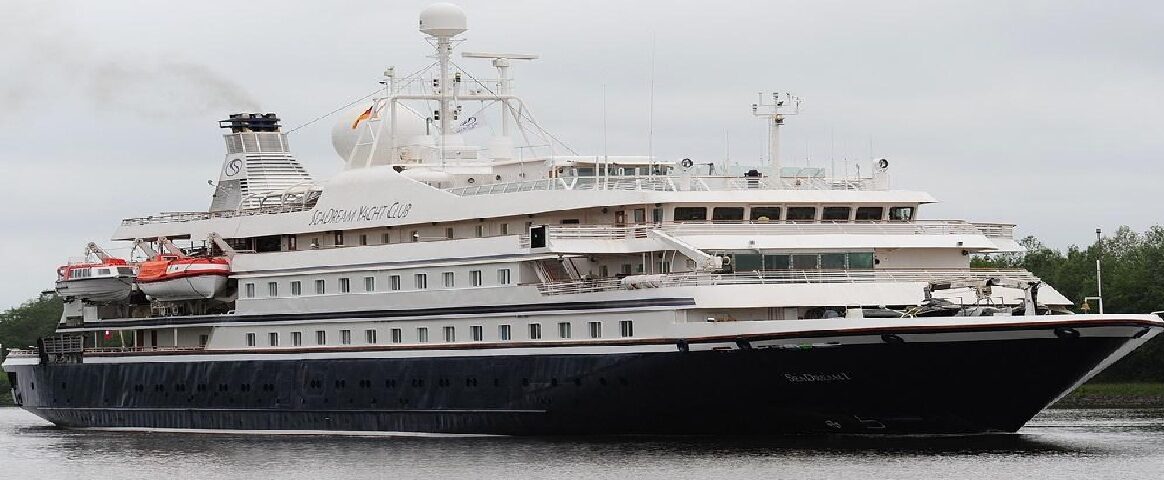
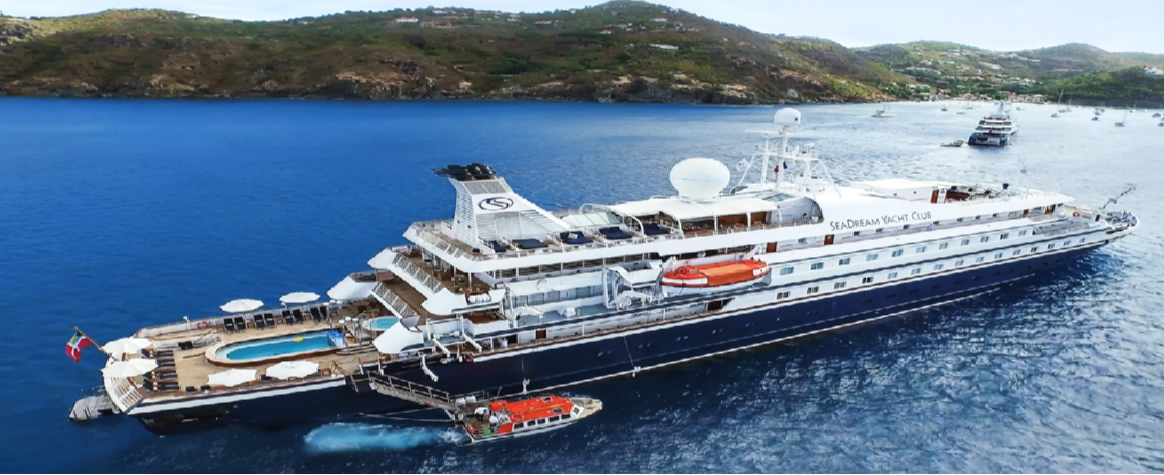
Seabourn Cruise Line (4 Cruises)


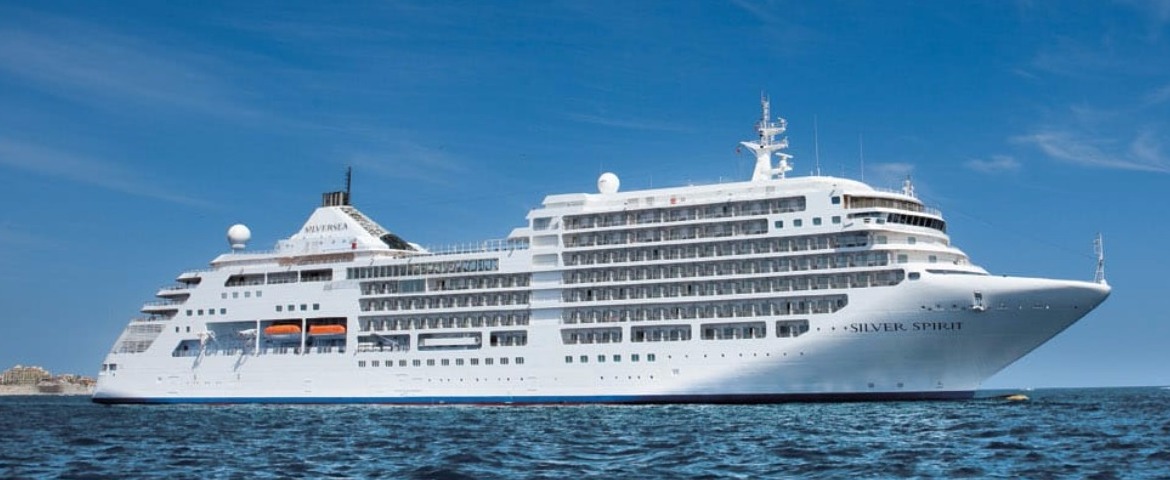
Silversea Cruises (24 Cruises)
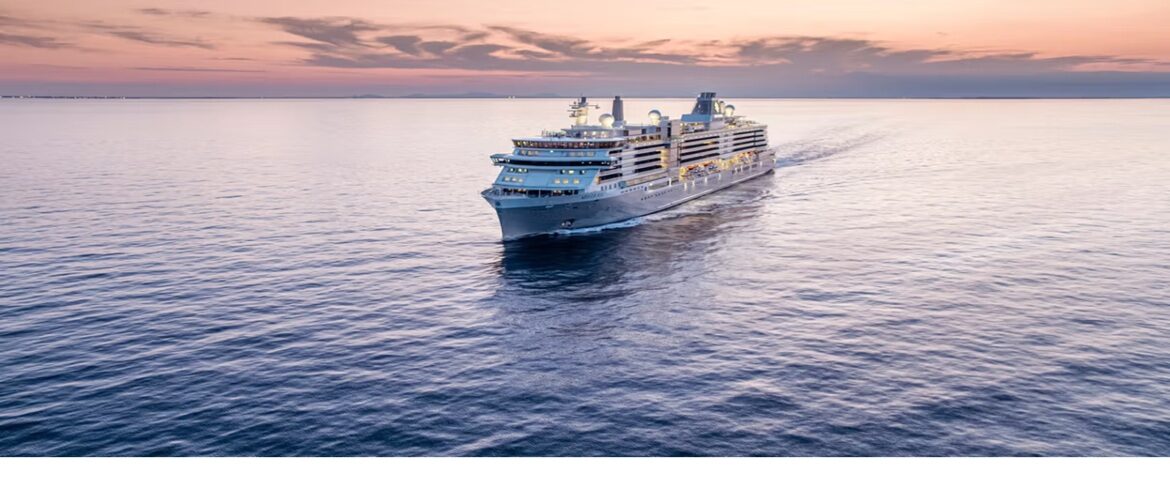
Silver Ray
12 Cruises

| 4 April | 11 days | Round-trip from Barcelona, Spain |
450-628-6241
Call us
|
| 14 April | 11 days | Round-trip from Barcelona, Spain |
450-628-6241
Call us
|
| 2 May | 11 days | Round-trip from Barcelona, Spain |
450-628-6241
Call us
|
| 12 May | 9 days | Round-trip Western Mediterranean Silver Ray Barcelona |
450-628-6241
Call us
|
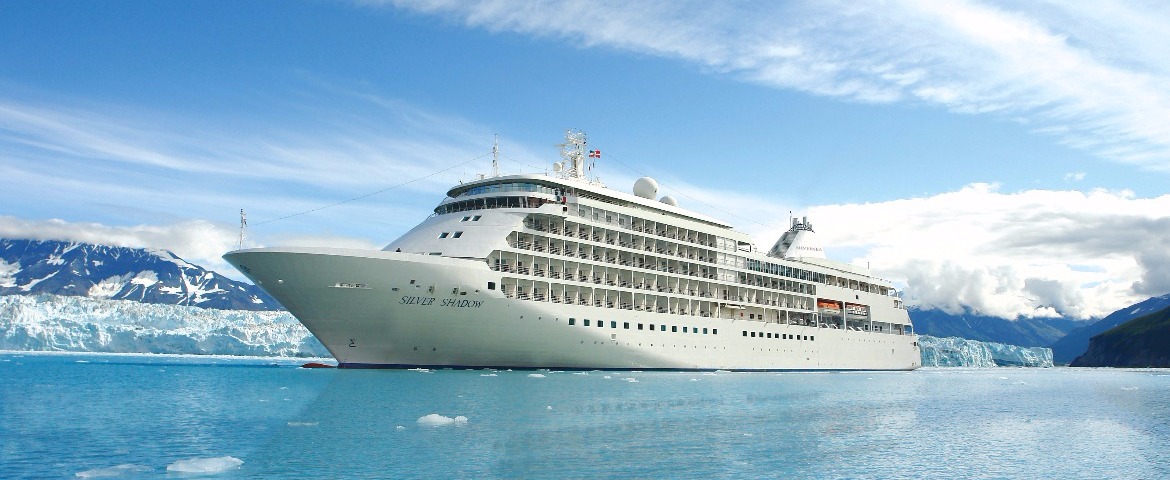
Silver Shadow
9 Cruises
Viking Ocean Cruises (21 Cruises)
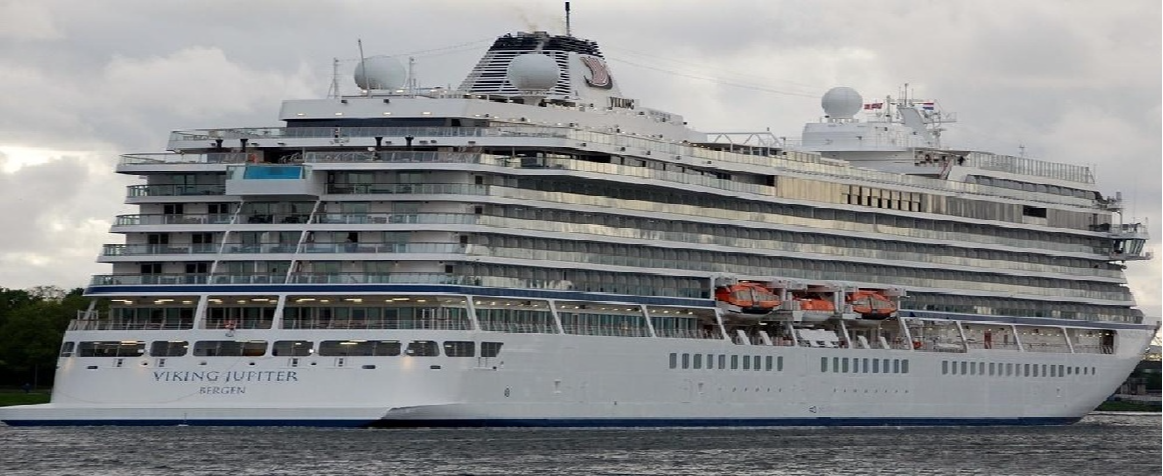
Viking Jupiter
6 Cruises

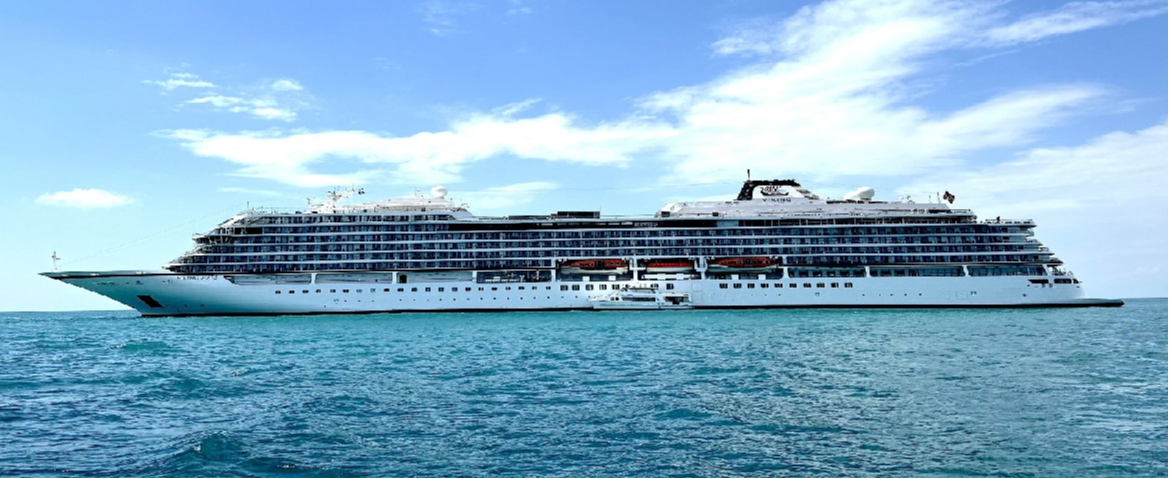
Viking Mars
5 Cruises
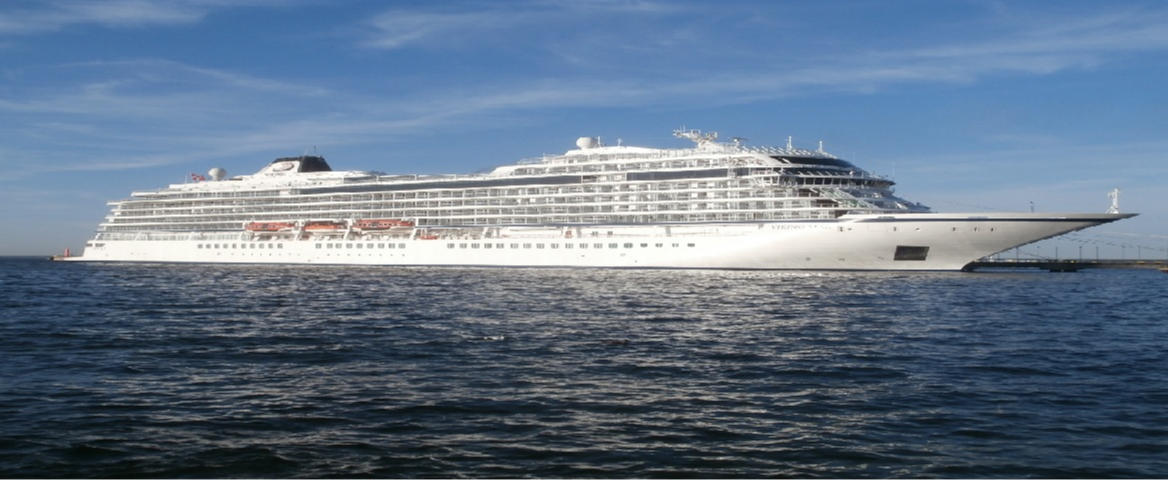
Viking Vela
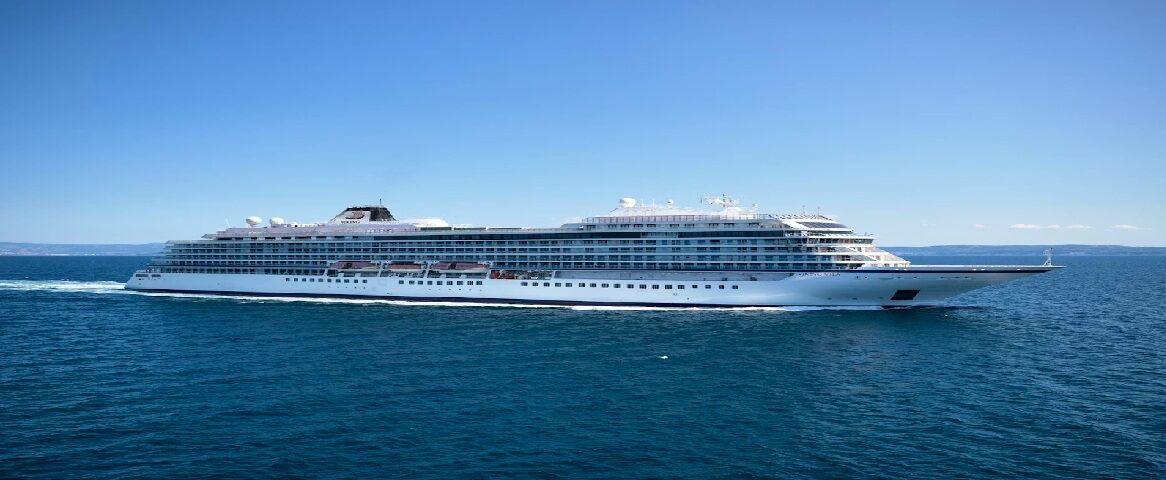
8 Cruises
Windstar Cruises (15 Cruises)
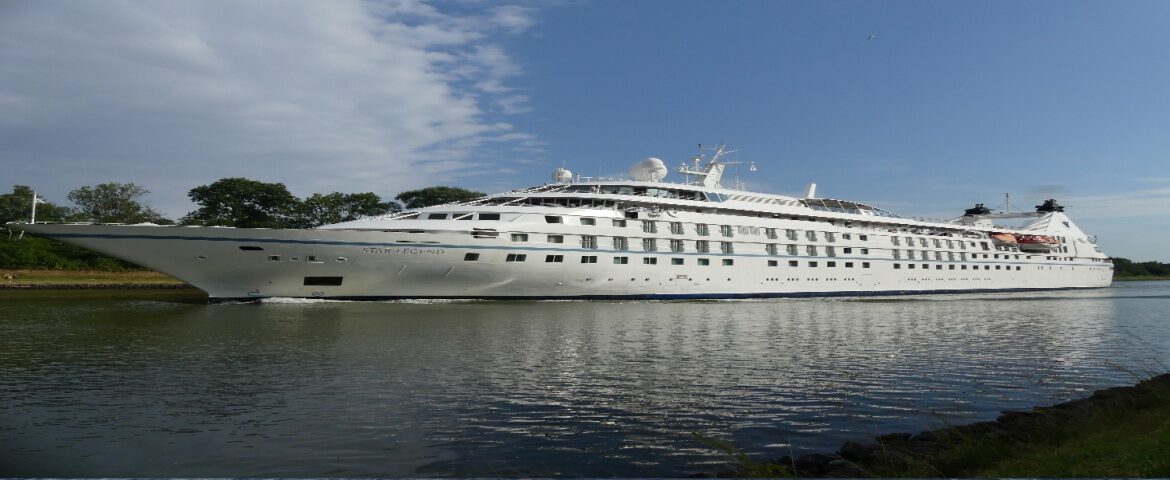
Star Legend
9 Cruises

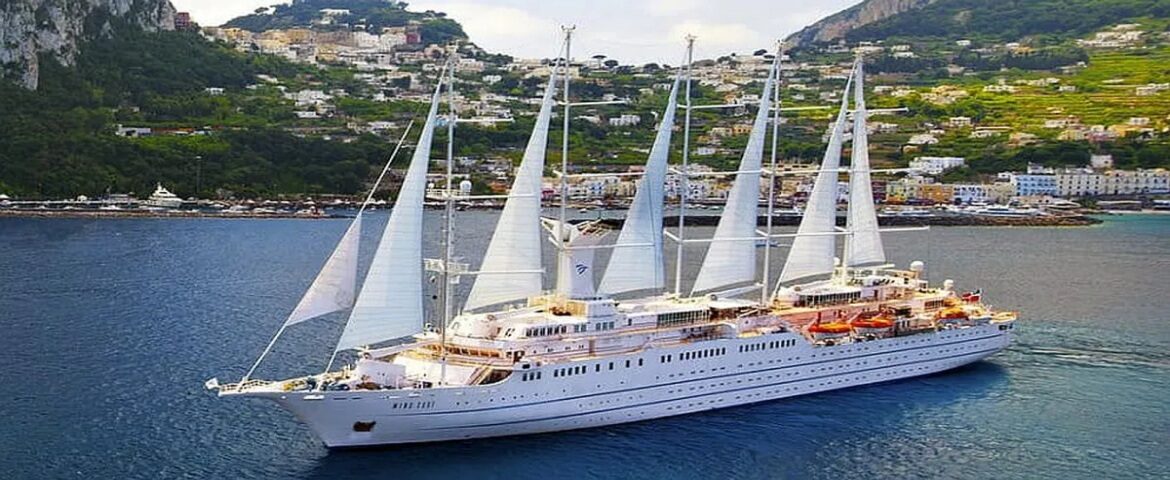
Wind Surf
6 Cruises

Palamós Spain | Costa Brava Mediterranean Cruise Guide
Frequently Asked Questions
Right inside the harbour basin, five to ten minutes' walk from the centre. No shuttle is needed, and you step off into a working fishing port.
A real fishing port, and you see it from first light: crates coming ashore, gulls everywhere, Catalan voices calling across the quay. The town was not invented for tourism, which is exactly its appeal.
The gamba de Palamós is a bright red prawn caught below 400 metres, protected by a quality mark guaranteeing its origin. It commands a high price and is served simply grilled. Quayside restaurants list it according to the day's catch.
The Museu de la Pesca, the old quarter up to Santa Maria church, then Platja Gran for a swim. If the afternoon auction falls within your window, that is the highlight of the day.
The fishing museum, housed in a former port warehouse and the only one of its kind on Spain's Mediterranean coast. It covers crew life, the techniques of the past and sustainable fishing. Depending on the schedule, you can watch the auction from a gallery as crates roll past the buyers on a conveyor.
Yes, easily. Platja Gran, a broad gently shelving sand beach, is a few minutes from the ship. A mask and a towel are enough to turn the call into a beach day.
The old customs officers' path, which hugs the coast northwards. Past La Fosca beach and the ruins of Sant Esteve castle, it reaches the cove of S'Alguer with its brightly painted fishermen's huts, one of the most photographed spots on the Costa Brava. Allow one to one and a half hours of easy walking.
Yes. Girona is about 45 minutes away — a cathedral with the widest Gothic nave in Europe, the Jewish quarter, houses hanging over the Onyar. Figueres and the Dalí Theatre-Museum take an hour. Both are full-day outings.
The medieval villages of Pals and Peratallada, with their golden stone and artisan workshops, are closer. La Bisbal d'Empordà, capital of Catalan ceramics, lines the road with pottery shops.
The euro; Catalan and Spanish are both spoken. Late in the day the terraces fill for the vermut hour, the Catalan aperitif served with olives and anchovies — the best way to close the call before heading back aboard.


