Enkhuizen Netherlands North Holland
121
Cruises availables
At departure or passage at this port
Avalon Waterways (8 Cruises)
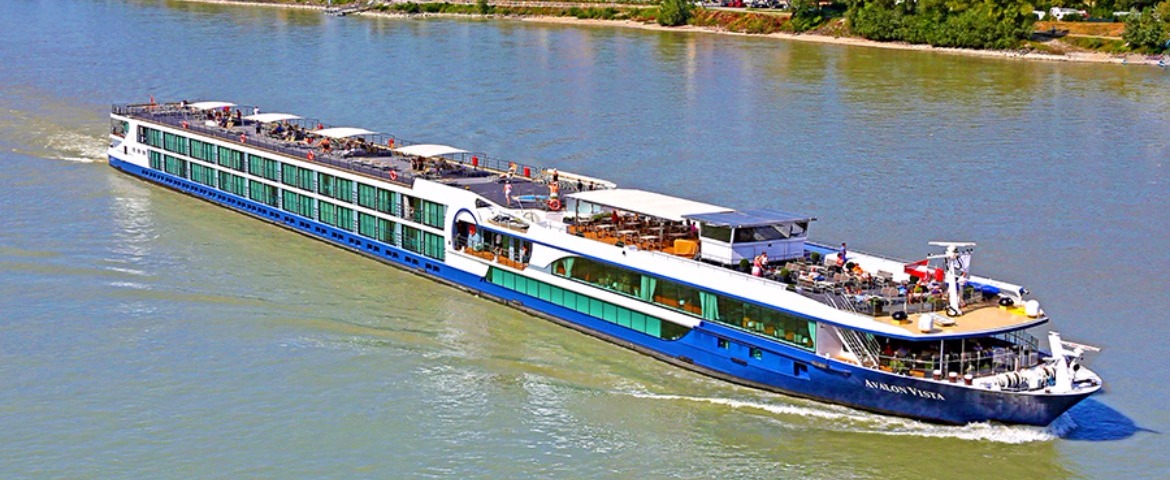
Avalon VistaSM
8 Cruises

CroisiEurope (12 Cruises)
MS Lafayette
12 Cruises


| 26 May | 5 days | Round-trip Cruise on the IJsselmeer, one of Hollands treasures |
450-628-6241
Call us
|
| 26 May | 6 days | Round-trip from Amsterdam, Netherlands |
450-628-6241
Call us
|
| 22 June | 6 days | Round-trip from Amsterdam, Netherlands |
450-628-6241
Call us
|
| 22 June | 5 days | Round-trip Cruise on the IJsselmeer, one of Hollands treasures |
450-628-6241
Call us
|
| 19 July | 5 days | Round-trip Cruise on the IJsselmeer, one of Hollands treasures |
450-628-6241
Call us
|
| 19 July | 6 days | Round-trip from Amsterdam, Netherlands |
450-628-6241
Call us
|
| 15 August | 6 days | Round-trip from Amsterdam, Netherlands |
450-628-6241
Call us
|
| 15 August | 5 days | Round-trip Cruise on the IJsselmeer, one of Hollands treasures |
450-628-6241
Call us
|
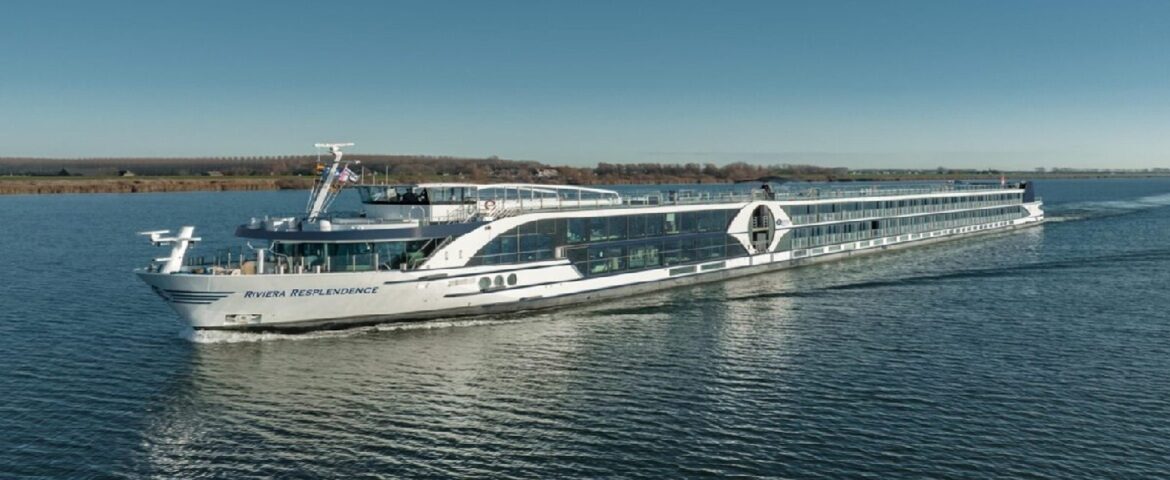
Riviera Travel (13 Cruises)

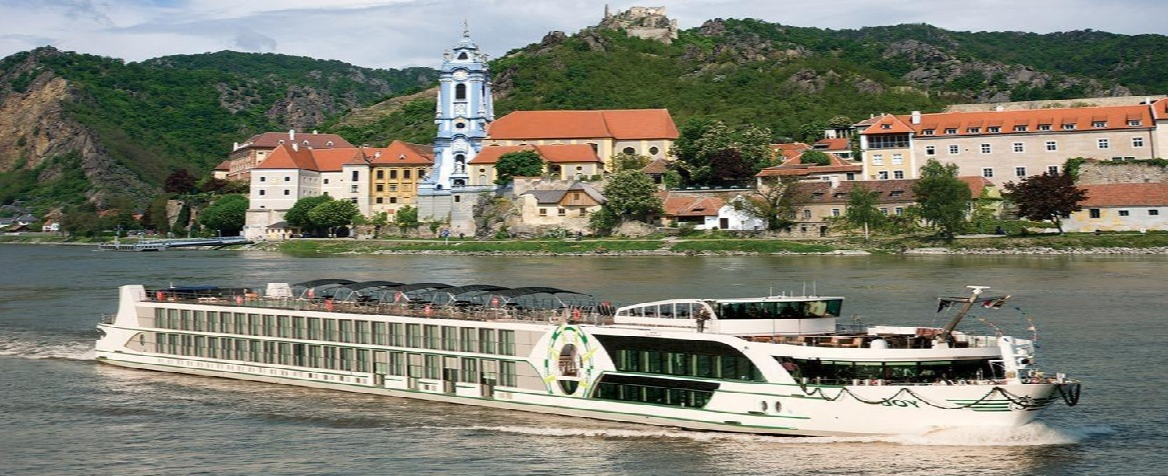
Tauck Cruises (10 Cruises)
ms Joy
10 Cruises

| 31 March | 7 days | One-way from Brussels to Amsterdam |
450-628-6241
Call us
|
| 31 March | 9 days | One-way from Brussels to Amsterdam |
450-628-6241
Call us
|
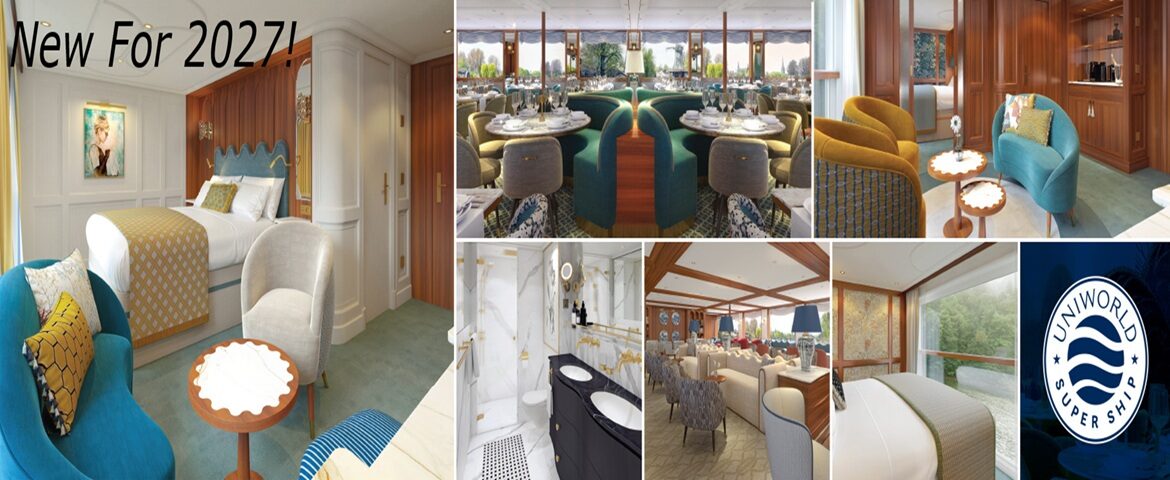
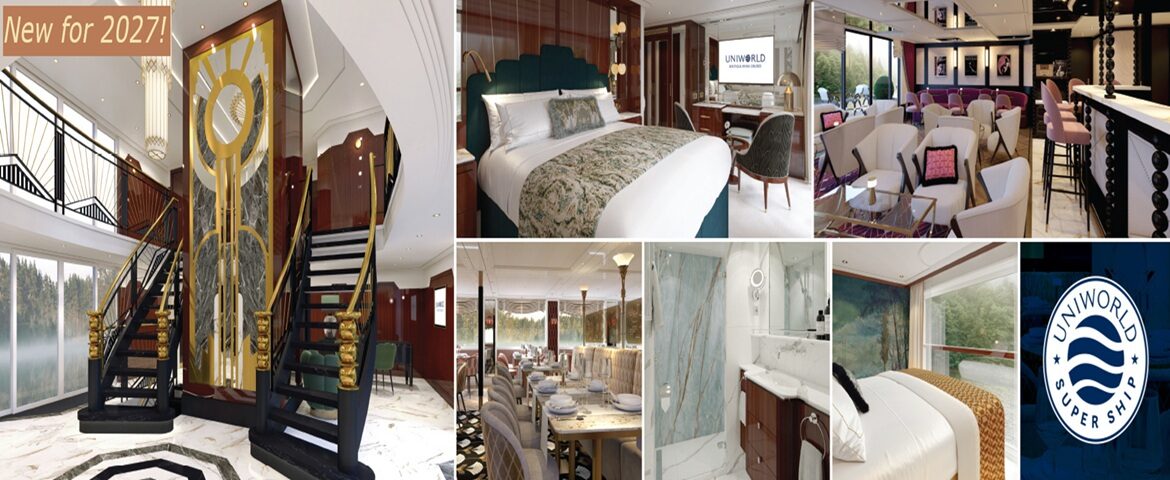
Uniworld Boutique River Cruise (20 Cruises)
S.S Audrey
6 Cruises

| 21 March | 10 days | One-way from Amsterdam to Antwerp |
450-628-6241
Call us
|
| 30 March | 10 days | One-way from Antwerp to Amsterdam |
450-628-6241
Call us
|
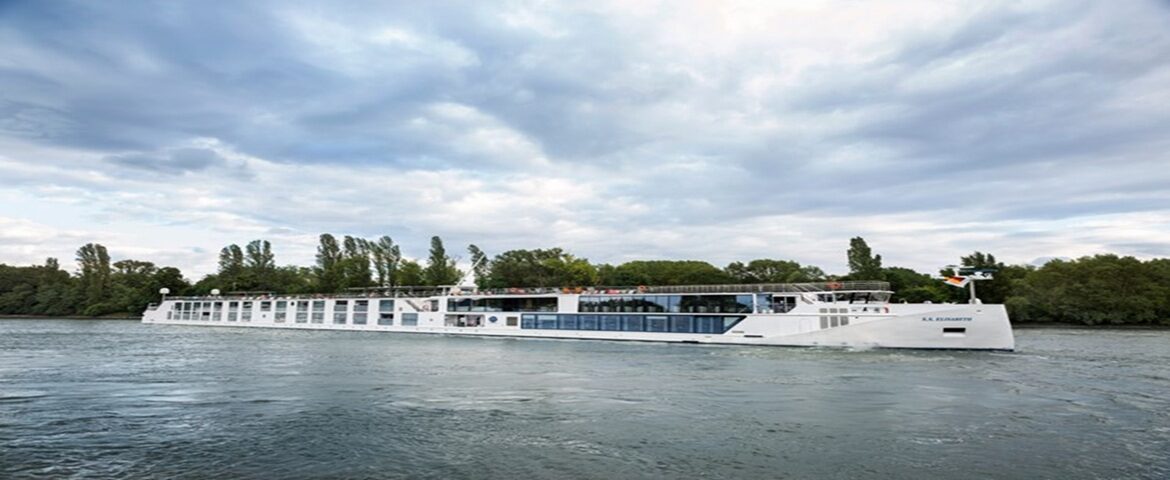
S.S Elisabeth
10 Cruises
| 25 March | 10 days | One-way from Antwerp to Amsterdam |
450-628-6241
Call us
|
| 25 March | 9 days | One-way from Antwerp to Amsterdam |
450-628-6241
Call us
|
Viking River Cruises (58 Cruises)
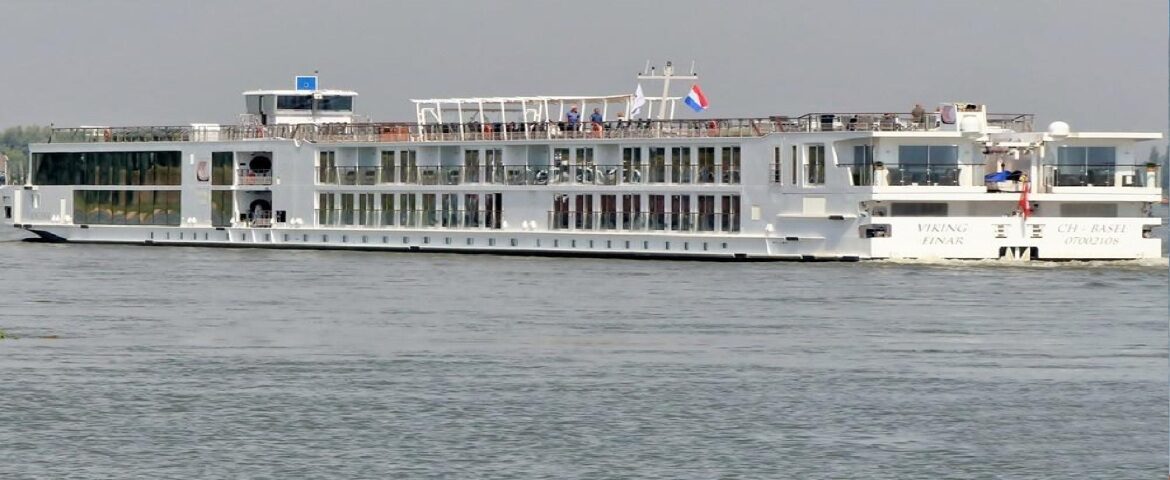
Viking Einar
10 Cruises

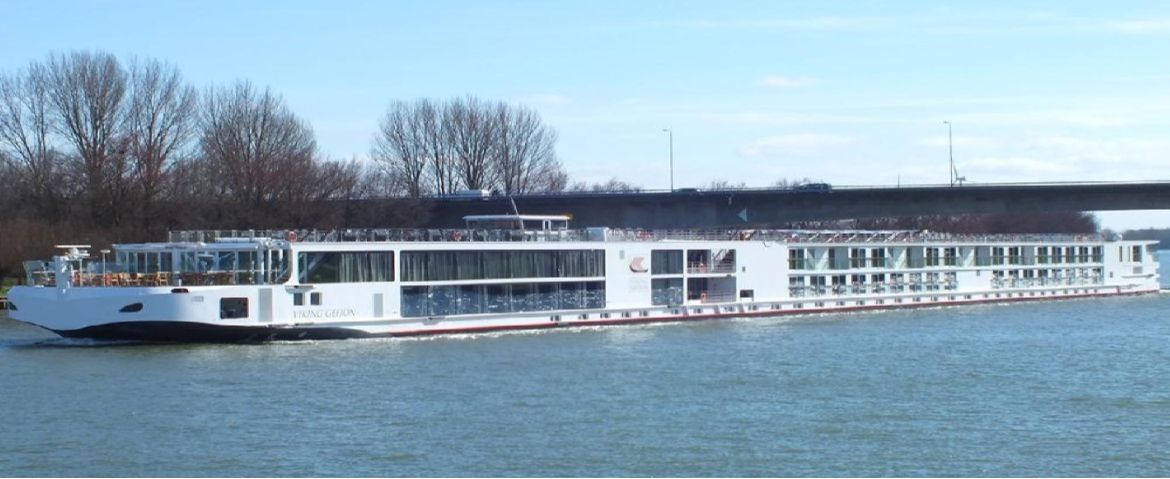
Viking Longship Gefjon
20 Cruises
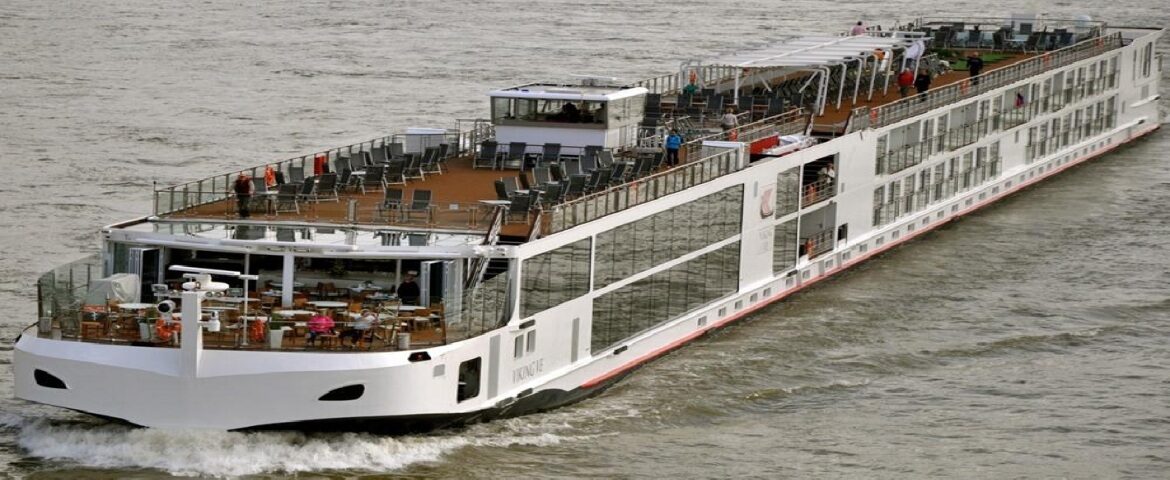
Viking Longships Ve
20 Cruises
| 25 March | 10 days | Round-trip from Amsterdam, Netherlands |
450-628-6241
Call us
|
| 25 March | 9 days | Round-trip Tulips Windmills |
450-628-6241
Call us
|
| 23 March | 9 days | Round-trip Tulips Windmills |
450-628-6241
Call us
|
| 23 March | 10 days | Round-trip from Amsterdam, Netherlands |
450-628-6241
Call us
|
Viking Sigrun
8 Cruises
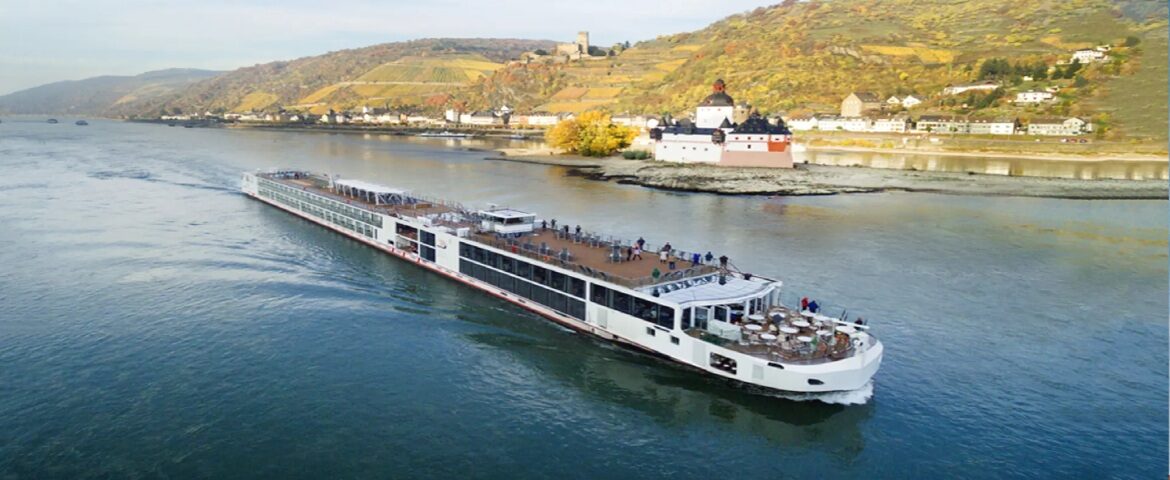
| 23 March | 10 days | Round-trip from Amsterdam, Netherlands |
450-628-6241
Call us
|
| 23 March | 9 days | Round-trip Tulips Windmills |
450-628-6241
Call us
|

Port of Enkhuizen, Netherlands | Cruise Port Guide
Frequently Asked Questions
At the foot of the old harbour's towers and warehouses, a few steps from the historic centre. River ships moor in a Golden Age setting that has survived intact — you step ashore in front of traditional sailing boats and brick façades.
The round tower built in 1540 to defend the harbour entrance, and the last major remnant of the town walls. It watched over generations of herring boats and now houses a cultural centre with concerts and exhibitions.
The Zuiderzeemuseum, without hesitation. Its open-air section, reached by ferry, recreates an entire village of more than 140 authentic buildings moved here from the shoreline towns: herring smokehouse, forge, school, pharmacy, fishermen's cottages, with costumed craftspeople at work.
Half a day goes by unnoticed. Many passengers take the museum in the morning and keep the town's lanes for the softer light of the afternoon. Trying to do it all in two hours would be frustrating.
Because the sea closed. The great dyke completed in 1932 turned the Zuiderzee into a freshwater lake, the IJsselmeer, and the merchant town that once fitted out ships for the Dutch East India Company lost its access to the sea. That is precisely what preserved its townscape.
Yes, entirely, and that is the best way. Quiet canals, bascule bridges, flowered hofjes and converted warehouses form a remarkably coherent whole, all on flat ground.
Yes — the ships-in-bottles museum, in a seventeenth-century cottage near the Drommedaris. It claims the largest collection of its kind in the world. The place is tiny, but it captures the spirit of the town rather well.
It is a different experience. Amsterdam dazzles with density; Enkhuizen offers the same brick, the same gables and the same merchant wealth, but at village scale and without the crowds. For walking quietly through a seventeenth-century setting, it is hard to beat.
Lake fish and local beers, served on the terraces along the harbour basins. At the open-air museum village, the smell of the herring smokehouse drifts between the little gardens — tasting there is almost compulsory.
Very much so. The Zuiderzeemuseum's open-air village was designed for it: children try old-fashioned games while adults question the craftspeople about caulking and sailmaking. The ferry ride adds to the fun.


