La Paz Baja California Mexico
125
Cruises availables
At departure or passage at this port
Carnival Cruise Line (39 Cruises)


Carnival Panorama
37 Cruises

| 2 January | 9 days | Round-trip from Los Angeles, USA |
From
708$
|
| 16 January | 9 days | Round-trip from Los Angeles, USA |
From
631$
|
| 30 January | 9 days | Round-trip from Los Angeles, USA |
From
624$
|
| 13 February | 9 days | Round-trip from Los Angeles, USA |
From
751$
|
| 27 February | 9 days | Round-trip from Los Angeles, USA |
From
694$
|
| 13 March | 9 days | Round-trip from Los Angeles, USA |
From
835$
|
| 27 March | 9 days | Round-trip from Los Angeles, USA |
From
990$
|
| 10 April | 9 days | Round-trip from Los Angeles, USA |
From
786$
|
| 24 April | 9 days | Round-trip from Los Angeles, USA |
From
772$
|
| 5 June | 9 days | Round-trip from Los Angeles, USA |
From
1172$
|
| 19 June | 9 days | Round-trip from Los Angeles, USA |
From
1243$
|
| 3 July | 9 days | Round-trip from Los Angeles, USA |
From
1250$
|
| 17 July | 9 days | Round-trip from Los Angeles, USA |
From
1250$
|
| 31 July | 9 days | Round-trip from Los Angeles, USA |
From
1165$
|
| 14 August | 9 days | Round-trip from Los Angeles, USA |
From
1025$
|
| 28 August | 9 days | Round-trip from Los Angeles, USA |
From
997$
|
| 9 October | 9 days | Round-trip from Los Angeles, USA |
From
870$
|
| 23 October | 9 days | Round-trip from Los Angeles, USA |
From
870$
|
| 15 January | 9 days | Round-trip from Los Angeles, USA |
From
856$
|
| 29 January | 9 days | Round-trip from Los Angeles, USA |
From
870$
|
| 12 February | 9 days | Round-trip from Los Angeles, USA |
From
898$
|
| 26 February | 9 days | Round-trip from Los Angeles, USA |
From
969$
|
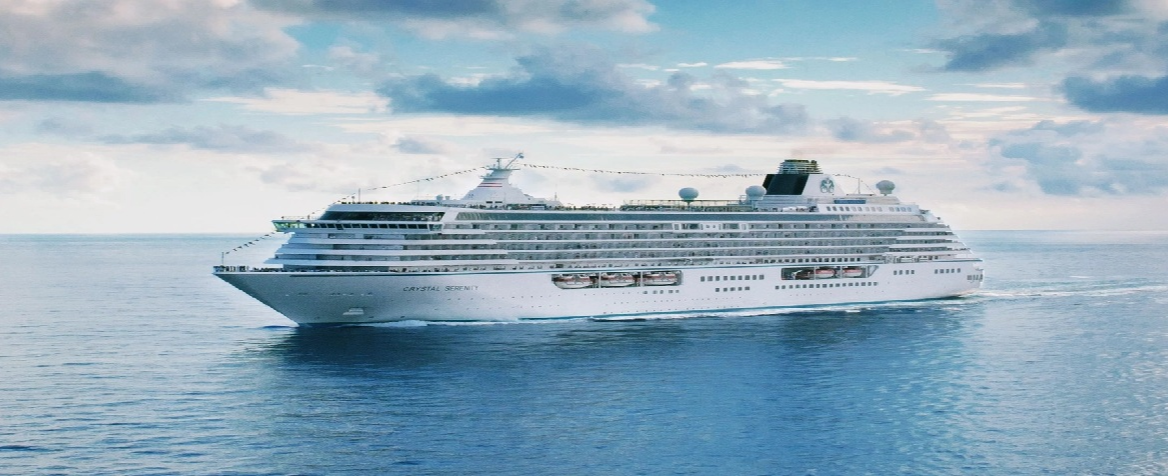
Crystal Cruises (4 Cruises)
Crystal Serenity
4 Cruises

Holland America Line (48 Cruises)
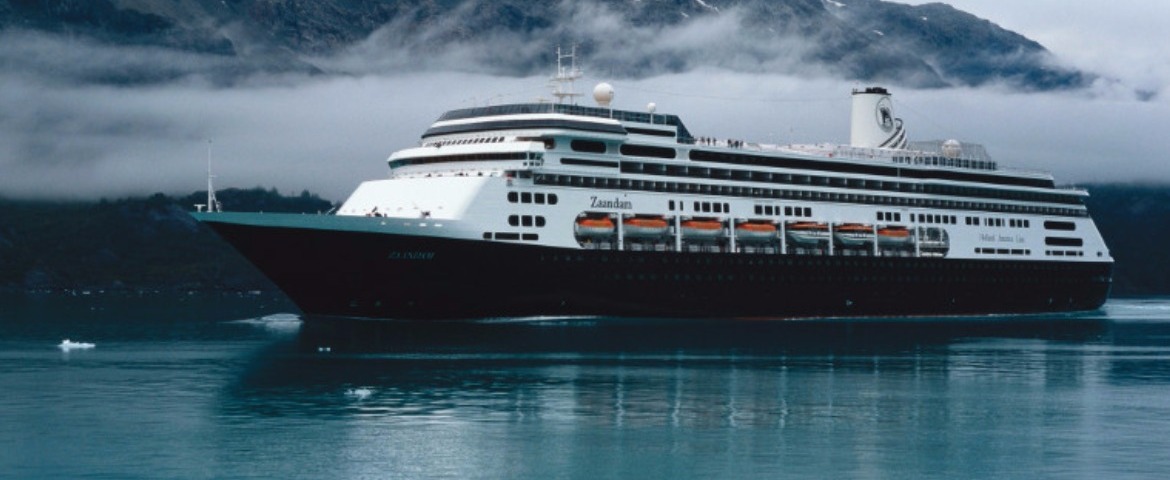
ms Koningsdam
38 Cruises


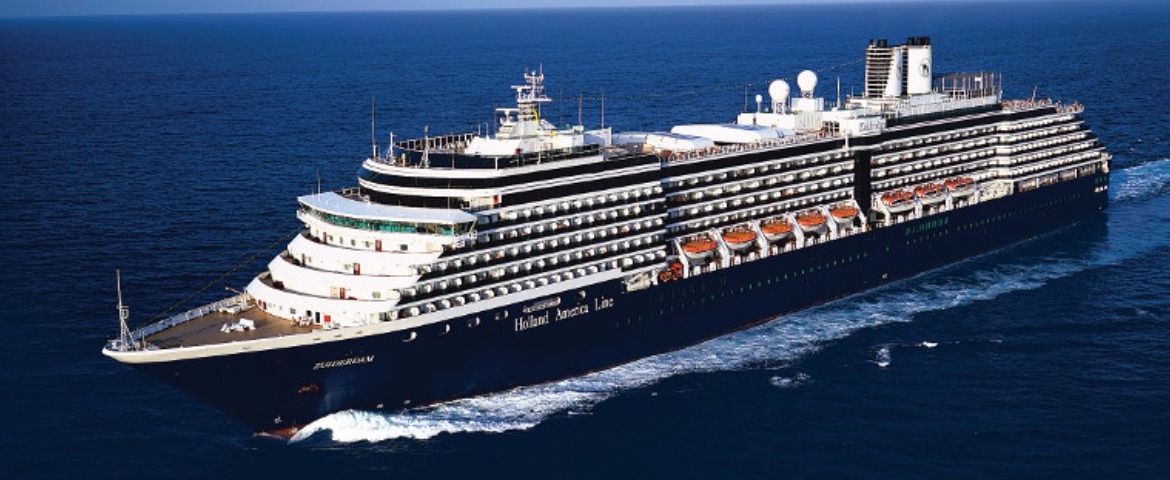
ms Zuiderdam
5 Cruises


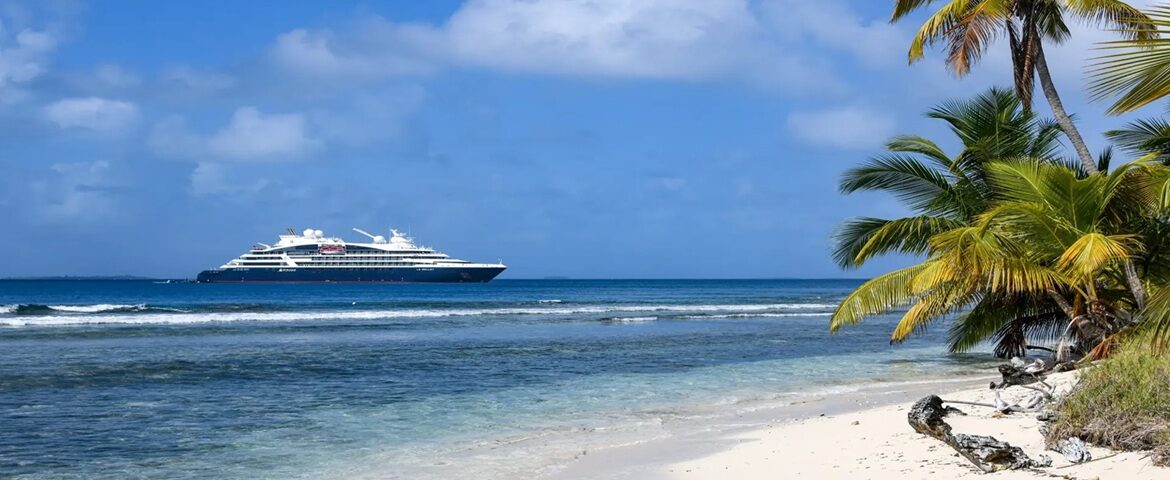
Ponant (11 Cruises)
Le Bellot
11 Cruises




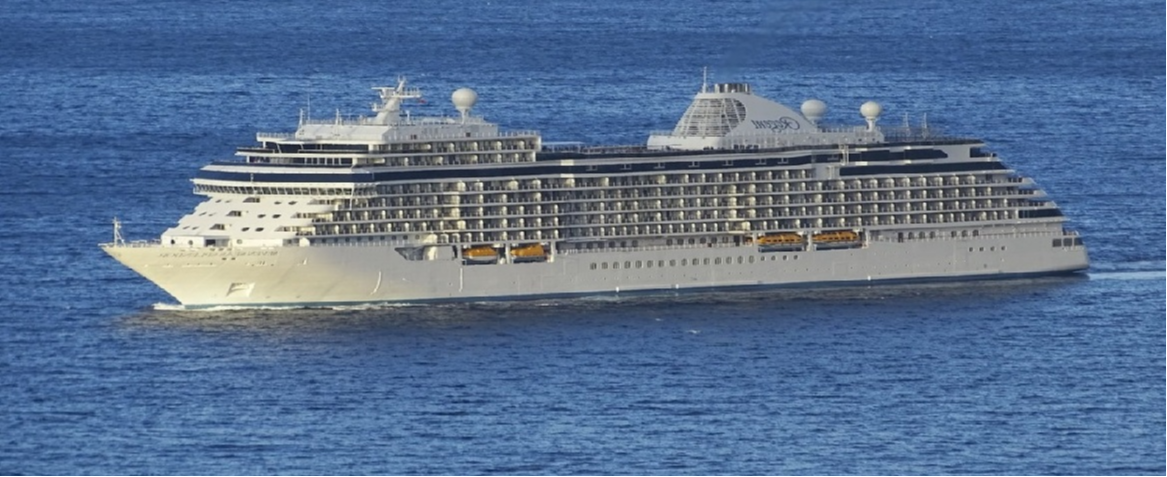

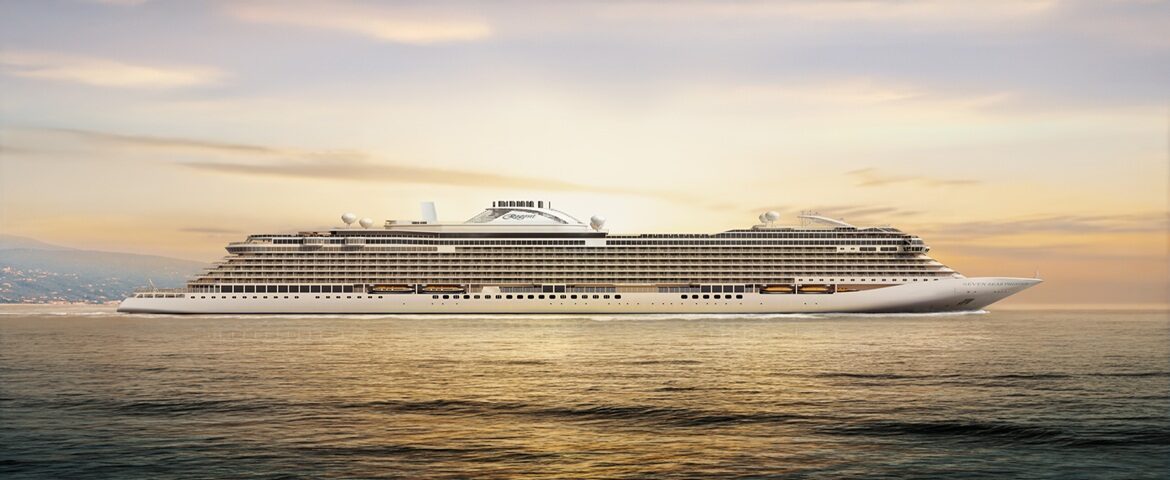
Royal Caribbean Cruises (9 Cruises)


Silversea Cruises (1 Cruises)
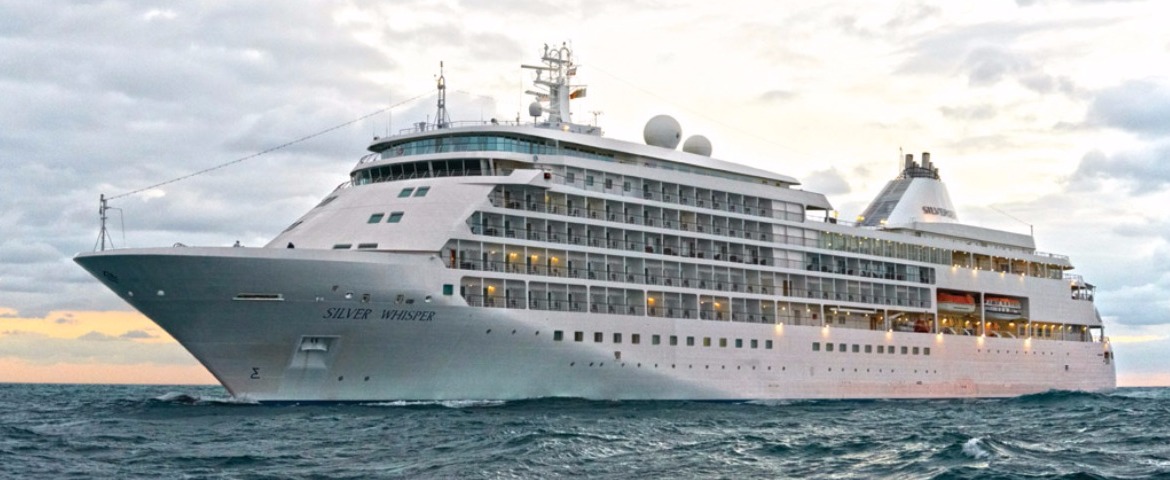

Virgin Voyages (1 Cruises)



Port of La Paz, Mexico | Cruise Port Guide
Frequently Asked Questions
At Pichilingue, a terminal set among desert hills about 18 kilometres from downtown. Allow roughly thirty minutes on the coast road; shuttles and taxis make the connection.
No: 18 kilometres separate Pichilingue from the malecón. Take the shuttle or a taxi, about 30 minutes along the coast.
A trip on the water is what this destination does best: Espíritu Santo, the sea lions of Los Islotes, or whale sharks in season. Otherwise the malecón and Balandra bay easily fill half a day.
Yes, from October to April, when they come to feed on plankton in the shallow bay. Trips are tightly regulated and daily permits are limited, so book early. These gentle giants can exceed ten metres and are harmless.
An island off La Paz bay, UNESCO World Heritage listed along with the other Gulf islands: pink rock cliffs, clear coves and sea lion colonies. The excursion runs half a day or a full day, with cruising, snorkelling at Los Islotes and swim stops on empty crescents of sand.
A bay about twenty minutes from downtown whose lagoon is so shallow you can wade across it, watched over by a mushroom-shaped rock that has become a regional emblem. The site is protected, with no shops or buildings, and sometimes caps daily visitors: aim for early morning.
The Mexican peso. Cards work in the malecón restaurants; keep cash for taco counters and the artisanal ice cream shops.
Spanish, with workable English in the waterfront businesses. La Paz is a quiet provincial capital rather than an international resort.
Grilled chocolata clams, light-battered fish tacos and shrimp aguachile sharpened with green chilli. The stands near the waterfront also serve artisanal ice cream flavoured with pitaya or damiana, an aromatic desert plant.
October to April: whale shark season, the most workable seas and desert heat that stays bearable. Grey whales are watched further north, in winter.


