Huatulco La Crucecita, Mexico Riviera
85
Cruises availables
At departure or passage at this port
Carnival Cruise Line (1 Cruises)


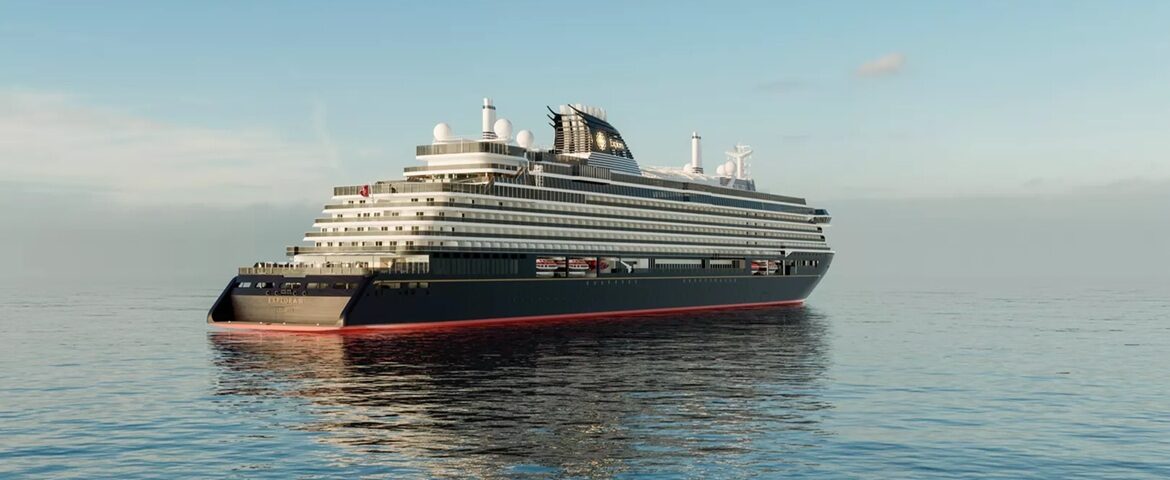
Explora Journeys (3 Cruises)

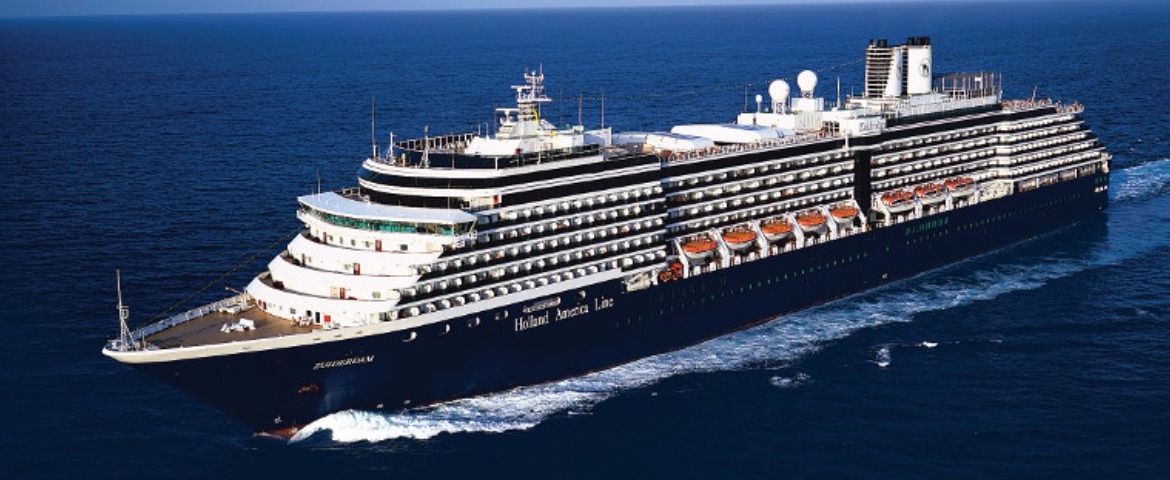
Holland America Line (29 Cruises)
ms Eurodam
9 Cruises


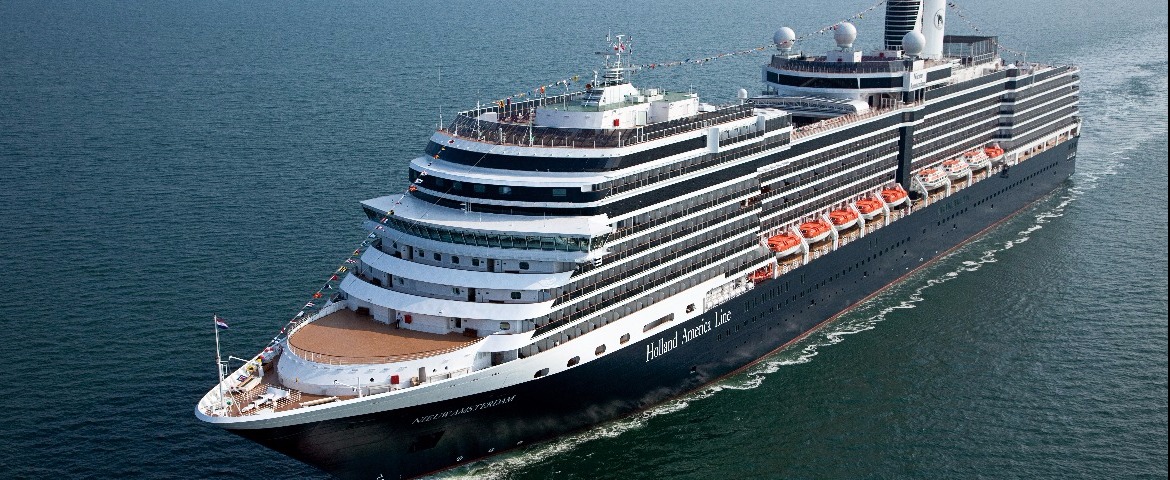
ms Nieuw Amsterdam
6 Cruises
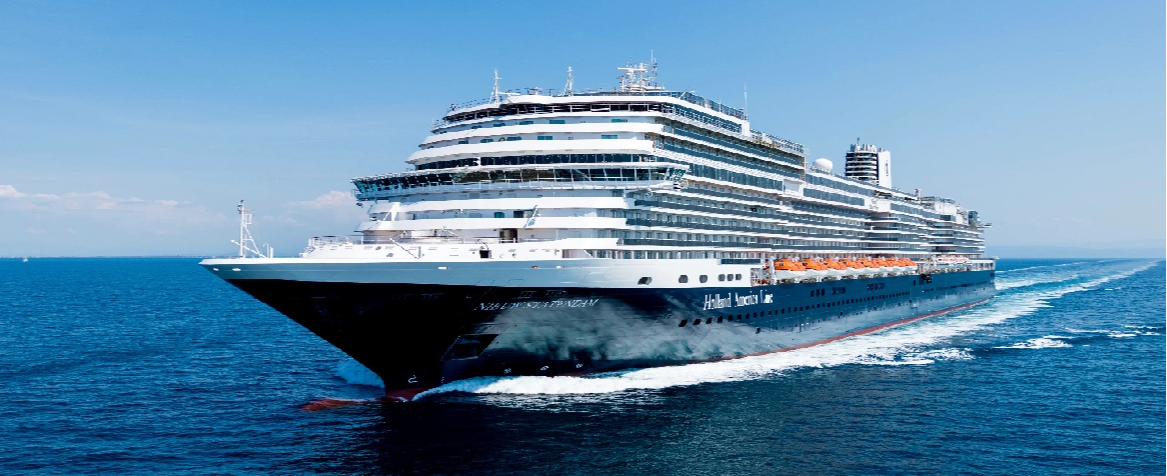
ms Nieuw Statendam
6 Cruises
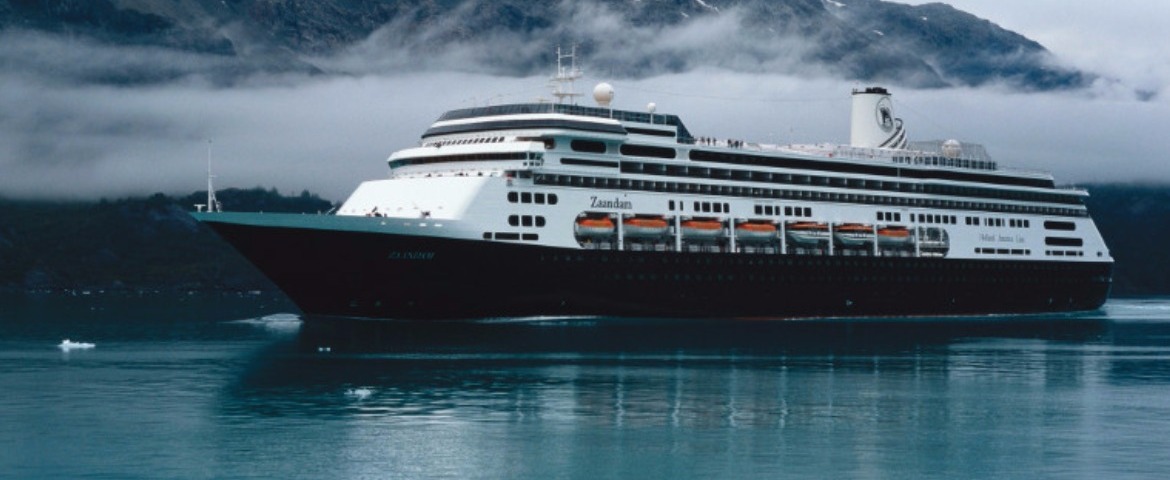
MSC Cruises (4 Cruises)


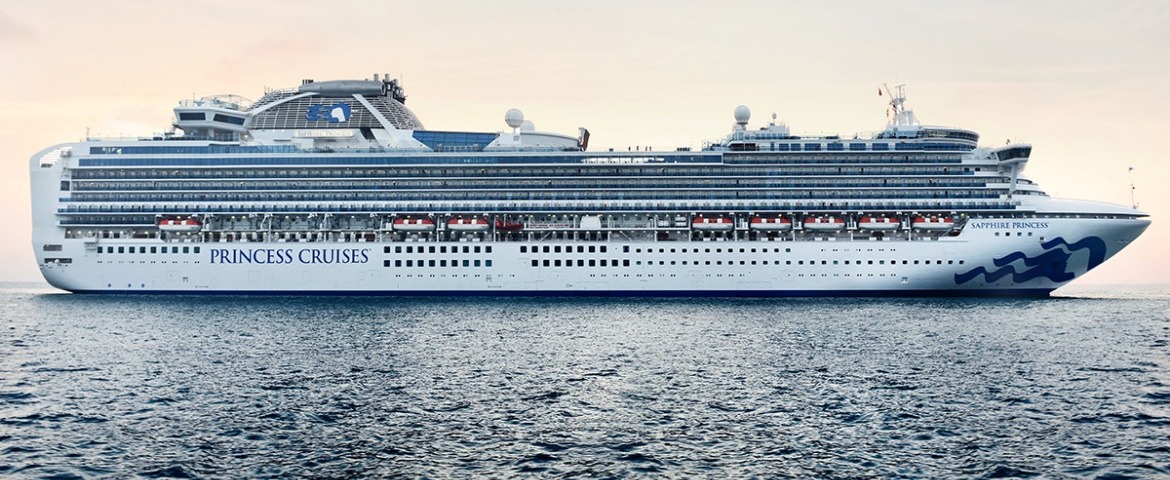
Princess Cruises (40 Cruises)
Coral Princess
14 Cruises




Island Princess
21 Cruises

| 13 January | 17 days | One-way from Fort Lauderdale to San Diego |
450-628-6241
Call us
|
| 29 January | 17 days | One-way from San Diego to Fort Lauderdale |
450-628-6241
Call us
|
| 2 March | 17 days | One-way from Los Angeles to Fort Lauderdale |
450-628-6241
Call us
|
| 18 March | 17 days | One-way from Fort Lauderdale to Los Angeles |
450-628-6241
Call us
|
| 14 January | 17 days | One-way from Fort Lauderdale to Los Angeles |
450-628-6241
Call us
|
| 30 January | 17 days | One-way from Los Angeles to Fort Lauderdale |
450-628-6241
Call us
|
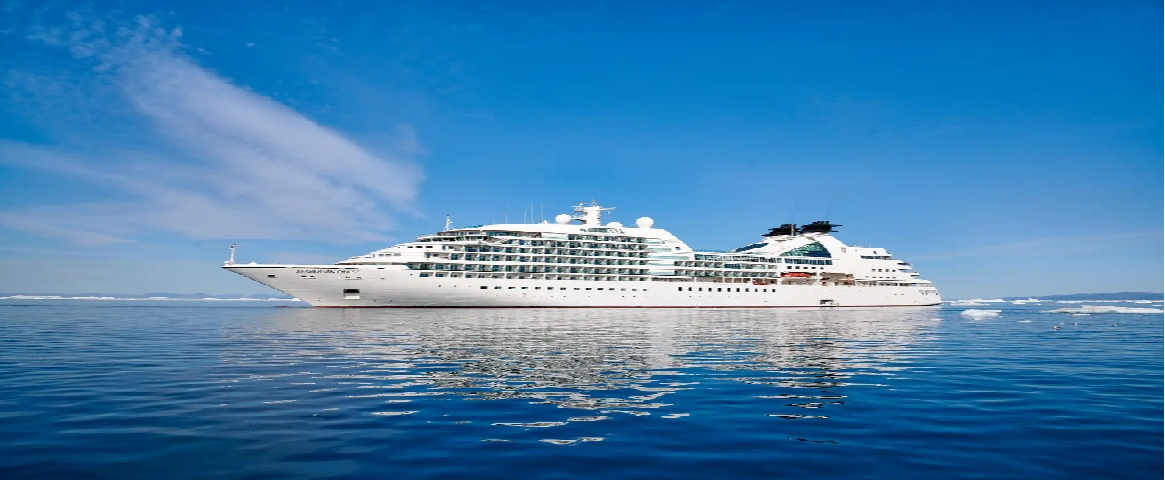
Seabourn Cruise Line (8 Cruises)
Seabourn Quest
8 Cruises


Port of Huatulco, Mexico | Cruise Port Guide
Frequently Asked Questions
At the Santa Cruz pier, one of the best-sheltered coves on this coast. Everything that matters for the day is within walking distance or a short water taxi ride from the landing.
Yes for Santa Cruz and its beach, about ten minutes from the ship. La Crucecita is roughly a kilometre and a half away, a twenty-minute walk or a few minutes by taxi. The other bays are reached by boat.
A morning boat trip to two or three bays, then La Crucecita for Oaxacan crafts. If you would rather keep it simple, Playa Santa Cruz is a ten-minute walk from the pier and easily fills the day.
Nine bays and thirty-six beaches, with no building taller than the trees around them: this stretch of Oaxaca coast was developed with restraint rare in Mexico. Several coves can only be reached by sea.
At Playa La Entrega, reached by water taxi from the harbour or by road taxi. Its reef sits close to shore, making it the most popular snorkelling spot in the area: angelfish, damselfish and sergeant majors two metres below the surface. Come early, before the midday crowd.
The resort's central village, a kilometre and a half from the pier. On its laurel-lined square, the Guadalupe church holds one of the largest ceiling images of the Virgin in the country. The surrounding streets sell alebrijes, hand-woven textiles, stone-ground chocolate and mezcal from the central valleys.
An eco-archaeological park about fifteen minutes by taxi from the landing, combining forest trails, pre-Columbian remains and a cliff above the river mouth. Low temples, a ball court and a small site museum; allow one to two hours on shaded paths.
The Mexican peso. Cards work in the restaurants of Santa Cruz and La Crucecita, far less with craft vendors: keep cash for the market.
Spanish, with workable English in the tourist businesses of Santa Cruz and La Crucecita. Oaxaca state also has several Indigenous languages, mostly spoken inland.
High-altitude coffee from the Sierra Madre del Sur. Plantation tours involve long drives; the shops in La Crucecita sell regional finca harvests roasted on site. A bag of Oaxacan pluma beans is the most lasting souvenir of the call.


