Miyakojima Island Hirara, Japan Okinawa
126
Cruises availables
At departure or passage at this port
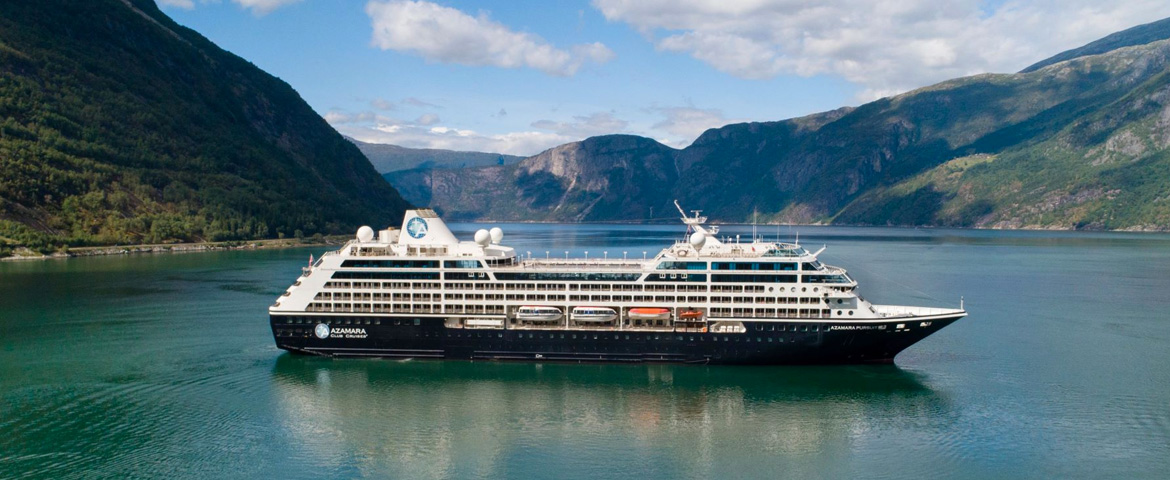
Azamara Club Cruises (5 Cruises)
Azamara Pursuit
5 Cruises

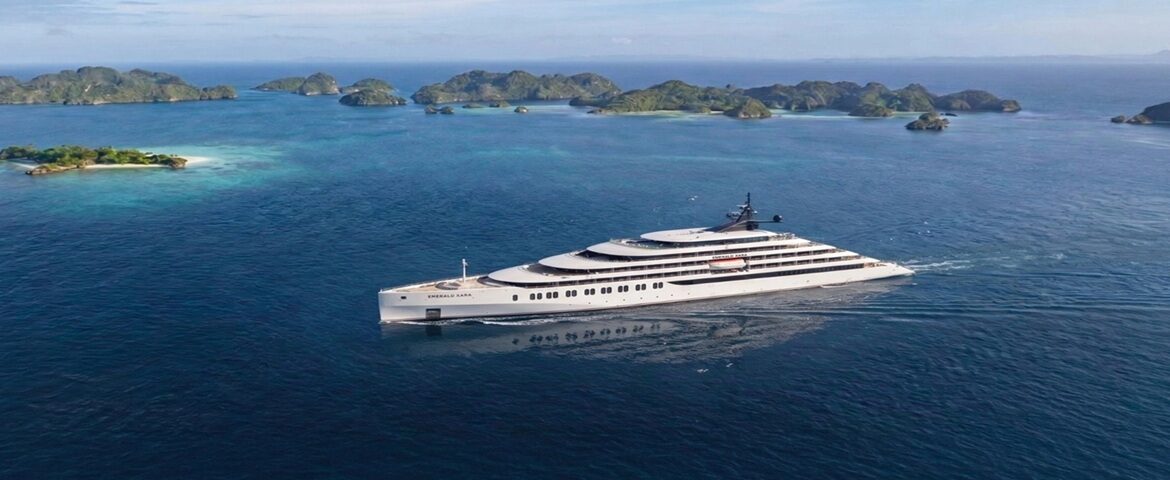
Emerald Waterways (5 Cruises)

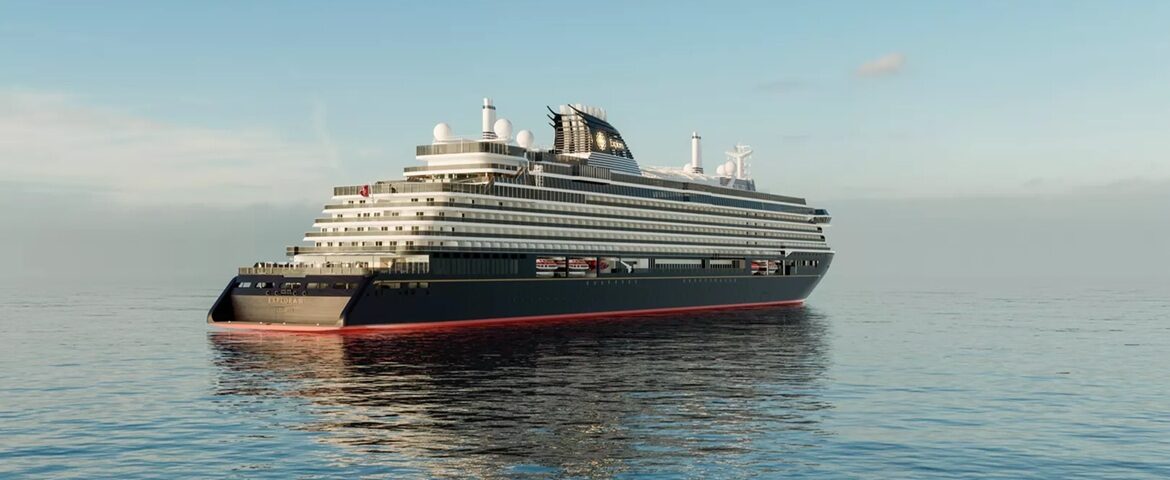
Explora Journeys (7 Cruises)
Explora III
7 Cruises

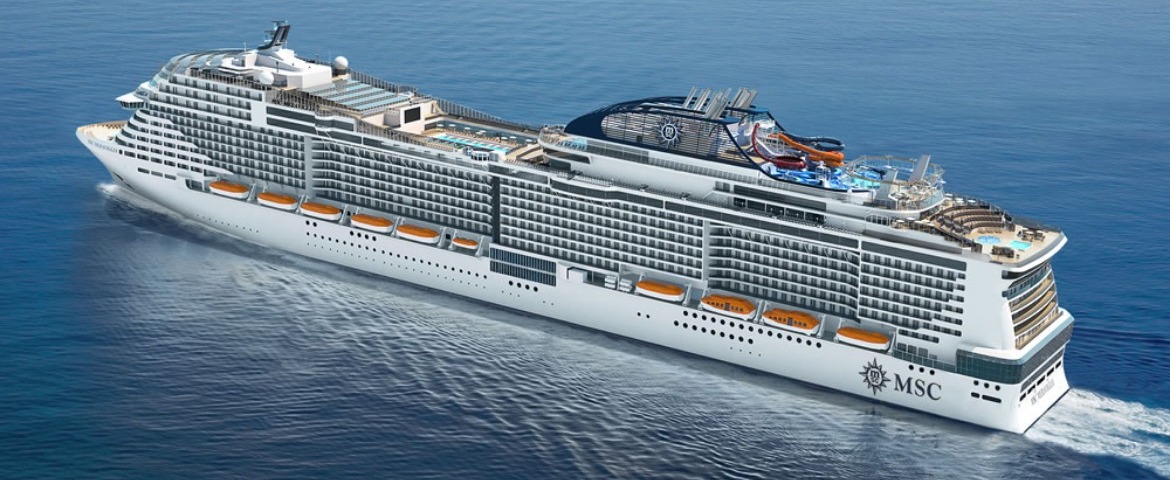
MSC Cruises (27 Cruises)
MSC Bellissima
27 Cruises

| 25 November | 5 days | Round-trip from Keelung, Taiwan |
From
1144$
|
| 27 November | 6 days | Round-trip from Naha, Japan |
From
1307$
|
| 29 November | 6 days | Round-trip from Keelung, Taiwan |
From
1207$
|
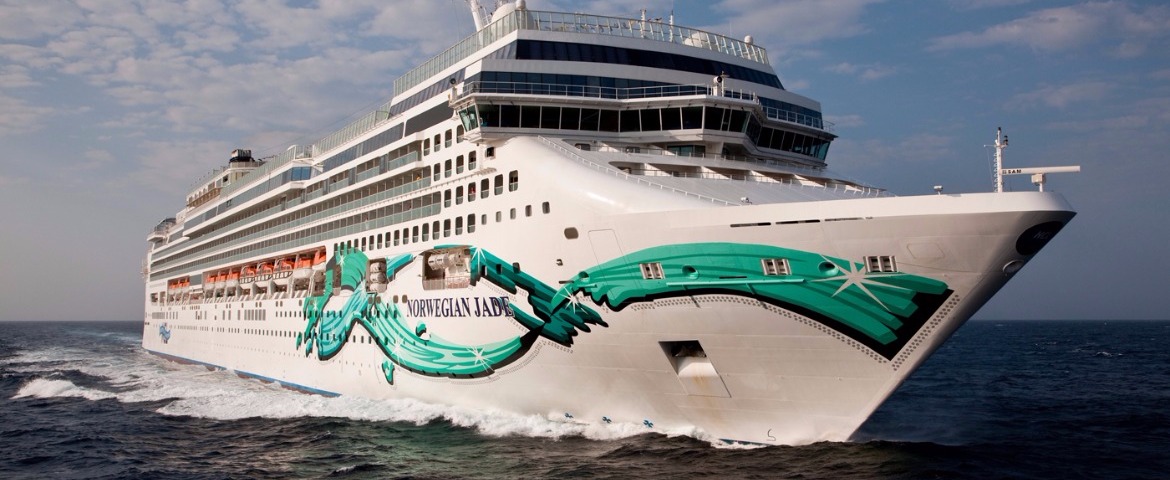
Norwegian Cruise Line (3 Cruises)

Oceania Cruises (18 Cruises)
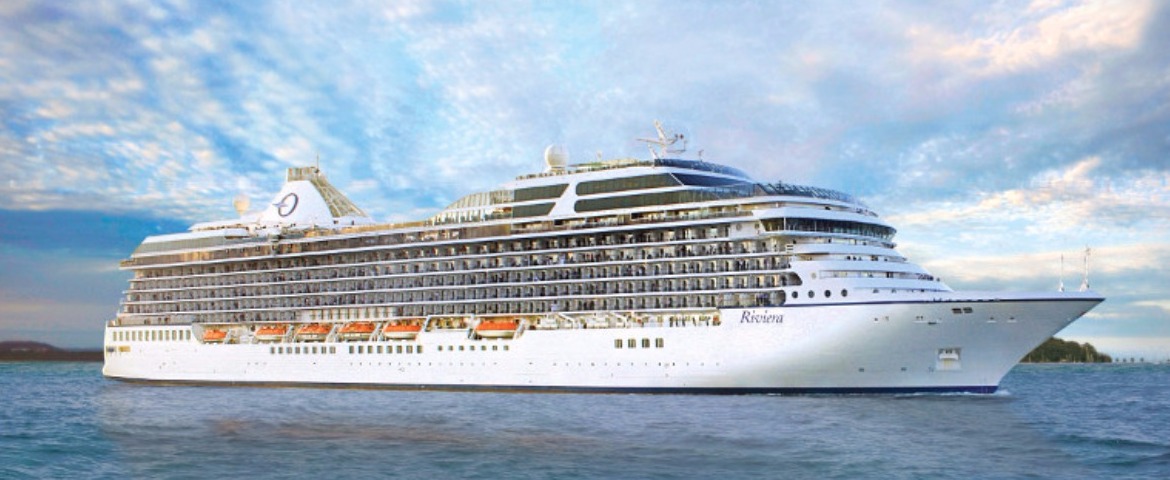
Oceania Riviera
9 Cruises

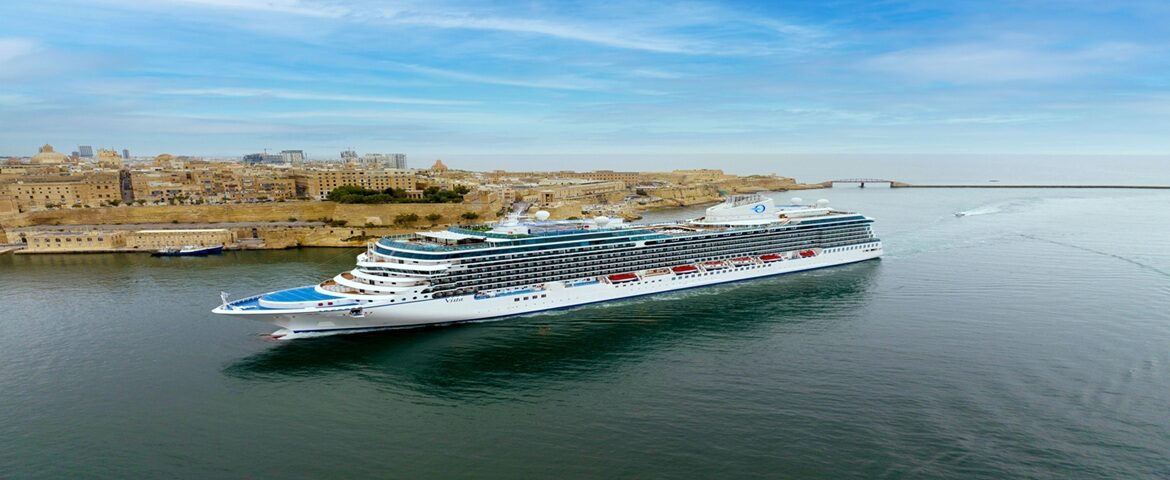
Oceania Vista
9 Cruises
| 6 January | 180 days | One-way from Miami to Southampton |
450-628-6241
Call us
|
| 6 January | 244 days | One-way from Miami to New York |
450-628-6241
Call us
|
Princess Cruises (27 Cruises)
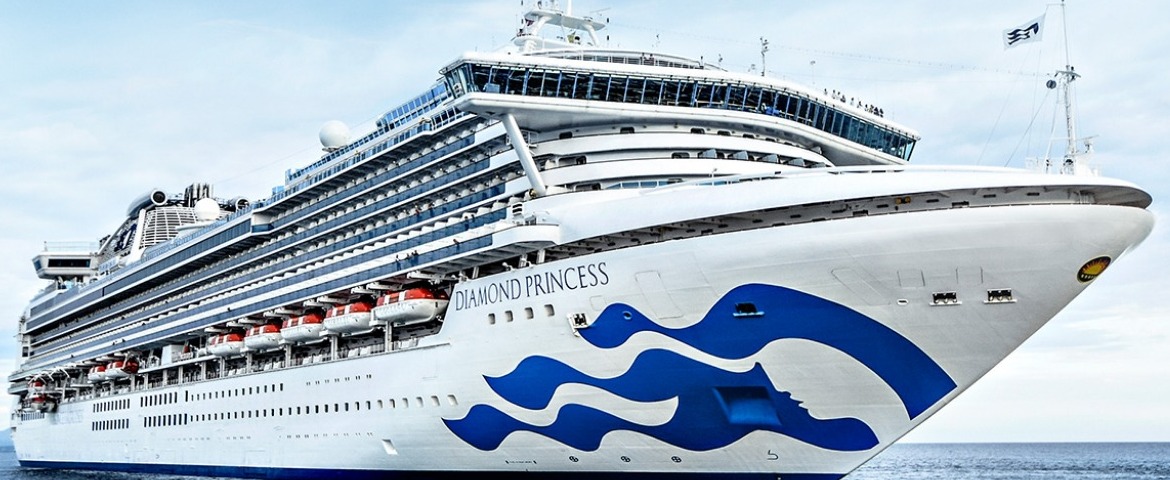
Coral Princess
9 Cruises

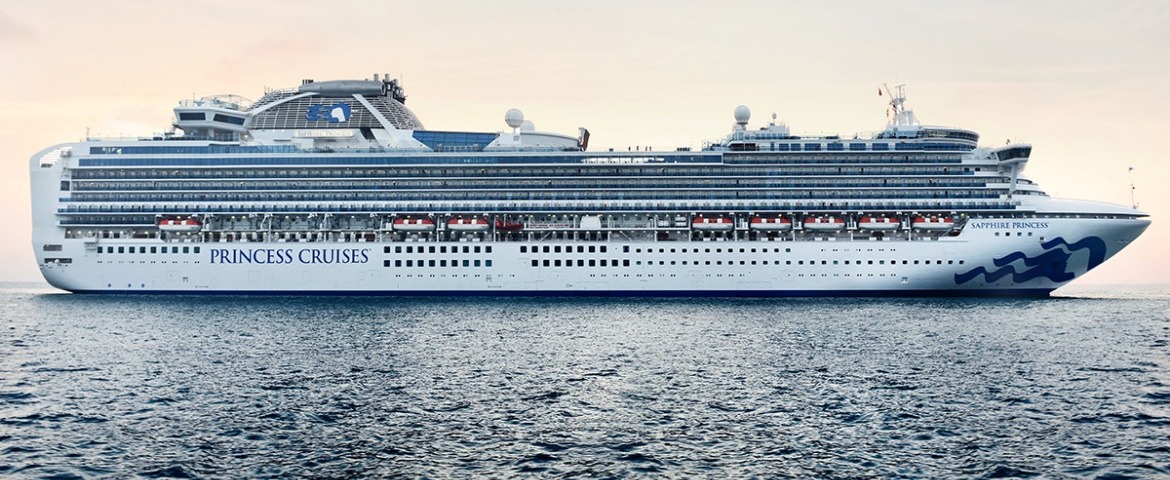
Sapphire Princess
12 Cruises
Regent Seven Seas Cruises (17 Cruises)
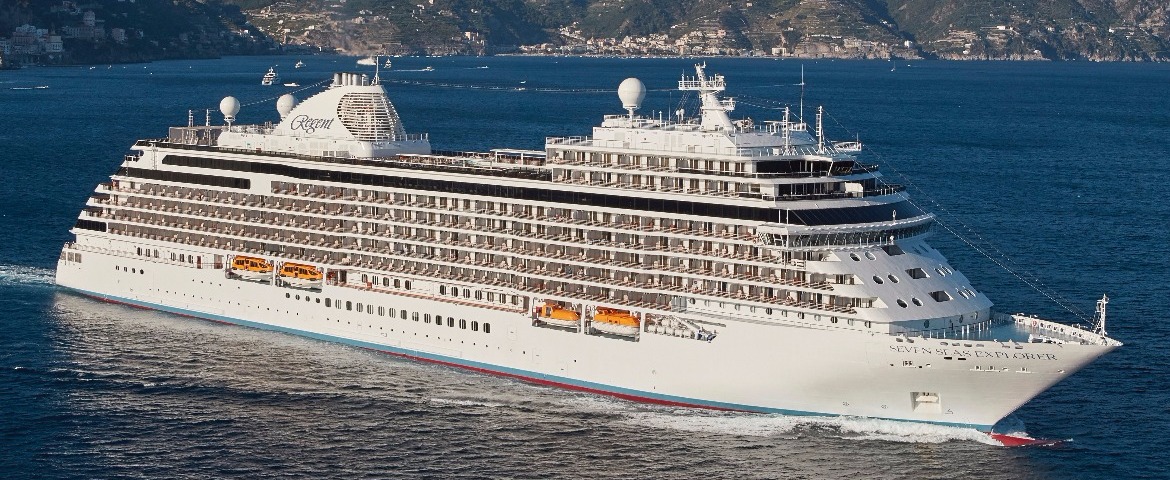
Seven Seas Explorer
10 Cruises

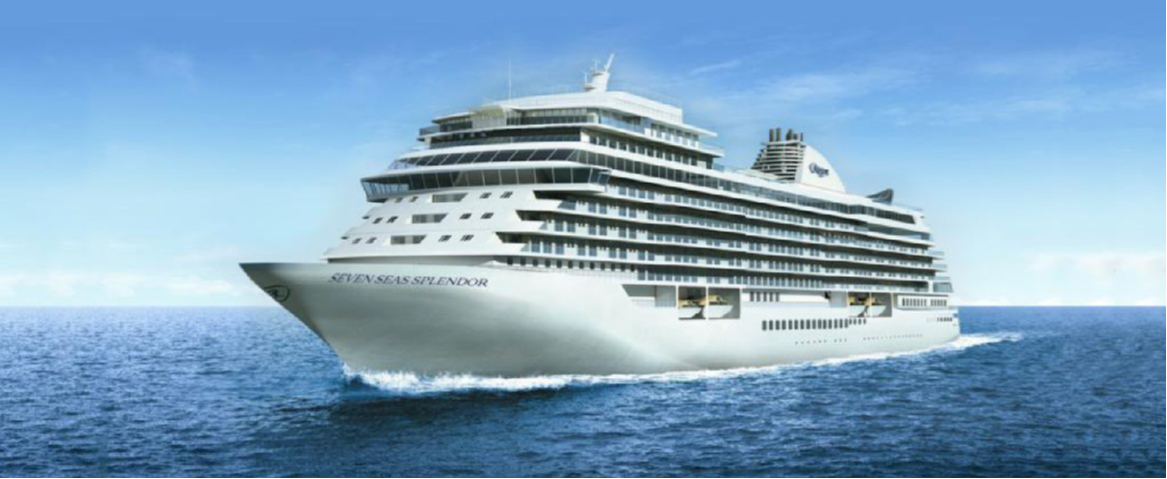
Seven Seas Splendor
7 Cruises
Seabourn Cruise Line (17 Cruises)
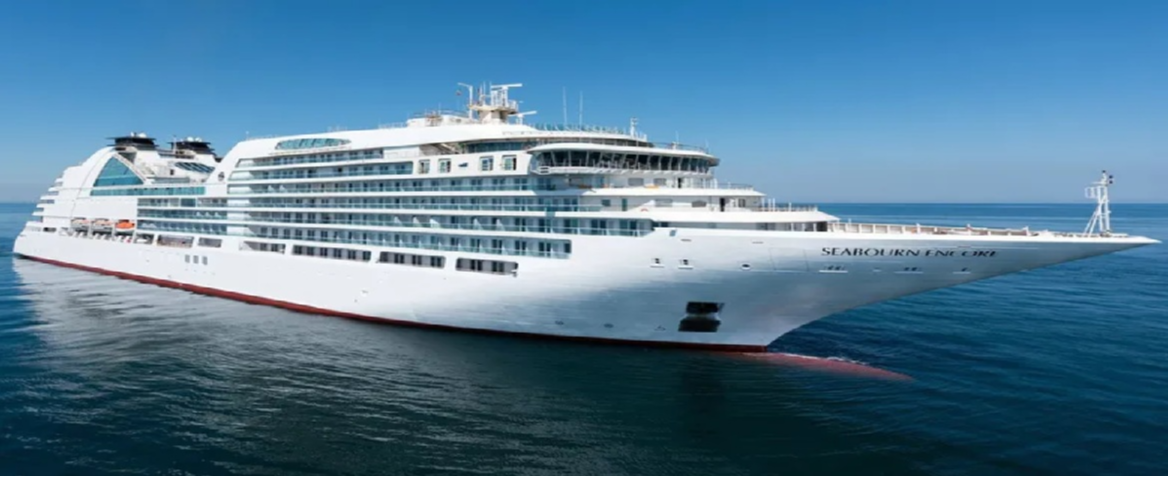
Seabourn Encore
17 Cruises


Port of Miyakojima, Japan | Cruise Port Guide
Frequently Asked Questions
At the long Hirara pier, a structure of about 1.4 kilometres built out into the lagoon. Crossing that ribbon of concrete over clear water is already worth the trip, but the rest of the island requires a vehicle.
Yonaha Maehama, about twenty minutes by road from the quay: seven kilometres of sand as fine as flour, often called Japan's most beautiful beach. The water shelves gently, ideal for swimming.
A hat and sunscreen, no argument. Shade from facilities is scarce at Yonaha Maehama, and the Ryukyu sun is unforgiving. The island is a nearly flat coral plateau with no tall trees near the shore.
A cove earned after a short dune climb, where a coral rock arch frames the sea. It is a favourite of photographers, though it suits swimming less well than Yonaha Maehama.
A 3.5-kilometre ribbon of asphalt spanning the sea to neighbouring Irabu island since 2015, the longest toll-free bridge in Japan. The roadway rises at its centre to let boats pass, which adds to the sense of flight.
A slower pace: sheer cliffs, isolated coves, well-known dive sites. The Makiyama observatory gives the best vantage point to take in the bridge, the channel and the reefs at a glance, especially late in the day.
A peninsula reaching two kilometres out between two seas in the island's southeast, ending in a lighthouse. You walk among wind-flattened grasses, escorted by the crash of waves on both shores at once. Allow thirty minutes by road from the pier.
Yes, and the coral is among the liveliest in Japan. Mask and snorkel are often enough a few metres from shore to meet butterflyfish and branching corals. Local centres rent gear and know which coves are sheltered on any given wind.
Because the island is a coral plateau without a single river: no sediment-laden freshwater comes to cloud the clarity. The Japanese call the resulting gradient Miyako blue.
Little, and the island owns it. There is no castle and no grand history to tell. For shade, the municipal botanical garden lines up more than 1,600 tropical species along quiet paths, hibiscus and banyans foremost.


