Olbia Sardinia Italy
398
Cruises availables
At departure or passage at this port
Aurora Expeditions (1 Cruises)

Azamara Club Cruises (12 Cruises)
Azamara Quest
12 Cruises

| 10 August | 80 days | One-way from Stockholm to Piraeus-Athens |
450-628-6241
Call us
|
| 10 August | 79 days | One-way from Stockholm to Piraeus-Athens |
450-628-6241
Call us
|
Costa Cruises (66 Cruises)
Costa Fascinosa
58 Cruises


Costa Favolosa
8 Cruises
CroisiEurope (6 Cruises)

Cunard (1 Cruises)
Explora Journeys (14 Cruises)
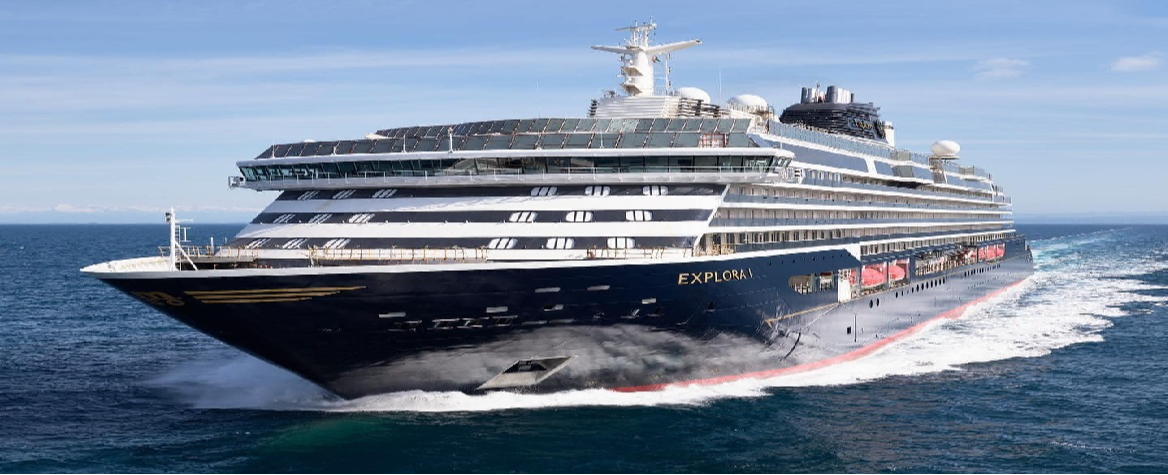
Explora I
14 Cruises
MSC Cruises (217 Cruises)
MSC Sinfonia
149 Cruises

MSC World Europa
68 Cruises
 Image not available
| 28 May | 10 days | Round-trip Mediterranean |
450-628-6241
Call us
|
| 29 May | 10 days | Round-trip Mediterranean |
450-628-6241
Call us
|
| 31 May | 10 days | Round-trip Mediterranean |
450-628-6241
Call us
|
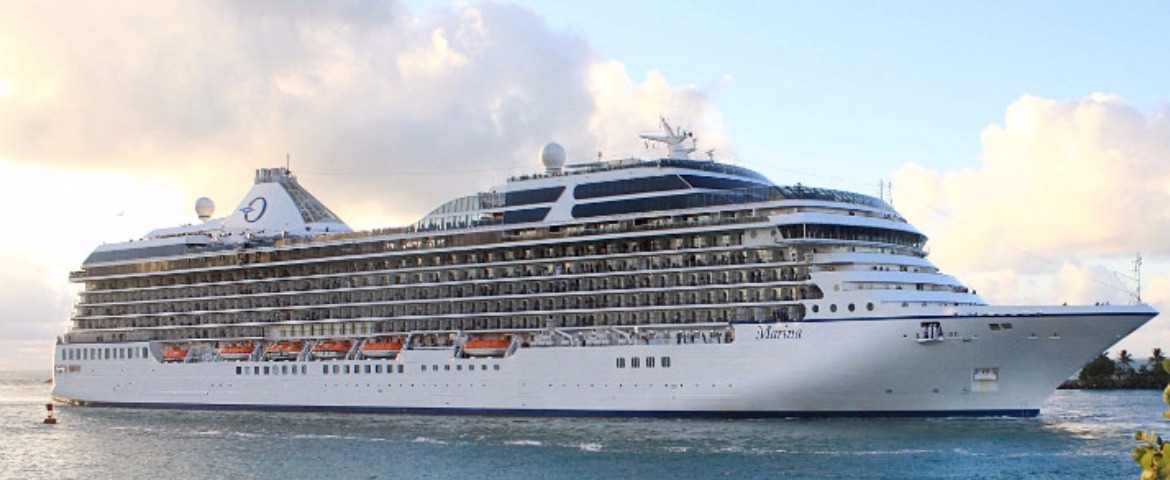
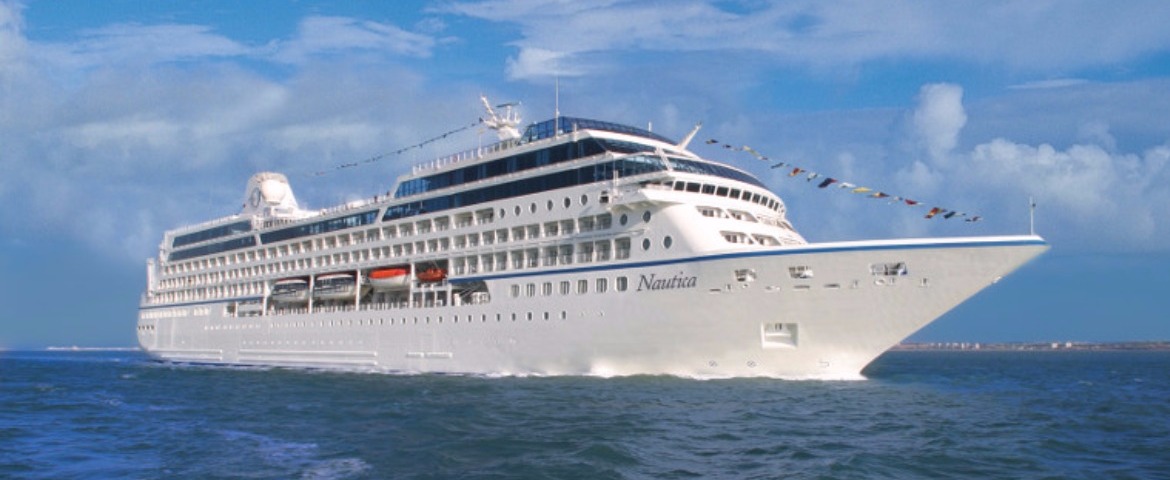
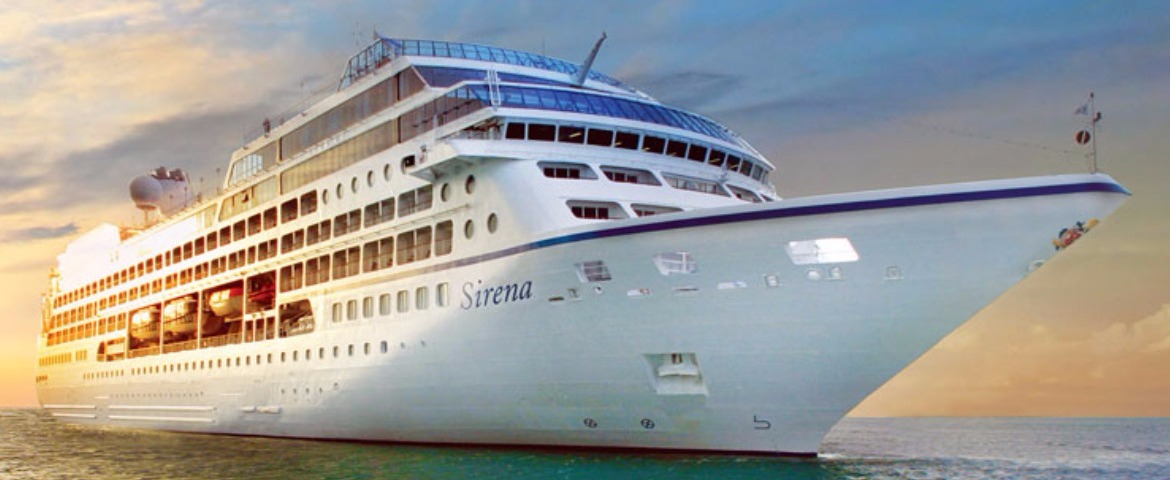
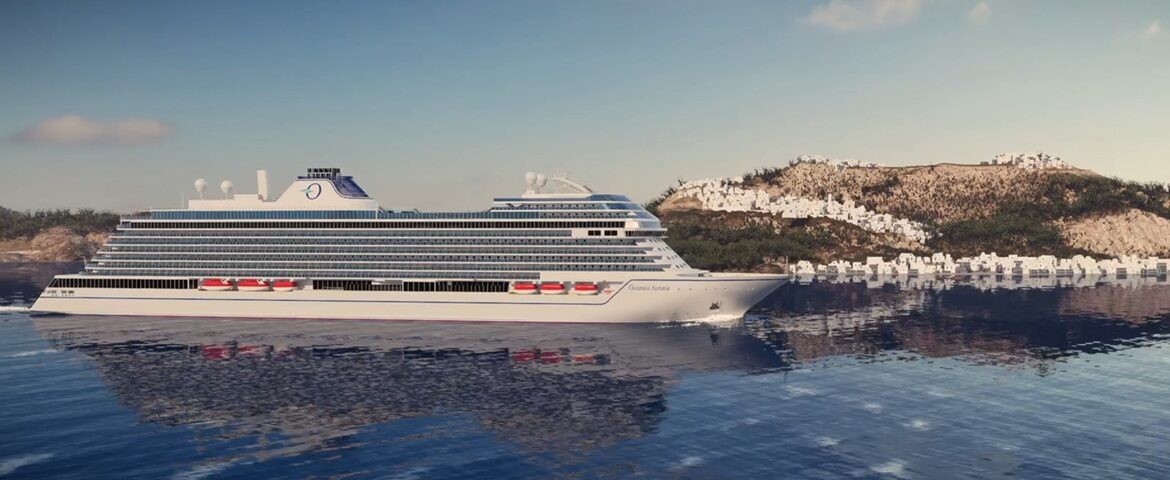
Oceania Cruises (12 Cruises)

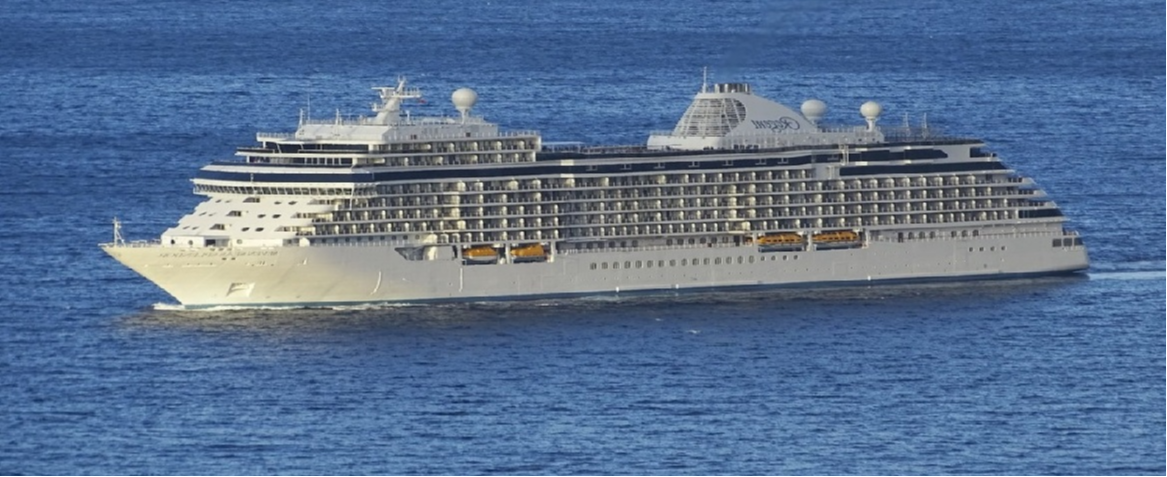

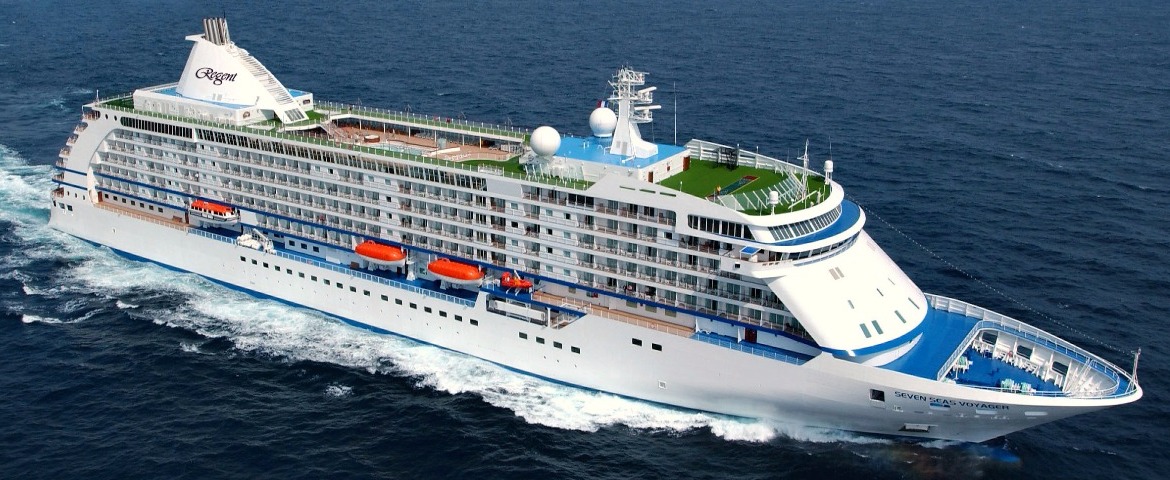
Seabourn Cruise Line (63 Cruises)
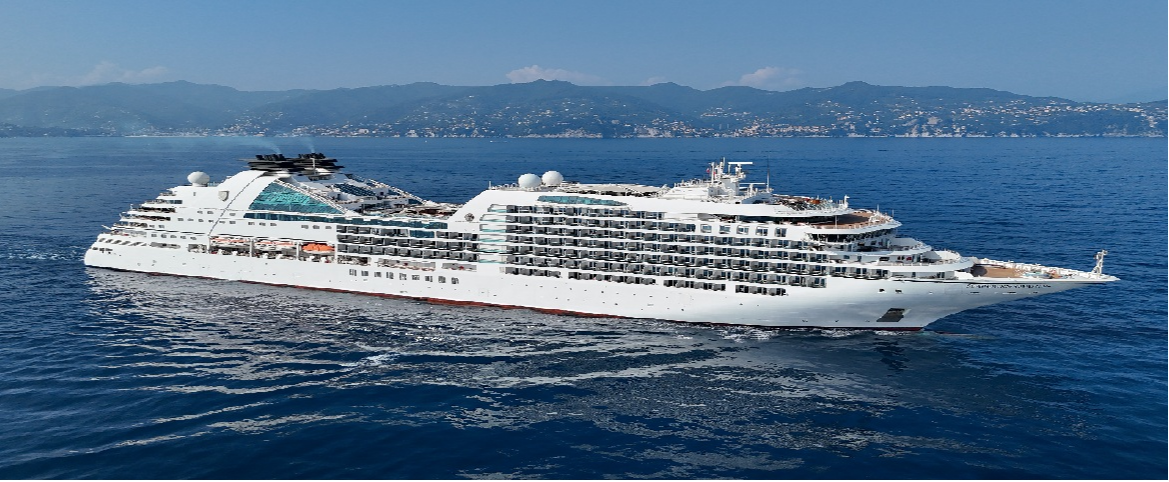
Seabourn Ovation
63 Cruises


Olbia Sardinia Italy | Costa Smeralda Cruise Guide
Frequently Asked Questions
At Isola Bianca, the jetty extending the town, about 2 km from the centre. A free shuttle links the quay to the heart of town in about ten minutes; keener walkers can follow the seafront in around 25 minutes.
The main artery, lined with nineteenth-century buildings, shops, ice cream parlours and terraces where Sardinians take their coffee standing, Italian style. The shuttle drops passengers near Piazza Regina Margherita, at its entrance.
Raised in the eleventh century in grey granite blocks, a few streets from the Corso, it ranks among the most important Romanesque churches in Sardinia. Its plain facade, pierced by a simple rose window, contrasts with the coolness of its nave and massive columns.
The town's history, from Phoenician navigators to Roman merchants, with ancient wrecks found in the harbour basin and their cargoes of amphorae. Entry is free, the route takes about an hour, and the glass walls frame the ships coming and going.
Two options. In town: the Corso Umberto, the basilica of San Simplicio and the archaeological museum, all on foot. Further out: the Costa Smeralda and Porto Cervo, about thirty kilometres north, by excursion or taxi, roughly 40 minutes by road.
A stretch of coast about thirty kilometres north of Olbia, made of turquoise coves and upmarket villages created in the 1960s under the Aga Khan's impetus. Porto Cervo, with its yacht-filled marina and shaded piazzetta, lends itself to strolling.
Yes, without going as far as the Costa Smeralda. Lido del Sole edges the town's southern exit, and Pittulongu beach, facing the island of Tavolara, stretches its pale sand about ten minutes away by car.
A limestone monolith more than 500 m high rising from the sea at the mouth of the gulf. Its outline accompanies the whole day: you find it on the horizon from almost every point on the coast, and many passengers still sketch it from memory long afterwards.
Culurgiones, potato and mint ravioli, roast suckling pig and seadas, a cheese fritter drizzled with honey, in the trattorias of the centre. Wine lovers should seek a glass of Vermentino di Gallura, the local white that accompanies seafood and sheep's cheeses.
The euro. Italian and Gallurese Sardinian are spoken; English is used in Corso businesses and at Porto Cervo. Cards work in town; keep cash for taxis, beach kiosks and small shops.


