Monopoli Italy

52 Cruises availables At departure or passage at this port

Windstar Cruises (22 Cruises)

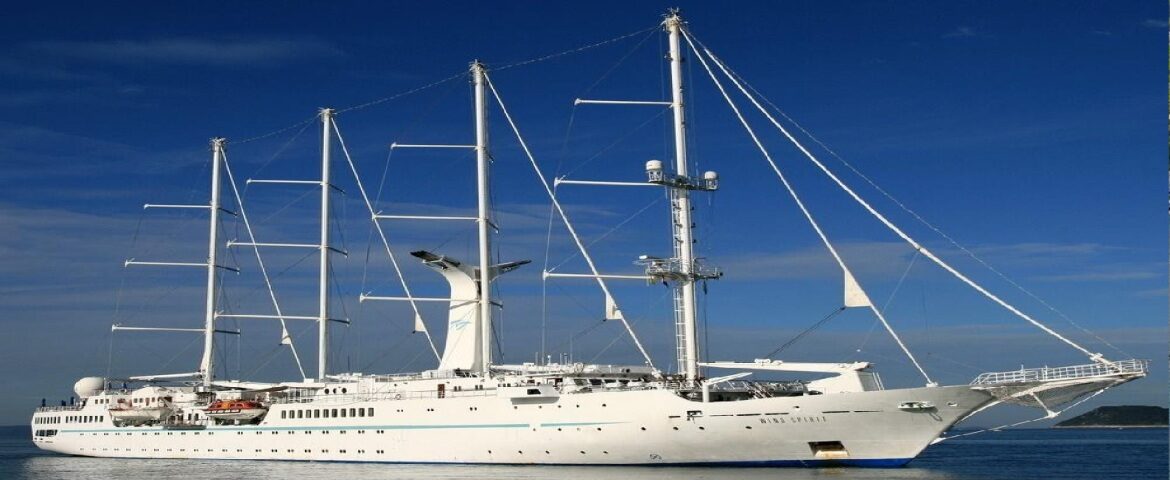
Wind Spirit

Wind Spirit

249 Passengers
5736 tons
Visit the ship's page

Monopoli Puglia Italy | Adriatic Coast Cruise Guide

Blue boats bob in a basin ringed by golden walls: Monopoli's Porto Vecchio welcomes anyone landing in this Apulian town. Fishermen mend their nets at the foot of the whitewashed houses, as they have for centuries, and the old town begins right at the quays. No shuttle, no ride: the visit is made entirely on foot.

The Old Harbour and Its Legend

It all started with a raft. In 1117, according to local tradition, a makeshift craft washed up in the cove carrying an icon of the Virgin. The raft's beams were used to complete the roof frame of the cathedral, which has since been dedicated to the Madonna della Madia. The current building, rebuilt in the 18th century, raises its bell tower above the rooftops and blends Romanesque heritage with Baroque exuberance, a few streets from the basin where it all supposedly began.

A Web of White Lanes

The historic centre has more than twenty churches squeezed into a handkerchief-sized area. You happily get lost among the whitewashed alleys, open courtyards, balconies laden with laundry and sudden glimpses of the Adriatic. Behind the quays, a narrow passage nicknamed the window on the sea frames the blue of the open water between two stone walls; locals stop there as much as travellers do. A little farther on, Piazza Garibaldi marks the seam between the old core and the 19th-century avenues, with its cafés beneath the trees. Local life still fills every square, and that is what sets Monopoli apart from its more famous neighbours.

The Ramparts and the Castle

The waterfront follows the old defensive wall in an arc of promenade around the old town. At its far end, the Castle of Charles V, a 16th-century pentagonal bastion, once guarded the entrance to the anchorage; it now hosts exhibitions. Walking along these ramparts above the waves, between the bastions and the urban coves where locals swim, makes for the most pleasant hour of the day. Below the walls, the small Cala Porta Vecchia beach draws neighbourhood swimmers from the morning on, along with families arriving with umbrellas and coolers.

Ideas for Extending Your Visit

  • The coves of the northern coastline alternate flat rocks and clear inlets, accessible on foot from the ramparts.
  • To the south, the Capitolo area lines up long sandy beaches, about ten minutes away by taxi.
  • Polignano a Mare, perched on its cliffs, is less than ten kilometres away for those wishing to combine two coastal towns.
  • Inland, the trulli of Alberobello are about thirty minutes away by road; best kept for longer stops.

The Apulian Table

Orecchiette with cime di rapa, grilled octopus and durum wheat bread make up the everyday fare of the trattorias in the centre. In season, sea urchins are eaten raw facing the boats, with a glass of regional white. Artisanal gelato shops and focaccerias also let you grab a quick bite without leaving the lanes, a formula that leaves more time for strolling.

Returning to the Ship

At the end of the day, the low-angled light warms the limestone and the basin returns to calm, barely disturbed by the boats coming home. Simply follow the ramparts to find the gangway again, with a bag of taralli in your pocket and the memory of a town that has given nothing up to shop windows. Monopoli doesn't try to hold on to its guests; it is content to be itself, and that is exactly why you are already thinking of coming back.

Frequently Asked Questions

At the Porto Vecchio, a basin ringed by golden walls where blue fishing boats rock. The old town begins on the quays themselves: no shuttle, no journey, the call is lived entirely on foot.
More than twenty churches packed into a small area, whitewashed alleys, open courtyards and sudden glimpses of the Adriatic. Behind the quays, a narrow passage nicknamed the window on the sea frames the blue of the open water between two stone walls.
In 1117, according to local tradition, a makeshift raft ran aground in the cove carrying an icon of the Virgin. The raft's beams were used to finish the cathedral's roof frame, dedicated ever since to the Madonna della Madia. The present building, rebuilt in the eighteenth century, raises its bell tower above the roofs.
Everything is walkable and needs no map: the Porto Vecchio, the white alleys, the cathedral, piazza Garibaldi, then the rampart walk to the castle of Charles V. A swim at Cala Porta Vecchia rounds out the day.
A pentagonal sixteenth-century bastion at the end of the ramparts, raised under Charles V to guard the anchorage entrance. It now hosts exhibitions.
Yes. The small Cala Porta Vecchia beach, below the walls, draws neighbourhood swimmers and families from early morning. The coves of the northern shore alternate flat rocks and clear inlets, reachable on foot from the ramparts.
To the south, the Capitolo area lines up long sandy beaches, about ten minutes by taxi.
Polignano a Mare, perched on its cliffs, is less than ten kilometres away: the easiest combination. The trulli of Alberobello require about thirty minutes by road, best kept for long calls.
Orecchiette with cime di rapa, grilled octopus and durum wheat bread in the trattorias of the centre. In season, sea urchins are eaten raw facing the boats, with a glass of local white. Artisan gelaterias and focaccerias let you eat on the move without leaving the alleys.
The euro and Italian, with a lively Puglian dialect. English is spoken in town-centre businesses. Keep cash for focaccerias, ice cream shops and taxis to Capitolo or Polignano.