Nuuk Greenland
Greenland
296
Cruises availables
At departure or passage at this port
Atlas Ocean Voyages (16 Cruises)
World Navigator
16 Cruises

Aurora Expeditions (2 Cruises)

Azamara Club Cruises (6 Cruises)
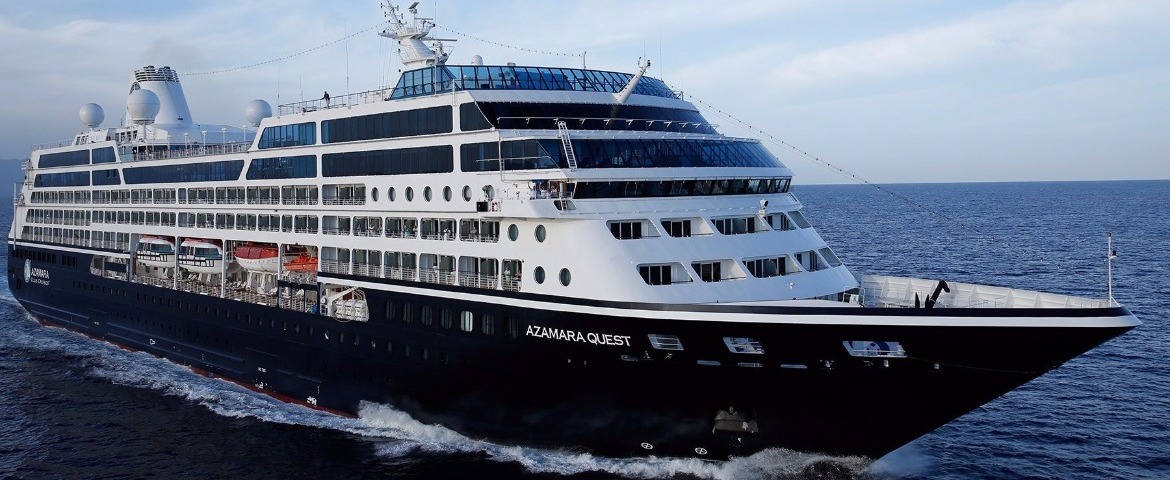
Azamara Quest
6 Cruises

| 29 July | 43 days | One-way from Copenhagen to New York |
450-628-6241
Call us
|
| 29 July | 44 days | One-way from Copenhagen to New York |
450-628-6241
Call us
|
Crystal Cruises (14 Cruises)
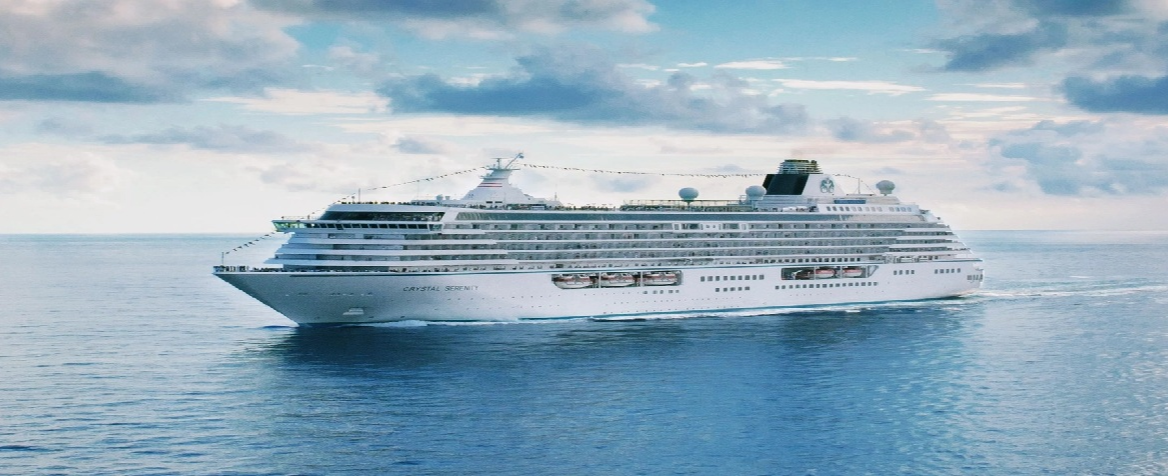
Crystal Serenity
8 Cruises

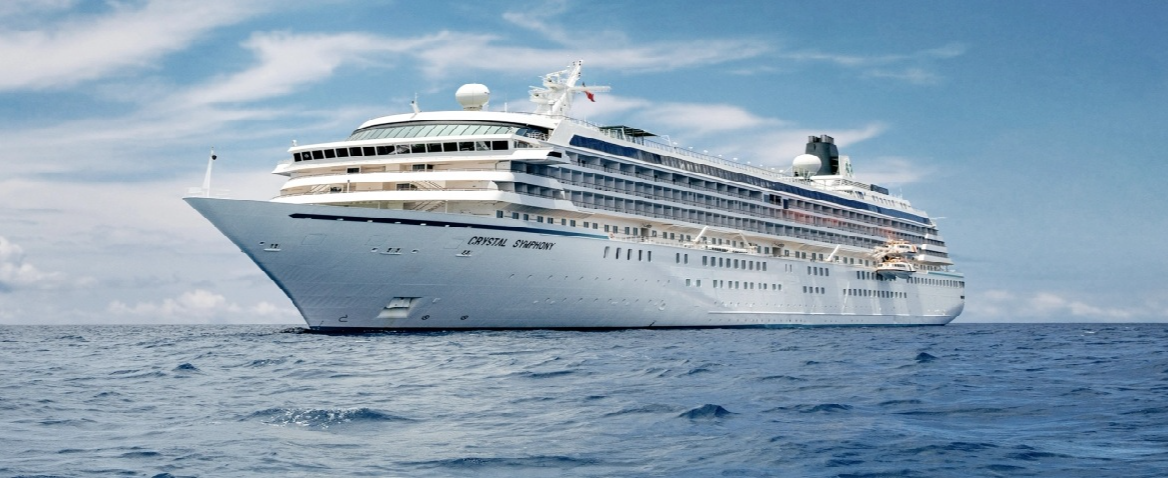
Crystal Symphony
6 Cruises
HX Expeditions (13 Cruises)
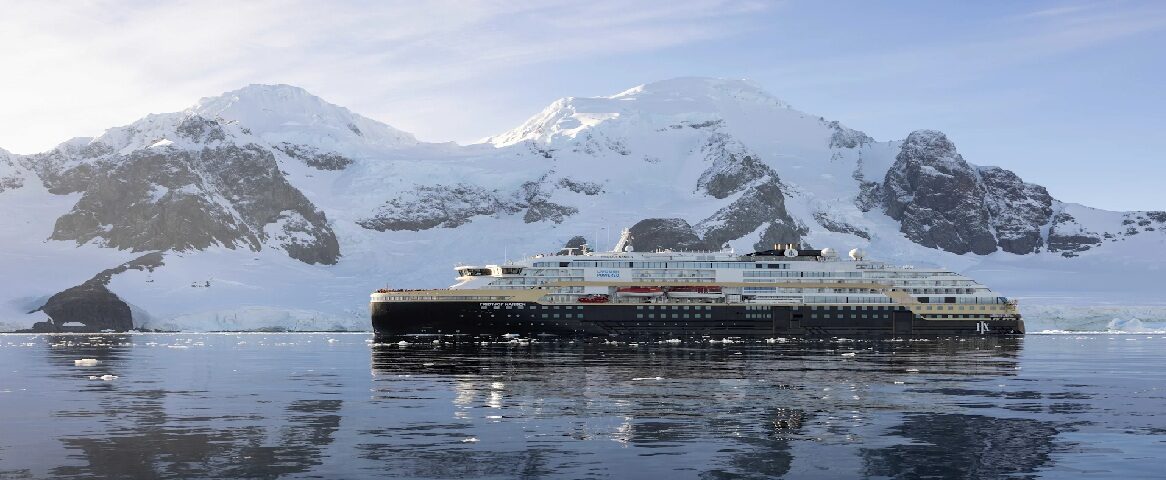
MS Fridtjof Nansen
9 Cruises

Lindblad Expeditions (22 Cruises)
National Geographic Endurance
4 Cruises


National Geographic Explorer
6 Cruises
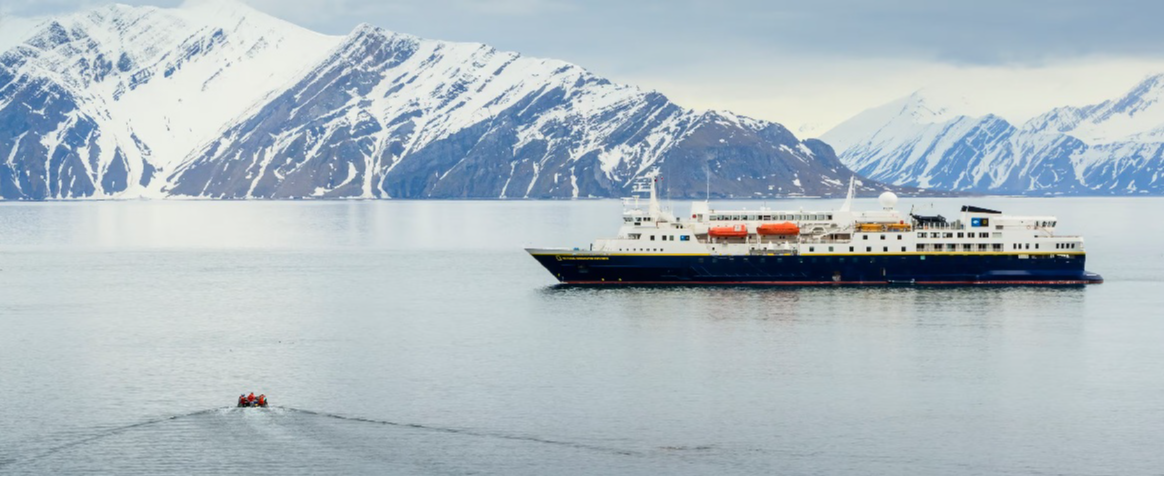
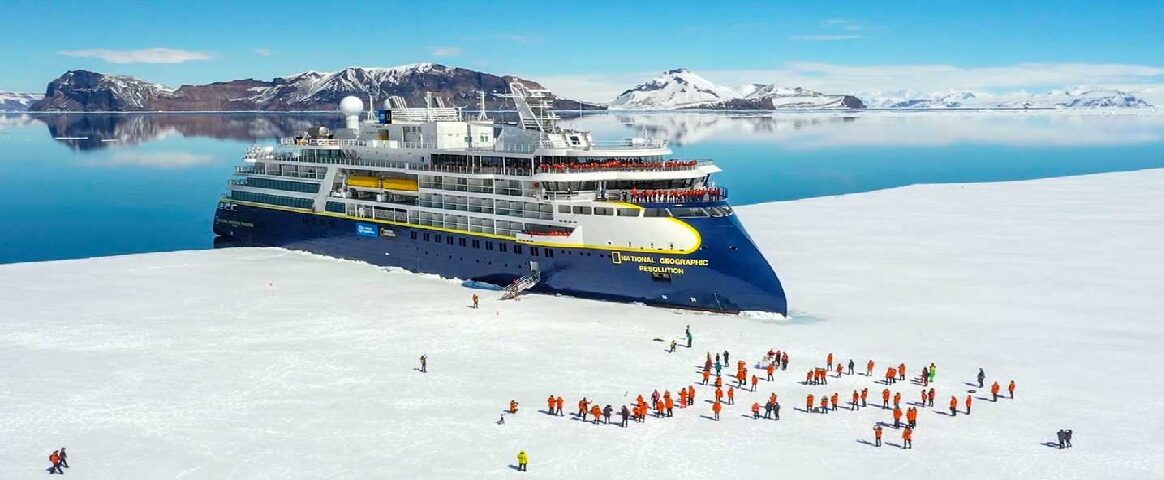
National Geographic Resolution
12 Cruises
Oceania Cruises (8 Cruises)

Ponant (27 Cruises)
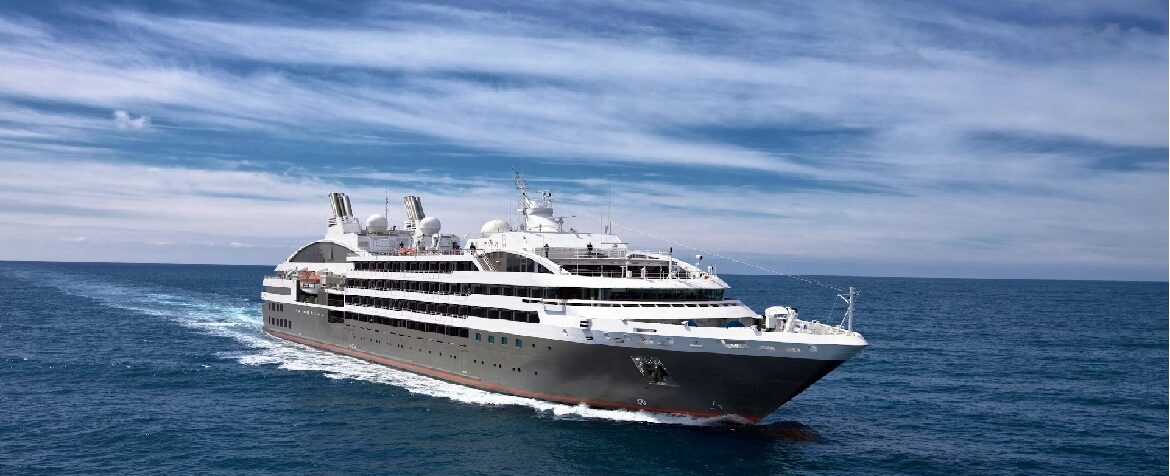
L'Austral
6 Cruises

| 30 July | 14 days | One-way from Reykjavik to Kangerlussuaq |
450-628-6241
Call us
|
| 31 July | 12 days | One-way from Reykjavik to Kangerlussuaq |
450-628-6241
Call us
|
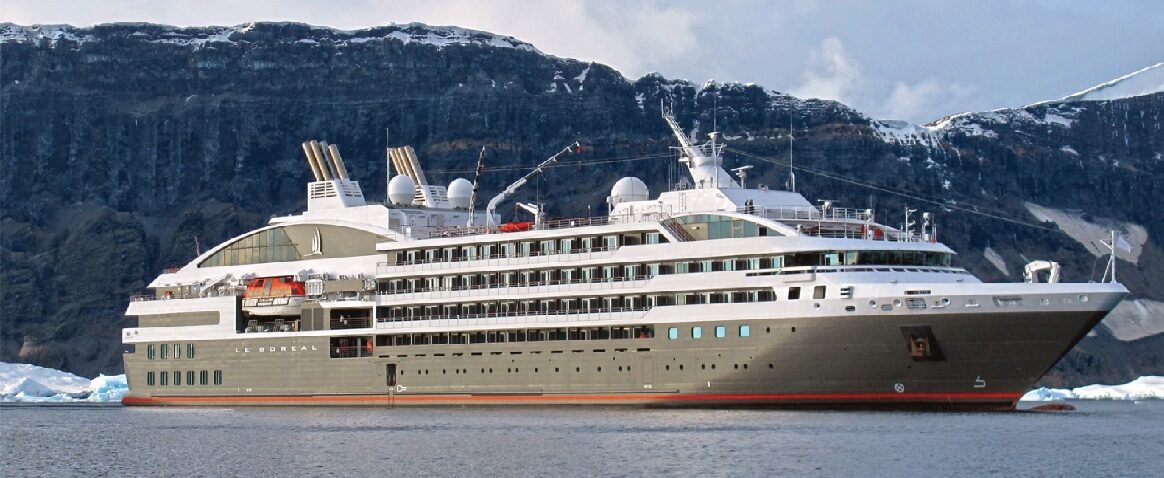
Le Boreal
5 Cruises
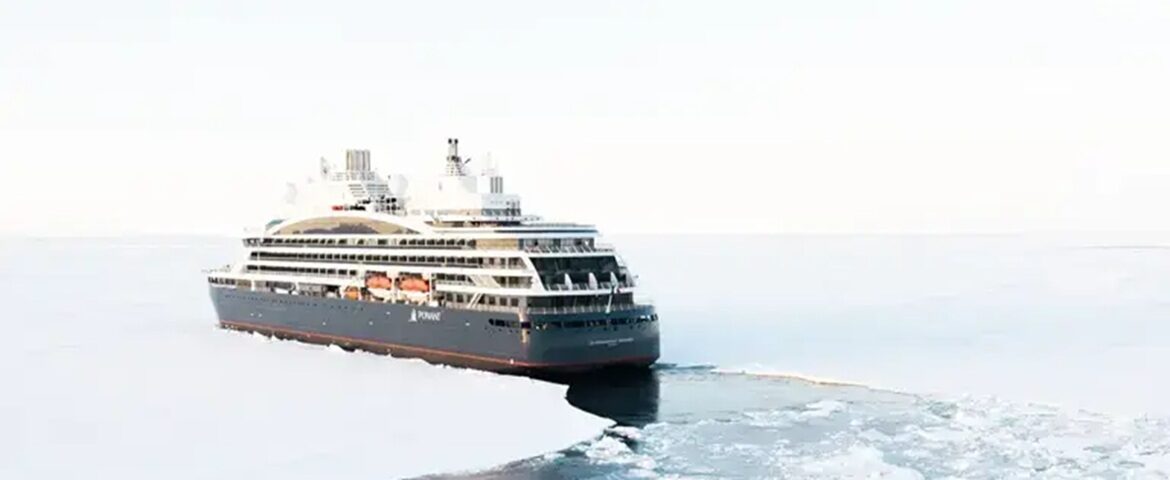
Le Commandant Charcot
7 Cruises
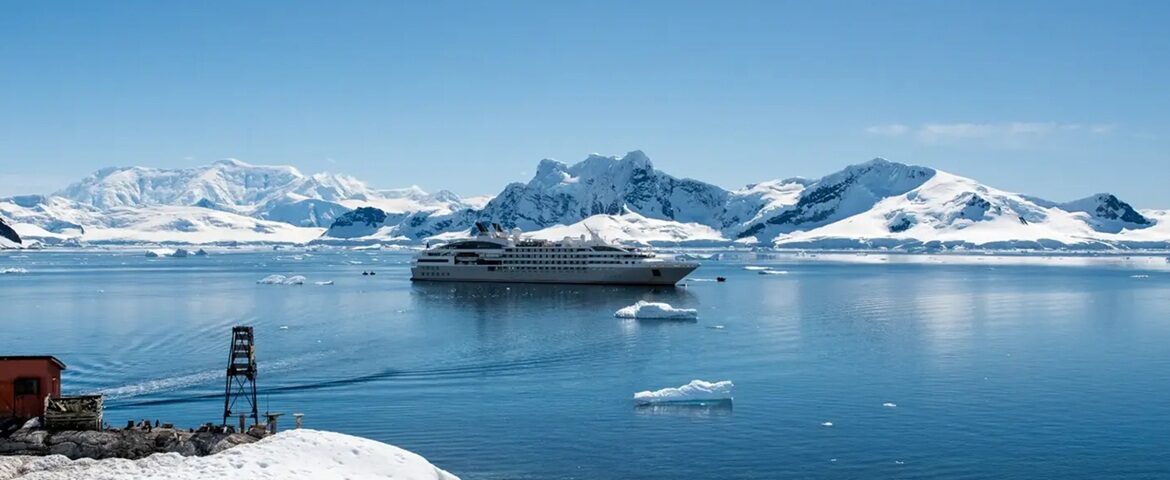
Le Lyrial
9 Cruises
Regent Seven Seas Cruises (14 Cruises)
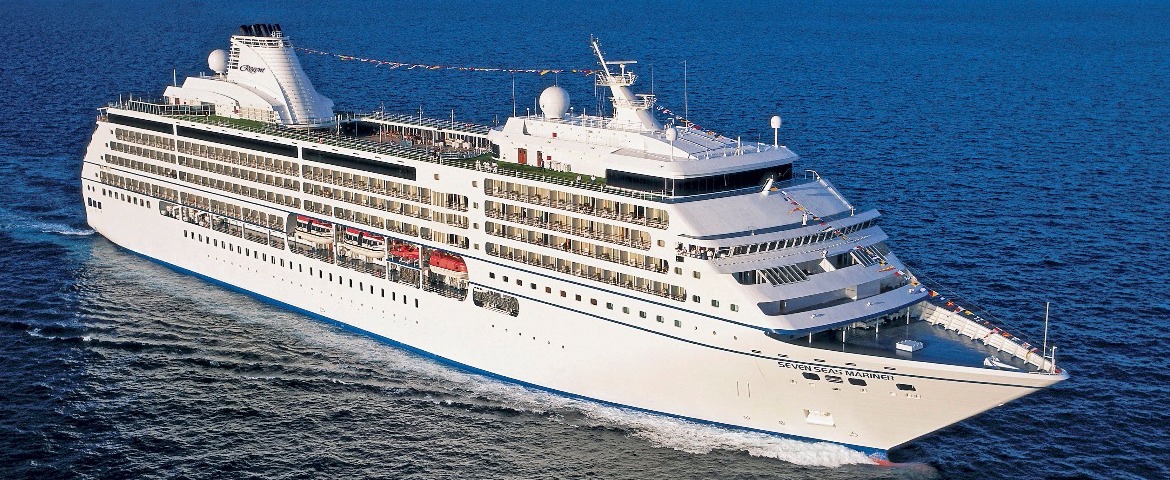
Seven Seas Mariner
12 Cruises

| 30 May | 102 days | One-way from Barcelona to IJmuiden |
450-628-6241
Call us
|
| 30 May | 101 days | One-way from Barcelona to IJmuiden |
450-628-6241
Call us
|
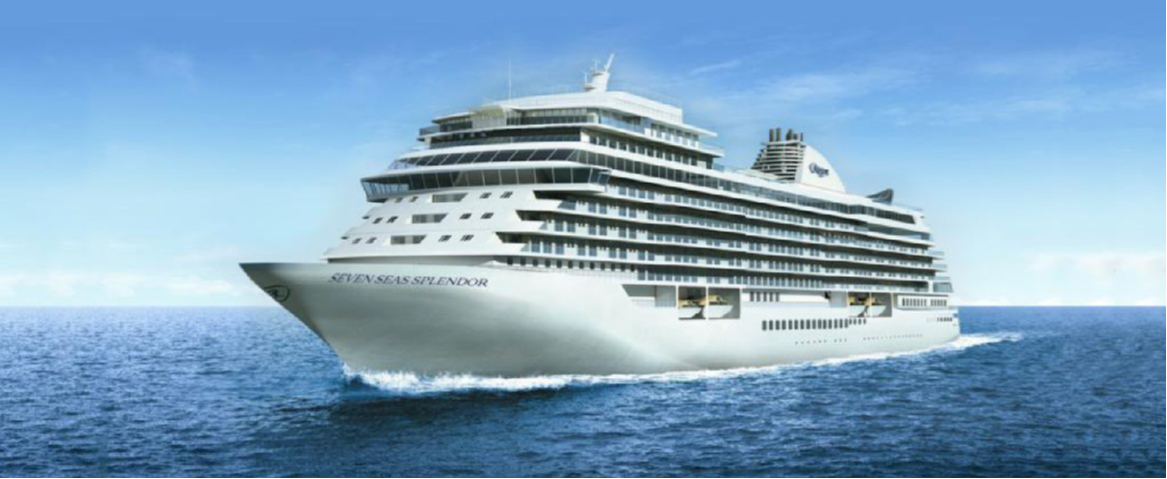
Scenic Cruises (28 Cruises)
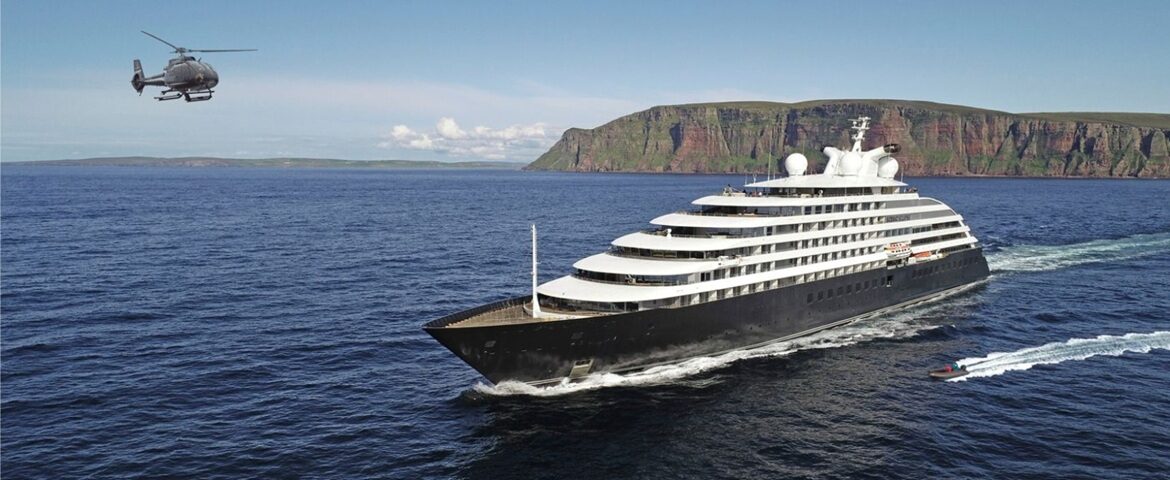
Scenic Eclipse
14 Cruises
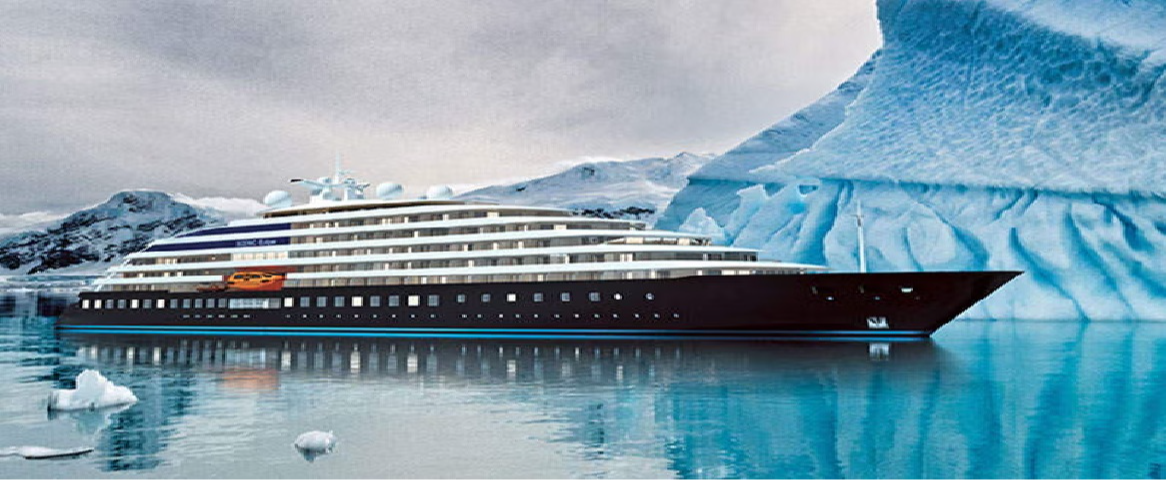

Scenic Eclipse II
14 Cruises
Seabourn Cruise Line (67 Cruises)
Seabourn Quest
10 Cruises
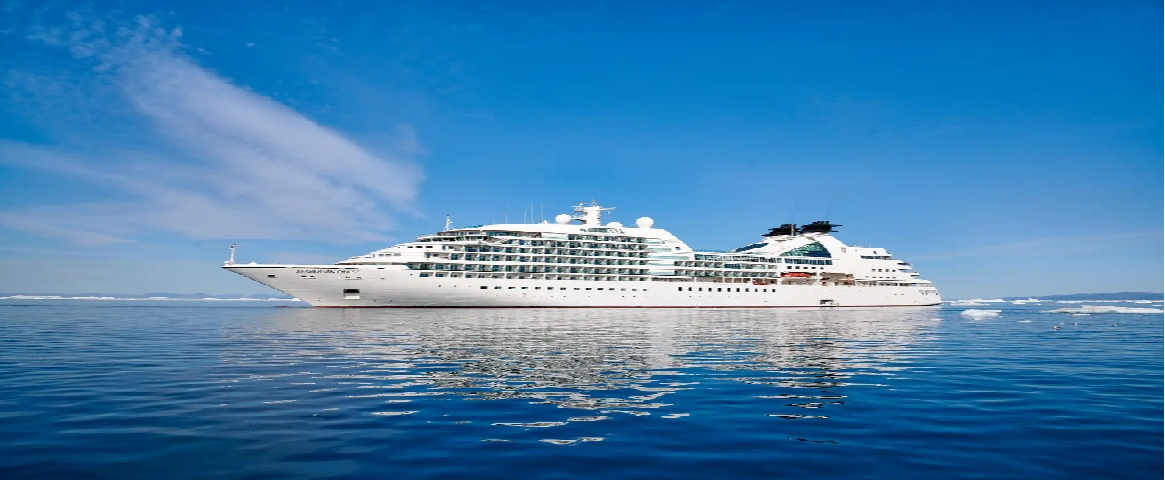

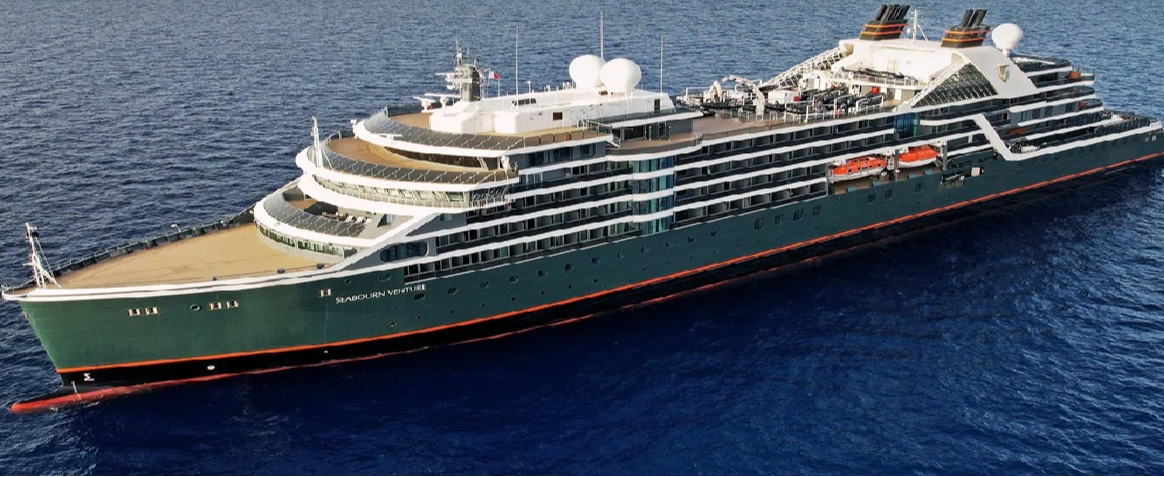
Seabourn Venture
57 Cruises
| 15 June | 31 days | One-way from St Johns NL to Reykjavik |
450-628-6241
Call us
|
| 30 June | 16 days | One-way from Kangerlussuaq to Reykjavik |
450-628-6241
Call us
|
Silversea Cruises (15 Cruises)

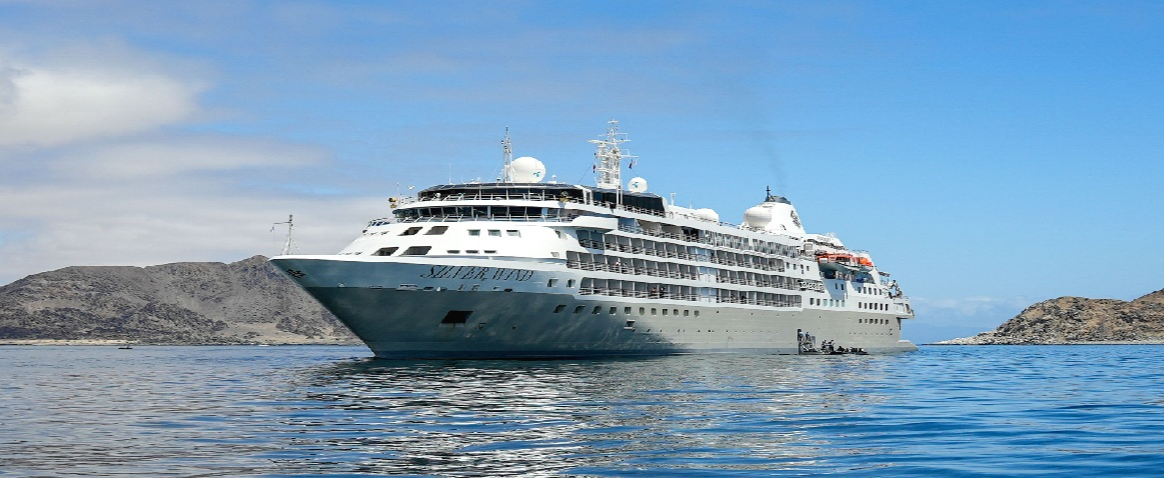
Silver Wind
13 Cruises
| 9 July | 11 days | One-way from Nuuk to Reykjavik |
450-628-6241
Call us
|
| 19 July | 14 days | One-way from Reykjavik to Nuuk |
450-628-6241
Call us
|
Viking Ocean Cruises (64 Cruises)
Viking Octantis
42 Cruises


Viking Polaris
22 Cruises


Port of Nuuk, Greenland | Cruise Port Guide
Frequently Asked Questions
Depending on the ship's size: at the commercial port, or at anchor with tenders to shore. The centre is then easy to cover on foot.
It is the capital of Greenland, with barely 20,000 residents — but it resembles no other capital: coloured apartment blocks, 18th-century wooden houses, sleds parked outside cafés, and Mount Sermitsiaq with its notched summit watching over the bay.
At Kolonihavnen, the old colonial harbour founded by the missionary Hans Egede in 1728. His house, the oldest in the country, still stands among the red and blue buildings, below the red wooden cathedral consecrated in 1849.
Objects spanning 4,500 years of human presence: tools of the ancient cultures, kayaks and umiaks, beaded costumes. Above all the Qilakitsoq mummies, six women and two children from the 15th century found in 1972, preserved by the cold in their skin clothing.
A building whose rippling façade draws on the northern lights, programming concerts, cinema and exhibitions. It is the heart of the capital's cultural life, among the giant murals and local design shops.
Yes, into Nuup Kangerlua, a maze of waterways some 160 kilometres long, scattered with islands and framed by peaks: humpback whales in summer, waterfalls, abandoned settlements. It fills the whole day.
Yes, the trails on Store Malene, reached from the edge of town, for a wide view over the capital and the archipelago. Sermitsiaq, more spectacular, is beyond the scope of a port call.
The Danish krone, with cards accepted almost everywhere and fluent English in shops. Conversations shift from Greenlandic to Danish without warning.
Northern shrimp, Arctic char, smoked halibut, sometimes musk ox or reindeer at the better tables. The cafés also serve excellent cakes, a Danish inheritance. Book ahead on ship days.
The museums and the cafés downtown make an excellent fallback when fog swallows the bay. Even in summer, slip a warm layer into the day bag: the fjord wind gives no notice.


