Nanortalik Greenland
Greenland
82
Cruises availables
At departure or passage at this port
Azamara Club Cruises (6 Cruises)
Azamara Quest
6 Cruises
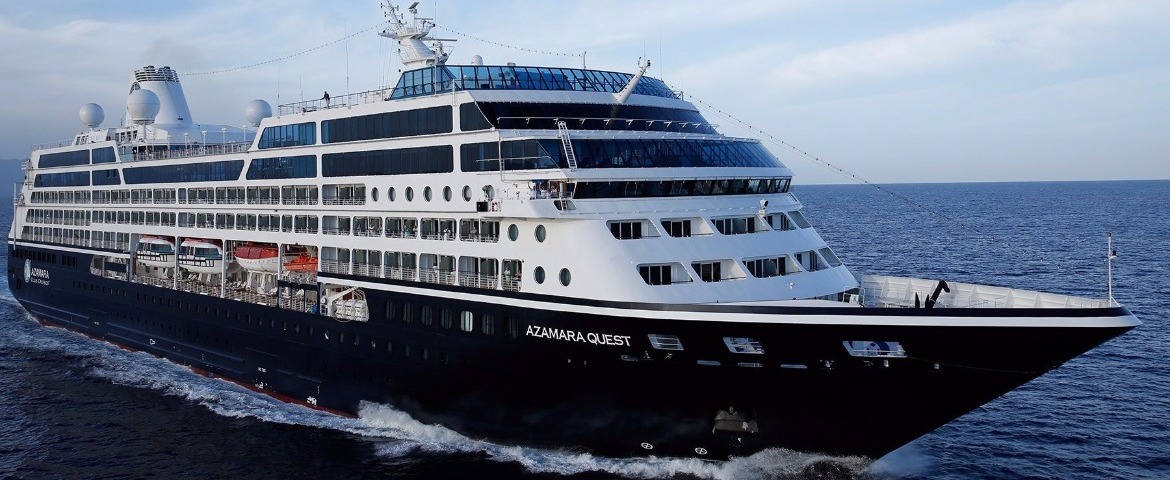

| 29 July | 44 days | One-way from Copenhagen to New York |
450-628-6241
Call us
|
| 29 July | 43 days | One-way from Copenhagen to New York |
450-628-6241
Call us
|
Crystal Cruises (6 Cruises)
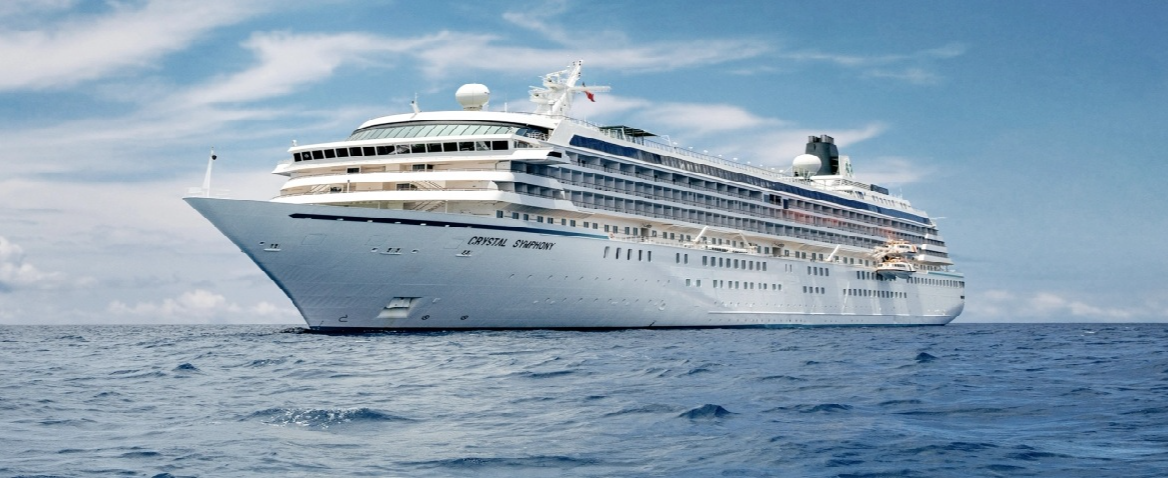
Crystal Symphony
6 Cruises

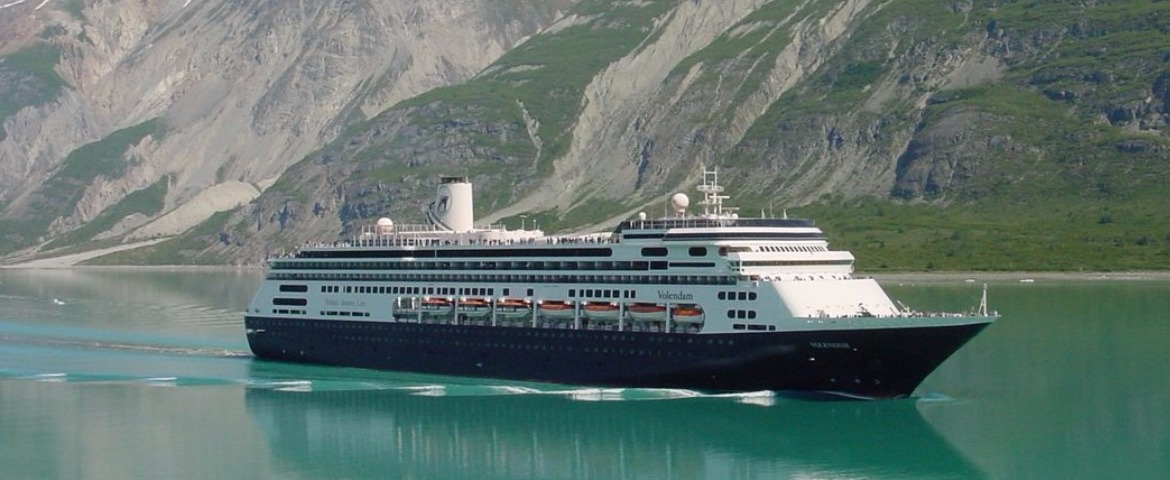

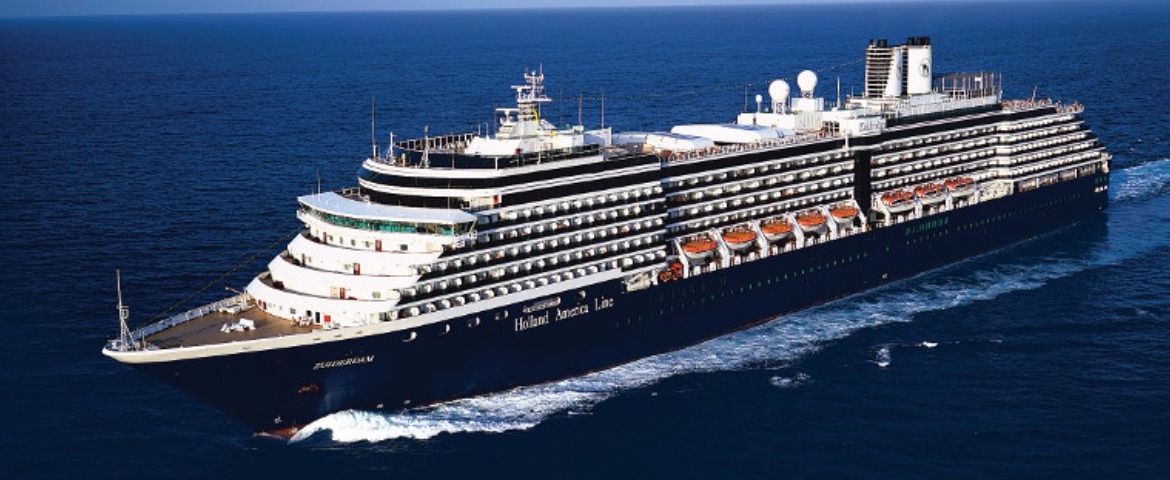
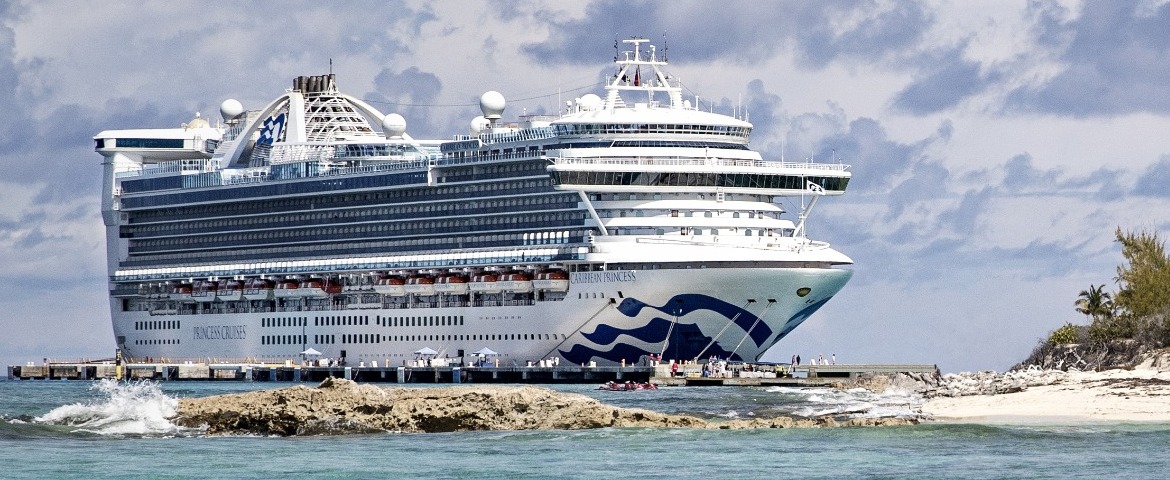
Princess Cruises (4 Cruises)

Seabourn Cruise Line (35 Cruises)
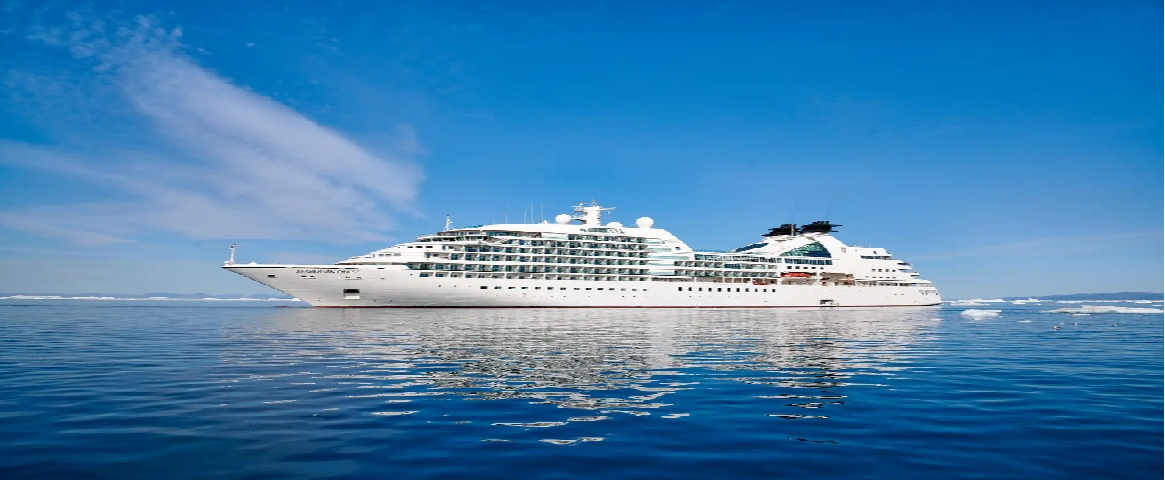
Seabourn Quest
16 Cruises

| 21 August | 35 days | One-way from Copenhagen to Montreal |
450-628-6241
Call us
|
| 21 August | 36 days | One-way from Copenhagen to Montreal |
450-628-6241
Call us
|
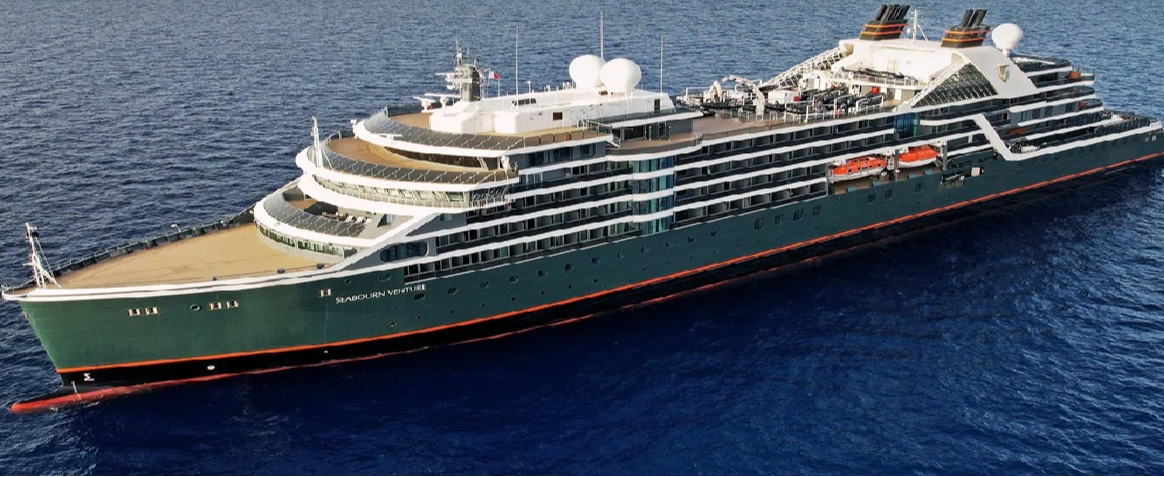
Seabourn Venture
19 Cruises
| 7 June | 41 days | One-way from London-Greenwich to Reykjavik |
450-628-6241
Call us
|
| 19 June | 29 days | One-way from Belfast to Reykjavik |
450-628-6241
Call us
|
| 15 June | 31 days | One-way from St Johns NL to Reykjavik |
450-628-6241
Call us
|
| 30 June | 16 days | One-way from Kangerlussuaq to Reykjavik |
450-628-6241
Call us
|
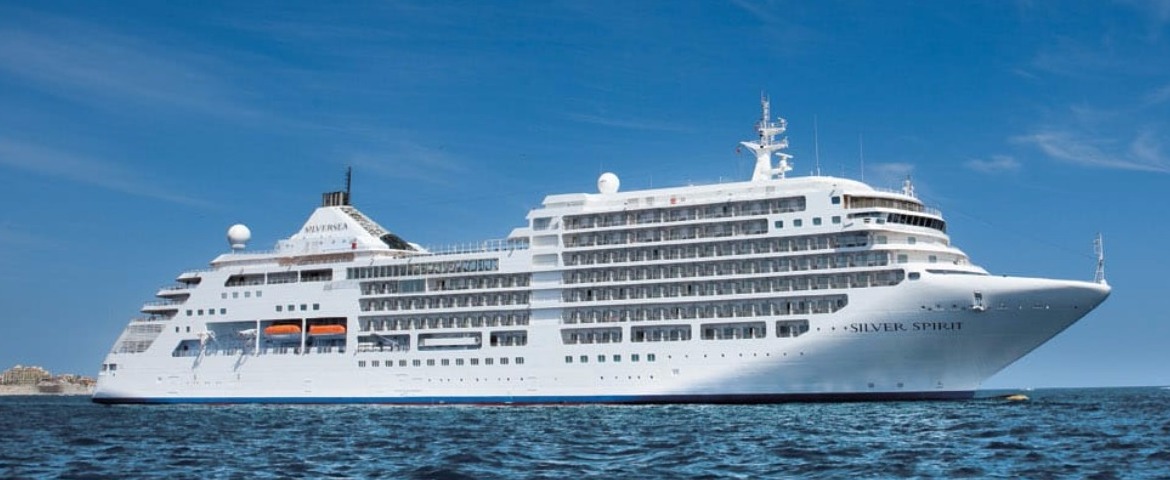
Silversea Cruises (2 Cruises)

Viking Ocean Cruises (16 Cruises)
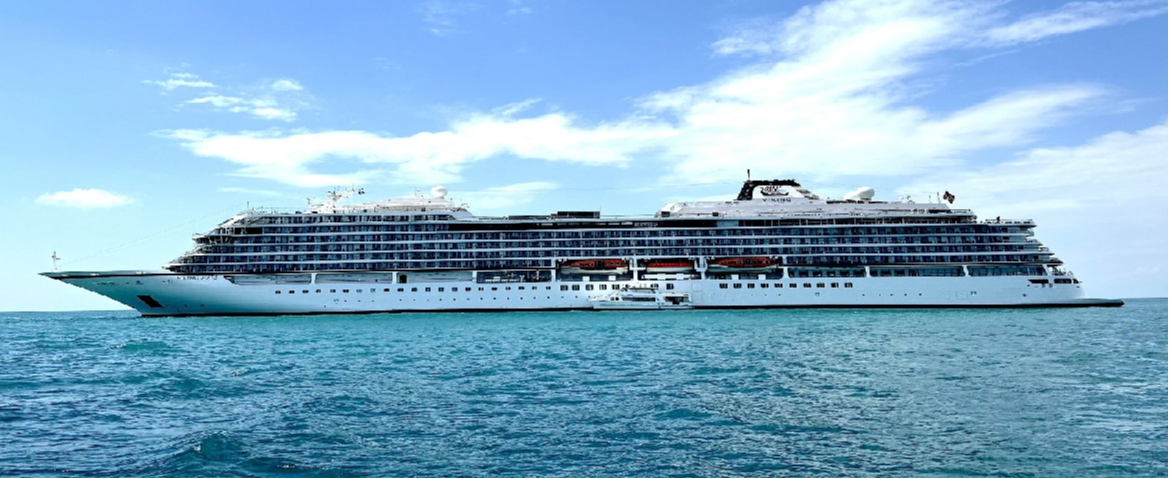

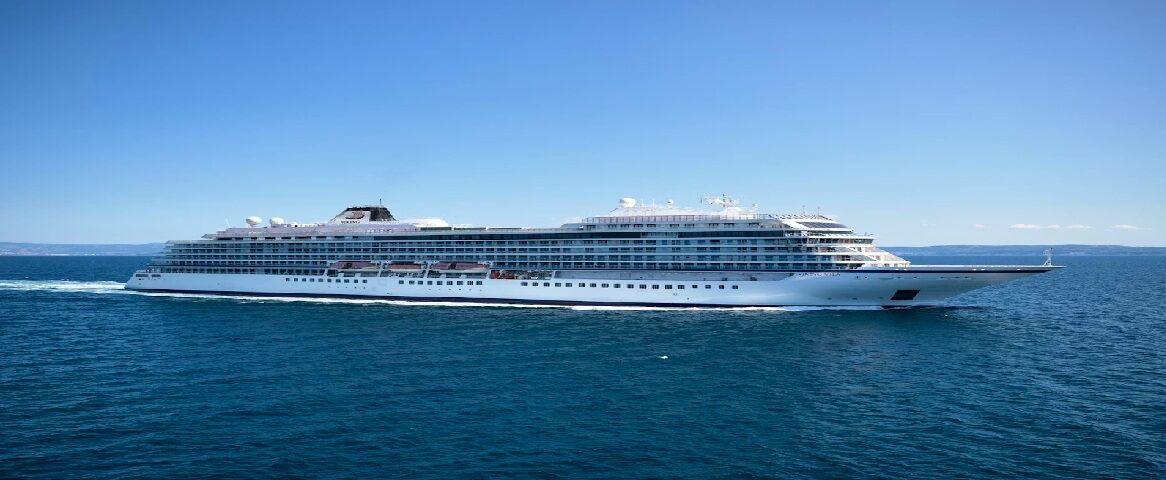
Viking Vela
8 Cruises


Port of Nanortalik, Greenland | Cruise Port Guide
Frequently Asked Questions
At anchor in the bay. Expedition ships run tenders to a central landing, and five minutes on foot brings you to the first wooden houses.
Most likely not. The name means "the place where polar bears go," but they only turn up on rare occasions, carried in on drifting sea ice. Better to know that before you go.
The open-air museum in the old colonial harbour: about fifteen 19th and 20th century buildings — cooperage, forge, trading houses — with reconstructed interiors, plus the wooden church consecrated in 1916.
Yes, the Quassik trail, which climbs to a rocky viewpoint in roughly an hour. From the top the view takes in the coloured roofs, the islets and the icebergs drifting out toward the Atlantic.
A fjord walled in granite that draws climbers from around the world. Several itineraries run boat trips up it from Nanortalik, weather permitting. Book on board.
Yes, on Uunartoq island: natural springs warm a pool where you soak facing the icebergs. The contrast stays with people. The outing depends entirely on the weather.
Yes, in the Qinngua valley: birch and rowan sheltered from the wind make up the country's only natural forest. It is modest, but it is real.
The Danish krone (DKK), often by card. Craft work is sometimes bought in cash straight from the maker: bone or stone carvings, wool knitwear. Keep a few notes.
Layers with a windproof shell on top, even under blue sky: south Greenland weather turns fast. Closed shoes with good grip for the Quassik trail.
Yes, and you should expect it. A landing delayed by swell or an excursion reshuffled by fog is part of travelling in south Greenland. Regulars keep the schedule loose.


