Itea Delphi, Greece
192
Cruises availables
At departure or passage at this port
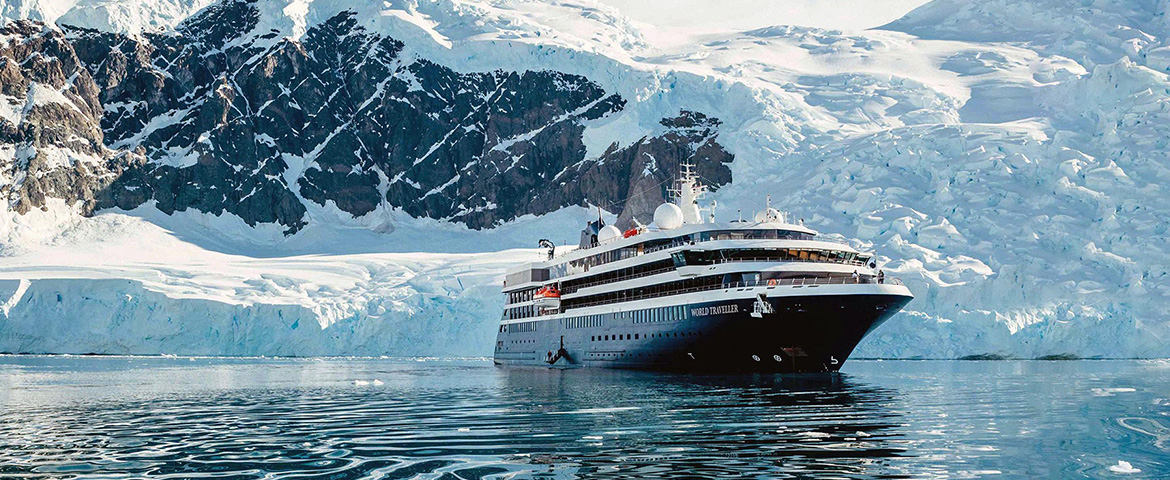
Atlas Ocean Voyages (3 Cruises)

Azamara Club Cruises (6 Cruises)
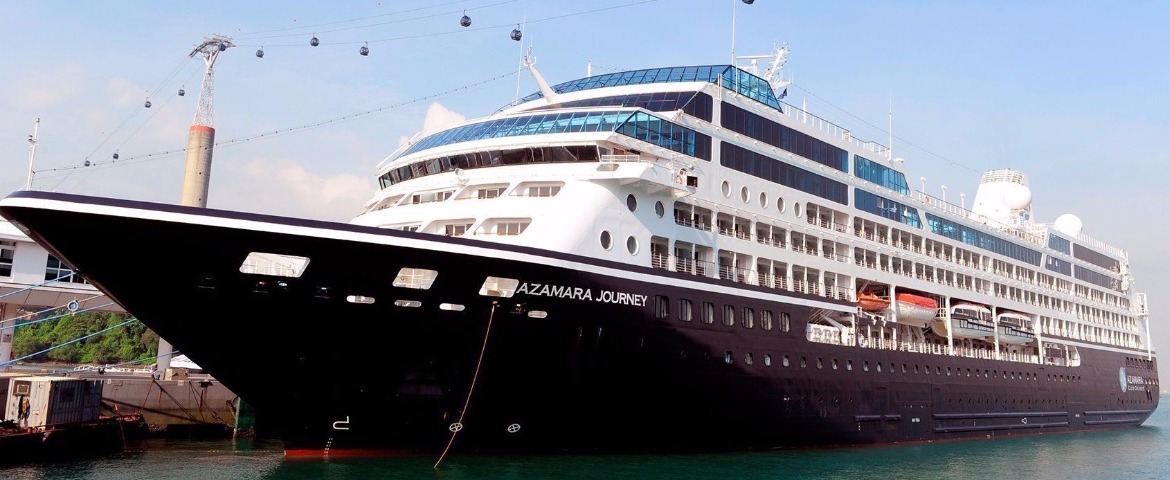
Azamara Journey
6 Cruises

| 26 August | 70 days | One-way from Portsmouth UK to Piraeus-Athens |
450-628-6241
Call us
|
| 26 August | 71 days | One-way from Portsmouth UK to Piraeus-Athens |
450-628-6241
Call us
|
Emerald Waterways (39 Cruises)
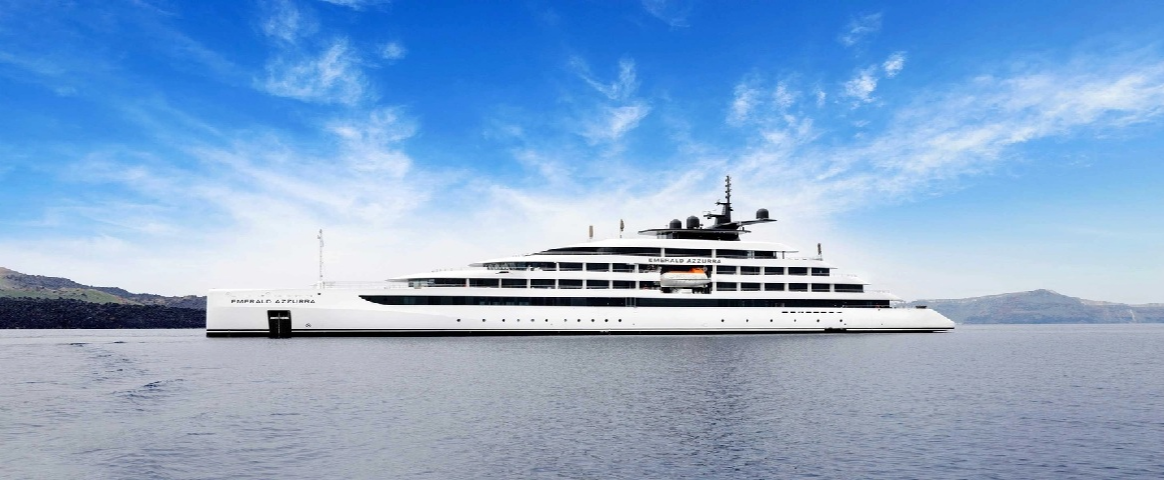
Emerald Azzurra
32 Cruises

| 29 May | 20 days | One-way from Piraeus-Athens to Venice |
450-628-6241
Call us
|
| 29 May | 22 days | One-way from Piraeus-Athens to Venice |
450-628-6241
Call us
|
| 26 June | 12 days | One-way from Dubrovnik to Piraeus-Athens |
450-628-6241
Call us
|
| 27 June | 10 days | One-way from Dubrovnik to Piraeus-Athens |
450-628-6241
Call us
|
| 24 May | 15 days | One-way from Venice to Piraeus-Athens |
450-628-6241
Call us
|
| 31 May | 8 days | One-way from Dubrovnik to Piraeus-Athens |
450-628-6241
Call us
|
| 22 July | 15 days | One-way from Venice to Piraeus-Athens |
450-628-6241
Call us
|
| 29 July | 8 days | One-way from Dubrovnik to Piraeus-Athens |
450-628-6241
Call us
|
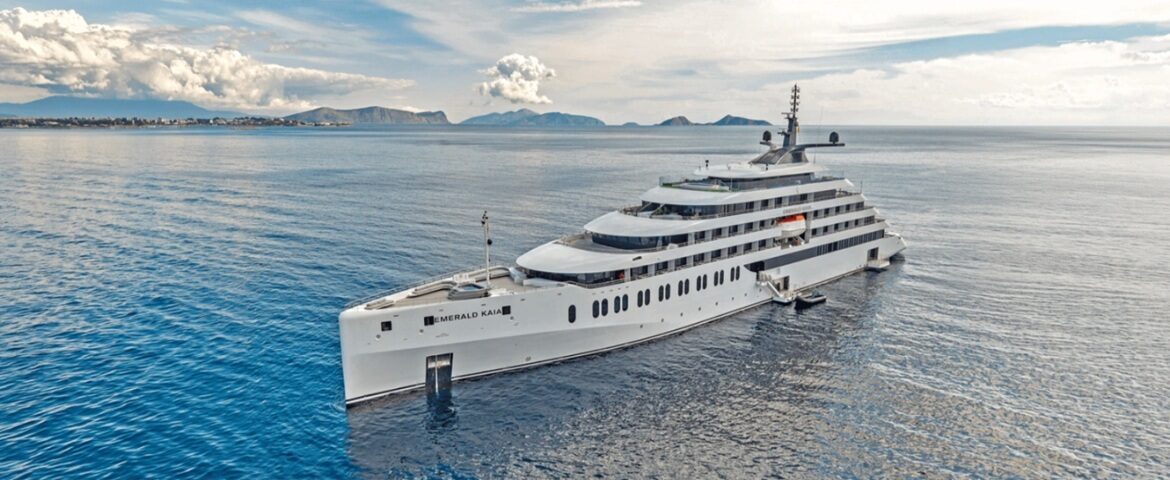
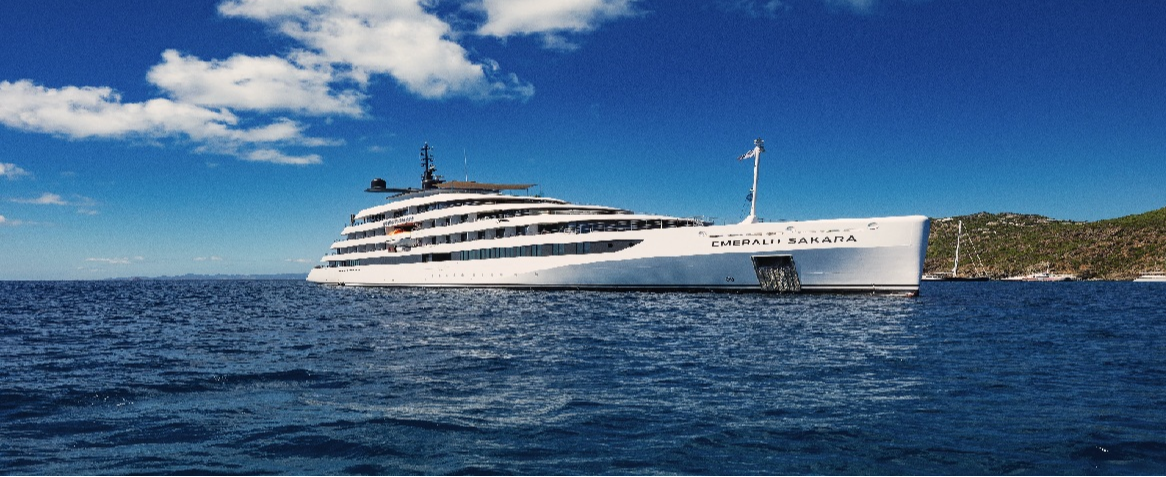
Lindblad Expeditions (11 Cruises)
National Geographic Orion
11 Cruises
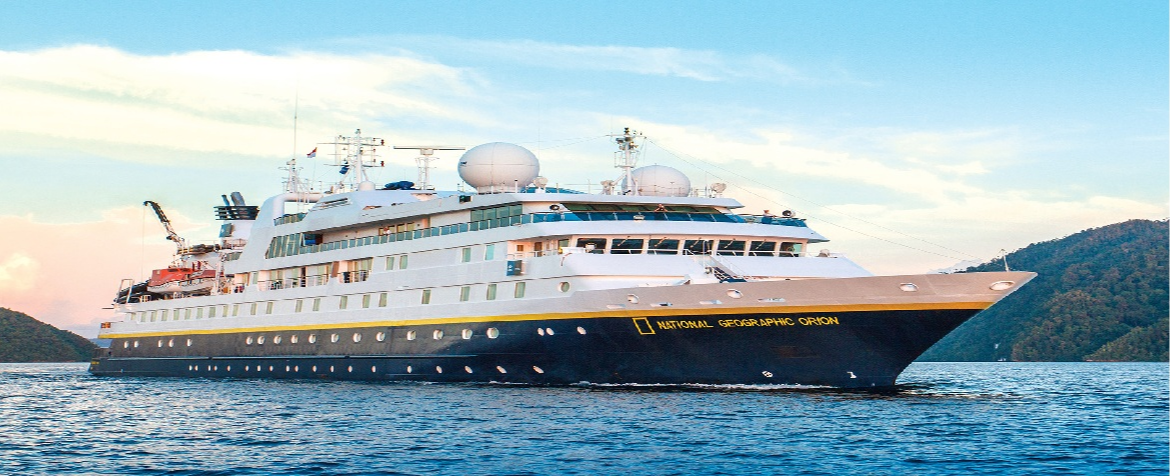

| 7 April | 20 days | One-way from Barcelona to Piraeus-Athens |
450-628-6241
Call us
|
| 7 April | 13 days | One-way from Barcelona to Piraeus-Athens |
450-628-6241
Call us
|
| 13 May | 8 days | One-way from Lavrion to Zadar |
450-628-6241
Call us
|
| 20 May | 8 days | One-way from Zadar to Piraeus-Athens |
450-628-6241
Call us
|
| 6 June | 21 days | One-way from Piraeus-Athens to Barcelona |
450-628-6241
Call us
|
| 13 June | 13 days | One-way from Lavrion to Barcelona |
450-628-6241
Call us
|

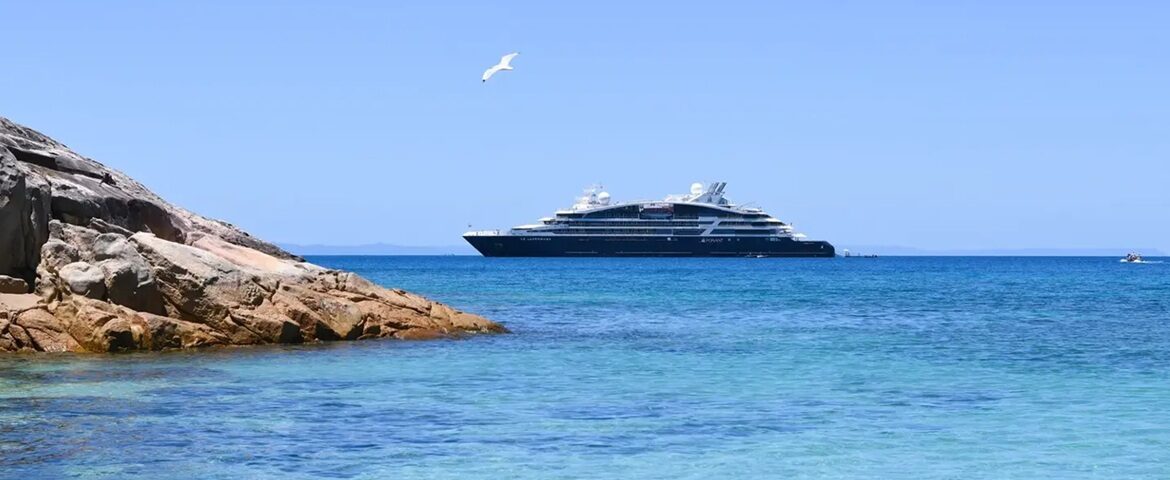
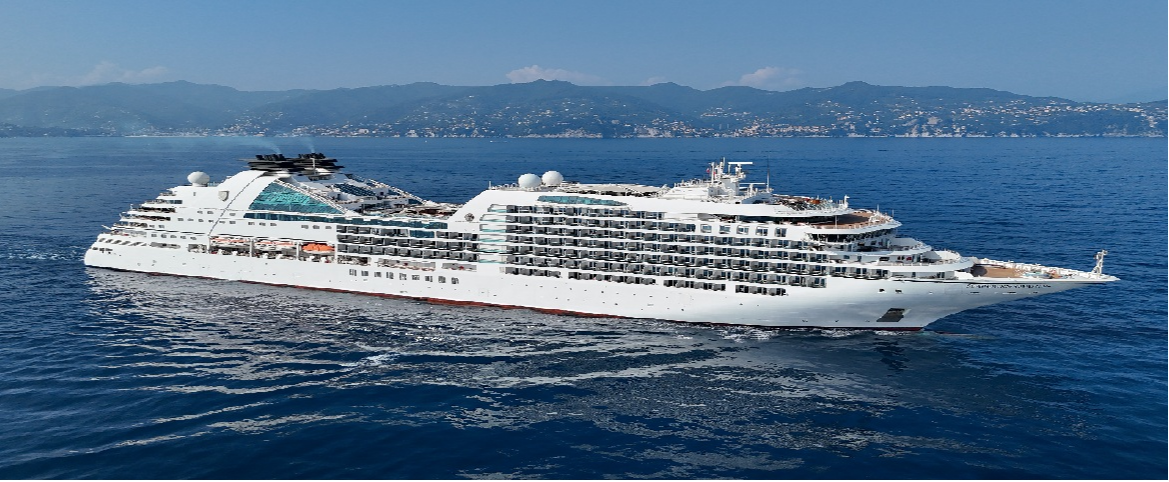
Seabourn Cruise Line (85 Cruises)
Seabourn Ovation
85 Cruises

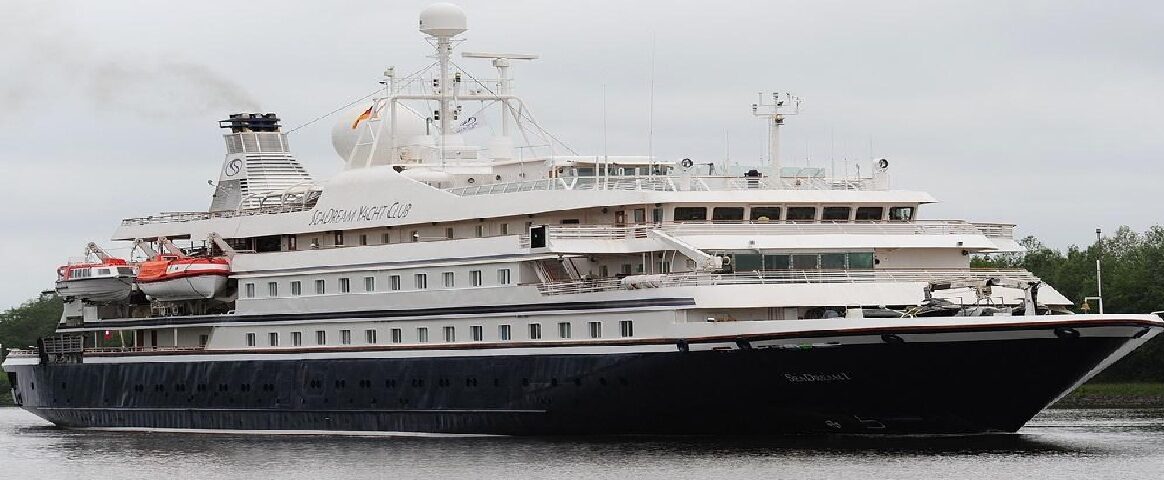
SeaDream Yacht Club (17 Cruises)
Seadream I
6 Cruises

| 1 July | 8 days | One-way from Dubrovnik to Piraeus-Athens |
450-628-6241
Call us
|
| 15 July | 8 days | One-way from Piraeus-Athens to Civitavecchia-Rome |
450-628-6241
Call us
|
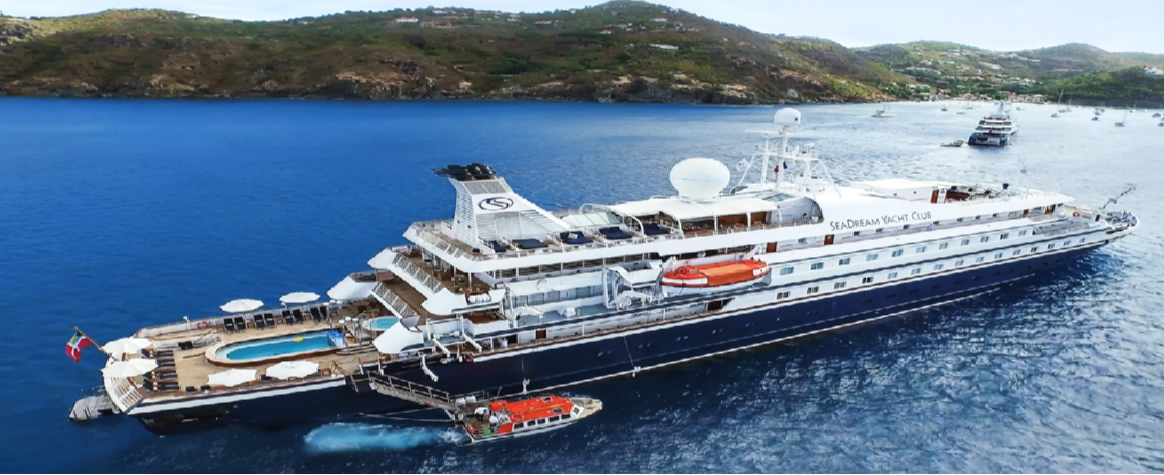
Seadream II
11 Cruises
| 3 June | 9 days | One-way from Civitavecchia-Rome to Piraeus-Athens |
450-628-6241
Call us
|
| 11 June | 8 days | One-way from Piraeus-Athens to Dubrovnik |
450-628-6241
Call us
|
Windstar Cruises (28 Cruises)
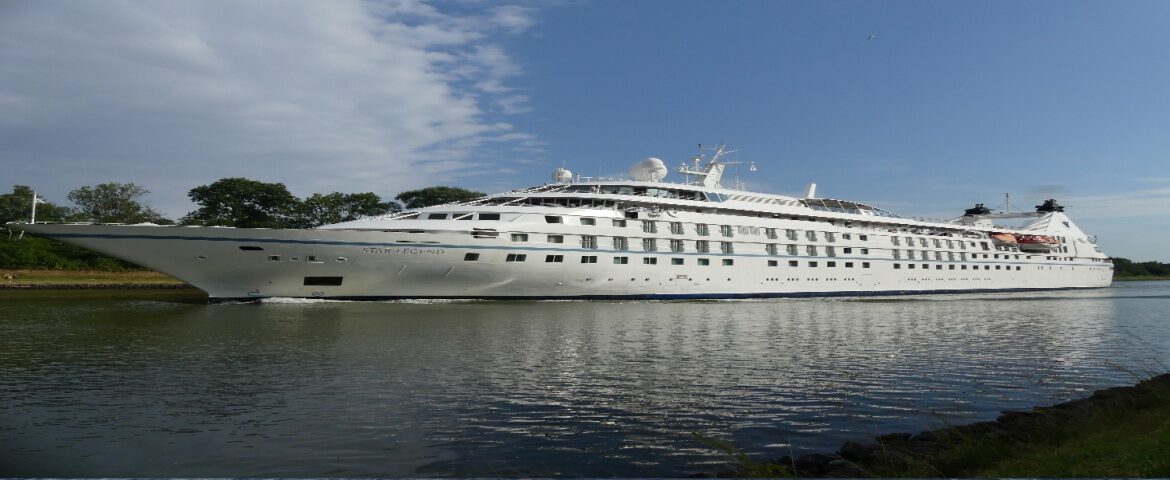
Star Legend
28 Cruises


Itea Delphi Greece | Ancient Greek Heritage Cruise Guide
Frequently Asked Questions
For Delphi. Itea is a small town at the head of the Gulf of Corinth, and the sanctuary, 16 km away, justifies the call on its own. The waterfront itself is a few steps from the quay.
By organised excursion or by taxi negotiated on the quay, 16 kilometres inland towards the foothills of Parnassus. Allow half a day for the round trip and the visit.
The Sacred Way between the treasuries of the city-states, the Temple of Apollo whose columns stand out against the void, the theatre and then the stadium, one of the best preserved in the country. Below the road, the tholos of the Athena Pronaia sanctuary and the Castalian spring.
The Charioteer, a bronze with enamel eyes that has fixed visitors with its gaze for 2,500 years, and the best of what the excavations produced. The museum adjoins the site, a UNESCO World Heritage listing.
In the morning if the ship's schedule allows: the light rakes across the ruins, the air keeps its mountain freshness and the coaches are fewer. Wear proper shoes, as the ground climbs steeply.
The plain the road to the sanctuary crosses, covered with olive trees as far as the eye can see, one of the largest and oldest olive groves in Greece. Some trees are centuries old; seen from above, the plain rolls like a silver swell.
A small town 18 km to the west, lining its shipowners' houses around two quiet coves. In the nineteenth century it fitted out hundreds of sailing ships; its decline froze it in a discreet elegance. Allow two hours of wandering.
Stroll along the pebble beaches fringing the bay, iced coffee in hand, watching the mountains reflected in the gulf. The waterfront has cafes, ice cream shops, palm trees and a few fishing boats.
For children who walk, yes: the site is sloping and the ground uneven, but the stadium and theatre speak for themselves. With toddlers or a stroller it becomes hard work.
The euro and Greek. The town lives from the sea and the olive and makes no claim to stardom: English is spoken in the waterfront tavernas and at the Delphi site. Bring cash for the taxi.


