Frankfurt am Main Germany Hesse
408
Cruises availables
At departure or passage at this port
AmaWaterways (30 Cruises)
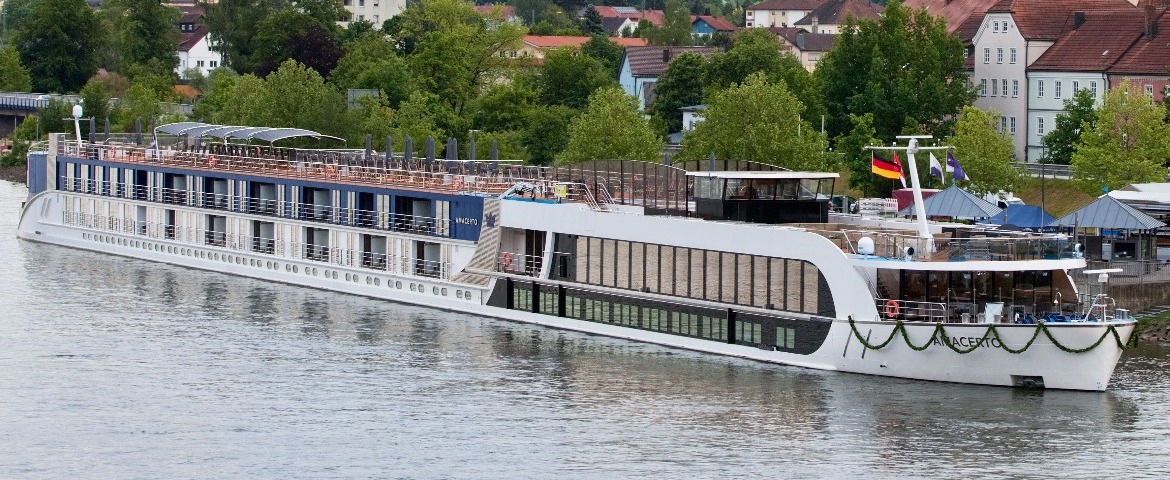
AmaCerto
16 Cruises
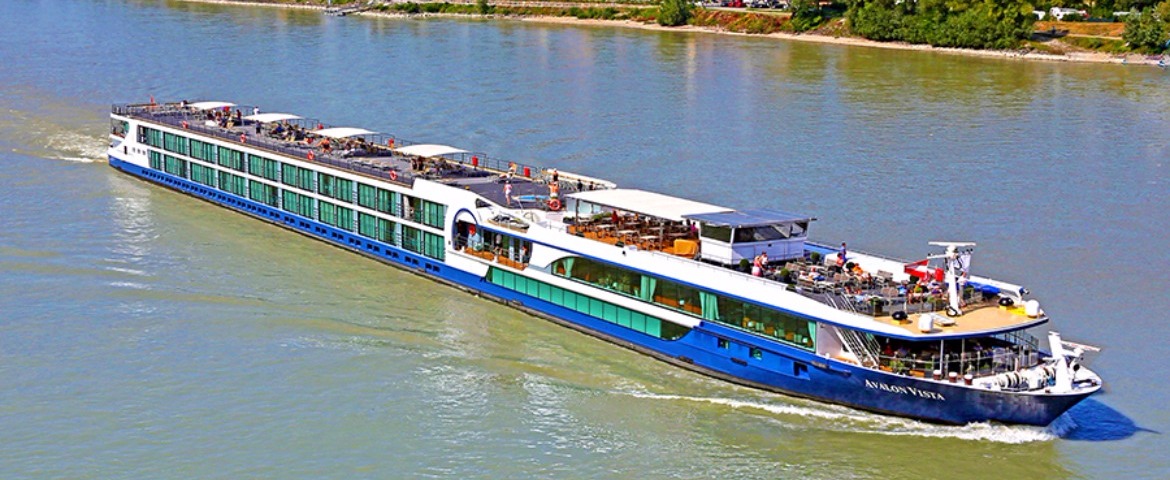
Avalon Waterways (69 Cruises)
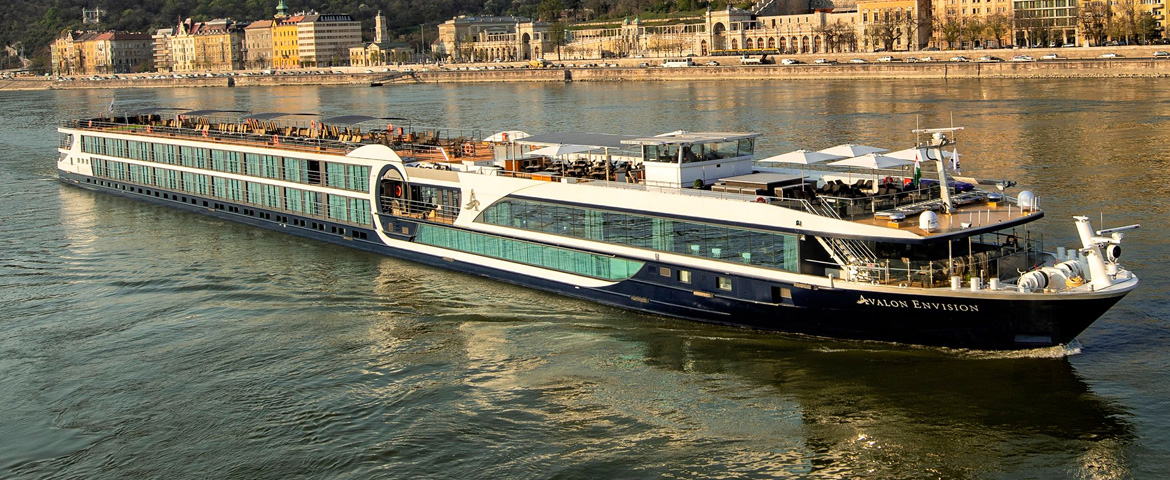
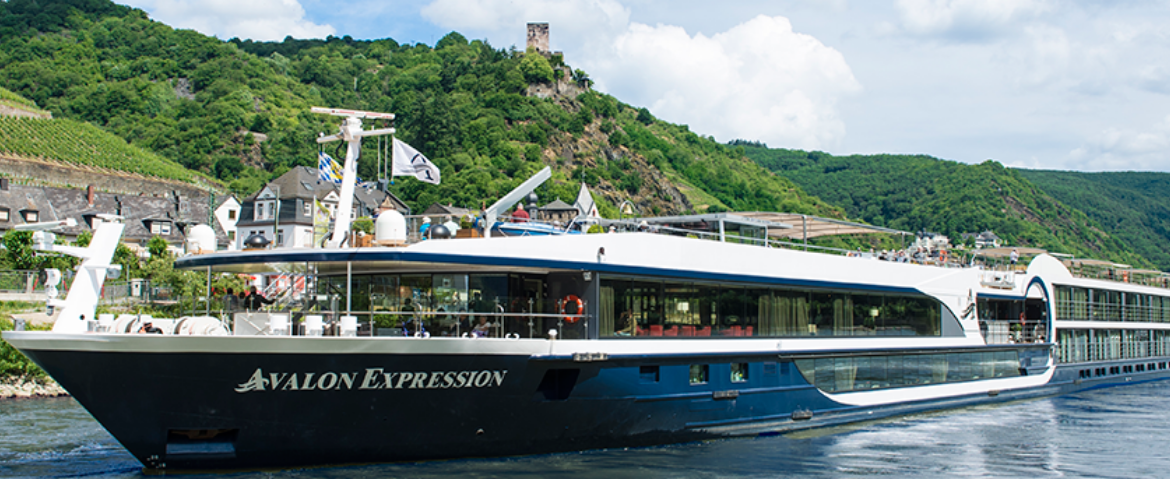
Avalon Expression®
6 Cruises
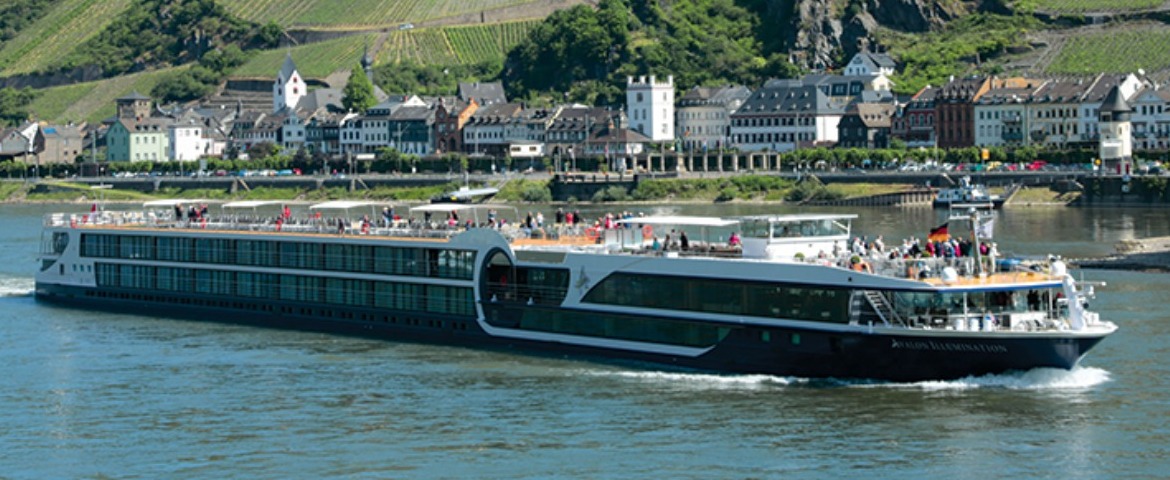
Avalon Imagery II®
16 Cruises
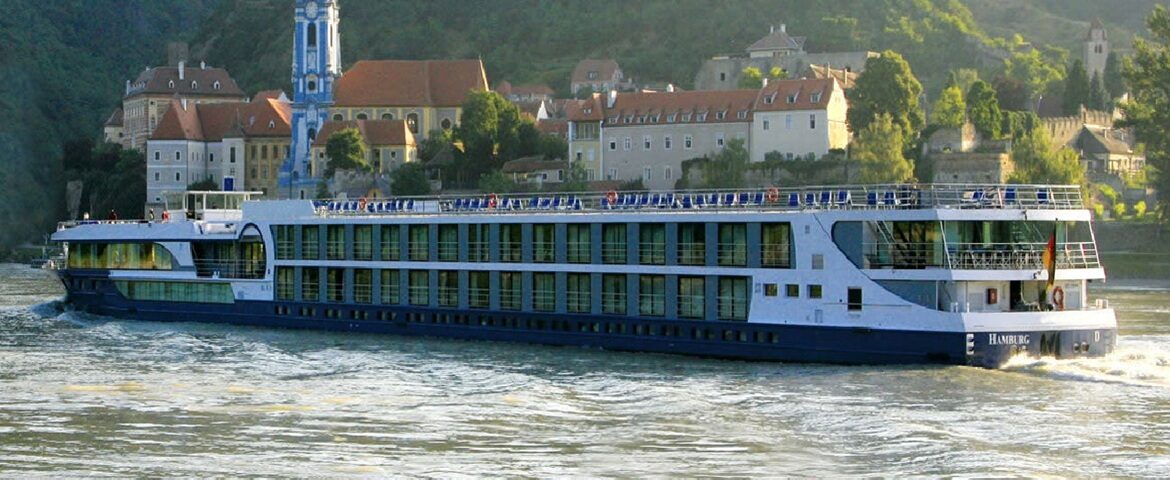
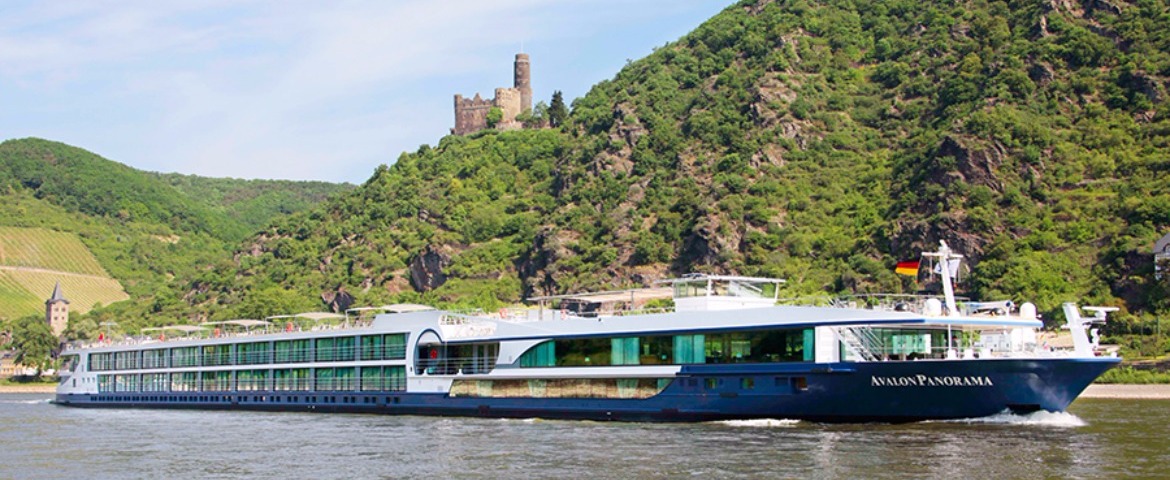
Avalon PanoramaSM
10 Cruises
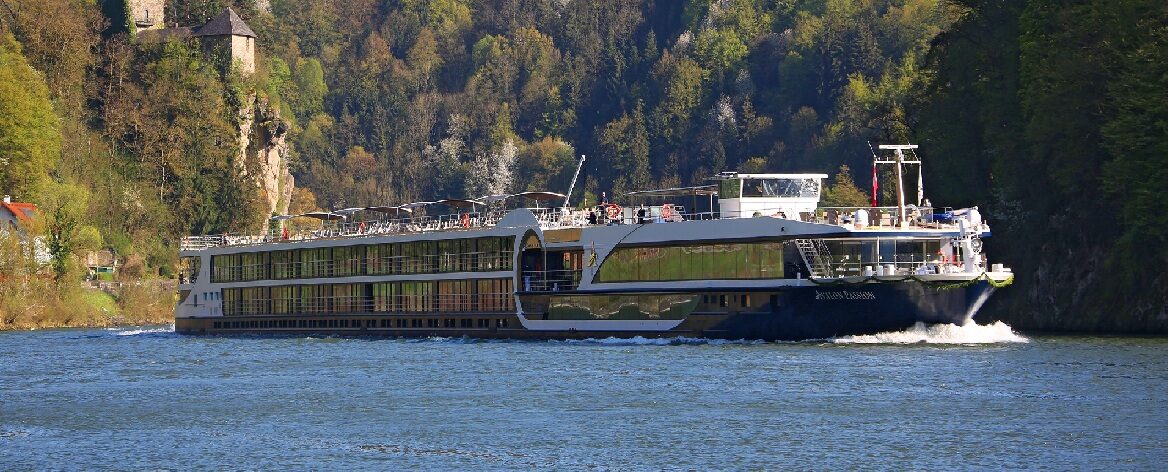
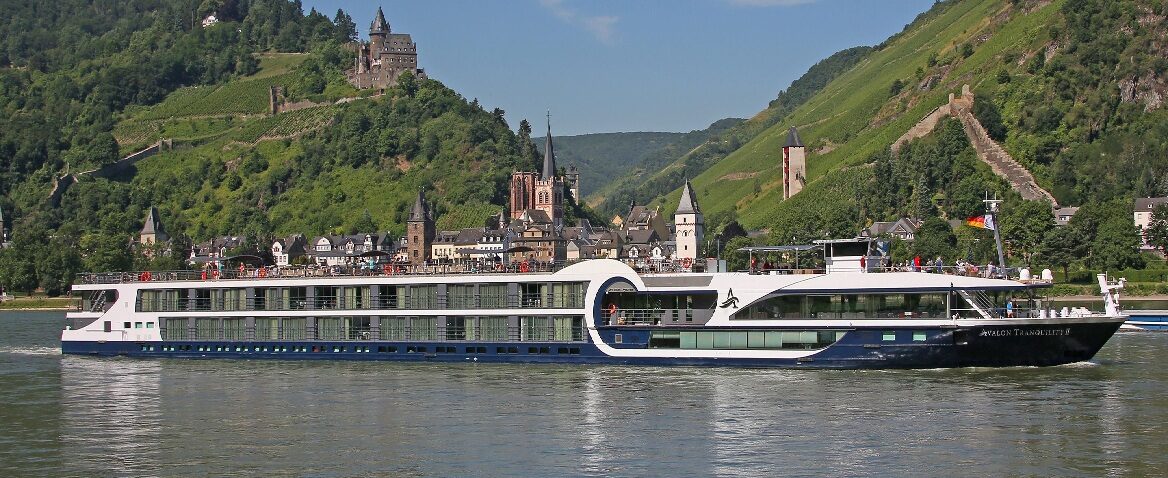
Avalon Tranquility II®
15 Cruises
| 4 November | 16 days | One-way from Budapest to Basel |
450-628-6241
Call us
|
| 11 November | 9 days | One-way from Nuremberg to Basel |
450-628-6241
Call us
|
Avalon View
4 Cruises
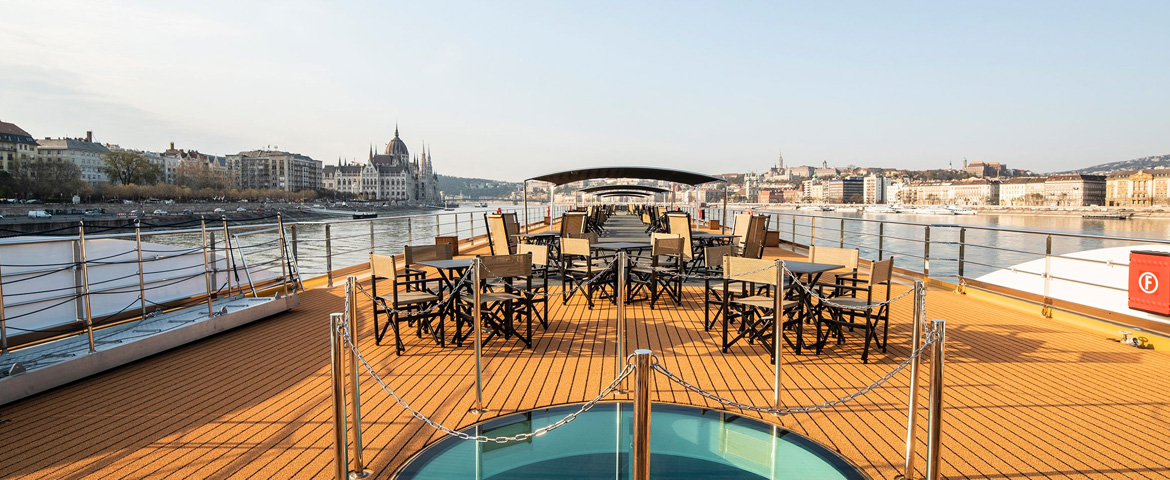
Avalon VistaSM
8 Cruises
CroisiEurope (44 Cruises)
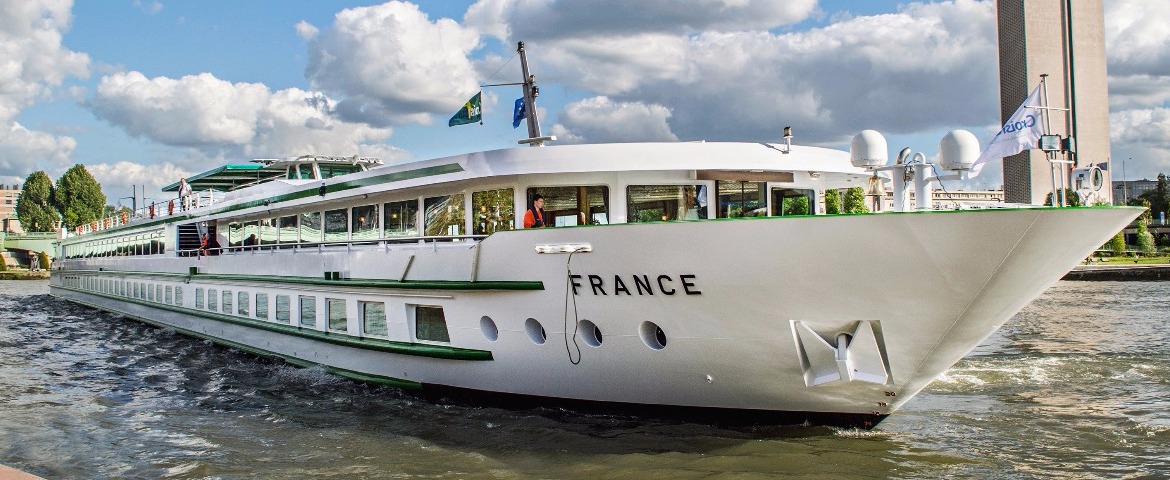
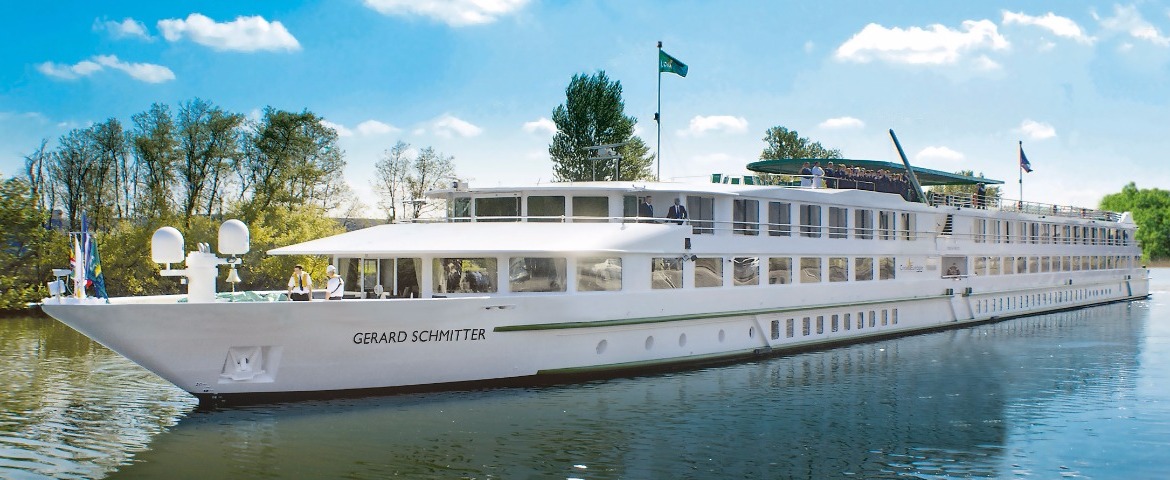
MS Gerard Schmitter
7 Cruises
| 2 May | 7 days | Round-trip from Kehl-Strasbourg, Germany |
450-628-6241
Call us
|
| 23 May | 7 days | Round-trip from Kehl-Strasbourg, Germany |
450-628-6241
Call us
|
MS L'Europe
3 Cruises
 Image not available
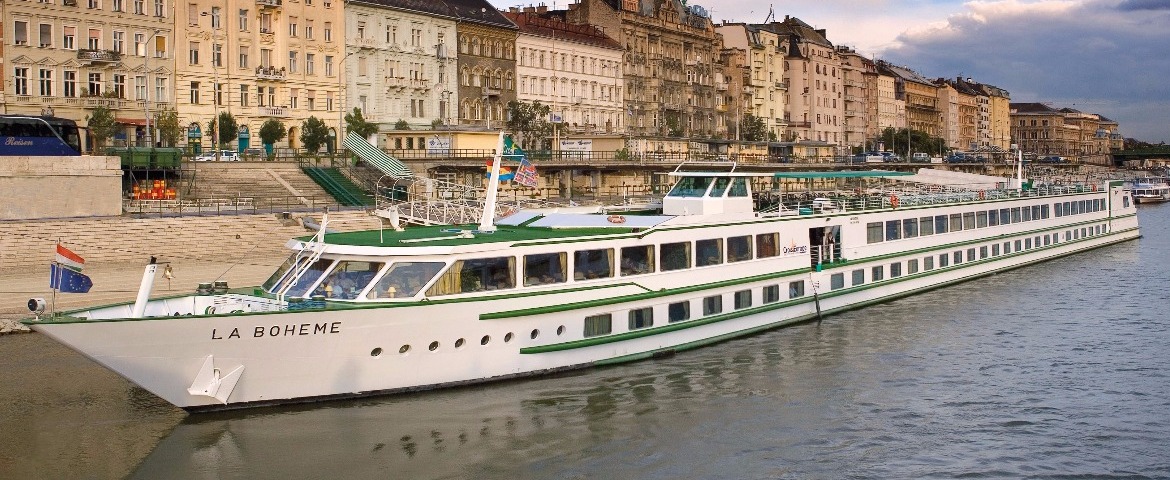
MS La Boheme
8 Cruises
MS Leonard de Vinci
8 Cruises
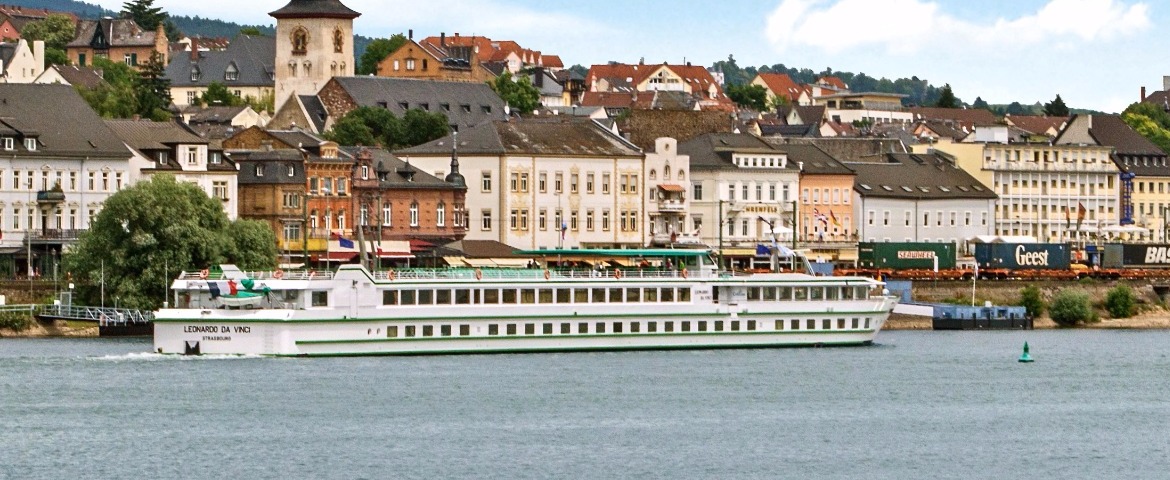
| 30 April | 8 days | One-way from Kehl-Strasbourg to Remich |
450-628-6241
Call us
|
| 30 April | 9 days | One-way from Kehl-Strasbourg to Remich |
450-628-6241
Call us
|
| 22 August | 8 days | One-way from Kehl-Strasbourg to Remich |
450-628-6241
Call us
|
| 22 August | 9 days | One-way from Kehl-Strasbourg to Remich |
450-628-6241
Call us
|
MS Modigliani
8 Cruises
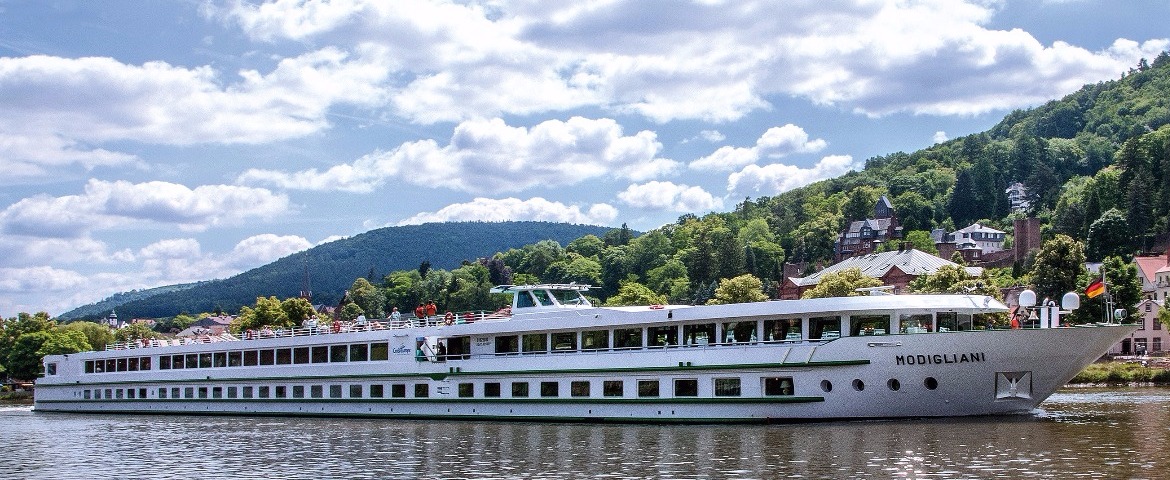
| 13 May | 12 days | One-way from Kehl-Strasbourg to Budapest |
450-628-6241
Call us
|
| 13 May | 13 days | One-way from Kehl-Strasbourg to Budapest |
450-628-6241
Call us
|
| 13 June | 12 days | One-way from Kehl-Strasbourg to Budapest |
450-628-6241
Call us
|
| 13 June | 13 days | One-way from Kehl-Strasbourg to Budapest |
450-628-6241
Call us
|
Emerald Waterways (54 Cruises)
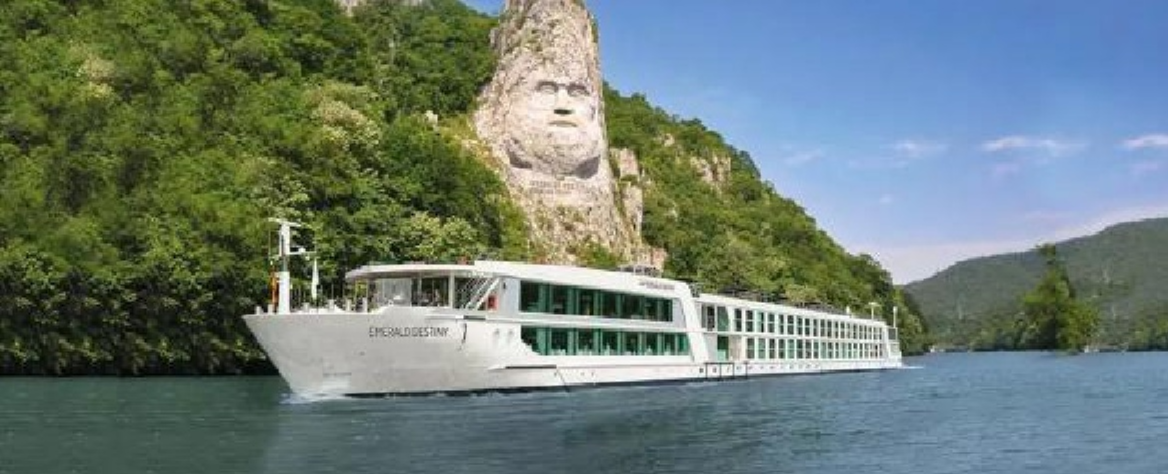
Emerald Destiny
18 Cruises
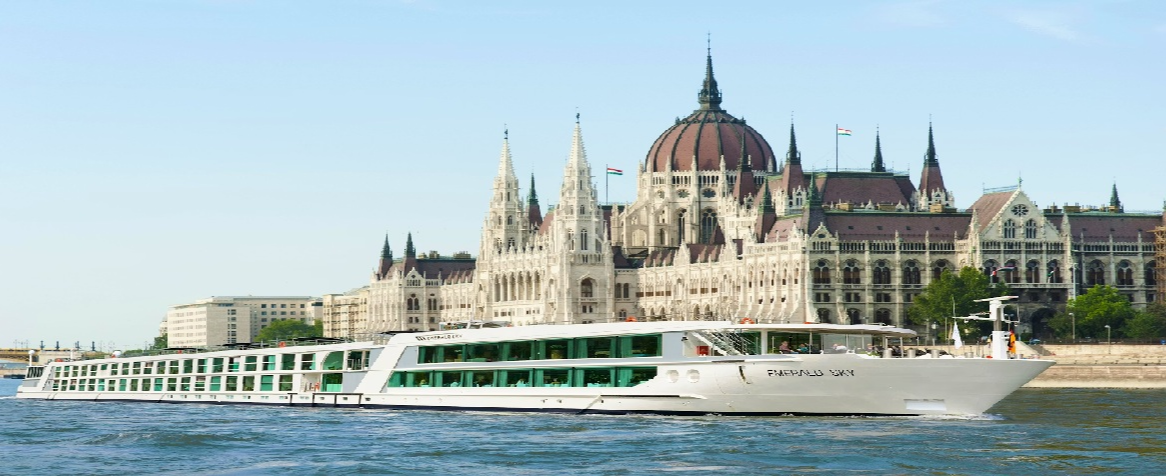
Emerald Sky
12 Cruises
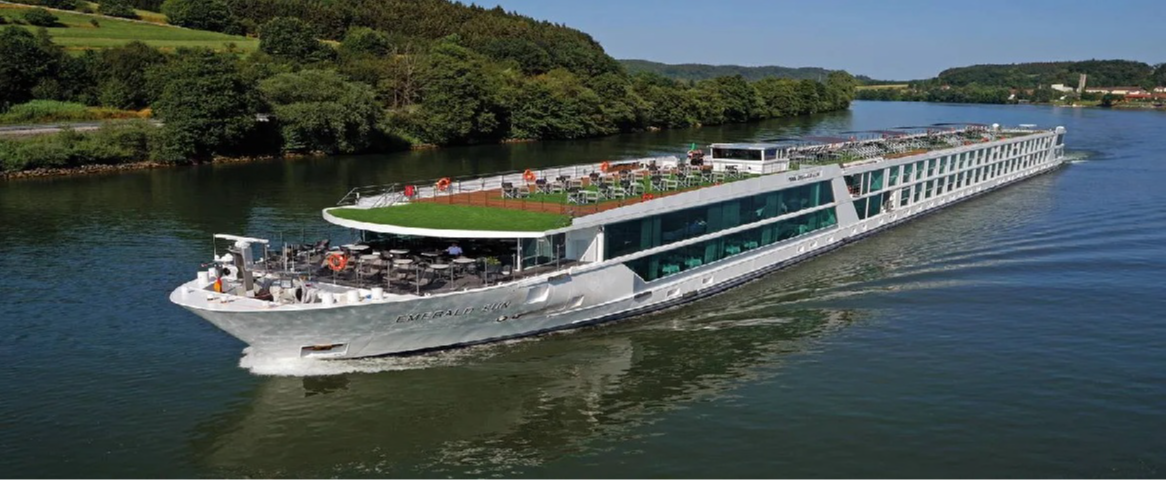
Emerald Sun
24 Cruises
Scenic Cruises (19 Cruises)
Scenic Pearl
10 Cruises
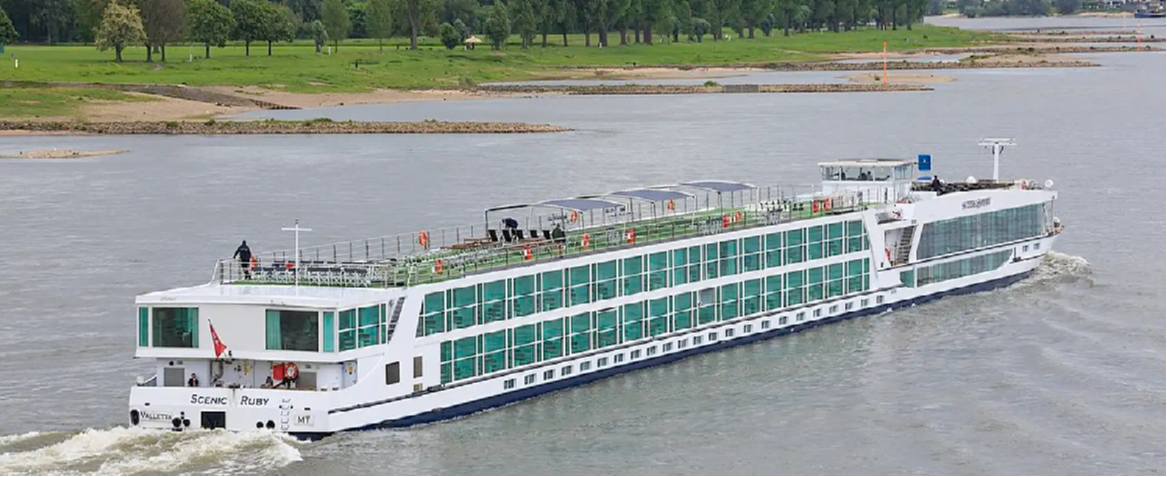
Scenic Ruby
9 Cruises
| 2 May | 14 days | One-way from Berlin to Basel |
450-628-6241
Call us
|
| 2 May | 15 days | One-way from Berlin to Basel |
450-628-6241
Call us
|
| 2 May | 11 days | One-way from Berlin to Basel |
450-628-6241
Call us
|
Uniworld Boutique River Cruise (42 Cruises)
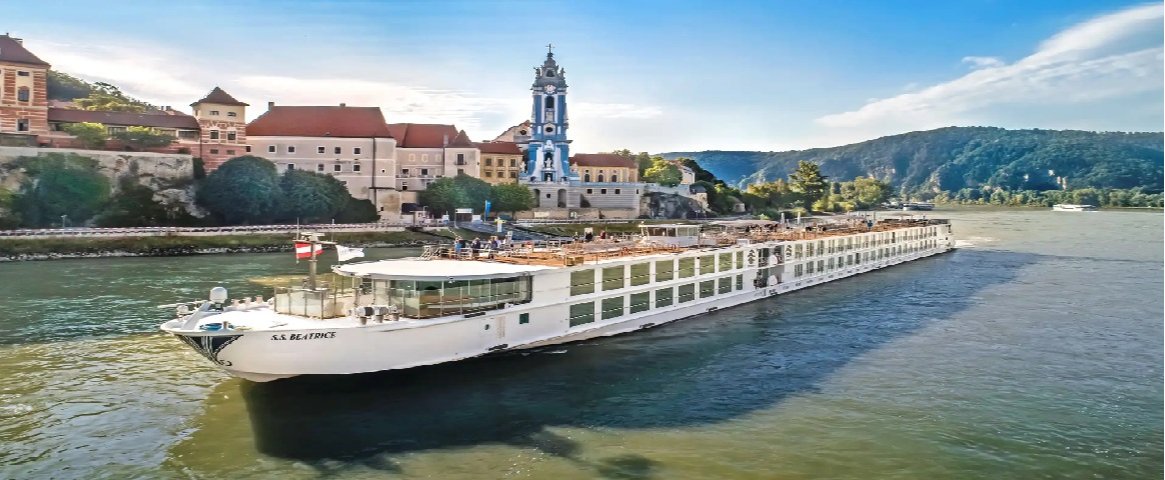
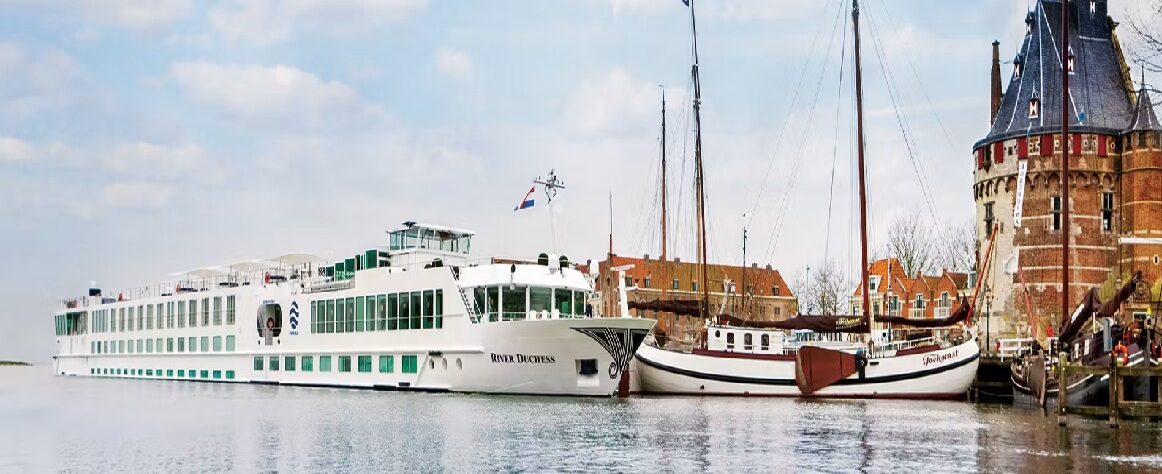
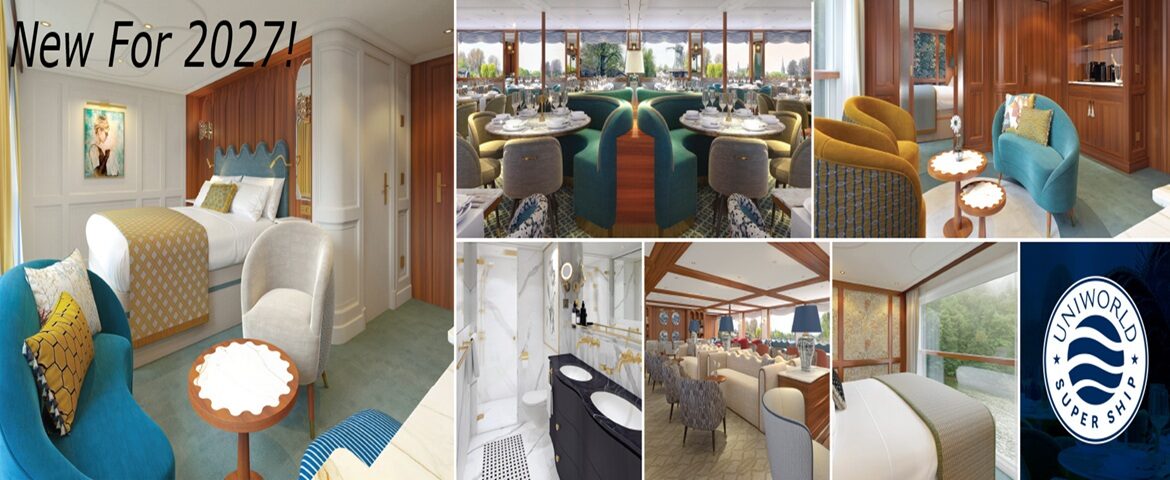
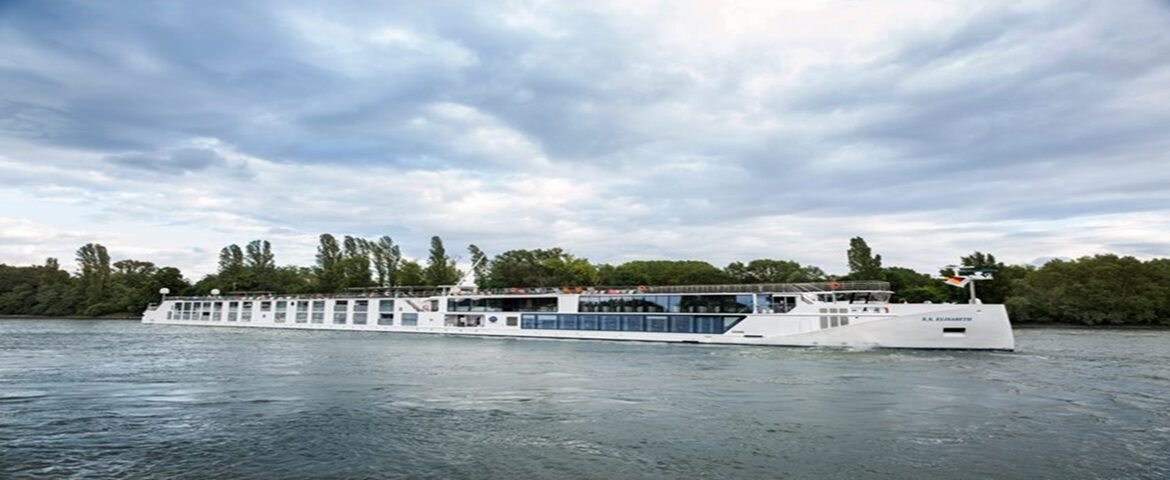
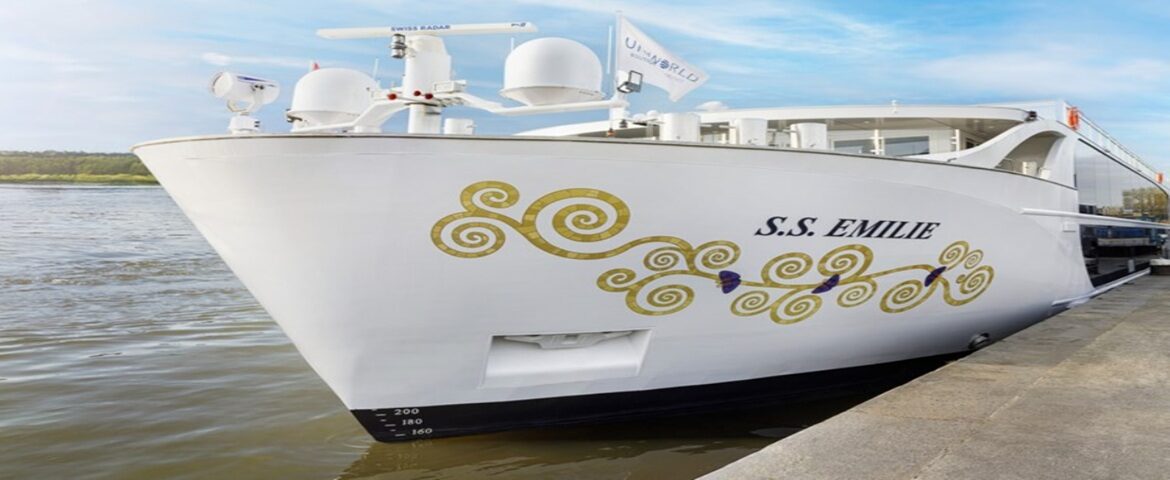
S.S Elisabeth
8 Cruises
| 25 November | 8 days | One-way from Frankfurt am Main to Nuremberg |
450-628-6241
Call us
|
| 25 November | 7 days | One-way from Frankfurt am Main to Nuremberg |
450-628-6241
Call us
|
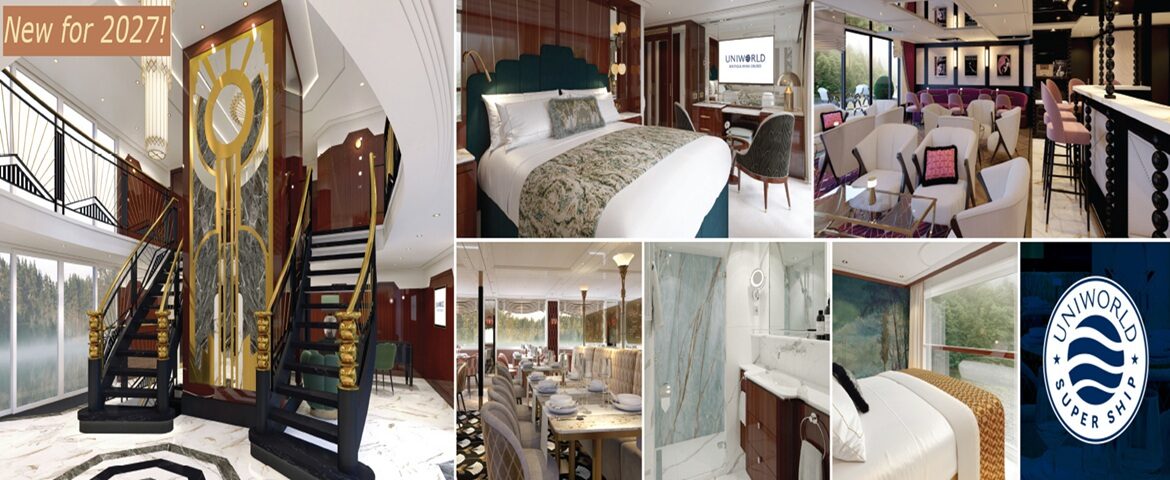
S.S Marlene
15 Cruises
Viking River Cruises (144 Cruises)
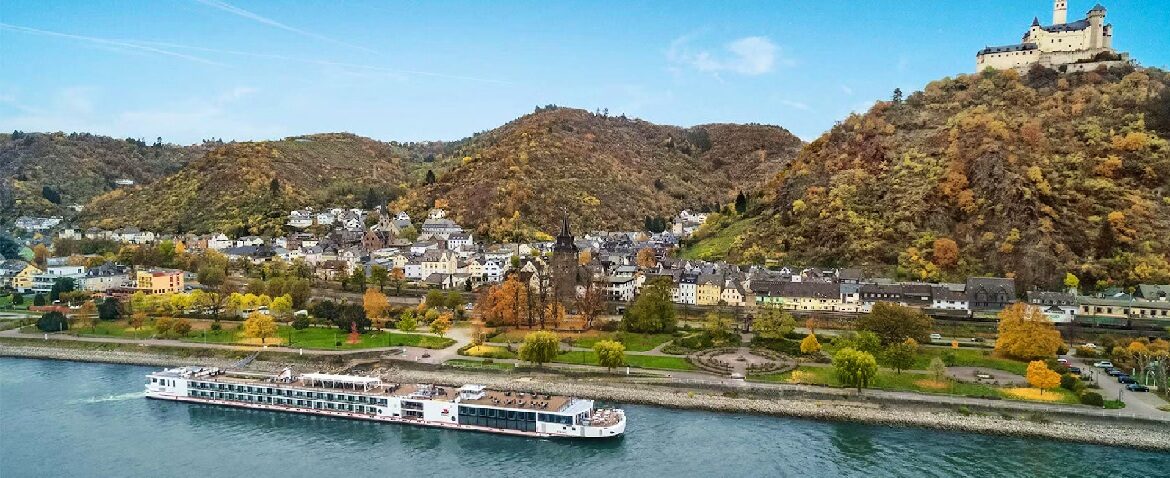
Viking Longships Atla
6 Cruises
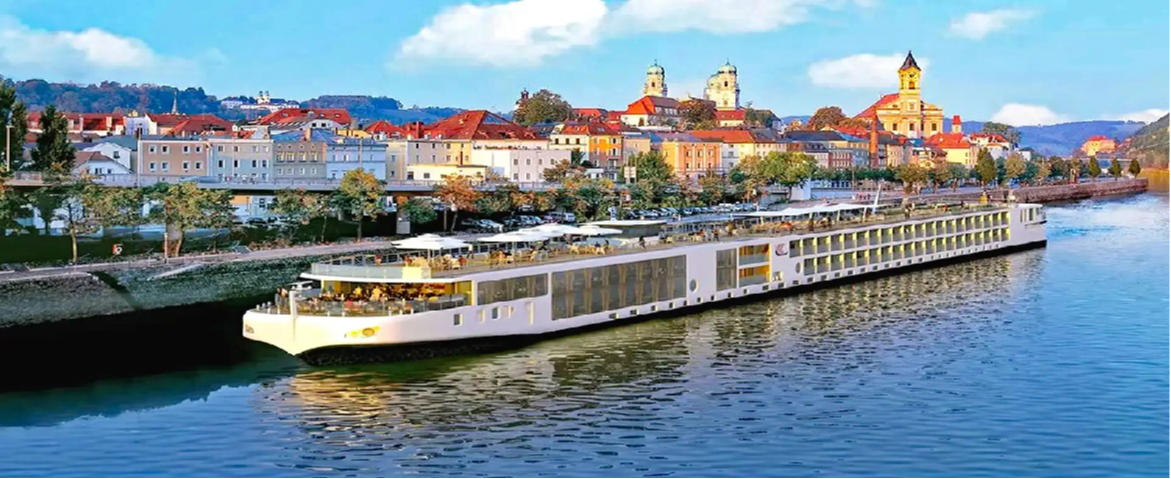
Viking Longships Gullveig
6 Cruises
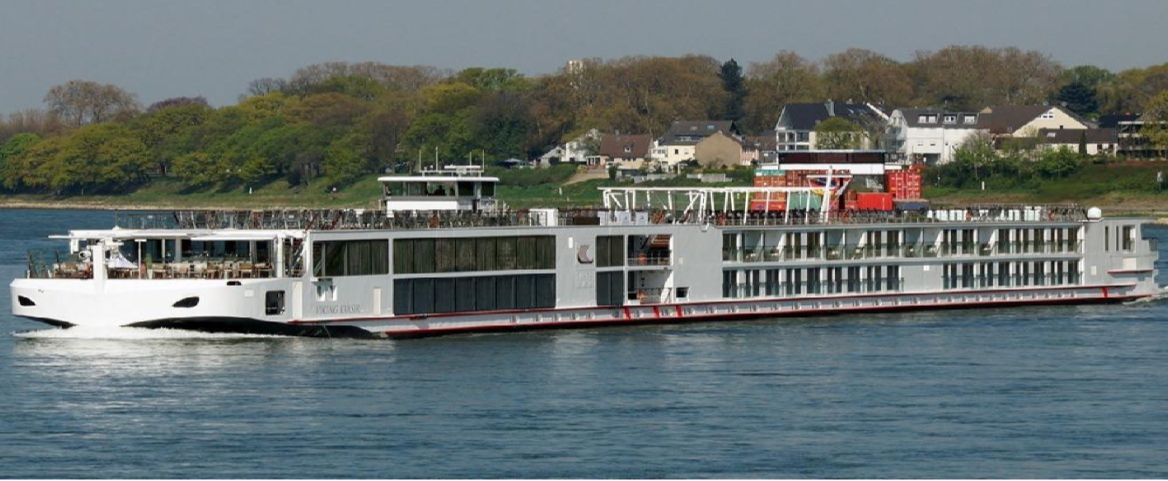
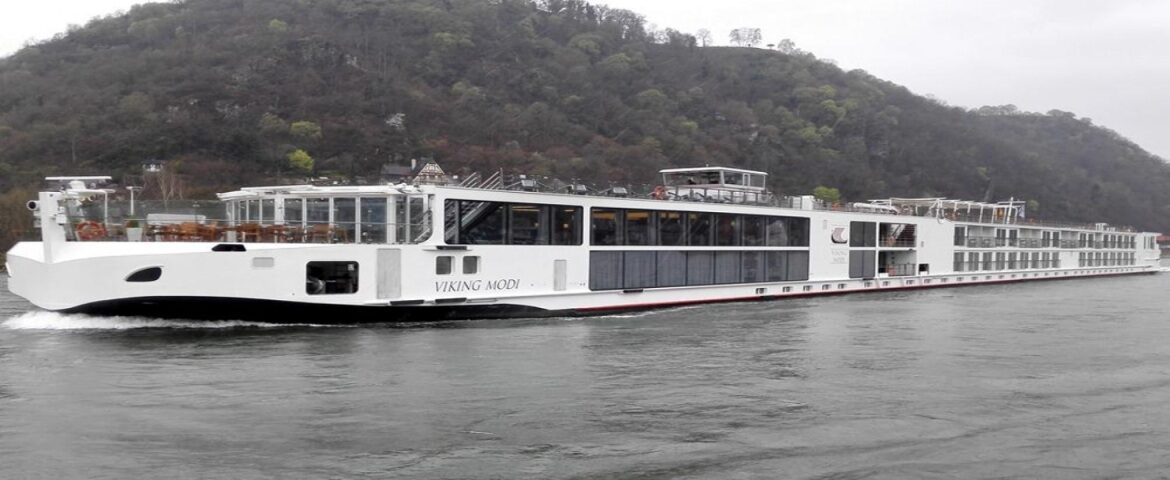
Viking Longships Modi
59 Cruises
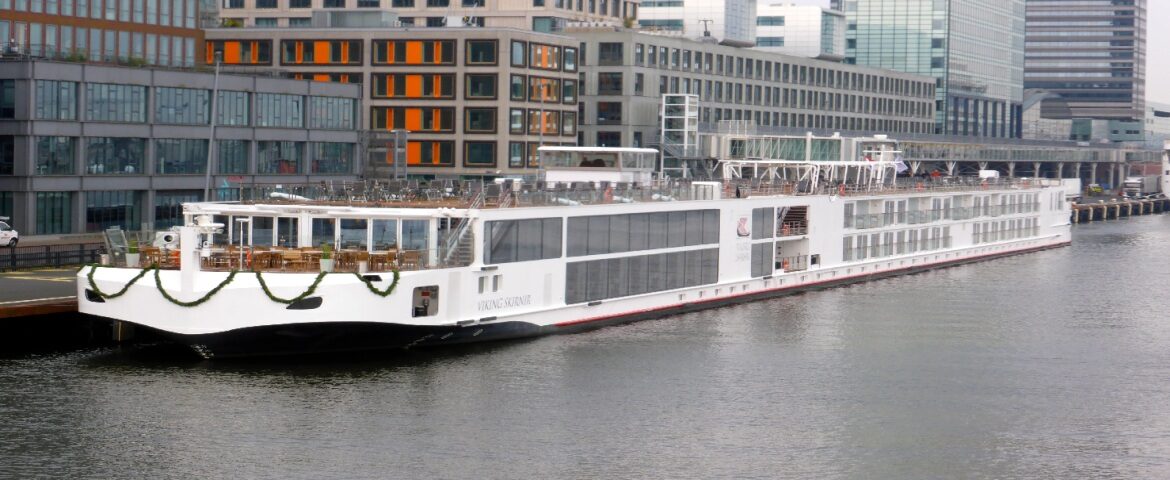
Viking Longships Skirnir
63 Cruises
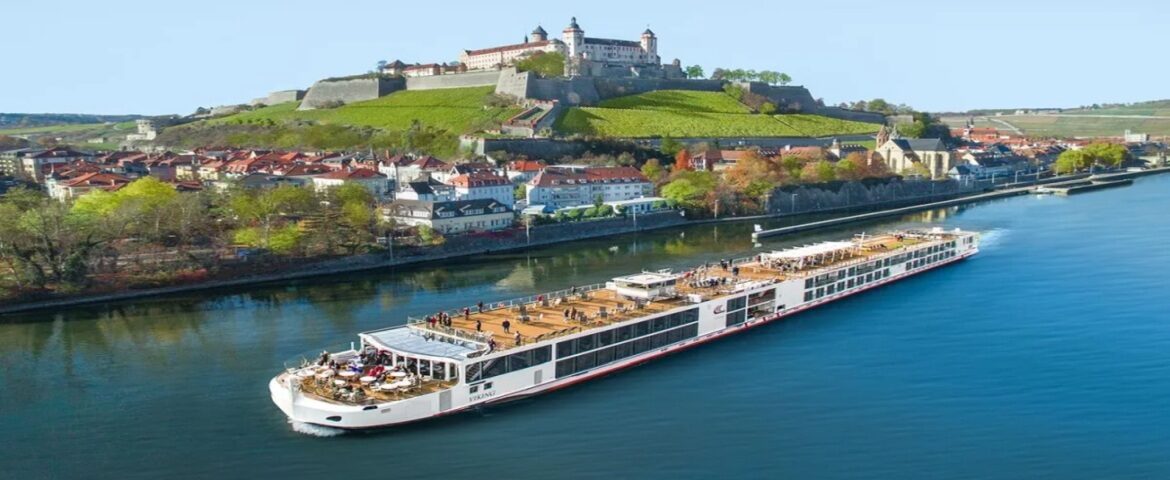
Frankfurt am Main, Germany | Cruise Port Guide
Frequently Asked Questions
On the north bank of the Main, at the Mainkai or Untermainkai quays, near the Untermain bridge. Ten minutes on foot brings you to the Römerberg, the city's oldest square.
The square that holds the city's classic image: half-timbered houses with pointed gables, the Fountain of Justice at its centre, and the Römer, the triple-gabled town hall that has served as the seat of municipal power since the 15th century.
It is a reconstruction, and that is worth knowing: almost everything was destroyed in 1944 and almost everything was raised again. The DomRömer quarter, opened in 2018, takes the approach further: some fifteen old houses were rebuilt exactly as they were, mixed with contemporary designs, restoring to the centre its web of lanes and courtyards.
Because this is where Holy Roman Emperors were elected for centuries and, from 1562, crowned. St Bartholomew's Cathedral raises its red sandstone tower above the rooftops at the edge of the rebuilt quarter, and the tower can be climbed by anyone wanting to look down on both the half-timbering and the skyscrapers.
Because of its towers of glass and steel, as Germany's financial capital and seat of the European Central Bank. The contrast is striking: skyscrapers on one side of the river, a row of museums housed in villas on the other.
The museum embankment, reached by crossing the Main on the Eiserner Steg, an iron footbridge of 1869 covered in love padlocks. A dozen institutions follow one another along the bank, including the Städel, one of Europe's great art museums, covering seven centuries of painting from Botticelli to Picasso.
The local apple wine, served in stoneware jugs in the taverns of the Sachsenhausen quarter, just behind the museum embankment. It comes with unfussy regional dishes, and the shared tables make conversation easy.
The covered market on the north bank, which feeds the city on sausages, cheeses, flowers and produce from around the world, in a cheerful late-morning din. It is the place to eat local without ceremony.
From the Main Tower platform, 200 metres above the pavement: it is the only skyscraper in the banking district open to the public. The view reaches from the Taunus hills to the bends of the river.
The euro and German. As the financial capital and the most international city in Germany, Frankfurt speaks English everywhere, in museums as in shops. Cards work almost everywhere, but keep cash for the Kleinmarkthalle and the Apfelwein taverns.


