Sete France Riviera
525
Cruises availables
At departure or passage at this port
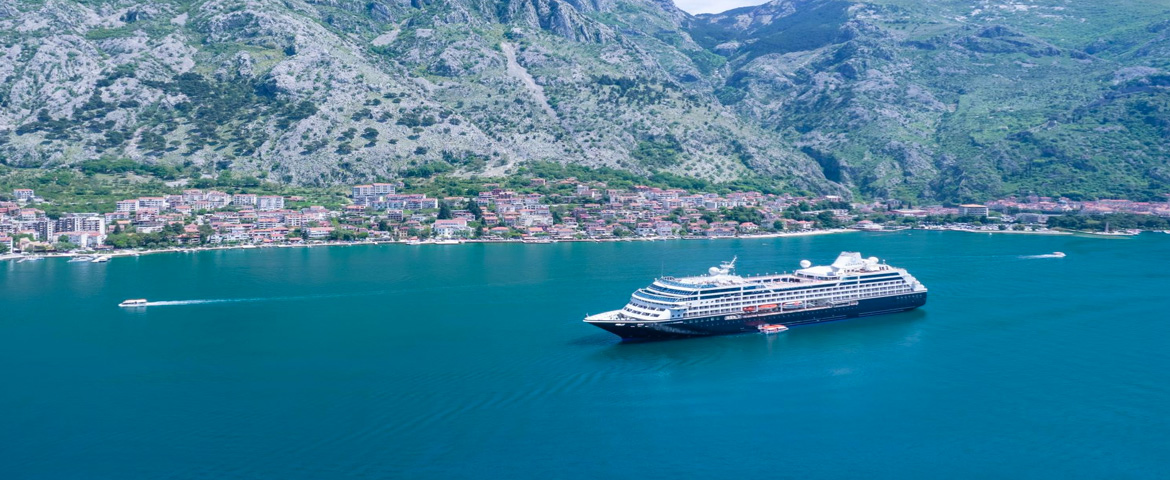
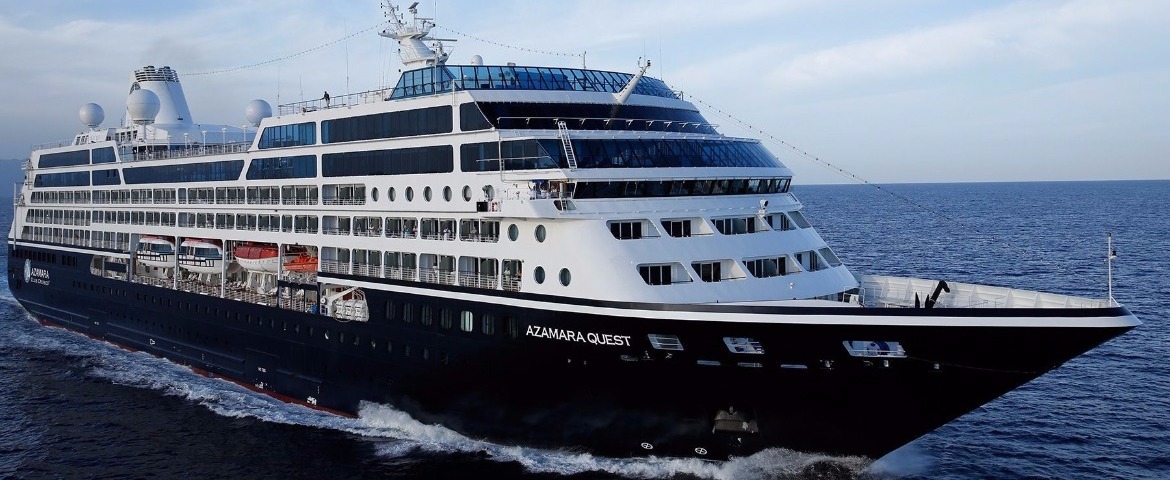
Azamara Club Cruises (7 Cruises)

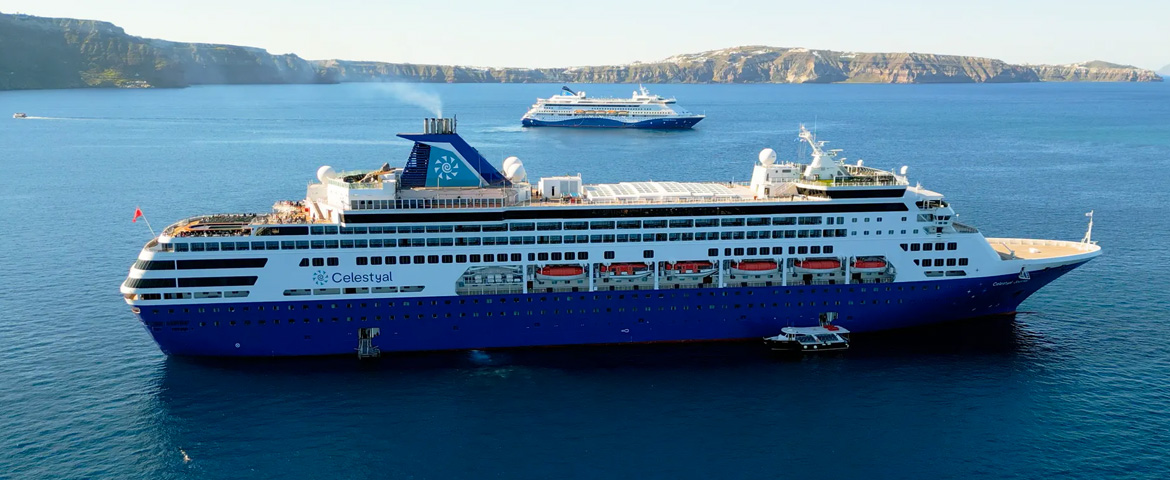
Celestyal Cruises (23 Cruises)
Celestyal Discovery
23 Cruises

CroisiEurope (17 Cruises)
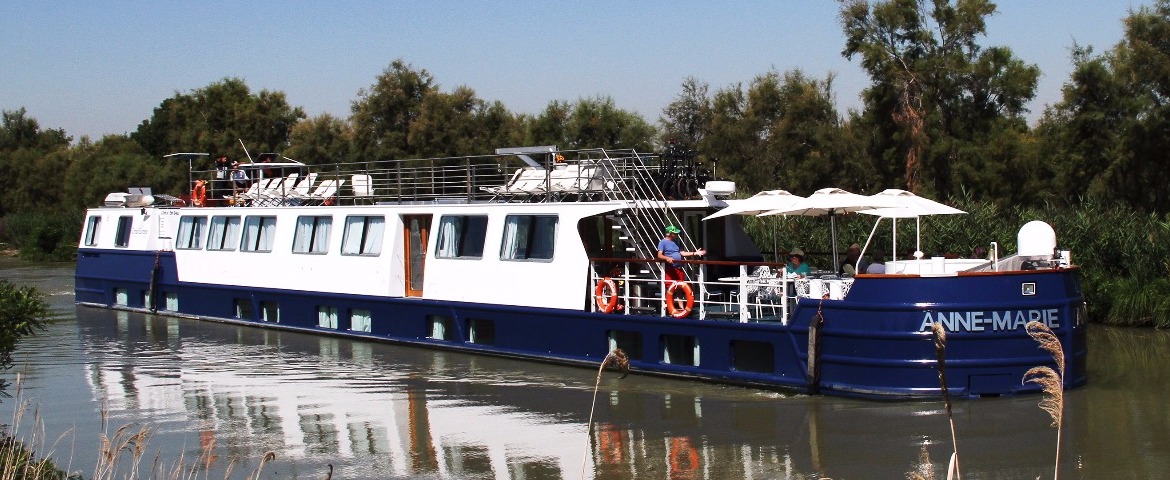
MS Anne-Marie
17 Cruises

| 1 April | 6 days | One-way from Arles to Sete |
450-628-6241
Call us
|
| 1 April | 7 days | One-way from Arles to Sete |
450-628-6241
Call us
|
| 6 May | 7 days | One-way from Sete to Arles |
450-628-6241
Call us
|
| 6 May | 6 days | One-way from Sete to Arles |
450-628-6241
Call us
|
| 24 June | 6 days | One-way from Arles to Sete |
450-628-6241
Call us
|
| 24 June | 7 days | One-way from Arles to Sete |
450-628-6241
Call us
|
Oceania Cruises (54 Cruises)
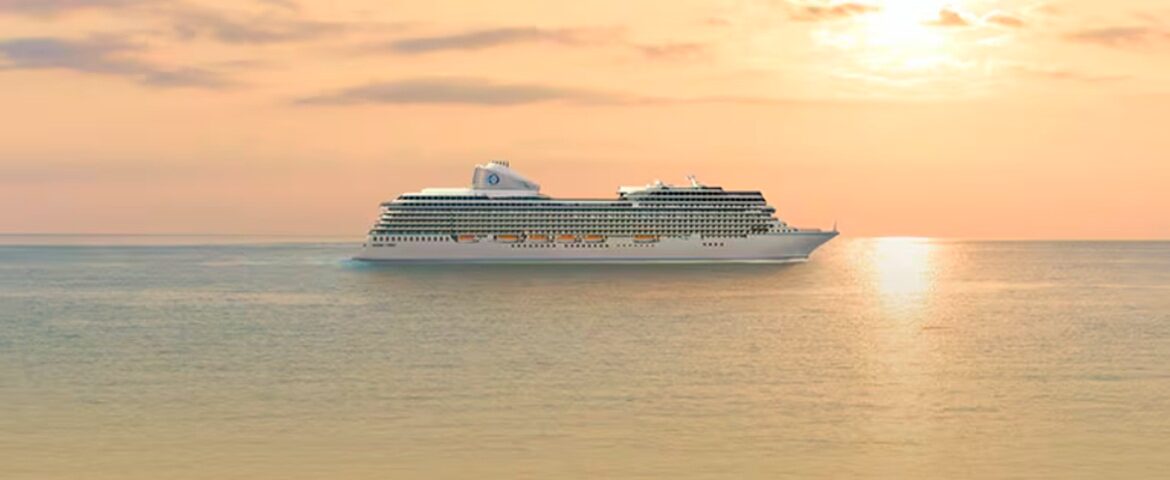
Oceania Allura
30 Cruises

| 31 March | 23 days | One-way from Miami to Civitavecchia-Rome |
450-628-6241
Call us
|
| 31 March | 24 days | One-way from Miami to Civitavecchia-Rome |
450-628-6241
Call us
|
| 16 April | 7 days | One-way from Barcelona to Civitavecchia-Rome |
450-628-6241
Call us
|
| 16 April | 8 days | One-way from Barcelona to Civitavecchia-Rome |
450-628-6241
Call us
|
| 23 May | 19 days | One-way from Trieste to Civitavecchia-Rome |
450-628-6241
Call us
|
| 23 May | 20 days | One-way from Trieste to Civitavecchia-Rome |
450-628-6241
Call us
|
| 2 June | 10 days | One-way from Barcelona to Civitavecchia-Rome |
450-628-6241
Call us
|
| 18 June | 22 days | One-way from Trieste to Barcelona |
450-628-6241
Call us
|
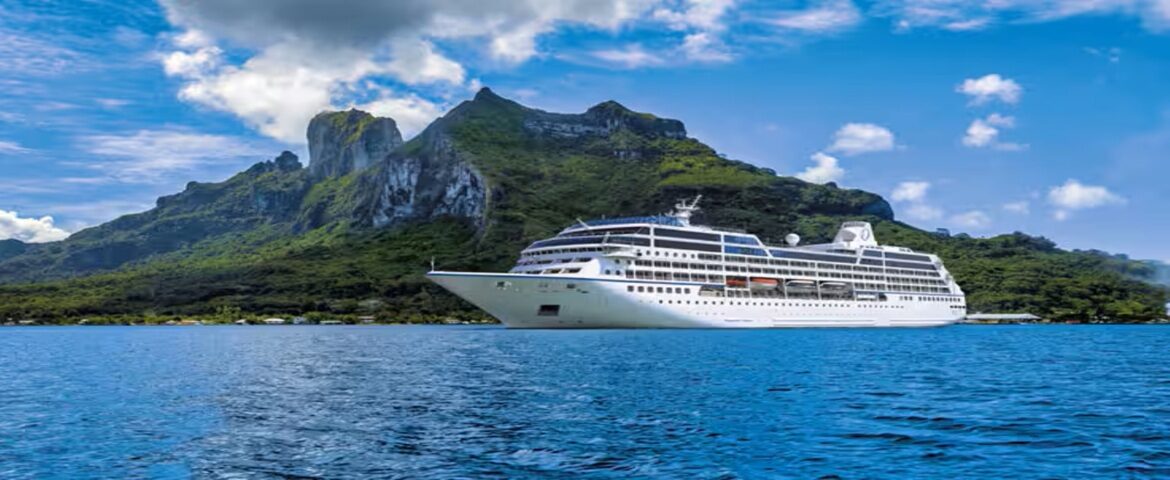
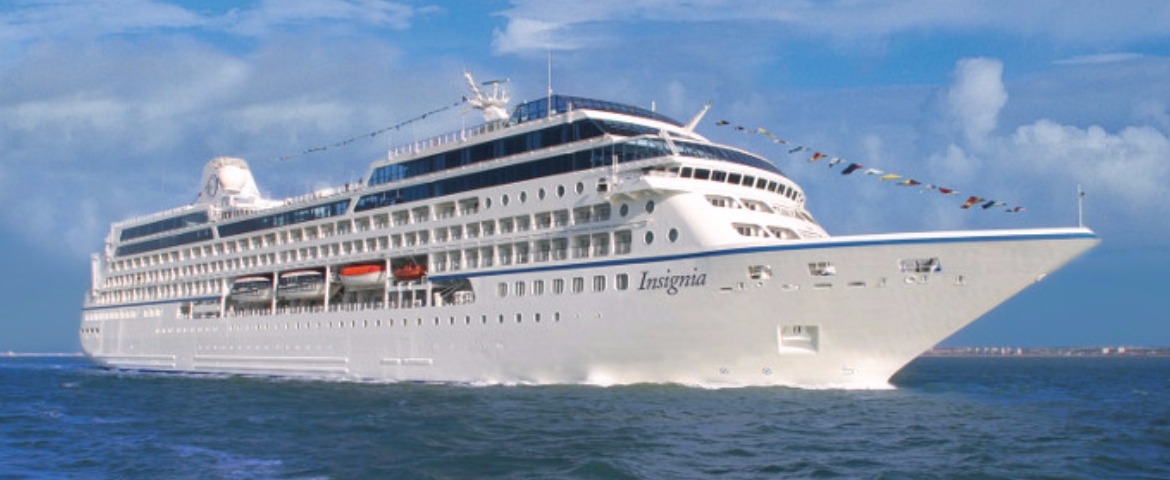
Oceania Insignia
6 Cruises
| 19 August | 67 days | One-way from Helsinki to Piraeus-Athens |
450-628-6241
Call us
|
| 19 August | 68 days | One-way from Helsinki to Piraeus-Athens |
450-628-6241
Call us
|
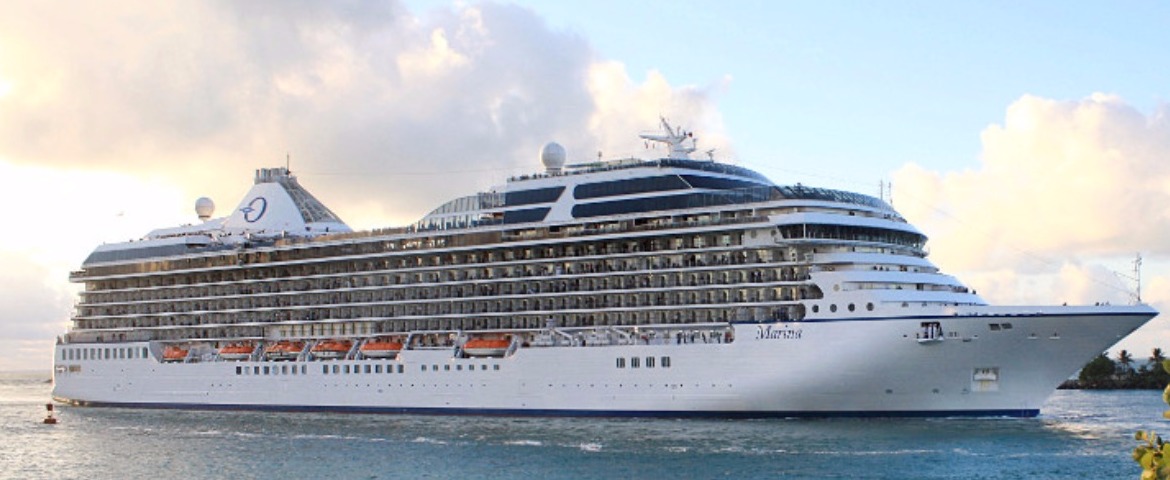
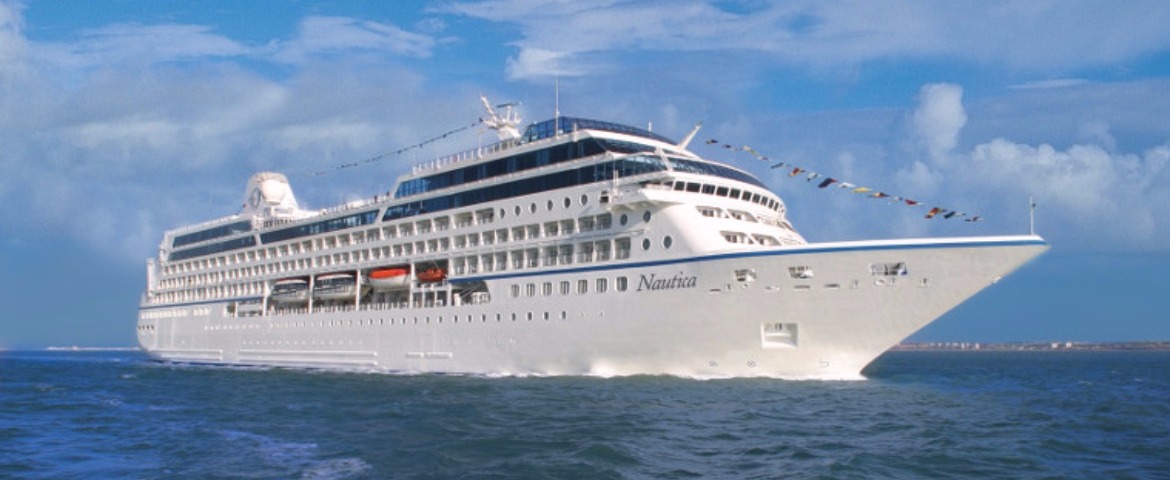
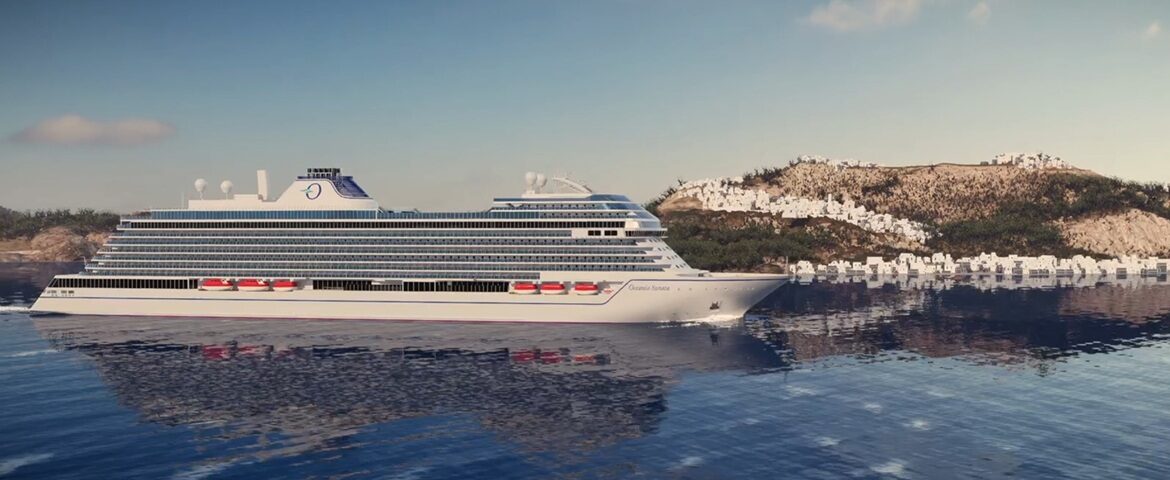
Oceania Marina
10 Cruises

Regent Seven Seas Cruises (33 Cruises)
Seven Seas Explorer
10 Cruises
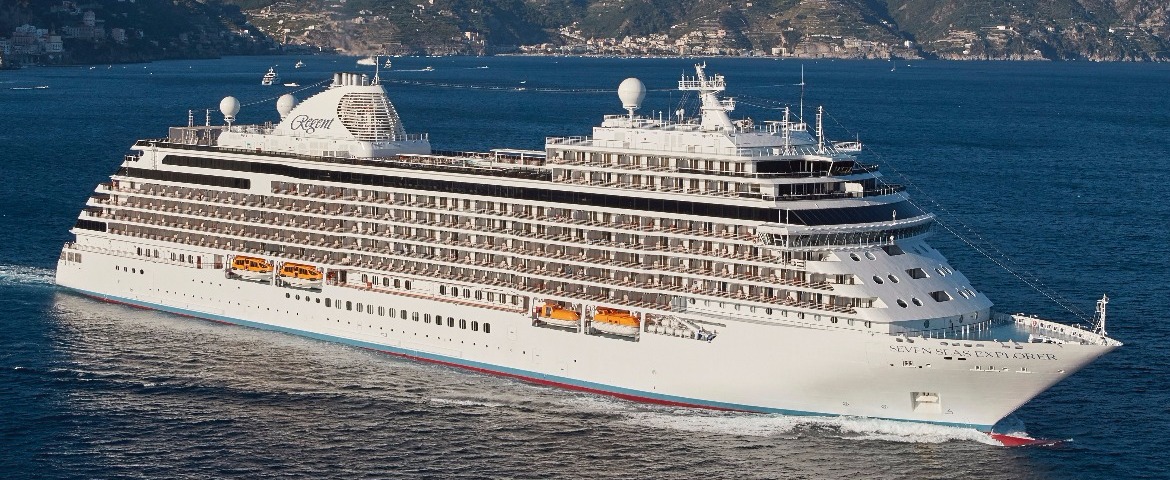

| 30 June | 21 days | One-way from Fusina Venice to Barcelona |
450-628-6241
Call us
|
| 30 June | 22 days | One-way from Venice to Barcelona |
450-628-6241
Call us
|
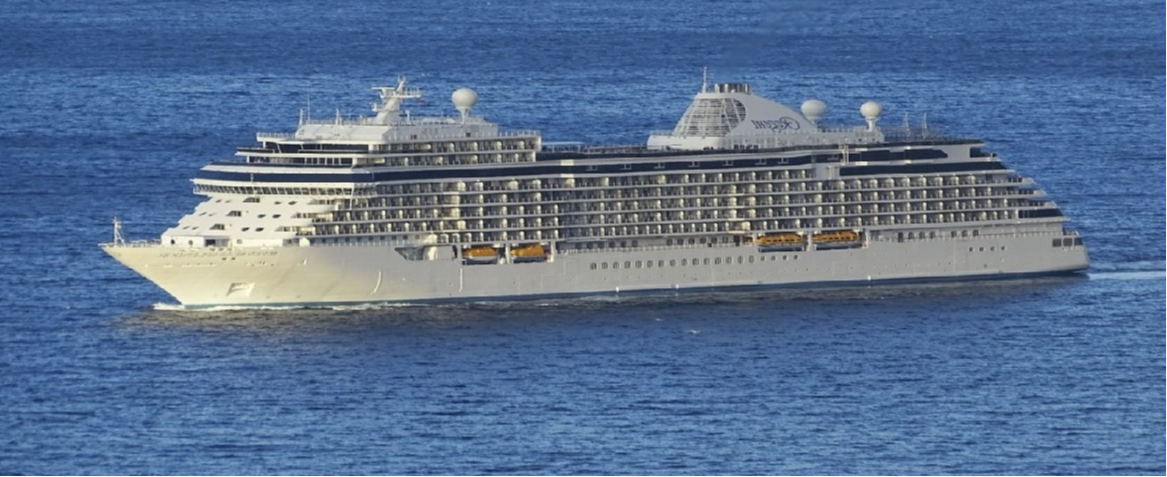
Seven Seas Grandeur
9 Cruises
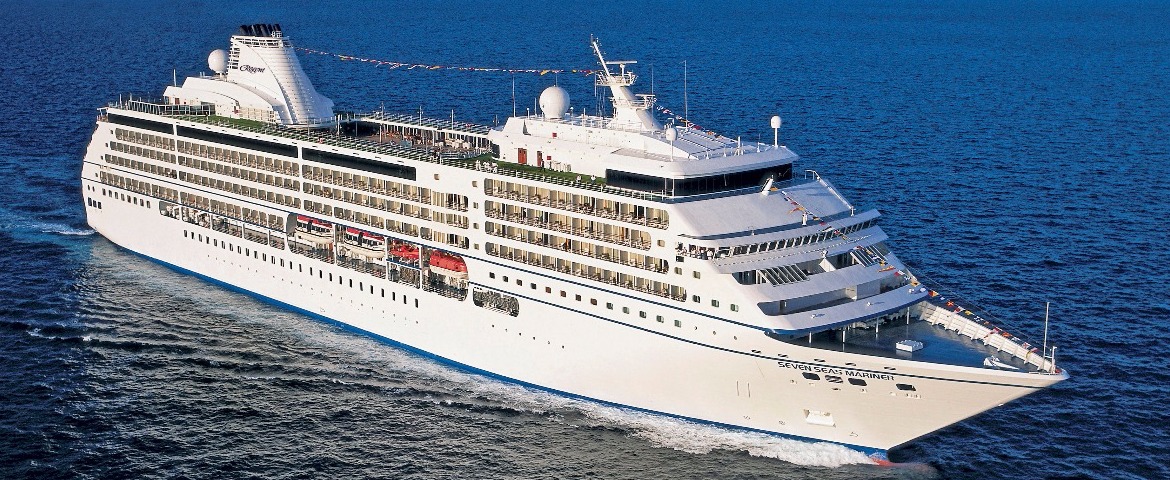
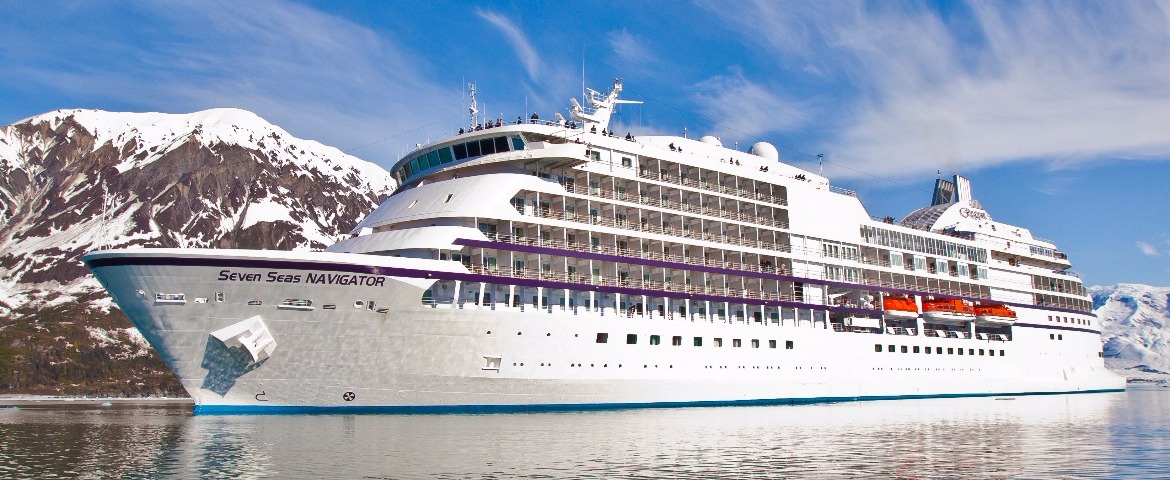
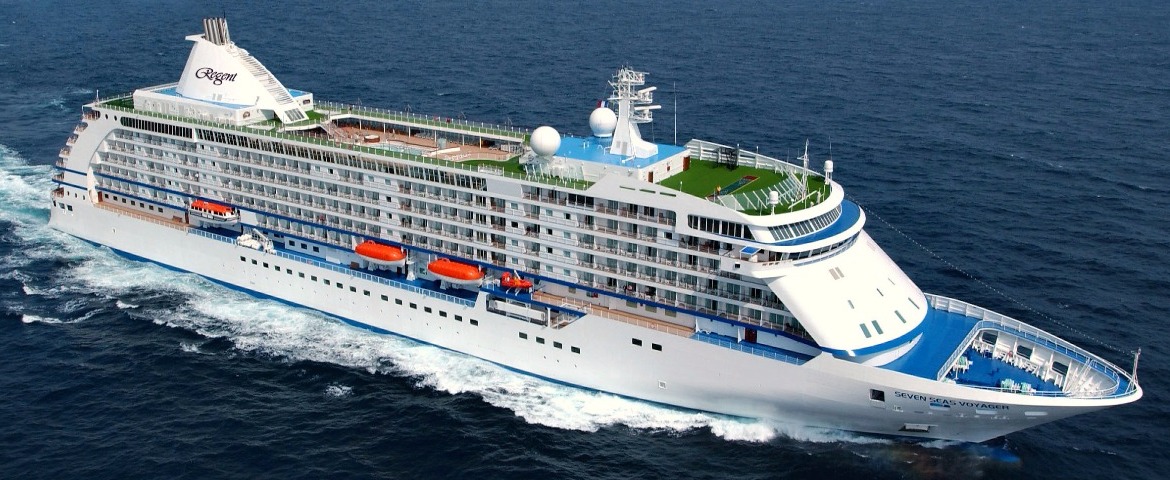
Seven Seas Voyager
10 Cruises
Seabourn Cruise Line (61 Cruises)
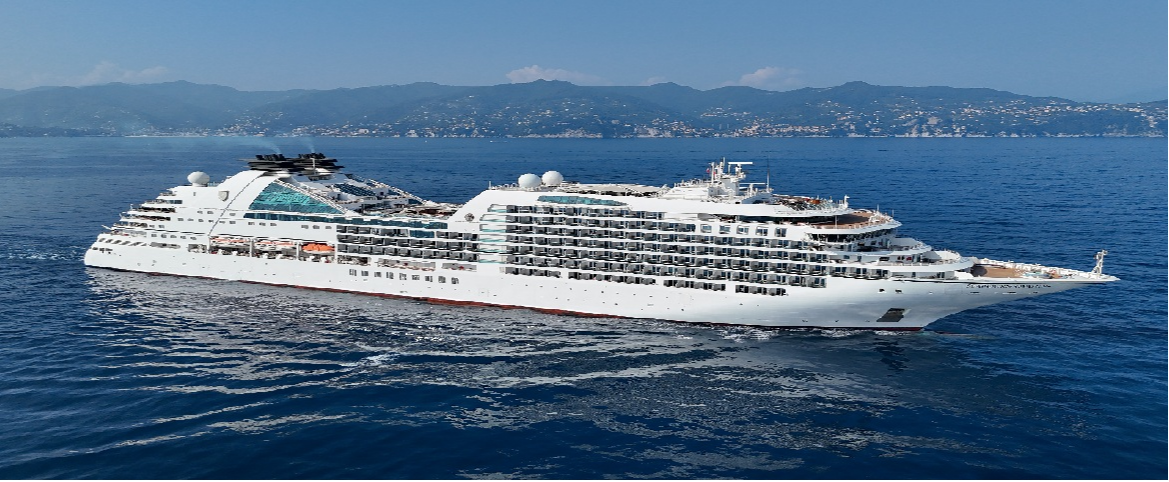
Seabourn Ovation
61 Cruises

Silversea Cruises (20 Cruises)
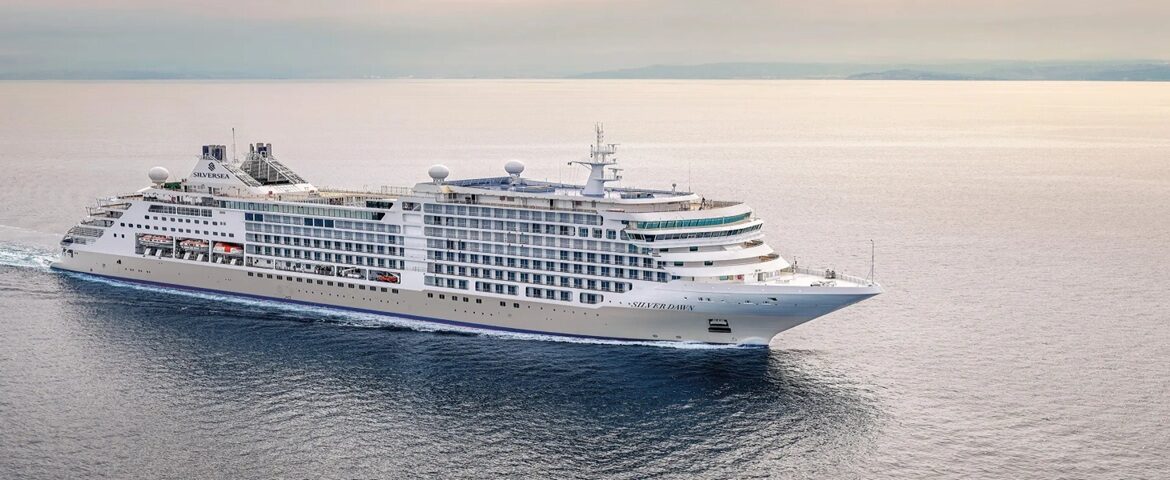
Silver Dawn
7 Cruises

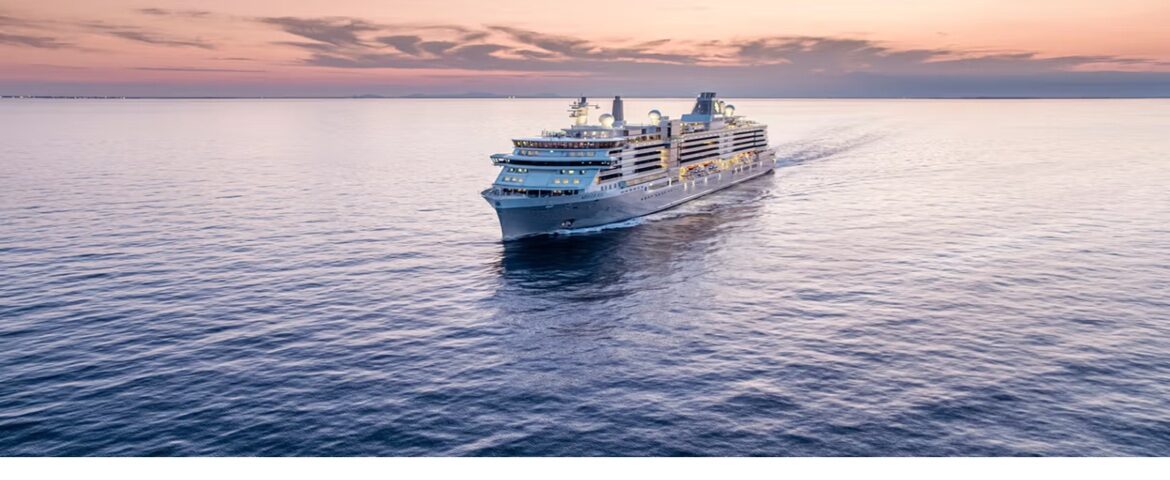
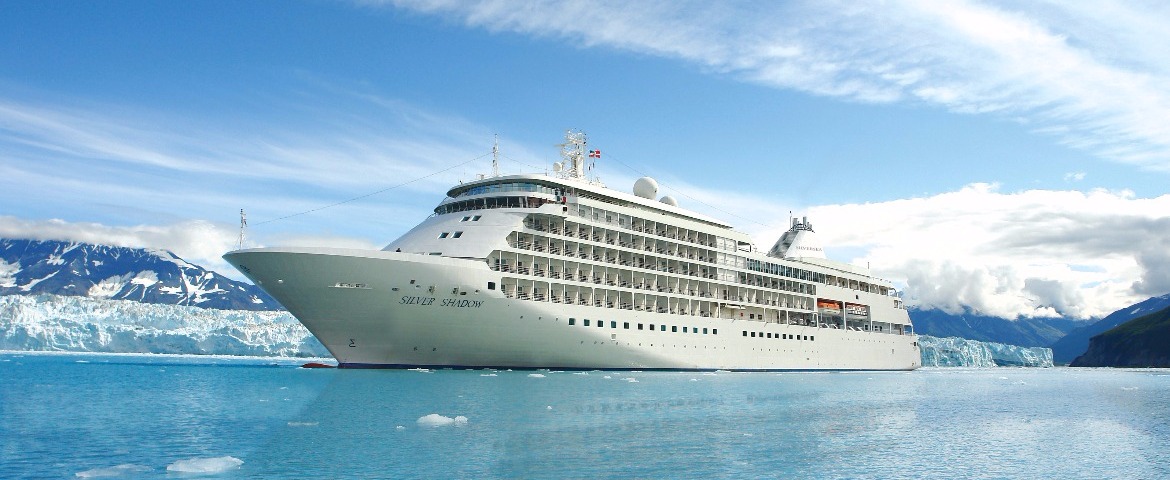
Silver Shadow
11 Cruises
Viking Ocean Cruises (306 Cruises)
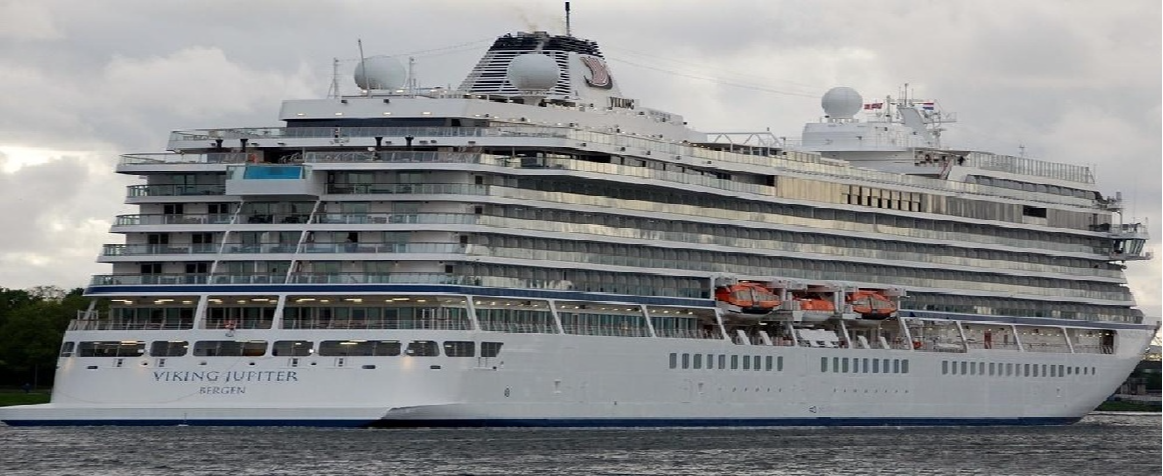
Viking Jupiter
68 Cruises

Viking Mars
15 Cruises
Viking Neptune
70 Cruises
| 27 October | 28 days | One-way from Piraeus-Athens to Lisbon |
450-628-6241
Call us
|
| 27 October | 21 days | One-way from Piraeus-Athens to Barcelona |
450-628-6241
Call us
|
| 30 January | 20 days | One-way from Piraeus-Athens to Lisbon |
450-628-6241
Call us
|
| 30 January | 13 days | One-way from Piraeus-Athens to Barcelona |
450-628-6241
Call us
|
| 22 May | 27 days | One-way from Istanbul to Barcelona |
450-628-6241
Call us
|
| 28 May | 21 days | One-way from Piraeus-Athens to Barcelona |
450-628-6241
Call us
|
| 5 June | 13 days | One-way from Venice to Barcelona |
450-628-6241
Call us
|
| 11 June | 7 days | One-way from Civitavecchia-Rome to Barcelona |
450-628-6241
Call us
|
Viking Saturn
31 Cruises
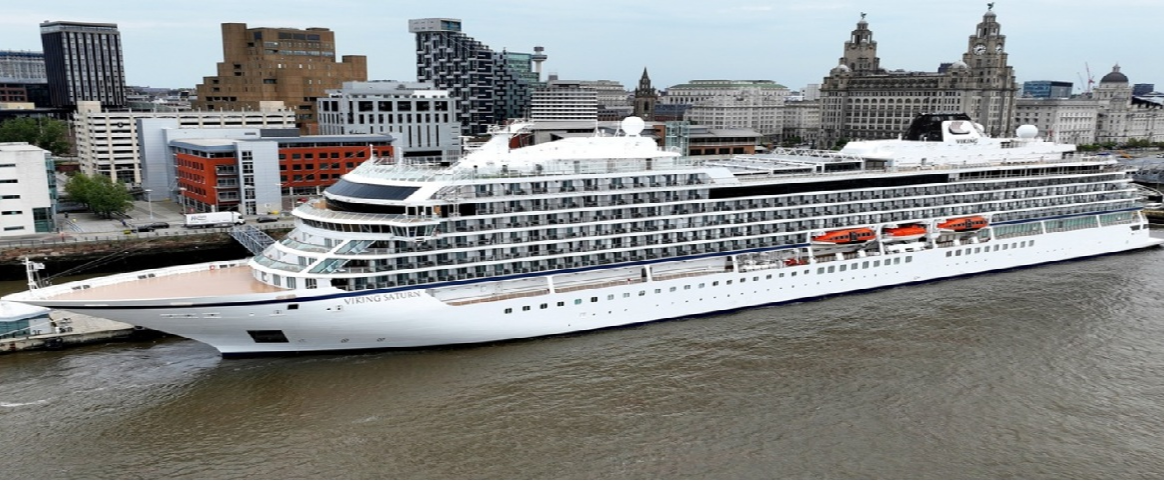
| 11 January | 13 days | One-way from Piraeus-Athens to Barcelona |
450-628-6241
Call us
|
| 17 January | 7 days | One-way from Civitavecchia-Rome to Barcelona |
450-628-6241
Call us
|
| 9 February | 7 days | One-way from Barcelona to Civitavecchia-Rome |
450-628-6241
Call us
|
| 9 February | 13 days | One-way from Barcelona to Piraeus-Athens |
450-628-6241
Call us
|
Viking Sea
17 Cruises
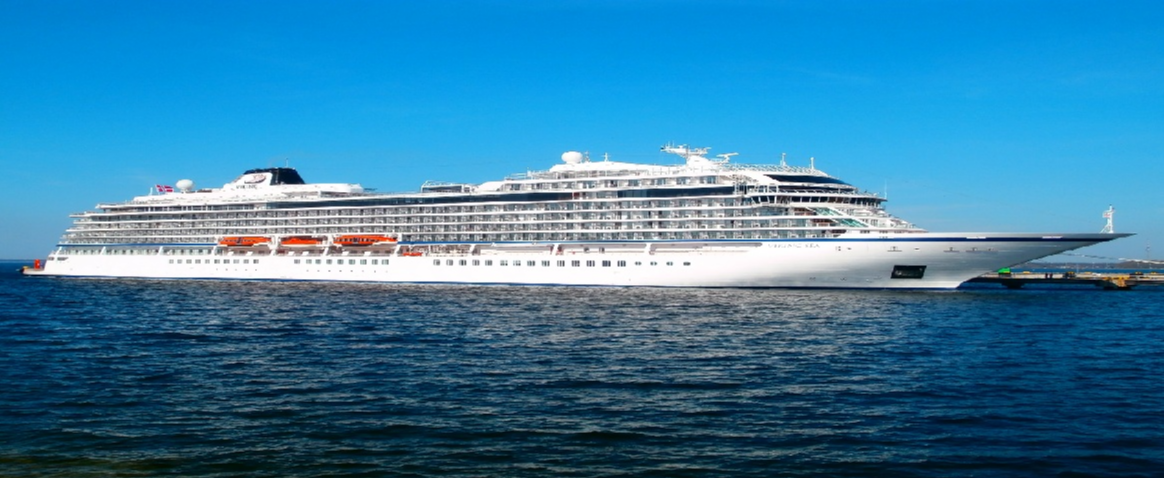
Viking Sky
31 Cruises
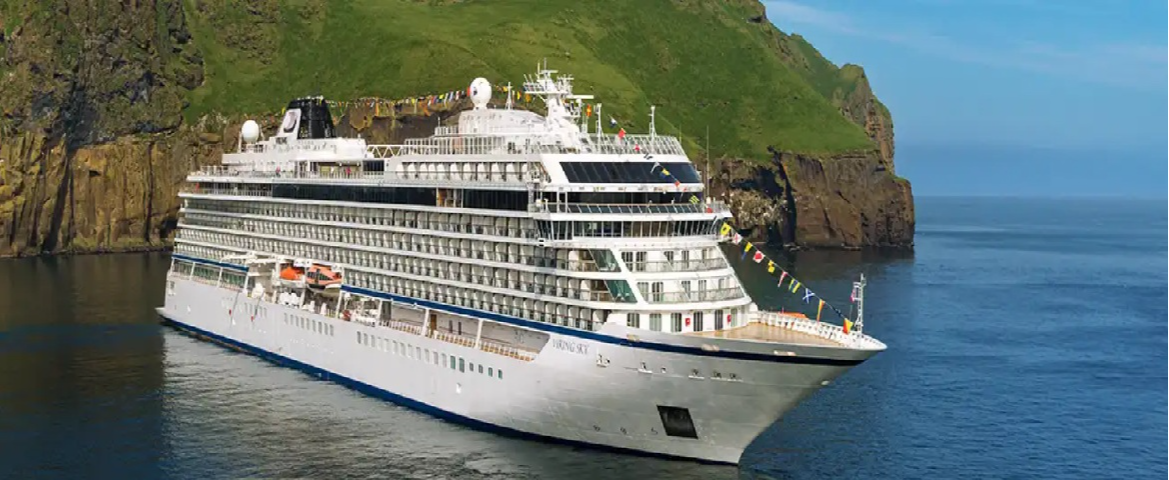
Viking Star
31 Cruises
| 5 January | 15 days | Round-trip from Civitavecchia-Rome, Italy |
450-628-6241
Call us
|
| 13 January | 7 days | One-way from Barcelona to Civitavecchia-Rome |
450-628-6241
Call us
|
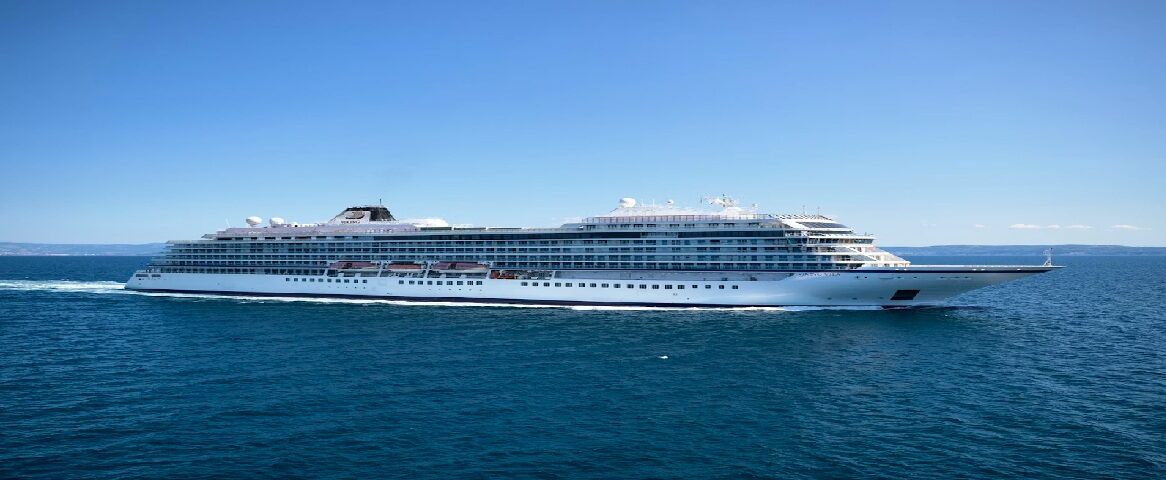
Viking Vela
43 Cruises
| 29 January | 13 days | One-way from Barcelona to Piraeus-Athens |
450-628-6241
Call us
|
| 29 January | 7 days | One-way from Barcelona to Civitavecchia-Rome |
450-628-6241
Call us
|
Port of Sète, France | Cruise Port Guide
Frequently Asked Questions
At the Quai d'Alger, on the immediate edge of the centre. Five to ten minutes on foot brings you to the Canal Royal, among the coloured facades and moored boats.
The Canal Royal and the covered market on foot, then the climb to Mont Saint-Clair on the number 3 bus. Those two halves fill the day. The excursion to Bouzigues, across the lagoon, needs more time.
Because it is stitched with waterways crossed by twelve bridges, stacked between its hill and its lagoon, between the Mediterranean and the Étang de Thau. The phrase captures the island pride of this town of fishermen, poets and singers, created in the 17th century to give the Midi canal a sea outlet.
A tradition alive since 1666, contested in summer on the Canal Royal: two boats driven at each other, jousters perched on their platforms, and the whole town holding its breath. If your call falls during the jousts, look no further.
A fishing village within the city, up toward the lagoon: huts, nets hung to dry, watchful cats. Immortalised by Agnès Varda's first film, the quarter seems to ignore the century passing on the other side of the bridge.
On the number 3 bus, which reaches its approaches, or on foot up a steady climb. The panorama takes in the roofs, the beaches, the Étang de Thau and the Mediterranean as far as the eye can see.
The cemetery terraced on the hillside facing the sea, where Paul Valéry, a son of Sète, lies in the very setting of his most famous poem. The museum bearing his name stands alongside, and a little below is the Théâtre de la Mer, built into an old fort facing the water.
The tielle, an octopus and tomato pie the bakeries still sell warm, and oysters from the Étang de Thau, raised in the beds visible from the heights. Another institution: the macaronade, a baked pasta dish Sète families defend with cheerful bad faith. The covered market gathers the best of all of it.
The singer was born here, and the Espace Georges-Brassens is devoted to him, with the poet's voice accompanying the visit. As the ship leaves and the singular island folds behind its breakwater, one of his songs tends to come back.
Yes, two that are nothing alike: the Musée Paul-Valéry on the hill, and the MIAM, the museum of modest arts, which cultivates whimsy downtown. Walkers may prefer to follow the corniche toward the beaches.


