Marigot St Martin Island France

204 Cruises availables At departure or passage at this port

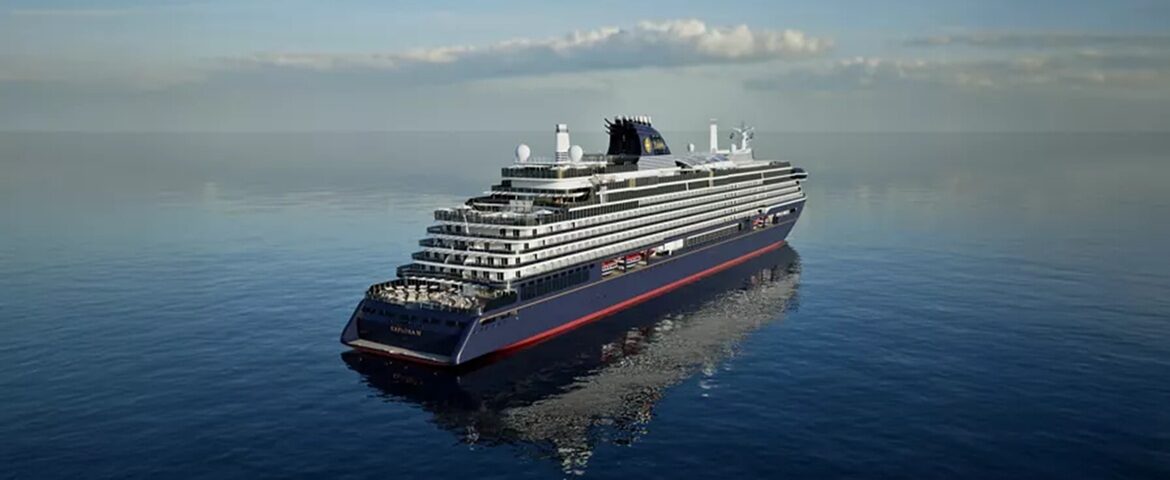
Emerald Waterways (32 Cruises)

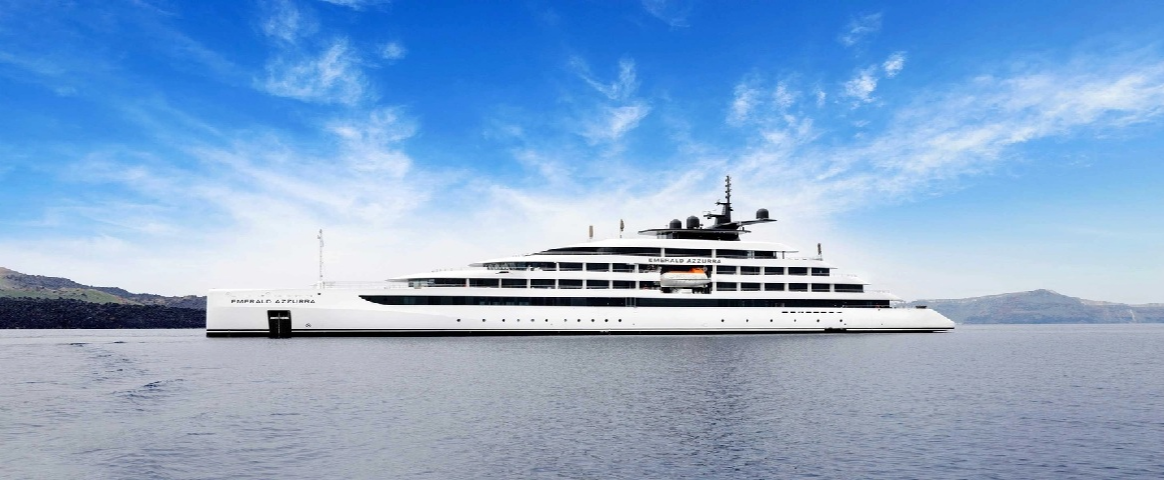
Emerald Azzurra.

Emerald Azzurra

164 Passengers
Visit the ship's page

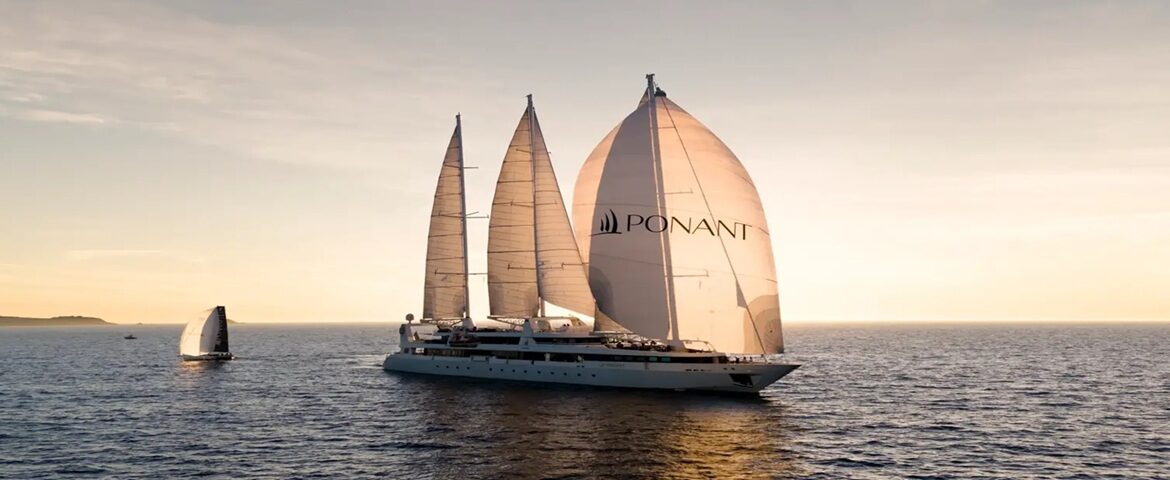
Ponant (27 Cruises)

Le Ponant.

Le Ponant

33 Passengers
1 tons
Visit the ship's page

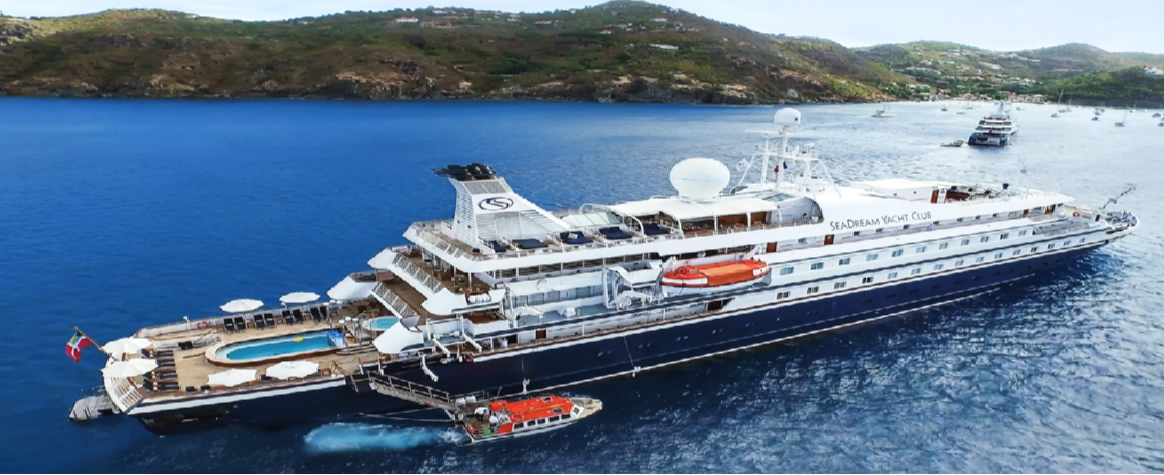
SeaDream Yacht Club (55 Cruises)

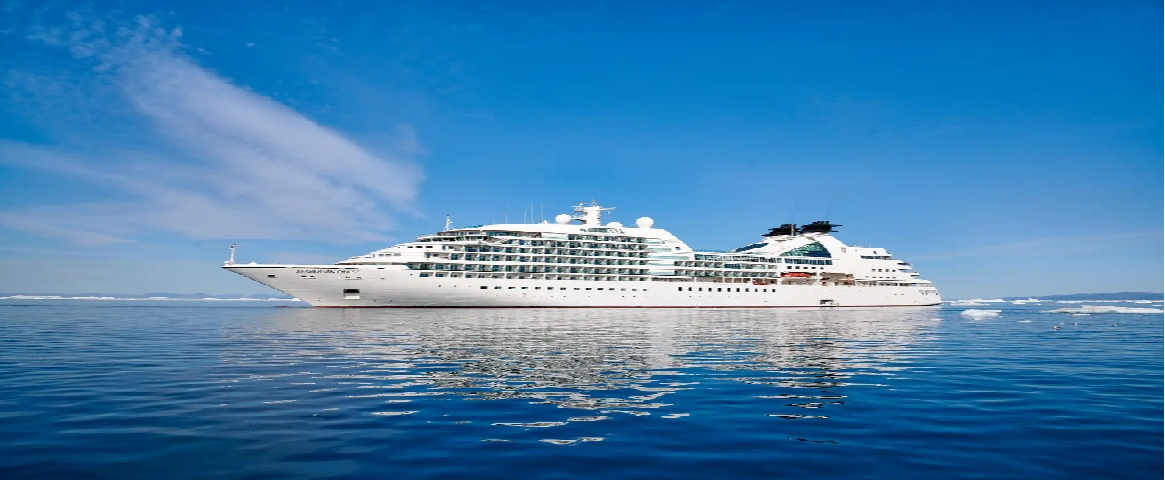
Seadream I

Seadream I

207 Passengers
4333 tons
Visit the ship's page
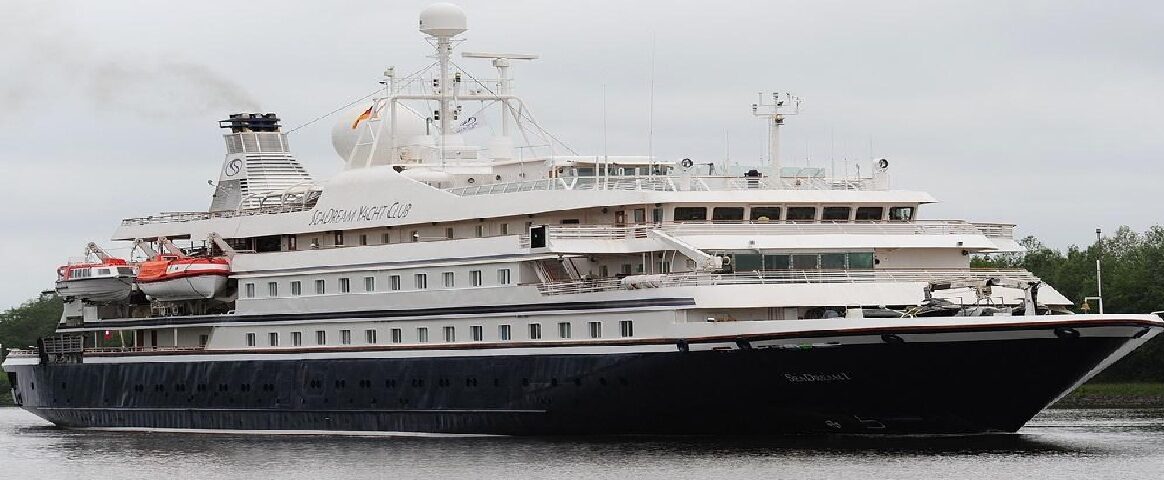
Seadream II

Seadream II

207 Passengers
4333 tons
Visit the ship's page

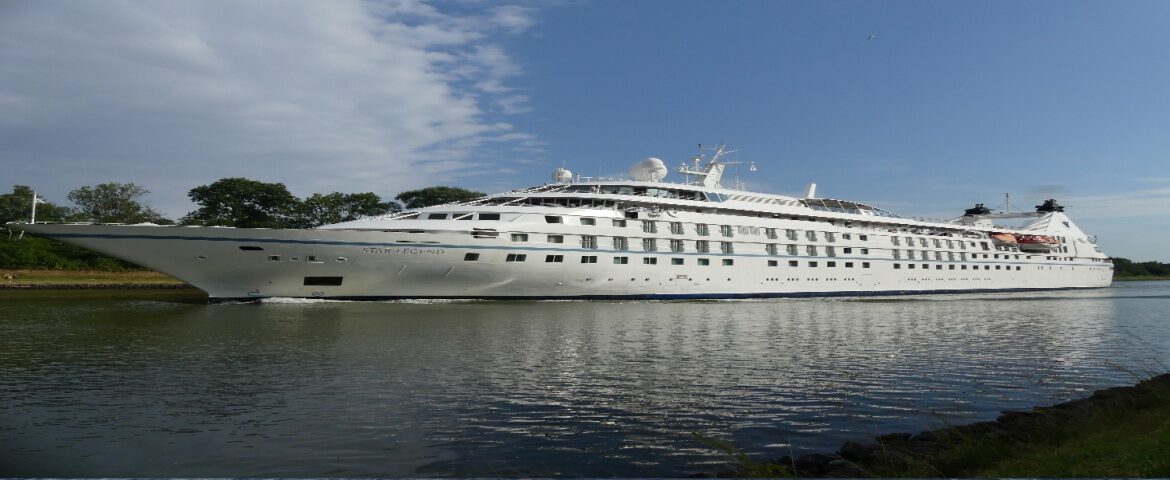
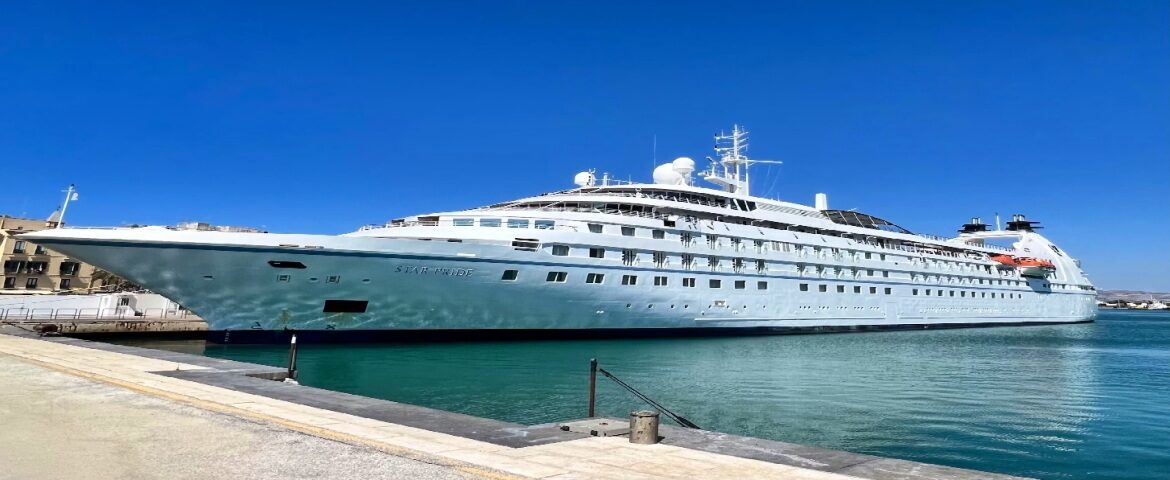
Windstar Cruises (69 Cruises)

Star Legend.

Star Legend

502 Passengers
12995 tons
Visit the ship's page
Star Pride.

Star Pride

502 Passengers
12995 tons
Visit the ship's page

Port of Marigot, Saint Martin | Cruise Port Guide

The smell of warm bread reaches you before the town does. Tenders dock at the ferry terminal, right across from Marigot's market square, and from your first steps the bakeries set the tone: this is France — a Creole France, where spices sit alongside croissants. Capital of the French side of Saint-Martin, an island shared with the Netherlands since the Treaty of Concordia in 1648, Marigot offers a peaceful counterpoint to the bustle of Philipsburg, on the other side of a border marked by no checkpoint.

The Stalls, the Beating Heart of the Town

Five minutes from the landing, the market's colourful aisles line up mangoes, chili peppers, cinnamon sticks, infused rum punches and madras fabric. On Wednesdays and Saturdays, the busiest days, fishermen add their morning catch and conversations switch from French to Creole without warning. Take the time to taste: the vendors gladly offer a slice of fruit or a sip of coconut punch to anyone who shows curiosity.

Fort Louis, a Balcony Over the Bay

Above the rooftops, the ruins of Fort Louis, built in 1789 to protect the port's warehouses from privateers, are reached by a staircase starting behind the marina. A fifteen-minute climb, a few rusty cannons, and the whole bay unfolds: sailboats at anchor, the neighbouring island of Anguilla on the horizon and, on clear days, the green hills of the interior. The site is neither fenced nor overly developed, which preserves a raw character that photographers appreciate. The late-morning light is especially flattering for photos.

Port La Royale Marina and the Terraces

Back down, the docks of Port La Royale Marina gather shops and restaurants around an inner basin. You can enjoy accras or a crêpe, depending on your mood, in the shade of the parasols. The neighbouring streets — Rue de la République, Rue de la Liberté — line up façades with wooden galleries, duty-free jewellery shops and pastry shops that remind you mainland France is never far away when it comes to food. The pace remains relaxed: you stroll, compare shop windows and linger in front of a stall of vanilla or aged rum, without ever feeling the pressure of the large shopping areas on the neighbouring Dutch side.

Grand Case, a Gourmet Getaway

Eight kilometres to the north, the village of Grand Case stretches its restaurants along a quiet bay. Nicknamed the gastronomic capital of the Caribbean, it lends itself to a round trip by taxi of about fifteen minutes each way for a meal with your feet in the sand, between French fine dining and "lolos," Creole grills where smoked chicken fills the street with its aroma. Swimmers will prefer the nearby beach, long and shallow, ideal between courses. Those staying near town will find the long ribbon of sand at Nettlé closer, a few minutes to the west, where sailing schools stand next to beach huts and the water stays glassy almost all year.

Day Essentials

ItemDetails
DockingAnchorage in the bay, tender to the terminal facing the market
Fort Louis15-minute climb on foot, free access
Grand Case8 km, about 15 minutes by taxi
Currency and languageEuro (US dollar accepted); French, Creole, English

Two Countries, One Day

Marigot is best savoured slowly, between a coffee on a terrace and a climb to the fort. Those who want to compare the island's two faces can even cross the hill to the Dutch side: in twenty minutes by road, euros become guilders and crêperies become casinos. Few ports of call let you change countries between lunch and the return on board — this one does it with true Caribbean ease.

Frequently Asked Questions

At the ferry terminal, directly opposite the market square. The heart of town starts within a few steps: no shuttle needed.
French. Marigot is the capital of the French side of Saint Martin, an island shared with the Netherlands since the Treaty of Concordia in 1648. No checkpoint marks the border between the two halves.
The euro, on the French side. Cross to the Dutch side, twenty minutes away by road, and euros become guilders and crêperies become casinos.
Five minutes from the landing, the colourful aisles hold mangoes, chillies, cinnamon sticks, spiced rums and madras cloth. On Wednesdays and Saturdays, the busiest days, fishermen add the morning's catch.
They are the ruins of a fort built in 1789 to protect the harbour warehouses from privateers. A staircase behind the marina leads up in about fifteen minutes. The site is neither fenced nor over-developed, which keeps its raw character.
The whole bay: yachts at anchor, neighbouring Anguilla on the horizon and, on a clear day, the green hills inland. Late-morning light is especially flattering for photographs.
The market, the climb to Fort Louis, then the terraces of Port La Royale marina and rue de la République and rue de la Liberté. This is a call for strolling, without the pressure of the big shopping zones on the Dutch side.
A village eight kilometres to the north, nicknamed the gastronomic capital of the Caribbean, about fifteen minutes by taxi. Its restaurants line a quiet bay, mixing French tables with « lolos », the Creole grills where jerk chicken scents the street.
At Nettlé beach, a few minutes west: a long ribbon of sand where sailing schools sit beside beach shacks and the water stays glassy almost year-round. The beach at Grand Case, long and shallow, also works.
French and Creole, often in the same sentence. Conversations switch between them without warning at the market stalls. English is spoken too, the island being Caribbean-facing.