Limassol Cyprus
Cyprus
165
Cruises availables
At departure or passage at this port
Azamara Club Cruises (26 Cruises)
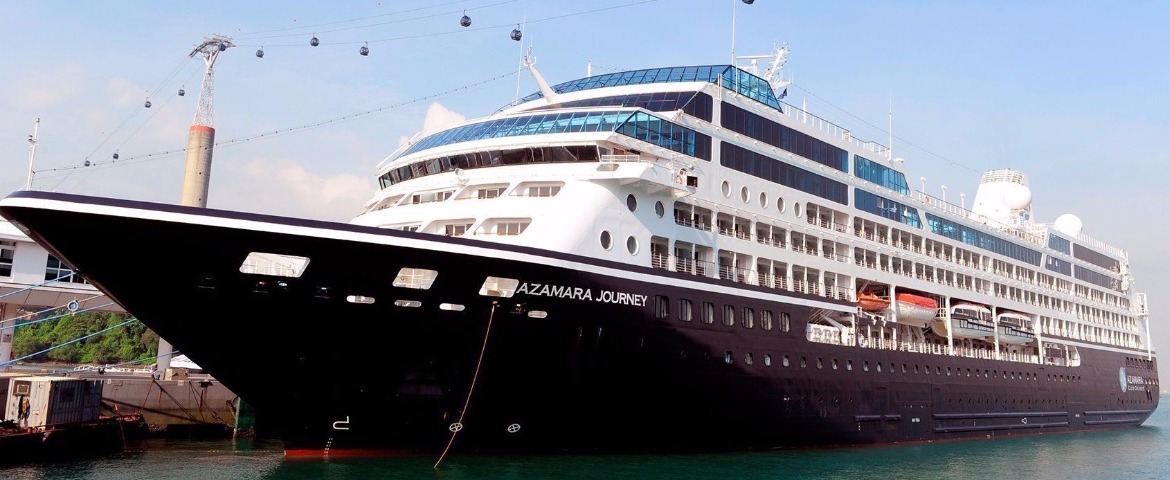
Azamara Journey
20 Cruises

| 31 October | 21 days | One-way from Barcelona to Piraeus-Athens |
450-628-6241
Call us
|
| 31 October | 21 days | One-way from Barcelona to Piraeus-Athens |
450-628-6241
Call us
|
| 22 January | 49 days | One-way from Lisbon to Barcelona |
450-628-6241
Call us
|
| 22 January | 50 days | One-way from Lisbon to Barcelona |
450-628-6241
Call us
|
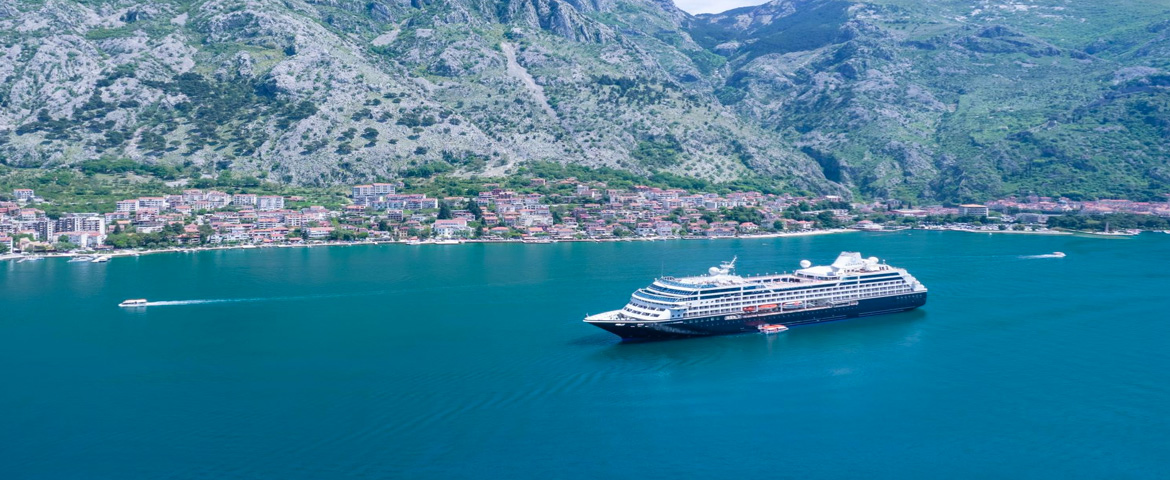
Crystal Cruises (1 Cruises)
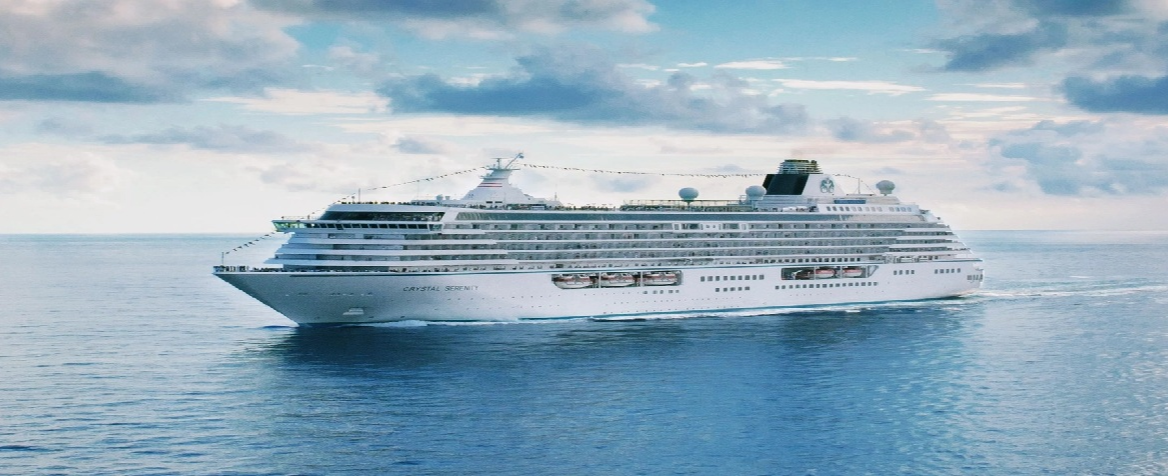

Cunard (1 Cruises)
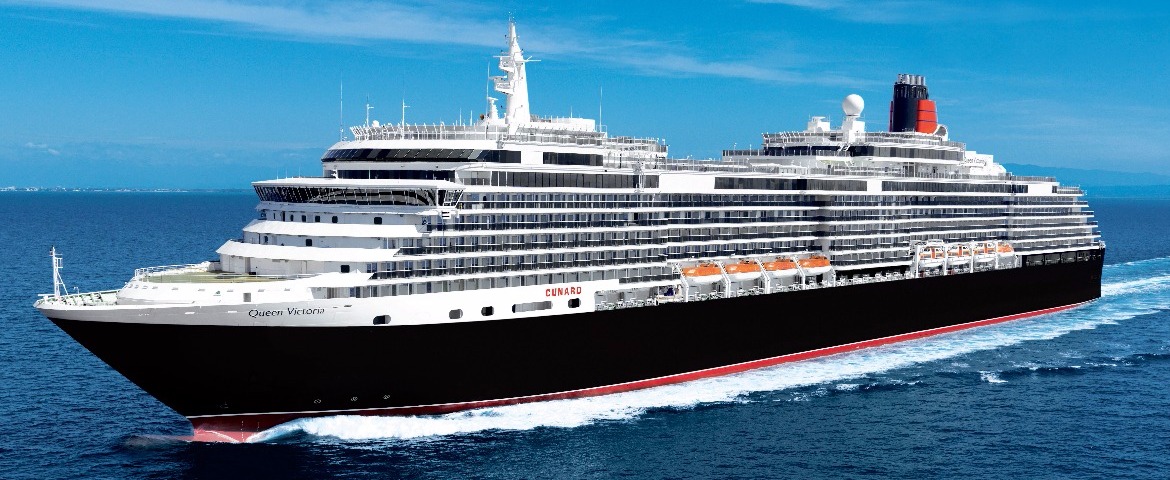
Explora Journeys (4 Cruises)


MSC Cruises (39 Cruises)
MSC Lirica
20 Cruises
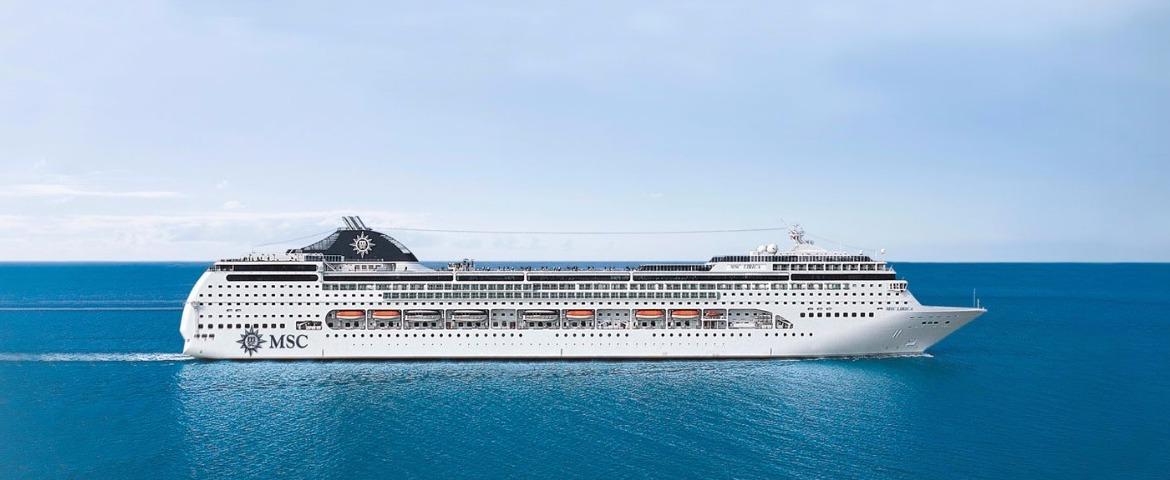

| 23 October | 13 days | One-way from Ancona to Venice |
450-628-6241
Call us
|
| 24 October | 12 days | Round-trip from Venice, Italy |
From
2309$
|
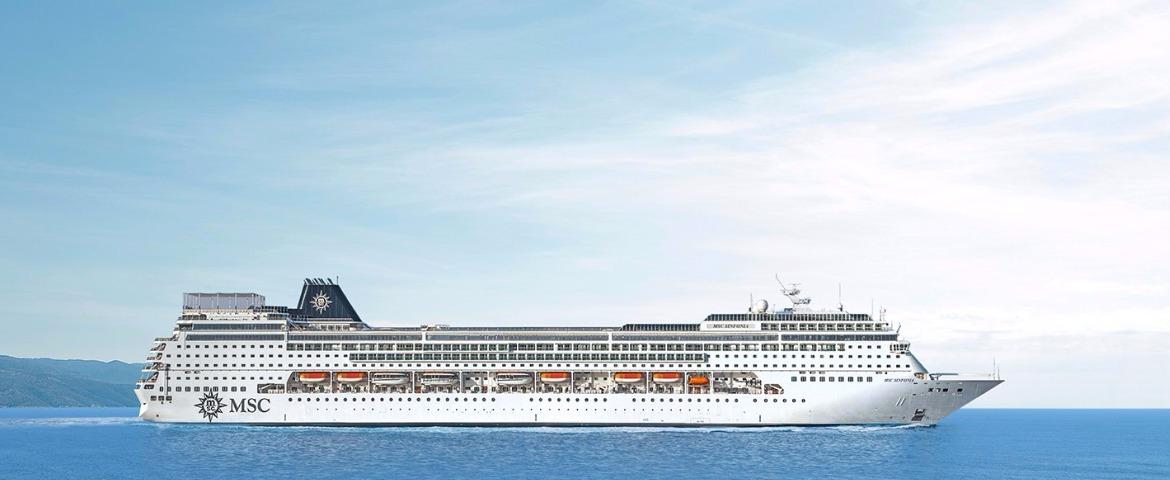
MSC Sinfonia
7 Cruises
MSC World Europa
12 Cruises
 Image not available
Norwegian Cruise Line (2 Cruises)


Oceania Cruises (26 Cruises)
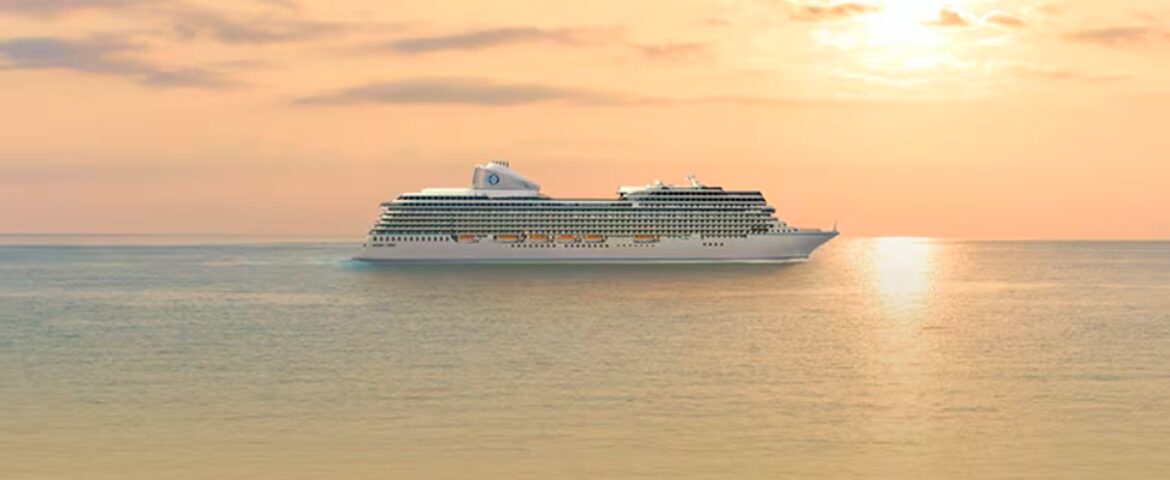

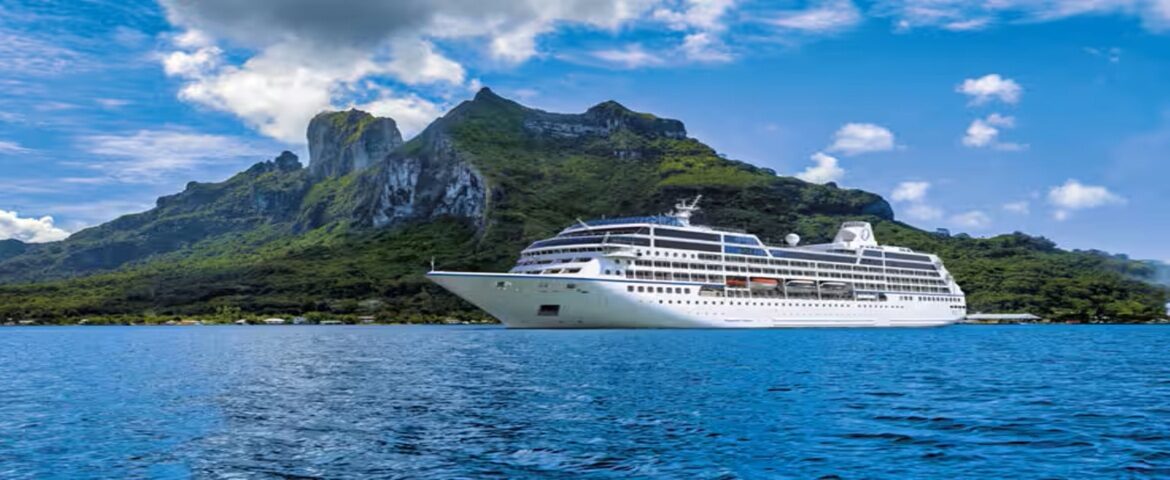
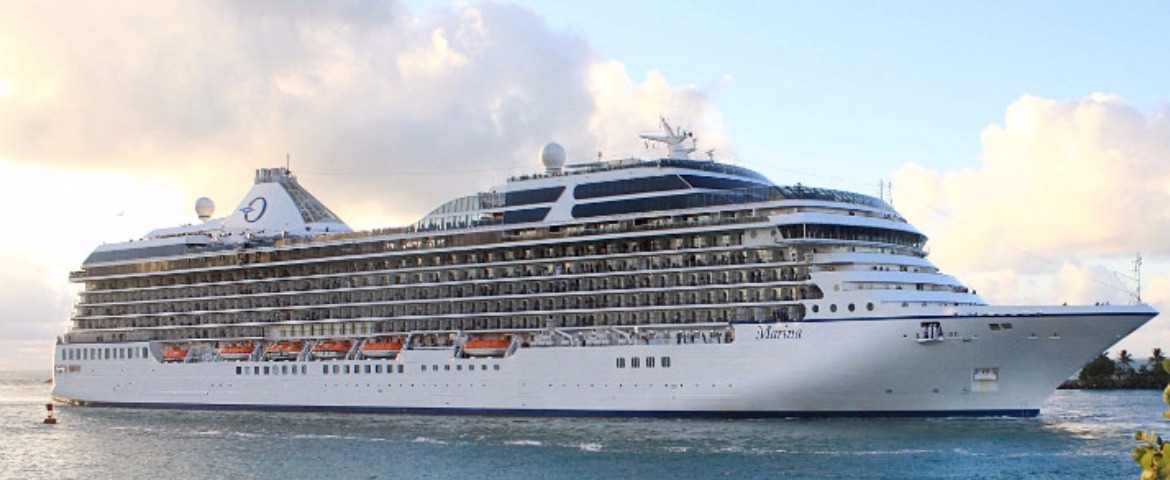
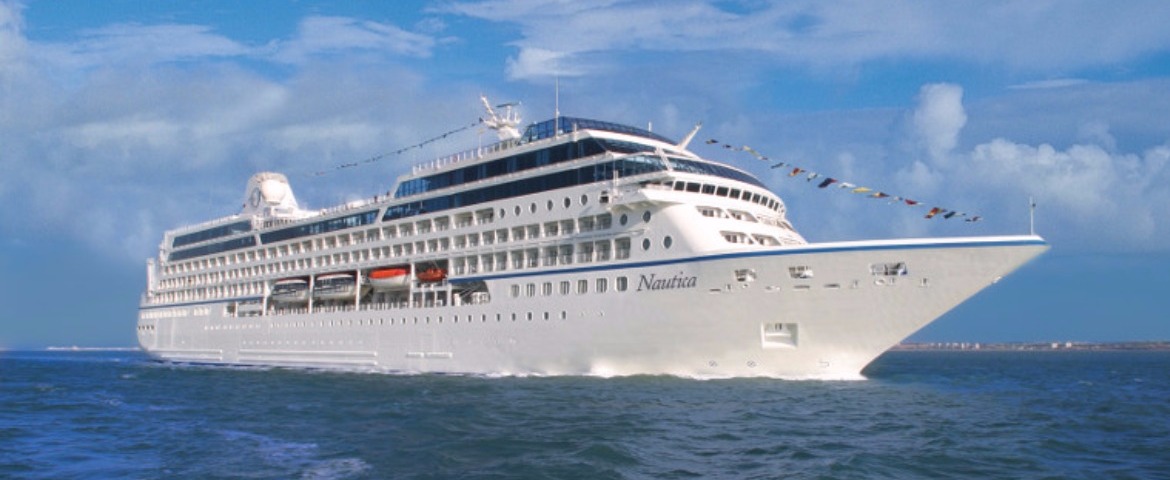
Oceania Vista
10 Cruises
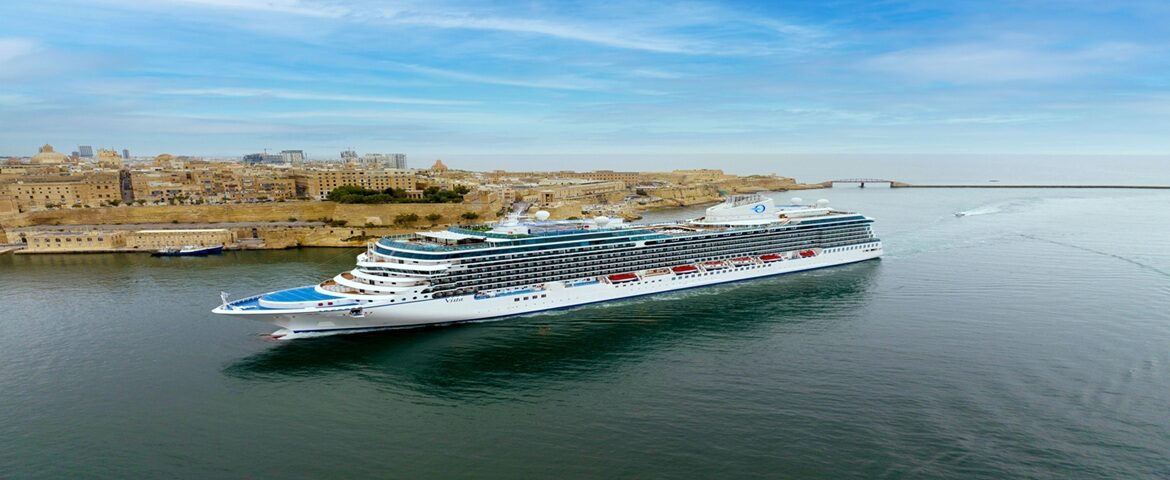
| 6 January | 180 days | One-way from Miami to Southampton |
450-628-6241
Call us
|
| 6 January | 244 days | One-way from Miami to New York |
450-628-6241
Call us
|
| 26 February | 129 days | One-way from Sydney to Southampton |
450-628-6241
Call us
|
| 26 February | 130 days | One-way from Sydney to Southampton |
450-628-6241
Call us
|
Princess Cruises (32 Cruises)
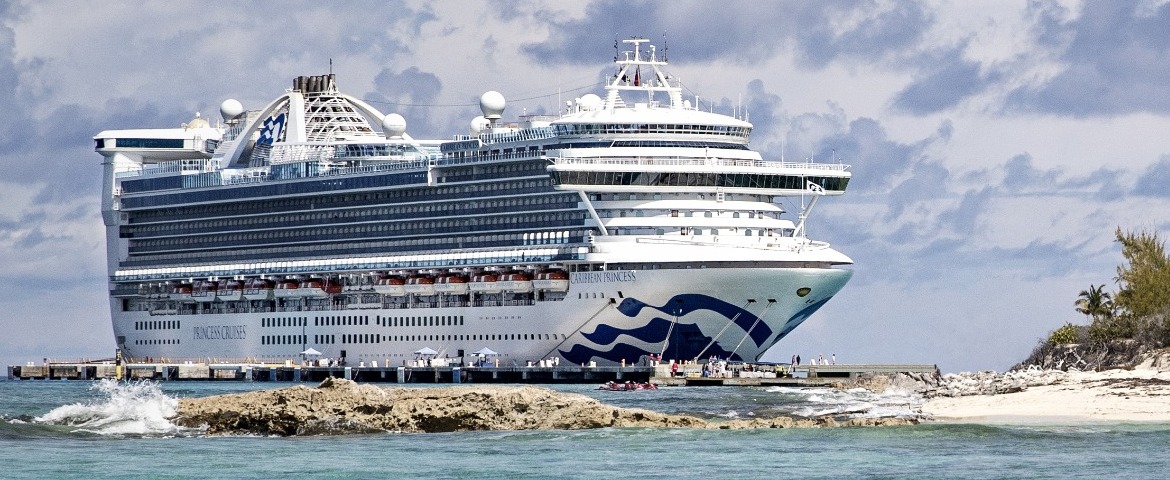
Caribbean Princess
4 Cruises

Enchanted Princess
28 Cruises

| 8 July | 14 days | One-way from Piraeus-Athens to Civitavecchia-Rome |
450-628-6241
Call us
|
| 8 July | 28 days | One-way from Piraeus-Athens to Civitavecchia-Rome |
450-628-6241
Call us
|
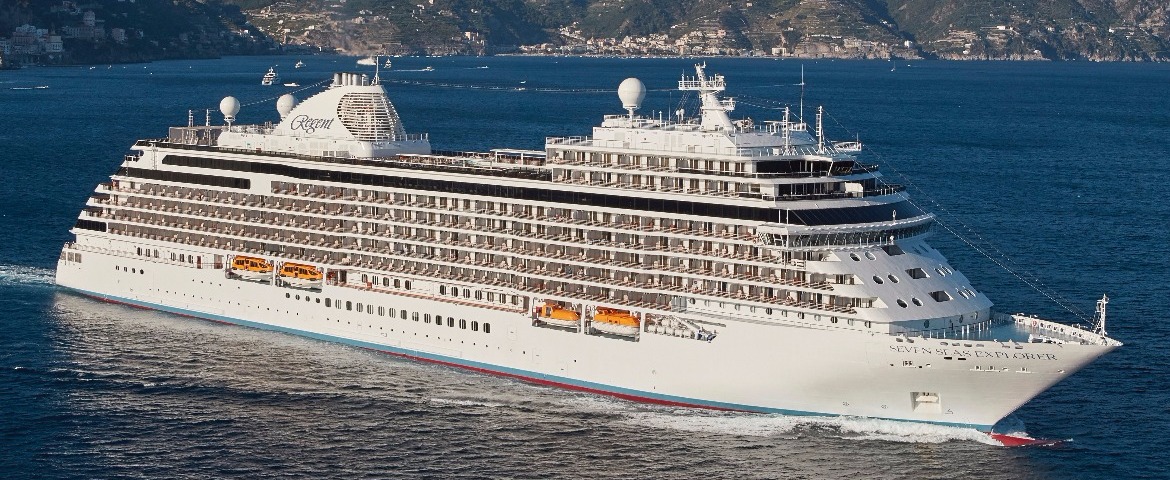
Regent Seven Seas Cruises (22 Cruises)
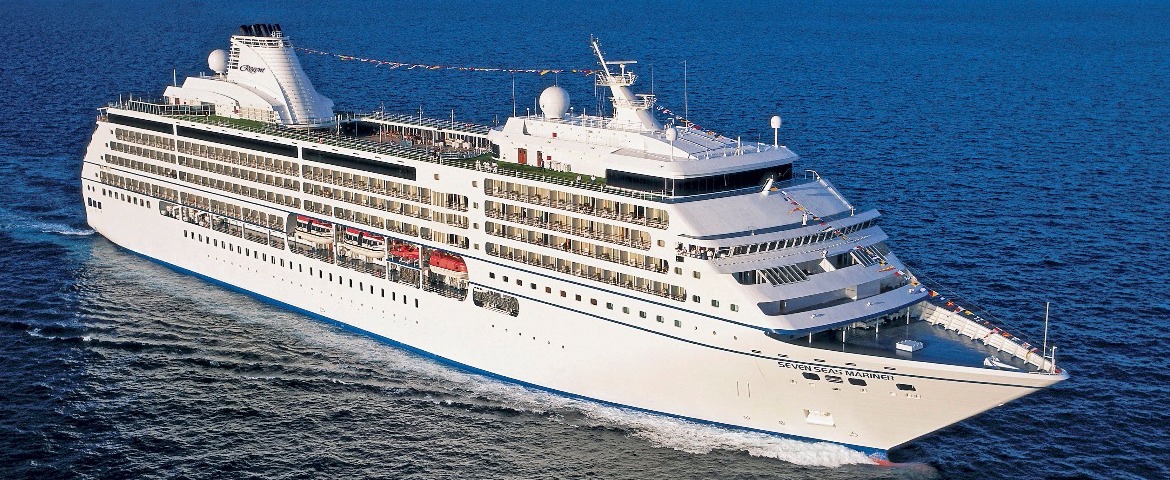
Seven Seas Mariner
6 Cruises
| 29 April | 174 days | One-way from New York to Piraeus-Athens |
450-628-6241
Call us
|
| 29 April | 175 days | One-way from New York to Piraeus-Athens |
450-628-6241
Call us
|
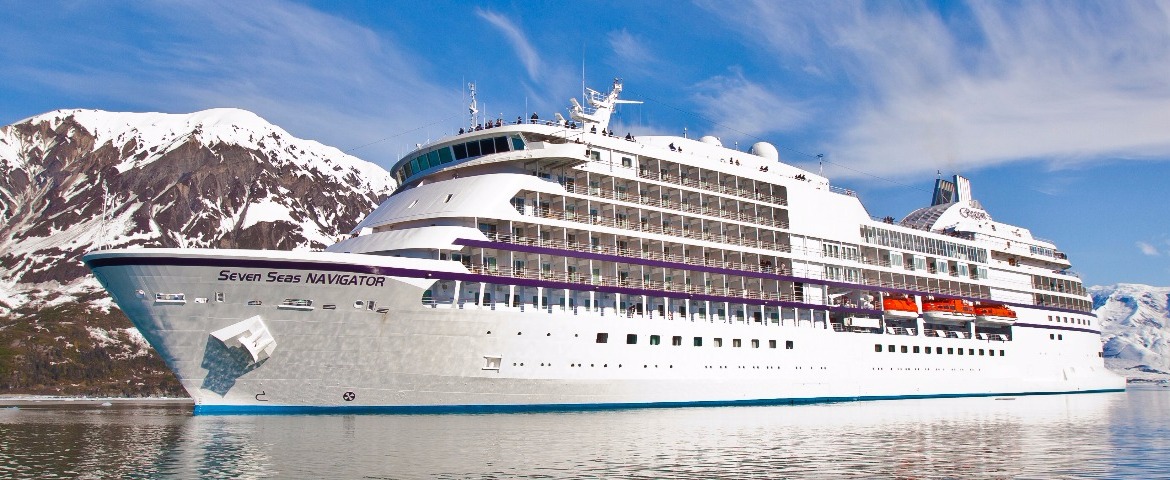
Seven Seas Navigator
6 Cruises
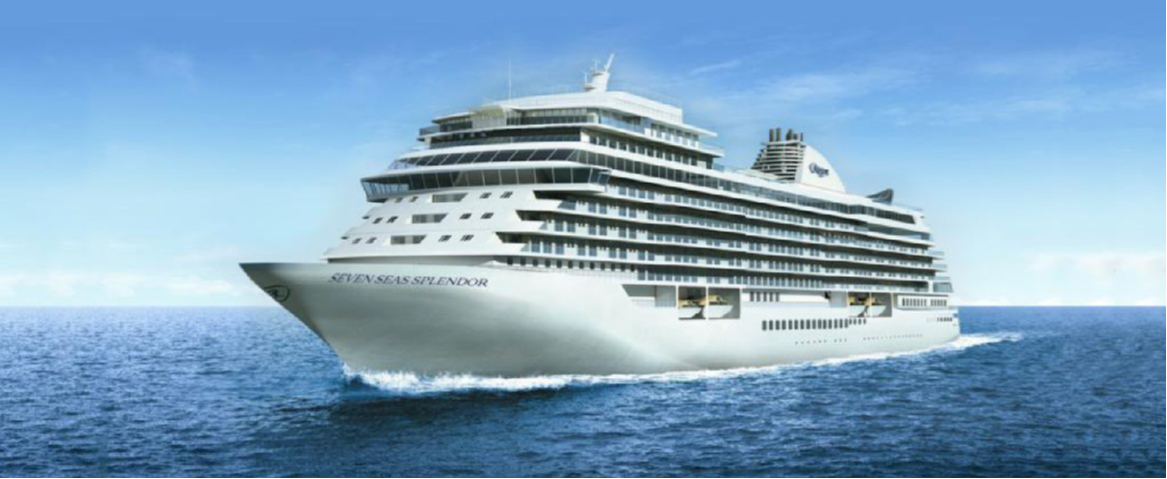
Seven Seas Splendor
4 Cruises
Royal Caribbean Cruises (8 Cruises)



Limassol Cyprus | Mediterranean Cruise & Cultural Guide
Frequently Asked Questions
At the Limassol port terminal, about 3 kilometres southwest of the old centre. Shuttles and municipal buses cover the distance in roughly ten minutes. This is a working commercial port: you cannot simply walk out of the gate, so the shuttle is not optional.
Yes. Once dropped downtown, everything essential is walkable: the medieval castle, the municipal market, the old fishing harbour, the marina and the Molos promenade line up along the sea at an easy pace. Only Kourion and Kolossi require a vehicle.
Two options, and you have to pick one. Either the town — castle, market, old harbour, marina and Molos with a meze on a terrace, which fills four hours nicely. Or antiquity — Kourion and Kolossi Castle by tour or taxi, a half day round trip that leaves almost nothing for the centre.
A medieval museum set in vaulted halls: armour, ceramics and tombstones telling a thousand years of successive conquests. Tradition places the marriage of Richard the Lionheart and Berengaria of Navarre within these walls in 1191, during the Third Crusade. The building is squat and plain — a fortress, not a palace.
Yes, if you accept spending half the day on it. The site lies about 20 kilometres west of the terminal. Its centrepiece is a restored Greco-Roman theatre perched on a cliff edge nearly 70 metres above the sea. The mosaics of the House of Eustolios, the baths and the agora round out the visit.
The euro. Cyprus is in the eurozone and cards work in restaurants, shops and most taxis. Some cash still helps at the municipal market and in the small cafés of the old centre.
Greek day to day, English anywhere visitors go — a leftover from British rule, which ended in 1960. You will also hear a great deal of Russian in Limassol, where the community is large. French is rare.
April to June and September to November. Kourion is visited in full sun with no shade, and the Cypriot summer makes it punishing. Spring has one extra advantage: the Commandaria slopes are still green, which they no longer are by July.
A sweet wine from the slopes west of town, considered one of the oldest named wines in the world — it was already served to the crusaders. Kolossi Castle, a former commandery of the Knights of Saint John, gave it its name. Tavernas in the centre pour it by the glass after a meal.
Yes, provided you stay in town. The Molos promenade is a flat linear park with sculptures, fountains and play areas where Cypriot families walk in the late afternoon. The castle is a quick visit. Kourion, by contrast, means harsh sun and uneven ground: better for older children.


