Kings Wharf Bermuda
270
Cruises availables
At departure or passage at this port
Carnival Cruise Line (35 Cruises)
Carnival Firenze
10 Cruises


Carnival Freedom
10 Cruises

| 4 July | 7 days | Round-trip from Norfolk VA, USA |
450-628-6241
Call us
|
| 18 July | 7 days | Round-trip from Norfolk VA, USA |
450-628-6241
Call us
|


Carnival Pride
9 Cruises

| 11 July | 8 days | Round-trip from Baltimore, USA |
From
1711$
|
| 25 July | 8 days | Round-trip from Baltimore, USA |
From
1655$
|
| 8 August | 8 days | Round-trip from Baltimore, USA |
From
1584$
|
| 22 August | 8 days | Round-trip from Baltimore, USA |
From
1416$
|

Celebrity Cruises (17 Cruises)




Celebrity Silhouette
7 Cruises


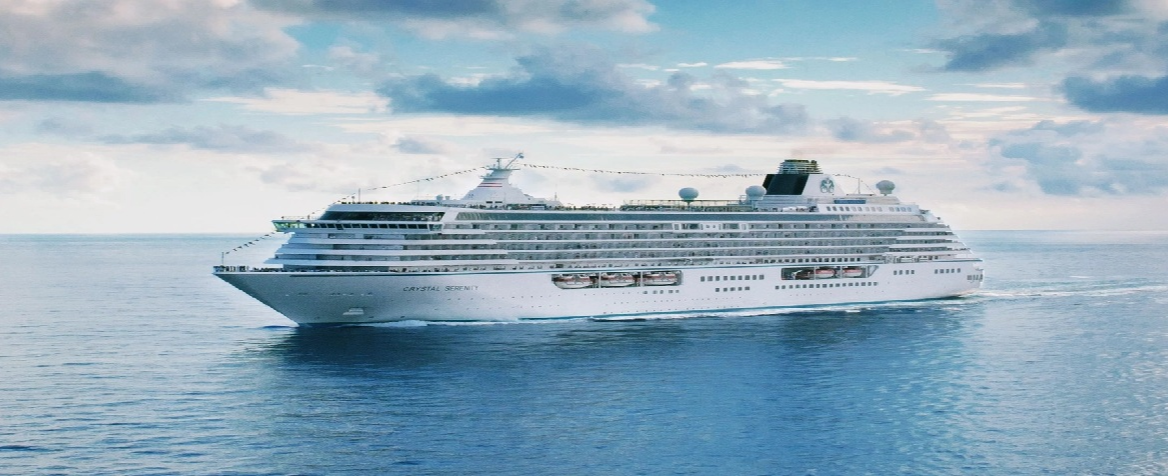
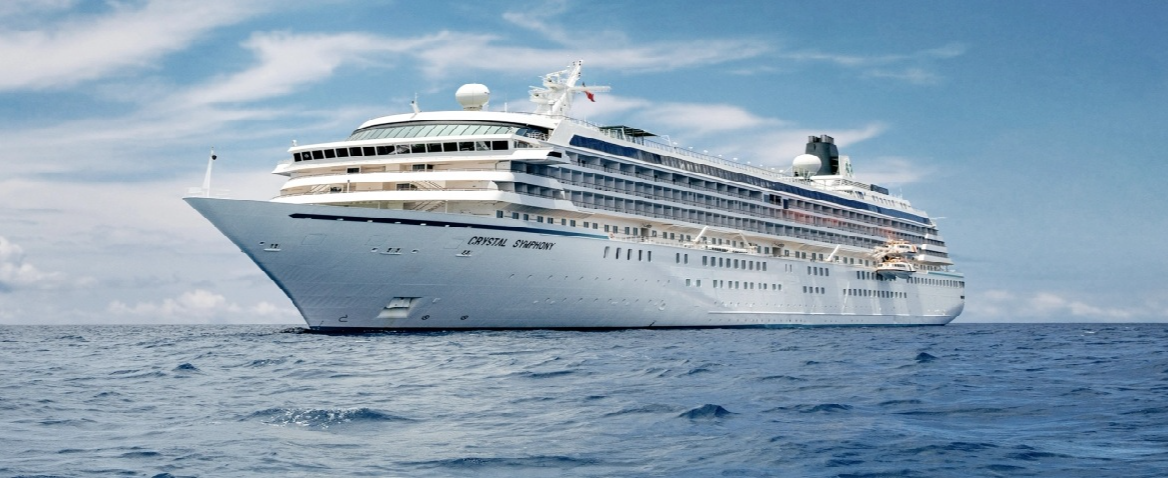
Crystal Cruises (16 Cruises)


Crystal Serenity
7 Cruises
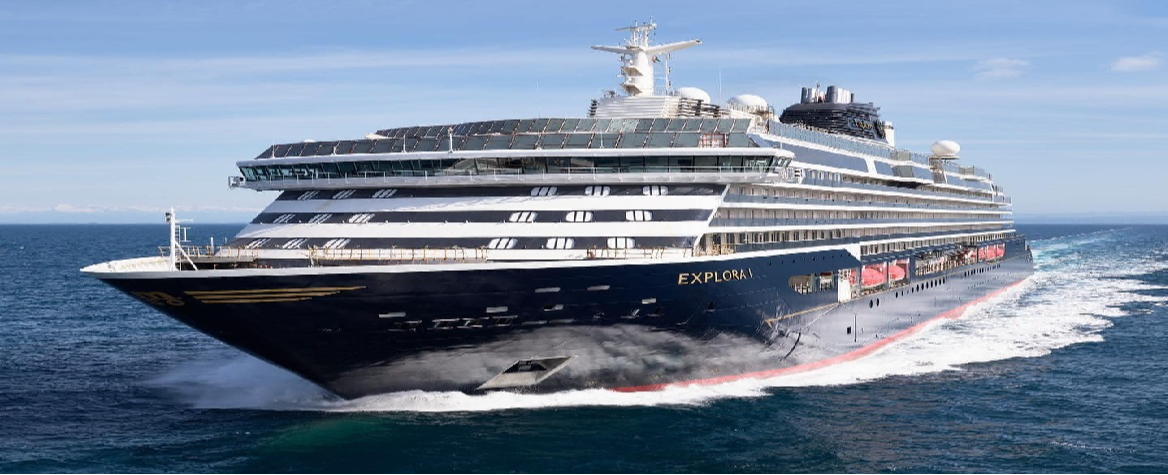
Explora Journeys (1 Cruises)

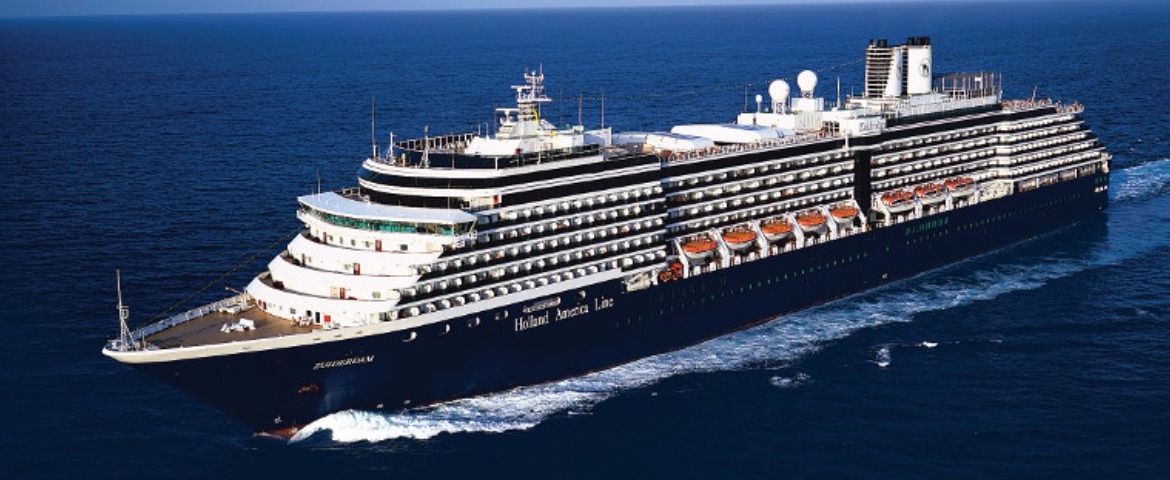
Holland America Line (10 Cruises)
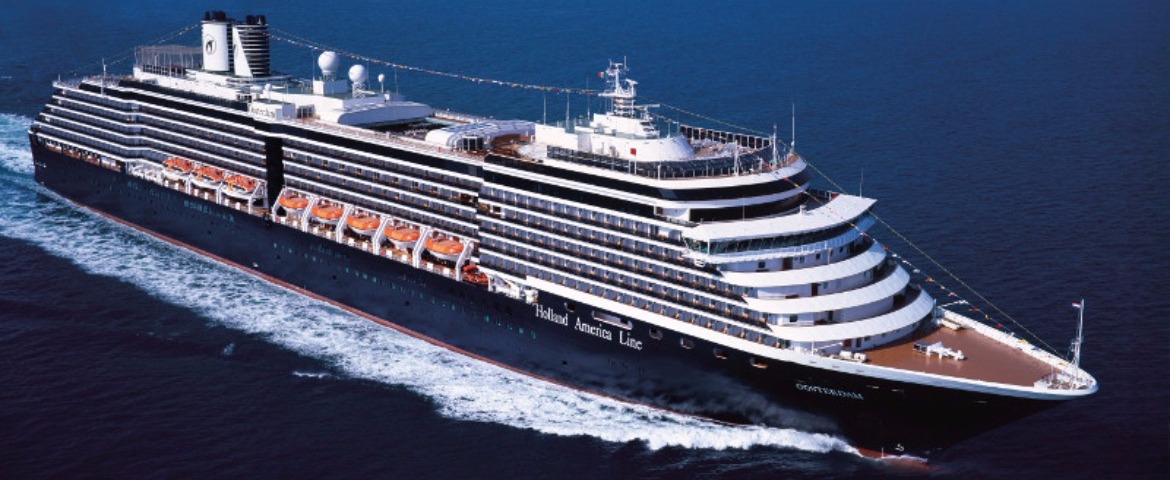

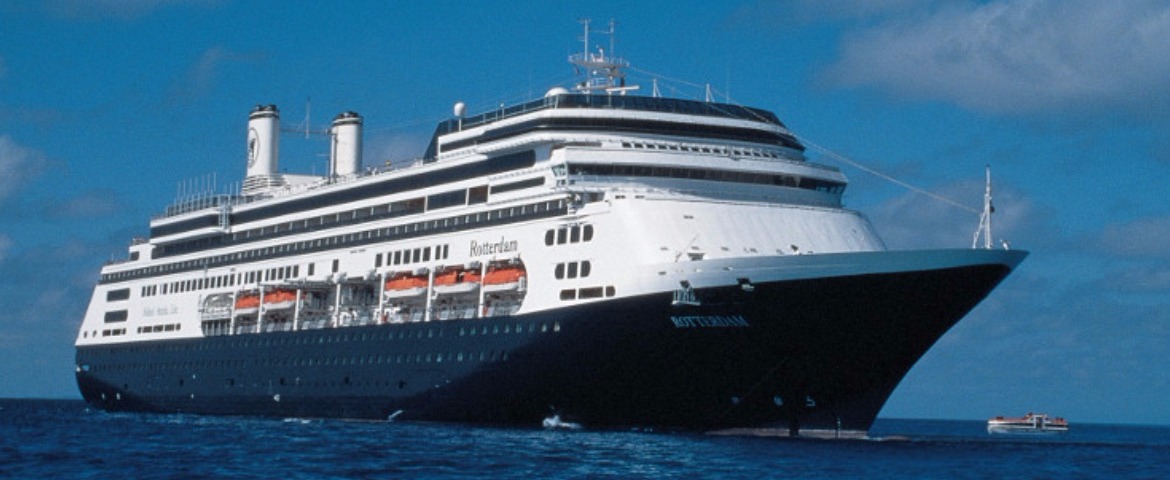
ms Rotterdam
4 Cruises
Norwegian Cruise Line (93 Cruises)


Norwegian Breakaway
23 Cruises

| 18 April | 8 days | Round-trip from Boston, USA |
From
708$
|
| 25 April | 8 days | Round-trip from Boston, USA |
From
659$
|
Norwegian Luna
30 Cruises

Norwegian Pearl
32 Cruises


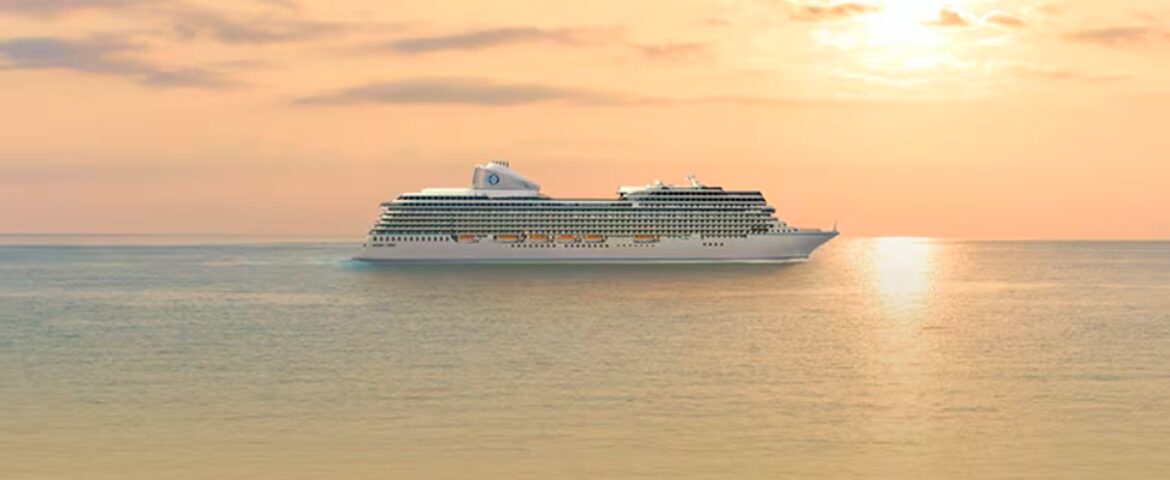
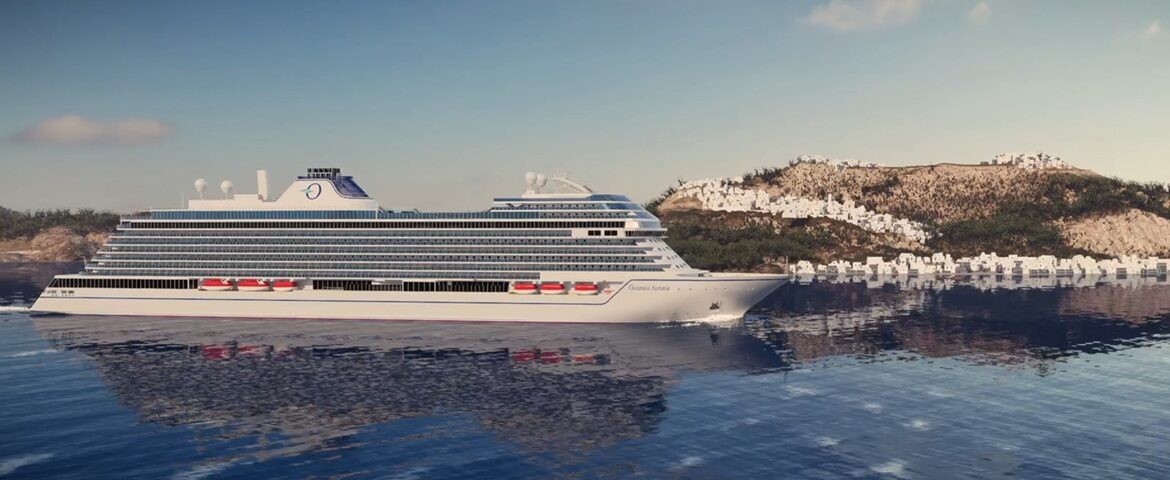
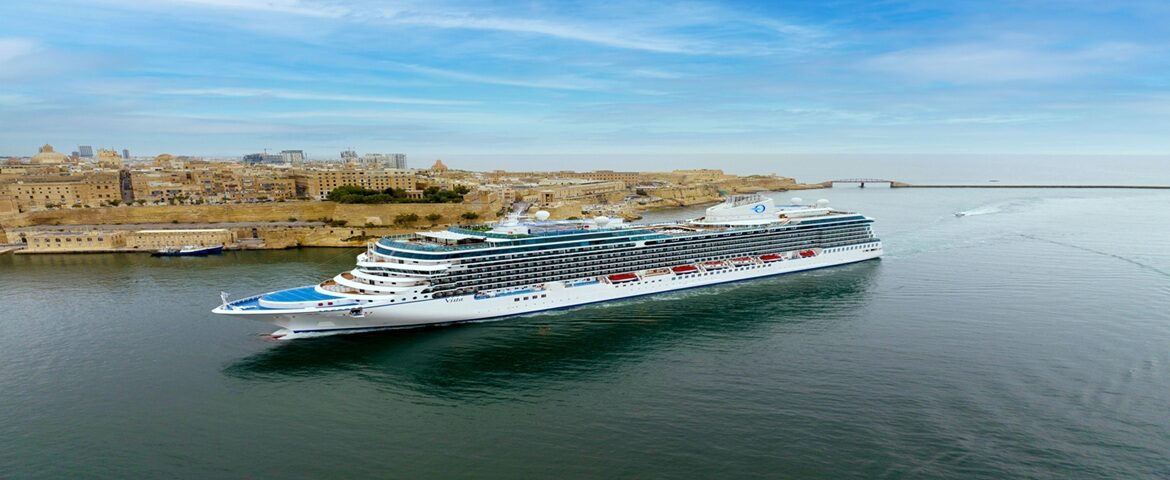
Oceania Cruises (19 Cruises)

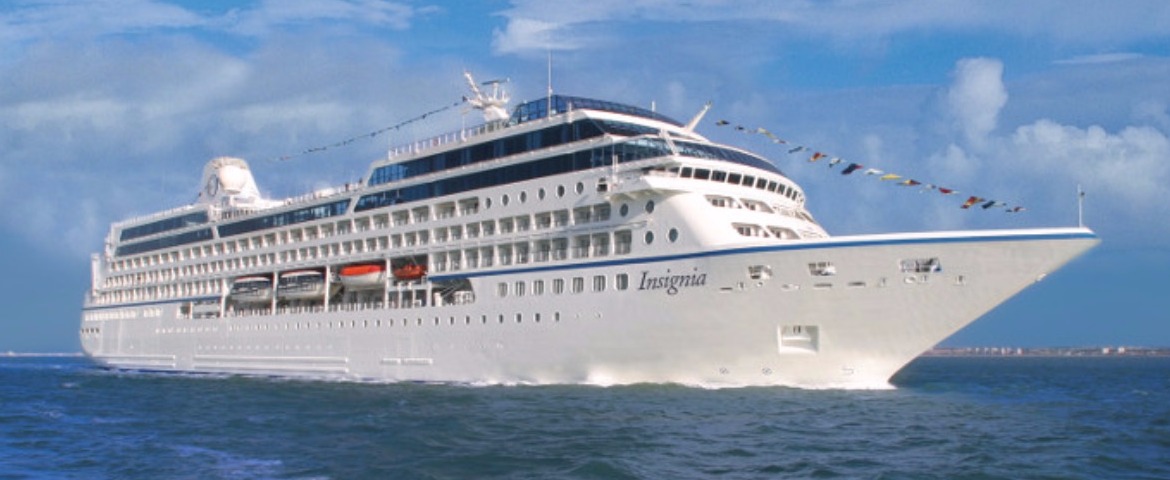
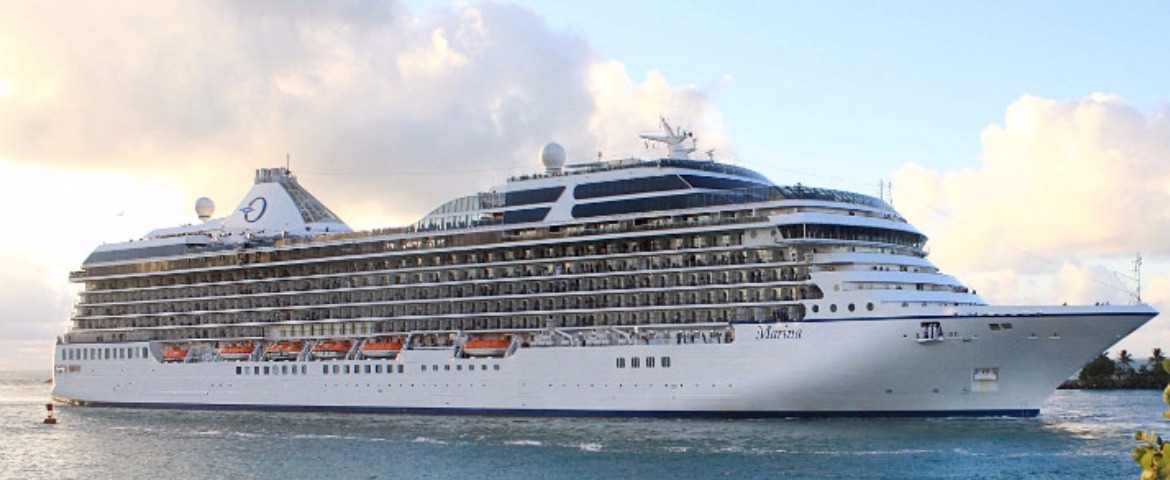
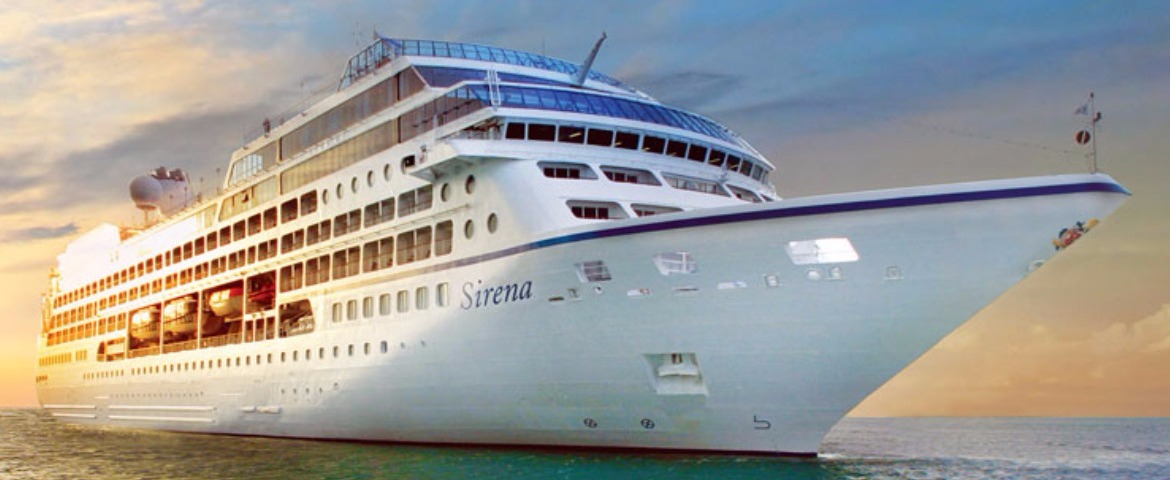
Oceania Sonata
5 Cruises
Princess Cruises (18 Cruises)
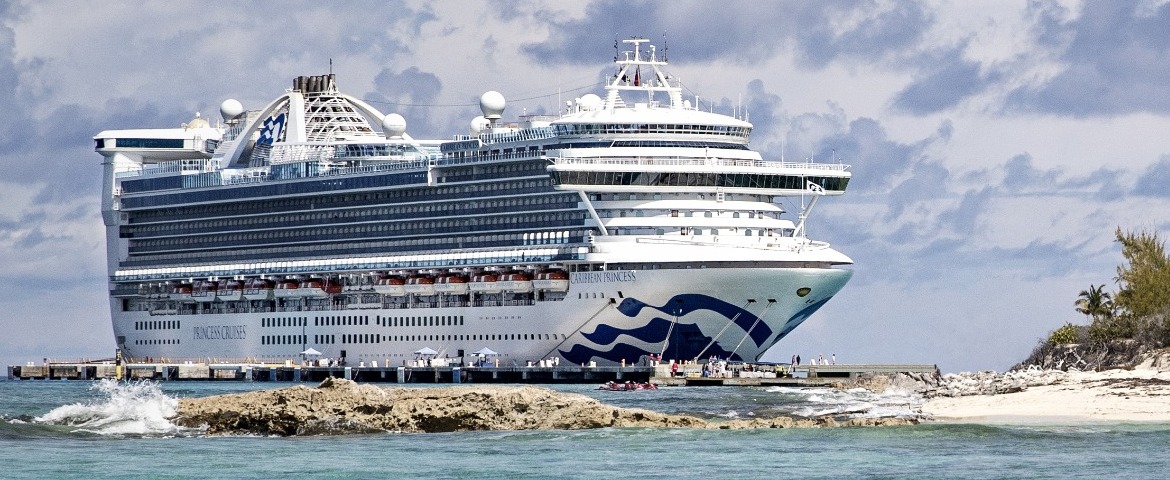

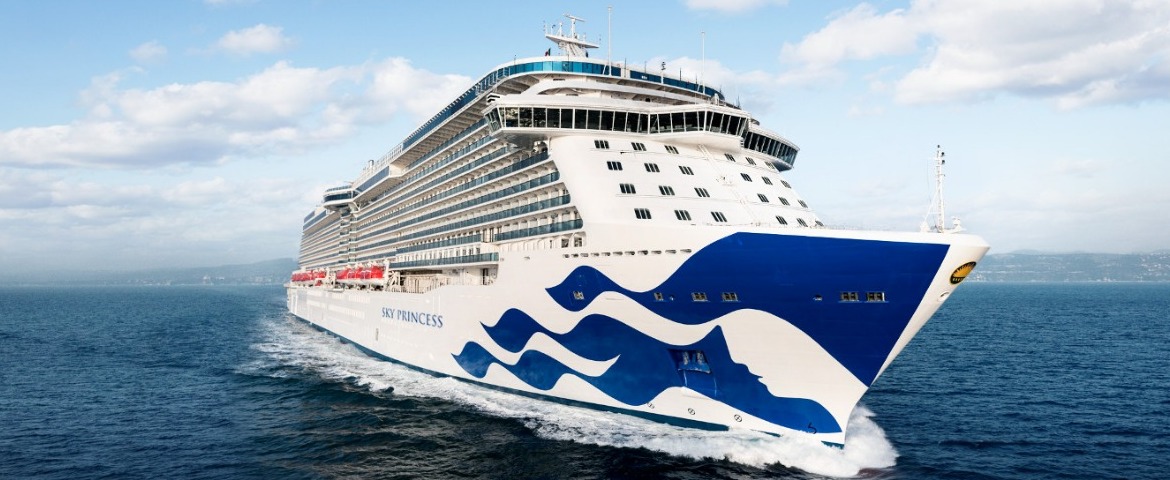
Enchanted Princess
11 Cruises

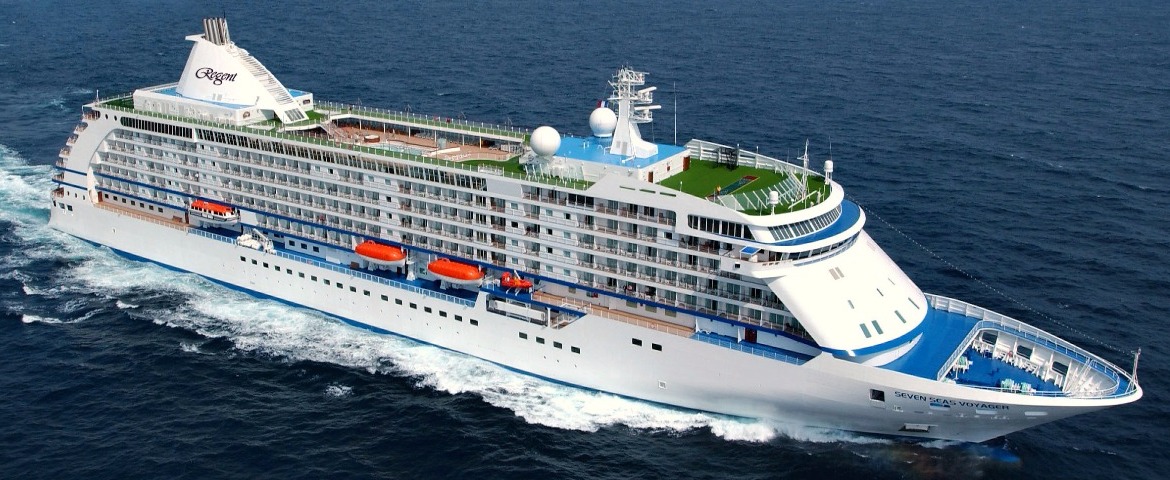
Regent Seven Seas Cruises (12 Cruises)
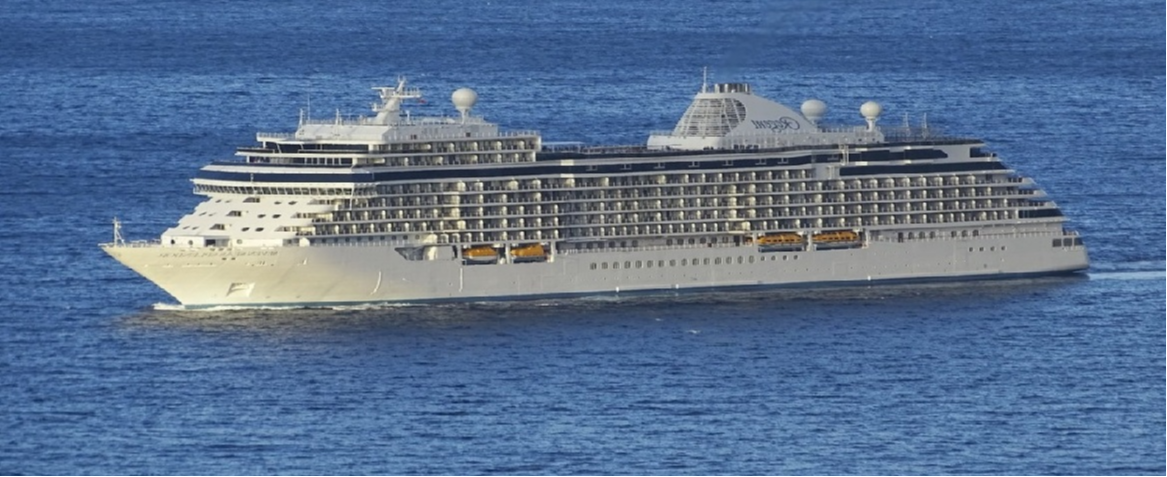
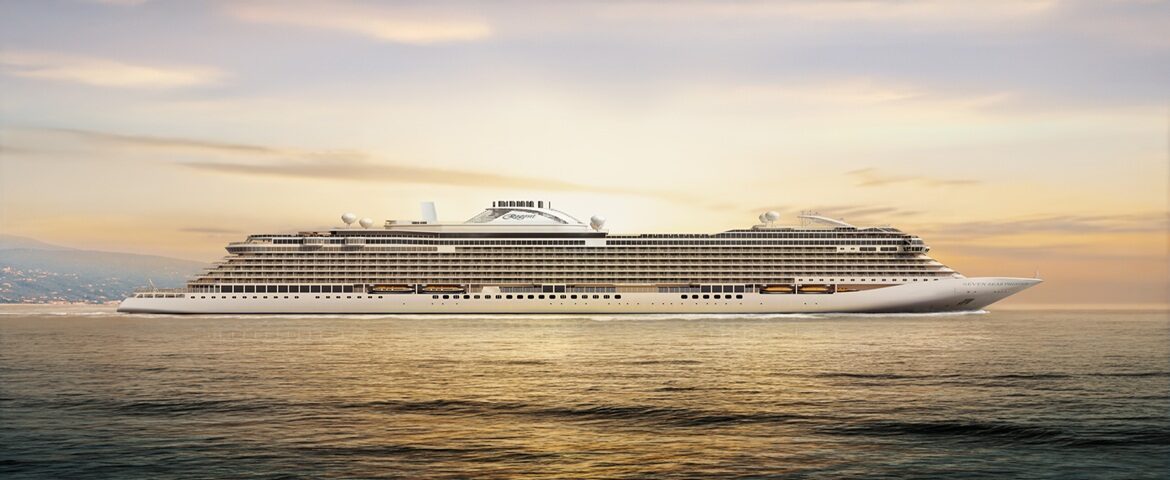
Seven Seas Grandeur
6 Cruises

Royal Caribbean Cruises (45 Cruises)




Independence of the Seas
22 Cruises

| 19 May | 9 days | Round-trip from New York, USA |
From
1903$
|
| 27 May | 6 days | Round-trip from New York, USA |
From
1219$
|

Vision of the Seas
17 Cruises

| 7 August | 6 days | Round-trip from Baltimore, USA |
From
1248$
|
| 12 August | 10 days | Round-trip from Baltimore, USA |
From
1305$
|
| 21 August | 6 days | Round-trip from Baltimore, USA |
From
1085$
|
Silversea Cruises (4 Cruises)


Port of King’s Wharf, Bermuda | Cruise Port Guide
Frequently Asked Questions
At Kings Wharf or Heritage Wharf, inside the former Royal Naval Dockyard at the western tip of the archipelago. These are the berths that take the largest ships visiting Bermuda.
A limestone naval base built in the 19th century by the Royal Navy after the loss of its American colonies. So strategic it was nicknamed the Gibraltar of the West, it still has its ramparts, vaulted storehouses and clock tower.
The National Museum of Bermuda inside the Keep, then the artisan workshops under the vaults of the Clocktower Mall. Snorkel Park, a ten-minute walk away, lets you swim without leaving the dockyard.
Four centuries of history in Commissioner's House, an imposing cast-iron-framed residence perched on the ramparts: founding shipwrecks, slavery, ties to the West Indies and the Azores, privateers and ocean liners. It is the richest cultural visit on the islands.
Yes, Snorkel Park, ten minutes from the gangways: a small beach framed by fortifications, with gear rental and marked snorkelling trails. It is the easiest way to get in the water.
By shuttle or taxi, in 15 to 20 minutes. This curve of pink sand is the most famous on the islands and is worth the trip, especially early in the day before other ships arrive.
Yes, by ferry from the dockyard itself: about 20 minutes to Hamilton, 30 to 40 minutes to St George on a seasonal service. It is pleasant public transport, not a chore.
Yes, and it is a local specialty: the archipelago has hundreds of sunken ships, some lying in only a few metres of water. Catamarans, glass-bottom boats and snorkelling trips leave straight from the quays.
The Bermuda dollar, at par with the US dollar which is accepted everywhere, and English. No currency exchange is needed for a North American visitor.
Very much so. Snorkel Park a ten-minute walk away, the Dolphin Quest dolphins in the old keep pond, glassblowers working in public and cannonballs stacked along the walls: the day fills itself.


