Mystery Island Aneityum, Vanuatu
Vanuatu
179
Cruises availables
At departure or passage at this port
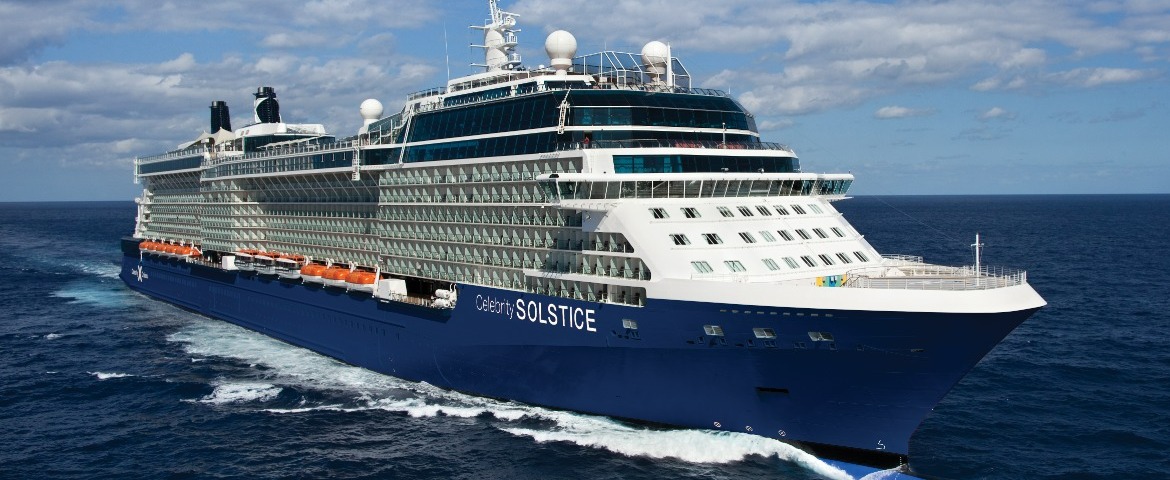
Carnival Cruise Line (80 Cruises)
Carnival Adventure
14 Cruises


Carnival Encounter
34 Cruises

| 13 March | 9 days | Round-trip from Brisbane, Australia |
450-628-6241
Call us
|
| 29 March | 9 days | Round-trip from Brisbane, Australia |
450-628-6241
Call us
|
| 19 April | 11 days | Round-trip from Brisbane, Australia |
450-628-6241
Call us
|
| 19 April | 10 days | Round-trip South Sea Carnival Encounter Brisbane |
450-628-6241
Call us
|
| 10 May | 13 days | Round-trip from Brisbane, Australia |
450-628-6241
Call us
|
| 22 May | 9 days | Round-trip from Brisbane, Australia |
450-628-6241
Call us
|
| 18 August | 10 days | Round-trip Papua New Guinea Carnival Encounter Brisbane |
450-628-6241
Call us
|
| 18 August | 11 days | Round-trip from Brisbane, Australia |
450-628-6241
Call us
|
| 1 October | 9 days | Round-trip from Brisbane, Australia |
450-628-6241
Call us
|
| 16 October | 9 days | Round-trip from Brisbane, Australia |
450-628-6241
Call us
|
Carnival Luminosa
14 Cruises

| 4 January | 8 days | Round-trip from Brisbane, Australia |
450-628-6241
Call us
|
| 30 January | 9 days | Round-trip from Brisbane, Australia |
450-628-6241
Call us
|
Carnival Splendor
18 Cruises



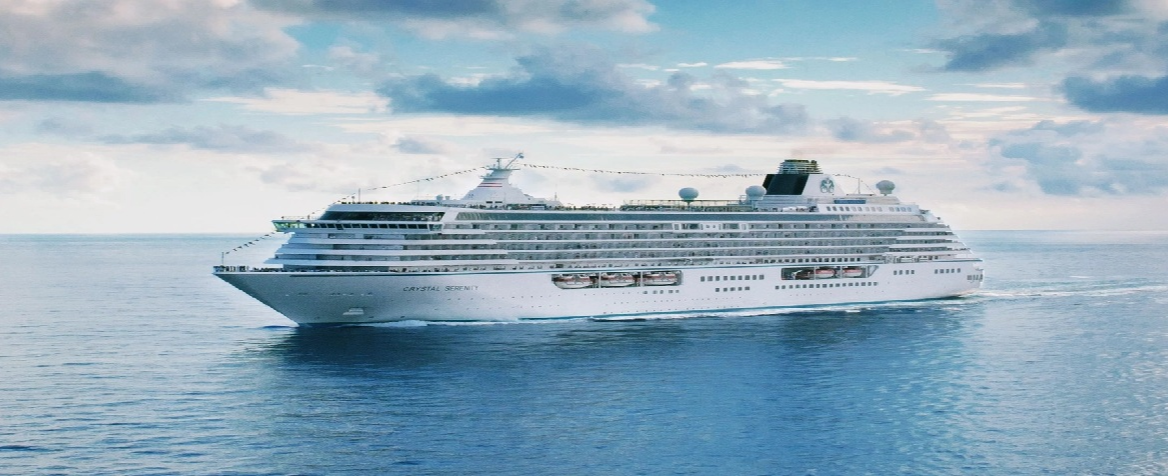
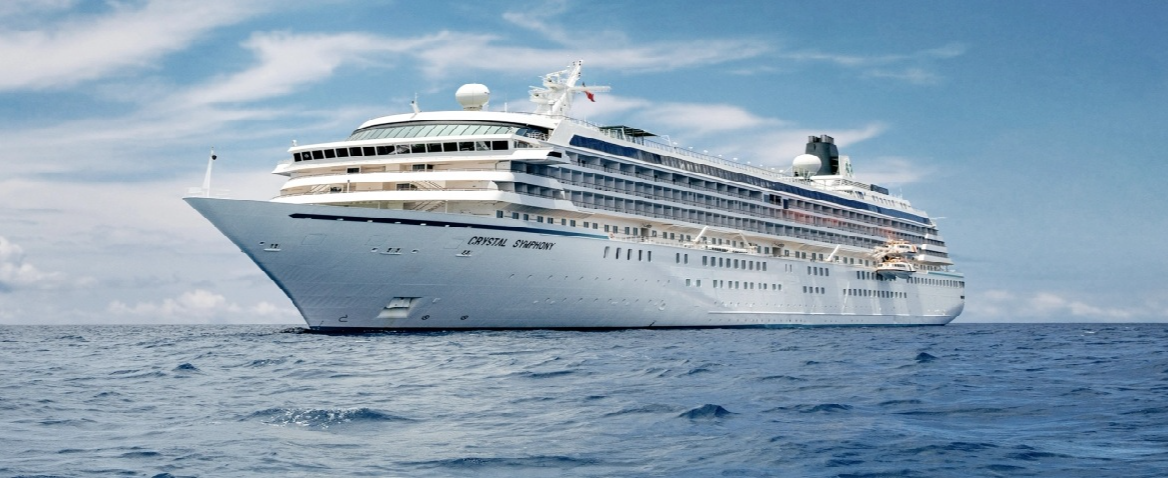
Crystal Cruises (9 Cruises)
Crystal Serenity
6 Cruises

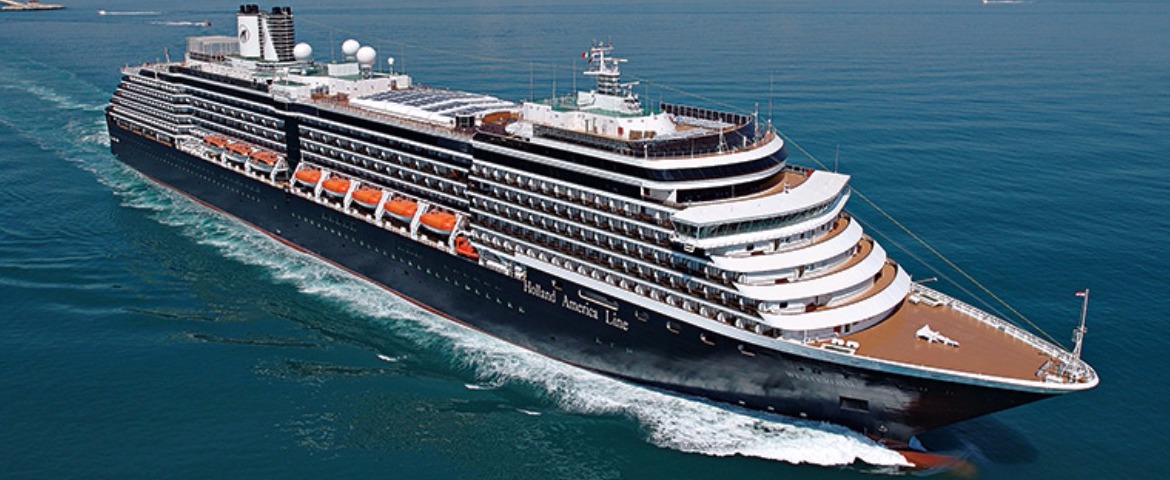
Holland America Line (3 Cruises)

Norwegian Cruise Line (4 Cruises)


Oceania Cruises (7 Cruises)
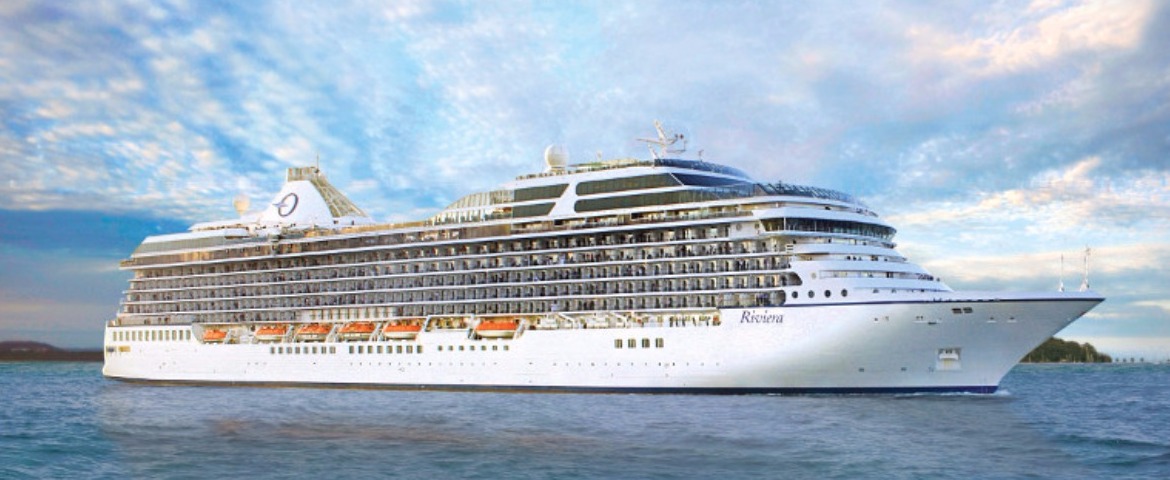

Oceania Vista
6 Cruises
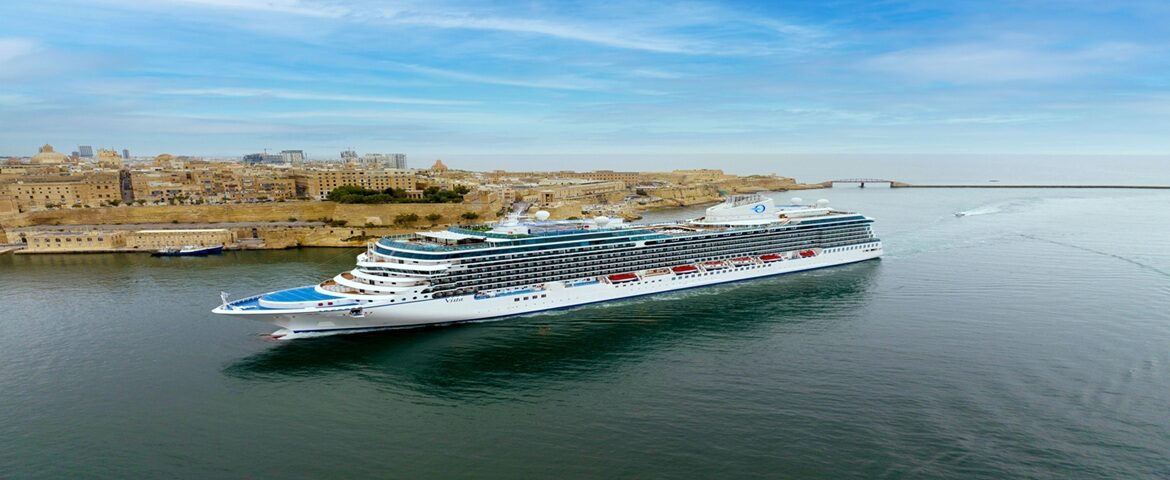
Princess Cruises (9 Cruises)




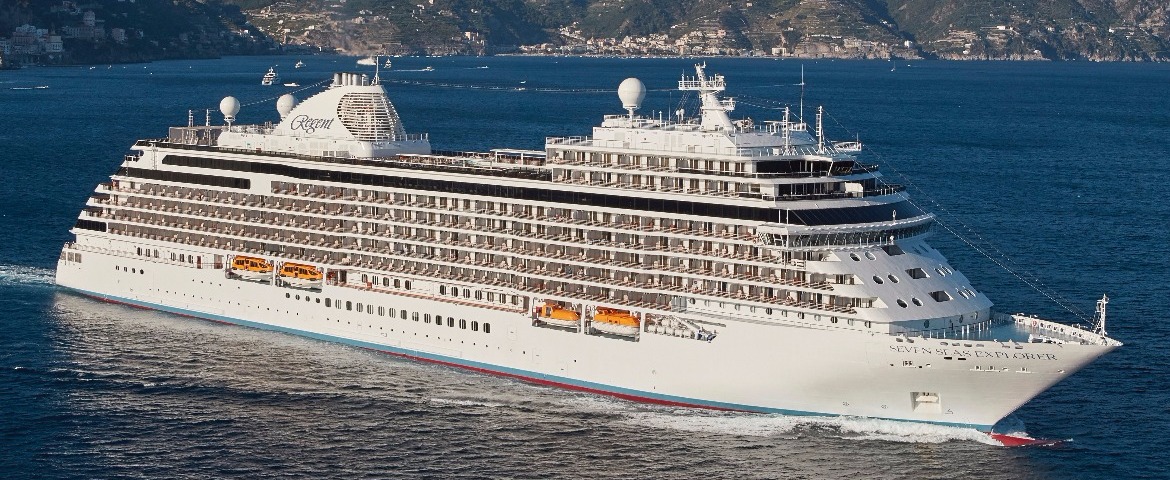
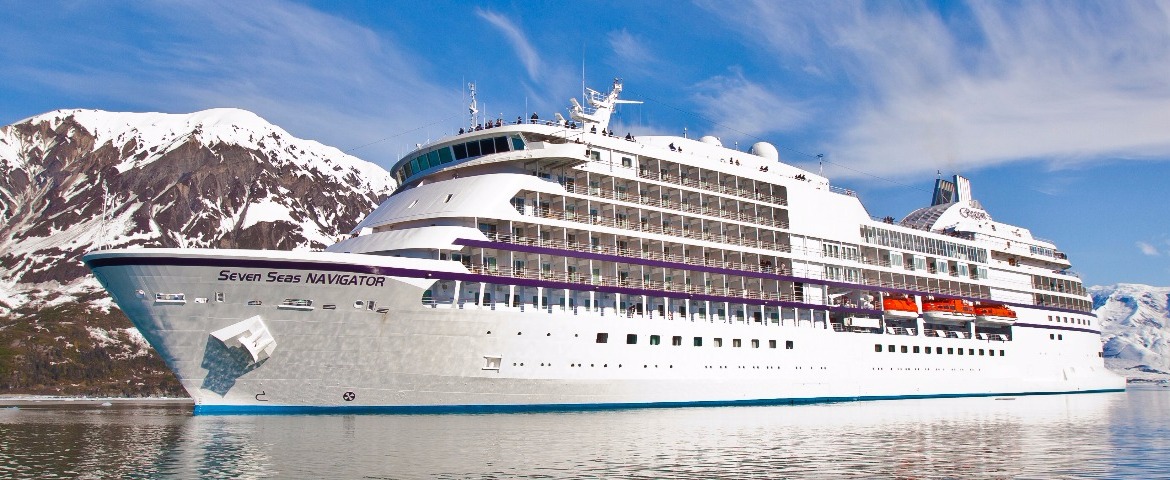
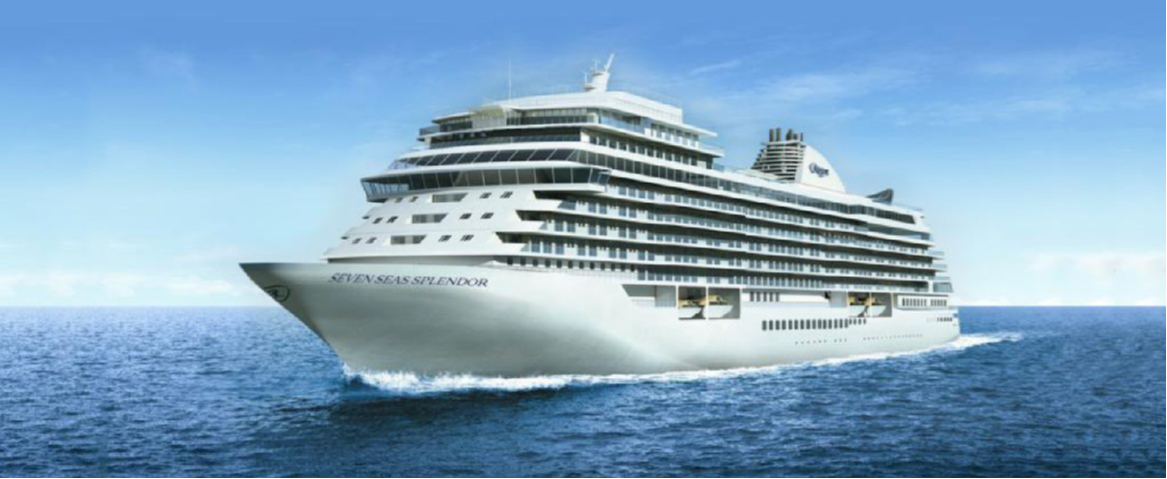
Regent Seven Seas Cruises (11 Cruises)

Royal Caribbean Cruises (40 Cruises)
Anthem of the Seas
18 Cruises


Quantum of the Seas
16 Cruises

| 8 January | 9 days | Round-trip from Brisbane, Australia |
From
2041$
|
| 22 January | 8 days | Round-trip from Brisbane, Australia |
From
1591$
|
| 29 January | 8 days | Round-trip from Brisbane, Australia |
From
1407$
|
| 12 February | 8 days | Round-trip from Brisbane, Australia |
From
1455$
|
| 26 February | 8 days | Round-trip from Brisbane, Australia |
From
1407$
|

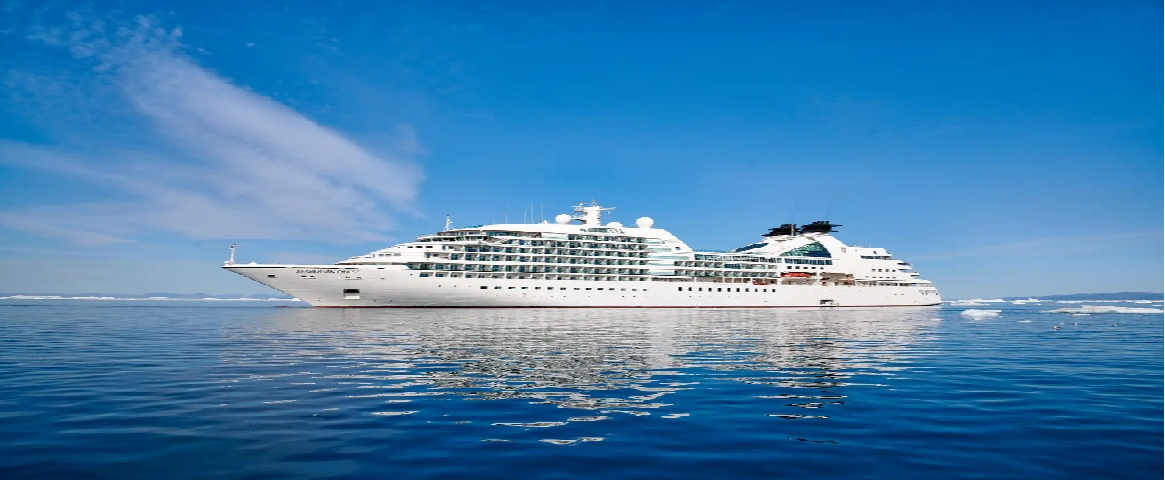
Seabourn Cruise Line (11 Cruises)
Seabourn Quest
11 Cruises


Mystery Island, Vanuatu | Cruise Port Guide
Frequently Asked Questions
Straight onto the beach. There is no quay: the tender slows, its hull brushes the pale bottom, and you step into warm sand. It is one of the few Pacific calls where the infrastructure amounts to a beach.
Nobody permanently. The islet, which locals call Inyeug, has no fresh water, which has always ruled out settlement, and local tradition holds it to be inhabited by spirits after dark. On ship days a flotilla of boats crosses from Aneityum, the neighbouring island less than a kilometre away.
About a kilometre long by two hundred metres wide. A full circuit on foot takes thirty to forty-five minutes, following turquoise lagoon, coral rock and empty beaches in turn.
From a grassy strip crossing the islet end to end: the old airstrip built by Allied forces during the Second World War. Its position, invisible from certain sea approaches, made aircraft appear as if from nowhere. Small planes still land there occasionally.
Yes, the seabed justifies bringing or hiring gear: healthy coral, multicoloured fish and water clear enough to see for tens of metres. A well-regarded stretch lies towards the southern end of the old airstrip.
People from Aneityum set up craft stalls each morning, along with grilled fish and lobster, pandanus weaving and coconuts to drink. This temporary trade is an important resource for their community, which gives buying here a very concrete meaning.
Little of the first and none of the second. No permanent facilities, no running water, no cash machine: everything arrives by boat in the morning and leaves at dusk. Bring a hat, sun protection and something to drink.
It empties completely. The day's earnings pocketed, everyone returns to Aneityum at dusk, and the islet recovers its silence, its hermit crabs and the steady rustle of the reef.
The vatu, Vanuatu's currency, with Bislama, English and French in conversation. Bring cash in small denominations: there is no card terminal on the islet.
Very much so. The lagoon is shallow and calm, landing is straight into the sand, and the island circuit is walkable with young children. The one real constraint is the sun: natural shade is in short supply.


