Kahului Maui Island Hawaii

205 Cruises availables At departure or passage at this port

Carnival Cruise Line (19 Cruises)

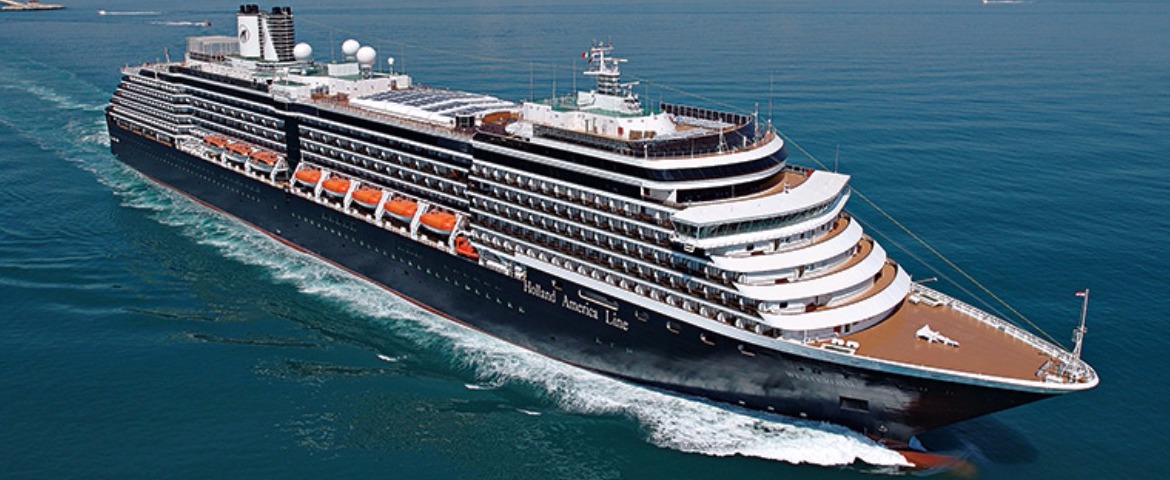
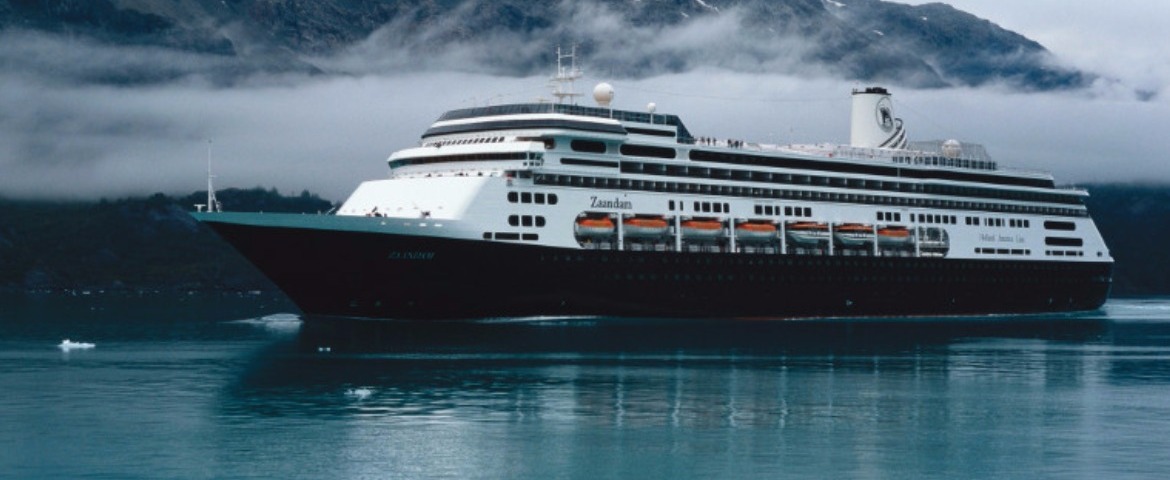
Holland America Line (23 Cruises)

Norwegian Cruise Line (85 Cruises)

Pride of Amercia Cruise Ship

Pride of America

2186 Passengers
80439 tons
Visit the ship's page

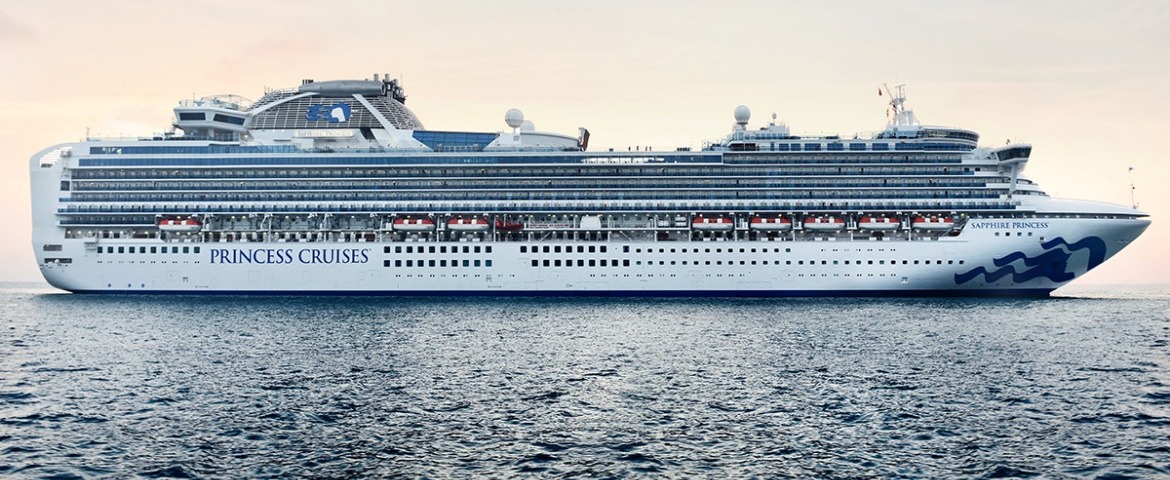
Princess Cruises (49 Cruises)

Port of Kahului (Maui) | Cruise Port Guide

The trade winds work Maui without rest, and it's often them that greet passengers in Kahului: a steady, spray-laden wind that snaps the halyards along the dock. The island owes its shape to two volcanoes joined by an isthmus of farmland, and the ship moors right on that isthmus, in a working harbour lined with cranes and warehouses. The place isn't trying to charm anyone; it serves as a gateway. Behind that gateway lie some of the most striking landscapes in the Hawaiian islands, and the day ashore is best planned like a chosen expedition: the mountain, the forest, or the shore.

Getting Your Bearings from the Dock

The port area itself offers little for wandering: better to plan your day before stepping ashore. About two kilometres away, the Queen Ka'ahumanu Center serves as a hub, with its shops, food stalls, and the terminus of the Maui Bus network, handy for getting around cheaply. Taxis and organized excursions, meanwhile, wait right at the terminal exit. The fields surrounding the isthmus are a reminder of a bygone era: sugarcane reigned here for more than a century, right up to the very last harvest in 2016, and the old plantation lands are now searching for new agricultural purposes.

Iao Valley, a Sanctuary of Green

About twenty minutes' drive to the west, Iao Valley cuts into the mountains amid a jumble of ridges almost always caught in cloud. Iao Needle, a basalt spire draped in vegetation, rises 366 metres above the floor of the gorge. Long forbidden to commoners and reserved for Hawaiian royalty, the site is now explored via short trails and footbridges crossing the river. An hour is enough here, making it the ideal complement to a morning, often combined on excursions with the area's tropical gardens and plantations, where pineapple, papaya, and breadfruit trees grow.

Haleakala, the House of the Sun

The island's other giant takes more effort to earn. The road up Haleakala winds its way to 3,055 metres, crossing high-altitude pastures before breaking out above a sea of clouds. At the summit, the view drops into a depression shaded in ochre, rust, and ash, home to the silversword, a plant found nowhere else on Earth. Allow half a day for the round trip from the ship, and tuck a sweater into your bag: the air at the summit comes as a surprise after the heat of the coast, and the clouds sometimes drift by lower than your feet.

Wind as Spectacle

To stay close to the dock without giving up a change of scenery, head for the shore. At Kanaha Beach Park, a few minutes from the terminal, windsurfers and kitesurfers work the gusts with disarming ease. A little further east, the old sugar town of Paia lines up its colourful wooden façades, cafés, and art galleries, while the Ho'okipa lookout overlooks one of the most famous windsurfing waters in the world. Green sea turtles even come to rest on the sand here at the end of the day, unbothered by the cameras. The show, free of charge, easily rivals many a paid excursion. On especially windy days, even locals pull over along the road to watch the sails leap over the ridges, and roadside chatter quickly turns into sports-commentary banter.

Gangway back up, the isthmus settles back into its quiet face as an island crossroads. Maui doesn't give itself away from the dock; it asks to be explored, gorge by gorge, shoreline by shoreline. Those who climbed above the clouds often carry home the same image: the summit of Haleakala floating on an ocean of white, while down below, the wind carries on its work, tireless as ever.

Frequently Asked Questions

At Kahului Harbor on the north shore of the isthmus, the island's only deep-water port. It is a working port area with no shops or attractions on site.
No. The port area is not made for strolling: there is nothing within walking distance. Organise your day before you land, with an excursion, a taxi or a rental car.
Iao Valley, about twenty minutes west, is the most realistic choice. Haleakala requires far more time and suits a short call poorly.
A valley cutting into the West Maui mountains through dense greenery, about twenty minutes' drive from the port. The Iao Needle rises above the stream, and the trails are short and accessible.
It is possible, but demanding: the road climbs in switchbacks to 3,055 metres and takes about two hours each way. You need a long port day, warm clothing and a steady stomach for the curves.
With caution: the 2023 wildfire destroyed much of the town and both access and visitor offerings have changed profoundly since. Check the current situation with your advisor before planning that trip.
Yes, Kanaha Beach Park, a few minutes from the pier. It is not a quiet swimming beach: the trade winds blow hard here, making it one of the world's great windsurfing and kitesurfing spots.
Because the flat narrow isthmus funnels the trade winds between the island's two mountain masses. That wind corridor is what built the north shore's sporting reputation.
The US dollar, English and Hawaiian. Hawaii is a US state: credit cards are accepted everywhere and tipping is expected in restaurants and for excursions.
Yes, provided you arrange transport. Iao Valley walks easily with children, and the windsurfers at Kanaha hold their attention without anyone getting in the water.