Isle of Iona Scotland
United Kingdom
50
Cruises availables
At departure or passage at this port

HX Expeditions (4 Cruises)


Lindblad Expeditions (12 Cruises)
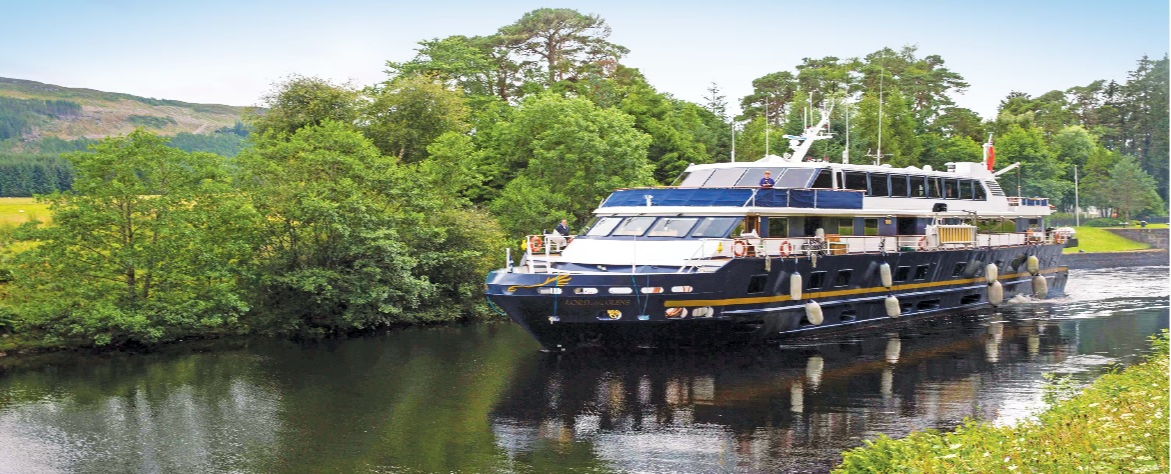
Lord of the Glens
10 Cruises

| 7 June | 8 days | One-way from Inverness to Kyle of Lochalsh |
450-628-6241
Call us
|
| 8 June | 5 days | One-way from Inverness to Kyle of Lochalsh |
450-628-6241
Call us
|




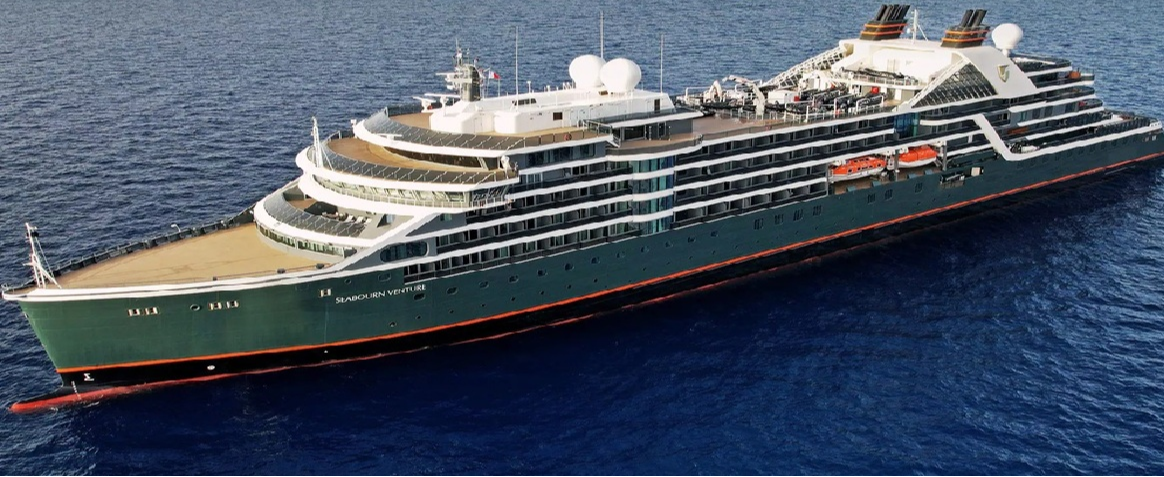
Seabourn Cruise Line (16 Cruises)
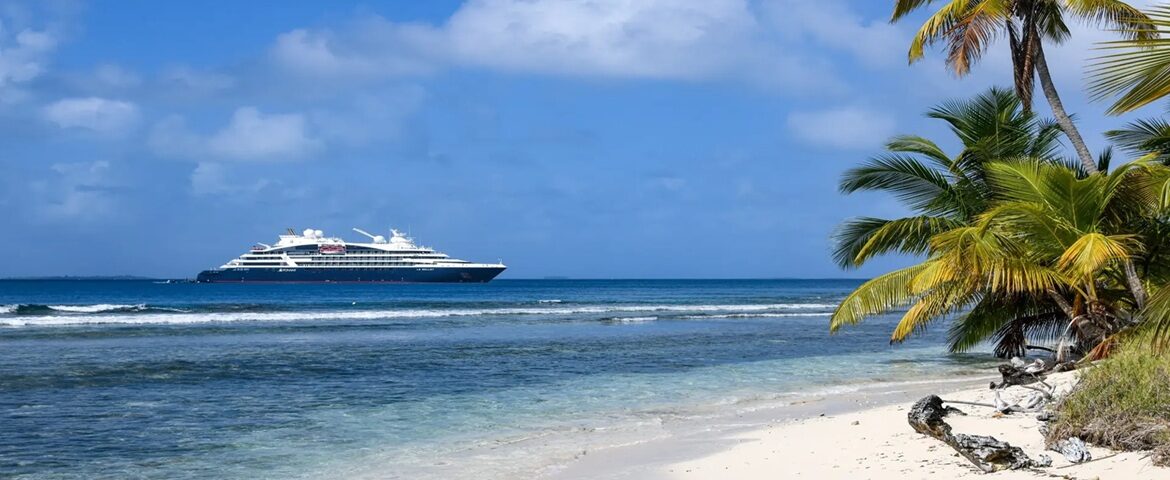
Seabourn Venture
16 Cruises


Isle of Iona, Scotland | Cruise Port Guide
Frequently Asked Questions
Ships anchor in the sound separating Iona from Mull and land passengers by tender on a concrete ramp in the heart of the hamlet of Baile Mòr. The abbey is about ten minutes' walk to the north.
Yes, entirely: the island measures barely five kilometres by two and cars are rare, reserved for residents. A single track links the landing to the abbey, following in part the "Street of the Dead", the medieval route of funeral processions.
The abbey, the nunnery and the burial ground of the kings fill three hours including the museum. The rest of the time is spent walking: the hamlet, Martyrs' Bay just to the south, and the pale sand beaches of the west coast for those who go further.
Because in 563 an Irish monk named Columba landed here with twelve companions and founded a monastery that became one of the great spiritual and intellectual centres of early medieval Europe. It was from here that Celtic Christianity spread across Scotland.
The present abbey, restored during the twentieth century, stands on the site of Columba's monastery. Before the church rise tall Celtic crosses carved more than a thousand years ago, and the museum holds the finest collection of early medieval carved stones in Scotland.
The graveyard at the foot of the abbey where tradition places the tombs of the earliest kings of Scotland, including Macbeth, made famous by Shakespeare. St Oran's Chapel, built in the twelfth century, is its oldest intact building.
It was most likely illuminated here, before Viking raids forced the monks into exile. The manuscript is now kept in Dublin, so on Iona you see the place of its creation, not the object itself.
Yes. Since 1938 an ecumenical community has kept the place alive; you meet its members around the cloister, and services open to all still mark the day, as they have for fourteen centuries. The Augustinian nunnery, founded around 1200, is by contrast a ruin — its pink granite walls are among the best-preserved women's monastic remains in Britain.
Yes, though it is a call for contemplation rather than activity. The Celtic crosses, the burial ground of the kings and the west coast beaches interest children who enjoy history. Stillness is the dominant note: cars are rare and the silence real.
Pounds sterling and English, with Gaelic present in the place names. The best window runs May to September, for the long days and a kinder sea: passengers land by tender in the sound and the call depends on conditions.


