Lysekil Sweden
Sweden
83
Cruises availables
At departure or passage at this port
Crystal Cruises (10 Cruises)
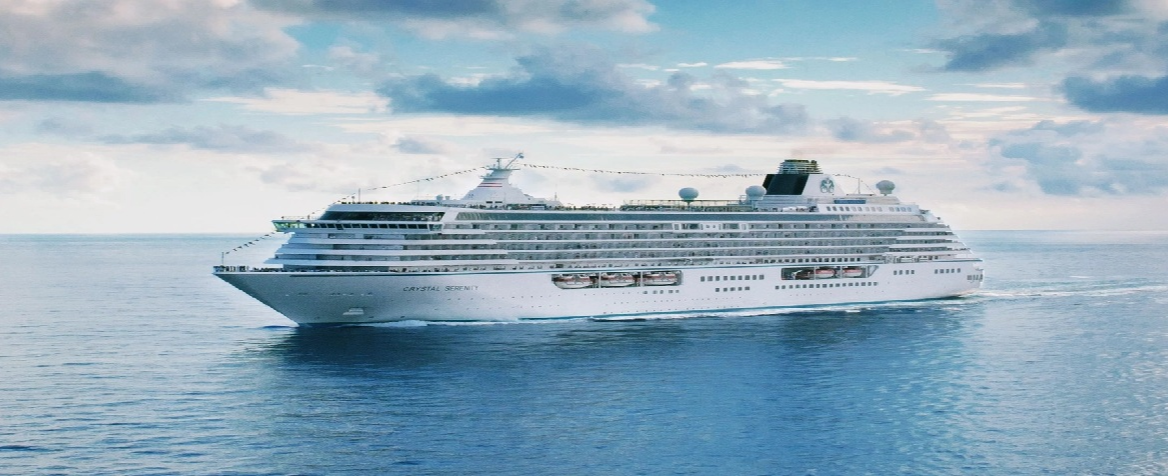
Crystal Serenity
4 Cruises

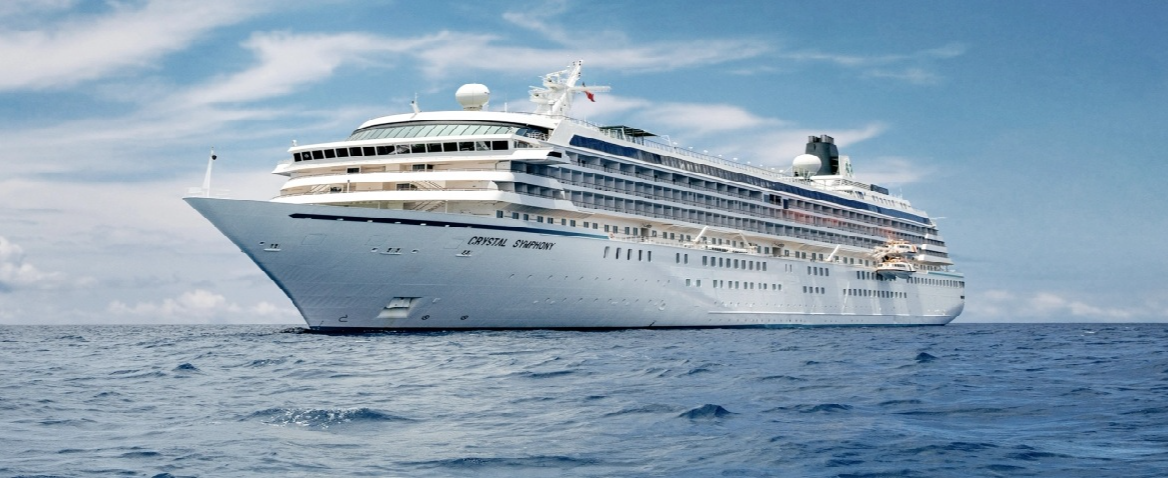
Crystal Symphony
6 Cruises
Explora Journeys (11 Cruises)
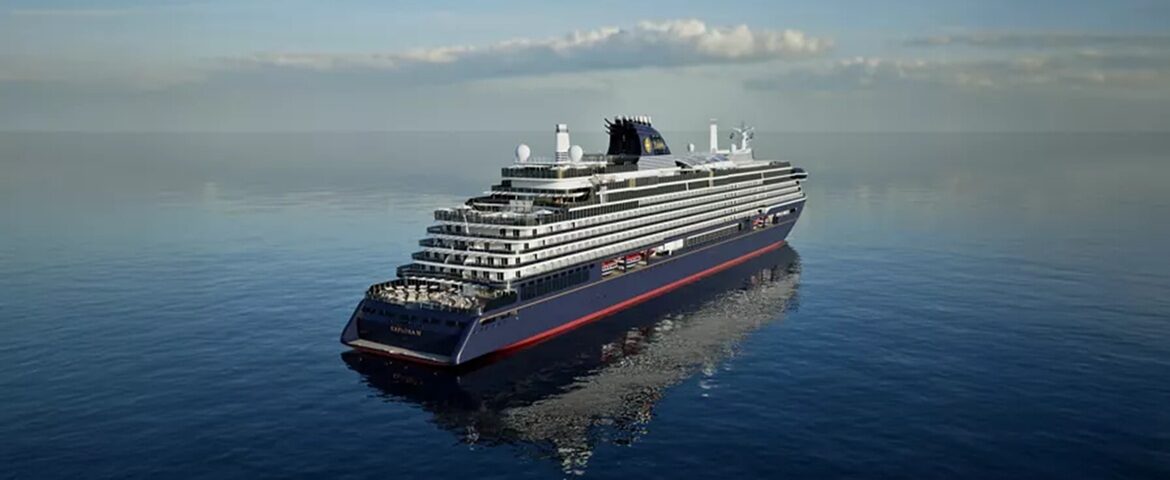
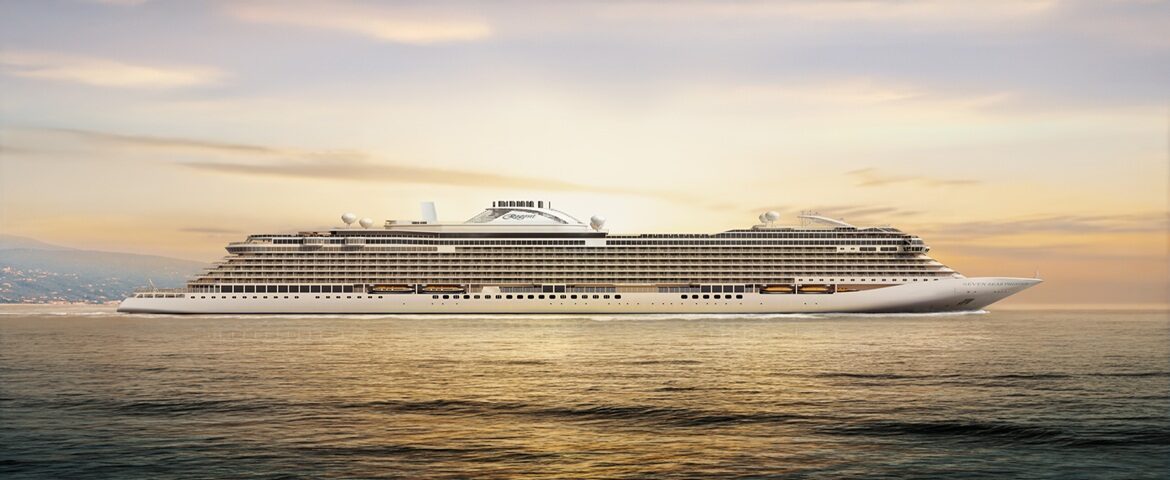
Explora IV
11 Cruises



Regent Seven Seas Cruises (13 Cruises)
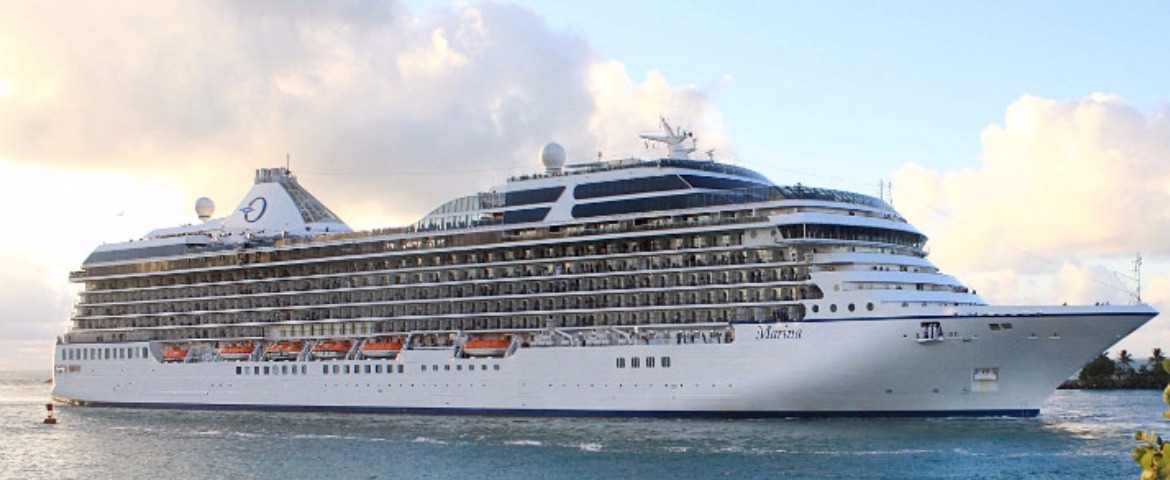
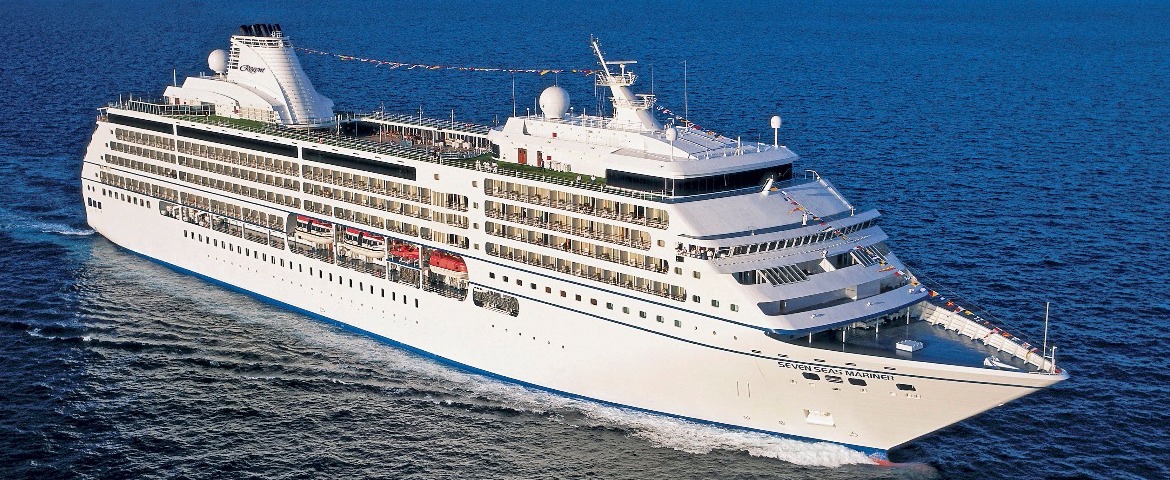
Seven Seas Mariner
12 Cruises

| 30 May | 101 days | One-way from Barcelona to IJmuiden |
450-628-6241
Call us
|
| 30 May | 102 days | One-way from Barcelona to IJmuiden |
450-628-6241
Call us
|
Scenic Cruises (8 Cruises)
Scenic Eclipse
4 Cruises
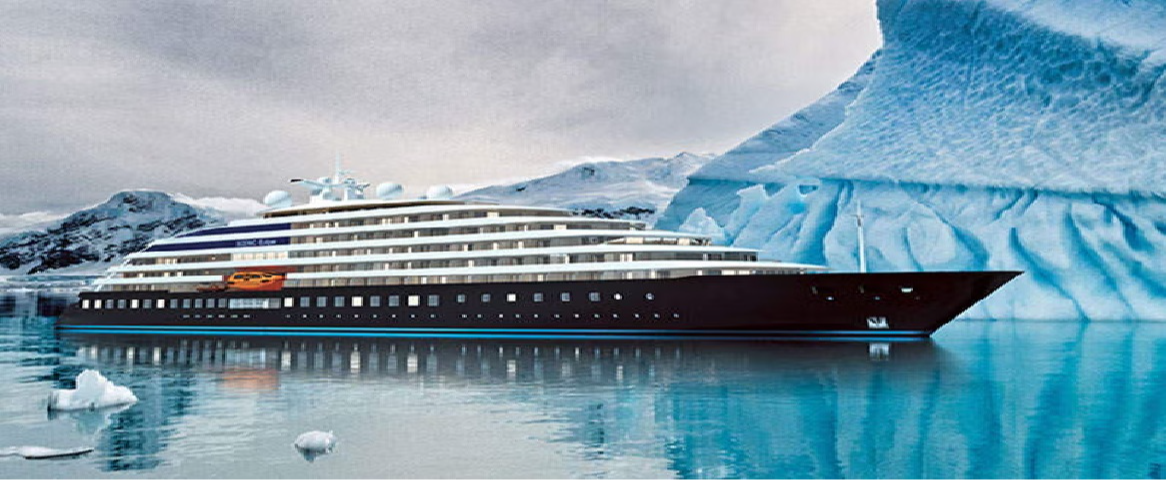

Scenic Eclipse II
4 Cruises

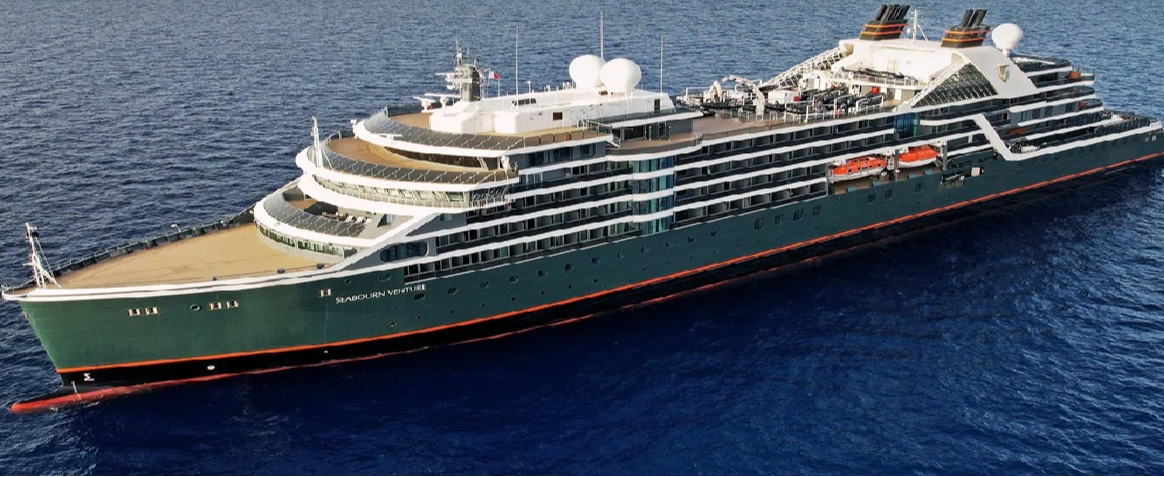
Seabourn Cruise Line (25 Cruises)
Seabourn Quest
23 Cruises
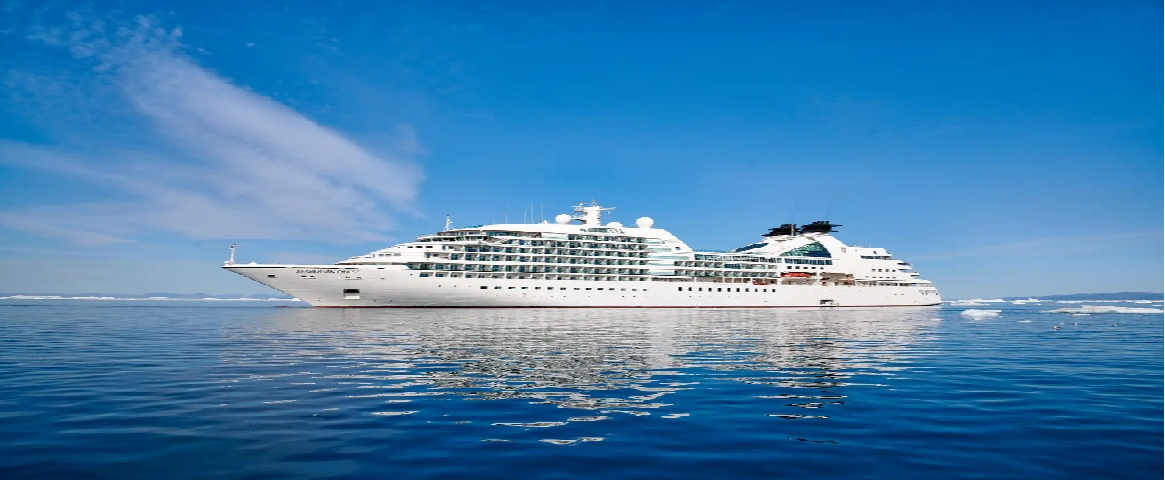

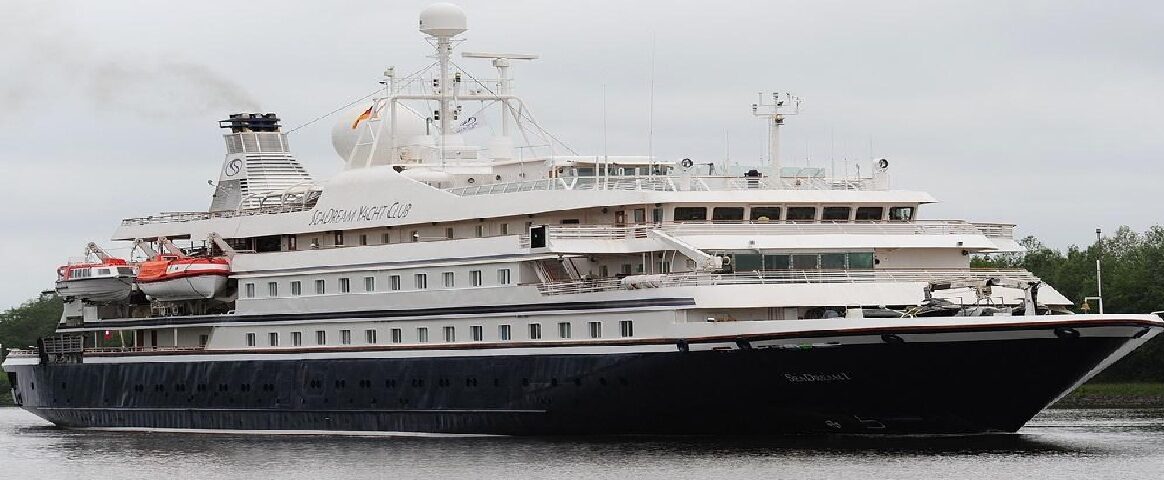
SeaDream Yacht Club (5 Cruises)

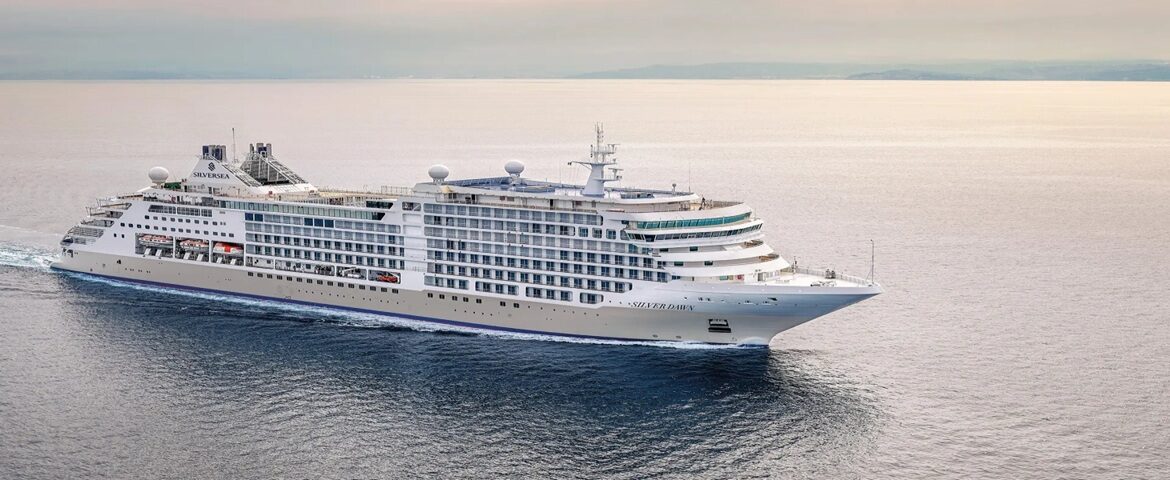
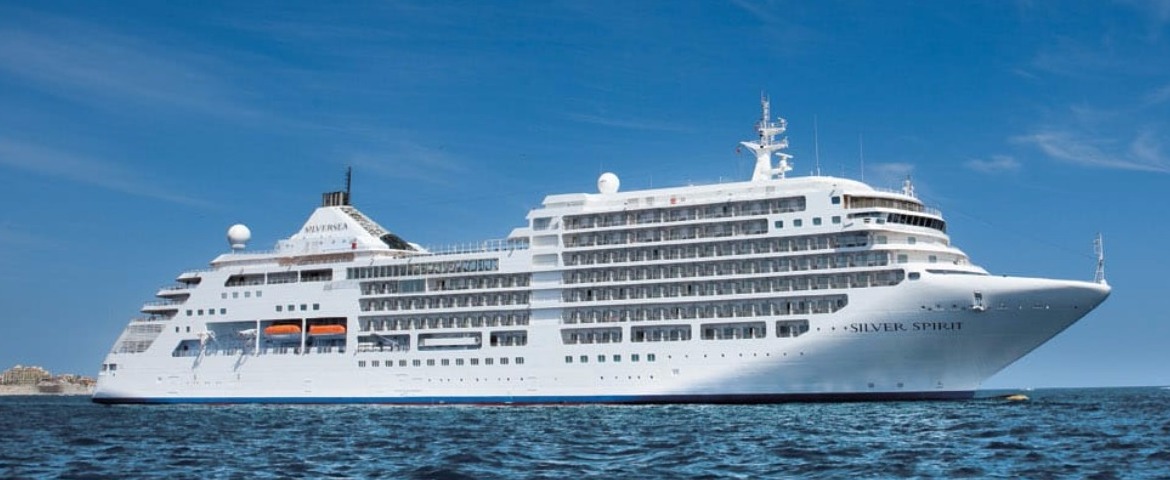
Silversea Cruises (8 Cruises)
Silver Dawn
6 Cruises


Port of Lysekil, Sweden | Cruise Port Guide
Frequently Asked Questions
At the town landing, on the tip of a Bohuslän peninsula at the mouth of the Gullmarn. Everything else is done on foot: the old town lanes, the waterfront aquarium and the Stångehuvud reserve are all within walking distance.
Lysekil’s signature landscape, at the western tip of the peninsula: domes of red and pink granite carved by the wind, cut by coves where the water turns ink-dark. Easy paths wind between the boulders out to a small white lighthouse.
Yes. The Victoria path is surfaced and accessible, following the shore with benches facing the open sea. The routes between the boulders stay easy, but granite gets slippery in rain — closed shoes are advised.
Thanks to one woman, Calla Curman, who bought them up one by one in the early twentieth century to keep them from the quarries. Bohuslän granite was paving the cities of Europe at the time; Stångehuvud was spared purely for the pleasure of looking at it.
An aquarium devoted to life in the Gullmarn and the Skagerrak, on the waterfront: some forty tanks, including a glass tunnel where rays and small sharks glide overhead. The centre’s biologists regularly release residents that have outgrown their tanks. Allow a good hour, more with children.
Yes, in season: watching trips leave from Havets Hus for the skerries in the fjord where seals haul out. Nothing is guaranteed, but the quiet shores of the Gullmarn are also frequented by herons, and the boat trip is pleasant even without a sighting.
Climb through the lanes of Gamla Lysekil to the neo-Gothic church, come back down past Havets Hus, then walk Stångehuvud for the granite and the light. Finish with shrimp or langoustines on a wooden jetty — the meal this town does best.
Sweden’s only true sill fjord: more than 100 metres deep behind a shallow threshold, it shelters cold-water species rare at this latitude, which made it a centre of Swedish marine research. Scientific stations dot its shores.
A nineteenth-century bathing resort left intact: ornate wooden houses from the sea-bathing era, fretwork verandas, tiny gardens and flags brought out in fine weather. At the top, the neo-Gothic church cut from local stone has served as a landmark for sailors for more than a century.
Shrimp, langoustines and herring prepared every way there is. The quayside smokehouses and fishmongers sell it to take away, and the best meal of the call is eaten in the sun on a wooden jetty.


