Pigeon Island Rodney Bay, St Lucia
St Lucia
149
Cruises availables
At departure or passage at this port
Ponant (37 Cruises)
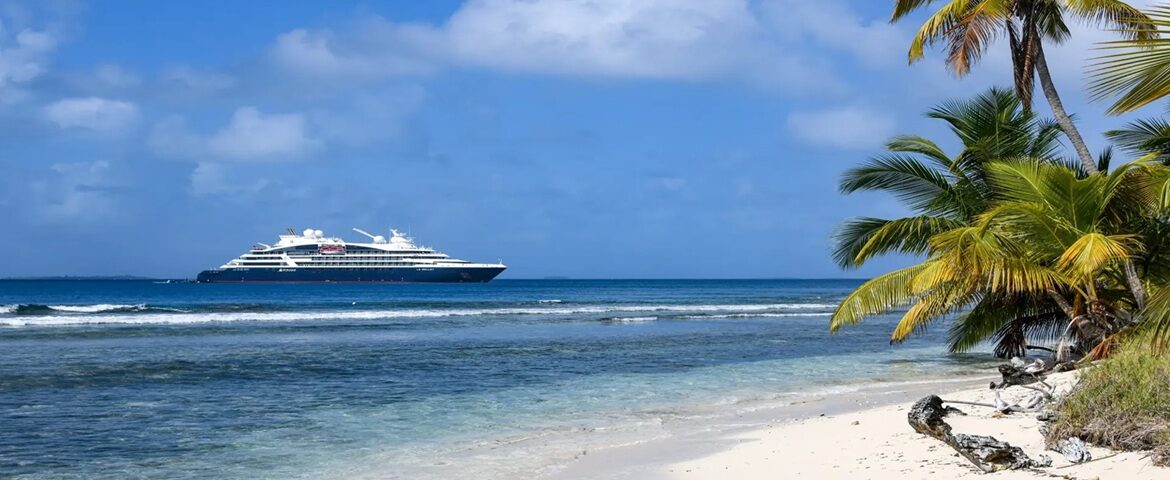

Le Bougainville
20 Cruises
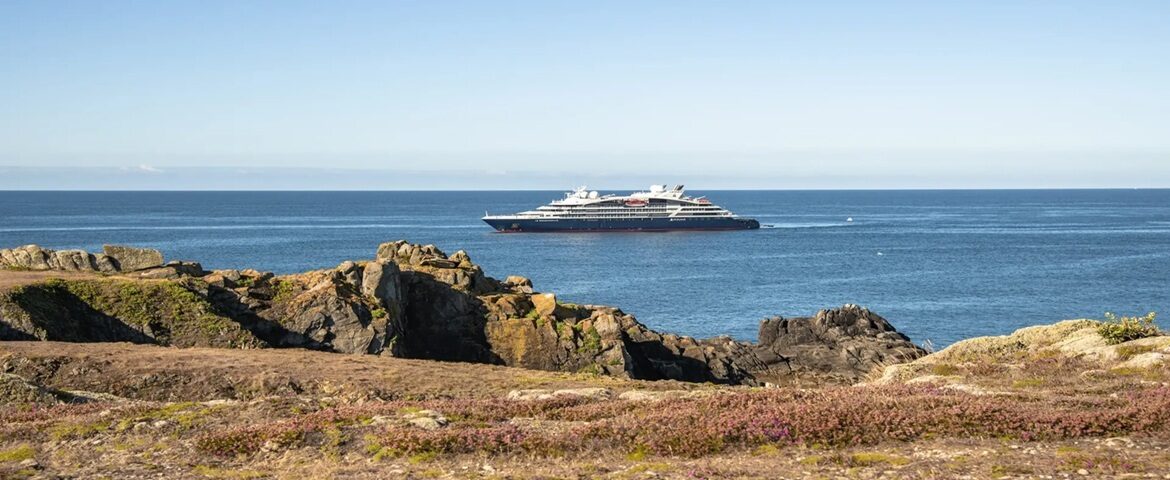
Le Champlain
8 Cruises
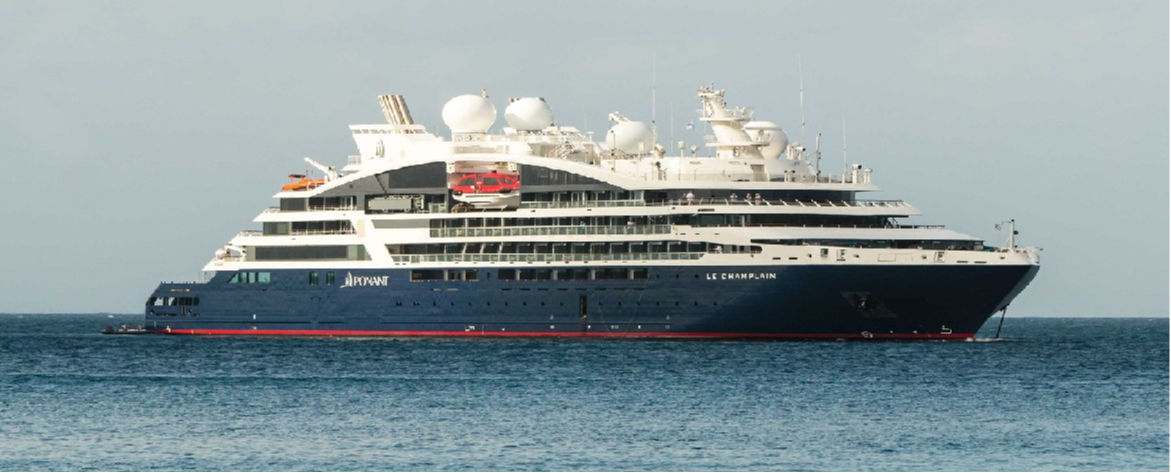
Le Laperouse
6 Cruises
Seabourn Cruise Line (54 Cruises)
Seabourn Ovation
25 Cruises
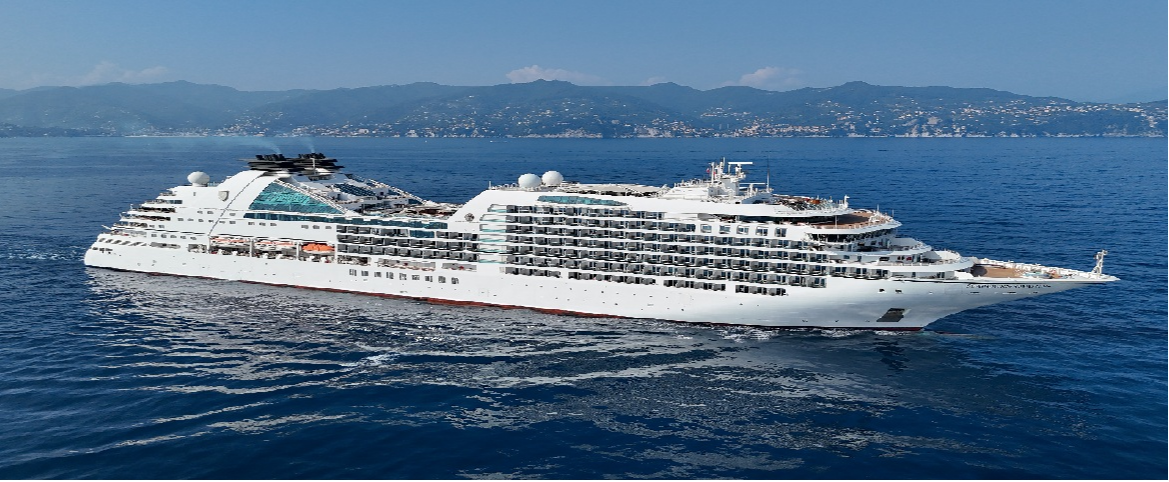

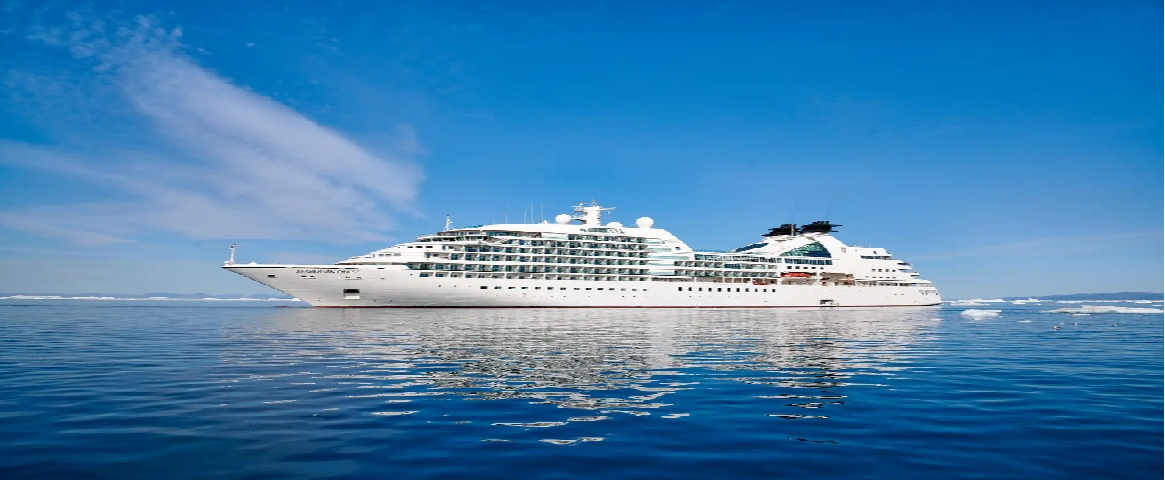
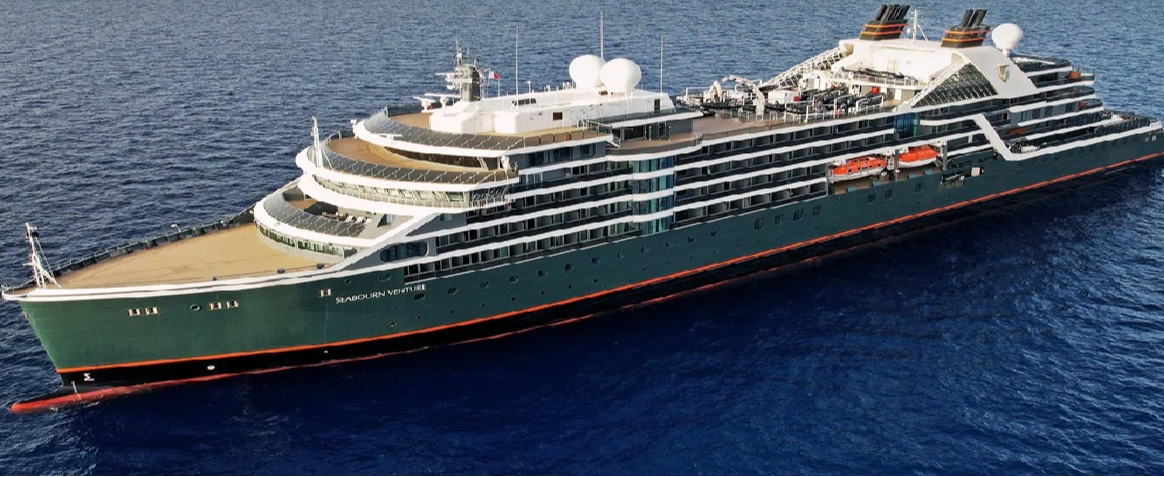
Seabourn Venture
27 Cruises
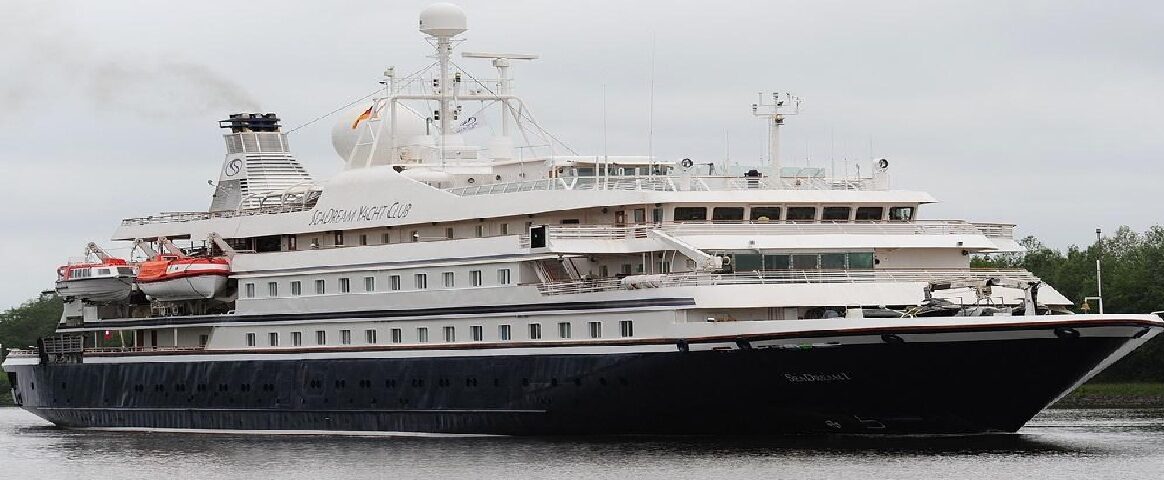
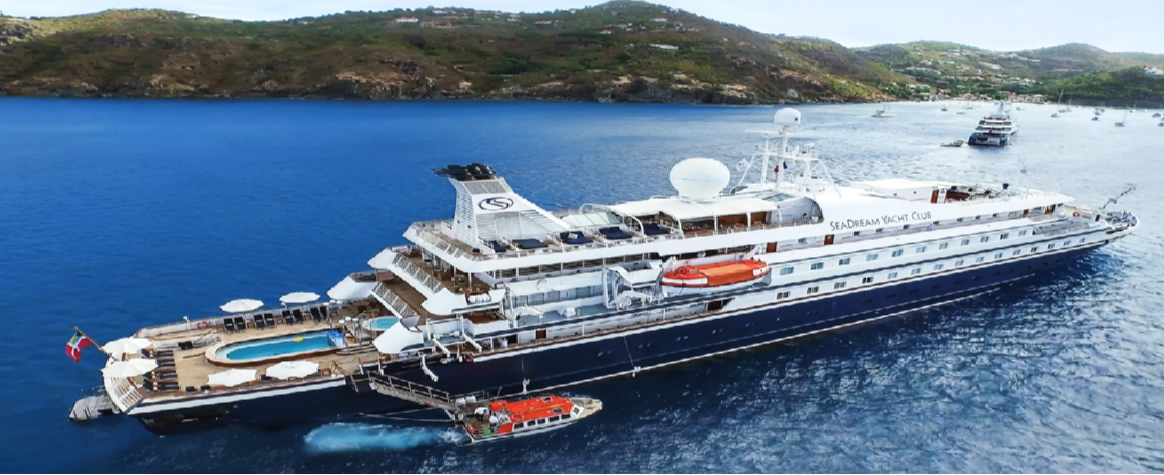
SeaDream Yacht Club (12 Cruises)
Seadream I
10 Cruises

| 27 February | 7 days | One-way from San Juan to Bridgetown |
450-628-6241
Call us
|
| 27 February | 8 days | One-way from San Juan to Bridgetown |
450-628-6241
Call us
|
Star Clippers (32 Cruises)
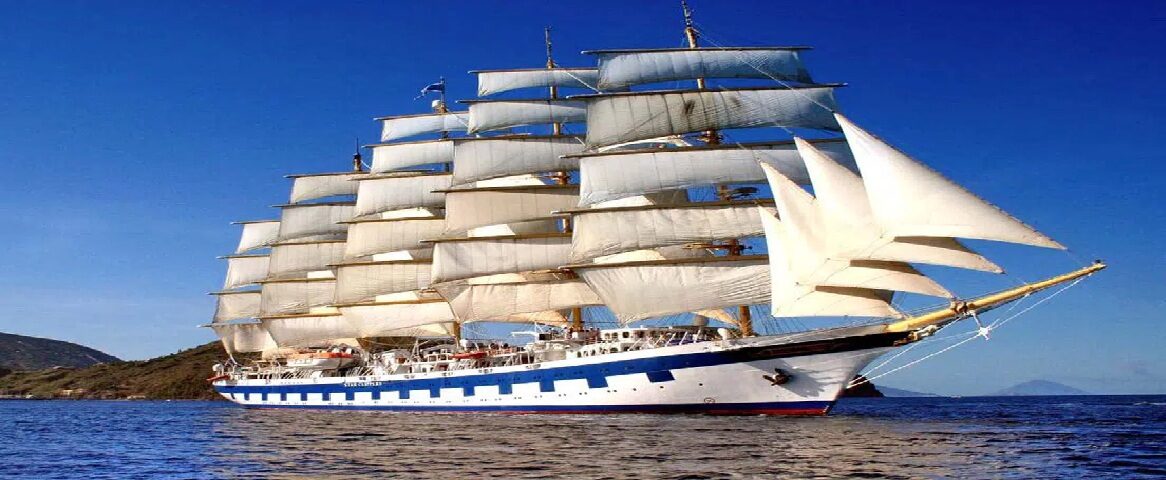
Royal Clipper
32 Cruises

| 13 March | 7 days | Round-trip 7 Night Windward Islands Cruise |
450-628-6241
Call us
|
| 13 March | 8 days | Round-trip from Bridgetown, Barbados |
450-628-6241
Call us
|
| 20 November | 8 days | Round-trip from Bridgetown, Barbados |
450-628-6241
Call us
|
| 20 November | 7 days | Round-trip 7 Night Windward Islands Cruise |
450-628-6241
Call us
|
Windstar Cruises (14 Cruises)
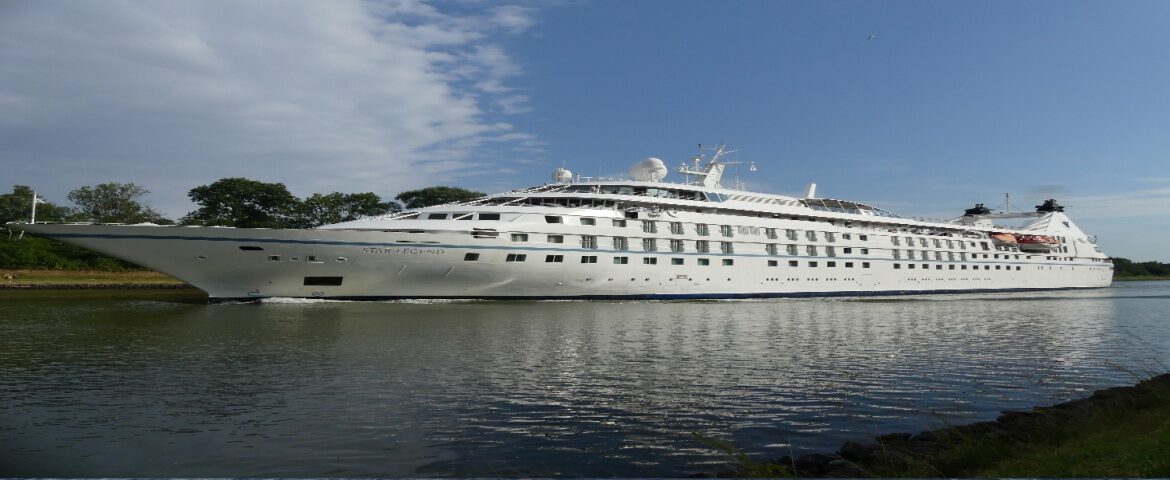
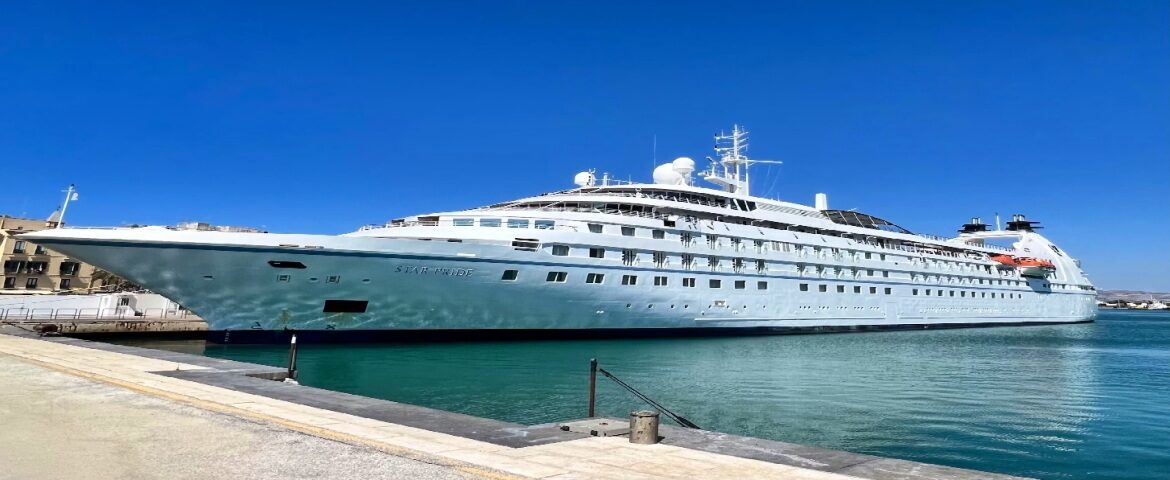
Star Legend
12 Cruises


Port of Pigeon Island, Saint Lucia | Cruise Port Guide
Frequently Asked Questions
Nowhere — there is no pier. Ships anchor in Rodney Bay, on the northwest coast of Saint Lucia, and tender passengers ashore. Pigeon Island is an 18-hectare national park, joined to the mainland by a causeway built in 1972.
Entirely on foot. From the landing to the ruins, the two summits and the two coves, the whole park is walkable. A taxi is only useful for Reduit Beach, the marina or the village of Gros Islet, all a few minutes away by road.
Yes. The Saint Lucia National Trust collects an admission fee at the gate; it funds conservation of the protected site. Ship excursions normally include it, but passengers arriving on their own pay at the entrance.
About fifteen minutes on a maintained trail, with period cannons and an orientation table at the top. The second summit, Signal Peak, reaches roughly 110 metres and takes about thirty minutes over loose stone and roots — steeper and more exposed, but Martinique appears on the horizon on a clear day.
The park alone fills the day. Allow an hour for the garrison ruins — barracks, powder magazine, cookhouse and the former officers’ mess, now a small interpretation centre — fifteen minutes up to the fort, then a long swim in one of the two coves. A restaurant, a few kiosks and the Jambe de Bois pub, named for the French buccaneer who hid here, mean you never have to leave the site.
Yes, in two small sandy coves below the fortifications, calm and gently sloping. The rocks along the edges hold parrotfish and sergeant majors if you bring a mask; pelicans dive a little further out.
Very much so, as long as you aim for the fort rather than Signal Peak. The Fort Rodney trail is short and maintained, the cannons and ruins are easy for children to explore, and the coves below stay calm. Signal Peak is steep and stony, and small legs give up quickly.
The East Caribbean dollar is the official currency and US dollars are accepted everywhere, often with change given in local dollars. English is spoken, and French-based Creole remains part of everyday conversation.
December to April, the dry season: fewer showers and calmer water for tendering. June to November is hurricane season; calls still happen, but late-afternoon downpours are common and an anchorage can be cancelled if swell rolls into Rodney Bay.
Rarely. The Friday night party is famous across the island, but it starts after dark, when most ships have already left the anchorage. Only ships staying into the evening make it possible — check the daily programme before making plans.


