Manila Luzon Island Philippines
Philippines
170
Cruises availables
At departure or passage at this port
Azamara Club Cruises (13 Cruises)
Azamara Onward
13 Cruises
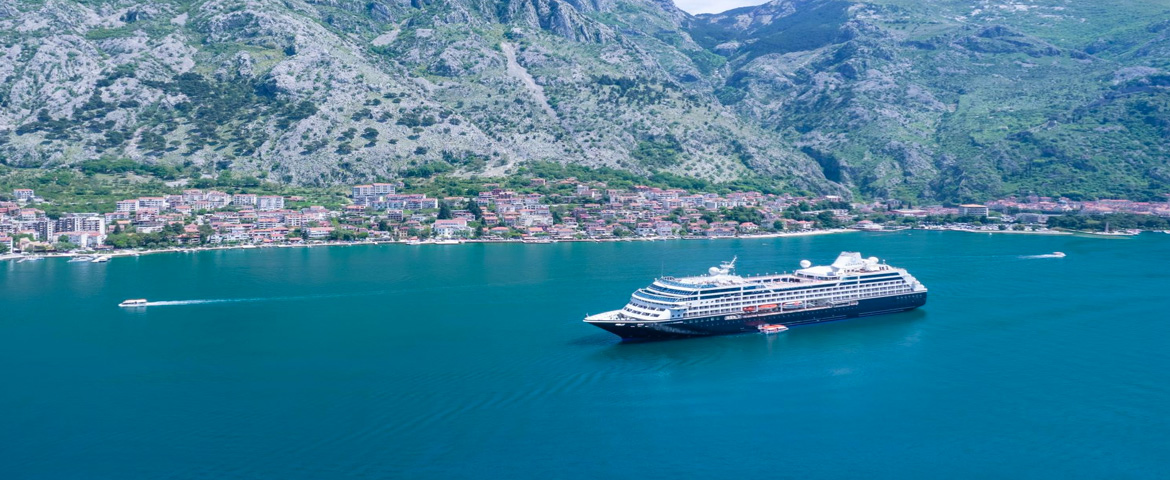

Crystal Cruises (12 Cruises)
Crystal Serenity
5 Cruises


Crystal Symphony
7 Cruises
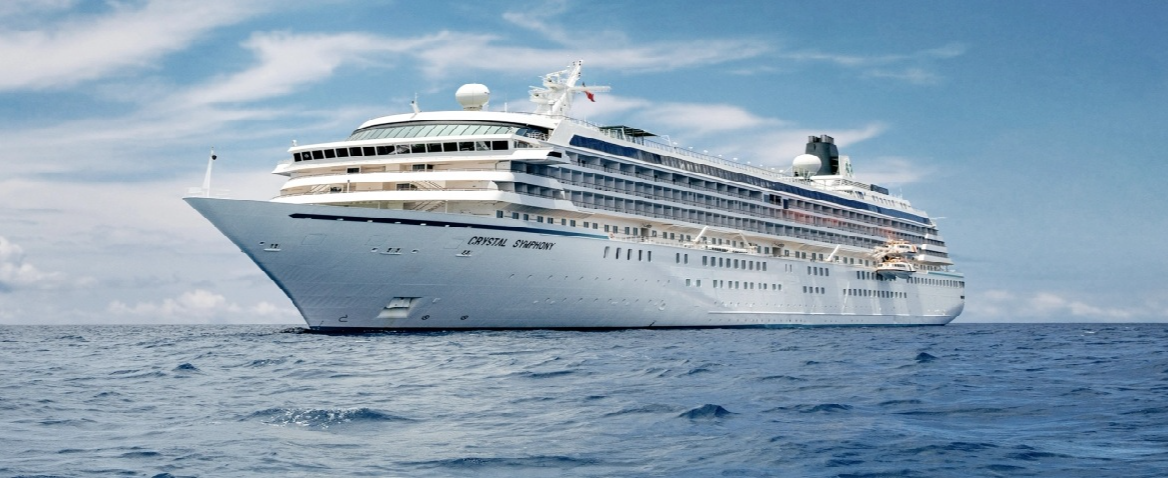
Cunard (31 Cruises)
Queen Anne
19 Cruises


Queen Victoria
12 Cruises
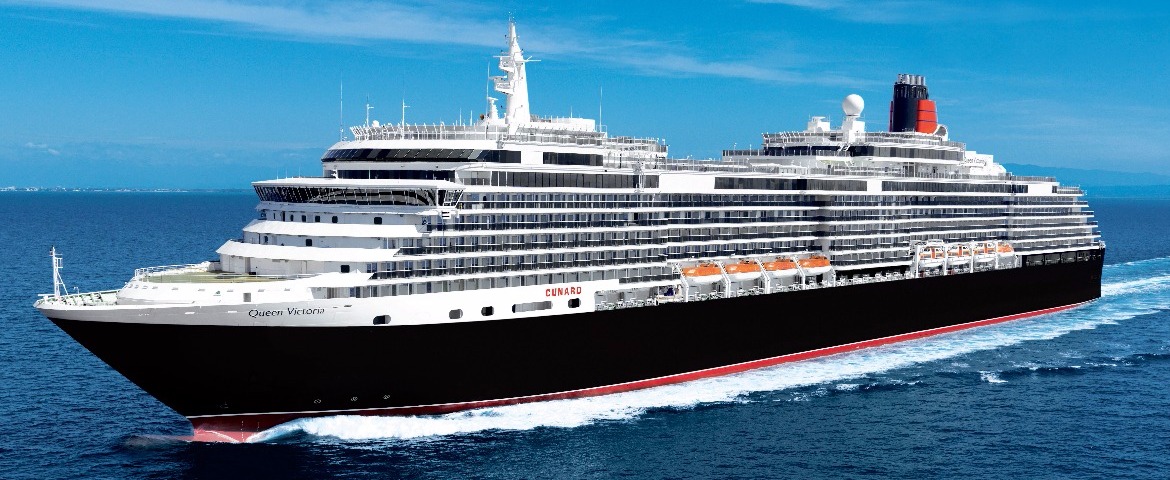
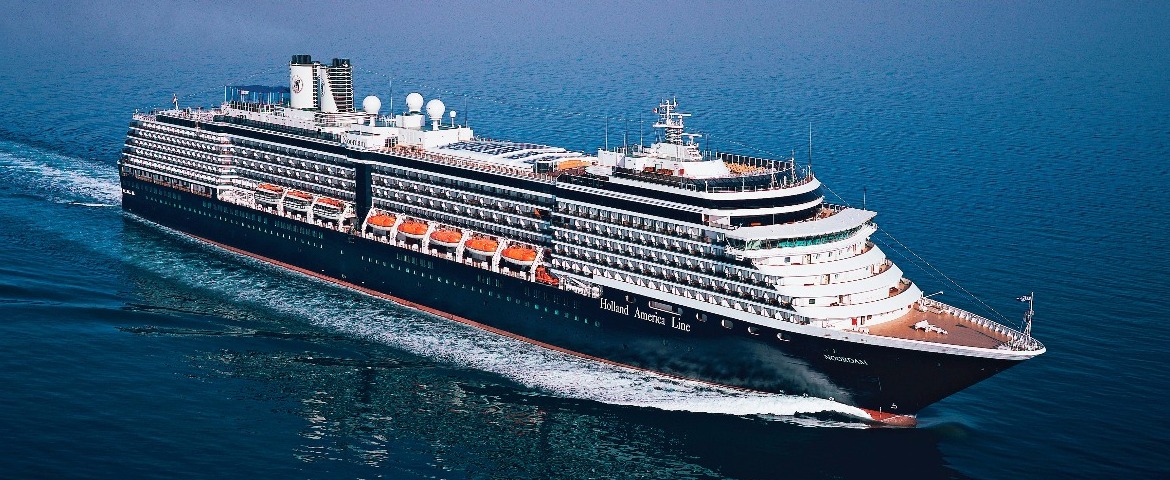

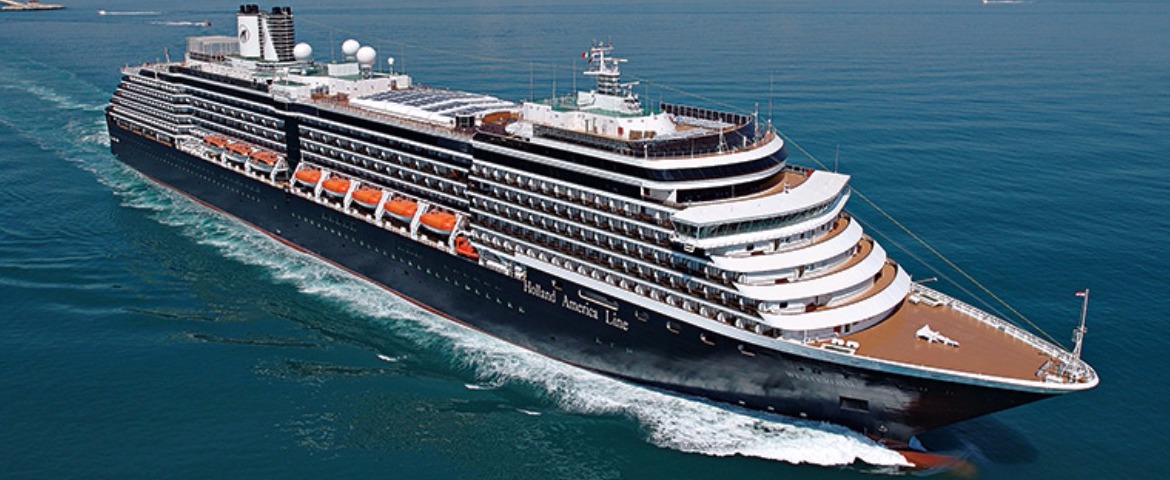
Oceania Cruises (31 Cruises)
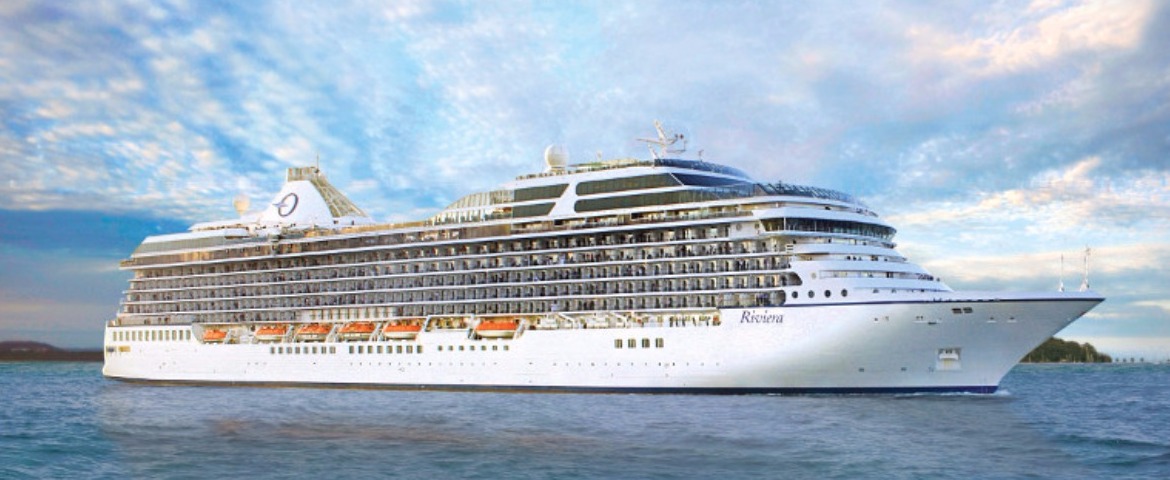
Oceania Riviera
22 Cruises

| 4 January | 11 days | One-way from Singapore to Hong Kong |
450-628-6241
Call us
|
| 5 January | 11 days | One-way from Singapore to Hong Kong |
450-628-6241
Call us
|
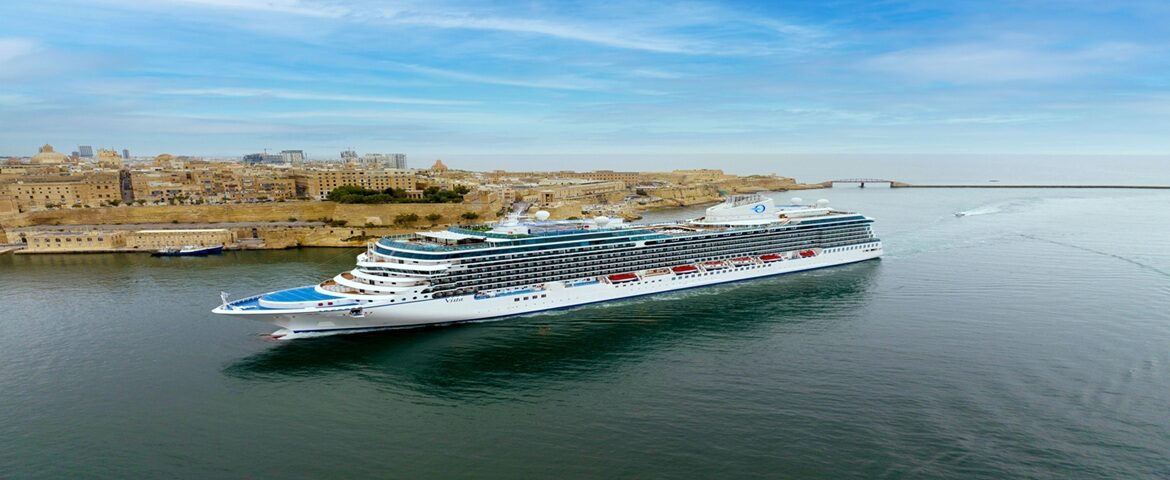
Oceania Vista
9 Cruises
| 6 January | 180 days | One-way from Miami to Southampton |
450-628-6241
Call us
|
| 6 January | 244 days | One-way from Miami to New York |
450-628-6241
Call us
|
Ponant (35 Cruises)
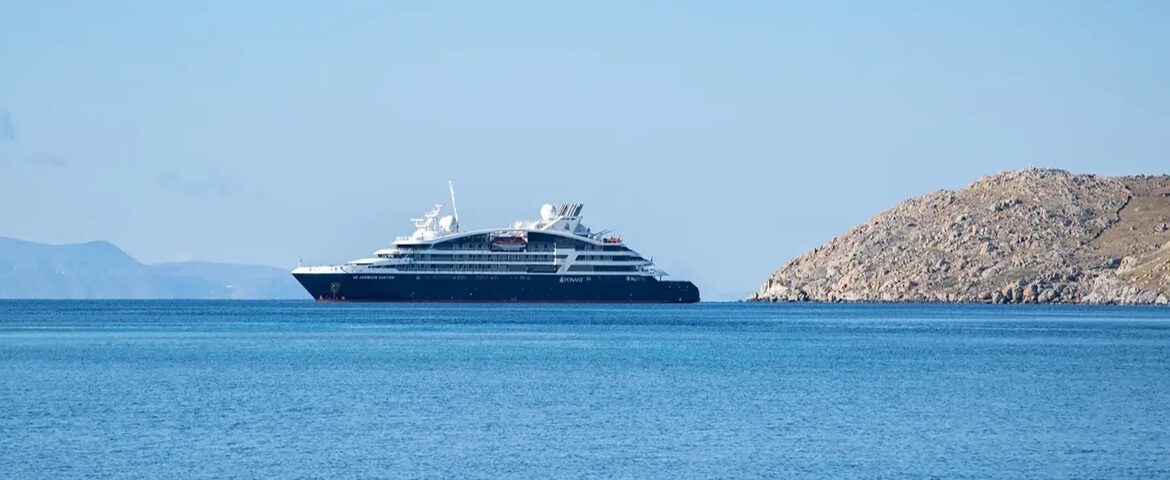
Le Jacques Cartier
9 Cruises

Le Soleal
26 Cruises

| 28 August | 15 days | One-way from Darwin to Manila |
450-628-6241
Call us
|
| 28 August | 14 days | One-way from Darwin to Manila |
450-628-6241
Call us
|
| 11 September | 9 days | One-way from Manila to Keelung |
450-628-6241
Call us
|
| 11 September | 10 days | One-way from Manila to Keelung |
450-628-6241
Call us
|
| 22 January | 12 days | One-way from Singapore to Manila |
450-628-6241
Call us
|
| 22 January | 13 days | One-way from Singapore to Manila |
450-628-6241
Call us
|
| 20 May | 13 days | One-way from Busan to Manila |
450-628-6241
Call us
|
| 20 May | 12 days | One-way from Busan to Manila |
450-628-6241
Call us
|
Regent Seven Seas Cruises (19 Cruises)
Seven Seas Explorer
9 Cruises
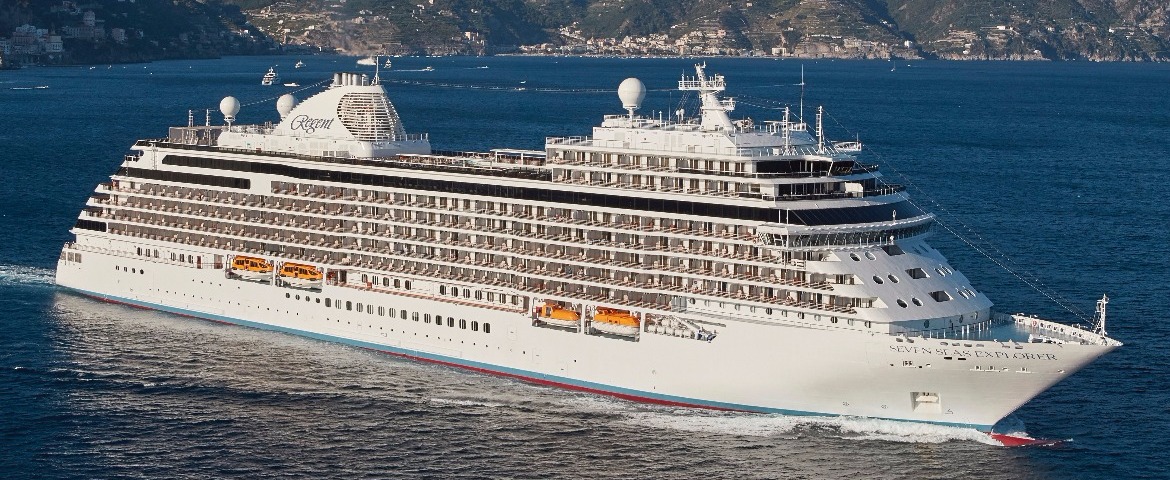

| 30 November | 22 days | Round-trip Asia Seven Seas Explorer Hong Kong |
450-628-6241
Call us
|
| 30 November | 23 days | Round-trip from Hong Kong, China |
450-628-6241
Call us
|
Silversea Cruises (22 Cruises)
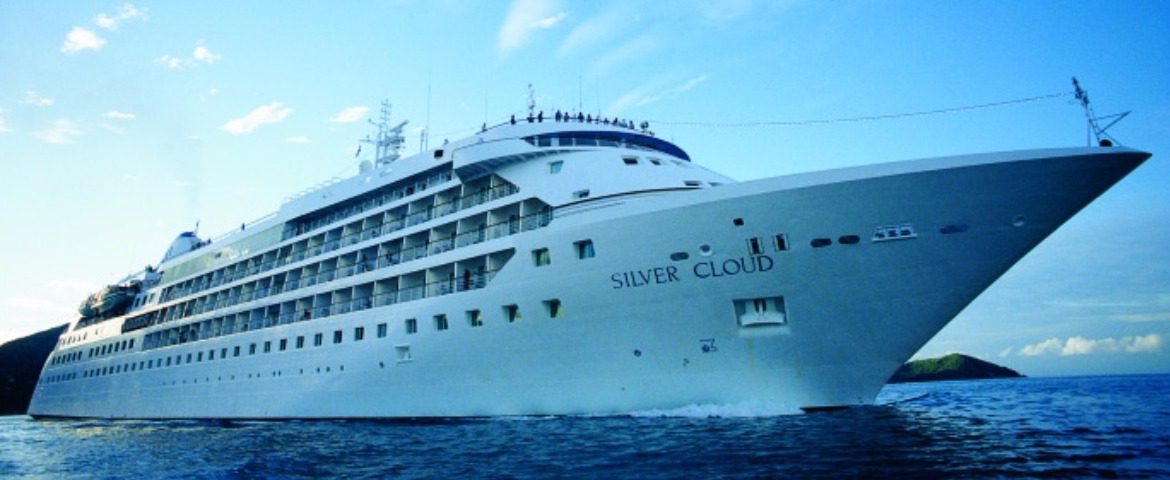

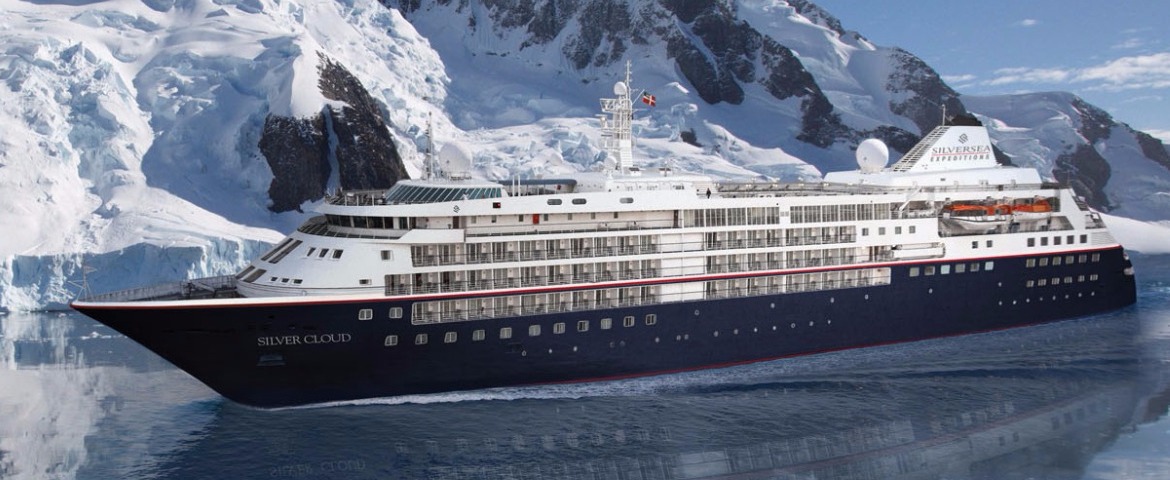
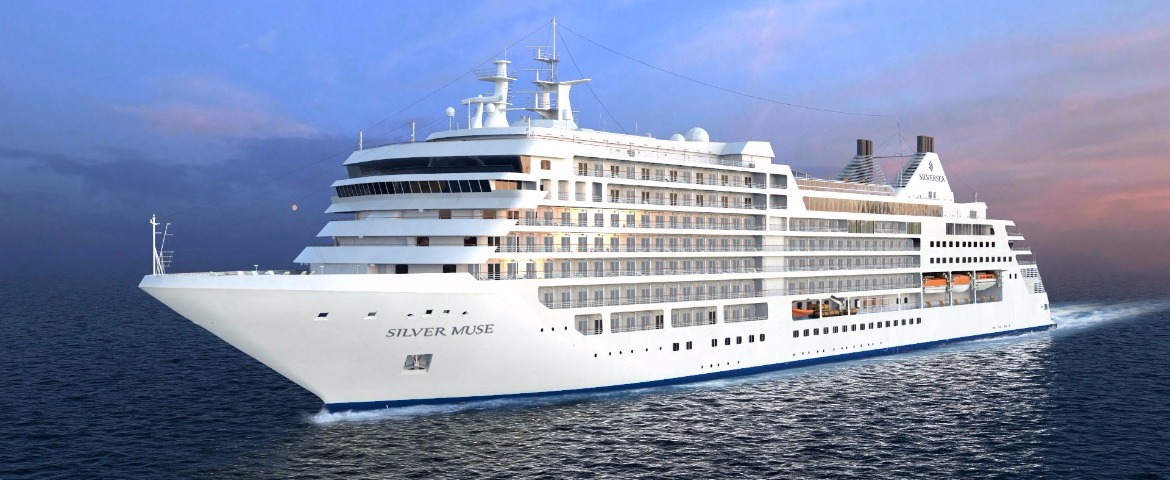
Silver Muse
11 Cruises


Port of Manila, Philippines | Cruise Port Guide
Frequently Asked Questions
At South Harbor, usually at Pier 15, about two kilometres from the historic district of Intramuros.
The distance is short, but heavy traffic and uneven pavements argue for a taxi or shuttle. The local ride-hailing app works well and fares are low.
Intramuros, San Agustin church and Fort Santiago, then Rizal Park. If time allows, Binondo for an hour or two of eating your way through the lanes.
The walled city founded in the 16th century by the Spanish, holding most of the capital's heritage. You move through it on foot or by horse-drawn calesa, between ramparts, courtyards and wooden-balconied houses.
The citadel guarding the mouth of the Pasig River at the northern tip of Intramuros. Its gardens and memorial recall the imprisonment of national hero José Rizal before his execution in 1896.
The oldest stone church in the country, completed in the early 17th century and a World Heritage site. It survived the earthquakes and the bombing that flattened the district in 1945. Its trompe-l'oeil ceiling and museum deserve a full hour.
The oldest Chinatown in the world, founded in 1594, across the Pasig. Its lanes are packed with apothecaries, temples and countless restaurants. A local guide helps you find the best addresses.
A brightly painted shared transport vehicle, the flamboyant descendant of post-war military jeeps. It sets the tone of the city before you even leave the port.
Yes, without question. Manila's congestion ranks among the heaviest in Asia. Start early, allow a margin for the return to the ship, and plan air-conditioned breaks.
June to November, with tropical downpours that pass quickly: a compact umbrella earns its place. The rest of the year is dry, hot and humid.


