Mazatlan Sinaloa, Mexico Riviera
323
Cruises availables
At departure or passage at this port
Carnival Cruise Line (41 Cruises)


Carnival Panorama
37 Cruises

| 2 January | 9 days | Round-trip from Los Angeles, USA |
From
708$
|
| 16 January | 9 days | Round-trip from Los Angeles, USA |
From
631$
|
| 30 January | 9 days | Round-trip from Los Angeles, USA |
From
624$
|
| 13 February | 9 days | Round-trip from Los Angeles, USA |
From
750$
|
| 27 February | 9 days | Round-trip from Los Angeles, USA |
From
694$
|
| 13 March | 9 days | Round-trip from Los Angeles, USA |
From
835$
|
| 27 March | 9 days | Round-trip from Los Angeles, USA |
From
989$
|
| 10 April | 9 days | Round-trip from Los Angeles, USA |
From
786$
|
| 24 April | 9 days | Round-trip from Los Angeles, USA |
From
772$
|
| 5 June | 9 days | Round-trip from Los Angeles, USA |
From
1172$
|
| 19 June | 9 days | Round-trip from Los Angeles, USA |
From
1242$
|
| 3 July | 9 days | Round-trip from Los Angeles, USA |
From
1249$
|
| 17 July | 9 days | Round-trip from Los Angeles, USA |
From
1249$
|
| 31 July | 9 days | Round-trip from Los Angeles, USA |
From
1165$
|
| 14 August | 9 days | Round-trip from Los Angeles, USA |
From
1025$
|
| 28 August | 9 days | Round-trip from Los Angeles, USA |
From
996$
|
| 9 October | 9 days | Round-trip from Los Angeles, USA |
From
870$
|
| 23 October | 9 days | Round-trip from Los Angeles, USA |
From
870$
|
| 15 January | 9 days | Round-trip from Los Angeles, USA |
From
856$
|
| 29 January | 9 days | Round-trip from Los Angeles, USA |
From
870$
|
| 12 February | 9 days | Round-trip from Los Angeles, USA |
From
898$
|
| 26 February | 9 days | Round-trip from Los Angeles, USA |
From
968$
|
Crystal Cruises (7 Cruises)


Disney Cruise Line (1 Cruises)


Holland America Line (53 Cruises)
ms Koningsdam
41 Cruises


| 28 November | 11 days | Round-trip from San Diego, USA |
450-628-6241
Call us
|
| 28 November | 10 days | Round-trip Mexico S West Coast Koningsdam San Diego Ca |
450-628-6241
Call us
|
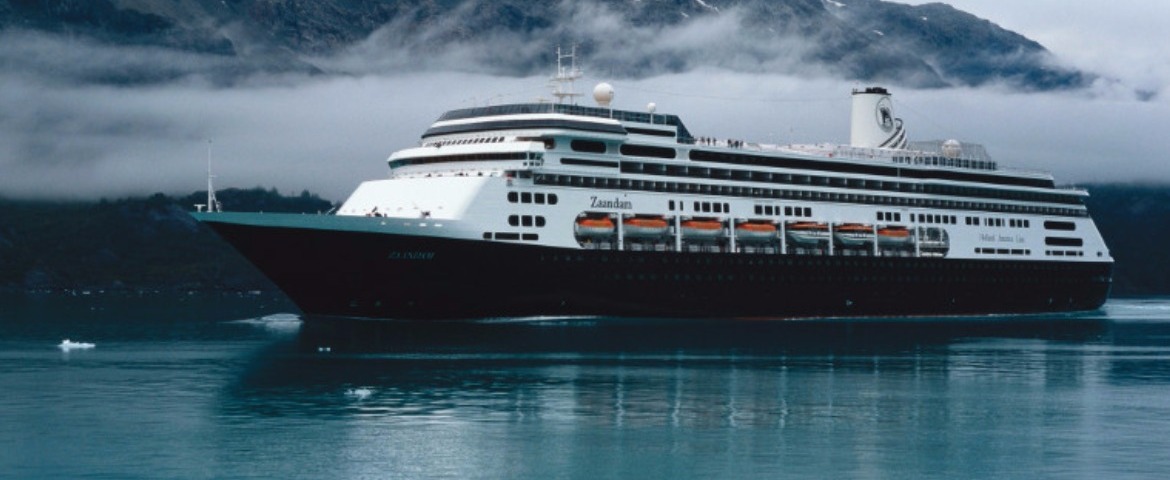
ms Zaandam
8 Cruises
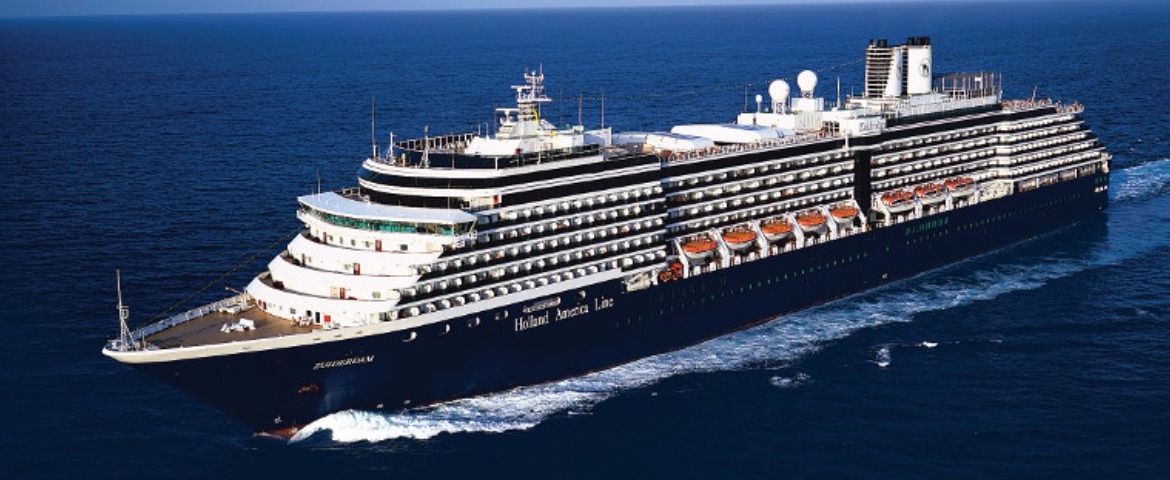
ms Zuiderdam
4 Cruises
Norwegian Cruise Line (60 Cruises)
Norwegian Encore
46 Cruises


| 4 April | 8 days | Round-trip from Los Angeles, USA |
From
546$
|
| 11 April | 8 days | Round-trip from Los Angeles, USA |
From
588$
|
| 17 October | 8 days | Round-trip from Los Angeles, USA |
From
448$
|
| 24 October | 8 days | Round-trip from Los Angeles, USA |
From
462$
|
| 31 October | 8 days | Round-trip from Los Angeles, USA |
From
469$
|
| 13 February | 8 days | Round-trip from Los Angeles, USA |
From
497$
|
| 20 February | 8 days | Round-trip from Los Angeles, USA |
From
476$
|
| 27 February | 8 days | Round-trip from Los Angeles, USA |
From
476$
|
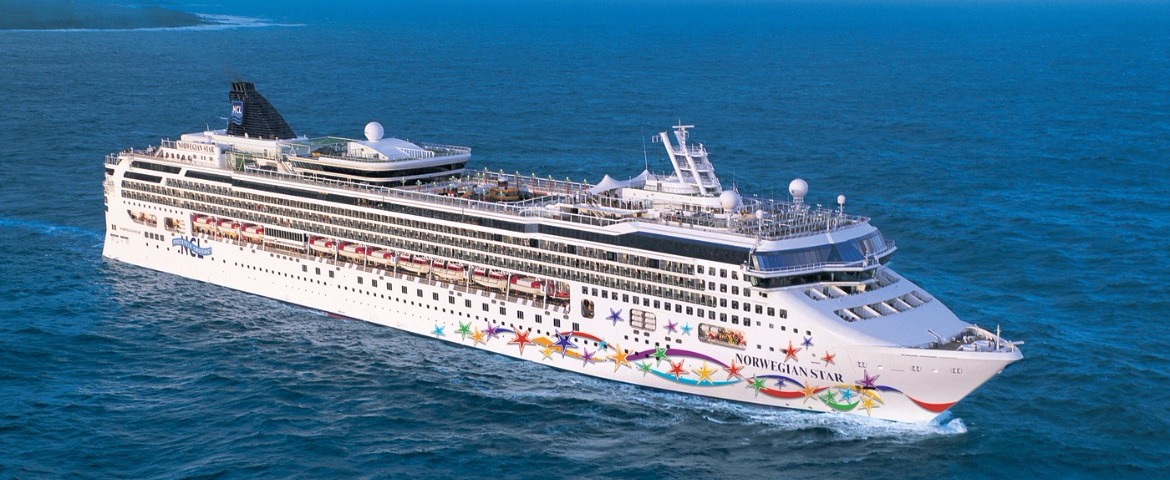
Norwegian Star
14 Cruises
Oceania Cruises (6 Cruises)
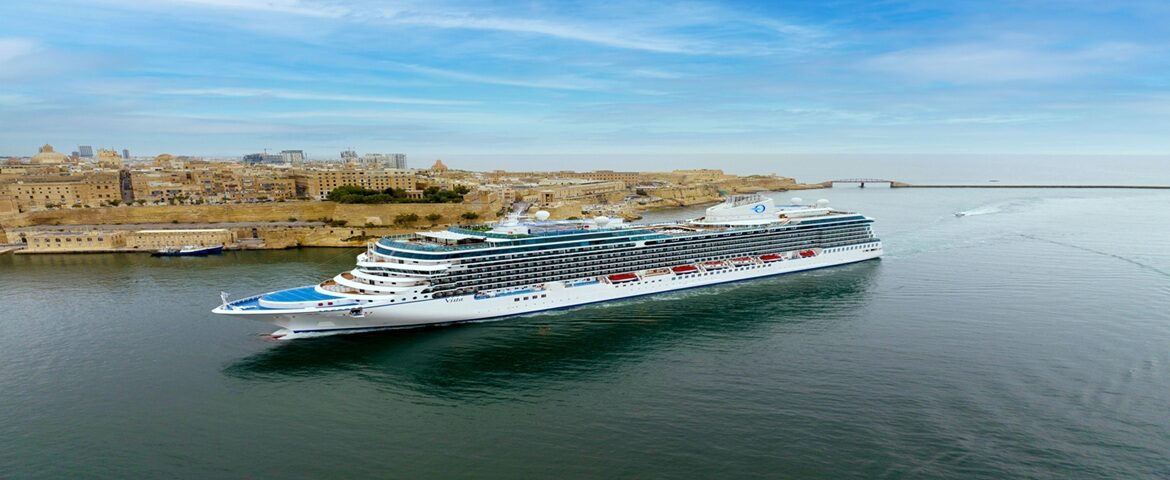
Oceania Vista
6 Cruises

Princess Cruises (66 Cruises)


Discovery Princess
58 Cruises
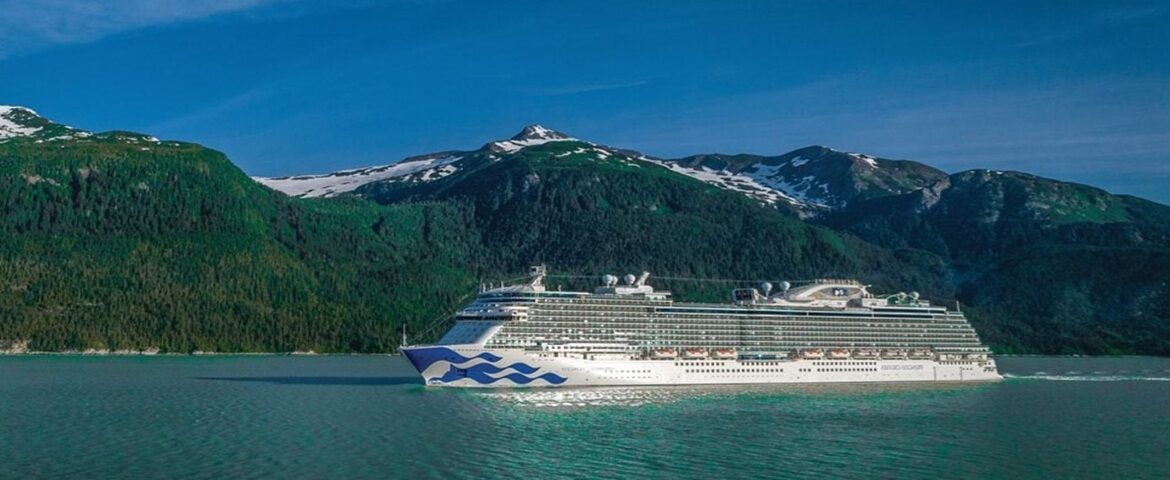
| 24 October | 8 days | Round-trip from Los Angeles, USA |
450-628-6241
Call us
|
| 31 October | 8 days | Round-trip from Los Angeles, USA |
450-628-6241
Call us
|



Royal Caribbean Cruises (74 Cruises)
Navigator of the Seas
47 Cruises


Serenade of the Seas
7 Cruises

Voyager of the Seas
20 Cruises

| 8 January | 8 days | Round-trip from Los Angeles, USA |
From
673$
|
| 15 January | 8 days | Round-trip from Los Angeles, USA |
From
658$
|
| 22 January | 8 days | Round-trip from Los Angeles, USA |
From
641$
|
| 8 February | 8 days | Round-trip from Los Angeles, USA |
From
757$
|
| 19 February | 8 days | Round-trip from Los Angeles, USA |
From
669$
|
| 26 February | 8 days | Round-trip from Los Angeles, USA |
From
712$
|
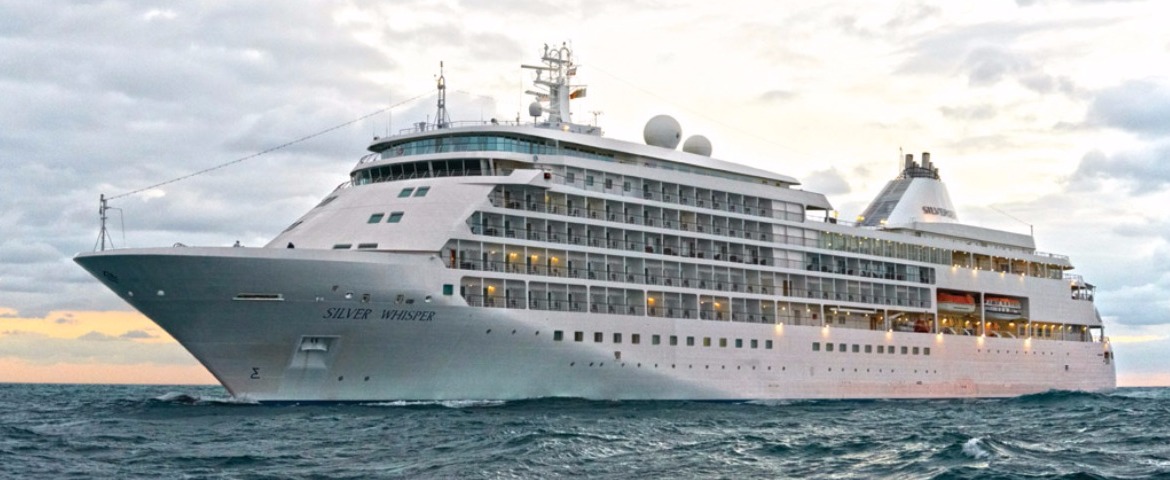
Silversea Cruises (1 Cruises)

Virgin Voyages (11 Cruises)
Brilliant Lady
11 Cruises


| 18 September | 8 days | Round-trip from Los Angeles, USA |
450-628-6241
Call us
|
| 25 September | 8 days | Round-trip from Los Angeles, USA |
450-628-6241
Call us
|

Mazatlán, Mexico | Cruise Port Guide
Frequently Asked Questions
At the cruise pier inside the port area. A shuttle crosses that area to the terminal gate, from which old Mazatlán is a fifteen to twenty minute walk.
Follow the blue line painted on the sidewalk from the terminal gate. This modest wayfinding, maintained by volunteers who hand out maps and advice along the way, leads straight into old Mazatlán.
Follow the blue line to Plazuela Machado, visit the Ángela Peralta theatre, cut through the Pino Suárez market, then reach the malecón and Olas Altas. All of it is walkable, and walking is what this city does best.
An Italian-style opera house opened in the 1870s, left in ruins in the 20th century, then reopened in 1992 after an exemplary restoration. Its three tiers of boxes and its still-active programme make it one of the most appealing cultural venues on Mexico's Pacific coast; the doors are often open for visits during the day.
An iron market hall erected in the early 20th century between downtown and the waterfront: mounds of shrimp, tropical fruit, leather goods, and counters where locals tuck into birria and smoked marlin tacos. Smoked marlin is the city's culinary signature.
Local divers who leap from a platform about fifteen metres high into the waves breaking on the rocks, at the Glorieta El Clavadista on the malecón. The tradition passes from one generation to the next.
Because banda sinaloense was born here, from the meeting of 19th-century German immigrant brass bands and Mexican rhythms. Tubas, clarinets and drums ring out from waterfront restaurants, bandstands and sometimes trucks carrying whole orchestras.
The Mexican peso. The Pino Suárez market and street counters run on cash; cards work in the restaurants around Plazuela Machado.
Pescado zarandeado, a whole fish grilled over wood, and smoked marlin tacos. The local shrimp fleet is among the largest in the country, so shrimp is everywhere, from the market to the terraces of Olas Altas.
El Faro hill, a 30 to 45 minute climb to one of the highest natural lighthouses in the Americas, with a full panorama over the bay. Or Isla de la Piedra, crossed by panga from a landing near the terminal, for a long beach lined with coconut palms.


