Miyako-Iwate Japan Iwate
201
Cruises availables
At departure or passage at this port
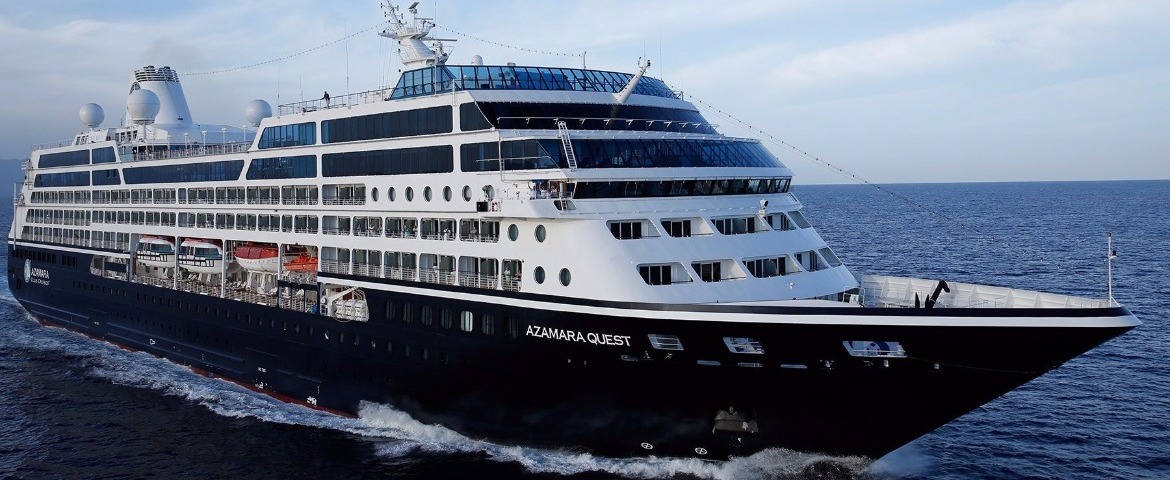
Azamara Club Cruises (19 Cruises)
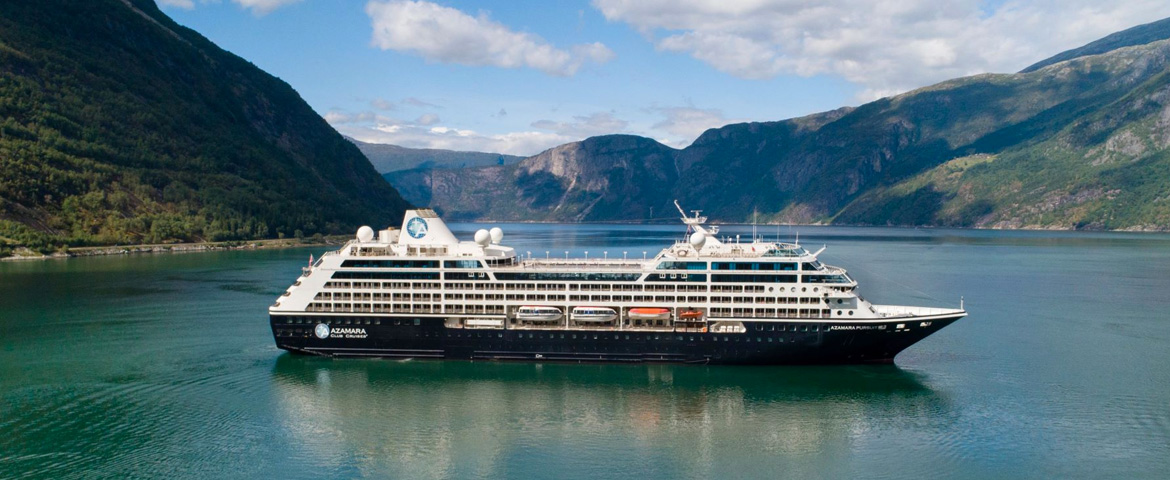
Azamara Pursuit
14 Cruises

Holland America Line (10 Cruises)
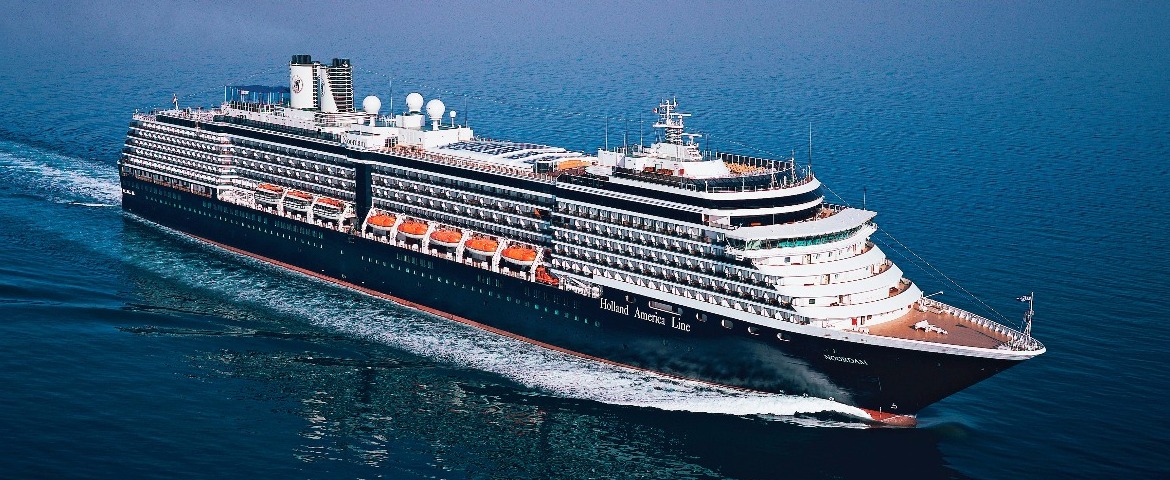
ms Noordam
10 Cruises

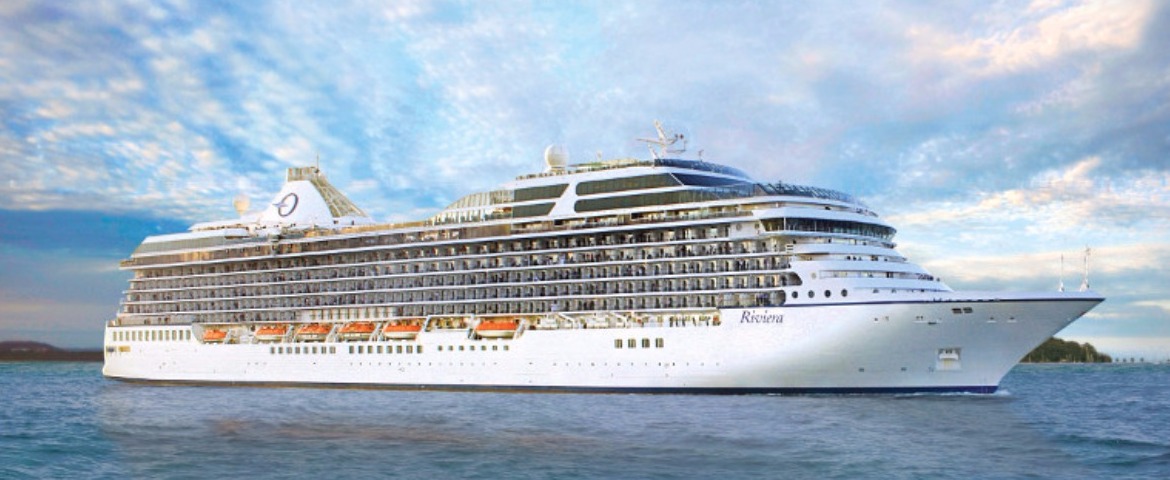
Oceania Cruises (12 Cruises)

Ponant (10 Cruises)

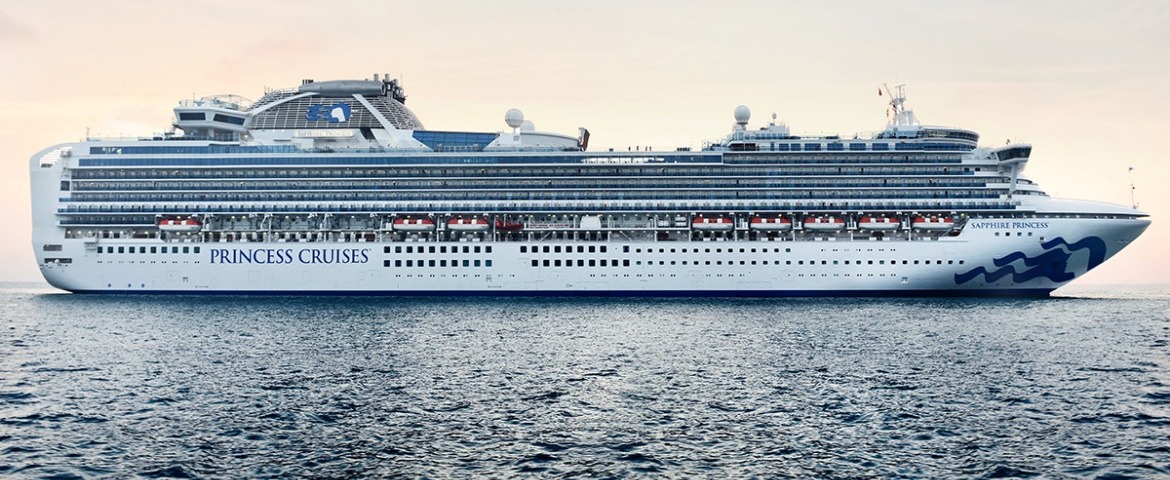
Princess Cruises (32 Cruises)
Coral Princess
11 Cruises

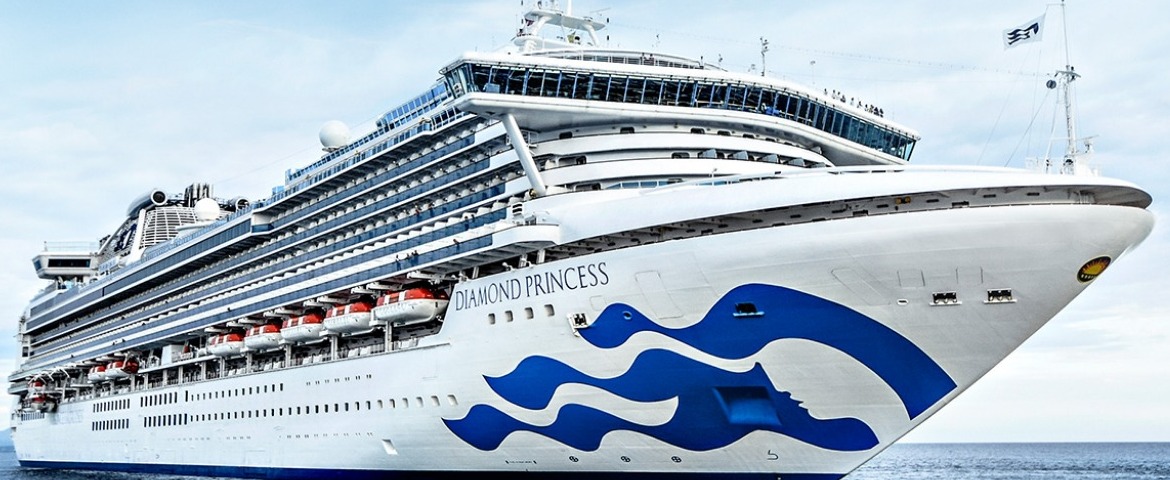
Diamond Princess
12 Cruises
Regent Seven Seas Cruises (30 Cruises)
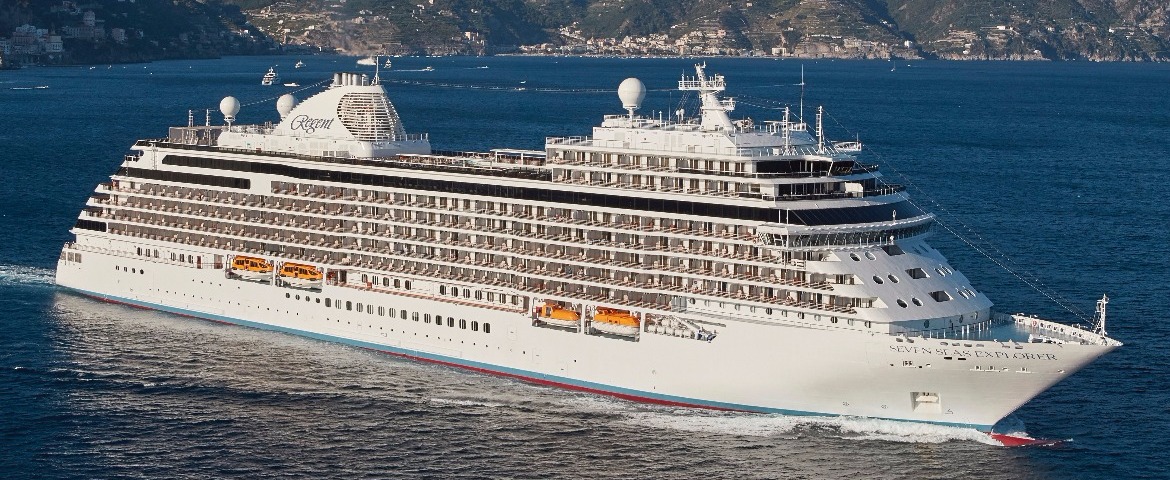
Seven Seas Explorer
11 Cruises

| 7 May | 20 days | One-way from Tokyo to Vancouver |
450-628-6241
Call us
|
| 7 May | 19 days | One-way from Tokyo to Vancouver |
450-628-6241
Call us
|
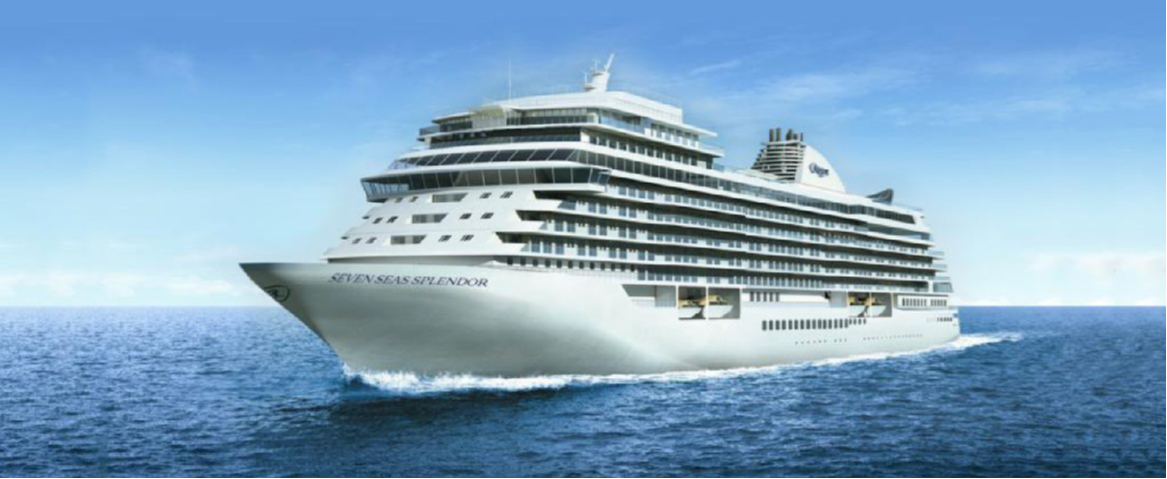
Seven Seas Splendor
19 Cruises
| 6 January | 133 days | Round-trip from San Francisco, USA |
450-628-6241
Call us
|
| 6 January | 140 days | One-way from San Francisco to Vancouver |
450-628-6241
Call us
|
Seabourn Cruise Line (58 Cruises)
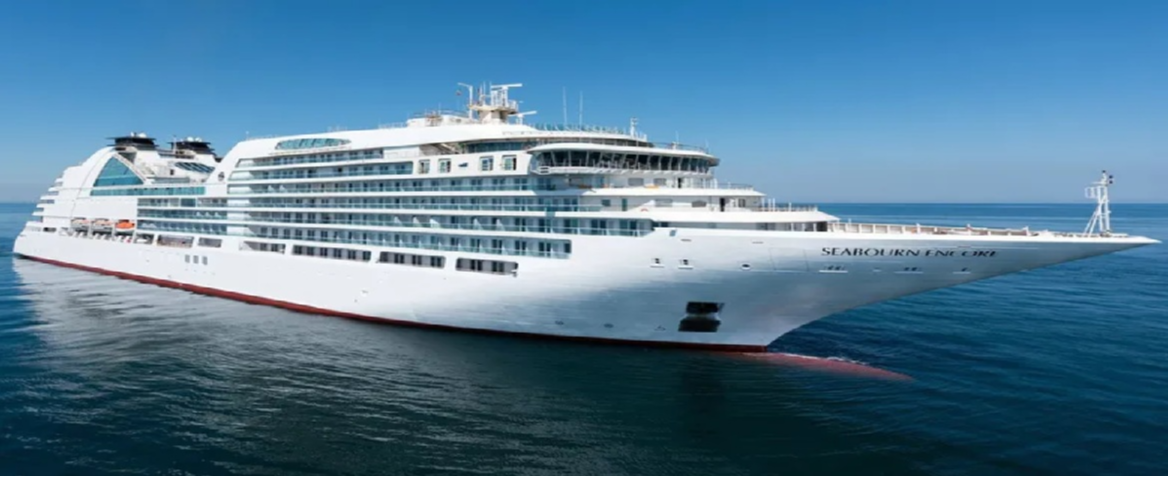
Seabourn Encore
58 Cruises

| 27 March | 49 days | One-way from Tokyo to Vancouver |
450-628-6241
Call us
|
| 27 March | 48 days | One-way from Tokyo to Vancouver |
450-628-6241
Call us
|
| 25 August | 35 days | One-way from Vancouver to Tokyo |
450-628-6241
Call us
|
| 25 August | 36 days | One-way from Vancouver to Tokyo |
450-628-6241
Call us
|
Silversea Cruises (30 Cruises)
Silver Moon
14 Cruises
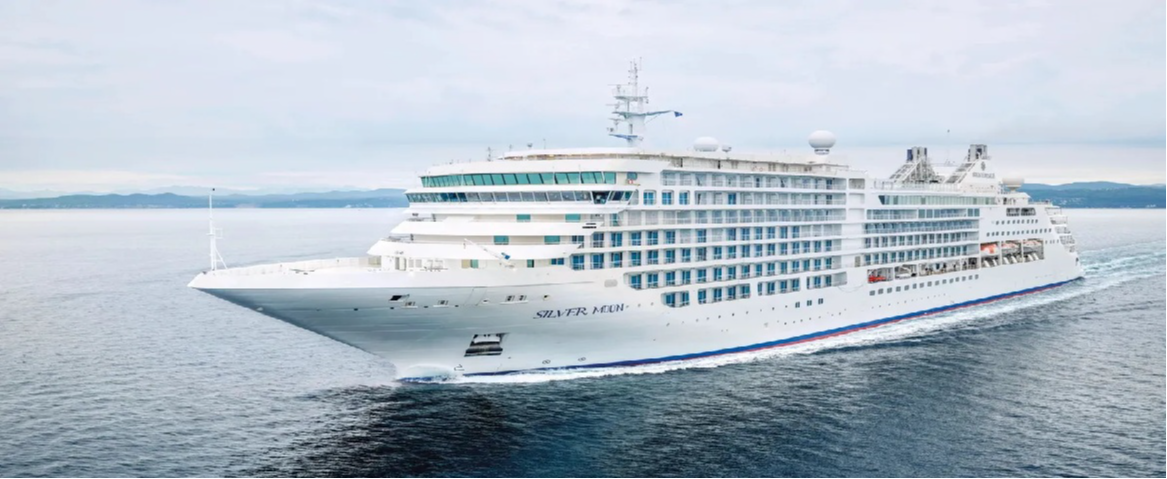

| 1 May | 27 days | One-way from Tokyo to Vancouver |
450-628-6241
Call us
|
| 11 May | 17 days | One-way from Tokyo to Vancouver |
450-628-6241
Call us
|
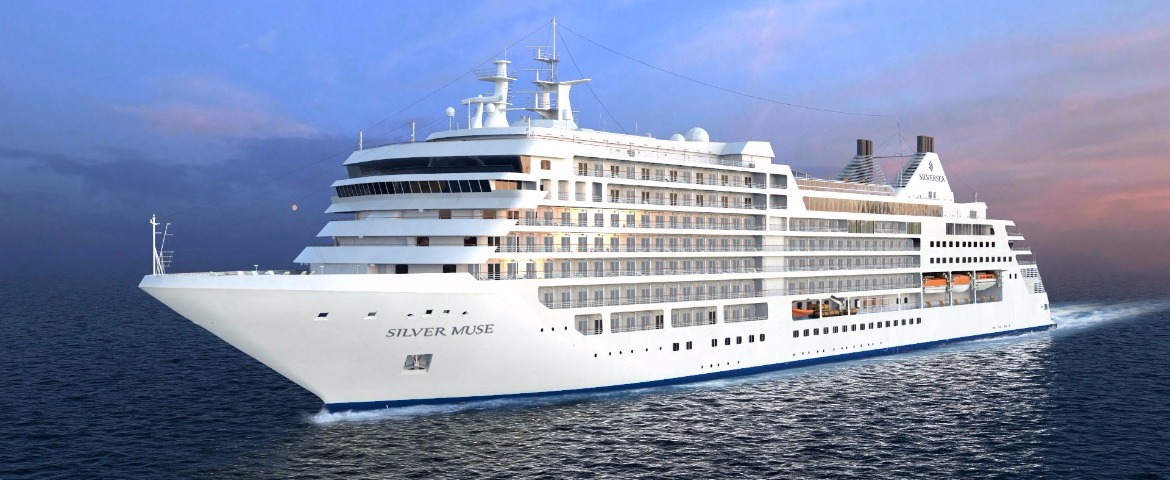
Silver Whisper
10 Cruises
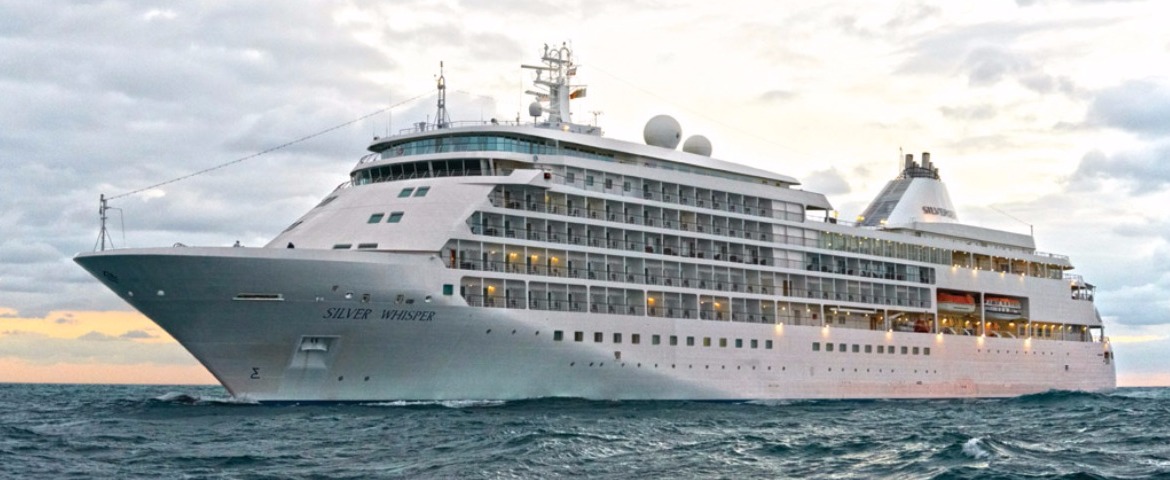
| 1 June | 18 days | One-way from Vancouver to Tokyo |
450-628-6241
Call us
|
| 18 June | 26 days | Round-trip from Tokyo, Japan |
450-628-6241
Call us
|
| 1 July | 13 days | One-way from Incheon to Tokyo |
450-628-6241
Call us
|
| 13 July | 27 days | Round-trip from Tokyo, Japan |
450-628-6241
Call us
|
| 25 July | 15 days | Round-trip from Tokyo, Japan |
450-628-6241
Call us
|

Port of Miyako, Japan | Cruise Port Guide
Frequently Asked Questions
At the head of Miyako bay, on the Sanriku coast. The main sights lie between 15 and 60 minutes from the quay; Jodogahama is the closest and most convenient, a few minutes away by road.
The Pure Land beach, named by a monk who is said to have recognized the Buddhist paradise here. Brilliant white pebbles at the foot of volcanic rocks bristling with twisted pines, with water of a clarity surprising for the North Pacific.
The beach is pebble and the North Pacific stays cold: people come to walk, look and photograph rather than swim. Well-maintained coastal trails link several viewpoints around the site.
Black-tailed gulls, literally sea cats, whose calls gave their name to the local boats. You hear them throughout the walk along the shore, and they are part of the soundscape of the call.
Yes, and it is the best way to grasp its scale. The Miyako Umineko Maru runs commentated trips out to the bay's rock formations, at the heart of the Sanriku Reconstruction National Park created in 2013.
A cavity reachable only from the sea, where the water takes on an almost unreal cobalt tint. Only small boats can slip inside, and the trip depends entirely on conditions.
A warm layer, even in summer: the offshore wind stays cool on this coast. And flexibility in your plans, because trips depend on conditions and are cancelled when the sea gets up.
The easternmost point of the island of Honshu, where a white lighthouse watches over the open sea. It takes more time and a walk-in approach: it suits long calls and confident walkers.
Directly, with dignified reserve. New seawalls, rebuilt districts, signs marking the height of the waves: the traces are legible in the landscape. Many excursions include time to talk about the reconstruction.
The day's catch, at the town markets: sea urchin, scallops and seaweed are piled high. Tasting these and exchanging a few words with the vendors is how you measure the renewed vitality of a coast that has always lived from the sea.


