Akita City Japan Akita
107
Cruises availables
At departure or passage at this port
Azamara Club Cruises (21 Cruises)
Azamara Pursuit
21 Cruises
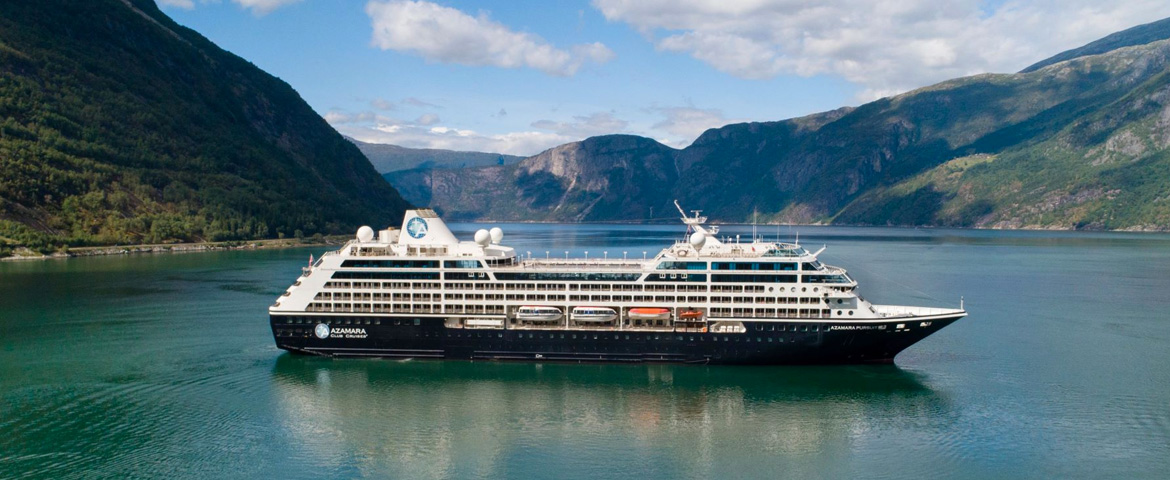

| 5 February | 48 days | One-way from Sydney to Tokyo |
450-628-6241
Call us
|
| 5 February | 48 days | One-way from Sydney to Tokyo |
450-628-6241
Call us
|
| 11 March | 13 days | One-way from Kobe-Osaka to Tokyo |
450-628-6241
Call us
|
| 12 March | 13 days | One-way from Kobe-Osaka to Tokyo |
450-628-6241
Call us
|
| 14 April | 13 days | One-way from Kobe-Osaka to Tokyo |
450-628-6241
Call us
|
| 15 April | 13 days | One-way from Kobe-Osaka to Tokyo |
450-628-6241
Call us
|
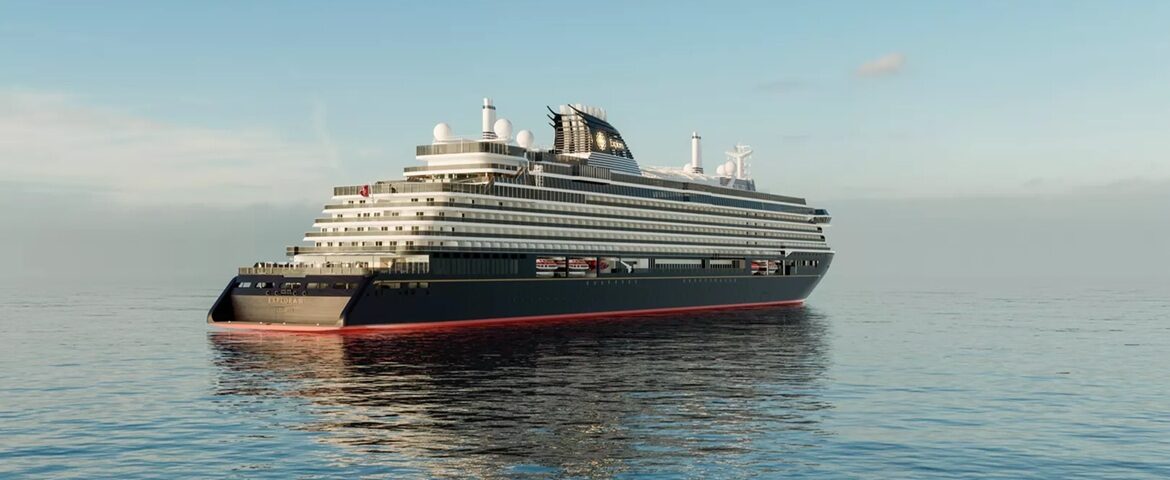
Explora Journeys (2 Cruises)

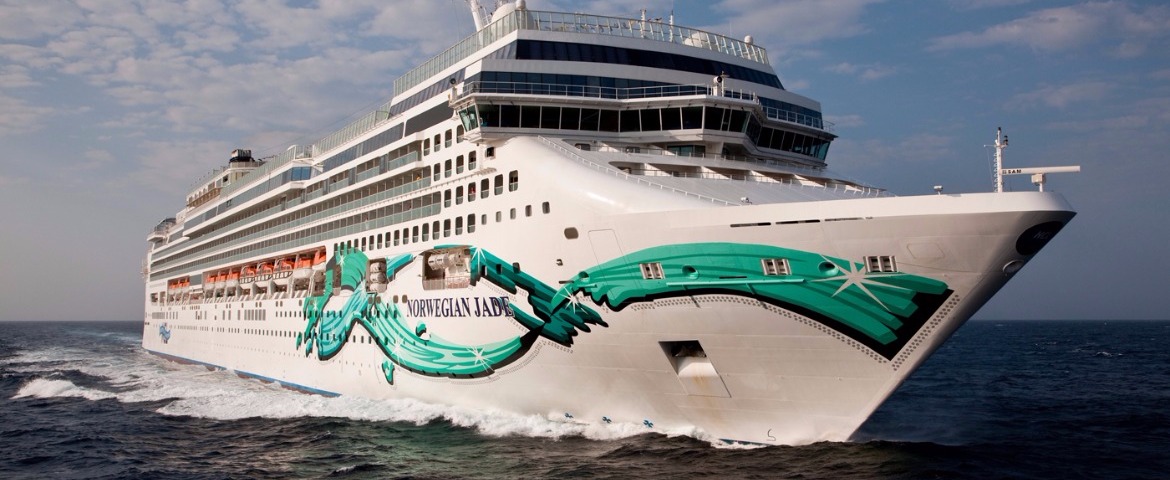
Norwegian Cruise Line (8 Cruises)

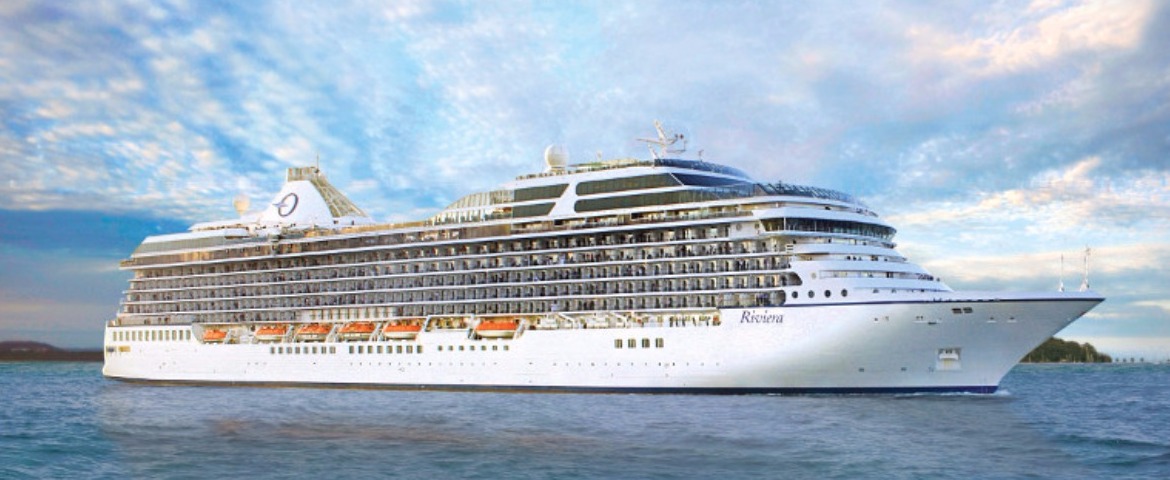
Oceania Cruises (2 Cruises)

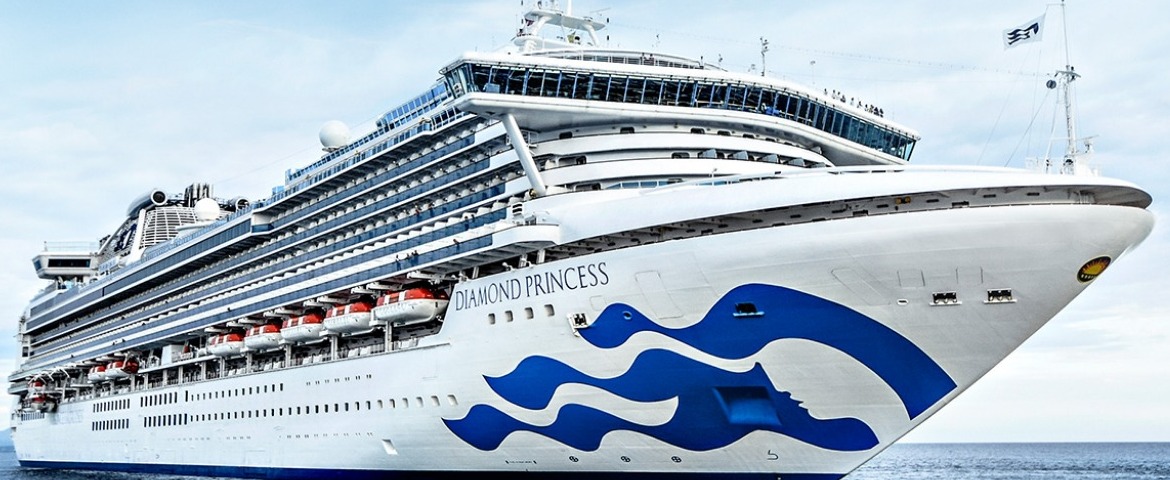
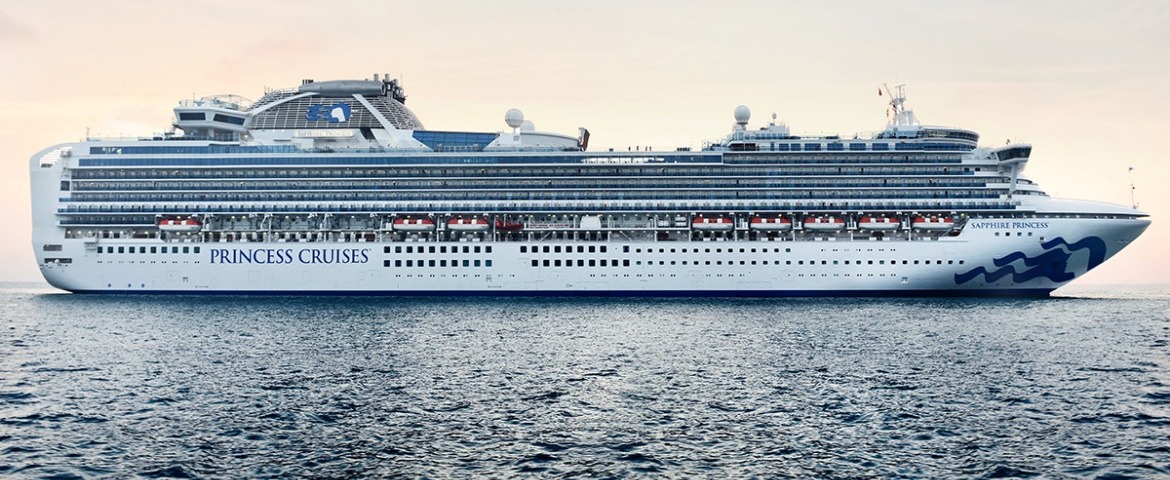
Princess Cruises (17 Cruises)


Royal Caribbean Cruises (1 Cruises)


Seabourn Cruise Line (43 Cruises)
Seabourn Encore
43 Cruises
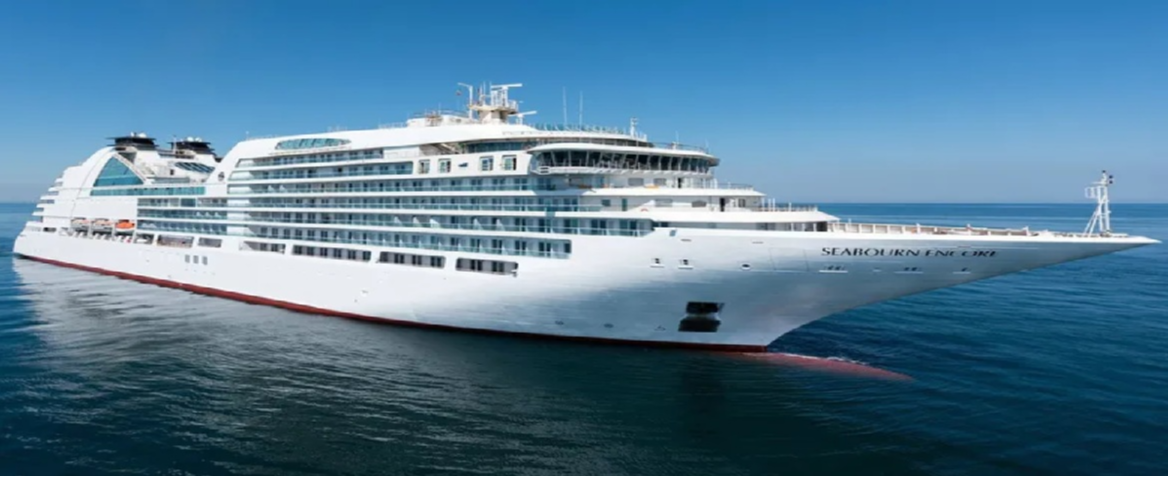

| 25 March | 28 days | Round-trip Japan South Korea Seabourn Encore Tokyo |
450-628-6241
Call us
|
| 25 March | 29 days | Round-trip from Tokyo, Japan |
450-628-6241
Call us
|
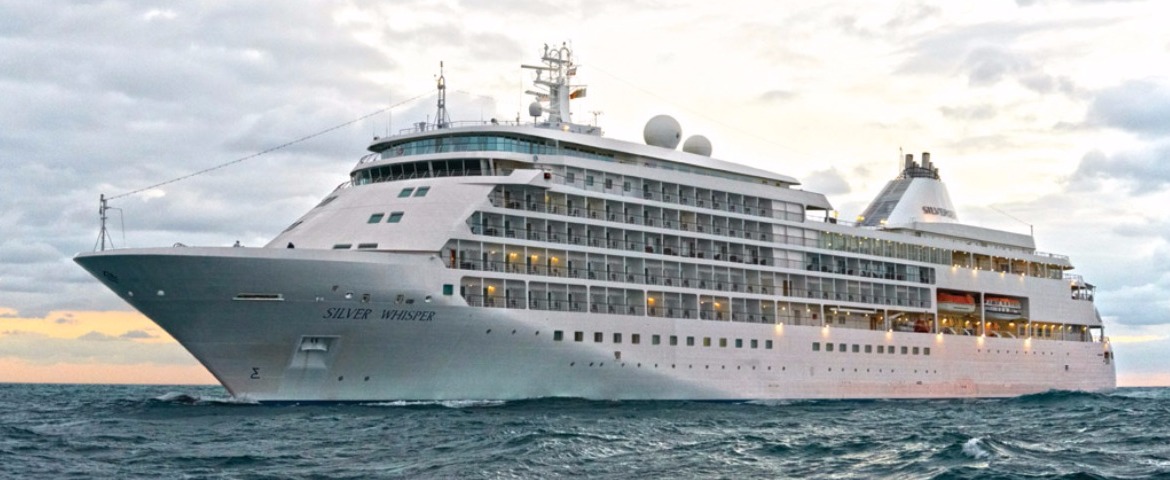
Silversea Cruises (4 Cruises)


Port of Akita, Japan | Cruise Port Guide
Frequently Asked Questions
At the Nakajima quay in the Tsuchizaki port area, about seven kilometres northwest of Akita central station. The city centre is reached by shuttle, taxi or local train from Tsuchizaki station, allow 15 to 25 minutes.
Yes, one thing: the Selion Tower, five minutes' walk away. This 143-metre glass spire has an observation deck at 100 metres taking in the Sea of Japan on one side, the rice plain and mountains on the other. It is the best place to grasp the geography before heading into town.
Senshu Park, the Akita Museum of Art and the Neburi Nagashi-kan follow one another on foot in the centre, about ten minutes from the station. With the shuttle both ways, that fills the day without hurrying.
The site of the former Kubota castle, seat of the Satake clan for more than two and a half centuries. The original buildings are gone, but the moats, wooded slopes and a reconstructed turret still evoke the feudal era. The main mound gives a fine view over the rooftops.
A lantern festival unlike any other in Japan, held each early August: bearers balance twelve-metre bamboo poles loaded with dozens of paper lanterns on their forehead, shoulder or hip. The rest of the year, the Neburi Nagashi-kan lets you see the poles up close and try lifting one.
Yes, for two reasons. The building is by Tadao Ando, with a great concrete staircase and a terraced reflecting pool. And it holds a monumental canvas by Tsuguharu Foujita devoted to the festivals and rural labours of the region.
Kiritanpo, grilled rice on a skewer served in chicken broth, which warms a cool day. The municipal market, a few streets from Senshu Park, lines up Sea of Japan fish, mountain vegetables and seasonal fruit. In summer, street vendors sculpt babahera, a rose-petal ice cream cone.
Yes. The region's rice and snowmelt water produce sake sought after across Japan, and several shops in the centre offer tastings. It is one of the most representative purchases of the call, with small bottles easy to carry home.
The Japanese yen and Japanese. Akita is a Tohoku prefectural capital, not an international tourist city: English is little spoken outside the museums. Cards work in larger establishments, but keep cash for the market and small counters.
May to October, the Sea of Japan cruise season. Early August coincides with the Kanto Festival, spectacular but very crowded. Tohoku winters are snowy and calls are rare then.


