Mumbai India
73
Cruises availables
At departure or passage at this port
Crystal Cruises (6 Cruises)
Crystal Symphony
6 Cruises
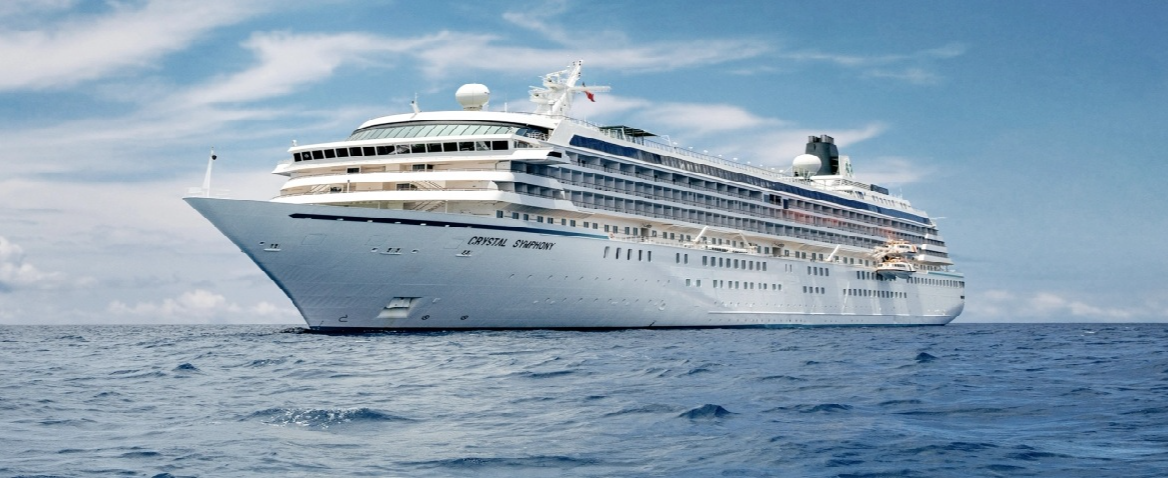

| 11 January | 151 days | Round-trip 150 Night Roundtrip Fort Lauderdale Cruise |
450-628-6241
Call us
|
| 11 January | 137 days | One-way from Fort Lauderdale to Barcelona |
450-628-6241
Call us
|
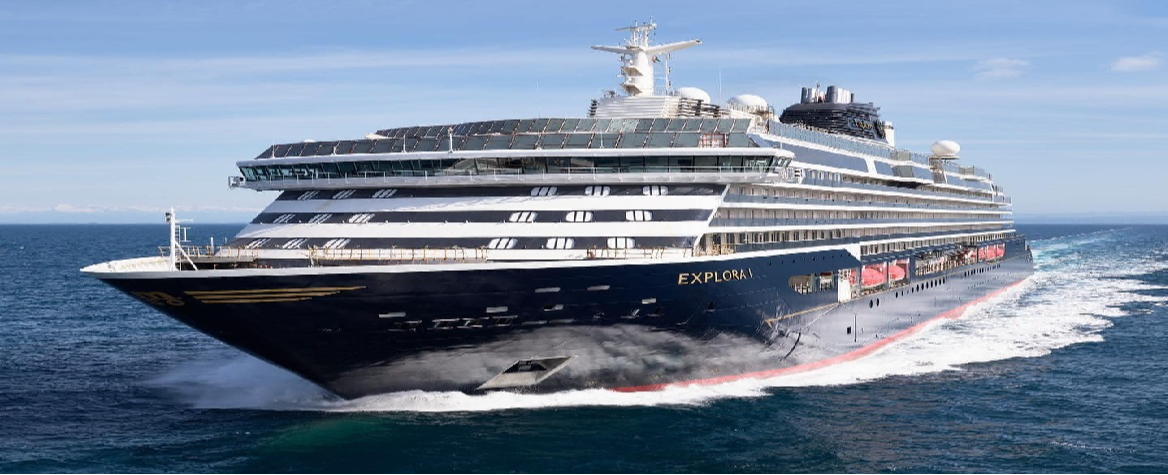
Explora Journeys (3 Cruises)

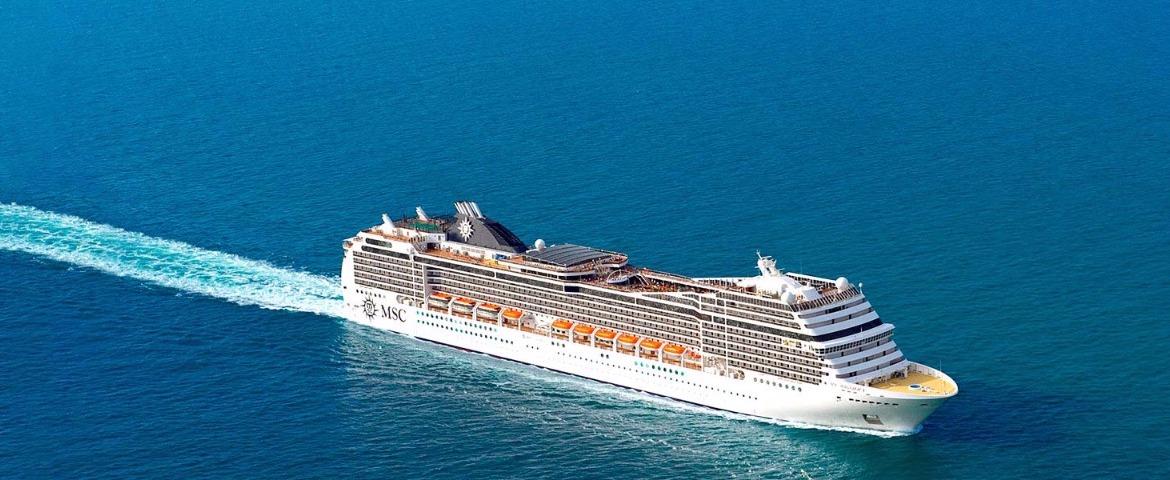
MSC Cruises (4 Cruises)

Oceania Cruises (32 Cruises)
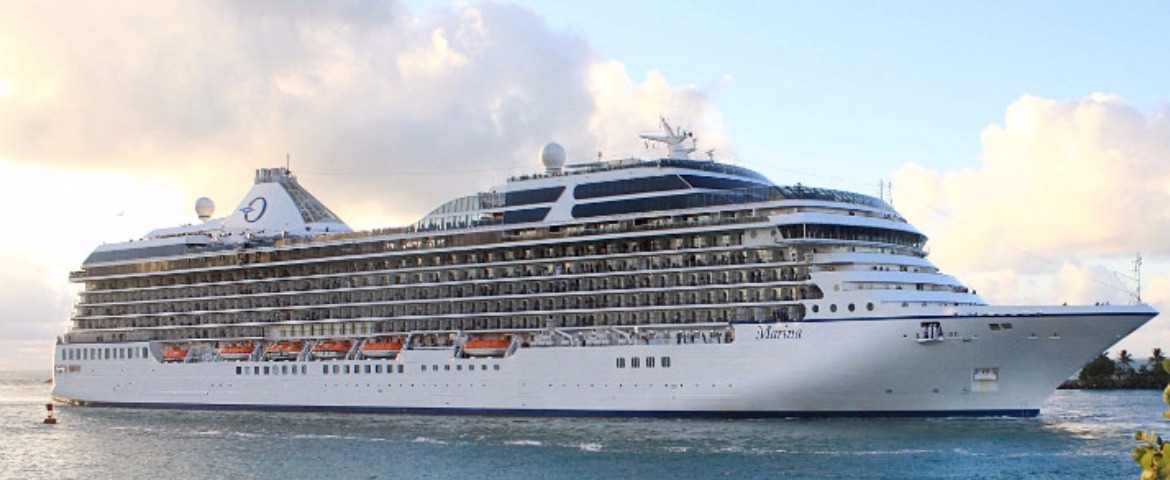
Oceania Aurelia
5 Cruises
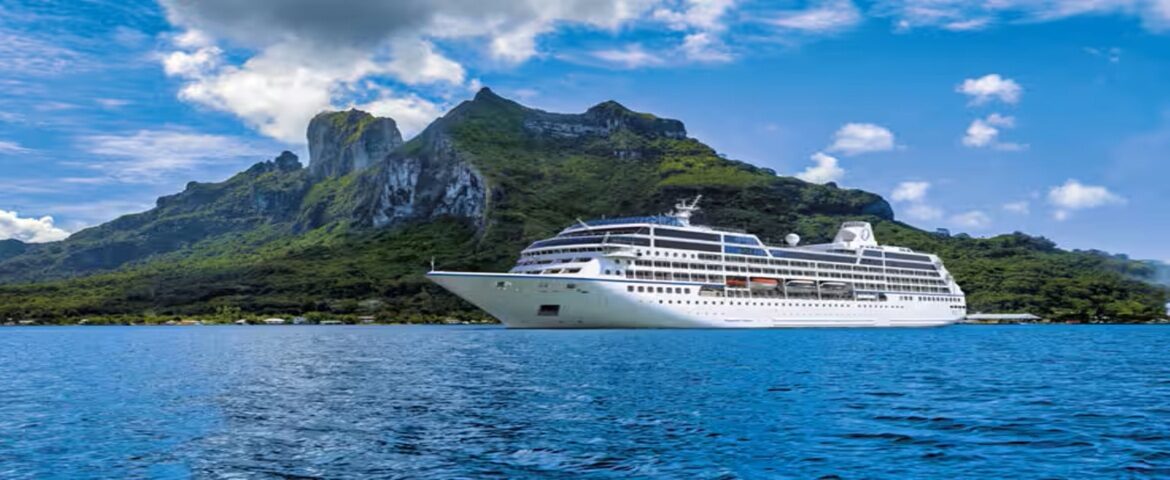

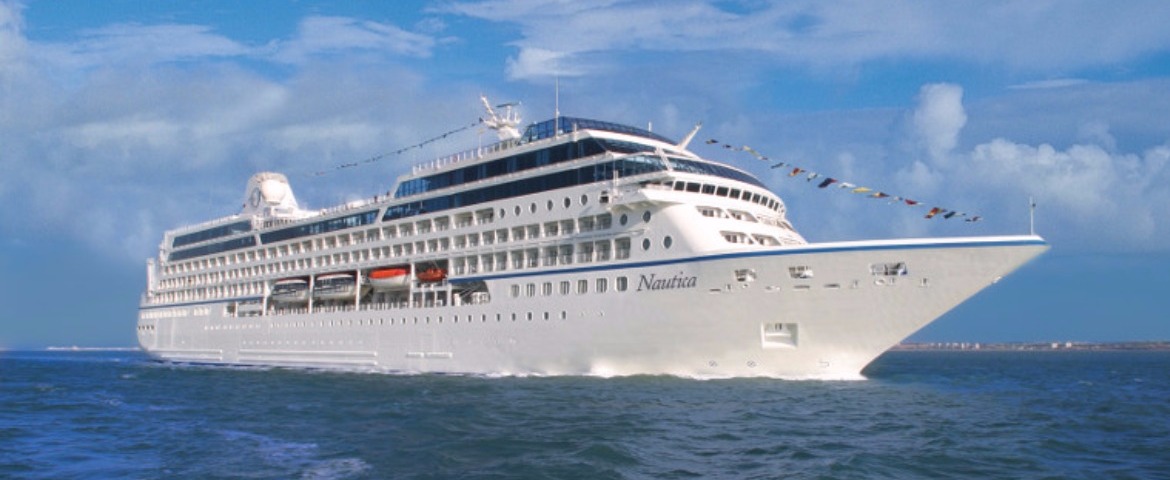
Oceania Nautica
5 Cruises
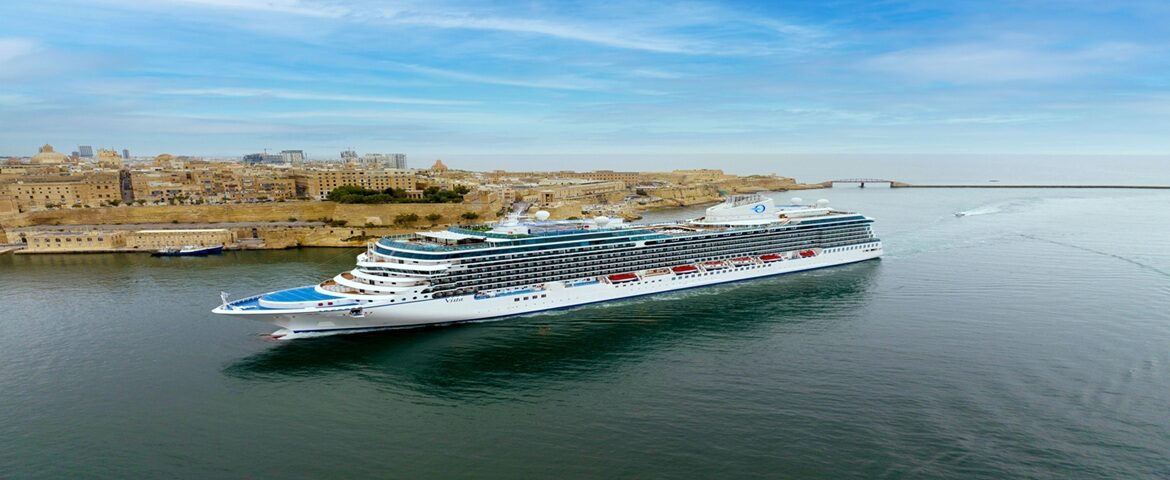
Oceania Vista
17 Cruises
| 6 January | 244 days | One-way from Miami to New York |
450-628-6241
Call us
|
| 6 January | 180 days | One-way from Miami to Southampton |
450-628-6241
Call us
|
| 26 February | 129 days | One-way from Sydney to Southampton |
450-628-6241
Call us
|
| 26 February | 130 days | One-way from Sydney to Southampton |
450-628-6241
Call us
|
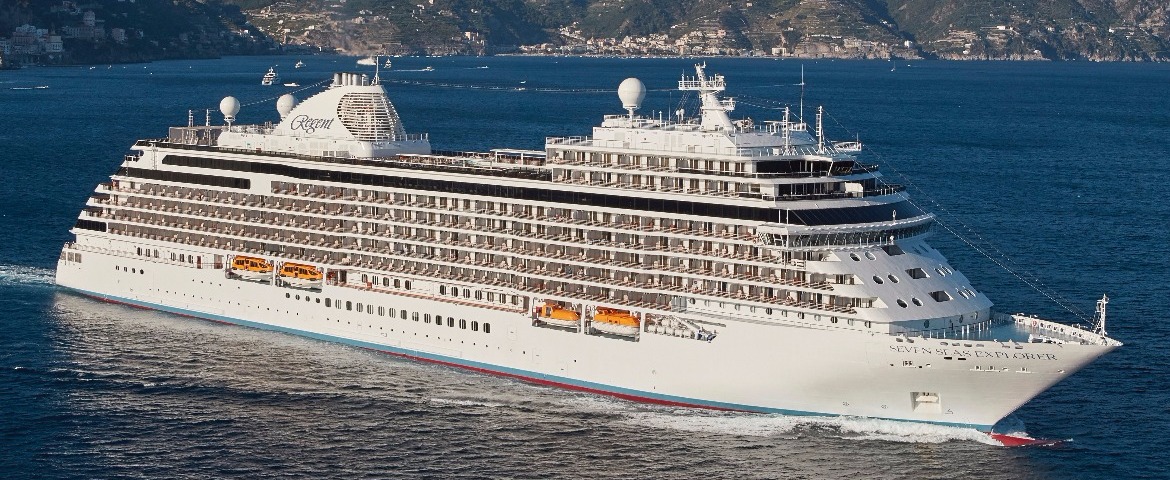
Regent Seven Seas Cruises (14 Cruises)
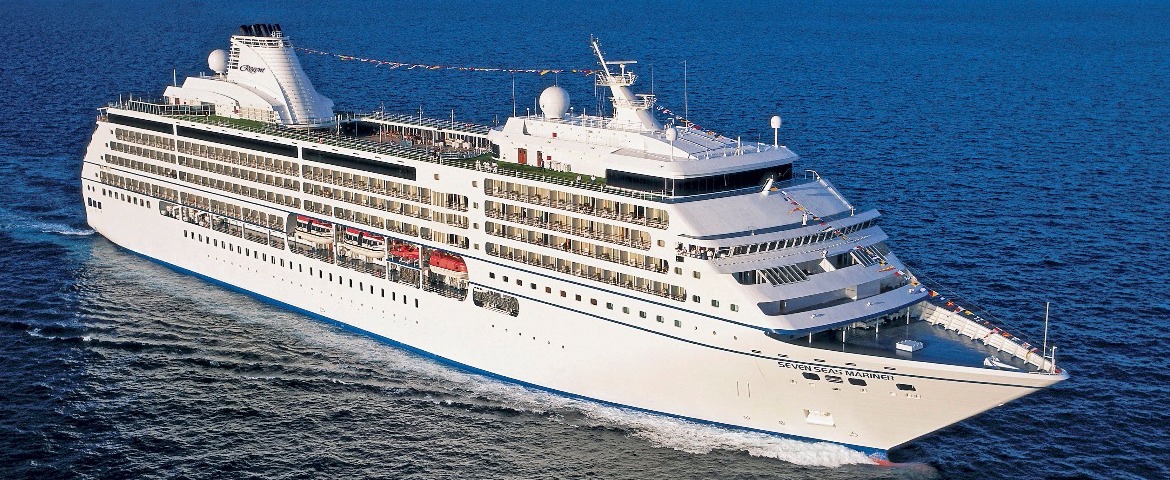
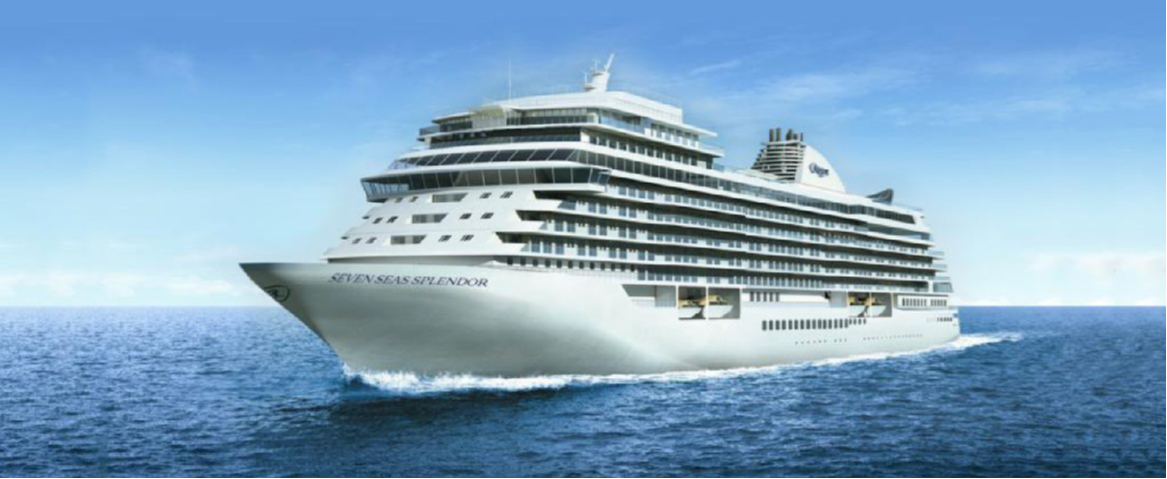
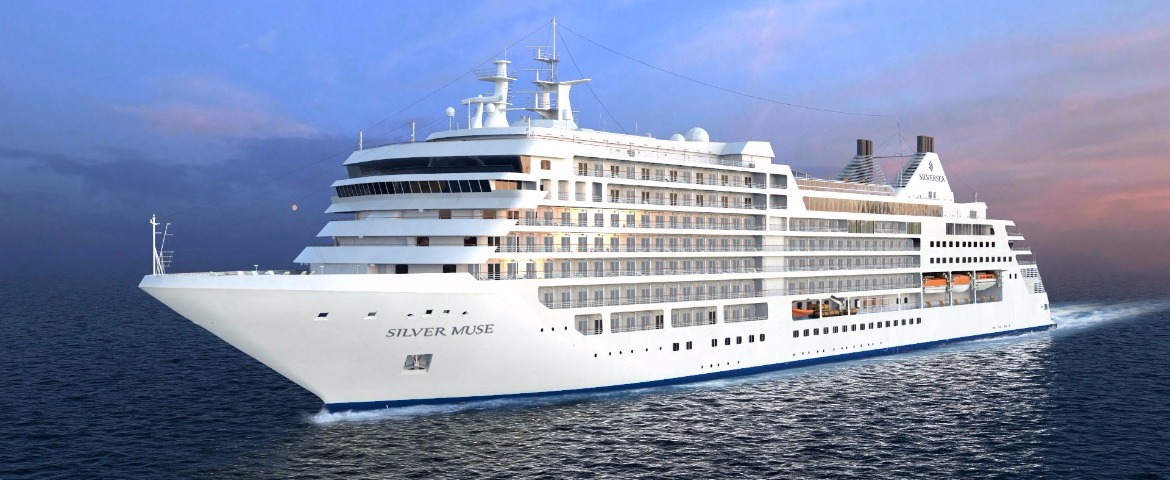
Silversea Cruises (4 Cruises)

Uniworld Boutique River Cruise (10 Cruises)
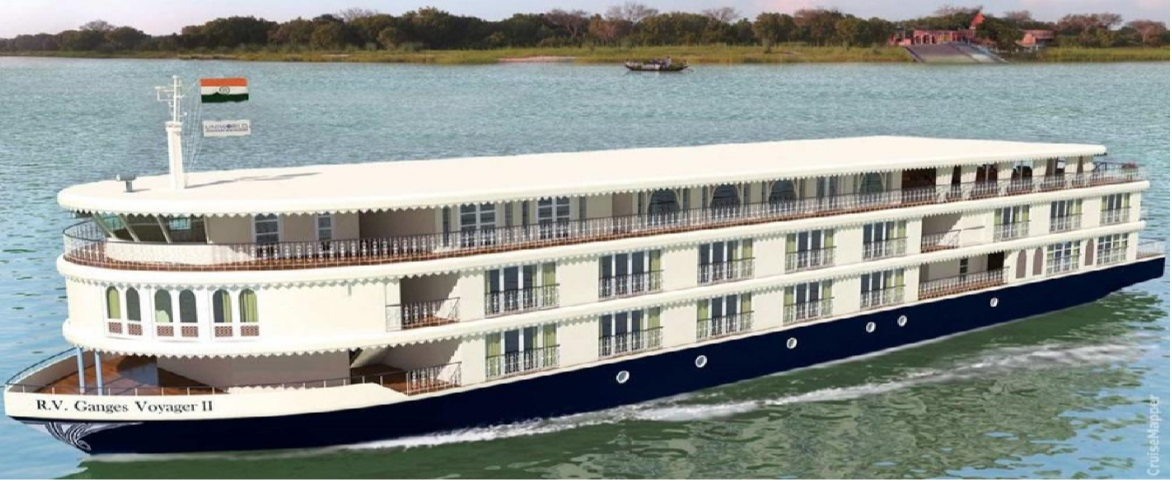
Ganges Voyager II
10 Cruises


Port of Mumbai, India | Cruise Port Guide
Frequently Asked Questions
At the international cruise terminal in the Ballard Pier area, in the south of the city, right in the historic core. Few megacities let you land so directly: the Gateway of India is about ten minutes away by taxi.
You can, but it is hard going in the traffic and the heat. A taxi, about ten minutes, is the sensible choice — and you should agree the fare or insist on the meter before setting off.
A great basalt arch inaugurated in 1924 facing the sea, built for those arriving by ship: it once greeted the liners of the imperial era and now welcomes cruise passengers. Opposite stands the Taj Mahal Palace hotel, a 1903 palace whose domes command the harbour.
A long street bazaar extending the walk from the Gateway: jewellery stalls, pavement bookshops and historic cafés where the city's artists have been remaking the world for generations.
The former Victoria Terminus, a Gothic railway cathedral inscribed on the UNESCO World Heritage list, where domes, gargoyles and stained glass crown the daily flow of hundreds of thousands of travellers. It is the highlight of the Fort district, one of the largest ensembles of Victorian architecture outside Europe.
The lunch carriers who move tens of thousands of tiffin boxes at midday with a precision studied by leading business schools. You come across them around the station in particular: it is one of the country's most singular urban sights.
The museum and art gallery quarter, right beside the Fort district, in streets that are pleasant to walk — a rare luxury at these urban latitudes.
A three-kilometre sweep along the Arabian Sea lined with Art Deco buildings — another little-known Mumbai speciality. Together with the neighbouring Victorian quarter they form an ensemble inscribed by UNESCO in 2018. At sunset the streetlights come on in an arc: the famous "Queen's Necklace".
Yes, but only on a long call: this UNESCO-listed rock-cut sanctuary requires about an hour by ferry from the jetty beside the Gateway, before the visit and the return trip.
Water, rupee cash and a good tolerance for noise: the city overflows with energy, horns and contrasts, and the first encounter can be overwhelming. From October to March the heat is at its kindest.


