Trier Germany Rhineland-Palatinate
660
Cruises availables
At departure or passage at this port
AmaWaterways (4 Cruises)
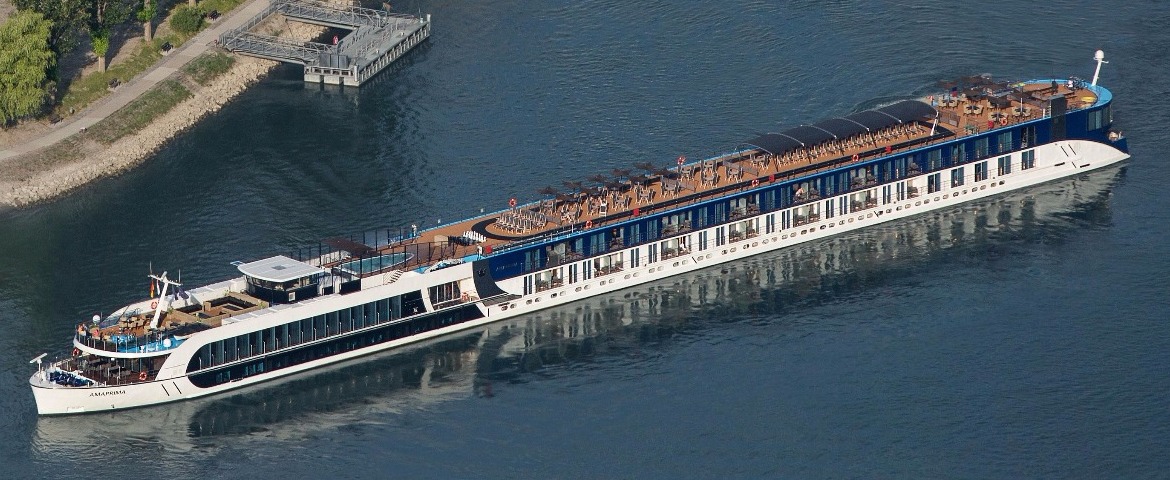

Avalon Waterways (18 Cruises)
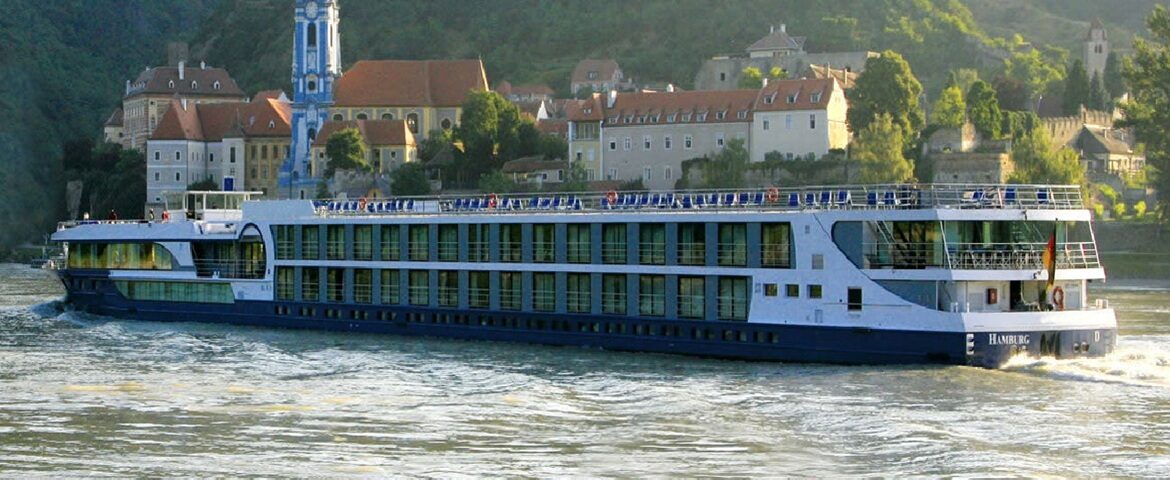

Avalon Tranquility II®
17 Cruises
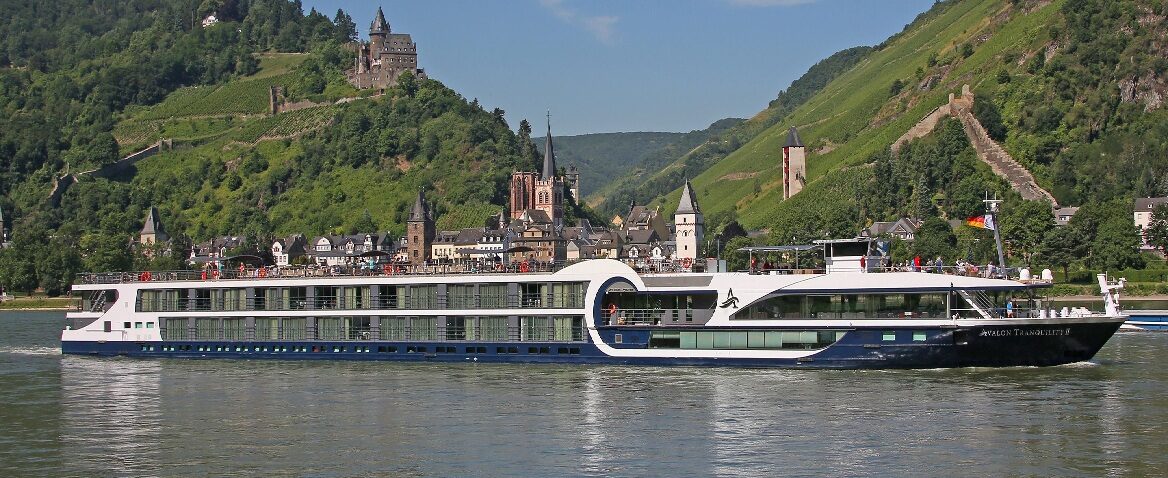
CroisiEurope (29 Cruises)
MS Leonard de Vinci
29 Cruises
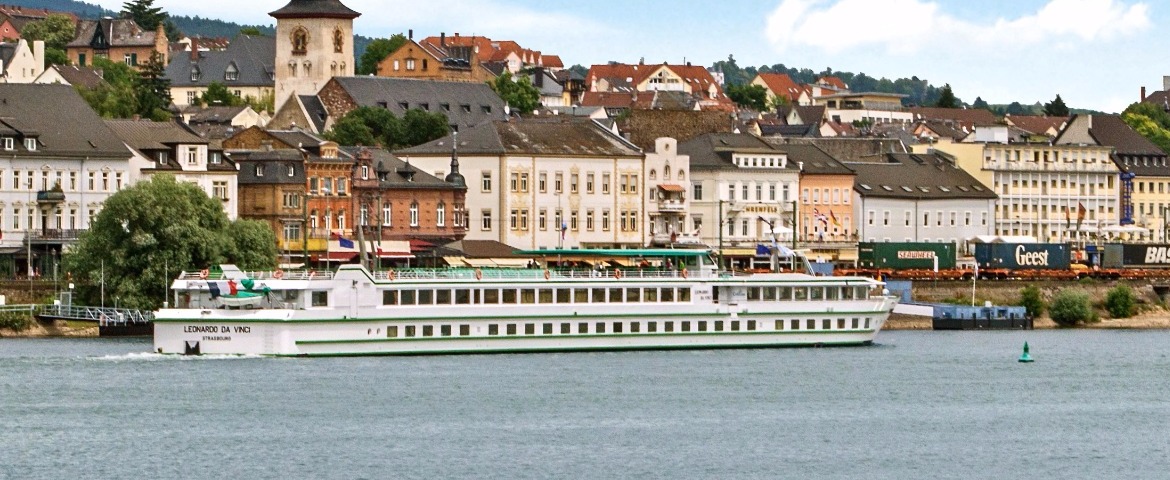

| 30 April | 9 days | One-way from Kehl-Strasbourg to Remich |
450-628-6241
Call us
|
| 30 April | 8 days | One-way from Kehl-Strasbourg to Remich |
450-628-6241
Call us
|
| 8 May | 7 days | One-way from Remich to Kehl-Strasbourg |
450-628-6241
Call us
|
| 24 May | 7 days | One-way from Remich to Kehl-Strasbourg |
450-628-6241
Call us
|
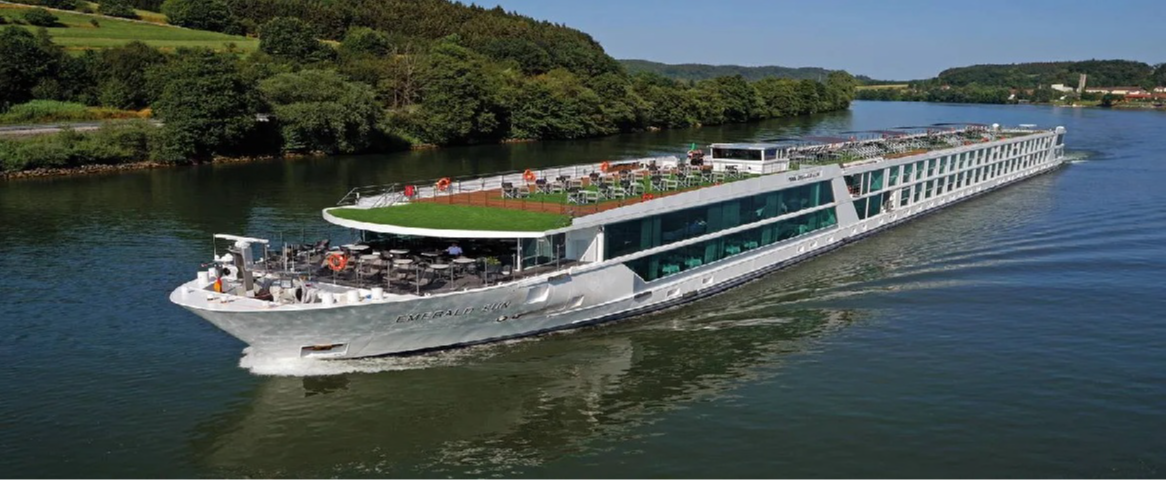
Emerald Waterways (6 Cruises)
Emerald Sun
6 Cruises

Riviera Travel (25 Cruises)
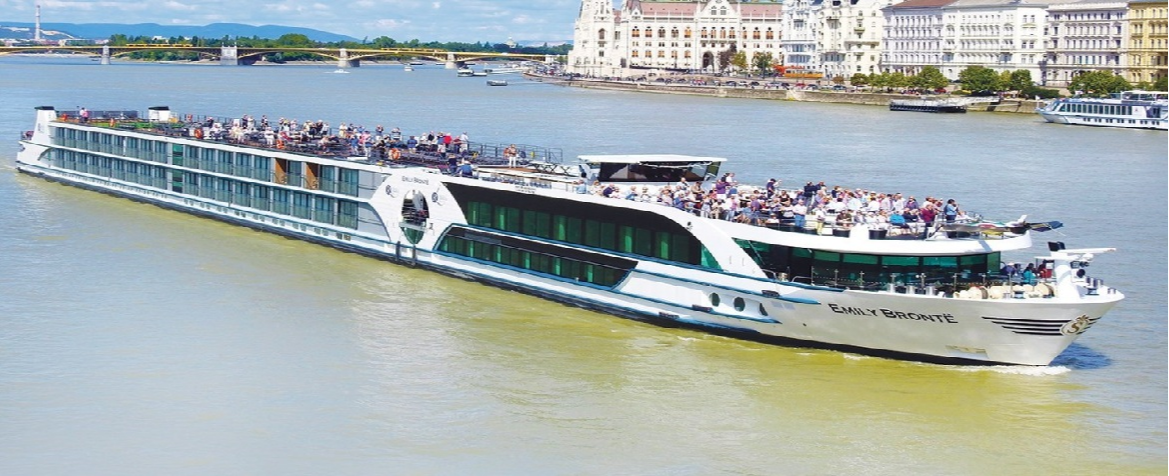
MS Emily Bronte
6 Cruises

| 12 July | 7 days | Round-trip Rhine and Moselle River Cruise - MS Emily Bront |
450-628-6241
Call us
|
| 12 July | 8 days | Round-trip from Cologne, Germany |
450-628-6241
Call us
|
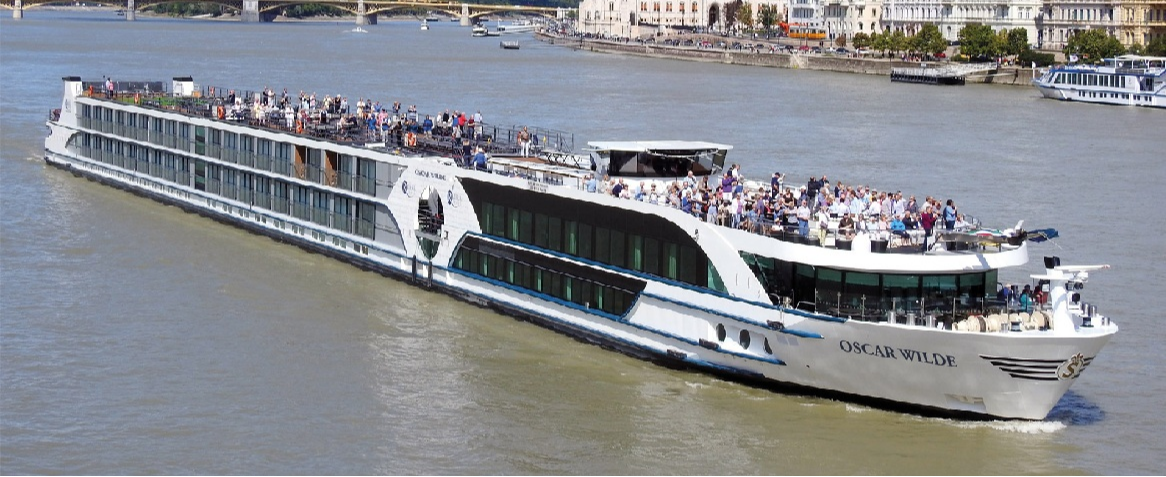
MS Oscar Wilde
6 Cruises
| 22 June | 7 days | Round-trip Rhine and Moselle River Cruise - MS Oscar Wilde |
450-628-6241
Call us
|
| 22 June | 8 days | Round-trip from Cologne, Germany |
450-628-6241
Call us
|
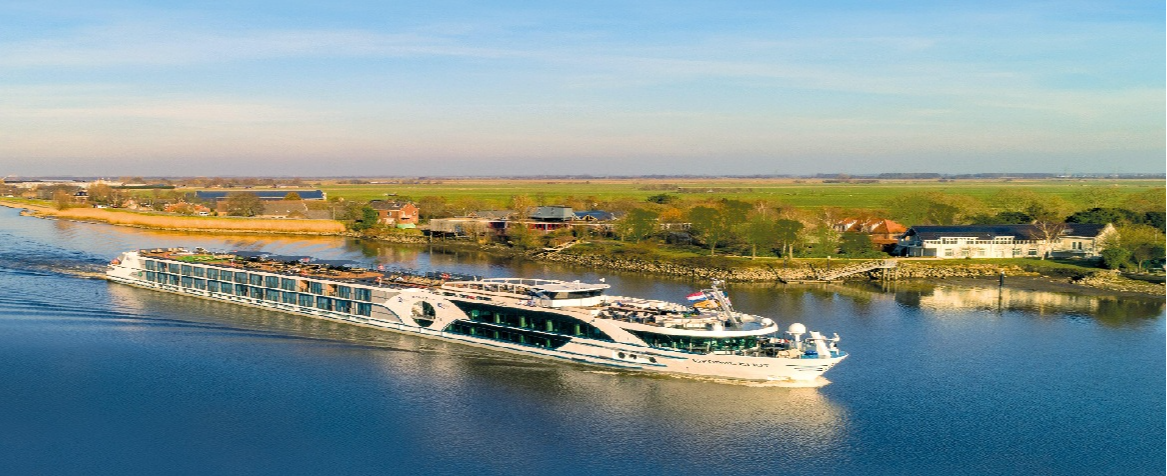
MS Riviera Resplendence
12 Cruises
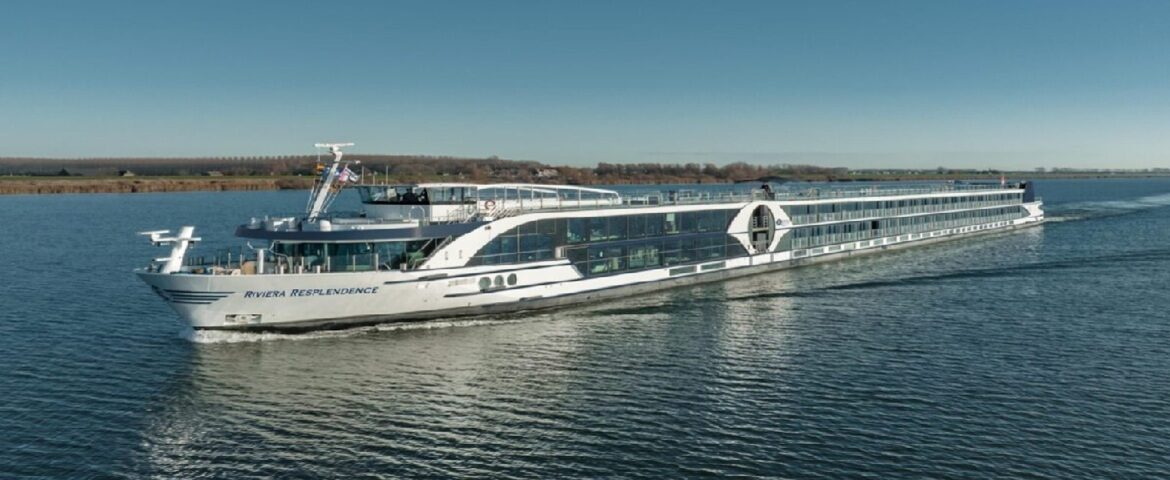
| 5 May | 8 days | Round-trip from Cologne, Germany |
450-628-6241
Call us
|
| 5 May | 7 days | Round-trip Rhine and Moselle River Cruise - MS Riviera Resplendence |
450-628-6241
Call us
|
| 16 June | 8 days | Round-trip from Cologne, Germany |
450-628-6241
Call us
|
| 16 June | 7 days | Round-trip Rhine and Moselle River Cruise - MS Riviera Resplendence |
450-628-6241
Call us
|
| 7 July | 8 days | Round-trip from Cologne, Germany |
450-628-6241
Call us
|
| 7 July | 7 days | Round-trip Rhine and Moselle River Cruise - MS Riviera Resplendence |
450-628-6241
Call us
|
| 4 August | 8 days | Round-trip from Cologne, Germany |
450-628-6241
Call us
|
| 4 August | 7 days | Round-trip Rhine and Moselle River Cruise - MS Riviera Resplendence |
450-628-6241
Call us
|
Uniworld Boutique River Cruise (27 Cruises)
S.S Audrey
15 Cruises
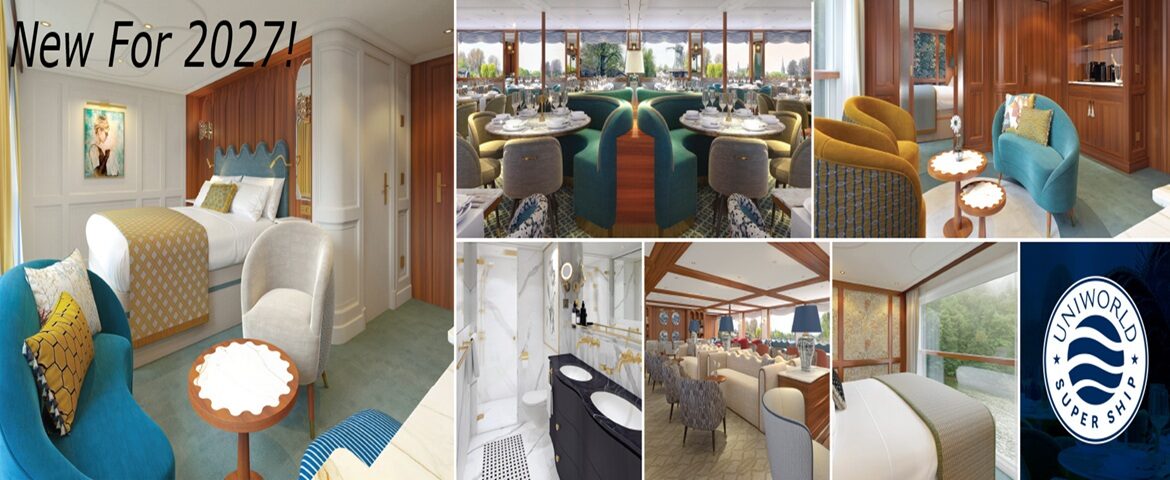

| 18 June | 12 days | One-way from Paris City to Prague |
450-628-6241
Call us
|
| 25 June | 12 days | One-way from Prague to Paris City |
450-628-6241
Call us
|
S.S. Victoria
12 Cruises
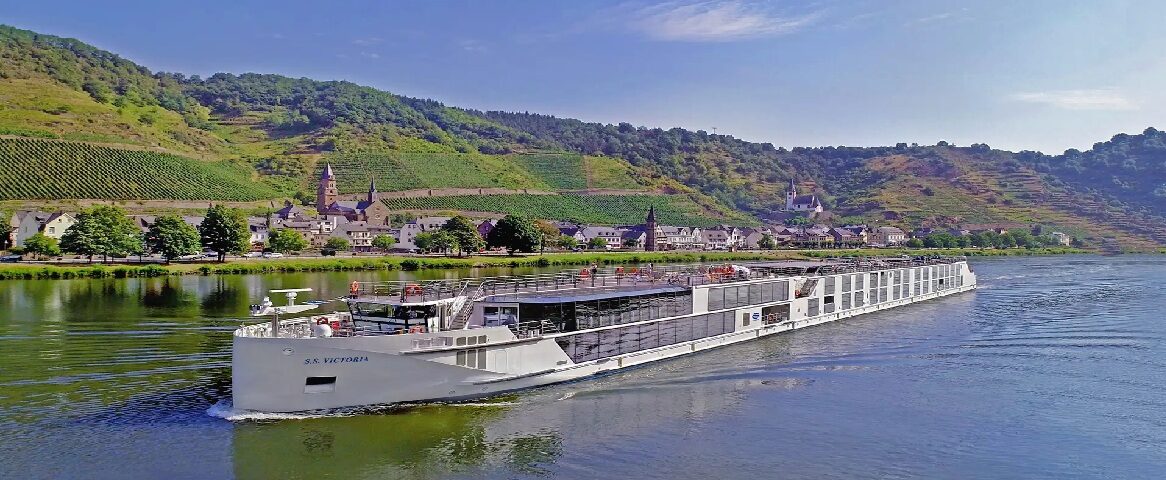
| 3 June | 15 days | One-way from Basel to Brussels |
450-628-6241
Call us
|
| 17 June | 15 days | One-way from Brussels to Basel |
450-628-6241
Call us
|
Viking River Cruises (551 Cruises)
Viking Longships Alsvin
155 Cruises
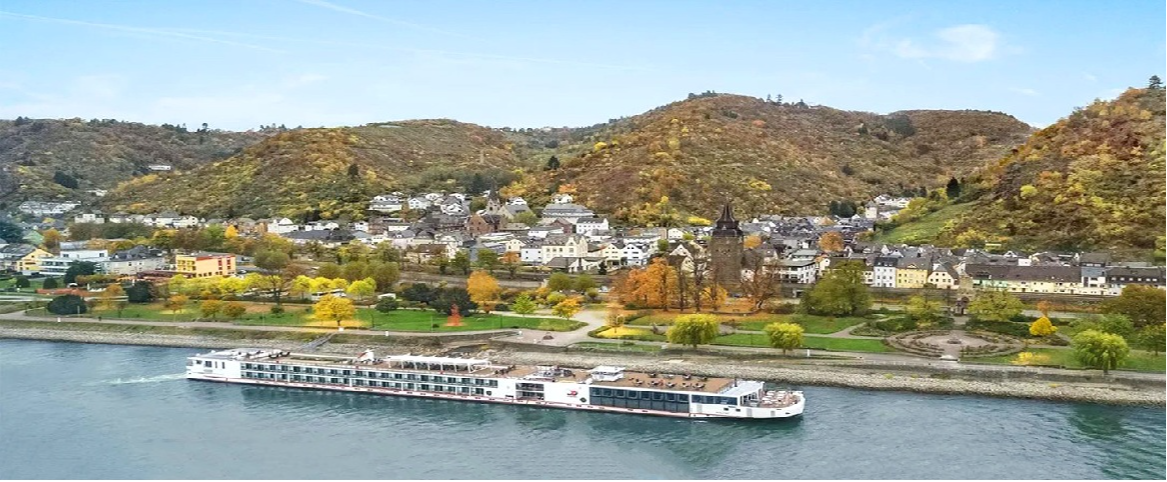
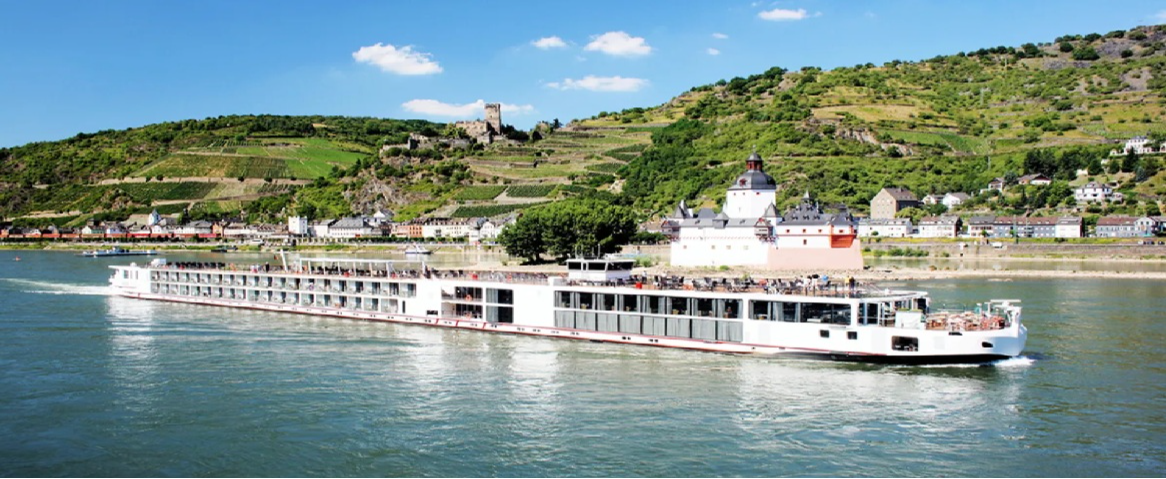
Viking Longships Herja
121 Cruises
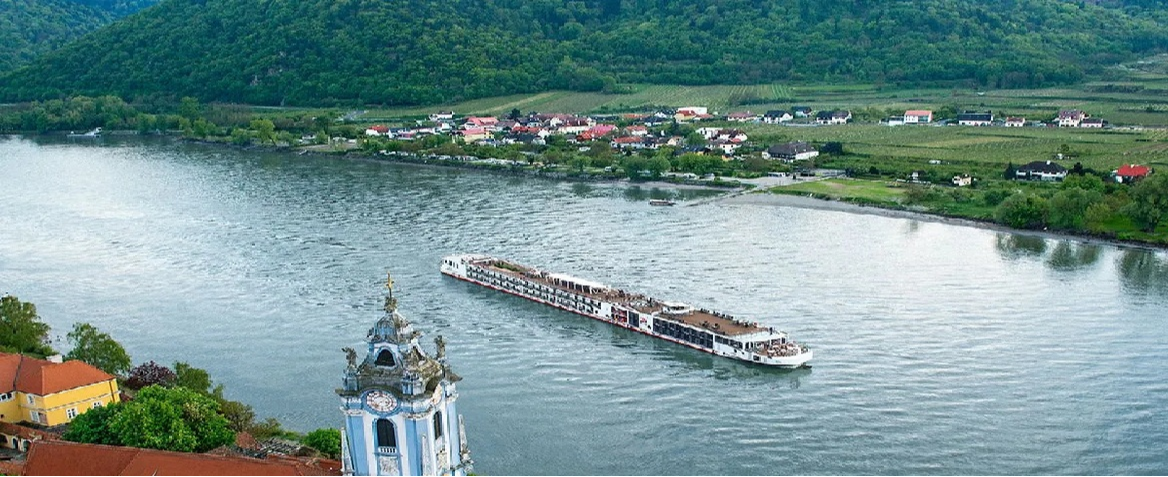
Viking Longships Hild
120 Cruises
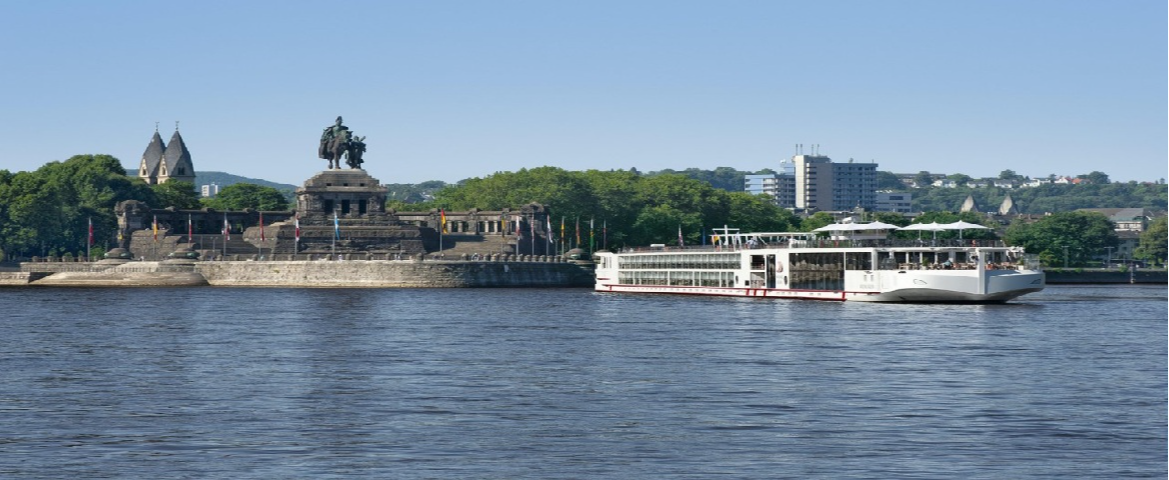
Viking Longships Idi
155 Cruises
| 3 March | 8 days | One-way from Bamberg to Trier |
450-628-6241
Call us
|
| 3 March | 7 days | One-way from Bamberg to Trier |
450-628-6241
Call us
|
Trier, Germany | Cruise Port Guide
Frequently Asked Questions
At Zurlauben, a former fishing hamlet of tightly packed façades along the Moselle, about fifteen minutes' walk from the centre. The Porta Nigra is roughly 1.5 kilometres away, 15 to 20 minutes on foot on a slight incline.
Because it was founded under the emperor Augustus as Augusta Treverorum, and became in the 4th century one of the capitals of the Western Roman Empire. Two thousand years look back at you from the blackened stones of the Porta Nigra.
The best-preserved Roman gate north of the Alps, built around 170 AD: two storeys of sandstone arcades assembled without mortar, blackened by the centuries. You can walk its floors and look out over the roofs of the old centre.
Thanks to a Greek hermit. Simeon shut himself inside it in the 11th century; converted into a church on his death, the gate escaped demolition until Napoleon restored its ancient form. Without that accident, little would remain.
The route is linear, which helps: Porta Nigra, then the Hauptmarkt and cathedral 1.7 km from the quay, then the Basilica of Constantine and the imperial baths at 2 km. The amphitheatre, at 2.5 km, is best kept for longer calls.
The vast imperial throne hall, whose brick nave rises 33 metres without a single column. The effect on entering is striking: it is the monument that most surprises visitors who did not expect it.
Their arcades and above all their underground levels, where you move freely through the service galleries. It is a more physical visit than it looks, but it gives a very concrete sense of how a great Roman establishment worked.
Yes, its basalt piers still carry today's traffic. It is one of those details that stay with you: two thousand years on, the structure is still working.
Yes, in 1818. His birthplace on the Brückenstrasse is now a museum tracing the path of the most debated thinker of the 19th century. It is a short stop, easily slipped between two Roman monuments.
At Zurlauben itself, the little waterside quarter where 18th-century houses converted into taverns serve Moselle wines and regional dishes a few steps from the gangway. The terraces on the Hauptmarkt do the job during the day. Currency: the euro.


