Nuku Hiva Island Taiohae, Marquesas French Polynesia
French Polynesia
119
Cruises availables
At departure or passage at this port


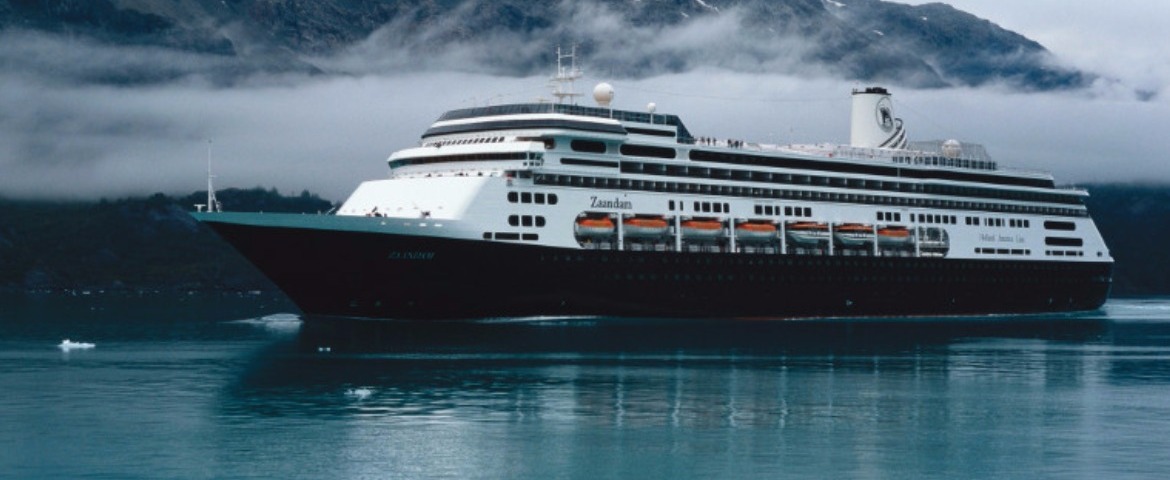
Paul Gauguin Cruises (20 Cruises)
M/S Paul Gauguin
20 Cruises


| 8 May | 14 days | Round-trip 14 Night Marquesas Tuamotus and Society Islands Cruise |
450-628-6241
Call us
|
| 8 May | 15 days | Round-trip from Papeete, Tahiti, French Polynesia |
450-628-6241
Call us
|
| 13 May | 14 days | Round-trip 14 Night Marquesas the Tuamotus and Society Islands Cruise |
450-628-6241
Call us
|
| 13 May | 15 days | Round-trip from Papeete, Tahiti, French Polynesia |
450-628-6241
Call us
|
| 8 July | 14 days | Round-trip 14 Night Marquesas Tuamotus and Society Islands Cruise |
450-628-6241
Call us
|
| 8 July | 15 days | Round-trip from Papeete, Tahiti, French Polynesia |
450-628-6241
Call us
|
Ponant (8 Cruises)
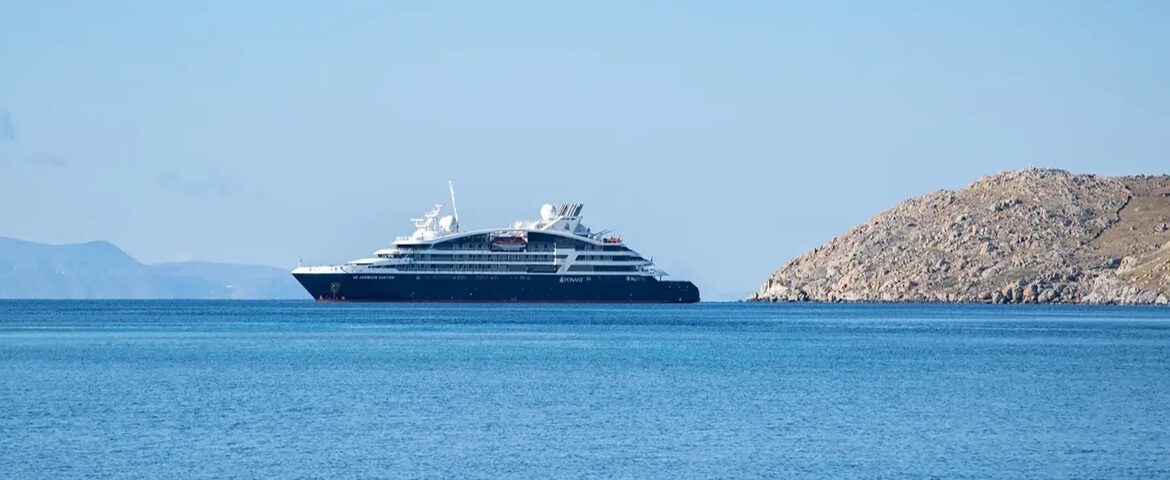

Seabourn Cruise Line (9 Cruises)
Seabourn Quest
9 Cruises
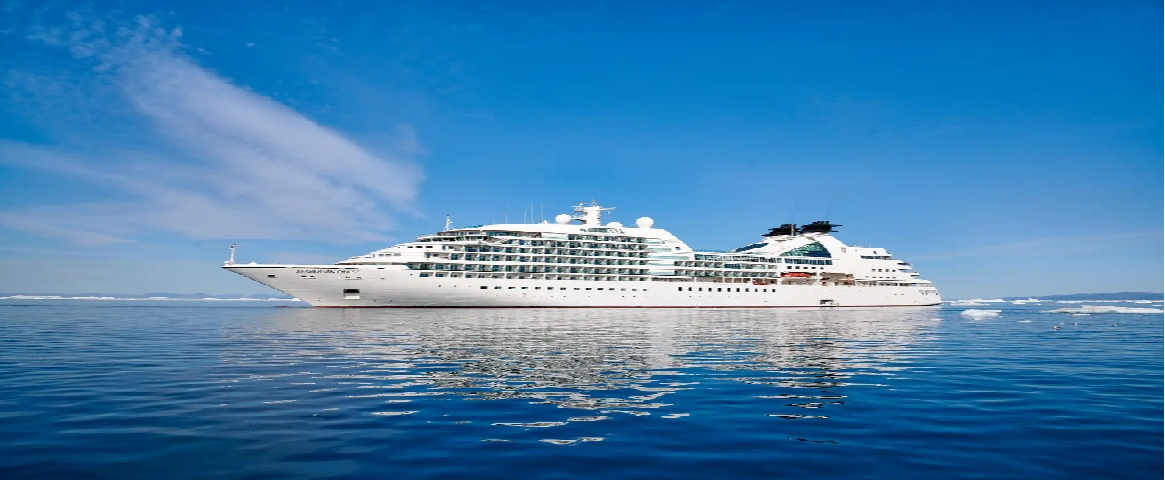

Silversea Cruises (38 Cruises)
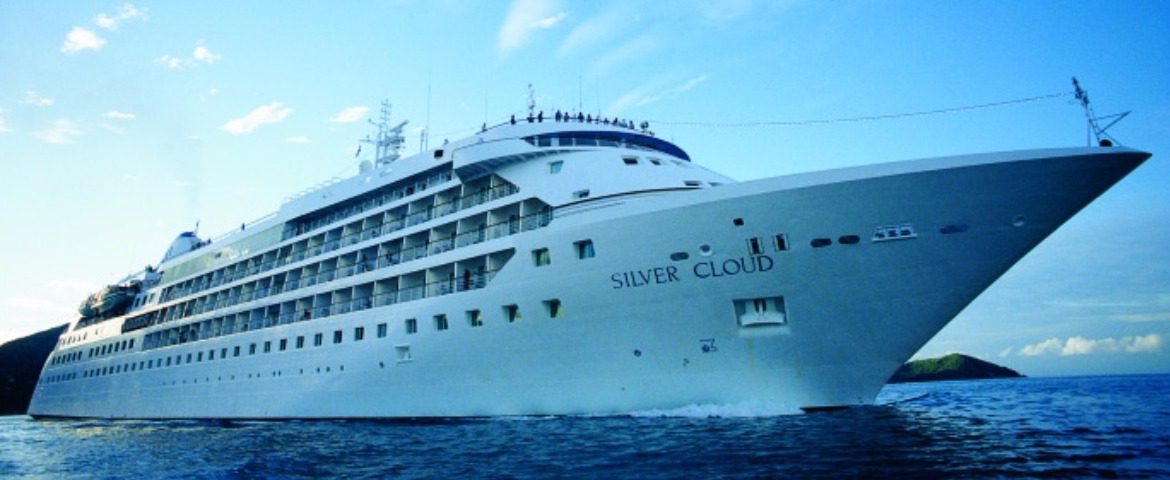

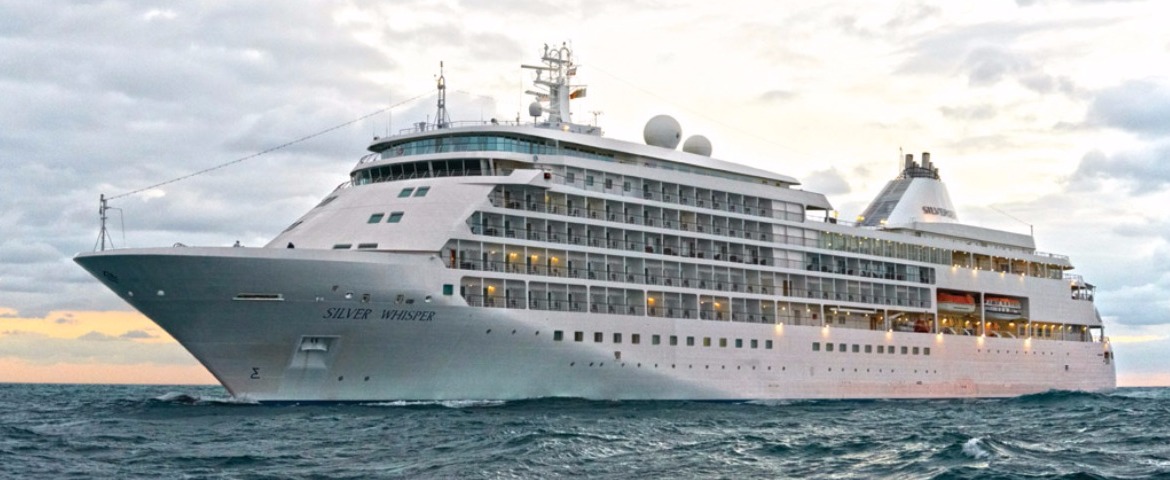
Silver Whisper
34 Cruises
| 7 March | 15 days | Round-trip from Papeete, Tahiti, French Polynesia |
450-628-6241
Call us
|
| 21 March | 15 days | Round-trip from Papeete, Tahiti, French Polynesia |
450-628-6241
Call us
|
| 13 October | 11 days | Round-trip from Papeete, Tahiti, French Polynesia |
450-628-6241
Call us
|
| 13 October | 11 days | Round-trip South Sea Silver Whisper Papeete Tahiti |
450-628-6241
Call us
|
| 23 January | 14 days | Round-trip South Sea Silver Whisper Papeete Tahiti |
450-628-6241
Call us
|
| 23 January | 14 days | Round-trip from Papeete, Tahiti, French Polynesia |
450-628-6241
Call us
|
| 20 February | 14 days | Round-trip from Papeete, Tahiti, French Polynesia |
450-628-6241
Call us
|
| 20 February | 14 days | Round-trip South Sea Silver Whisper Papeete Tahiti |
450-628-6241
Call us
|
Windstar Cruises (41 Cruises)
Star Breeze
41 Cruises


| 28 March | 12 days | Round-trip from Papeete, Tahiti, French Polynesia |
450-628-6241
Call us
|
| 28 March | 18 days | Round-trip from Papeete, Tahiti, French Polynesia |
450-628-6241
Call us
|
| 3 October | 18 days | Round-trip from Papeete, Tahiti, French Polynesia |
450-628-6241
Call us
|
| 3 October | 12 days | Round-trip from Papeete, Tahiti, French Polynesia |
450-628-6241
Call us
|
| 24 January | 52 days | One-way from Singapore to Papeete |
450-628-6241
Call us
|
| 28 January | 48 days | One-way from Benoa to Papeete |
450-628-6241
Call us
|
| 2 April | 18 days | Round-trip from Papeete, Tahiti, French Polynesia |
450-628-6241
Call us
|
| 2 April | 12 days | Round-trip from Papeete, Tahiti, French Polynesia |
450-628-6241
Call us
|

Nuku Hiva, French Polynesia | Cruise Port Guide
Frequently Asked Questions
In the middle of Taiohae Bay, which looks like a crater opened onto the ocean. The tender lands passengers on a small concrete quay, right in the main village. Note that the Marquesas have no lagoons: no reef shelters the shore, and swell can complicate the transfer.
The whole village. Taiohae stretches along its cove for a few kilometres: the waterfront, the administrative buildings, a few shops and a craft market where carvers show pieces in rosewood, bone and volcanic stone.
A line of stone tikis with enigmatic gazes along the waterfront, some contemporary, others modelled on ancient forms. Facing the bay, these massive figures set the tone of a culture that has never stopped carving.
Notre-Dame des Marquises deserves an unhurried stop. Its walls combine stone from several islands of the archipelago, and inside are wood carvings in which local artists reinterpret biblical scenes with Marquesan faces and symbols.
In 1842 the young American sailor deserted his whaler in Taiohae Bay and took refuge in the neighbouring Taipivai valley. His stay among the Taipi inspired his first book, Typee, long before Moby-Dick. Four-wheel-drive excursions reach that deep valley.
In the north of the island, around Hatiheu: giant banyans, petroglyphs and esplanades where great ceremonies were held, among the most imposing in Polynesia. It is far from Taiohae and requires a good half-day excursion on winding roads.
Yes, the road climbing behind Taiohae leads to a lookout over the whole bay. The panorama reveals the island's geography: valleys fanning outward, knife-edge ridges, and ocean striking the cliffs directly. The showers pass quickly, and so do the rainbows.
They are beach sandflies whose bites leave a longer-lasting souvenir than you would expect. Bring protection before going ashore, especially if you plan to walk near the shore or inland. It is the most frequently reported nuisance in the Marquesas.
The archipelago remains one of the cradles of Polynesian tattooing. The motifs visible on islanders' forearms record entire lineages. It is a living art loaded with family meaning: look at it respectfully rather than photographing without asking.
The Pacific franc, in cash. The carvings at the craft market are the real specialty. Marquesan grapefruit, enormous and fragrant, sells for a few francs and makes good company while waiting for the tender in the shade of the flame trees. Bring closed shoes for inland trips and a hat.


