Huahine Island Society Islands French Polynesia
French Polynesia
451
Cruises availables
At departure or passage at this port
Crystal Cruises (11 Cruises)
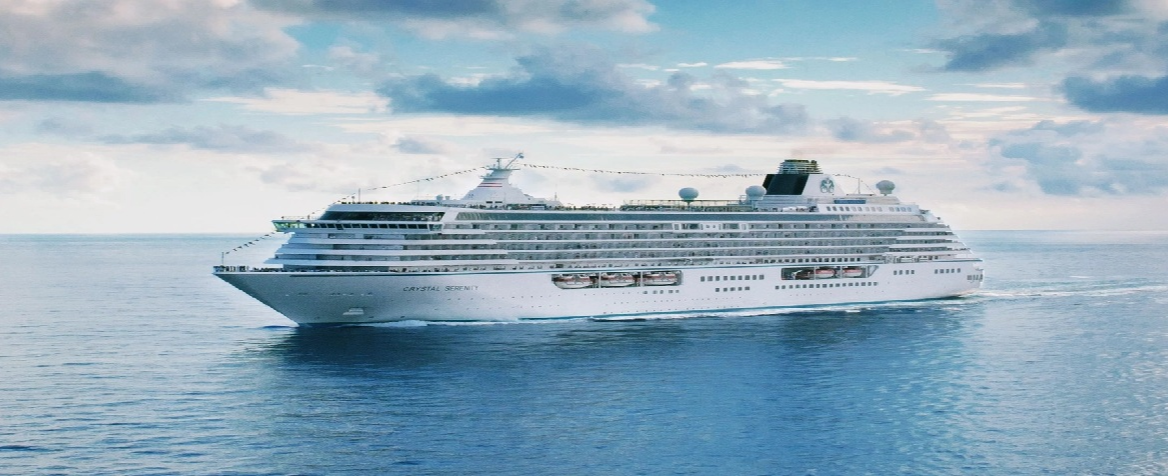

Crystal Symphony
9 Cruises
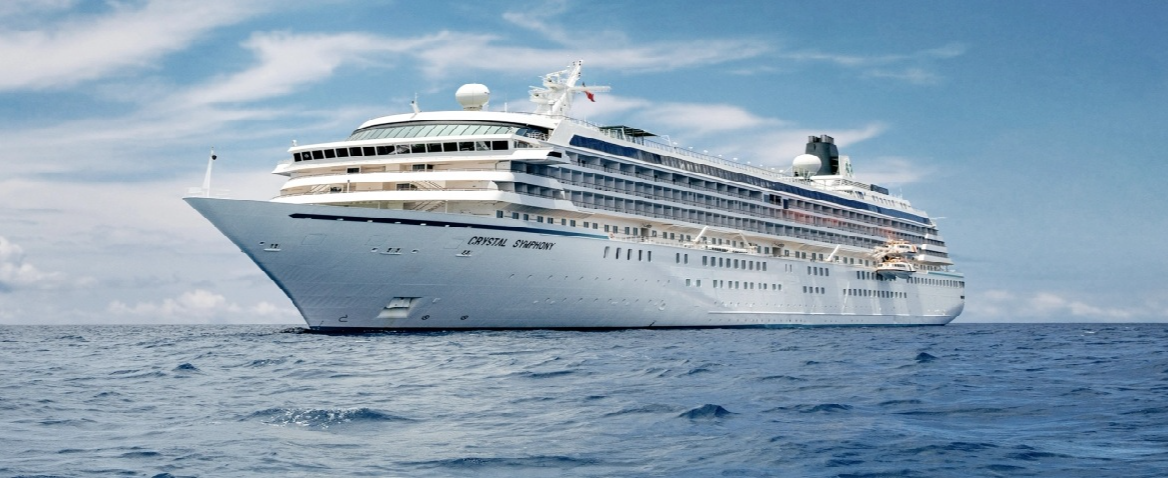
Explora Journeys (3 Cruises)
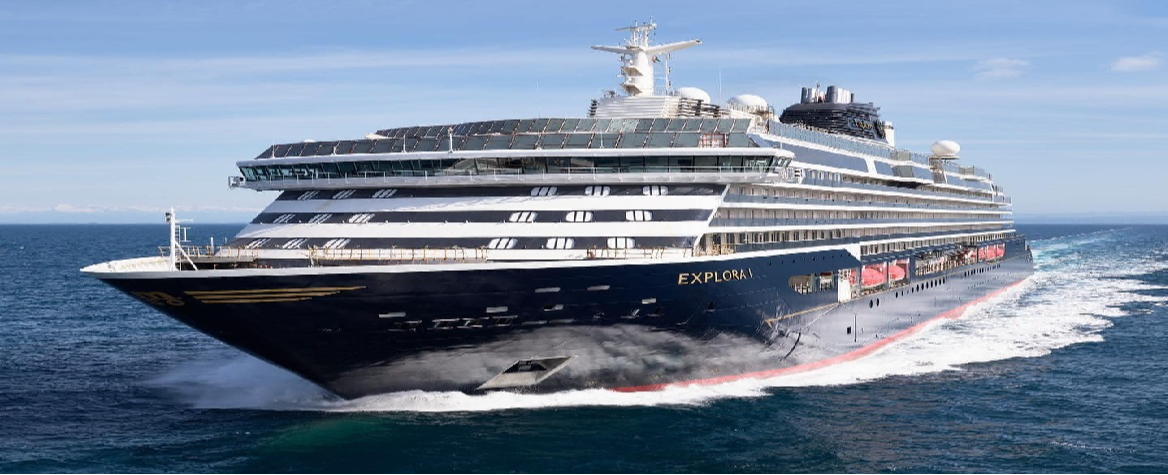

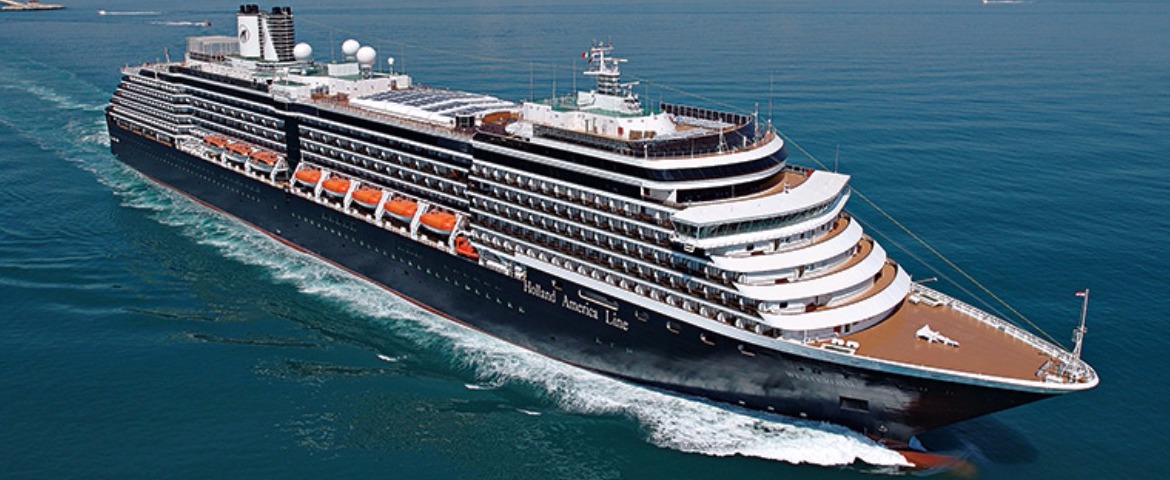

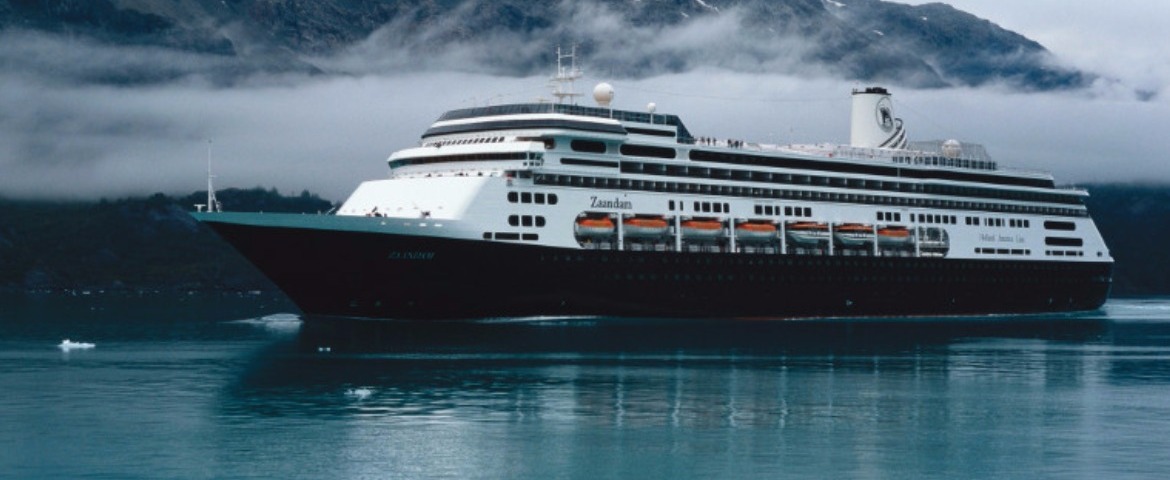
Oceania Cruises (9 Cruises)
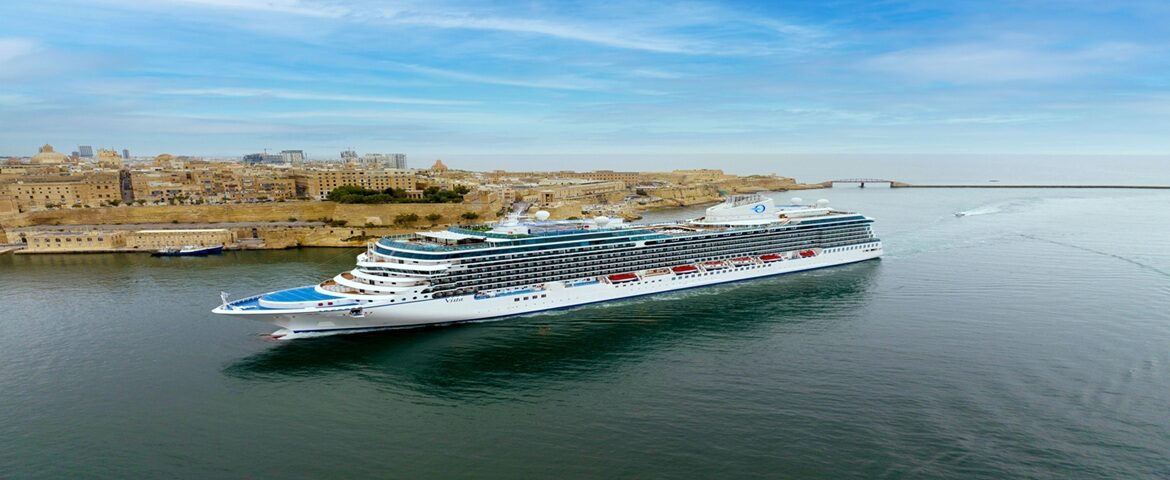
Oceania Vista
9 Cruises

| 6 January | 244 days | One-way from Miami to New York |
450-628-6241
Call us
|
| 6 January | 180 days | One-way from Miami to Southampton |
450-628-6241
Call us
|
| 8 February | 63 days | One-way from Papeete to Yokohama |
450-628-6241
Call us
|
| 8 February | 19 days | One-way from Papeete to Sydney |
450-628-6241
Call us
|
Paul Gauguin Cruises (150 Cruises)
M/S Paul Gauguin
150 Cruises


| 24 October | 14 days | Round-trip from Papeete, Tahiti, French Polynesia |
450-628-6241
Call us
|
| 24 October | 13 days | Round-trip 14 Night Marquesas Tuamotus and Society Islands Cruise |
450-628-6241
Call us
|
| 2 January | 11 days | Round-trip from Papeete, Tahiti, French Polynesia |
450-628-6241
Call us
|
| 2 January | 10 days | Round-trip 11 Night Cook Islands and Society Islands Cruise |
450-628-6241
Call us
|
| 28 April | 10 days | Round-trip from Papeete, Tahiti, French Polynesia |
450-628-6241
Call us
|
| 28 April | 9 days | Round-trip 10 Night More Tuamotus and Society Islands Cruise |
450-628-6241
Call us
|
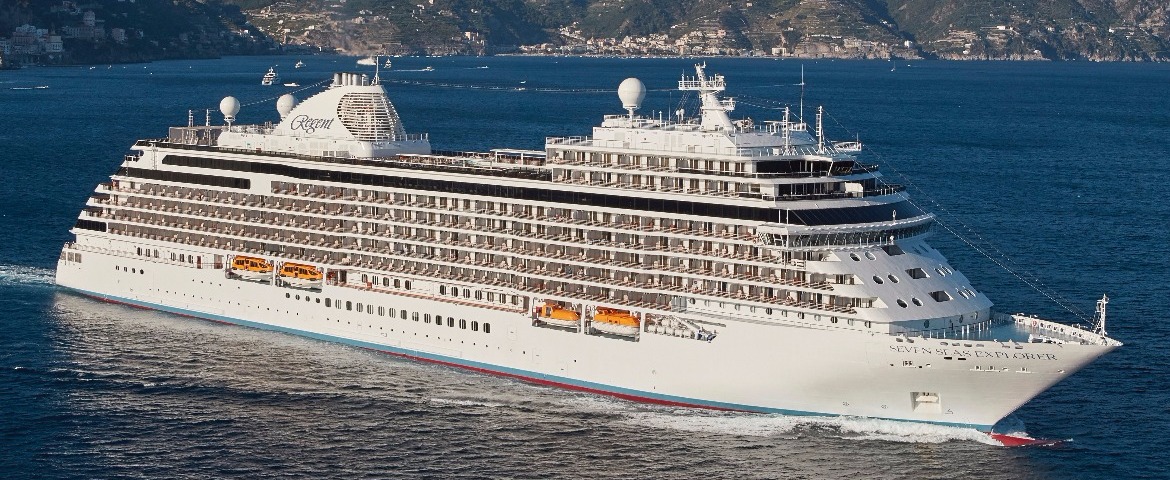
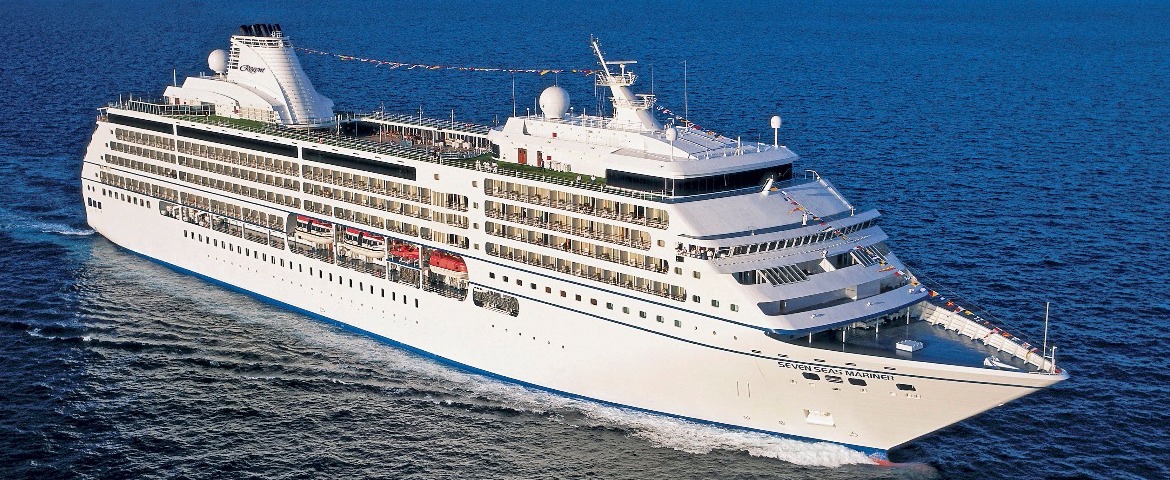
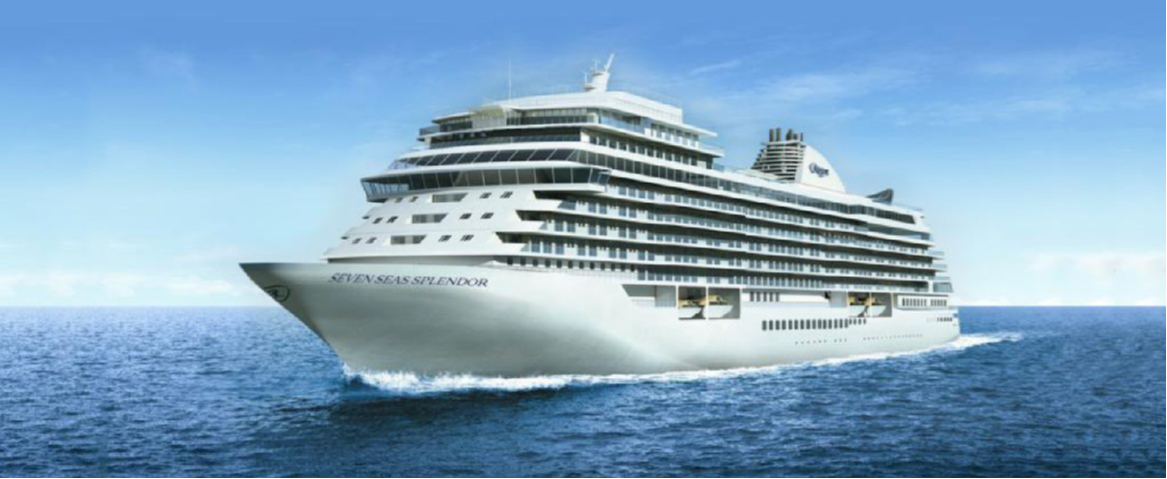
Regent Seven Seas Cruises (12 Cruises)

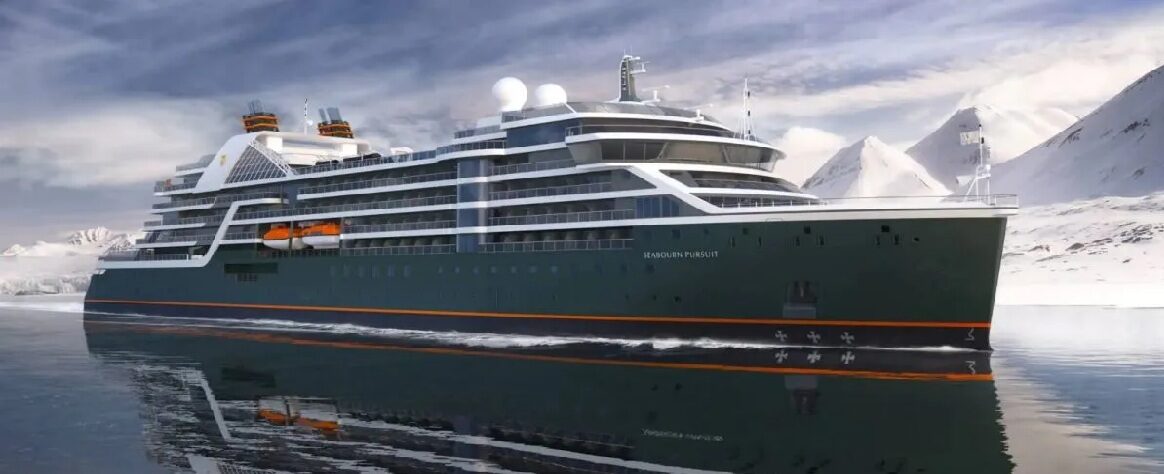
Seabourn Cruise Line (9 Cruises)
Seabourn Pursuit
9 Cruises

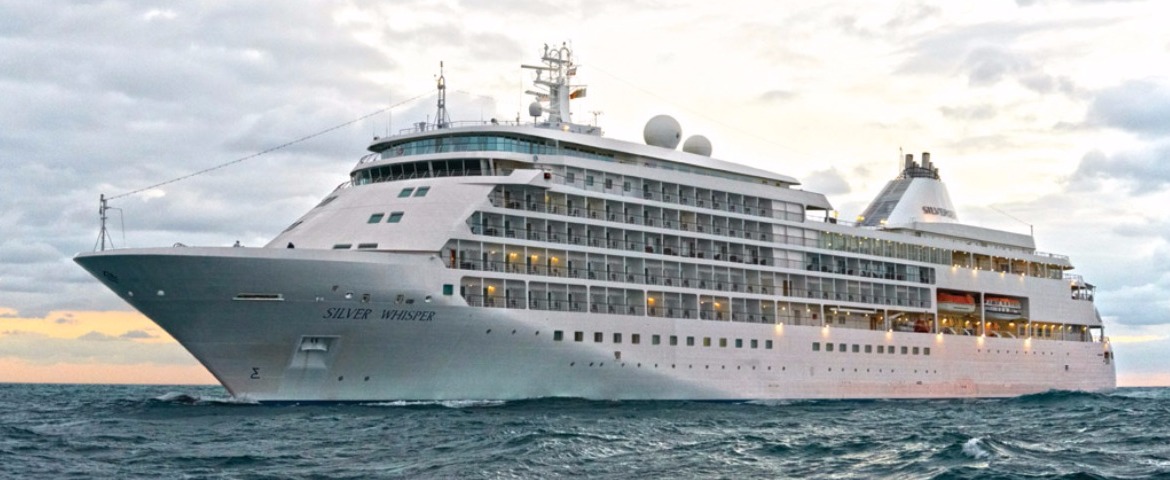
Silversea Cruises (43 Cruises)
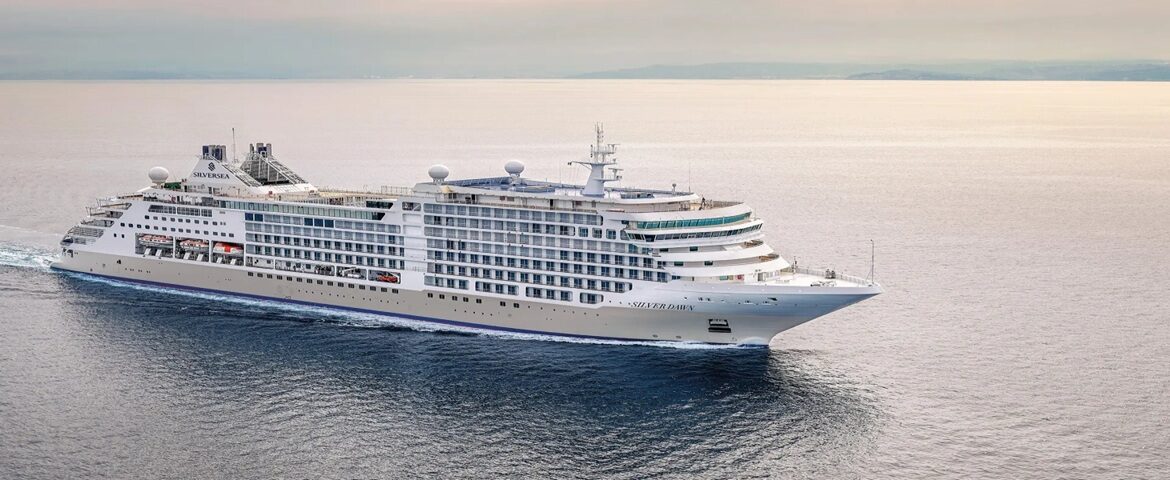

Silver Whisper
42 Cruises
| 7 March | 15 days | Round-trip from Papeete, Tahiti, French Polynesia |
450-628-6241
Call us
|
| 21 March | 15 days | Round-trip from Papeete, Tahiti, French Polynesia |
450-628-6241
Call us
|
| 24 October | 8 days | Round-trip from Papeete, Tahiti, French Polynesia |
450-628-6241
Call us
|
| 31 October | 8 days | Round-trip from Papeete, Tahiti, French Polynesia |
450-628-6241
Call us
|
| 5 March | 8 days | Round-trip from Papeete, Tahiti, French Polynesia |
450-628-6241
Call us
|
| 12 March | 8 days | Round-trip from Papeete, Tahiti, French Polynesia |
450-628-6241
Call us
|
Windstar Cruises (211 Cruises)
Star Breeze
113 Cruises


| 22 October | 8 days | Round-trip from Papeete, Tahiti, French Polynesia |
450-628-6241
Call us
|
| 29 October | 8 days | Round-trip from Papeete, Tahiti, French Polynesia |
450-628-6241
Call us
|
Wind Star
98 Cruises
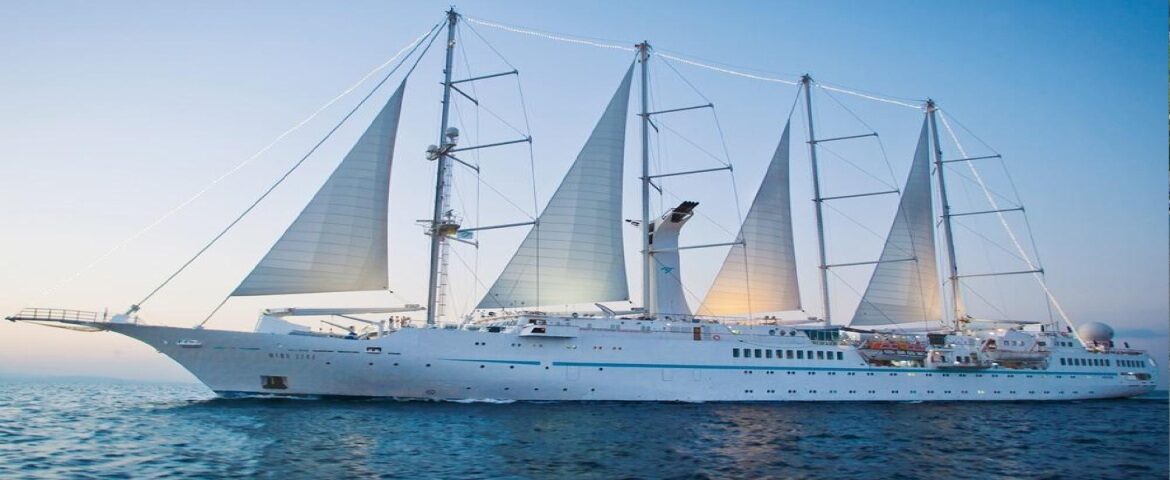
| 31 January | 35 days | One-way from Colon to Papeete |
450-628-6241
Call us
|
| 31 January | 36 days | One-way from Colon to Papeete |
450-628-6241
Call us
|

Huahine | Cruise Port Guide
Frequently Asked Questions
In the lagoon, usually off the village of Fare, sometimes in Maroe Bay. There is no gangway and no terminal: tenders land passengers at the quay in about ten minutes, and island life carries on barely disturbed by the call.
Like a village: two streets, a shaded waterfront, general stores selling fish hooks and pareos alike. Half an hour covers it. Fishermen sell their catch coming back from the reef, and the roulottes serve raw fish in coconut milk and chow mein at shared tables.
It is quieter, less visited, more agricultural. Polynesian navigators called it the island of the woman, its hills tracing the profile of a pregnant woman lying facing the sky. Anyone looking for bustle and big resorts will be disappointed, and that is exactly what makes it worthwhile.
One of the densest concentrations of archaeological remains in French Polynesia, about 7 kilometres from the landing. Dozens of marae, stone ceremonial platforms, rise between Lake Fauna Nui and the sacred hill above it. The great chiefly families lived side by side here, which is rare in the Pacific.
Early morning, when the light skims the lake and the stones have not yet heated up. A path links the main remains under the trees, and a small museum space helps read this sacred landscape. The stone fish traps, still in use, trace their V shapes in the channel.
An agricultural Polynesia few visitors expect: vanilla plantations under shade cloth, melon and watermelon fields, grapefruit orchards. The full loop runs about 60 kilometres and takes a half-day by excursion or rental car.
Freshwater eels with startling blue eyes, considered sacred, that let visitors feed them in the river at Faie village. It is a brief but memorable stop on the island loop.
Yes. A public beach south of Fare village is reachable on foot and is enough for anyone who prefers to stay near the quay with mask and snorkel. Boat excursions head out to the lagoon motu for swimming and picnics, and encounter harmless rays and reef sharks.
They are the two halves of the island, separated by Maroe Bay and joined by a bridge. The road climbs to a viewpoint over that arm of sea, one of the finest outlooks on the loop. The northern half, Huahine Nui, holds Fare and Maeva.
The Pacific franc. A few businesses take cards, but bring cash: the roulottes, fishermen and small craftspeople work in cash. There is no ATM on every corner.


