Lunenburg NS Nova Scotia Canada

16 Cruises availables At departure or passage at this port

Port of Lunenburg, Canada | Cruise Port Guide

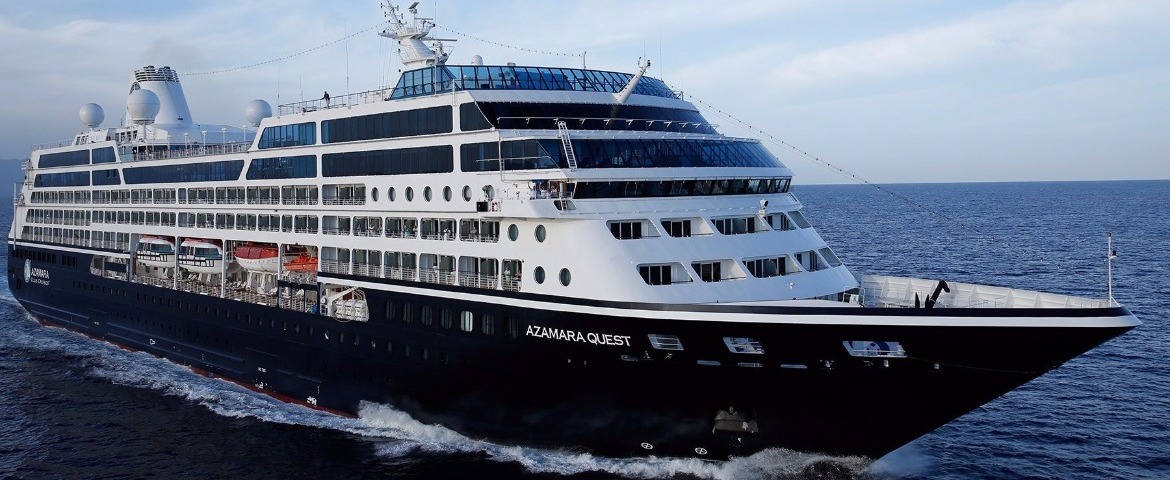
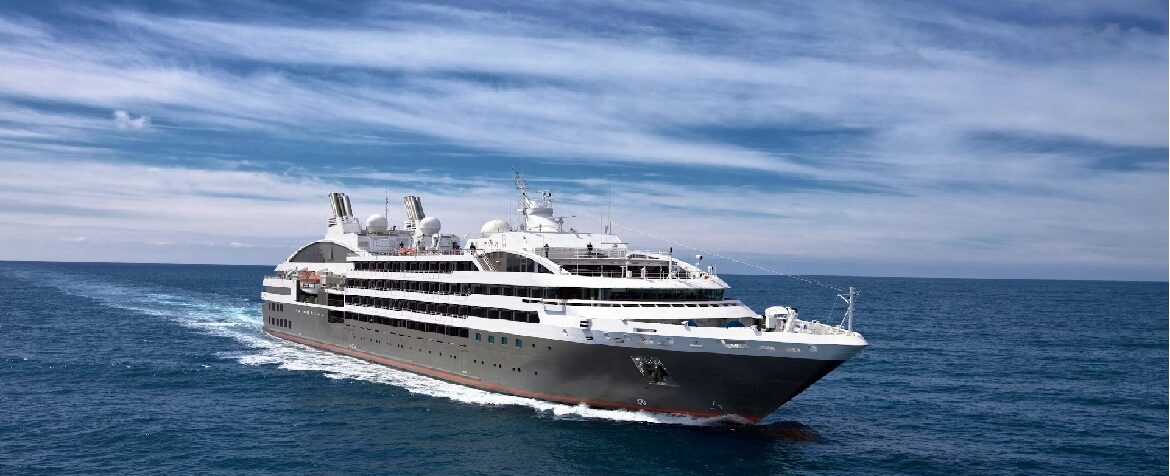
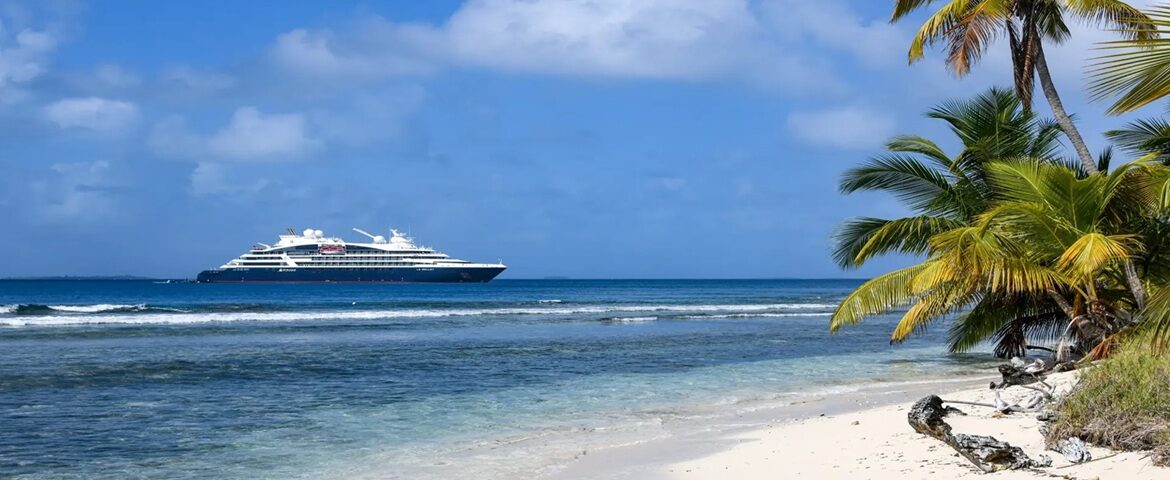
The approach by tender alone is worth the trip: from the water, Lunenburg unfolds its grid of red, blue, yellow and green wooden houses climbing the hill above the wharves. Ships anchor in the bay and land their passengers right in the heart of the waterfront, a few steps from the shipyards and museums. This small town on the south shore of Nova Scotia, founded in 1753, is one of the few urban ensembles in North America inscribed on the UNESCO World Heritage List, and it wears this honour without taking itself too seriously.

A Colonial Plan Still Intact

Old Lunenburg still follows the grid plan laid out by British surveyors in the 18th century: regular blocks stepping down toward the harbour. Protestant settlers from Germany, Switzerland and France built wooden homes here, many of which survive, adorned with the famous "Lunenburg bump," a dormer overhanging the front door. Walking up Montague Street and back down through the cross streets lets you take in three centuries of architecture in an hour's walk, camera working overtime. On the heights, St. John's Anglican Church, built in 1754 and rebuilt identically after the 2001 fire, is among the oldest places of worship in Canada.

Home Port of the Bluenose

This is the home port of the Bluenose II, a replica of Canada's most famous racing schooner, the very one that appears on the ten-cent coin. Built here in 1963 to the original's plans, the schooner welcomes visitors at its wharf when in port, and its crew gladly answer questions about the rigging and races of yesteryear. Watching it set sail with all canvas flying in the bay is one of the great moments of a lucky port call.

The Fisheries Museum of the Atlantic

On the waterfront, in former fish-processing buildings painted bright red, the Fisheries Museum of the Atlantic tells the great story of cod, dories and the Grand Banks of Newfoundland. Aquariums, boatbuilding workshops and former fishers turned guides bring to life a trade that fed and grieved the entire coast. The vessels moored at the museum wharf can be explored from hold to wheelhouse, and an adjoining workshop still builds dories using traditional methods.

Flavours of the South Shore

Montague Street and the wharves line up lobster shacks, taverns and craft distilleries. Several spots post where the catch comes from, landed a few metres from the tables. Here you can enjoy a lobster roll in its buttered toasted bun, pan-seared scallops or spiced rum made on site. Those with a sweet tooth leave with sea-salt caramels, and beer lovers find breweries set up in former sail lofts.

Ideas to Round Out the Day

  • Climb up to the Lunenburg Academy, an imposing Victorian school building overlooking the town, for the view over the colourful rooftops and the bay.
  • Follow the waterfront trail toward the golf course to photograph the panorama from the other side of the harbour.
  • Venture out on an excursion to the Peggy's Cove lighthouse or the neighbouring fishing villages when the port call is long enough.

The Memory You Take Away

As the tender heads back to the ship, the colourful façades are reflected one last time in the harbour water, and the Bluenose II gently tugs at its lines. The port call leaves an impression of authenticity: a town that has managed to stay true to itself, proud of its shipwrights and fishers, without ever becoming a stage set. As you leave, you understand why an entire country put its schooner in its pocket.

Frequently Asked Questions

Ships anchor in the bay and land passengers by tender right on the waterfront, steps from the shipyards and museums. The approach from the water is worth the trip on its own.
Entirely. Old Town Lunenburg follows a grid laid out by British surveyors in the 18th century: climbing Montague Street then dropping back through the cross lanes covers three centuries of architecture in an hour's walk.
For its intact colonial town plan and its period wooden houses. Founded in 1753, it is one of the few North American urban ensembles on the World Heritage list.
The Fisheries Museum of the Atlantic on the waterfront, the climb through the coloured streets to St. John's Church, and the Bluenose II berth when the schooner is in port. A lobster counter rounds off the day.
This is her home port, but the schooner sails: she is not always alongside. When she is, visitors are welcome and her crew will happily talk rigging. Built here in 1963 to the original plans, she appears on the Canadian dime.
An overhanging dormer above the front door, the town's architectural signature. Protestant settlers from Germany, Switzerland and France built wooden houses here, many of which survive with this feature.
The story of cod, dories and the Newfoundland banks, in former fish processing buildings painted bright red. Aquariums, boatbuilding workshops and former fishermen turned guides; the vessels tied up at the museum wharf can be toured from hold to wheelhouse.
A lobster roll in its buttered grilled bun, seared scallops, or spiced rum distilled in town. Several places on Montague Street and the wharves post where the catch came from, landed metres from the tables.
The Lunenburg Academy, the imposing Victorian school building above town, for the view over the coloured roofs and the bay. The waterfront trail towards the golf course gives the other great panorama, from across the harbour.
Only on a long enough call: allow for the drive both ways. The nearby fishing villages are a quicker alternative when time is short.