L'Anse aux Meadows Newfoundland-Labrador Canada

89 Cruises availables At departure or passage at this port

Seabourn Cruise Line (63 Cruises)

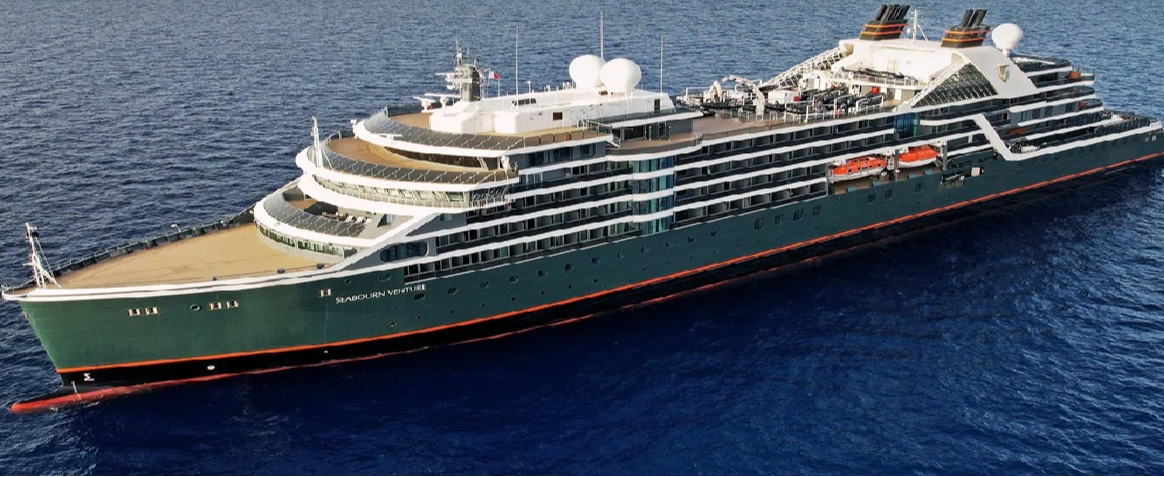
Seabourn Venture

Seabourn Venture

Visit the ship's page

L'Anse aux Meadows, Canada | Cruise Port Guide

A little over a thousand years ago, ships from Greenland made landfall here, at the northern tip of Newfoundland. Their crews, led by Leif Erikson's people, built sod houses, forged iron and spent a few winters facing the Strait of Belle Isle before leaving again. L'Anse aux Meadows is the only authenticated Norse site in North America, tangible proof that Europeans preceded Columbus on this continent by five centuries. Coming ashore here, often by Zodiac from an expedition ship, means setting foot exactly where the story of the two worlds first came together.

A Landscape That Has Stayed True

The setting has hardly changed since the sagas: a grassy plain swept by the wind, bogs, dark ponds and a grey sea dotted with icebergs in early summer. Caribou sometimes cross the barrens, and whales travel along the coast. This austerity is the site's strength; it takes a little imagination to fill the bay with Scandinavian knarrs again, and the site provides everything you need to do so.

A Well-Guarded World Heritage Site

Managed by Parks Canada and listed as a UNESCO World Heritage Site, the national historic site is organized around the visitor centre, which displays artifacts found during the excavations of the 1960s, including a bronze cloak pin that confirmed the Norse origin of the camp. It was a couple of Norwegian researchers, Helge and Anne Stine Ingstad, guided by a local resident, who identified the site in 1960. Wooden boardwalks then lead to the grassy mounds that outline the location of the original buildings. The emotion is there, understated: these ripples in the grass are the very foundations of the Viking houses.

Vikings in the Flesh

A little farther on, reconstructions of low-roofed sod houses recreate the camp as it must have looked around the year 1000. Inside, costumed interpreters tend the fire, weave, forge nails from bog iron and tell the sagas with infectious enthusiasm. You sit on fur-covered benches, amid the smell of smoke and wool, listen and ask questions; children and amateur historians alike get something out of it. The whole site can easily be explored in two to three hours.

Norstead, the Village Next Door

About two kilometres away, the reconstructed village of Norstead extends the experience in a more playful way. This imaginary Viking trading port is home to the Snorri, a replica Norse ship about fifteen metres long that actually made the crossing from Greenland in 1998. Axe throwing, pottery, fireside tales: the place embraces a lively, family-friendly approach that nicely complements the archaeological rigour of the historic site.

Planning Your Visit

  • The wind blows almost constantly: a windbreaker, a toque and gloves come in handy even in summer.
  • The boardwalks and trails are easy, but the ground can be soggy around the bogs.
  • Icebergs drift offshore mainly in June and July; binoculars are highly recommended.
  • The neighbouring hamlet has only a few services; it's best to plan for your needs before going ashore.
  • The visitor centre sells publications and souvenirs; food options remain limited in the area.

A Thousand Years Later

Heading back to the ship, it's hard not to think again of those crews who made the journey in reverse, toward Greenland, leaving their sod houses to the Newfoundland wind. The site they left behind fits into a few hollows in the grass, and yet it carries as much weight as many cathedrals. You leave feeling you have touched the first North American chapter of a very long story.

Frequently Asked Questions

Usually by Zodiac from an expedition ship, at the northern tip of Newfoundland. The nearby hamlet has only a handful of services: plan for what you need before landing.
It is the only authenticated Norse site in North America, tangible proof that Europeans reached this continent five centuries before Columbus. Crews from Greenland built sod houses here a little over a thousand years ago.
The national historic site takes two to three hours at an easy pace: visitor centre, boardwalks to the grassy mounds and reconstructed sod houses. Norstead village, two kilometres away, adds another hour.
Artefacts found in the 1960s excavations, including a bronze cloak pin that confirmed the camp's Norse origin. A pair of Norwegian researchers, Helge and Anne Stine Ingstad, guided by a local resident, identified the site in 1960.
Grassy mounds outlining the original buildings — those ripples in the turf are the foundations themselves. A little further on, reconstructed sod houses recreate the camp as it would have looked around the year 1000, with costumed interpreters.
A reconstructed Viking village about two kilometres from the historic site, on a more playful register. It houses the Snorri, a fifteen-metre replica Norse vessel that actually sailed from Greenland in 1998.
Mainly in June and July, when they drift offshore in the Strait of Belle Isle. Binoculars are strongly recommended. Caribou sometimes cross the heath, and whales pass along the coast.
A windbreaker, hat and gloves earn their keep even in summer: the wind blows almost without pause on this headland. The boardwalks and trails are easy, but the ground can be sodden around the bogs.
Very much so. Costumed interpreters tend the fire, weave, forge nails from bog iron and tell the sagas with infectious energy. Norstead adds axe throwing, pottery and fireside storytelling.
Very few. The visitor centre sells publications and souvenirs, but dining options in the area remain limited. Plan to eat aboard or bring something with you.