Paraty Brazil

61 Cruises availables At departure or passage at this port

Azamara Club Cruises (21 Cruises)

Seabourn Cruise Line (21 Cruises)

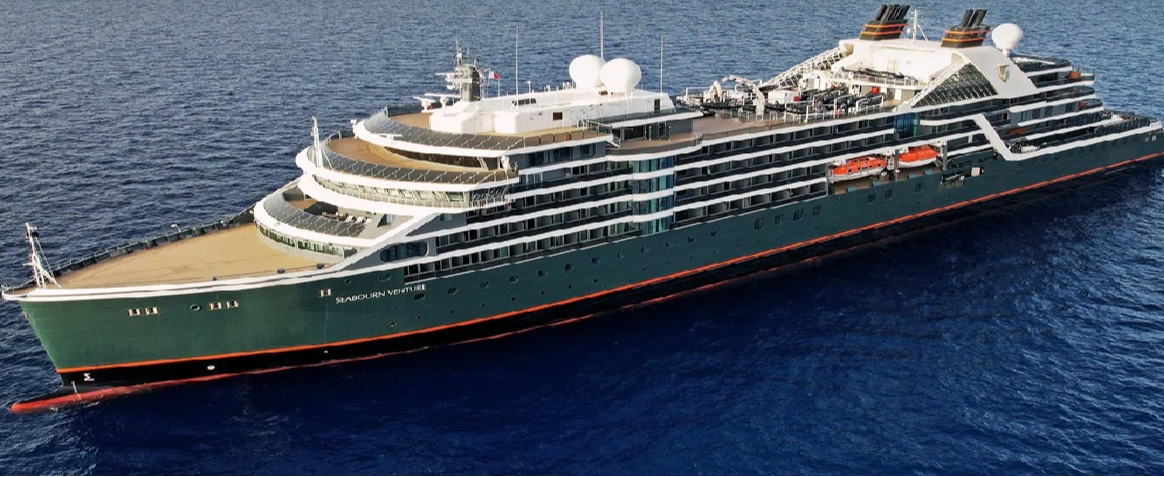
Seabourn Venture

Seabourn Venture

Visit the ship's page

Paraty, Brazil | Cruise Port Guide

Ships anchor offshore, in a bay dotted with wooded islets, and Paraty is approached by tender. From the water, the town comes down to a line of tiled roofs squeezed between the sea and the mountains of the Costa Verde. Then the pontoon comes closer, the bell towers come into focus, and you step into one of the best-preserved colonial ensembles in Brazil, inscribed on the UNESCO World Heritage List in 2019 along with the waters and forests that surround it.

Streets shaped by the tide

The historic centre can be explored only on foot, and for good reason: its streets, paved with huge irregular stones laid in the 18th century, discourage any wheel. The builders deliberately sloped them toward the sea, so that at spring tides the water rises into some of the lanes and washes the paving stones before receding. Walking here requires good shoes and a little attention, but every intersection rewards the effort: white façades, door and window frames painted blue, yellow or red, and wooden balconies where laundry dries.

Gold, then oblivion, then rebirth

Paraty owes its grid layout and its stately homes to the Caminho do Ouro, the paved road that carried gold from Minas Gerais to ships bound for Lisbon. In the 18th century, the small town ranked among the most strategic ports of call in the South Atlantic. The decline of the gold cycle then plunged it into a long slumber, and it was precisely this oblivion that saved it: no modernization came to touch its lanes. Sections of the old road, carpeted with mossy stones, can still be visited in the forest above the town.

Churches and workshops

Four churches punctuate the colonial grid, each once built for a different community. The Igreja Santa Rita, built in 1722 facing the harbour, has become the town's emblem with its simple pediment and small museum of sacred art. On the main square, Nossa Senhora dos Remédios has gathered the faithful since the 19th century. Between the two, the ground floors house galleries, ceramics workshops and artisans' shops: Paraty has long attracted painters and writers, and a renowned literary festival brings together authors from around the world every year.

The bay of a hundred islands

From the quay, wooden schooners offer outings to the beaches and islets scattered across the bay. In a few hours, you drop anchor in calm coves, swim above clear seabeds and understand why cartographers gave up on naming every rock. Those who prefer dry land can follow the shore to the Defensor Perpétuo fort, set on a point north of the centre, to take in the rooftops, the bay and the mountains at a single glance.

A glass of tradition

You cannot leave Paraty without coming across its spirit. In colonial times, the town's name referred to cachaça itself throughout Brazil, so famous were its stills. A few family distilleries carry on the craft in the surrounding area, and the shops in the centre line up their amber bottles next to banana jams and cane sugar. A careful tasting is in order, preferably after the walk and before the tender ride back.

When the bay catches fire

When evening comes, the lanterns light up one by one on the façades and the cobblestones gleam with the last puddles of the tide. From the tender heading back to the ship, the town becomes once more a thin white line between the dark water and the green wall of mountains. You take with you the sound of hooves on stone, the smell of roasting coffee and the quiet certainty that some places gain everything by staying away from hurried time.

Frequently Asked Questions

The ship anchors offshore in a bay dotted with wooded islets, and passengers reach the pier by tender. No berth takes large ships here, so landings are always by boat.
Yes, and only on foot. The streets are paved with huge irregular stones laid in the eighteenth century, which defeat any wheel. Bring sturdy shoes: walking takes some attention.
Because the builders deliberately sloped them toward the sea. At spring tides, water comes up certain lanes, washes the cobbles and then retreats. The effect is part of the charm, but it can complicate getting around at some hours.
The historic centre takes two or three hours on foot, among the four colonial churches, galleries and ceramic studios. A schooner trip to the islets fills the rest of the day for those with time.
It was inscribed on the World Heritage list in 2019, together with the surrounding waters and forests, as one of Brazil's best-preserved colonial ensembles. The end of the gold cycle left it dormant for generations, and that neglect is exactly what spared its lanes from modernization.
The paved road that carried gold from Minas Gerais down to ships bound for Lisbon, and which gave Paraty its grid plan and its substantial houses. Sections of the old road, carpeted in mossy stone, can still be walked in the forest above town.
Yes. From the pier, wooden schooners run trips to the bay's beaches and islets: within a few hours you anchor in calm coves and swim over clear bottoms.
The Defensor Perpétuo fort, set on a point north of the centre and reached by following the shoreline. From there a single view takes in the rooftops, the bay and the Costa Verde mountains.
Cachaça. In colonial times the town's name was used across Brazil for the spirit itself, such was the reputation of its stills. A few family distilleries keep the craft alive, and shops in the centre line up bottles beside banana preserves and cane sugar.
Yes, with one caveat: the uneven cobbles make walking tiring for toddlers and impossible with a stroller. Older children enjoy the schooner outing and swimming in the coves.