Kimberley Coast Western Australia
Australia
114
Cruises availables
At departure or passage at this port
Emerald Waterways (16 Cruises)
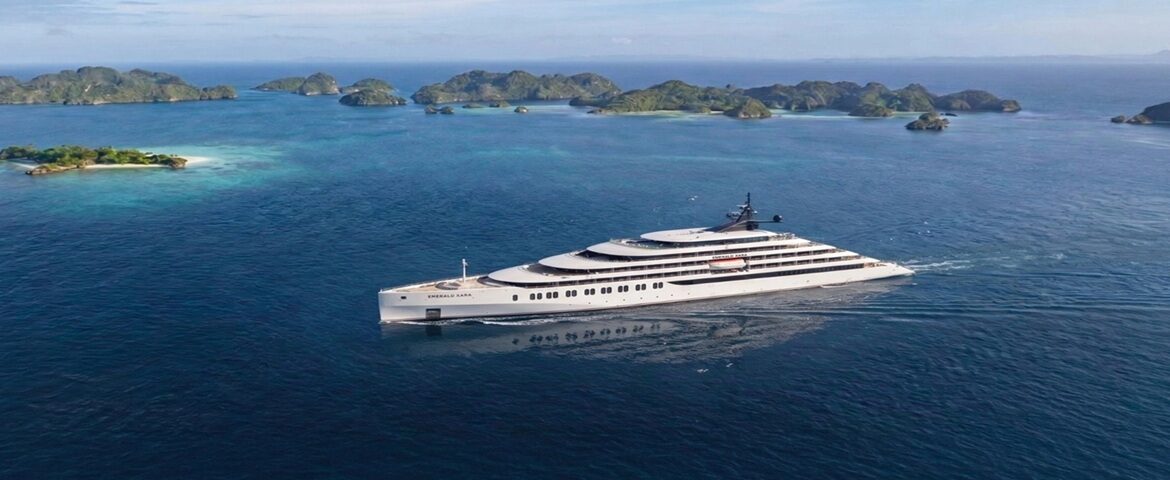
Emerald Xara
16 Cruises

| 24 July | 24 days | One-way from Benoa to Broome WA |
450-628-6241
Call us
|
| 24 July | 23 days | One-way from Benoa to Broome, Western Australia |
450-628-6241
Call us
|
Ponant (31 Cruises)
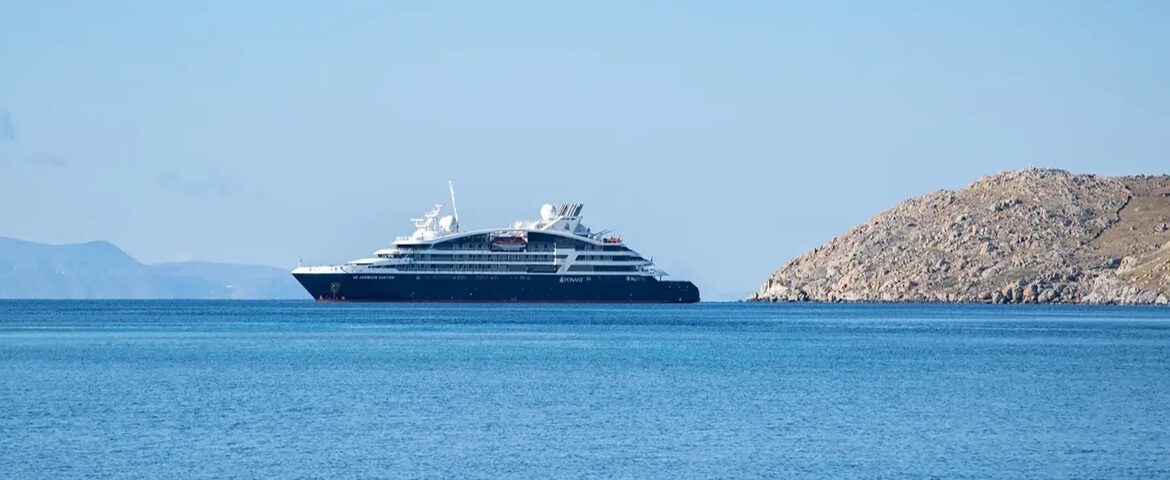
Le Jacques Cartier
18 Cruises

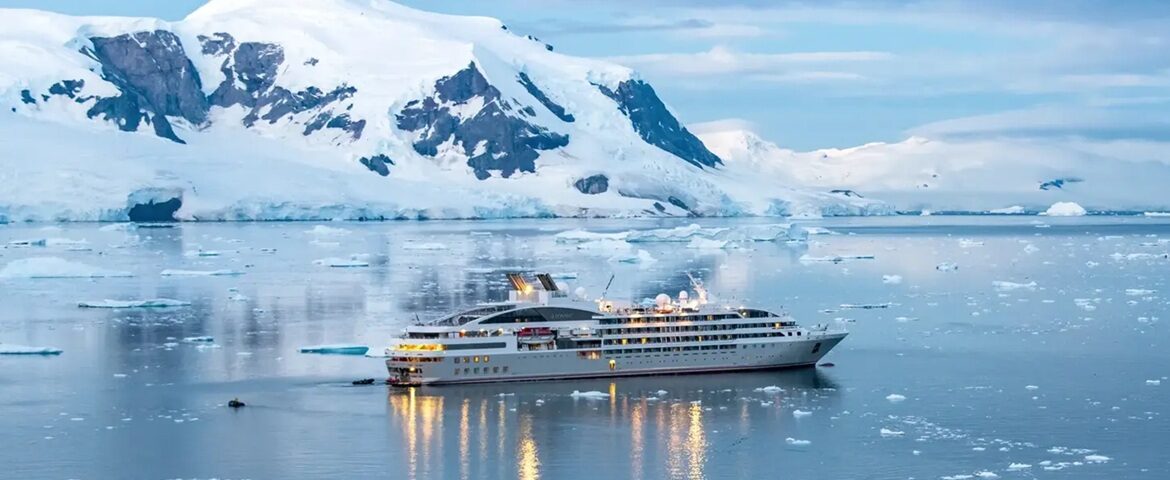
Le Soleal
13 Cruises
Princess Cruises (32 Cruises)
Coral Princess
6 Cruises


Grand Princess
16 Cruises

| 17 May | 15 days | One-way from Fremantle to Brisbane |
450-628-6241
Call us
|
| 17 May | 17 days | One-way from Fremantle to Sydney |
450-628-6241
Call us
|
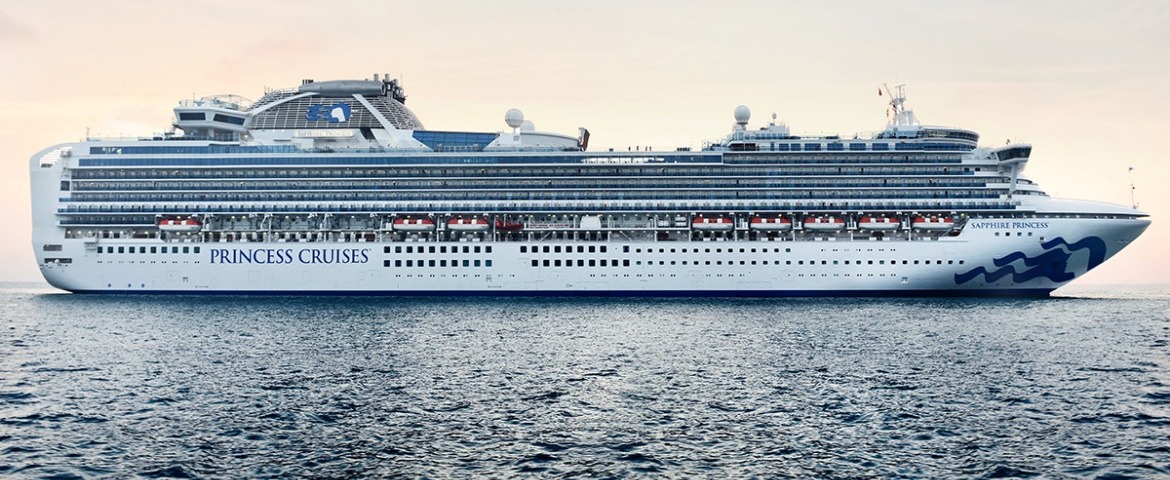
Sapphire Princess
10 Cruises
| 28 September | 28 days | One-way from Singapore to Sydney |
450-628-6241
Call us
|
| 28 September | 25 days | One-way from Singapore to Brisbane |
450-628-6241
Call us
|
| 10 October | 13 days | One-way from Fremantle to Brisbane |
450-628-6241
Call us
|
| 10 October | 16 days | One-way from Fremantle to Sydney |
450-628-6241
Call us
|
Seabourn Cruise Line (15 Cruises)
Seabourn Pursuit
9 Cruises
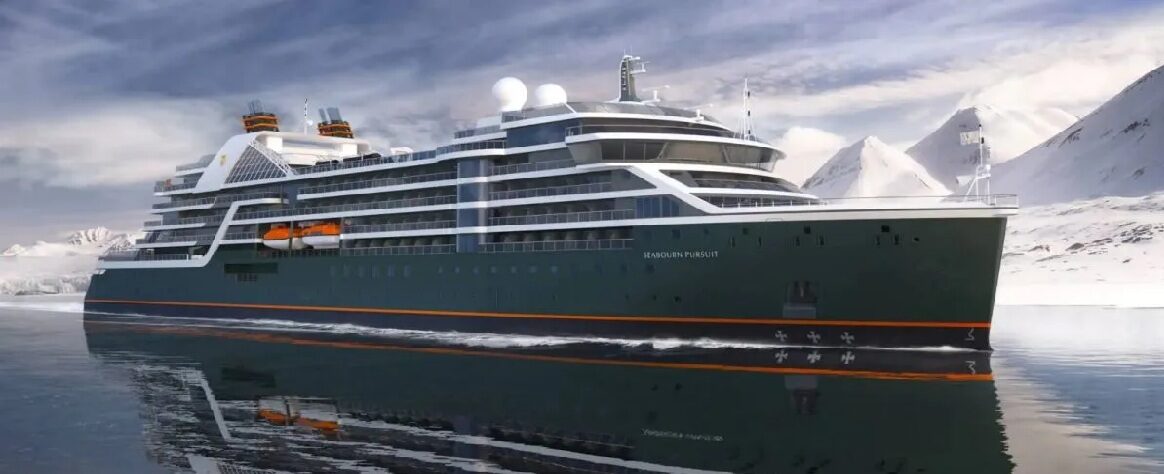

| 8 May | 27 days | One-way from Lautoka to Broome WA |
450-628-6241
Call us
|
| 24 May | 11 days | One-way from Darwin to Broome WA |
450-628-6241
Call us
|
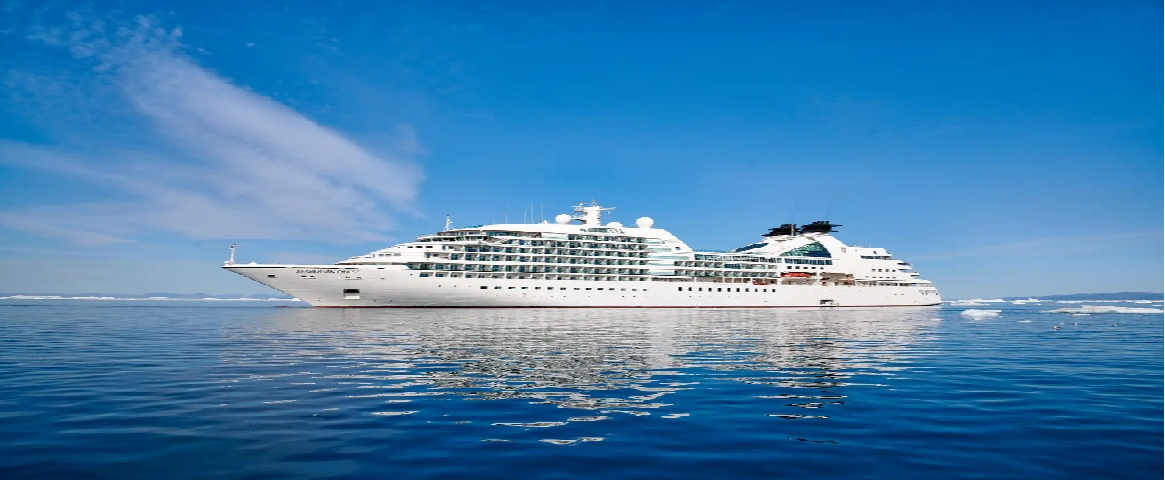
Silversea Cruises (20 Cruises)
Silver Cloud
10 Cruises
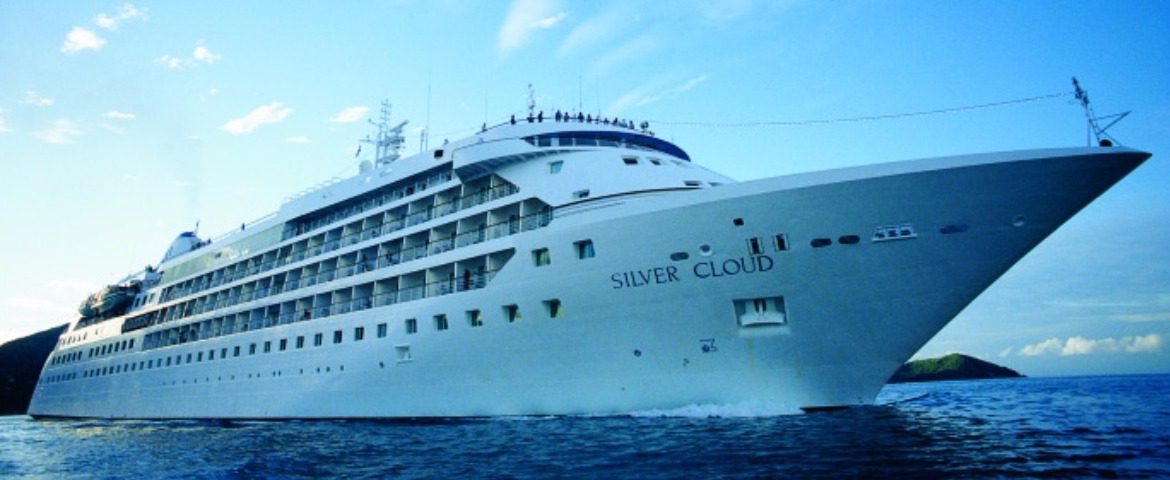

| 15 July | 11 days | One-way from Darwin to Broome WA |
450-628-6241
Call us
|
| 25 July | 11 days | One-way from Broome WA to Darwin |
450-628-6241
Call us
|
Silver Cloud Expedition
10 Cruises
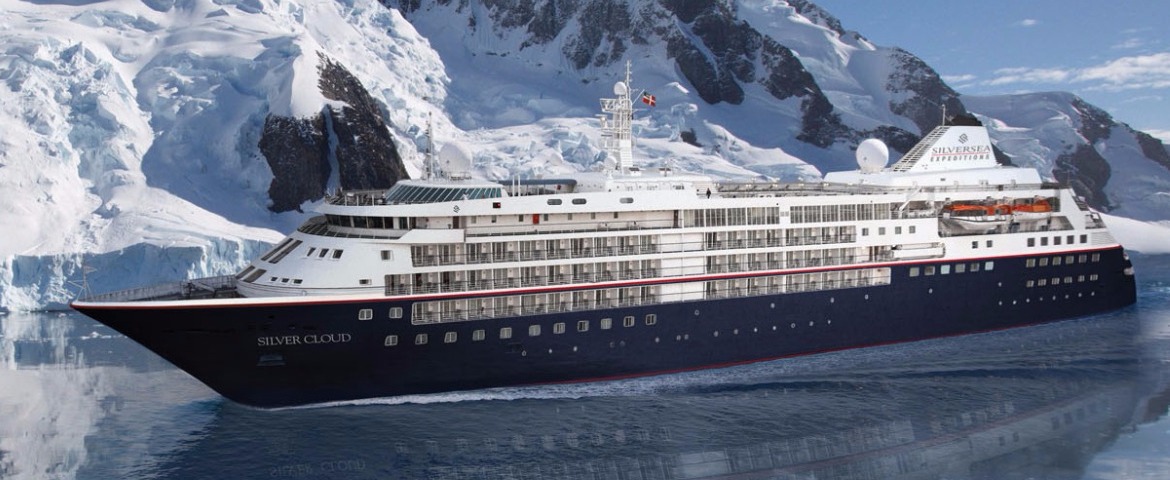
| 15 July | 11 days | One-way from Darwin to Broome WA |
450-628-6241
Call us
|
| 25 July | 11 days | One-way from Broome WA to Darwin |
450-628-6241
Call us
|

Kimberley Coast, Australia | Cruise Port Guide
Frequently Asked Questions
No. This coast has no port, no road and no village for hundreds of kilometres. You don't call here: you cruise it on expedition, over one to two weeks, between Broome and Wyndham or Darwin, aboard small ships equipped with zodiacs.
Depending on water and weather, the expedition team opens a new door each day: a river run between mangroves, a landing on an empty beach, an approach to a painted rock wall. Evening lectures on geology, wildlife and Aboriginal cultures set up the following day.
Up to twelve metres, twice a day, along orange sandstone cliffs nearly two billion years old. That breathing governs the whole programme: what is navigable in the morning may not be by afternoon.
In Talbot Bay, the tide forces through two narrow gorges with such power that the water forms genuine sea rapids, run by fast boat in a roar of foam. The phenomenon reverses at each turn of the tide: hours later, the same passage is a mirror.
Australia's largest inshore reef, which appears to rise out of the ocean as the tide falls: waterfalls pour off its coral tables and hectares of lagoon drain in front of passengers in zodiacs. Turtles, rays, reef sharks and dolphins hunt in the channels.
The King George River drops 80 metres, the highest falls in Western Australia, between two ochre-striped sandstone walls. Ships come up the fjord to the foot of the twin cataracts. In the dry season the flow thins, but the gorge itself, deep and silent, is worth the trip.
No. Saltwater crocodiles set the rules: nobody swims, and everyone scans the mud banks where they sun themselves. That authority of the wild is precisely what gives the voyage its character.
Figures painted in sandstone shelters a few minutes' walk from the beaches: the Wandjina, spirits with large eyes and no mouths, and the slender Gwion Gwion figures, among the oldest known painting traditions. Aboriginal guides or trained crew accompany the visit, and voices stay low.
Saltwater crocodiles, dugongs, sea snakes, ospreys, turtles, rays and reef sharks, logged by the onboard naturalists on each outing. In season, humpback whales pass offshore near Montgomery Reef.
Travellers who accept the discomfort of the unforeseen and walking on natural ground, in exchange for a world from before the maps. There are no shops, no cafés and no mobile coverage: the only light at night is the Milky Way.


