Busselton WA Margaret River, Western Australia
Australia

61 Cruises availables At departure or passage at this port

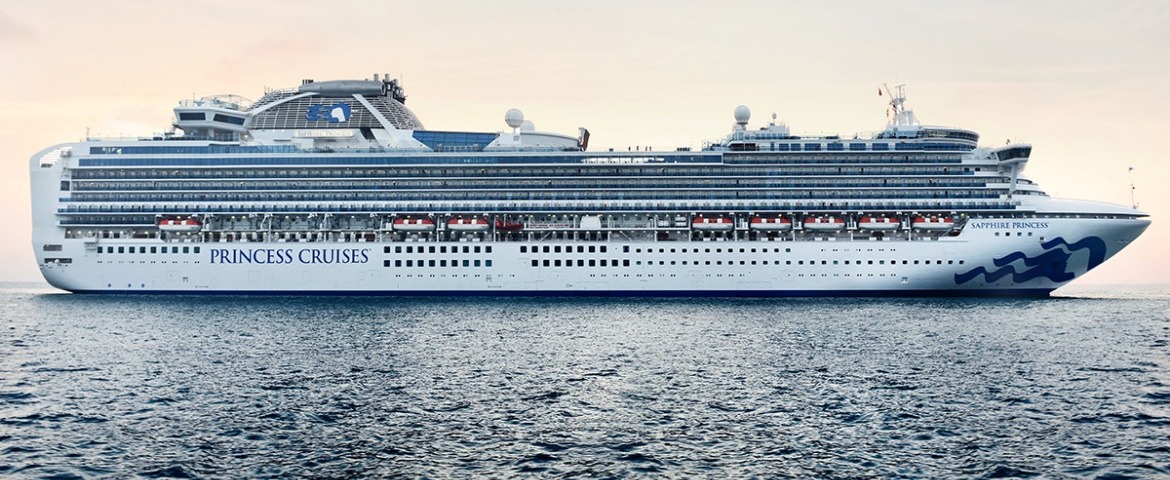
Princess Cruises (28 Cruises)

Cruise PCL Princess Grand Ship

Grand Princess

2600 Passengers
107751 tons
Visit the ship's page

Port of Busselton, Australia | Cruise Port Guide

A wooden line reaches out over the sea, so far it seems to be trying to touch the horizon. The Busselton Jetty, the longest wooden-piled structure in the Southern Hemisphere, stretches 1,841 metres across the calm waters of Geographe Bay in southwestern Australia. Ships anchor offshore, and tenders drop passengers at the foot of this structure, begun in 1853 and extended over more than a century as the timber trade grew. The stop announces itself right away: turquoise sea, golden beaches, and, further inland, the renowned Margaret River vineyards.

The Jetty, a Walk Out to Sea

Walking to the end of the structure takes a good half hour, lulled by the lapping water and the cries of terns. A small solar-powered train also runs along the jetty for those who'd rather save their legs. At the far end, an underwater observatory descends eight metres below the surface: through its windows, soft corals, schools of fish, and pilings covered in colourful sponges form a life-sized aquarium, fed by a warm current that gives the bay marine life surprisingly rich for this latitude. Tours run in small groups at set times; it's best to check in on arrival to reserve a spot. Snorkellers, meanwhile, are free to explore the pilings, which have become, over the decades, a thriving artificial reef.

The Waterfront and the Town

Back on dry land, the foreshore area brings together lawns, playgrounds, cafés, and a museum devoted to the jetty's history. The main street, Queen Street, extends the walk with its shops and relaxed terraces. Everything is within walking distance, hat and sunscreen in hand; the beach borders the town centre for kilometres, and the shallow water here stays remarkably calm, sheltered by Cape Naturaliste.

Margaret River, the Vineyard by the Indian Ocean

The stop's most popular excursion heads south, through eucalyptus groves and pastures, to the Margaret River wine region. In about forty minutes, beaches give way to rows of vines. The wineries — some pioneering estates planted in the 1960s — have built a global reputation on cabernet sauvignon and chardonnay. Tours combine tastings, fine dining, and sometimes artisan cheese or chocolate makers; non-drinkers won't be bored either, with breweries and galleries dotting the same country roads. The scenery alone, between karri forests and ocean, is worth the trip.

Caves and Wild Capes

The peninsula stretching between Cape Naturaliste and Cape Leeuwin hides a string of limestone caves adorned with formations, including Ngilgi Cave near Yallingup, open for guided tours. At Cape Naturaliste, a stone lighthouse watches over coastal trails where, depending on the season, you might spot the spouts of migrating humpback whales. These outings pair well with a morning at the jetty for a well-balanced day between sea and land.

Planning Your Day

  • Jetty walk, train, and underwater observatory: right on site, a full half-day;
  • beaches and downtown: within walking distance of the landing point;
  • Margaret River vineyards: about a 45-minute drive, by excursion;
  • Ngilgi Cave and Cape Naturaliste: 30 to 40 minutes by road.

Back Across the Bay

At boarding time, the jetty stretches out in the low evening light, and evening anglers take over from the day's strollers. The tender glides toward the ship, sky and sea blending into one. Busselton leaves behind a rare mix: the simplicity of a family-friendly seaside town and the elegance of a great wine region. A day measured out in wooden planks, raised glasses, and horizons — one that always seems to end a little too soon.

Frequently Asked Questions

Ships don't berth: they anchor offshore in Geographe Bay and passengers come ashore by tender at the foot of Busselton Jetty. Landings therefore depend on sea conditions, as anywhere tenders are used.
1,841 metres, making it the longest timber-piled structure in the Southern Hemisphere. Begun in 1853, it was extended over more than a century as the timber trade grew.
Allow a good half-hour each way on foot. A small solar-powered train also runs along the structure for those who would rather spare their legs, and it's the sensible choice on a short call.
An observation chamber eight metres below the surface at the end of the jetty. Through the portholes you see soft corals, schools of fish and piles covered in sponges. Tours run in small groups at set times, so ask about booking a spot as soon as you land.
Yes, it's the most popular excursion from the call: about 45 minutes south by road. Margaret River estates built their global reputation on cabernet sauvignon and chardonnay, and tours combine tastings, good food and sometimes artisan cheese or chocolate makers.
Plenty. The foreshore has lawns, playgrounds, cafés and a museum about the jetty; Ngilgi Cave and Cape Naturaliste are 30 to 40 minutes away; and the Margaret River country roads also hold breweries, galleries and chocolate makers.
Yes, the beach runs for kilometres alongside the town centre and the water is unusually calm, sheltered by Cape Naturaliste. It's shallow, which suits families well. Snorkellers head instead for the jetty piles, now a thriving artificial reef.
Seasonally, yes. Coastal trails around the stone lighthouse at Cape Naturaliste give views of humpback whales blowing during their migration. It's not guaranteed year-round, unlike the jetty, which is there in every season.
Australian dollars and English. Credit cards and contactless payment are accepted everywhere, including at wineries and foreshore cafés.
Yes, everything is walkable. Queen Street, the main street, continues the foreshore promenade with its shops and relaxed terraces. Bring a hat and sunscreen: shade is scarce on the jetty and the beach alike.