My Tho Mekong Delta, Vietnam

761 Cruises availables At departure or passage at this port

AmaWaterways (139 Cruises)

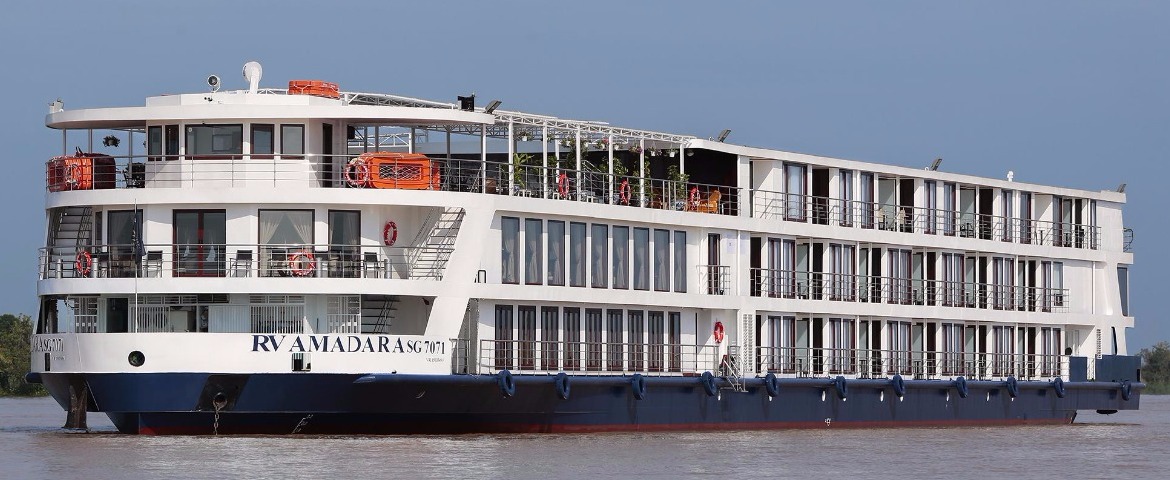
Cruise Ama AmaWaterways RV AmaDara ship

AmaDara

124 Passengers
Visit the ship's page
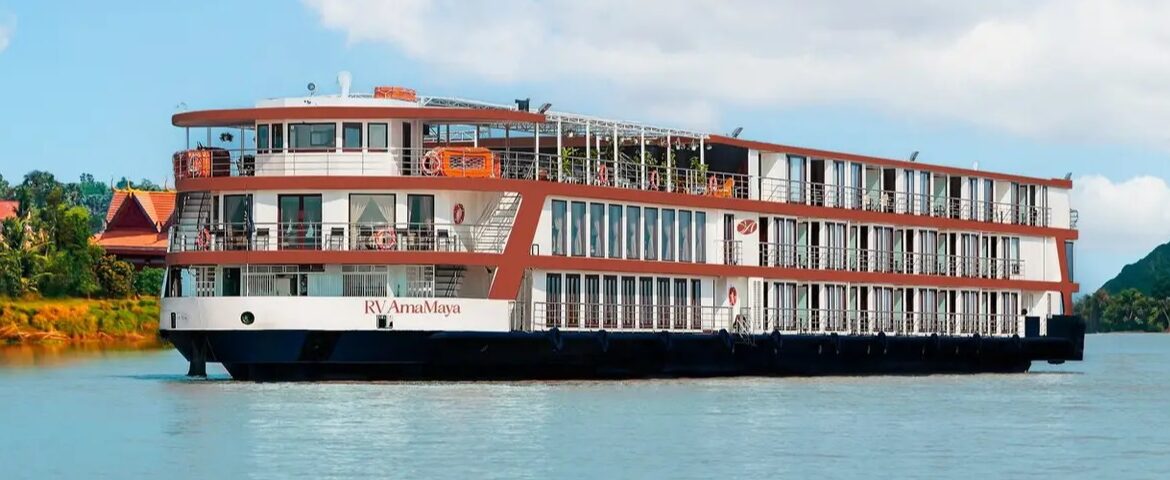
AmaMaya.

AmaMaya

176 Passengers
Visit the ship's page

CroisiEurope (50 Cruises)

Cruise CE Croisieurope RV Lan Diep ship

RV Lan Diep

44 Passengers
Visit the ship's page

Emerald Waterways (440 Cruises)

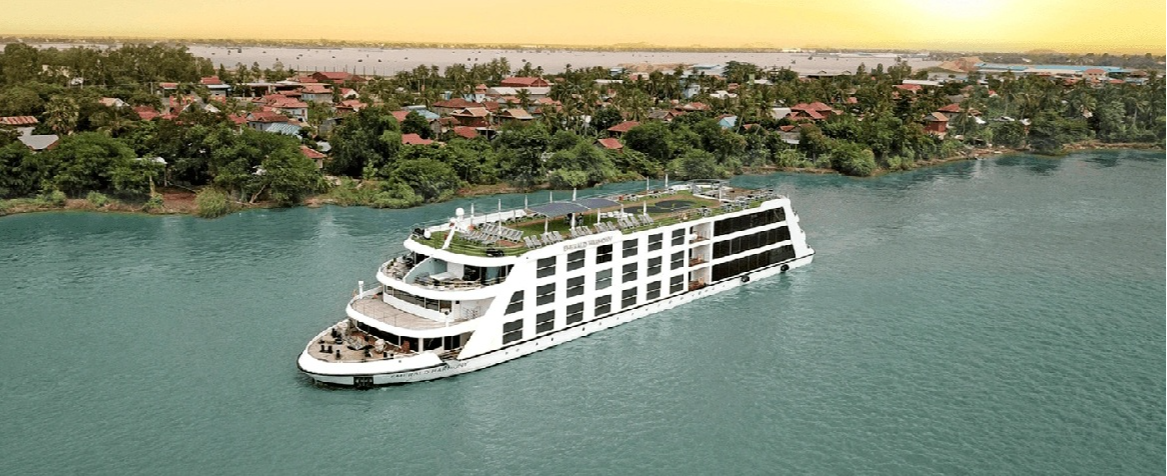
Emerald Harmony

Emerald Harmony

124 Passengers
Visit the ship's page
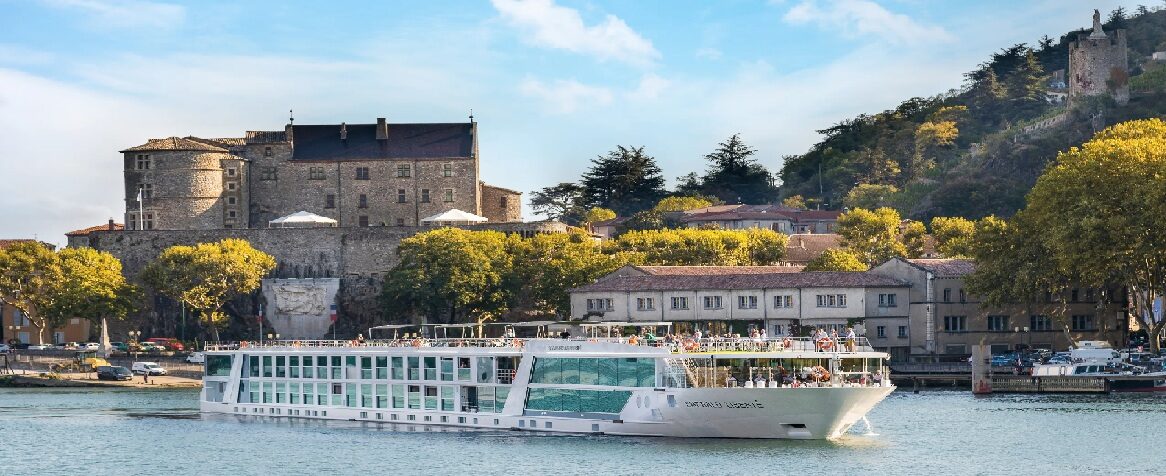
Emerald Liberte.

Emerald Liberte

187 Passengers
Visit the ship's page

Scenic Cruises (22 Cruises)

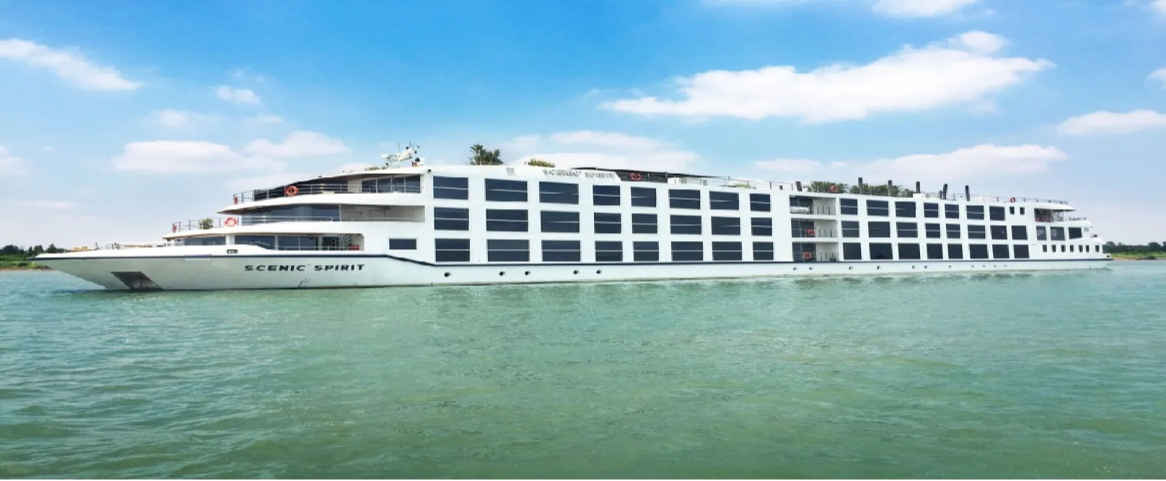
Scenic Spirit.

Scenic Spirit

68 Passengers
Visit the ship's page

Uniworld Boutique River Cruise (92 Cruises)

Mekong Jewel.

Mekong Jewel

Visit the ship's page

My Tho, Vietnam | Cruise Port Guide

The putt-putt of a sampan engine, the green shade of water palms, a hand offering a cup of honey tea: the Mekong Delta first introduces itself through the senses, and My Tho is its gateway. This river town in southern Vietnam, about seventy kilometres from Ho Chi Minh City, serves as a stop for river cruises as well as day excursions, and concentrates within a few kilometres everything that gives the delta its character.

A River That Feeds Everything

From the deck, the Mekong impresses with its width and its traffic: barges loaded with rice to the waterline, fishing boats with eyes painted on their bows, ferries zigzagging between the islands. The banks disappear beneath orchards, as this region produces an abundance of tropical fruit that leaves every morning for markets across the country. It is this water-based economy, intact despite Vietnam's modernization, that the stop lets you approach, with the great cable-stayed Rach Mieu Bridge, reaching across to neighbouring Ben Tre province, in the background.

Vinh Trang Pagoda

On the edge of town, Vinh Trang Pagoda blends influences with delightful freedom: French-inspired arches, Khmer motifs, Vietnamese roofs and gardens dotted with giant Buddhas, including a laughing Buddha that delights photographers. Founded in the 19th century and listed as a national heritage site, it remains an active place of worship; you pass monks between groups of visitors. Allow about thirty minutes on site, more if the tranquillity of the gardens holds you.

Unicorn Island, by Sampan

The highlight of the stop happens on the water. Facing the town, Thoi Son Island, known as Unicorn Island, is explored along a route that has become classic yet never fails: a boat drops you on the island, where you cross the orchards on foot or by horse cart; farmers offer tastes of longan, sugar apple or pomelo depending on the season; a family workshop shows how coconut sap becomes candy, rolled and wrapped by hand before your eyes. Then comes the part no one forgets: gliding by rowed sampan through the arroyos, narrow canals vaulted by water palms, where the silence is broken only by the rowers' songs and the lapping of the water. Several tours add a few tunes of đờn ca tài tử, the traditional music of the delta, served with honey tea in a garden courtyard.

Tips for the Day

The local climate is hot and humid in every season: a hat, water and light clothing are a must, with a pocket raincoat between May and November. If time allows, ask for a bowl of hu tieu My Tho, the pork and shrimp noodle soup that has carried the town's name into kitchens throughout the south of the country; the best spots are near the central market, where stalls overflow with flowers, dried fish and precariously stacked fruit. Transactions are in dong, preferably small bills, and coconut candies are the simplest souvenir to bring home. Distances remain short; it is the sequence of boat, walk and sampan that fills the day, without ever rushing it.

On the way back, as the boat follows the brown thread of the river again, you keep an impression of tranquil abundance from My Tho: a world where everything grows, everything floats and everything is shared. The delta has dozens of possible stops, but it is often here, in a shaded canal, that passengers understand why the Mekong is nicknamed the nourishing river.

Frequently Asked Questions

My Tho is a river town in southern Vietnam, about seventy kilometres from Ho Chi Minh City. It serves both Mekong cruises and day excursions, and packs everything that defines the delta into a few kilometres.
The classic sequence fits that window: the Vinh Trang pagoda, about thirty minutes on site, then the crossing to Thoi Son island, known as Unicorn Island, with the rowed sampan glide through the arroyos.
It is a 19th-century sanctuary listed as a national heritage site, blending French-inspired arches, Khmer motifs and Vietnamese roofs, with gardens punctuated by giant Buddhas. It remains an active place of worship: monks pass between visitor groups.
It is Thoi Son island, facing the town. Orchards are crossed on foot or by horse cart, farmers offer longan, custard apple or pomelo depending on the season, and a family workshop shows how coconut sap becomes candy.
It is the moment nobody forgets: a rowed boat slips into narrow canals vaulted with water palms, where the silence is broken only by the rowers' song and the lapping of water.
Hu tieu My Tho, a pork and shrimp noodle soup that carried the town's name into kitchens across the south. The best addresses are near the central market.
Hot and humid year-round. A hat, water and light clothing are essential, plus a packable raincoat between May and November, the rainy season.
The Vietnamese dong, preferably in small notes. Coconut candies, rolled and wrapped by hand in front of you, make the simplest souvenir to bring home.
Yes. The sequence of boat, walk, horse cart and sampan keeps children engaged, and the coconut candy workshop always lands. Distances stay short and the day is never rushed.
Yes, several circuits add a few tunes of don ca tai tu, the delta's traditional music, served with honey tea in a garden courtyard on Thoi Son island.